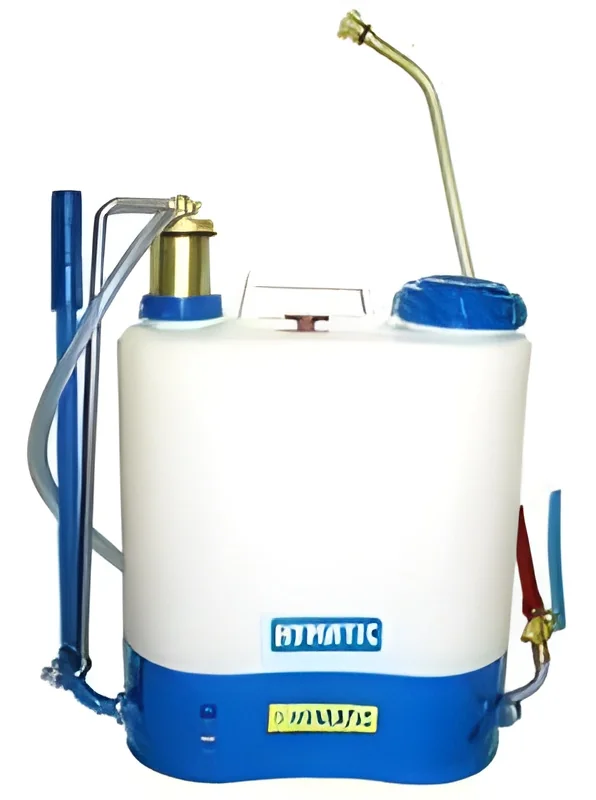
𝗪𝗵𝗮𝘁 𝗮𝗿𝗲 𝗦𝗽𝗿𝗮𝘆 𝗧𝗮𝗻𝗸𝘀 & 𝗖𝗮𝗻𝘀?
Spray tanks and cans are specialized containers designed for the storage and application of liquids, particularly in spraying applications. These products are often used to dispense chemicals, pesticides, fertilizers, paints, and other fluids in a controlled manner. They come in various sizes and designs, catering to different industrial and agricultural needs. The construction of these tanks and cans typically ensures durability and resistance to the chemicals they contain.
In business applications, spray tanks and cans find their primary use in agriculture, manufacturing, and maintenance sectors. Farmers utilize them for efficient pesticide application, while manufacturers may use them for coatings or cleaning purposes. Additionally, they are essential in facilities management for tasks like sanitization and surface treatment. The relevance of spray tanks and cans in the market is underscored by their versatility and the increasing demand for efficient liquid application solutions across various industries.
𝗞𝗲𝘆 𝗙𝗲𝗮𝘁𝘂𝗿𝗲𝘀 𝗮𝗻𝗱 𝗦𝗽𝗲𝗰𝗶𝗳𝗶𝗰𝗮𝘁𝗶𝗼𝗻𝘀
Spray tanks and cans come with a range of features and specifications that enhance their functionality and effectiveness. Understanding these specifications helps businesses select the right product for their specific needs.
Key specifications include:
1. Capacity
- Varies from small handheld cans to large industrial tanks
- Common ranges include 1 liter to 1000 liters
2. Material
- Made from materials such as plastic, metal, or composite
- Must be resistant to corrosion and chemical reactions
3. Nozzle Type
- Different types available including adjustable, fixed, and fan spray nozzles
- Nozzle type affects the spray pattern and coverage area
4. Pressure Rating
- Indicates the maximum pressure the tank can withstand
- Common ratings range from 20 PSI to 100 PSI
5. Portability
- Many models designed with wheels or handles for easy movement
- Important for applications requiring mobility
6. Safety Features
- May include pressure relief valves and safety locks
- Essential for preventing accidents during use
7. Compatibility
- Should be compatible with a variety of chemicals
- Important for avoiding reactions that could damage the tank
In summary, understanding the features and specifications of spray tanks and cans is crucial for businesses looking to invest in these products. The right choice can enhance operational efficiency and safety.
𝗖𝗼𝗺𝗺𝗼𝗻 𝗔𝗽𝗽𝗹𝗶𝗰𝗮𝘁𝗶𝗼𝗻𝘀 𝗮𝗻𝗱 𝗨𝘀𝗲 𝗖𝗮𝘀𝗲𝘀
Spray tanks and cans have numerous applications across various industries, ensuring effective liquid management and application.
1. Agriculture: Farmers use spray tanks for applying pesticides and fertilizers over large areas, ensuring more efficient crop management.
2. Manufacturing: In manufacturing settings, spray cans are often employed for painting and coating surfaces, providing a uniform application.
3. Facility Management: These products are essential for cleaning and disinfecting spaces, particularly in healthcare and food service environments.
4. Automotive: Spray tanks are used for applying lubricants and cleaning agents in vehicle maintenance and repair shops.
5. Construction: In construction, spray cans are valuable for applying sealants and coatings on various surfaces.
6. Landscaping: Professionals utilize spray tanks for fertilizing and treating plants in large gardens and lawns.
𝗣𝗿𝗼𝗱𝘂𝗰𝘁 𝗩𝗮𝗿𝗶𝗮𝗻𝘁𝘀 𝗮𝗻𝗱 𝗦𝘂𝗯𝗰𝗮𝘁𝗲𝗴𝗼𝗿𝗶𝗲𝘀
Spray tanks and cans come in various types to meet diverse user needs. Each variant serves a specific purpose and offers unique features.
Handheld Spray Can
This variant is ideal for small tasks and spot treatments. It offers portability and ease of use, making it suitable for home gardening and minor repairs.
Backpack Spray Tank
Designed for larger applications, this tank allows for extended use without frequent refills. It is commonly used in agricultural settings for applying pesticides over vast areas.
Pressure Sprayer
These sprayers are equipped with a pump to create pressure, allowing for a more consistent spray pattern. They are suitable for both commercial and residential applications.
Electric Spray Tank
This variant uses battery power for efficient spraying without manual pumping. Ideal for users who require continuous operation and minimal fatigue during use.
𝗕𝗲𝗻𝗲𝗳𝗶𝘁𝘀 𝗮𝗻𝗱 𝗔𝗱𝘃𝗮𝗻𝘁𝗮𝗴𝗲𝘀
Investing in spray tanks and cans provides numerous benefits that enhance operational efficiency and effectiveness.
1. Enhanced Application Control: Spray tanks allow for precise control over the amount of liquid applied, reducing waste and improving effectiveness.
2. Versatility: These products can handle a wide range of liquids, making them suitable for various applications across multiple industries.
3. Improved Efficiency: The design of spray tanks enables faster application compared to manual methods, saving time and labor costs.
4. Safety Features: Many models include built-in safety mechanisms that help prevent accidents, ensuring safer operation.
5. Cost-Effectiveness: The durability and efficiency of spray tanks reduce the frequency of replacements and maintenance, leading to long-term savings.
6. Environmental Responsibility: Proper use of spray tanks ensures minimal overspray and runoff, contributing to more sustainable practices.
𝗕𝘂𝘆𝗶𝗻𝗴 𝗚𝘂𝗶𝗱𝗲 𝗳𝗼𝗿 𝗕𝟮𝗕 𝗕𝘂𝘆𝗲𝗿𝘀
When sourcing spray tanks and cans, businesses should consider several important factors to ensure they make informed purchasing decisions.
1. Quality Assessment: Evaluate products based on material quality and construction standards. Quality products ensure longevity and safety.
2. Supplier Verification: Conduct thorough research on potential suppliers. Verify certifications and customer reviews to ensure reliability.
3. Pricing and MOQ: Understand the pricing structure and minimum order quantities. This can affect budget planning and inventory management.
4. Delivery and Lead Times: Inquire about delivery times and logistics processes to avoid disruptions in operations.
5. Compliance Requirements: Ensure the products meet relevant industry regulations and safety standards, which can vary by region.
𝗖𝗼𝗺𝗽𝗹𝗶𝗮𝗻𝗰𝗲 𝗮𝗻𝗱 𝗖𝗲𝗿𝘁𝗶𝗳𝗶𝗰𝗮𝘁𝗶𝗼𝗻𝘀
Compliance and certifications are critical in the spray tanks and cans market, ensuring that products meet quality and safety standards.
Relevant quality standards include ISO 9001, which focuses on quality management systems, ensuring consistent product quality. Additionally, HACCP principles may apply in food-related applications, emphasizing the safe handling of chemicals.
Industry certifications such as CE signify that products meet European health and safety requirements. Compliance with these standards is essential for gaining market access and ensuring user safety.
Safety and testing requirements may include pressure testing and chemical compatibility assessments to ensure the tanks can safely handle the intended liquids.
Regional compliance considerations vary based on local regulations and industry standards, making it essential for buyers to be aware of the specific requirements in their operating regions.
𝗪𝗵𝘆 𝗦𝗼𝘂𝗿𝗰𝗲 𝗦𝗽𝗿𝗮𝘆 𝗧𝗮𝗻𝗸𝘀 & 𝗖𝗮𝗻𝘀 𝗳𝗿𝗼𝗺 𝗣𝗲𝗽𝗮𝗴𝗼𝗿𝗮?
Pepagora offers a trusted platform for sourcing spray tanks and cans, providing several key advantages that enhance the purchasing experience.
Verified Supplier Network: Our platform connects buyers with a network of verified suppliers, ensuring quality and reliability. Each supplier undergoes a thorough vetting process to guarantee they meet industry standards.
Streamlined RFQ Process: Pepagora simplifies the request-for-quotation process, allowing businesses to quickly obtain quotes from multiple suppliers. This efficiency helps buyers make informed decisions promptly.
Trade Assurance and Support: We prioritize buyer protection, offering trade assurance services that safeguard transactions. Our support team is available to assist with any inquiries or issues that may arise.
Regional Coverage: Pepagora provides extensive regional coverage, reaching buyers across India, the GCC, and Southeast Asia. This broad network facilitates access to a diverse range of products and suppliers, ensuring that businesses can find the right solutions for their needs.
<p>Spray tanks and cans are containers designed to hold liquids that can be sprayed for various applications, such as agriculture, pest control, and industrial use. They are equipped with a nozzle or spray mechanism that allows for controlled dispersion of the liquid, ensuring even coverage and efficient application.</p>
2
What are the different types of Spray Tanks & Cans?
<p>There are several types of spray tanks and cans, including handheld spray cans, backpack sprayers, and stationary spray tanks. Each type is suited for specific tasks, with variations in capacity, pressure, and application methods, catering to different user needs and environments.</p>
3
How do I choose the right Spray Tanks & Cans?
<p>To choose the right spray tank or can, consider factors such as the type of liquid being sprayed, the required application method, and the area size to be covered. Additionally, assess the capacity, portability, and ease of use to ensure it meets your specific requirements.</p>
4
What are the standard specifications for Spray Tanks & Cans?
<p>Standard specifications for spray tanks and cans may include material durability, tank capacity, pressure ratings, and nozzle types. It is also important to consider compatibility with different chemical formulations and ergonomic design for ease of operation.</p>
5
What is the price range for Spray Tanks & Cans?
<p>The price range for spray tanks and cans can vary widely based on size, type, and features, typically starting from a few hundred to several thousand Indian Rupees. It is advisable to compare options from different suppliers to find the best value for your specific needs.</p>
6
What quality standards apply to Spray Tanks & Cans?
<p>Quality standards for spray tanks and cans often include compliance with ISO certifications and safety regulations. Additionally, manufacturers may adhere to industry specifications regarding material quality, durability, and performance to ensure reliability in various applications.</p>
7
Where can I find Spray Tanks & Cans suppliers in India?
<p>You can find spray tanks and cans suppliers in India through various online B2B marketplaces, trade directories, and industry exhibitions. Websites like Pepagora.com can help connect you with reputable manufacturers and suppliers across the country.</p>
8
Can Spray Tanks & Cans be customized?
<p>Yes, many manufacturers offer customization options for spray tanks and cans to meet specific requirements. Customizations may include alterations in size, color, nozzle type, or additional features like pressure gauges and ergonomic handles.</p>
9
What is the typical minimum order quantity for Spray Tanks & Cans?
<p>The typical minimum order quantity (MOQ) for spray tanks and cans varies by supplier and product type, often ranging from 10 to 100 units. It is advisable to check with individual suppliers for their specific MOQ requirements.</p>
10
What is the typical lead time for Spray Tanks & Cans?
<p>The typical lead time for spray tanks and cans can range from a few days to several weeks, depending on factors like product availability, customization requirements, and order volume. It is best to confirm delivery timelines with the supplier at the time of order.</p>
Why Businesses Trust Pepagora
Thousands of companies trust Pepagora to source smarter and sell faster
Expand Your Sales Globally
25000+Products listed.Get discovered by global buyers

 IN
IN