𝗪𝗵𝗮𝘁 𝗮𝗿𝗲 𝗦𝘁𝗲𝗲𝗹 𝗥𝗼𝗱𝘀 & 𝗕𝗮𝗿𝘀?
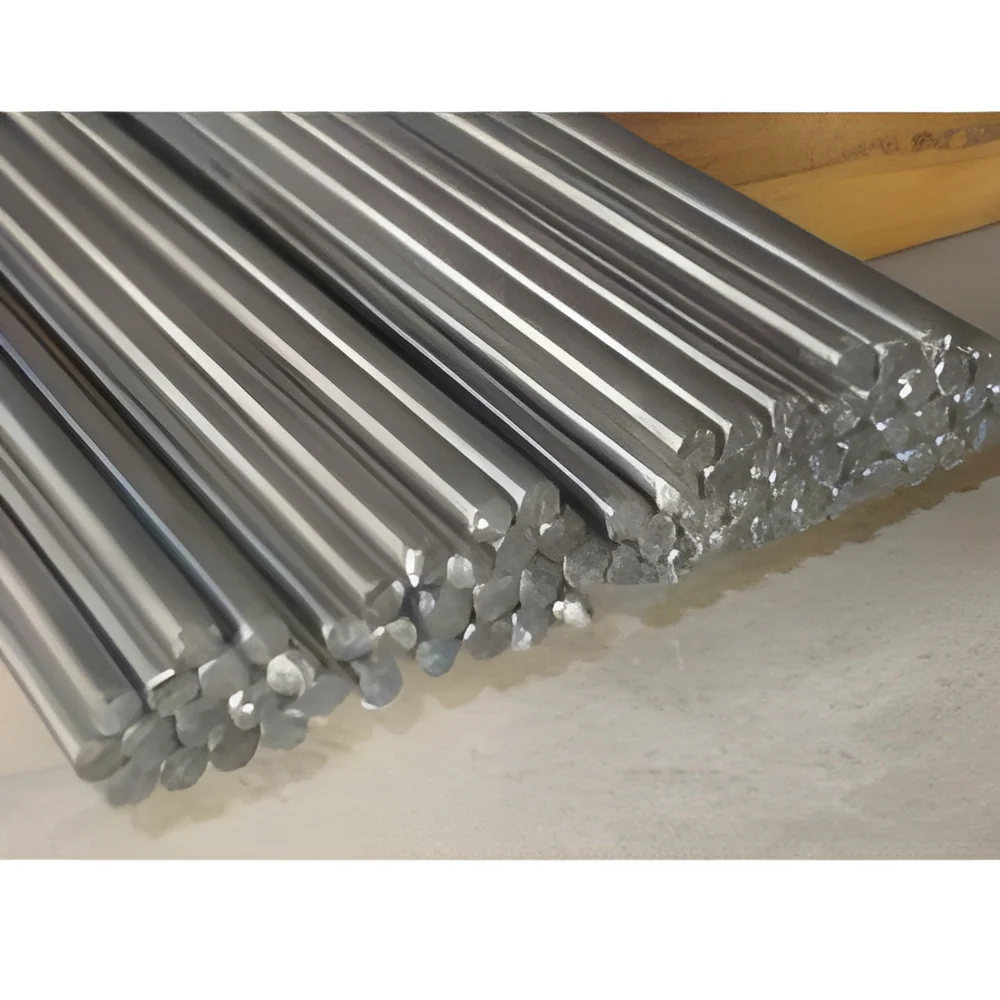
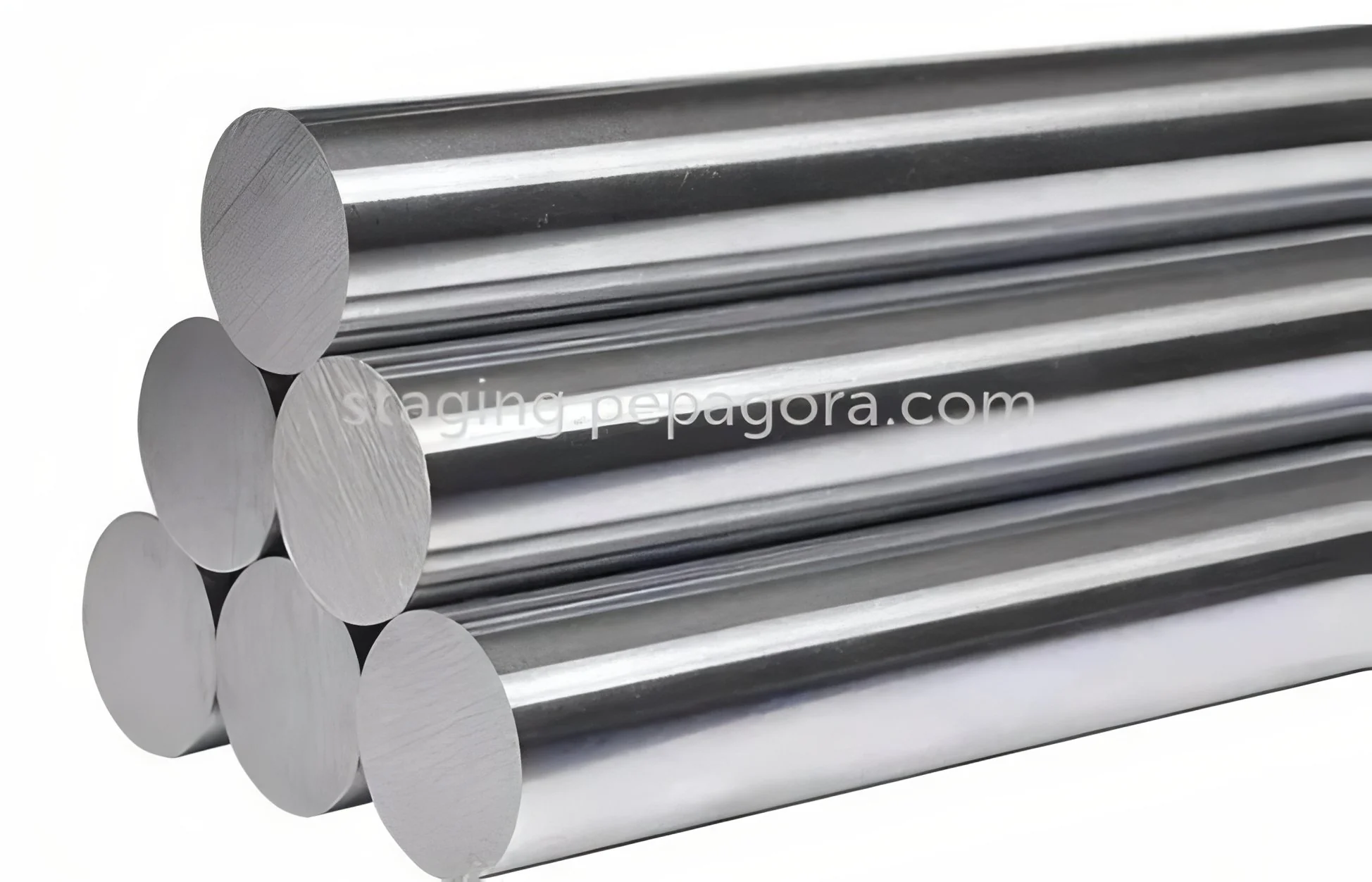
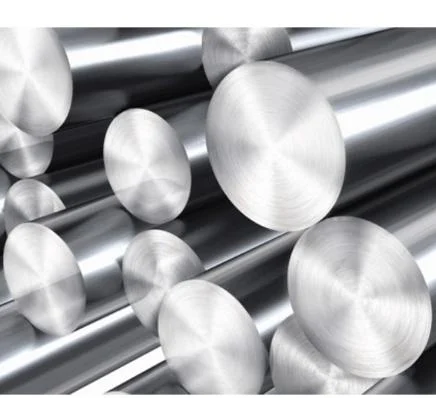
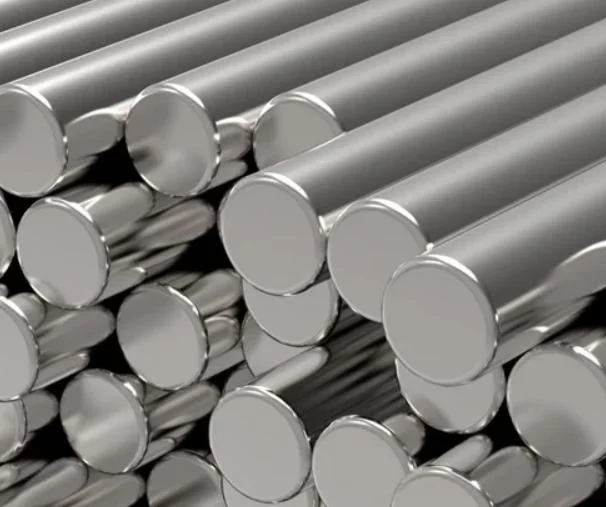
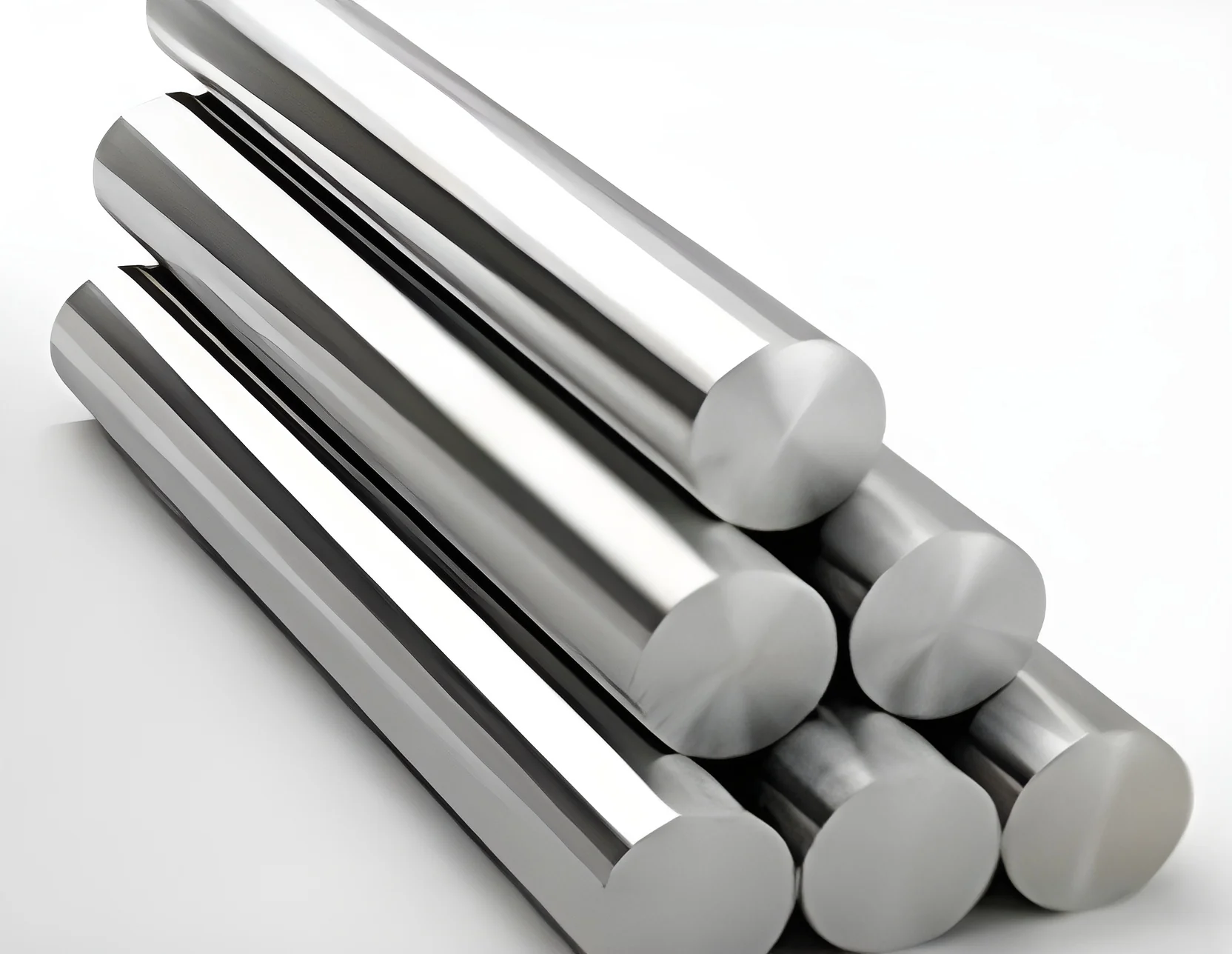
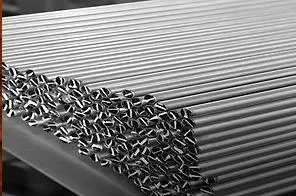
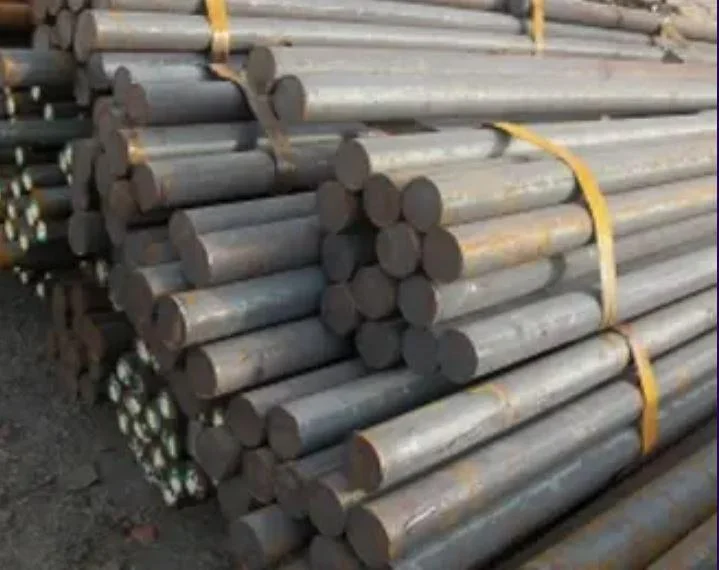
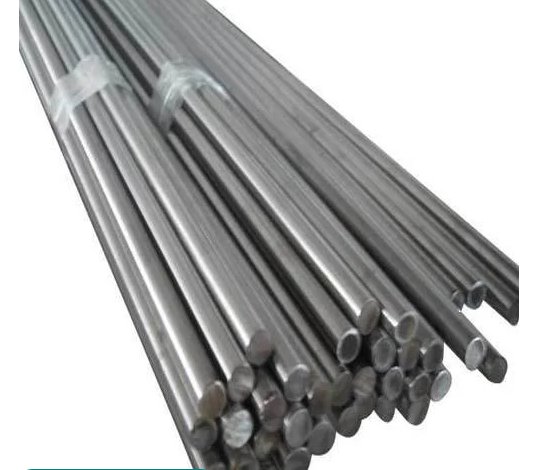
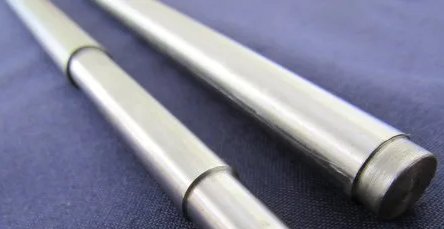
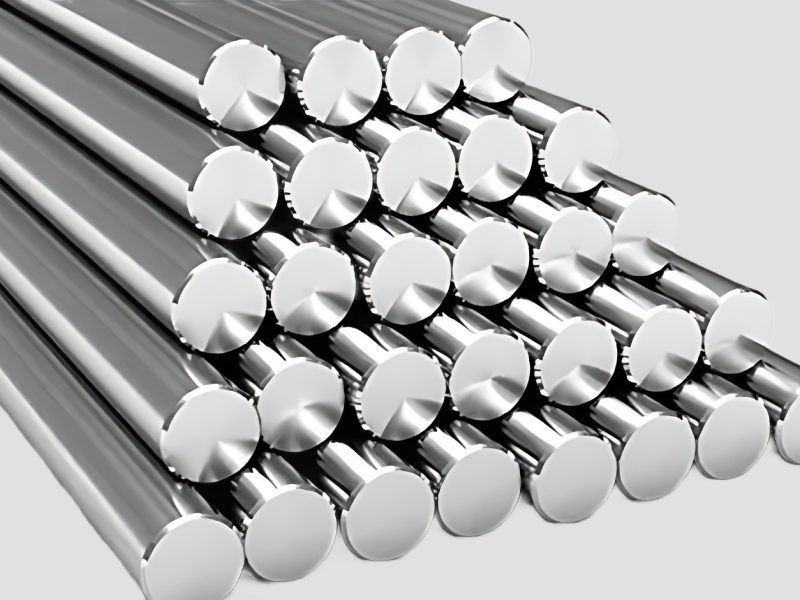
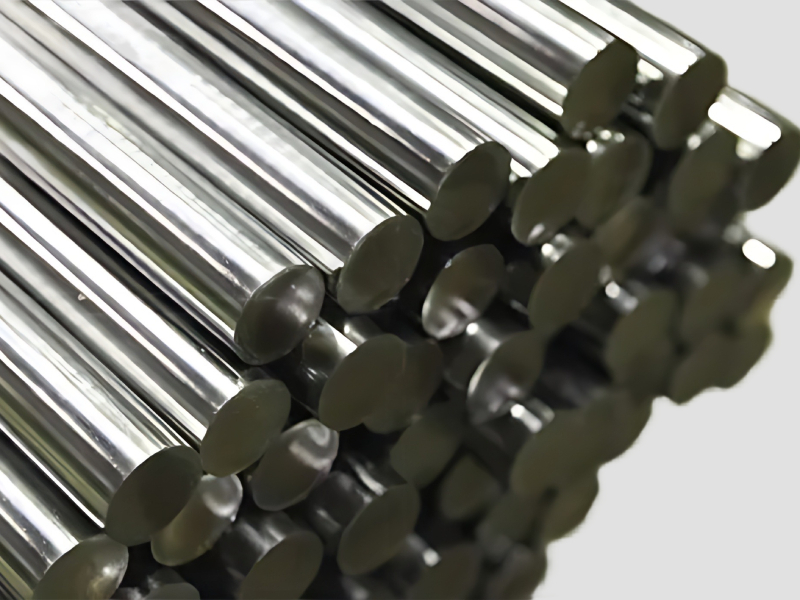
Steel rods and bars are long, cylindrical forms of steel that are produced through various manufacturing processes, including hot rolling and cold drawing. They are available in different sizes and grades, making them versatile for a wide range of applications. Steel rods typically have a circular cross-section, while steel bars can be square or rectangular in shape. These products are made from high-quality steel, ensuring strength, durability, and resistance to deformation.
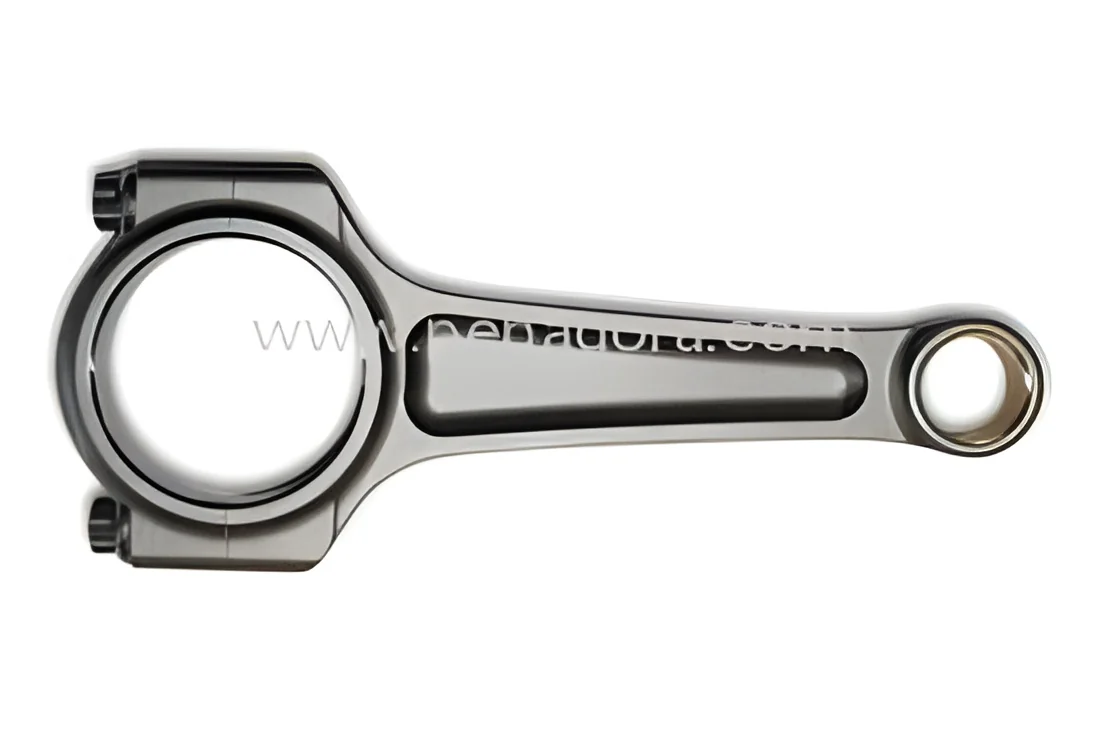
The primary uses of steel rods and bars span across multiple industries. They are commonly employed in construction for reinforcing concrete structures, in manufacturing for creating mechanical components, and in automotive applications for producing parts like axles and shafts. Their ability to withstand heavy loads and resist wear makes them essential in these sectors. As the demand for high-strength materials continues to rise, steel rods and bars play a crucial role in meeting industry requirements, contributing to infrastructure development and industrial growth.
𝗞𝗲𝘆 𝗙𝗲𝗮𝘁𝘂𝗿𝗲𝘀 𝗮𝗻𝗱 𝗦𝗽𝗲𝗰𝗶𝗳𝗶𝗰𝗮𝘁𝗶𝗼𝗻𝘀
Steel rods and bars come with a variety of features that cater to different industrial needs. Understanding these specifications is essential for selecting the right product for specific applications.
Key specifications include:
1. Diameter
- Ranges from a few millimeters to several centimeters
- Determines the strength and load-bearing capacity
2. Length
- Typically offered in standard lengths of 6 meters, but can be customized
- Length affects transportation and handling
3. Grade
- Various grades available, such as ASTM A36, A992, and others
- Grade selection impacts tensile strength and ductility
4. Surface Finish
- Options include black, pickled, and galvanized
- Surface finish influences corrosion resistance and aesthetic appeal
5. Tensile Strength
- Measured in megapascals (MPa)
- Indicates the maximum stress a material can withstand while being stretched
6. Yield Strength
- Also measured in megapascals (MPa)
- Represents the stress at which a material begins to deform plastically
7. Chemical Composition
- Varies by grade, affecting properties like hardness and corrosion resistance
- Common elements include carbon, manganese, and chromium
8. Compliance Standards
- Products may meet various international standards such as CE certification
- Ensures quality and safety in application
These specifications provide a framework for selecting the appropriate steel rods and bars tailored to specific industrial applications.
𝗖𝗼𝗺𝗺𝗼𝗻 𝗔𝗽𝗽𝗹𝗶𝗰𝗮𝘁𝗶𝗼𝗻𝘀 𝗮𝗻𝗱 𝗨𝘀𝗲 𝗖𝗮𝘀𝗲𝘀
Steel rods and bars are utilized in a wide range of industries due to their strength and versatility.
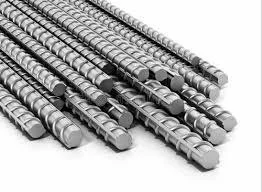
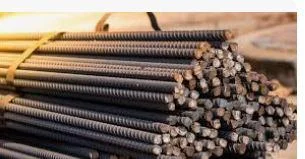
1. Construction: Steel rods and bars are primarily used for reinforcing concrete in buildings and bridges, providing structural integrity and support.
2. Manufacturing: In manufacturing, they serve as raw materials for creating machinery, tools, and components due to their durability and reliability.
3. Automotive: Steel rods and bars are critical in the automotive industry for producing various parts, including axles, frames, and suspension systems.
4. Oil and Gas: These products are used in drilling and extraction equipment, where strength and corrosion resistance are essential.
5. Aerospace: Steel rods and bars are also employed in the aerospace sector for producing components that require high strength-to-weight ratios.
6. Energy: In the energy industry, they are used for constructing frameworks and supports for renewable energy installations.
7. Marine: Steel rods and bars are utilized in shipbuilding, where resistance to harsh environmental conditions is crucial.
𝗣𝗿𝗼𝗱𝘂𝗰𝘁 𝗩𝗮𝗿𝗶𝗮𝗻𝘁𝘀 𝗮𝗻𝗱 𝗦𝘂𝗯𝗰𝗮𝘁𝗲𝗴𝗼𝗿𝗶𝗲𝘀
Steel rods and bars offer a range of variants to suit different applications and industry needs.
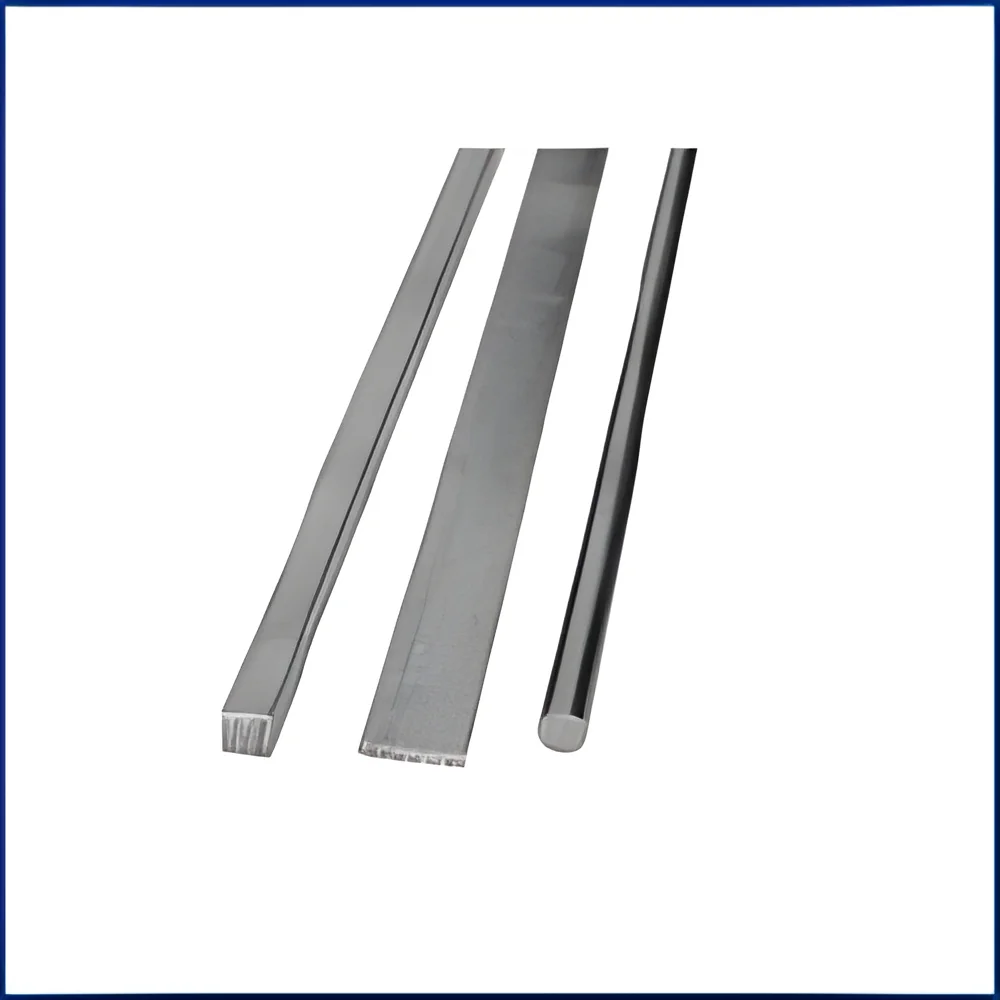
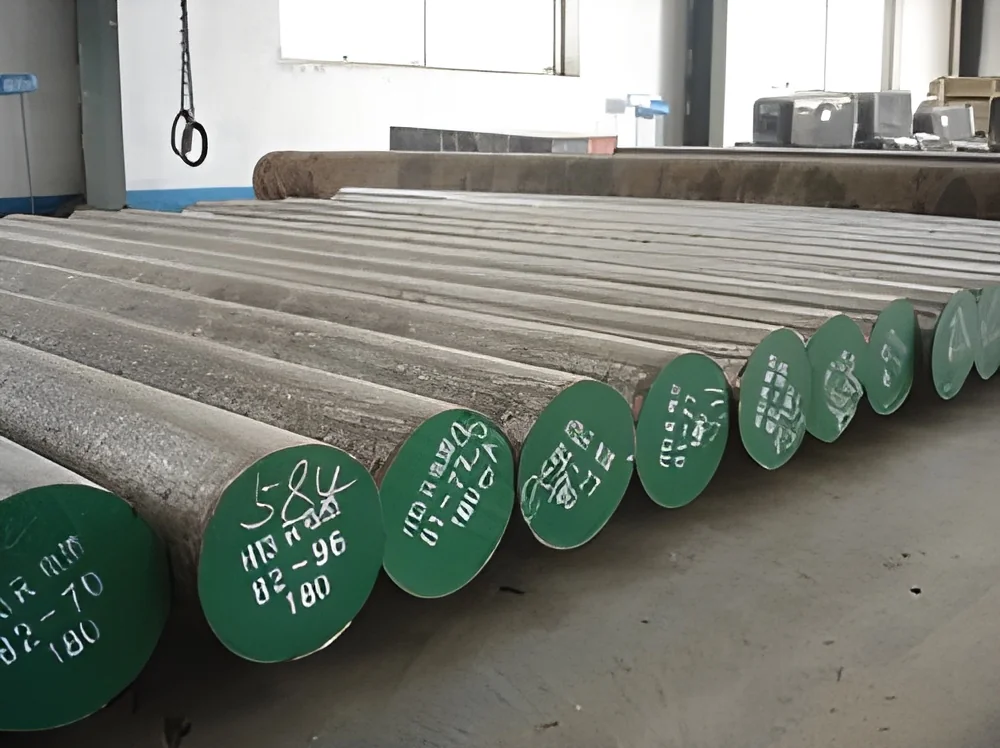
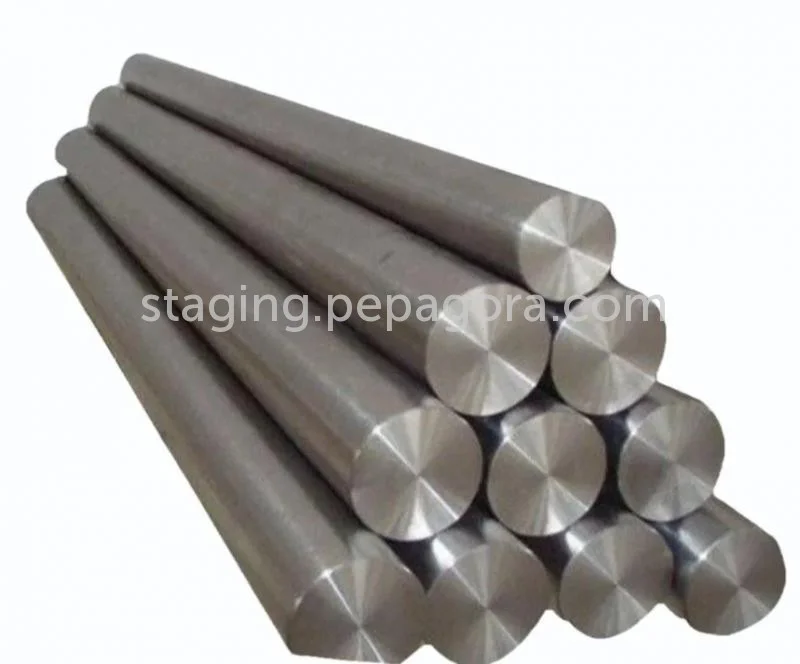
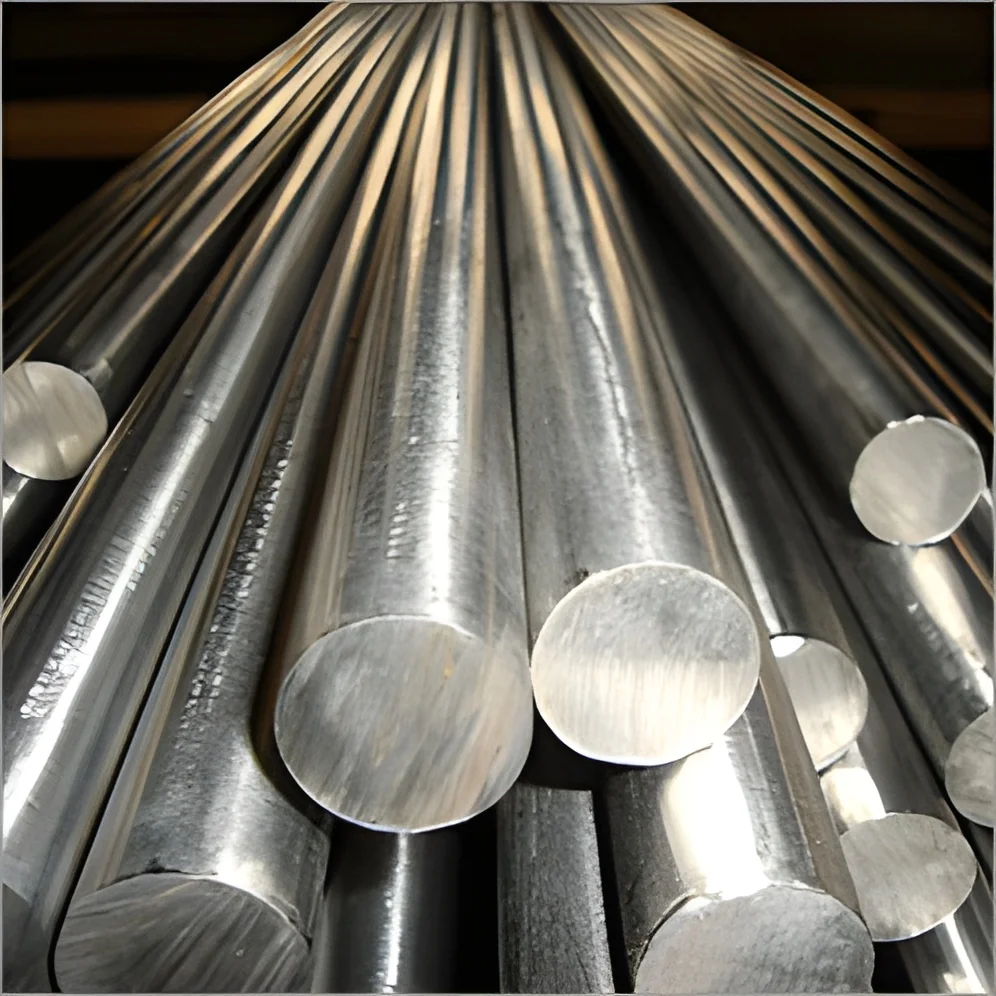
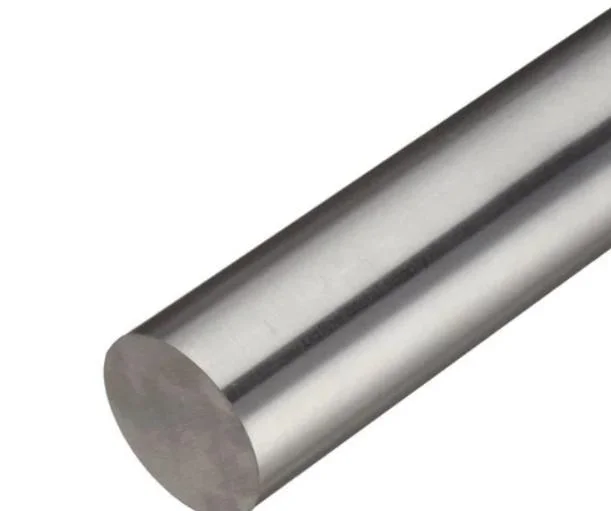
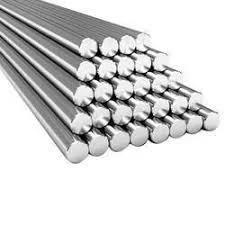
Round Bars: Round bars are cylindrical steel products that are widely used for machining and fabrication. They offer excellent strength and are often used in automotive and manufacturing applications.
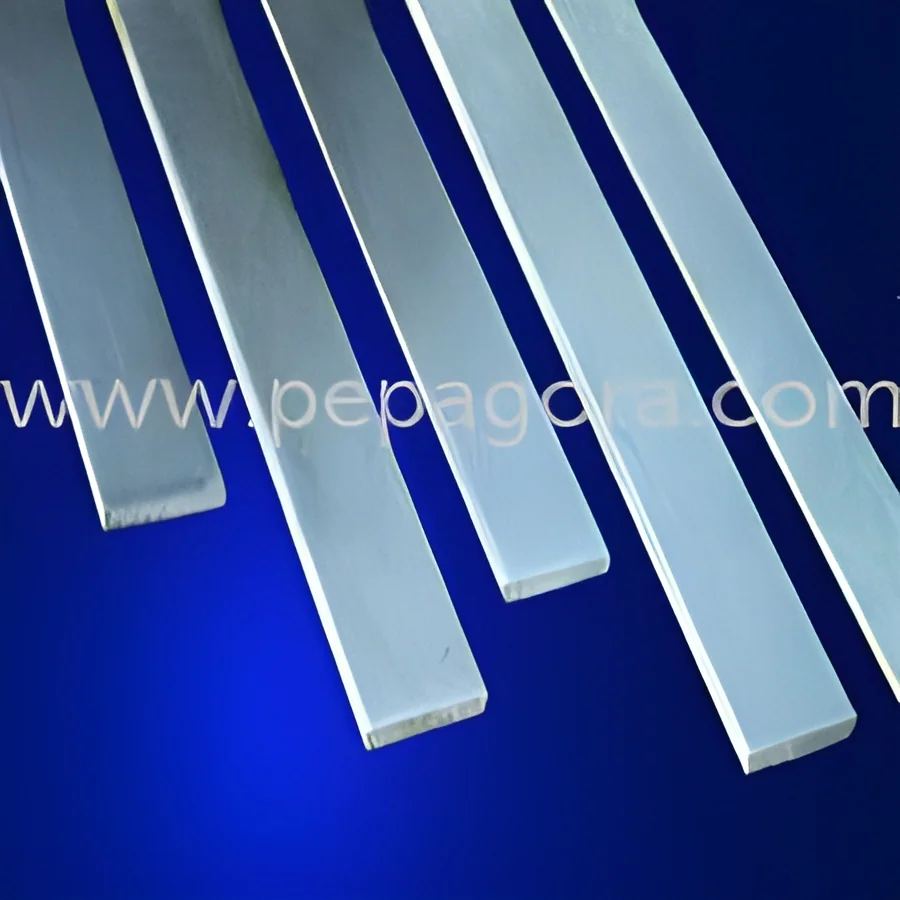
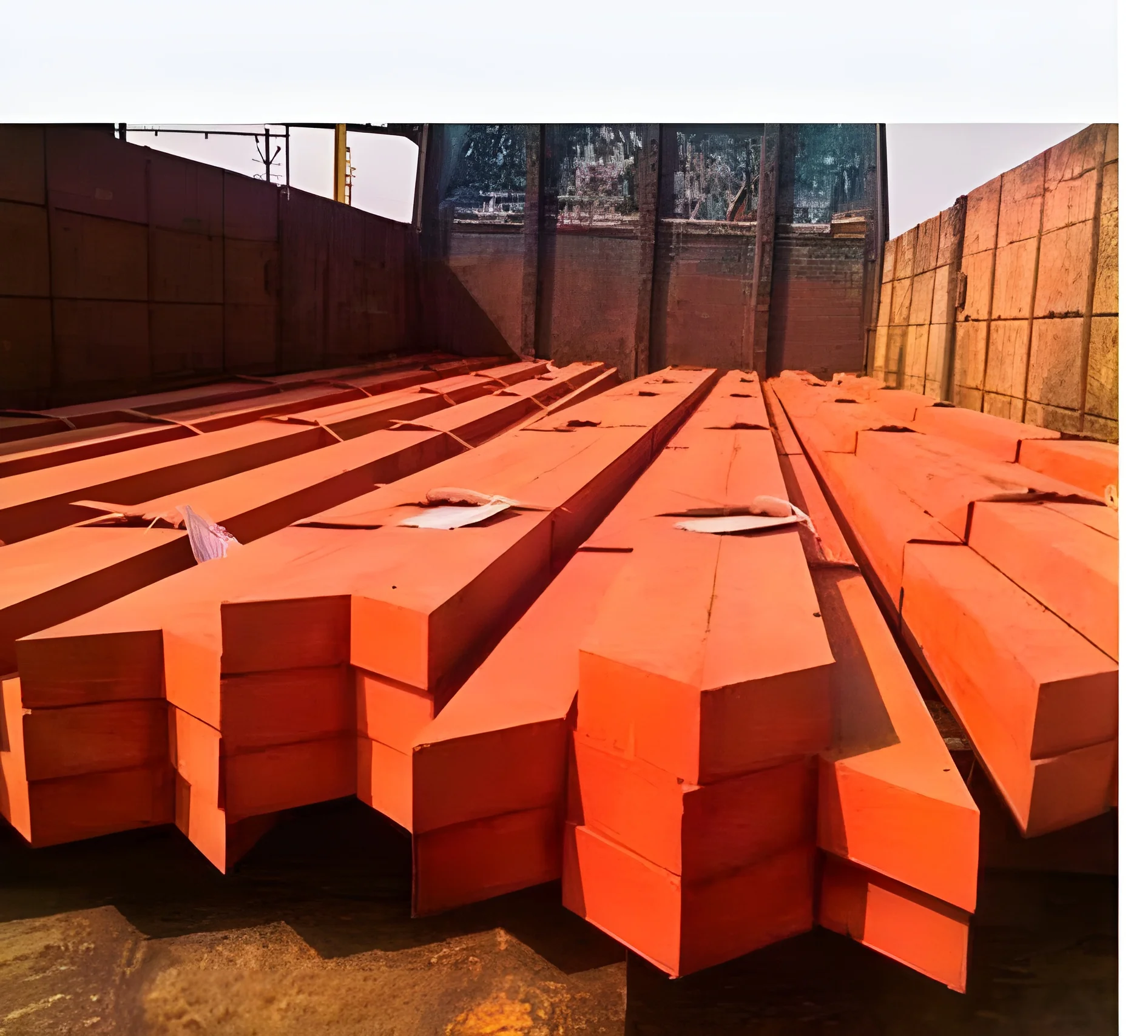
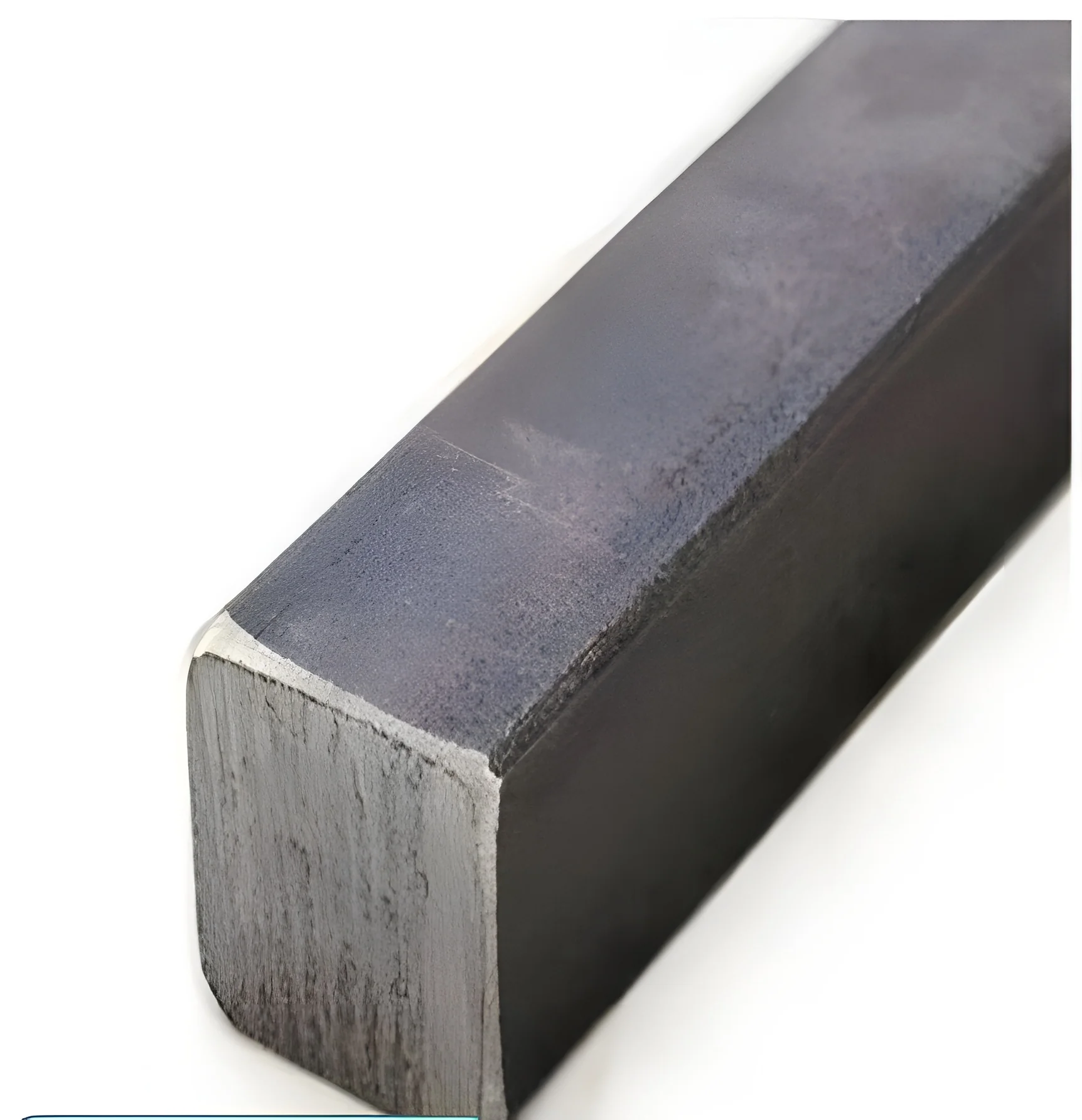
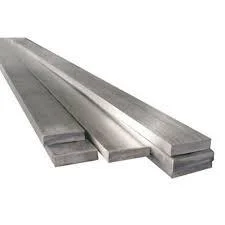
Flat Bars: Flat bars are rectangular in shape and are commonly used in construction and fabrication. They are ideal for structural support and can be easily welded or cut to size.
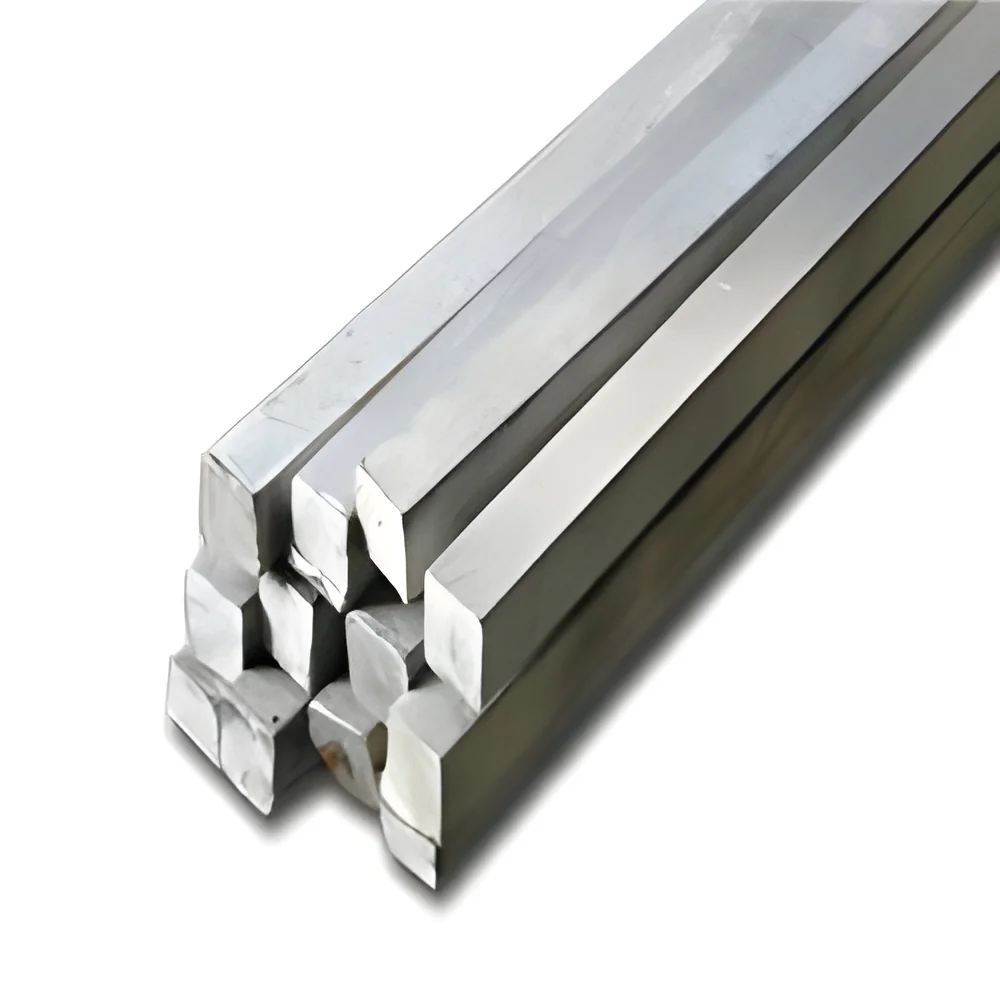
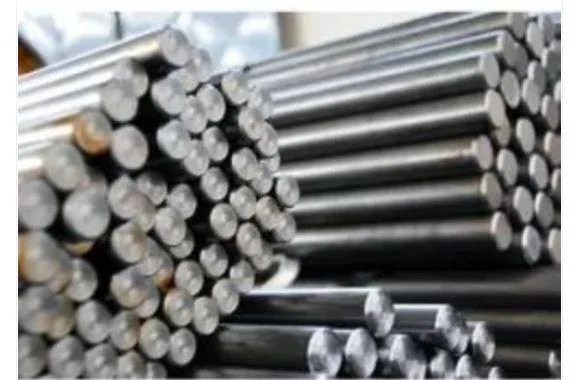
Square Bars: Square bars provide high strength and stability, making them suitable for various construction applications and manufacturing processes.
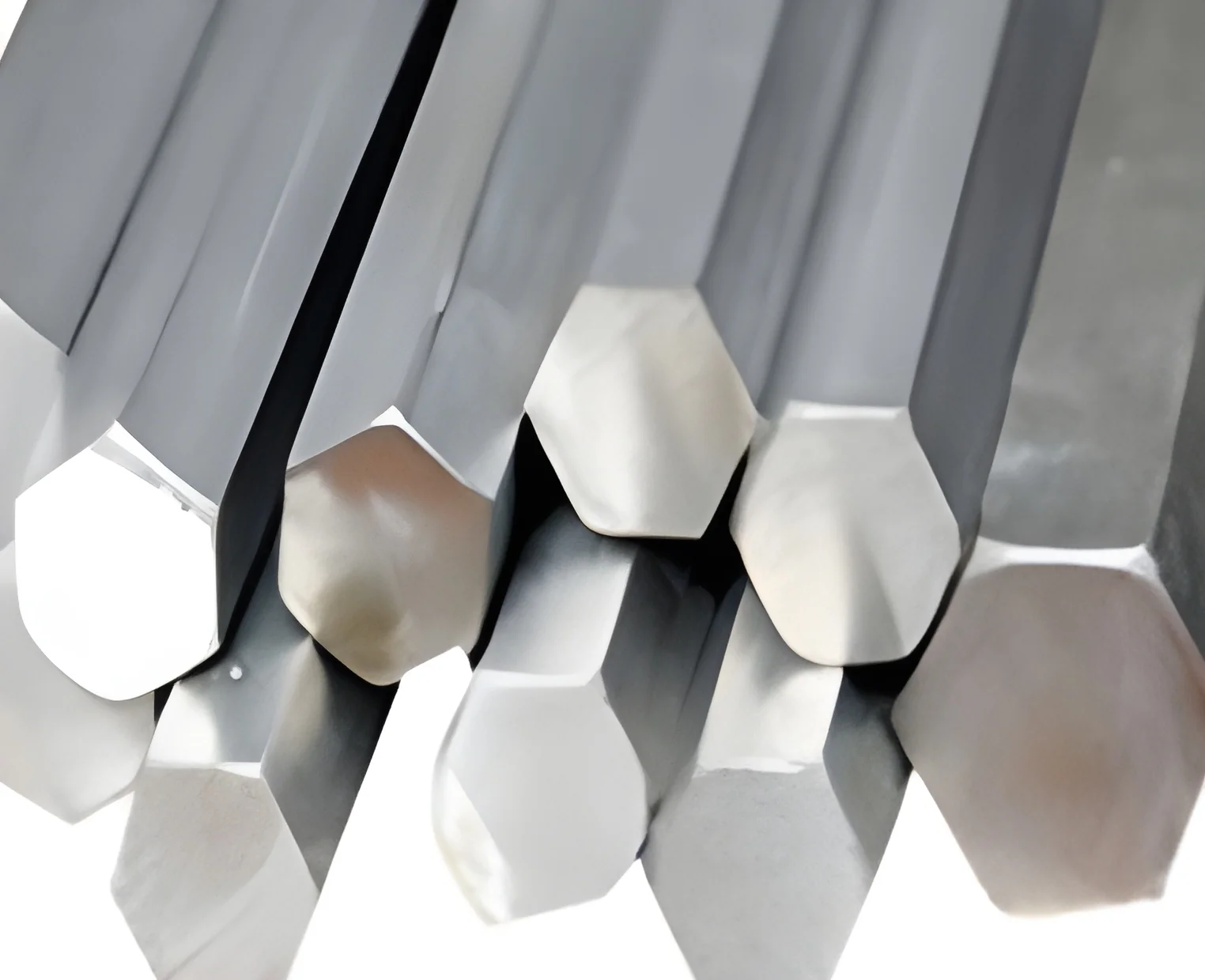
Hexagonal Bars: These bars are used in special applications, such as for making bolts and nuts. Their unique shape allows for better grip and fastening.
𝗕𝗲𝗻𝗲𝗳𝗶𝘁𝘀 𝗮𝗻𝗱 𝗔𝗱𝘃𝗮𝗻𝘁𝗮𝗴𝗲𝘀
Sourcing steel rods and bars comes with numerous advantages for businesses across various sectors.
1. High Strength: Steel rods and bars provide exceptional tensile strength, making them suitable for heavy-duty applications.
2. Durability: The high resistance to wear and tear ensures longevity, reducing the frequency of replacements.
3. Versatility: Available in various shapes, sizes, and grades, they can be tailored to meet specific project requirements.
4. Cost-Effective: Given their durability and strength, steel rods and bars offer excellent value for money in the long term.
5. Ease of Fabrication: They can be easily cut, welded, and machined, allowing for seamless integration into different projects.
6. Compliance with Standards: Many steel rods and bars meet strict industry standards, ensuring quality and safety in applications.
𝗕𝘂𝘆𝗶𝗻𝗴 𝗚𝘂𝗶𝗱𝗲 𝗳𝗼𝗿 𝗕𝟮𝗕 𝗕𝘂𝘆𝗲𝗿𝘀
When looking to source steel rods and bars, it is essential to consider several key factors to ensure you make informed purchasing decisions.
1. Quality Assessment: Evaluate the quality of the steel by reviewing certifications and conducting material tests. Ensure that the products meet the necessary industry standards.
2. Supplier Verification: Vet potential suppliers for reliability and reputation. Look for established companies with positive customer feedback and a track record of delivering quality products.
3. Pricing and MOQ: Compare pricing from different suppliers, and consider the minimum order quantity (MOQ) requirements. Ensure that the costs align with your budget while factoring in quality.
4. Delivery and Lead Times: Discuss delivery schedules and lead times with suppliers to ensure timely fulfillment of your project needs. Consider logistics and transportation options.
5. Compliance Requirements: Verify that the products meet regional compliance regulations and quality standards relevant to your industry.
𝗖𝗼𝗺𝗽𝗹𝗶𝗮𝗻𝗰𝗲 𝗮𝗻𝗱 𝗖𝗲𝗿𝘁𝗶𝗳𝗶𝗰𝗮𝘁𝗶𝗼𝗻𝘀
Compliance with relevant quality standards is crucial for ensuring the reliability and safety of steel rods and bars. Common standards include ISO 9001, which emphasizes quality management systems, and CE certification, indicating compliance with European safety and health regulations.
Industry certifications ensure that the products meet specific performance and safety criteria. Safety and testing requirements often involve rigorous assessments to confirm the strength and durability of the materials.
Regional compliance considerations may vary, with different countries imposing specific regulations that manufacturers must adhere to. Understanding these requirements helps businesses avoid legal issues and ensures that the products are suitable for their intended applications.
𝗪𝗵𝘆 𝗦𝗼𝘂𝗿𝗰𝗲 𝗦𝘁𝗲𝗲𝗹 𝗥𝗼𝗱𝘀 & 𝗕𝗮𝗿𝘀 𝗳𝗿𝗼𝗺 𝗣𝗲𝗽𝗮𝗴𝗼𝗿𝗮?
Pepagora provides a trusted platform for sourcing steel rods and bars, offering several key advantages that benefit B2B buyers.
Verified Supplier Network: Pepagora connects buyers with a network of verified suppliers, ensuring that they work with reputable manufacturers who meet industry standards.
Streamlined RFQ Process: The platform features a user-friendly request for quotation (RFQ) system, allowing buyers to easily request quotes from multiple suppliers and compare offers.
Trade Assurance and Support: Buyers receive trade assurance and support, providing protection for their purchases and ensuring a smooth transaction process.
Regional Coverage: Pepagora has a wide geographic reach, serving markets in India, the GCC, and Southeast Asia, making it easier for businesses to find local suppliers and reduce shipping costs.
Steel rods and bars are long, cylindrical metal products made from various grades of steel. They are primarily used in construction and manufacturing for structural support, reinforcement, and fabrication.
2
What are the different types of Steel Rods & Bars?
There are several types of steel rods and bars, including round bars, square bars, flat bars, and rebar. Each type serves different applications, with rebar commonly used for reinforcing concrete structures and various shapes used in different fabrication processes.
3
How do I choose the right Steel Rods & Bars?
Choosing the right steel rods and bars depends on factors such as the intended application, load requirements, and environmental conditions. It is essential to consider the grade of steel and any specific industry standards that may apply.
4
What are the standard specifications for Steel Rods & Bars?
Standard specifications for steel rods and bars typically include dimensions, yield strength, tensile strength, and chemical composition. Common standards include ASTM, IS, and BS, which ensure quality and consistency in manufacturing.
5
What is the price range for Steel Rods & Bars?
The price range for steel rods and bars can vary significantly based on factors such as size, grade, and market conditions. Generally, prices can range from INR 40 to INR 100 per kilogram, depending on these variables.
6
What quality standards apply to Steel Rods & Bars?
Quality standards for steel rods and bars include compliance with national and international specifications such as ISO 9001, ASTM standards, and Indian Standards (IS). These standards ensure the material's durability, strength, and suitability for various applications.
7
Where can I find Steel Rods & Bars suppliers in India?
You can find steel rods and bars suppliers in India through online B2B marketplaces like Pepagora, industry trade shows, and local directories. It is advisable to compare multiple suppliers to assess their product quality and pricing.
8
Can Steel Rods & Bars be customized?
Yes, steel rods and bars can often be customized in terms of size, shape, and specifications to meet specific project requirements. Many manufacturers offer customization options to cater to diverse industrial needs.
9
What is the typical minimum order quantity for Steel Rods & Bars?
The typical minimum order quantity (MOQ) for steel rods and bars can vary by supplier, but it often ranges from 1 ton to 5 tons. Larger orders may be required for certain custom sizes or grades.
10
What is the typical lead time for Steel Rods & Bars?
The typical lead time for steel rods and bars varies based on the supplier and order specifics but generally ranges from 1 to 4 weeks. Custom orders or bulk purchases may require longer lead times.
Why Businesses Trust Pepagora
Thousands of companies trust Pepagora to source smarter and sell faster
Expand Your Sales Globally
25000+Products listed.Get discovered by global buyers

 IN
IN