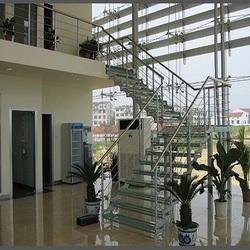
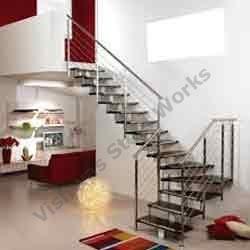
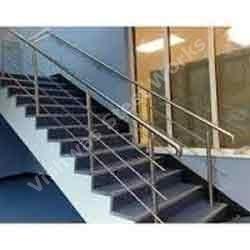
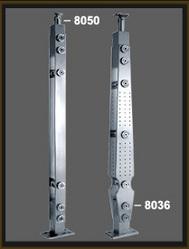
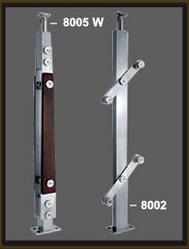
𝗪𝗵𝗮𝘁 𝗮𝗿𝗲 𝗦𝘁𝗲𝗲𝗹 𝗦𝘁𝗮𝗶𝗿𝗰𝗮𝘀𝗲𝘀 & 𝗛𝗮𝗻𝗱𝗿𝗮𝗶𝗹𝘀?
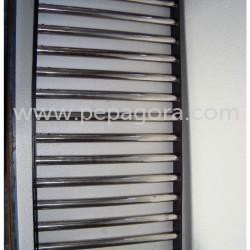
Steel staircases and handrails are structural elements designed to provide safe access between different levels of a building or facility. Made primarily from high-grade steel, these products are engineered to withstand heavy loads and harsh environmental conditions. They are essential for ensuring safety and compliance in both commercial and industrial settings, where durability and reliability are paramount.
These staircases and handrails find application in various sectors, including construction, manufacturing, and warehousing. They are used in facilities ranging from factories to office buildings, ensuring that personnel can navigate spaces safely and efficiently. With the growing emphasis on workplace safety regulations, the demand for robust and compliant steel staircases and handrails has surged, making them a critical component in modern architecture and industrial infrastructure.
In the current market, steel staircases and handrails are recognized for their strength, longevity, and versatility. As industries evolve, the need for customizable solutions that meet specific regulatory standards has become increasingly important. This trend is driving innovation and expansion within the sector, as manufacturers seek to provide products that not only meet but exceed customer expectations.
𝗞𝗲𝘆 𝗙𝗲𝗮𝘁𝘂𝗿𝗲𝘀 𝗮𝗻𝗱 𝗦𝗽𝗲𝗰𝗶𝗳𝗶𝗰𝗮𝘁𝗶𝗼𝗻𝘀
Steel staircases and handrails are characterized by several key features and specifications that ensure their effectiveness and compliance with safety standards. These attributes play a significant role in their selection and application across various industries.
Key specifications include:
1. Load Capacity
- Typically designed to support heavy loads ranging from 300 to 1000 pounds.
- Varies based on the configuration and intended use of the staircase or handrail.
2. Material Grade
- Constructed from high-strength steel, often including options such as mild steel or stainless steel.
- Ensures durability and resistance to corrosion in harsh environments.
3. Finish Options
- Available in various finishes including galvanized, powder-coated, or painted.
- Enhances aesthetic appeal and provides additional protection against environmental factors.
4. Height and Width Dimensions
- Standard widths typically range from 36 to 48 inches for staircases.
- Handrails are generally designed at a height of 34 to 38 inches above the stairs.
5. Compliance with Safety Standards
- Must meet relevant safety codes such as OSHA or local building codes.
- Ensures adherence to regulations for safe access and egress.
6. Customization Options
- Available in various designs and configurations to fit specific architectural requirements.
- Allows for tailored solutions based on client needs.
7. Installation Requirements
- Designed for easy assembly and installation, often with pre-drilled holes.
- Can be installed in various settings, including indoor and outdoor environments.
8. Maintenance Needs
- Requires periodic inspections and maintenance to ensure structural integrity.
- Simple cleaning procedures help maintain appearance and functionality.
In summary, understanding the key features and specifications of steel staircases and handrails is essential for making informed decisions. These elements not only impact the safety and usability of the products but also influence overall project costs and timelines.
𝗖𝗼𝗺𝗺𝗼𝗻 𝗔𝗽𝗽𝗹𝗶𝗰𝗮𝘁𝗶𝗼𝗻𝘀 𝗮𝗻𝗱 𝗨𝘀𝗲 𝗖𝗮𝘀𝗲𝘀
Steel staircases and handrails serve a multitude of industries, providing critical support and safety in various applications. Their versatility makes them suitable for numerous environments.
1. Manufacturing: In manufacturing facilities, steel staircases provide access to elevated platforms and machinery, ensuring safe movement of personnel and materials.
2. Warehousing: Steel handrails are essential in warehouses, where they help define safe walkways and prevent falls from mezzanine levels.
3. Construction: Temporary steel staircases are often used on construction sites to facilitate access between different levels of scaffolding and other structures.
4. Commercial Buildings: In office buildings, steel staircases are integrated into designs for emergency exits, ensuring compliance with safety regulations.
5. Transportation Hubs: Airports and train stations utilize steel staircases and handrails to guide passengers safely between different levels of terminals.
6. Educational Institutions: Schools and universities incorporate steel staircases for safe access to classrooms and auditoriums, enhancing student safety.
7. Healthcare Facilities: Hospitals rely on durable steel staircases and handrails for patient and staff access, particularly in areas requiring robust hygiene standards.
𝗣𝗿𝗼𝗱𝘂𝗰𝘁 𝗩𝗮𝗿𝗶𝗮𝗻𝘁𝘀 𝗮𝗻𝗱 𝗦𝘂𝗯𝗰𝗮𝘁𝗲𝗴𝗼𝗿𝗶𝗲𝘀
Steel staircases and handrails come in various forms to accommodate diverse needs and preferences. This product diversity allows for tailored solutions in different environments.
Modular Steel Staircases: These staircases feature a pre-engineered design that allows for quick assembly and disassembly. They are ideal for construction sites and temporary structures where flexibility is required.
Spiral Steel Staircases: Designed for compact spaces, spiral staircases provide an elegant solution for residential and commercial buildings. Their unique design also enhances the aesthetic appeal of any environment.
Straight Steel Staircases: A straightforward design that is commonly used in industrial and commercial applications, straight staircases offer robust access solutions for larger facilities.
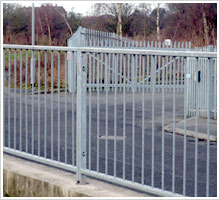
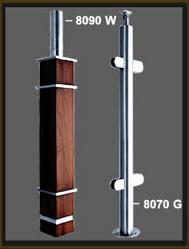
Handrail Systems: Available as standalone products or integrated with staircases, handrail systems provide essential safety features. They can be custom-designed to fit specific configurations and compliance requirements.
𝗕𝗲𝗻𝗲𝗳𝗶𝘁𝘀 𝗮𝗻𝗱 𝗔𝗱𝘃𝗮𝗻𝘁𝗮𝗴𝗲𝘀
Steel staircases and handrails offer numerous benefits that make them a preferred choice for various applications. Their strength and safety features contribute significantly to operational efficiency.
Key benefits include:
1. Durability: Steel staircases and handrails are designed to withstand heavy use and adverse conditions, ensuring a long lifespan.
2. Safety Compliance: These products meet strict safety standards, providing peace of mind regarding workplace safety and regulatory compliance.
3. Customization: Steel staircases and handrails can be tailored to fit specific architectural designs, enhancing both functionality and aesthetics.
4. Low Maintenance: Steel materials require minimal upkeep, making them cost-effective over time.
5. Versatility: Suitable for various applications, from industrial settings to commercial buildings, steel staircases and handrails can adapt to different needs.
6. Quick Installation: Many designs allow for straightforward installation, reducing downtime and labor costs on projects.
𝗕𝘂𝘆𝗶𝗻𝗴 𝗚𝘂𝗶𝗱𝗲 𝗳𝗼𝗿 𝗕𝟮𝗕 𝗕𝘂𝘆𝗲𝗿𝘀
When sourcing steel staircases and handrails, several critical factors should be considered to ensure the right choice for your business needs.
1. Quality Assessment: Evaluate the quality of materials and construction techniques. Look for products made from high-grade steel that meet industry standards.
2. Supplier Verification: Vet suppliers carefully to ensure they have a reputation for reliability and quality. Consider their experience and feedback from other customers.
3. Pricing and MOQ: Understand the pricing structure and minimum order quantity (MOQ) requirements. This will help in budgeting and ensuring the best value for your investment.
4. Delivery and Lead Times: Confirm the expected lead times for delivery. Timely delivery is crucial for project schedules and planning.
5. Compliance Requirements: Ensure that the products meet all relevant compliance and safety standards for your specific industry. This may include local building codes and regulations.
𝗖𝗼𝗺𝗽𝗹𝗶𝗮𝗻𝗰𝗲 𝗮𝗻𝗱 𝗖𝗲𝗿𝘁𝗶𝗳𝗶𝗰𝗮𝘁𝗶𝗼𝗻𝘀
Steel staircases and handrails must adhere to various compliance and certification standards to ensure safety and quality. This aspect is crucial for businesses operating in regulated environments.
Relevant quality standards such as ISO 9001 ensure that the manufacturing processes meet international quality management requirements. Adherence to these standards reflects a commitment to quality and customer satisfaction.
Industry certifications, such as CE marking, indicate compliance with European health, safety, and environmental protection standards. This certification is vital for businesses exporting products to the European market.
Safety and testing requirements must also be met, including load testing and structural integrity assessments. Such testing guarantees that the products can handle expected loads without risk of failure.
Regional compliance considerations may vary significantly. Different regions may have specific regulations that affect design and material choices for steel staircases and handrails. Understanding these regulations is essential for successful project implementation and safety assurance.
𝗪𝗵𝘆 𝗦𝗼𝘂𝗿𝗰𝗲 𝗦𝘁𝗲𝗲𝗹 𝗦𝘁𝗮𝗶𝗿𝗰𝗮𝘀𝗲𝘀 & 𝗛𝗮𝗻𝗱𝗿𝗮𝗶𝗹𝘀 𝗳𝗿𝗼𝗺 𝗣𝗲𝗽𝗮𝗴𝗼𝗿𝗮?
Pepagora offers a trusted platform for sourcing steel staircases and handrails, providing several key advantages that set it apart from competitors.
Verified Supplier Network: Pepagora has established a robust network of verified suppliers, ensuring that buyers can access high-quality products and reliable service. This network is instrumental in building trust and facilitating successful transactions.
Streamlined RFQ Process: The request for quotation (RFQ) process on Pepagora is designed to be efficient, allowing buyers to receive competitive quotes from multiple suppliers quickly. This streamlining reduces the time spent on sourcing and negotiation.
Trade Assurance and Support: Pepagora provides trade assurance and buyer protection services. This support helps mitigate risks associated with online purchasing, giving buyers confidence in their transactions.
Regional Coverage: Pepagora serves a wide geographic area, including India, the GCC, and Southeast Asia. This extensive coverage ensures that businesses across these regions can find suitable steel staircase and handrail solutions tailored to their needs.
In conclusion, sourcing steel staircases and handrails from Pepagora not only enhances the procurement process but also ensures access to quality products backed by a network of trusted suppliers.
Steel staircases and handrails are structural components used in buildings and outdoor spaces to provide safe access between different levels. They are typically made of steel due to its strength, durability, and ability to support heavy loads.
2
What are the different types of Steel Staircases & Handrails?
There are several types of steel staircases, including straight, spiral, and L-shaped designs. Handrails can vary in style, such as single or double rail, and can be designed to suit both industrial and aesthetic purposes.
3
How do I choose the right Steel Staircases & Handrails?
Choosing the right steel staircases and handrails involves considering factors such as load capacity, space constraints, and intended use. Additionally, you should assess the design and finish to ensure it complements the overall architecture of the building.
4
What are the standard specifications for Steel Staircases & Handrails?
Standard specifications for steel staircases and handrails include dimensions for treads, risers, and handrail height, which must comply with local building codes. The materials used should also meet specific strength and corrosion resistance requirements.
5
What is the price range for Steel Staircases & Handrails?
The price range for steel staircases and handrails can vary widely based on design complexity, material quality, and supplier. Generally, prices can start from a few thousand rupees and can go up to several lakhs for custom or intricate designs.
6
What quality standards apply to Steel Staircases & Handrails?
Quality standards for steel staircases and handrails include compliance with IS (Indian Standards) codes for structural steel and safety regulations. Manufacturers often follow guidelines to ensure durability, safety, and performance in various environments.
7
Where can I find Steel Staircases & Handrails suppliers in India?
You can find steel staircases and handrails suppliers in India through online B2B marketplaces like Pepagora.com, which connect buyers with various manufacturers and suppliers. Local construction material suppliers and industrial hardware stores are also viable options.
8
Can Steel Staircases & Handrails be customized?
Yes, steel staircases and handrails can be customized to meet specific design requirements and dimensions. Many manufacturers offer bespoke solutions to fit unique architectural needs and personal preferences.
9
What is the typical minimum order quantity for Steel Staircases & Handrails?
The typical minimum order quantity (MOQ) for steel staircases and handrails can vary by supplier, but it often ranges from one unit for custom designs to several units for standard products. It is advisable to check with individual manufacturers for their specific MOQs.
10
What is the typical lead time for Steel Staircases & Handrails?
The typical lead time for steel staircases and handrails can range from a few weeks to several months, depending on the complexity of the order, customization, and supplier capabilities. It is important to discuss lead times with suppliers during the ordering process.
Why Businesses Trust Pepagora
Thousands of companies trust Pepagora to source smarter and sell faster
Expand Your Sales Globally
25000+Products listed.Get discovered by global buyers

 IN
IN
 India
India