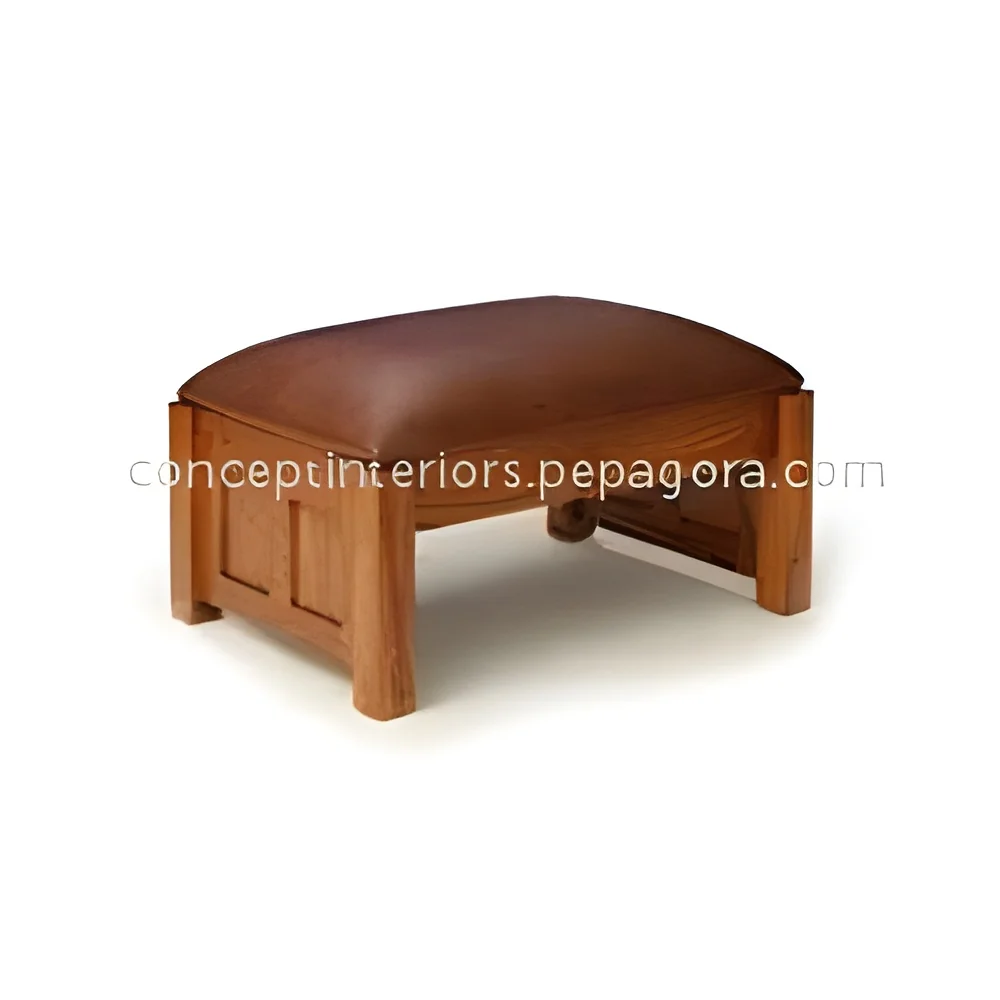
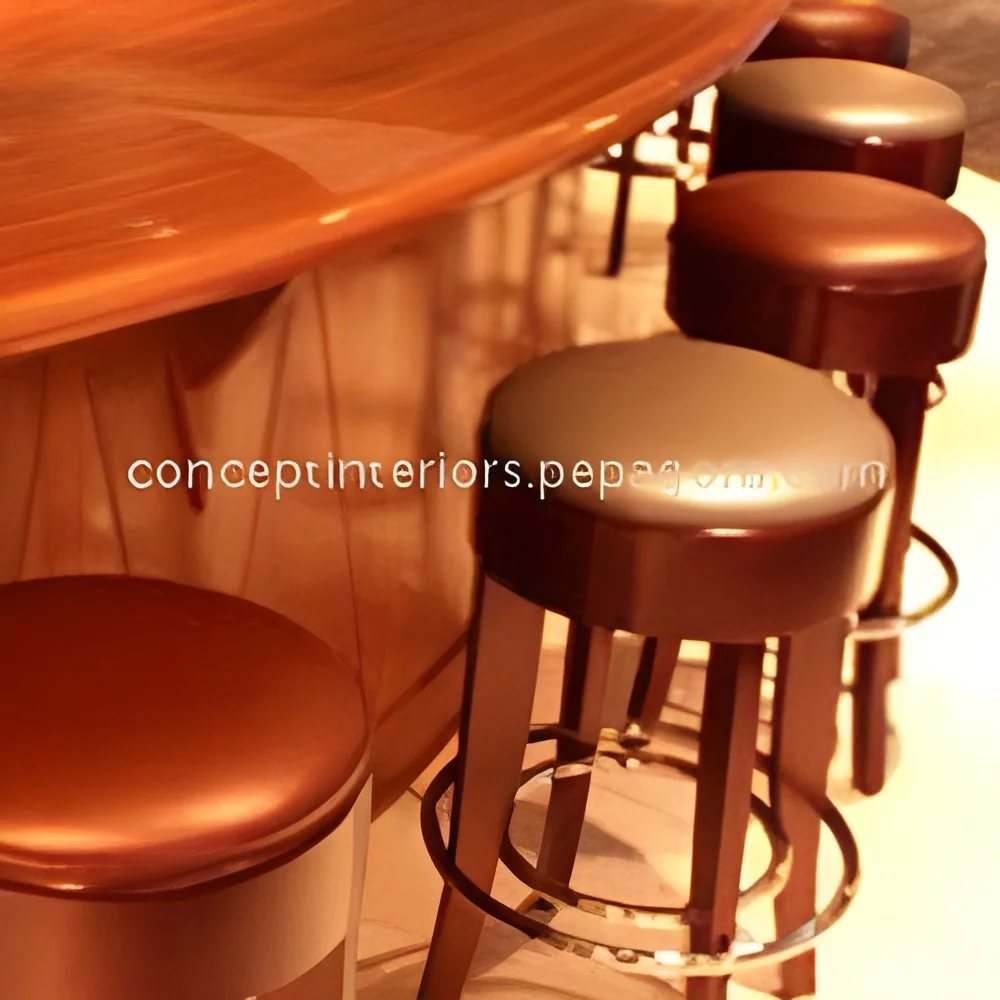
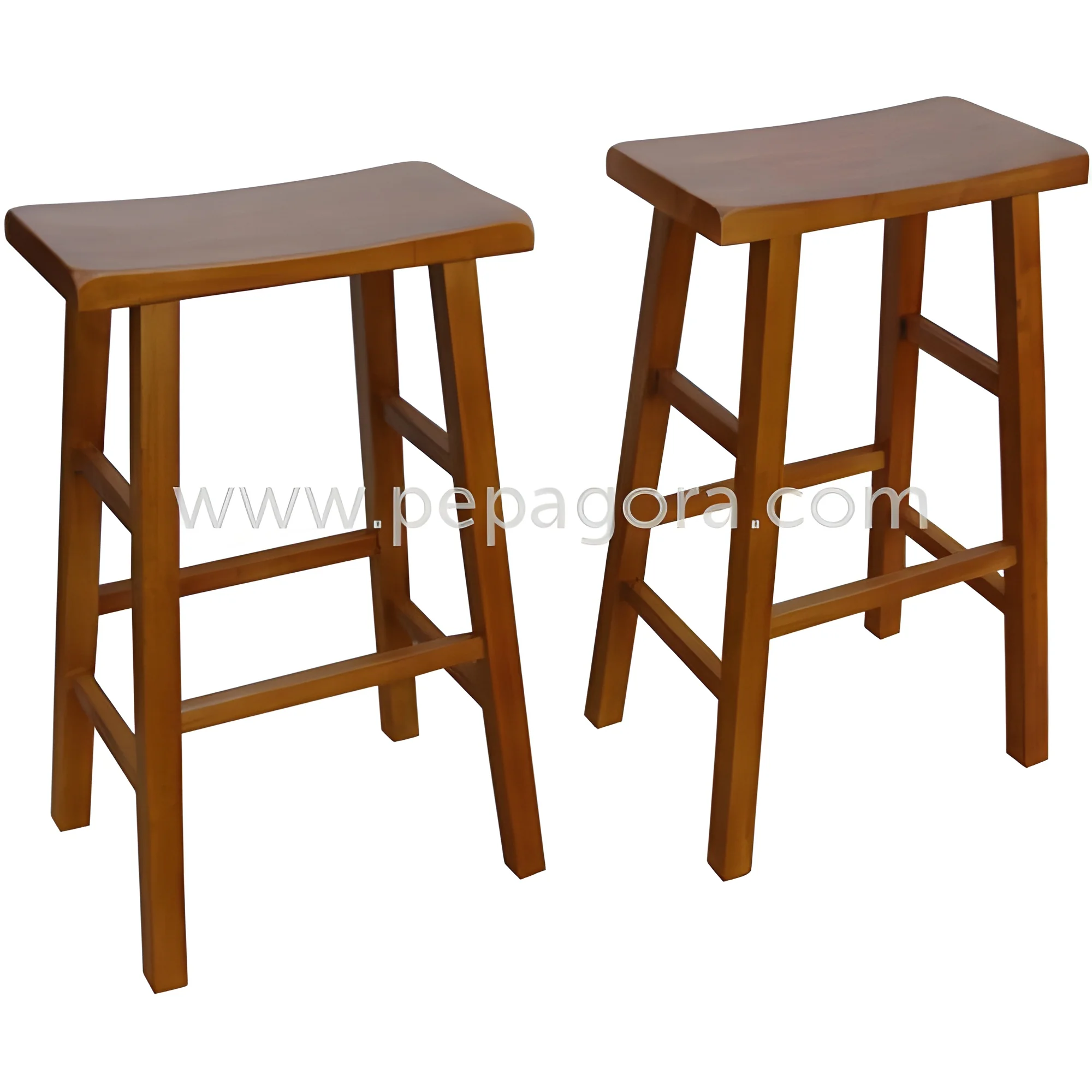
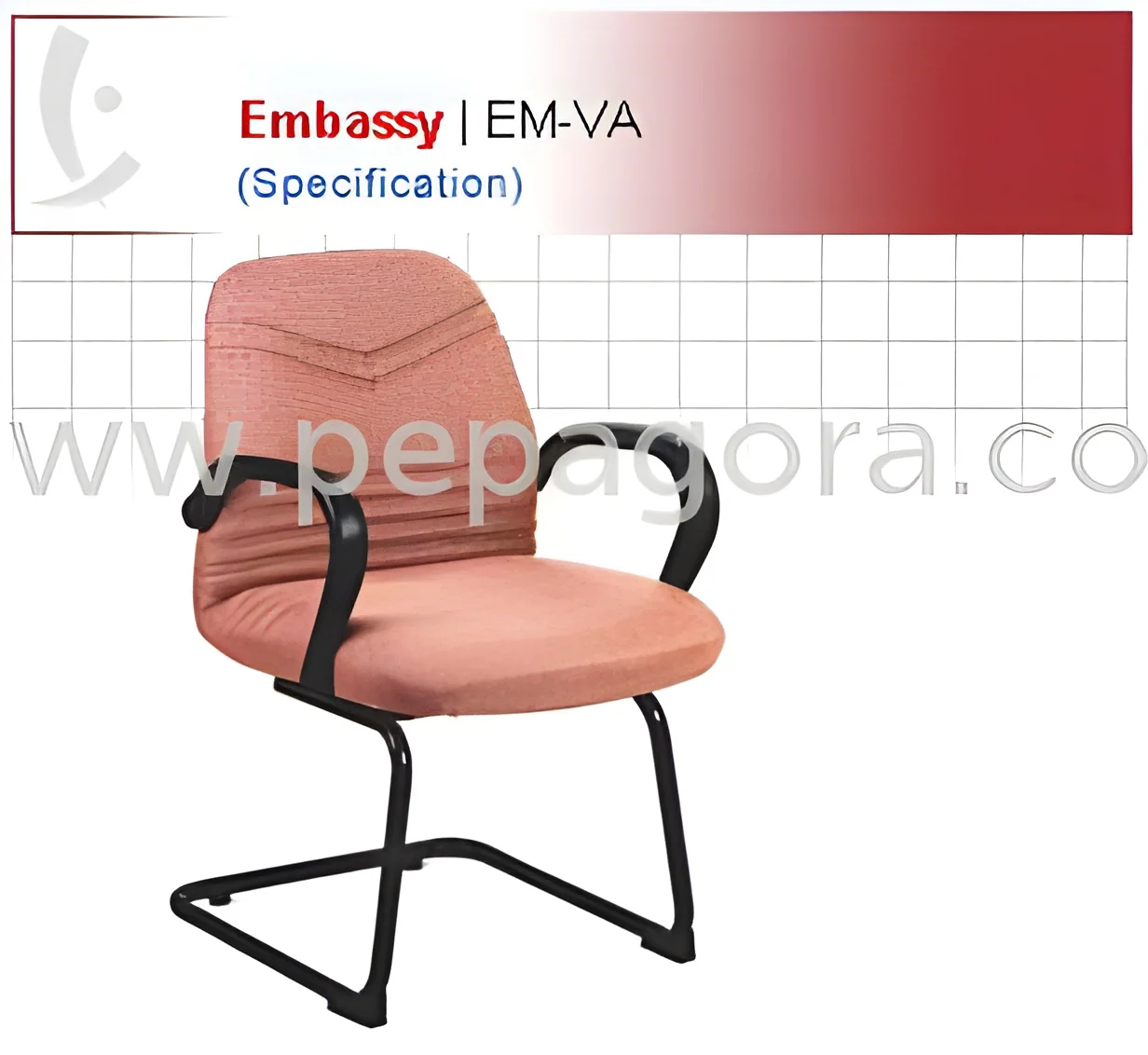
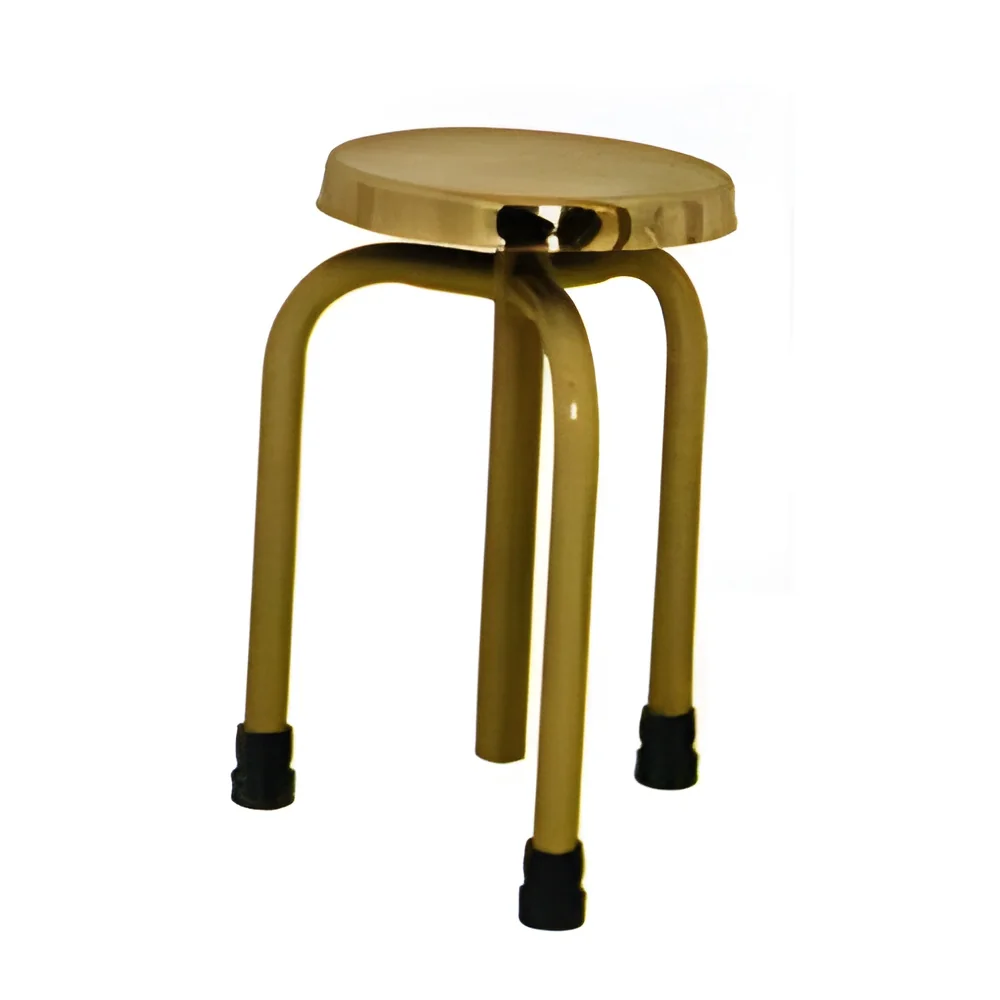
𝗪𝗵𝗮𝘁 𝗮𝗿𝗲 𝗦𝘁𝗼𝗼𝗹𝘀 & 𝗢𝘁𝘁𝗼𝗺𝗮𝗻𝘀?
Stools and ottomans are versatile pieces of furniture commonly used in both commercial and residential settings. A stool typically features a simple design with no backrest, making it easy to move and stack. Ottomans, on the other hand, are often upholstered and can serve as footrests or additional seating. Both types of furniture come in various styles, materials, and sizes, catering to different tastes and functional needs.
These products find extensive use in several business applications, including hospitality, office spaces, and retail environments. In cafes and restaurants, stools are often used at bars or high tables, while ottomans can enhance lounge areas. In offices, they provide flexible seating options for informal meetings or collaborative workspaces. Their multifunctionality makes them popular choices for businesses looking to optimize space while offering comfort and style.
In the current market, stools and ottomans are increasingly relevant due to evolving workplace designs and consumer preferences for adaptable furniture. As trends shift towards open office layouts and casual meeting environments, these products are gaining traction among businesses that prioritize both aesthetics and functionality.
𝗞𝗲𝘆 𝗙𝗲𝗮𝘁𝘂𝗿𝗲𝘀 𝗮𝗻𝗱 𝗦𝗽𝗲𝗰𝗶𝗳𝗶𝗰𝗮𝘁𝗶𝗼𝗻𝘀
Stools and ottomans come with a range of features and specifications that make them suitable for various environments. Understanding these characteristics can help buyers make informed decisions.
Key specifications include:
1. Material Types
- Common materials include wood, metal, and upholstered fabric.
- Each material offers distinct aesthetics and durability.
2. Weight Capacity
- Most stools and ottomans support a weight range of 200 to 400 pounds.
- Selecting the right weight capacity ensures safety and longevity.
3. Dimensions
- Typical stool height varies from 24 to 30 inches.
- Ottomans generally measure 16 to 20 inches in height and can vary in width.
4. Design Styles
- Options include modern, traditional, and industrial.
- Style choice impacts the overall ambiance of the space.
5. Upholstery Options
- Fabrics can include leather, faux leather, and various textiles.
- Considerations for ease of cleaning and maintenance are important.
6. Mobility Features
- Some stools come with wheels for easy movement.
- Ottomans may have a lightweight design for portability.
7. Customization Options
- Many suppliers offer customization in color, material, and size.
- Customization can enhance brand identity and fit specific needs.
8. Safety Features
- Anti-slip bases or padded edges may be included for safety.
- Compliance with safety standards is crucial, especially in public spaces.
In summary, the features and specifications of stools and ottomans play a significant role in their functionality and appeal. Buyers should consider these attributes when selecting products that meet their specific requirements.
𝗖𝗼𝗺𝗺𝗼𝗻 𝗔𝗽𝗽𝗹𝗶𝗰𝗮𝘁𝗶𝗼𝗻𝘀 𝗮𝗻𝗱 𝗨𝘀𝗲 𝗖𝗮𝘀𝗲𝘀
Stools and ottomans serve various industries, providing functional solutions across diverse environments.
1. Hospitality: In restaurants and cafes, stools are often placed at bars or high tables, creating a casual dining atmosphere. Ottomans can enhance lounge areas, inviting guests to relax comfortably.
2. Office Environments: Many modern offices incorporate stools and ottomans in collaborative workspaces. They provide flexible seating options for meetings, encouraging a dynamic work culture.
3. Retail Spaces: Retailers use stools and ottomans to enhance customer experience. They create inviting seating areas where customers can relax while shopping.
4. Healthcare: In medical offices and waiting rooms, stools are utilized for their compact size, while ottomans provide comfortable seating for patients and visitors.
5. Educational Institutions: Classrooms and libraries use stools and ottomans to promote group learning and collaboration among students.
6. Residential Use: Homeowners often incorporate stools and ottomans into living rooms and kitchens for additional seating and functionality.
7. Event Spaces: Stools and ottomans are popular for event venues, offering flexible seating arrangements that can be easily adapted for different functions.
𝗣𝗿𝗼𝗱𝘂𝗰𝘁 𝗩𝗮𝗿𝗶𝗮𝗻𝘁𝘀 𝗮𝗻𝗱 𝗦𝘂𝗯𝗰𝗮𝘁𝗲𝗴𝗼𝗿𝗶𝗲𝘀
Stools and ottomans come in various designs and styles, allowing businesses to choose options that best suit their needs.
Counter Height Stools: These stools are designed for use at higher surfaces, typically ranging from 34 to 36 inches in height. They often feature footrests for added comfort and are ideal for bar areas and kitchen islands.
Accent Ottomans: These ottomans serve as decorative pieces that also provide seating or storage. They come in various shapes and colors, making them suitable for living rooms or entryways.
Adjustable Stools: With features that allow height adjustments, these stools cater to different user preferences and are often used in drafting or workstation settings.
Storage Ottomans: Combining functionality with style, these ottomans include hidden storage compartments, perfect for keeping spaces organized while providing extra seating.
Stackable Stools: Designed for easy storage and portability, these stools can be stacked when not in use, making them ideal for events and adaptable spaces.
𝗕𝗲𝗻𝗲𝗳𝗶𝘁𝘀 𝗮𝗻𝗱 𝗔𝗱𝘃𝗮𝗻𝘁𝗮𝗴𝗲𝘀
Stools and ottomans offer several advantages that make them appealing to businesses and end-users alike.
1. Space Efficiency: These furniture pieces are typically compact, making them ideal for smaller spaces or multi-purpose environments.
2. Versatility: Stools and ottomans can serve multiple functions, from seating to footrests, enhancing their usability across various settings.
3. Customization: Many options for color, fabric, and design are available, allowing businesses to align furniture choices with branding or interior design.
4. Comfort: Well-designed stools and ottomans provide comfort for extended use, encouraging relaxation and productivity in work and leisure environments.
5. Cost-Effective: Stools and ottomans often come at a lower price point compared to traditional seating options, making them budget-friendly choices for businesses.
6. Aesthetic Appeal: Available in various styles, these products can enhance the visual appeal of any space, contributing to a cohesive design.
𝗕𝘂𝘆𝗶𝗻𝗴 𝗚𝘂𝗶𝗱𝗲 𝗳𝗼𝗿 𝗕𝟮𝗕 𝗕𝘂𝘆𝗲𝗿𝘀
When sourcing stools and ottomans, businesses should consider several key factors to ensure they make informed purchasing decisions.
1. Quality Assessment: Evaluate materials and construction quality to ensure durability and longevity. Look for reviews or samples to gauge performance.
2. Supplier Verification: Vet suppliers by checking industry reputation and customer feedback. Establishing relationships with reliable suppliers ensures consistent product quality.
3. Pricing and MOQ: Understand pricing structures and minimum order quantities (MOQ) to align purchases with budget and demand. Compare quotes from multiple suppliers for the best deal.
4. Delivery and Lead Times: Consider logistics by discussing delivery times and shipping options with suppliers. Timely delivery is crucial for maintaining business operations.
5. Compliance Requirements: Ensure that products meet industry regulations and safety standards. Compliance with local and international requirements prevents potential liabilities.
𝗖𝗼𝗺𝗽𝗹𝗶𝗮𝗻𝗰𝗲 𝗮𝗻𝗱 𝗖𝗲𝗿𝘁𝗶𝗳𝗶𝗰𝗮𝘁𝗶𝗼𝗻𝘀
Stools and ottomans are subject to various quality standards and regulations that ensure safety and performance in commercial settings. Adherence to ISO 9001 standards indicates a commitment to quality management systems, ensuring that products meet customer and regulatory requirements.
Certifications such as CE signify compliance with European health, safety, and environmental protection standards. This certification is particularly important for businesses operating in or exporting to Europe.
Safety and testing requirements may include assessments for stability, weight capacity, and material safety. Manufacturers should conduct rigorous testing to meet these standards, ensuring that products are safe for public use.
Additionally, regional compliance considerations may vary based on local regulations and market expectations. Understanding these requirements is essential for businesses sourcing stools and ottomans in different regions.
𝗪𝗵𝘆 𝗦𝗼𝘂𝗿𝗰𝗲 𝗦𝘁𝗼𝗼𝗹𝘀 & 𝗢𝘁𝘁𝗼𝗺𝗮𝗻𝘀 𝗳𝗿𝗼𝗺 𝗣𝗲𝗽𝗮𝗴𝗼𝗿𝗮?
Pepagora provides a trusted platform for sourcing stools and ottomans, offering several key advantages that benefit businesses.
Verified Supplier Network: Pepagora connects buyers with a network of verified suppliers, ensuring that all vendors meet stringent quality and reliability standards. This helps businesses source products with confidence.
Streamlined RFQ Process: The platform features an efficient Request for Quotation (RFQ) system, allowing buyers to obtain multiple quotes quickly and easily. This simplifies the sourcing process and saves valuable time.
Trade Assurance and Support: Pepagora offers trade assurance services to protect buyers' interests. This includes support throughout the purchasing process, ensuring that transactions are secure and satisfactory.
Regional Coverage: With a strong presence in India, the GCC, and Southeast Asia, Pepagora provides extensive regional coverage, enabling businesses to access local suppliers while benefiting from competitive pricing and diverse product offerings.
By choosing Pepagora for sourcing stools and ottomans, businesses can enhance their purchasing experience and ensure they find the best products to meet their needs.
Stools and ottomans are versatile pieces of furniture used for seating or as footrests. They come in various shapes, sizes, and materials, making them suitable for different interior styles and purposes.
2
What are the different types of Stools & Ottomans?
There are several types of stools and ottomans, including bar stools, accent stools, storage ottomans, and poufs. Each type serves a unique function, from providing extra seating to offering storage solutions.
3
How do I choose the right Stools & Ottomans?
When selecting stools and ottomans, consider factors such as size, style, material, and intended use. It's essential to ensure that they complement your existing decor and meet your functional requirements.
4
What are the standard specifications for Stools & Ottomans?
Standard specifications for stools and ottomans include dimensions, weight capacity, and material composition. It's important to check these specifications to ensure they meet your needs and safety standards.
5
What is the price range for Stools & Ottomans?
The price range for stools and ottomans can vary significantly based on material, design, and brand. Generally, you can find options starting from a few hundred to several thousand Indian Rupees.
6
What quality standards apply to Stools & Ottomans?
Quality standards for stools and ottomans usually involve ensuring durability, stability, and safety. Look for products that meet local safety regulations and are constructed from high-quality materials.
7
Where can I find Stools & Ottomans suppliers in India?
You can find stools and ottomans suppliers in India through online B2B marketplaces like Pepagora, trade shows, and local furniture manufacturers. These platforms often list verified suppliers and manufacturers in the industry.
8
Can Stools & Ottomans be customized?
Yes, many manufacturers offer customization options for stools and ottomans, allowing you to select materials, colors, and designs that fit your specific requirements. Customization can enhance the uniqueness of your furniture.
9
What is the typical minimum order quantity for Stools & Ottomans?
The typical minimum order quantity (MOQ) for stools and ottomans varies by supplier but often ranges from 10 to 50 units. It's advisable to confirm the MOQ with the supplier before placing an order.
10
What is the typical lead time for Stools & Ottomans?
The typical lead time for stools and ottomans can range from a few days to several weeks, depending on the supplier and whether the items are in stock or need to be manufactured. Always check with your supplier for specific timelines.
Why Businesses Trust Pepagora
Thousands of companies trust Pepagora to source smarter and sell faster
Expand Your Sales Globally
25000+Products listed.Get discovered by global buyers

 IN
IN