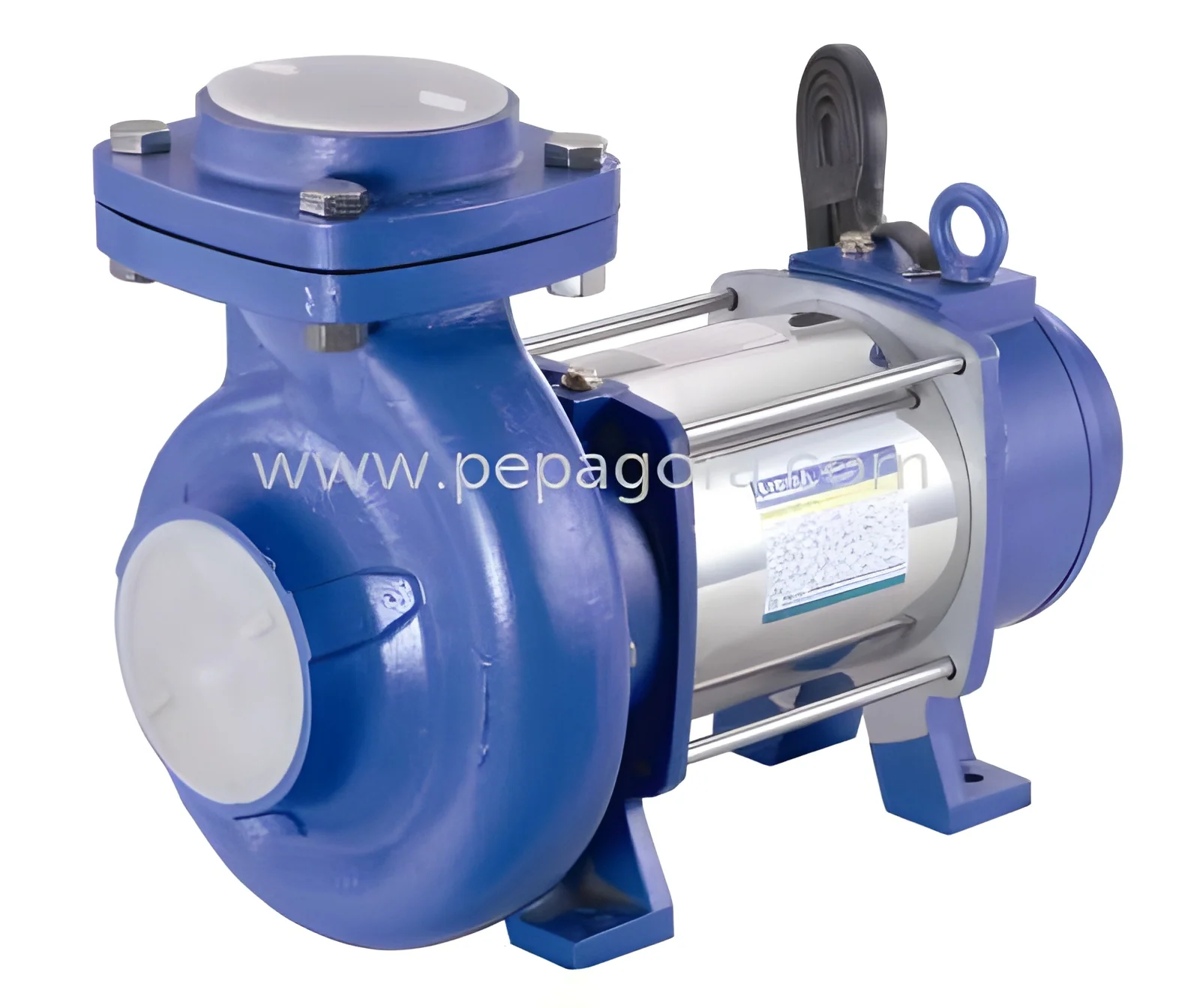
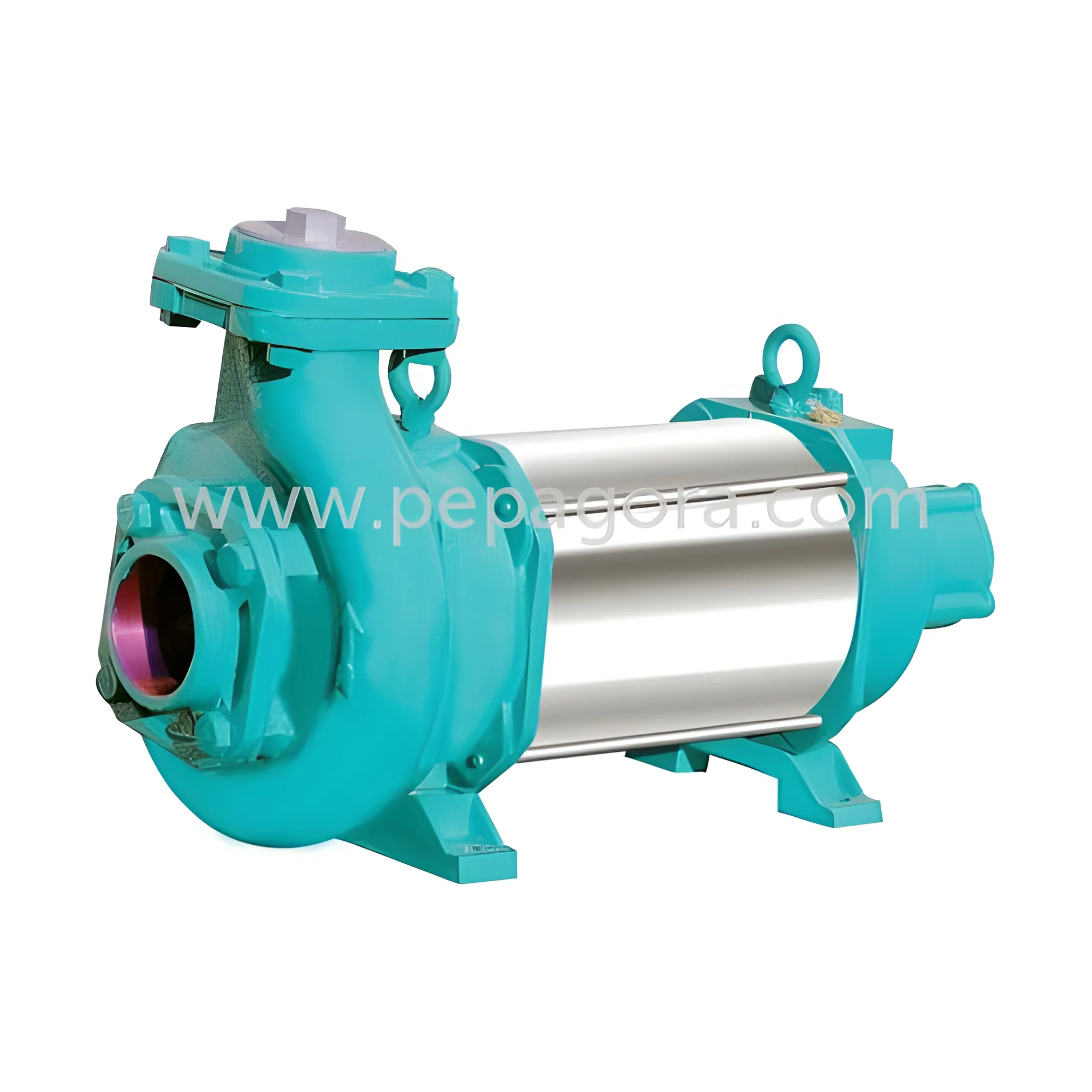
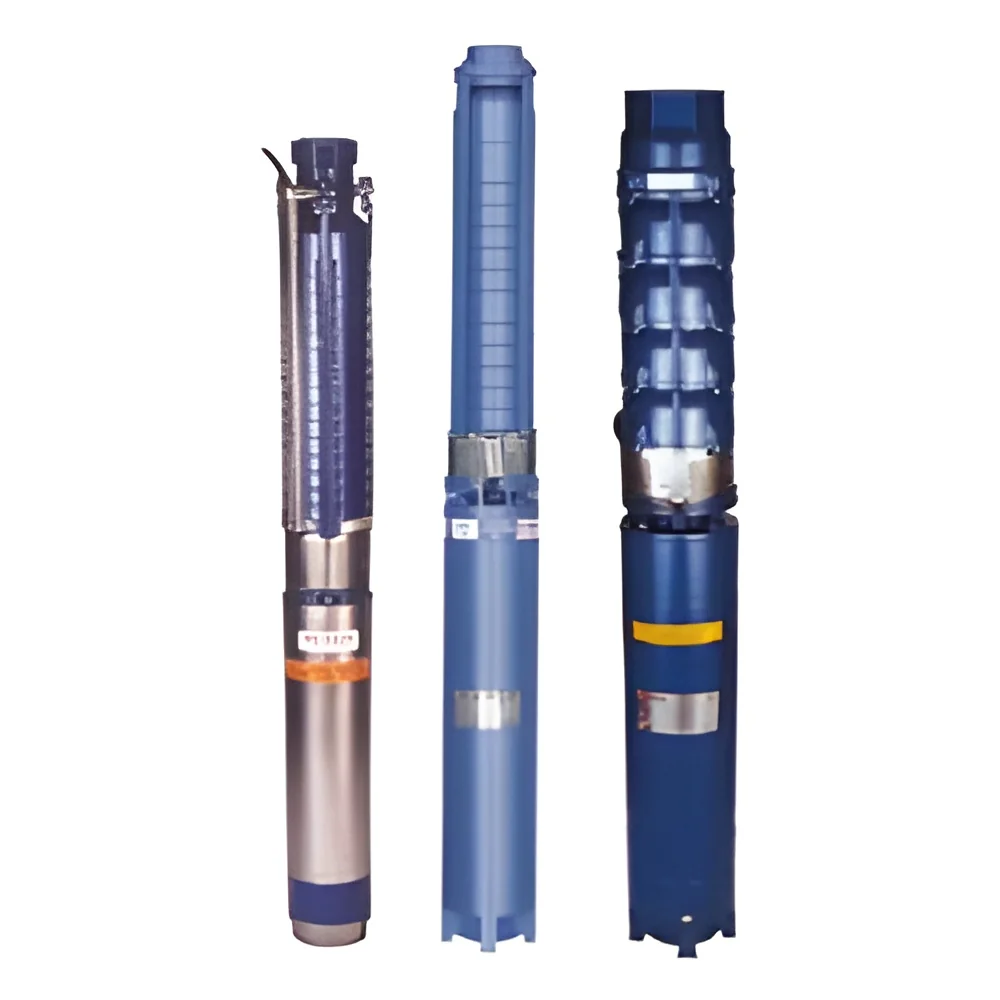
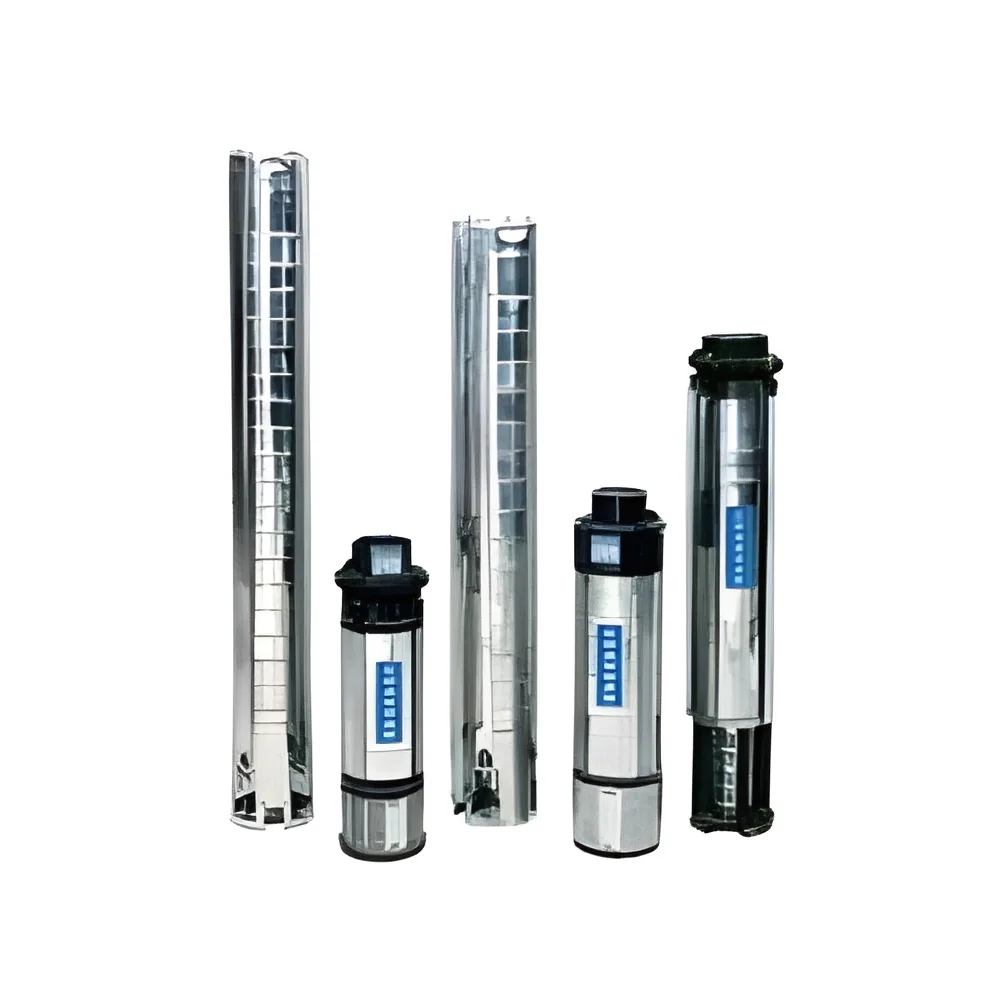
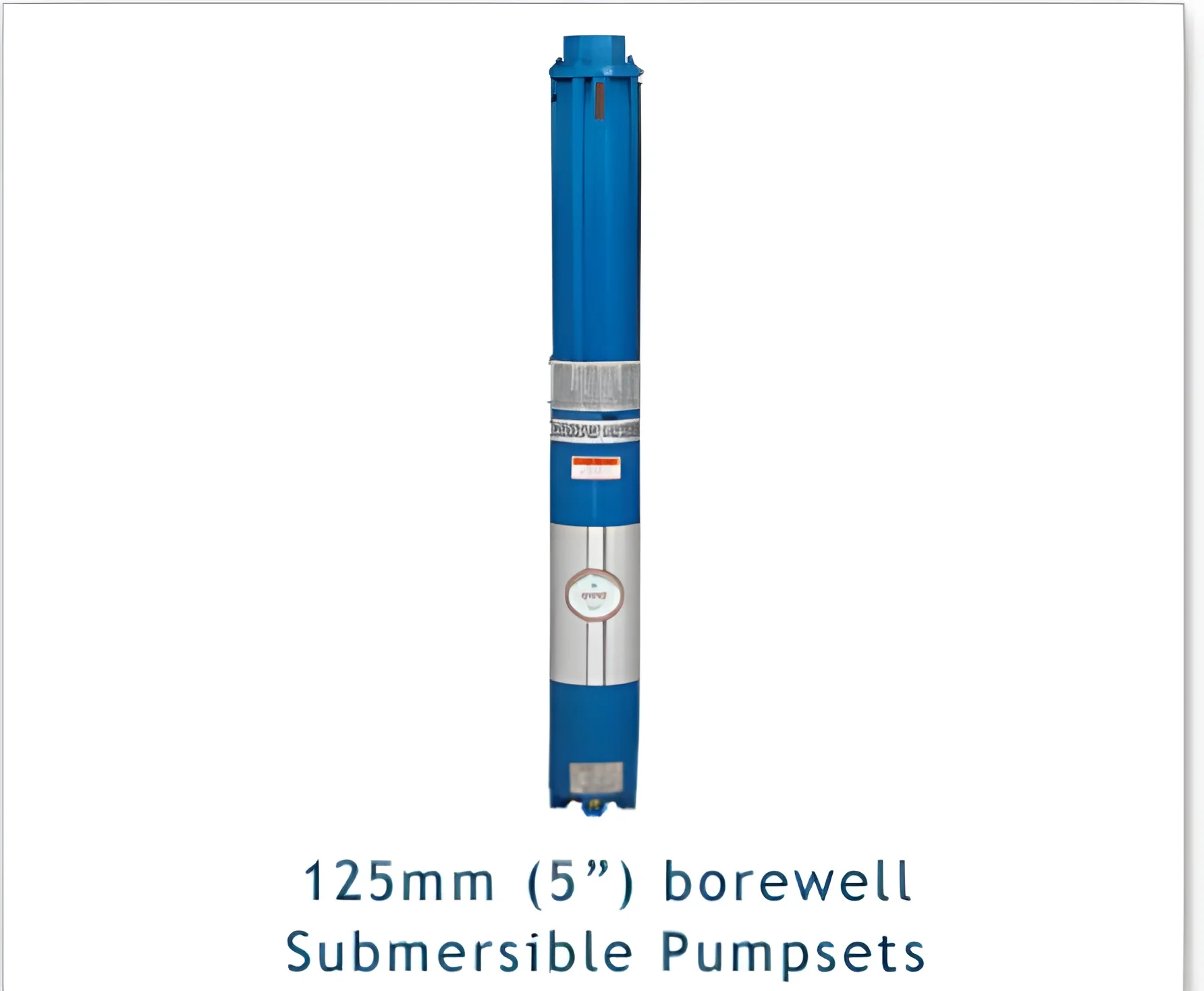
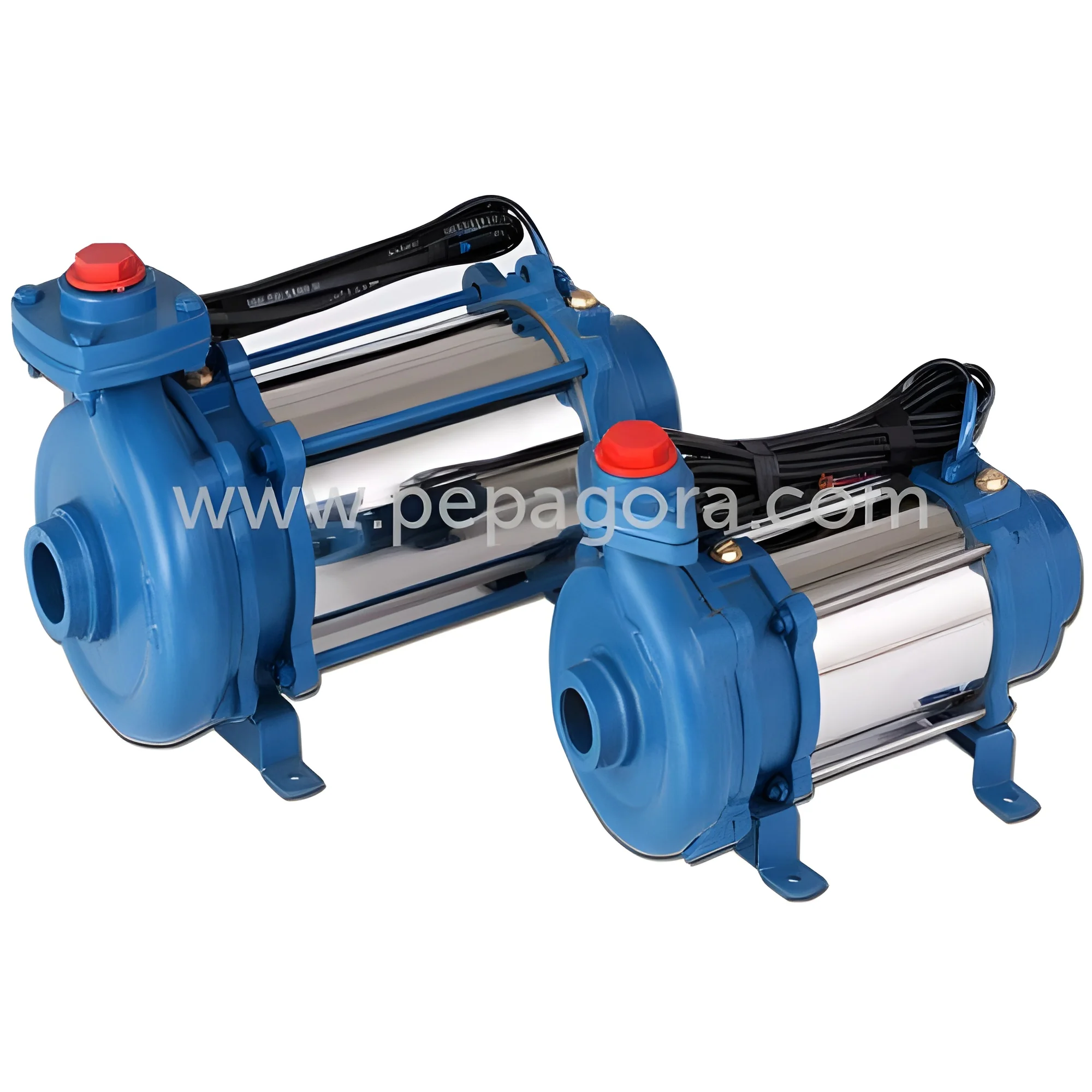
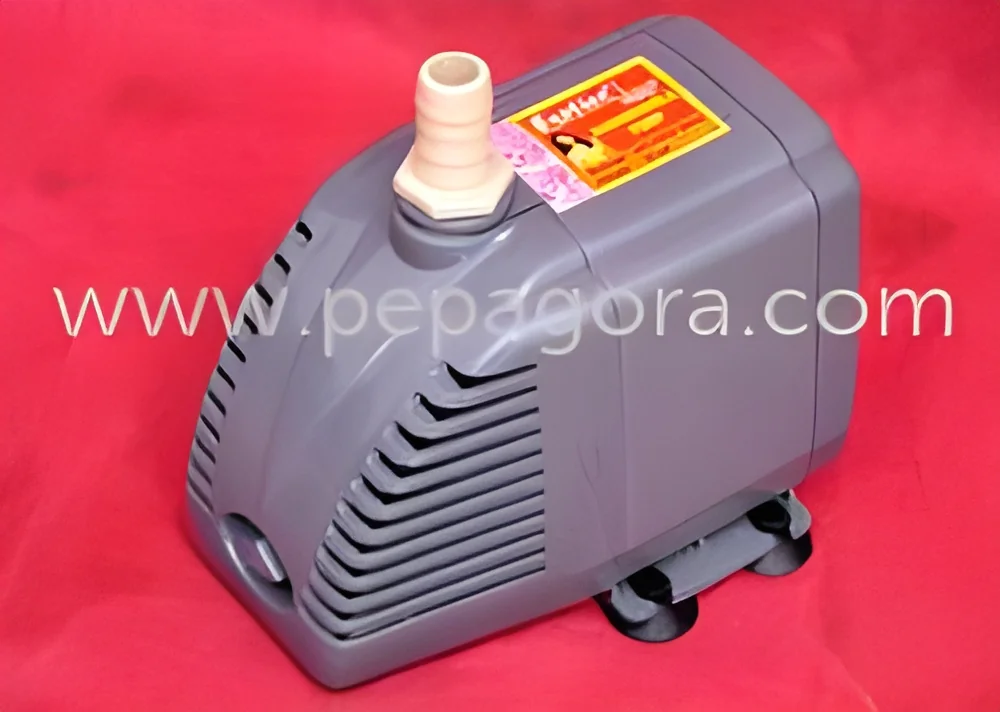
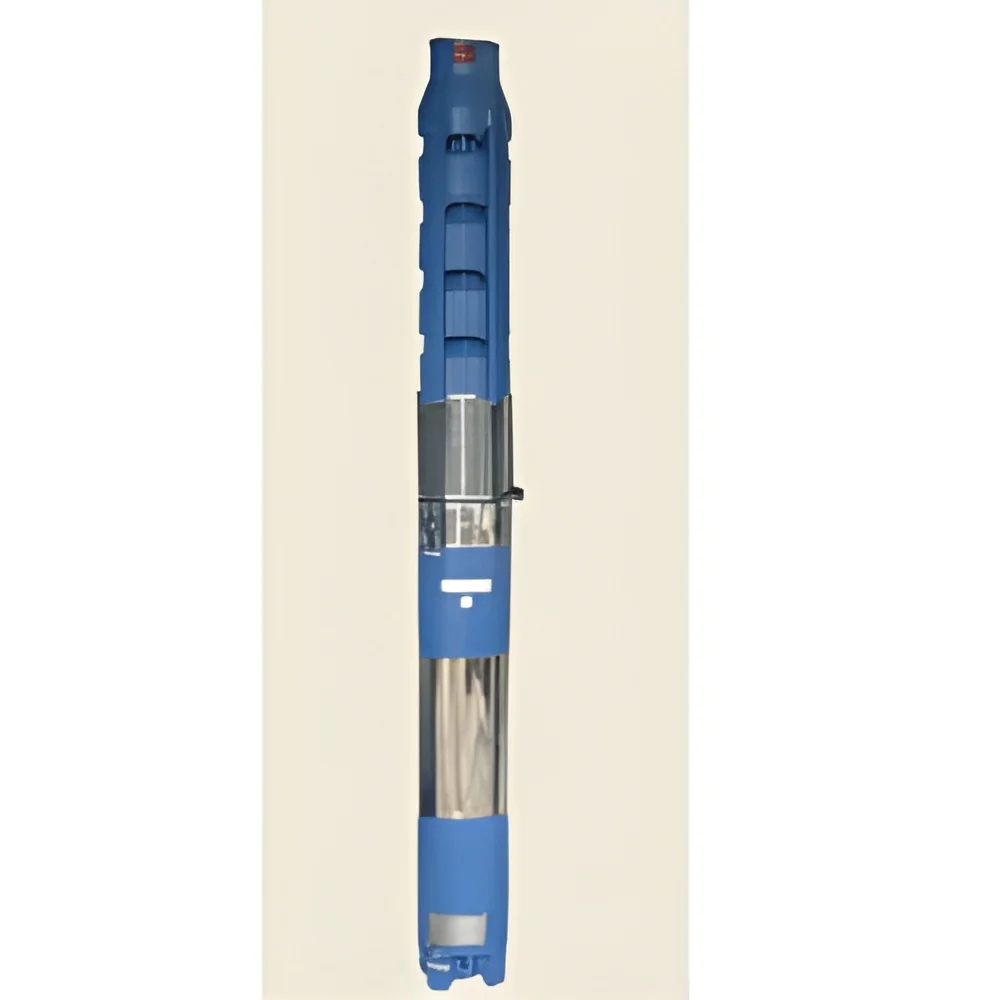
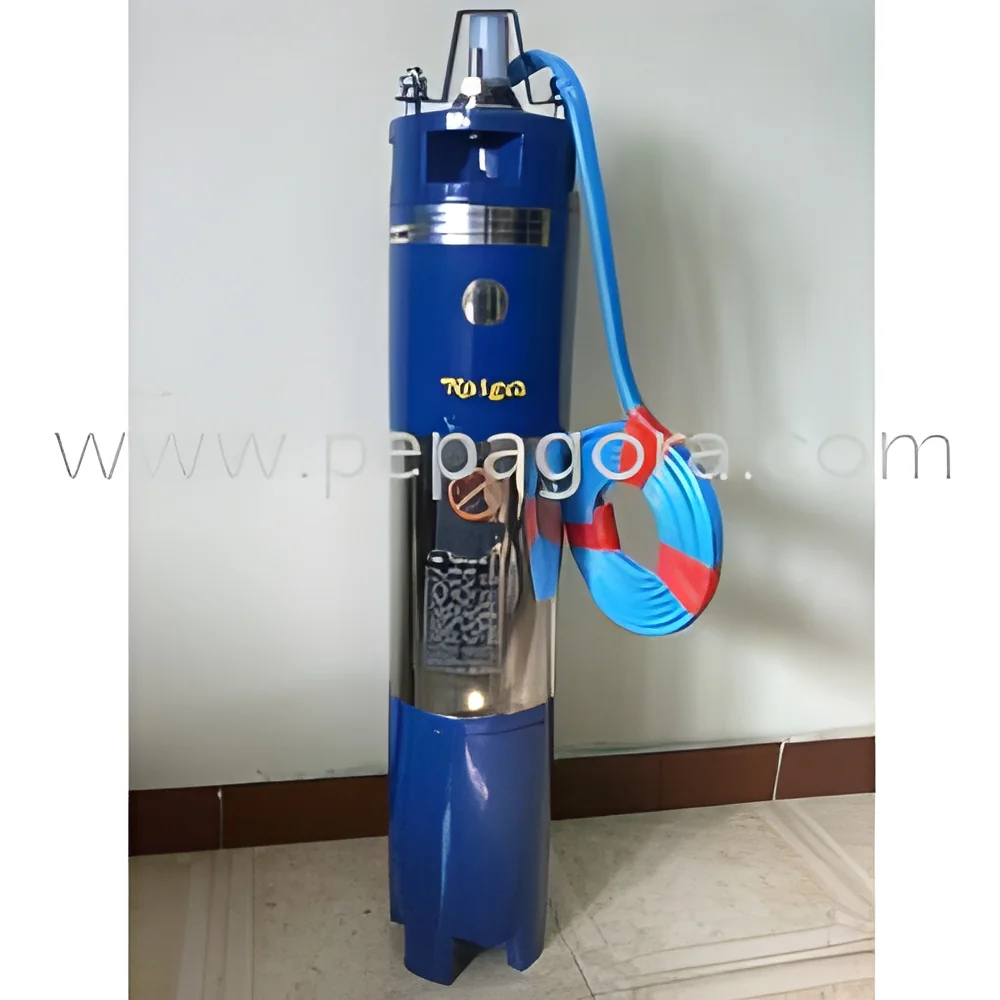
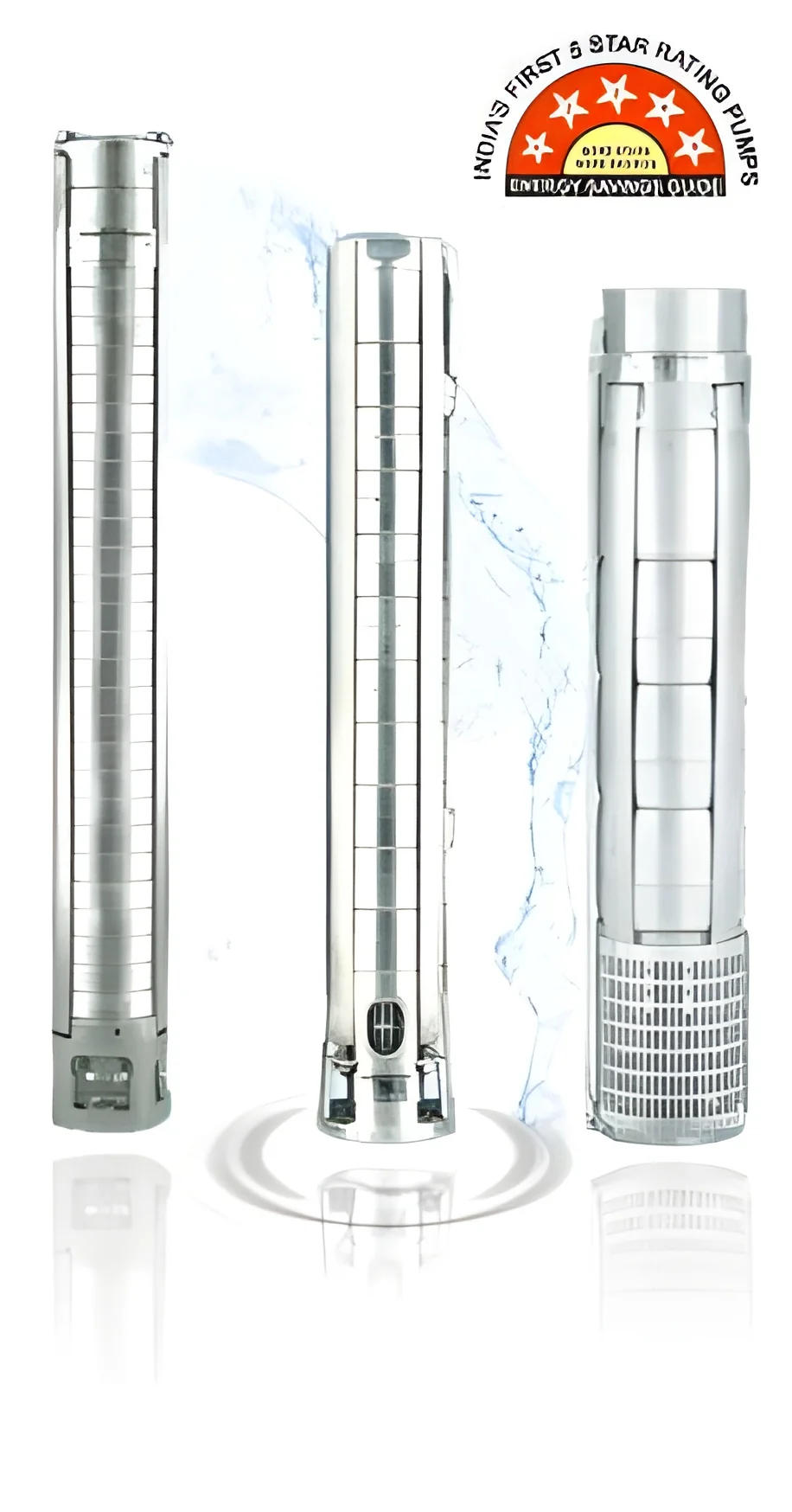
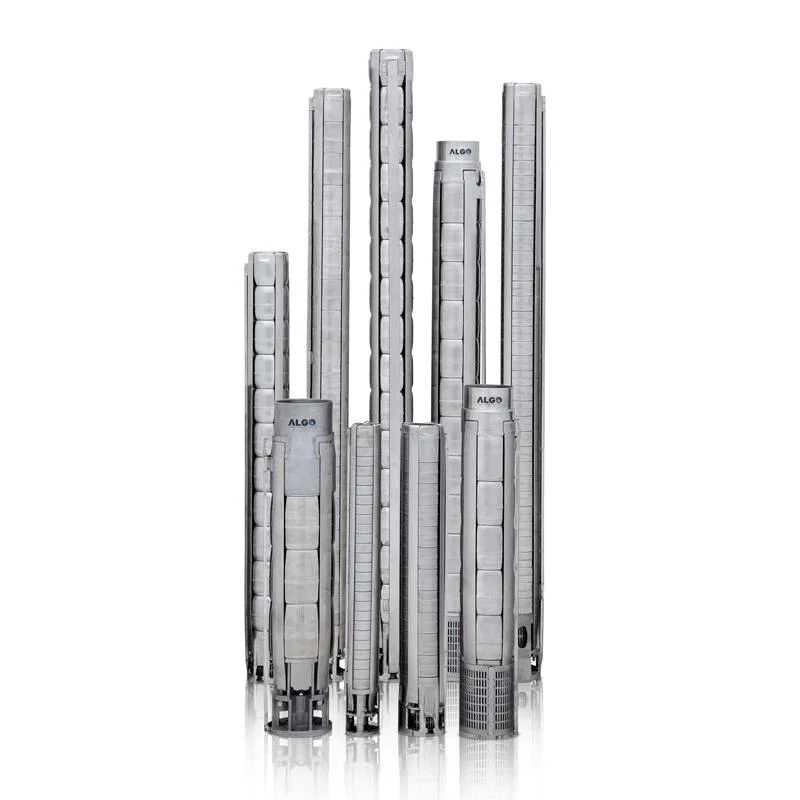
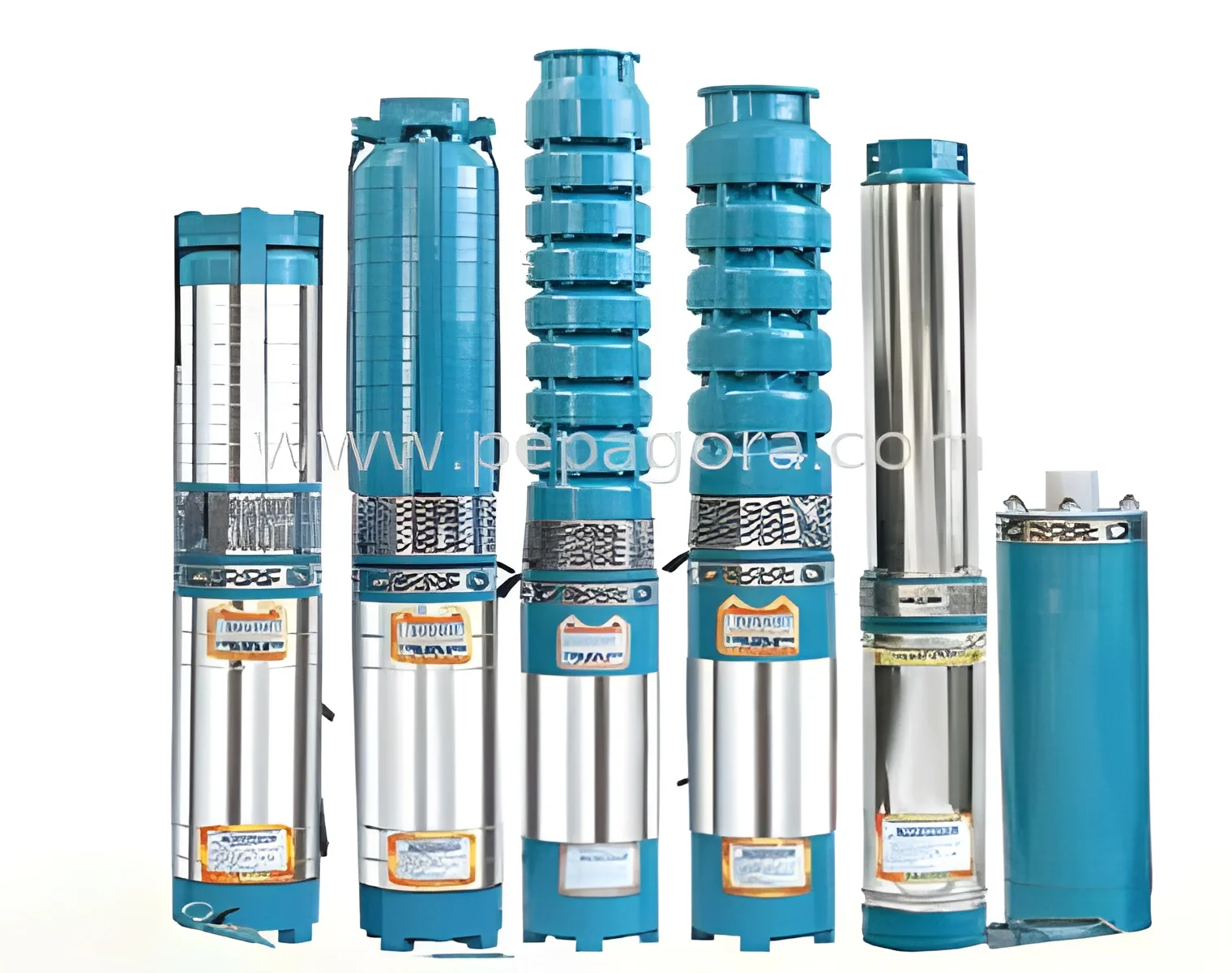
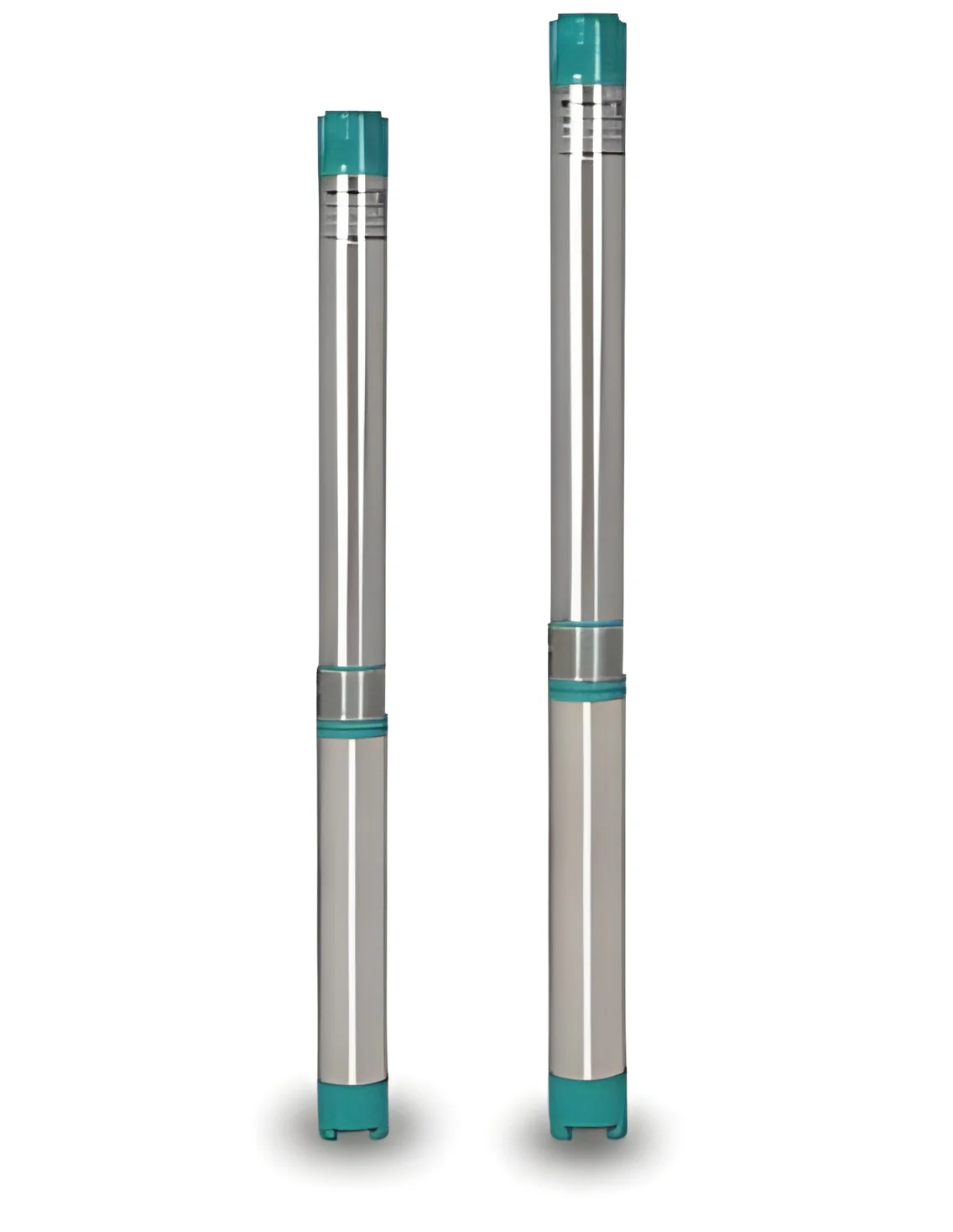
𝗪𝗵𝗮𝘁 𝗮𝗿𝗲 𝗦𝘂𝗯𝗺𝗲𝗿𝘀𝗶𝗯𝗹𝗲 𝗣𝘂𝗺𝗽𝘀?
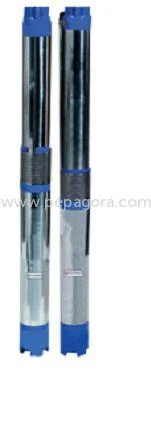
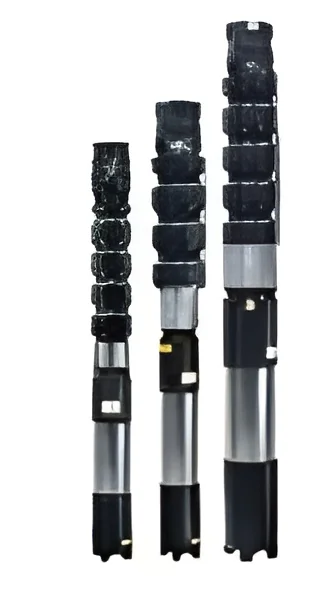
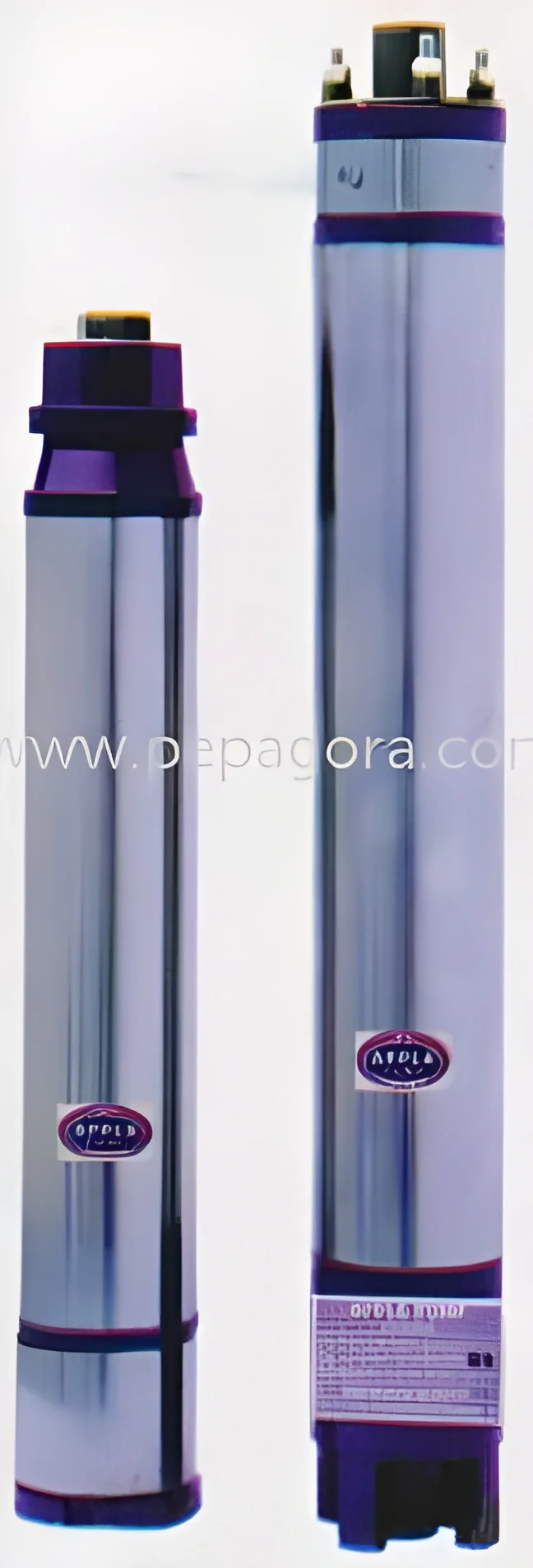
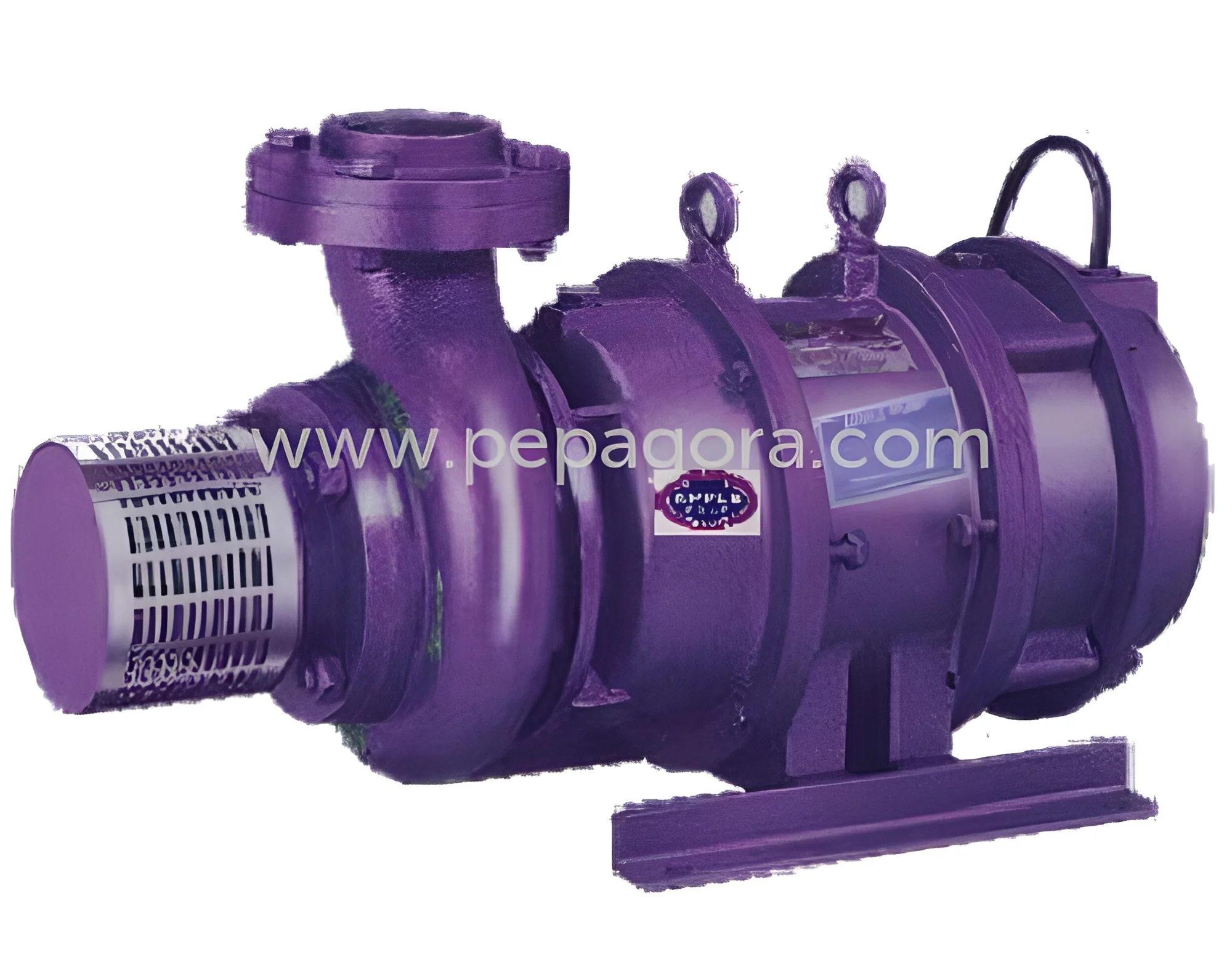
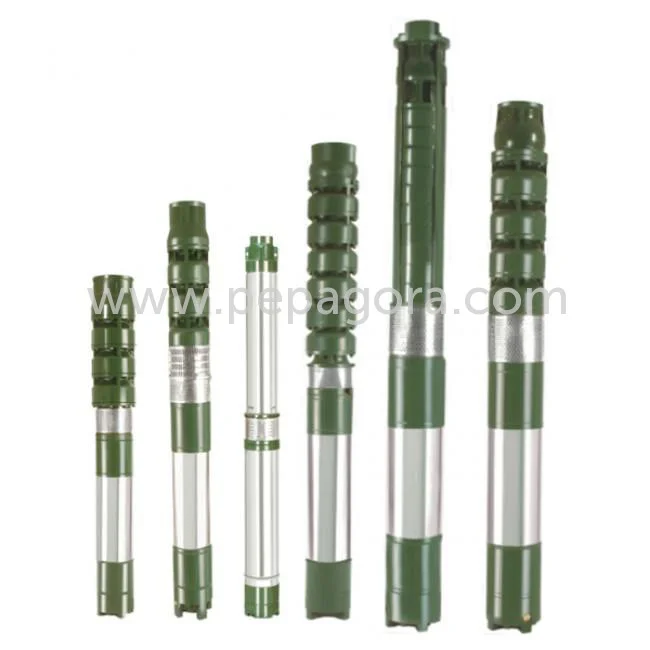
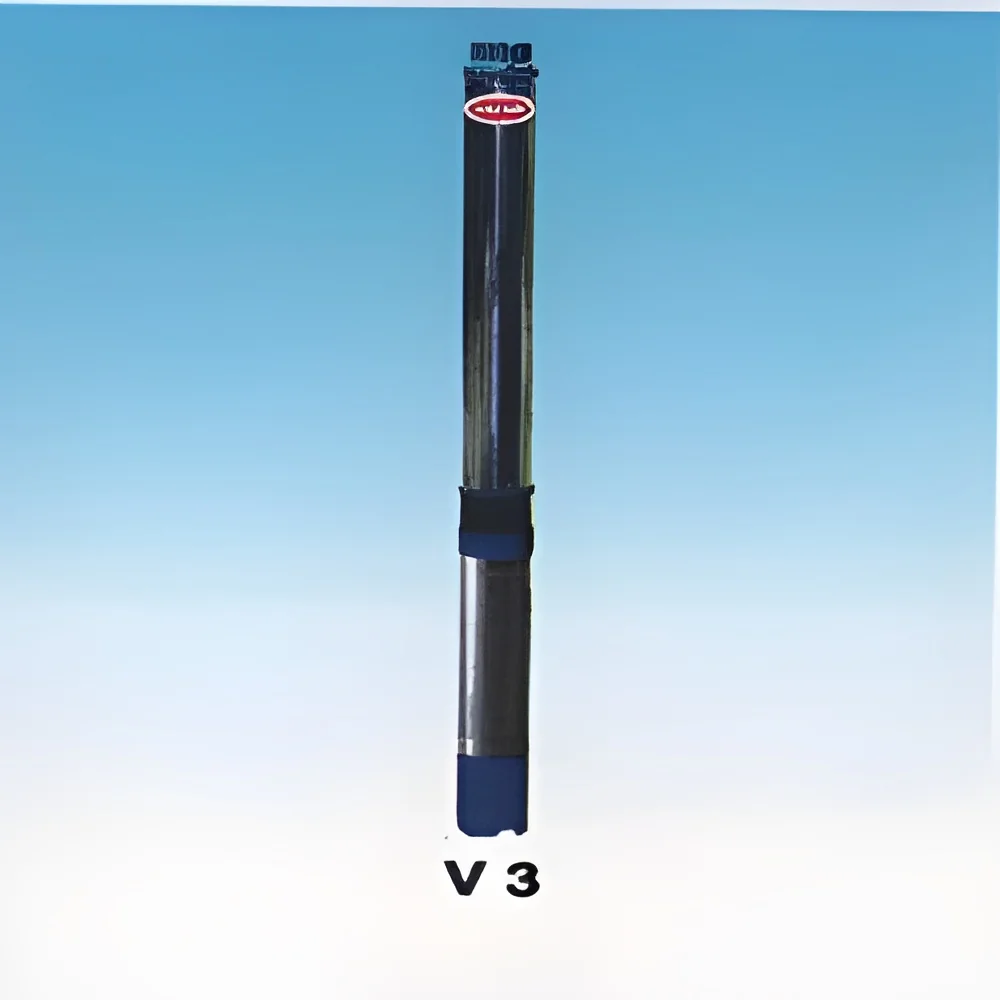
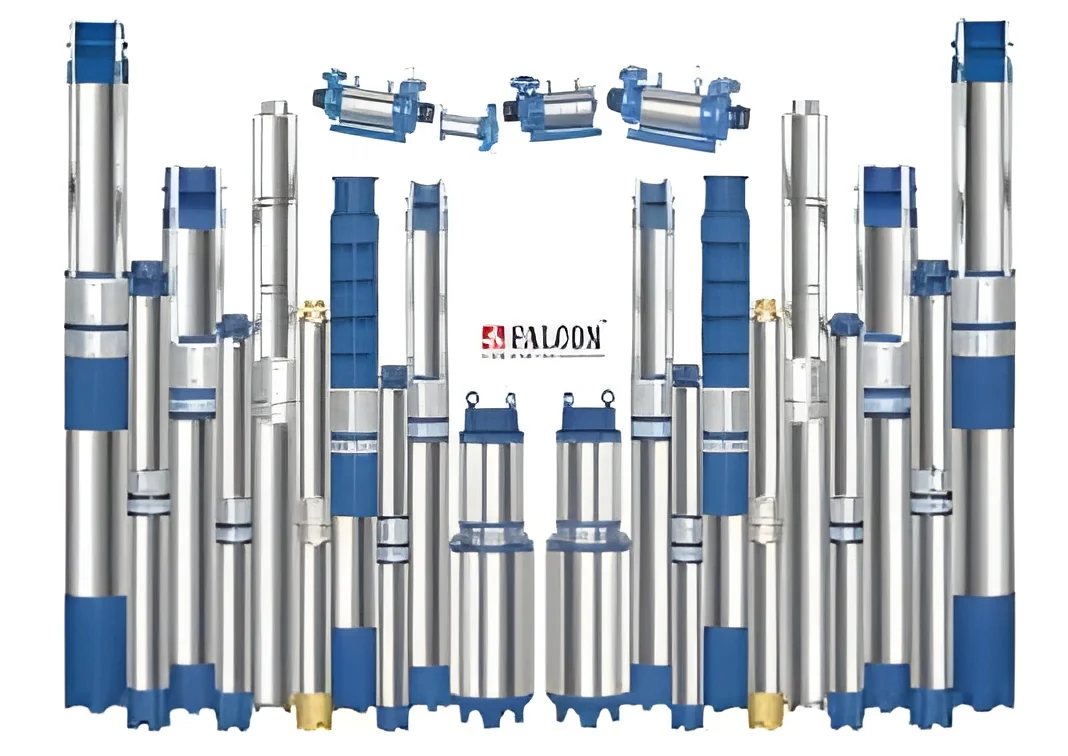
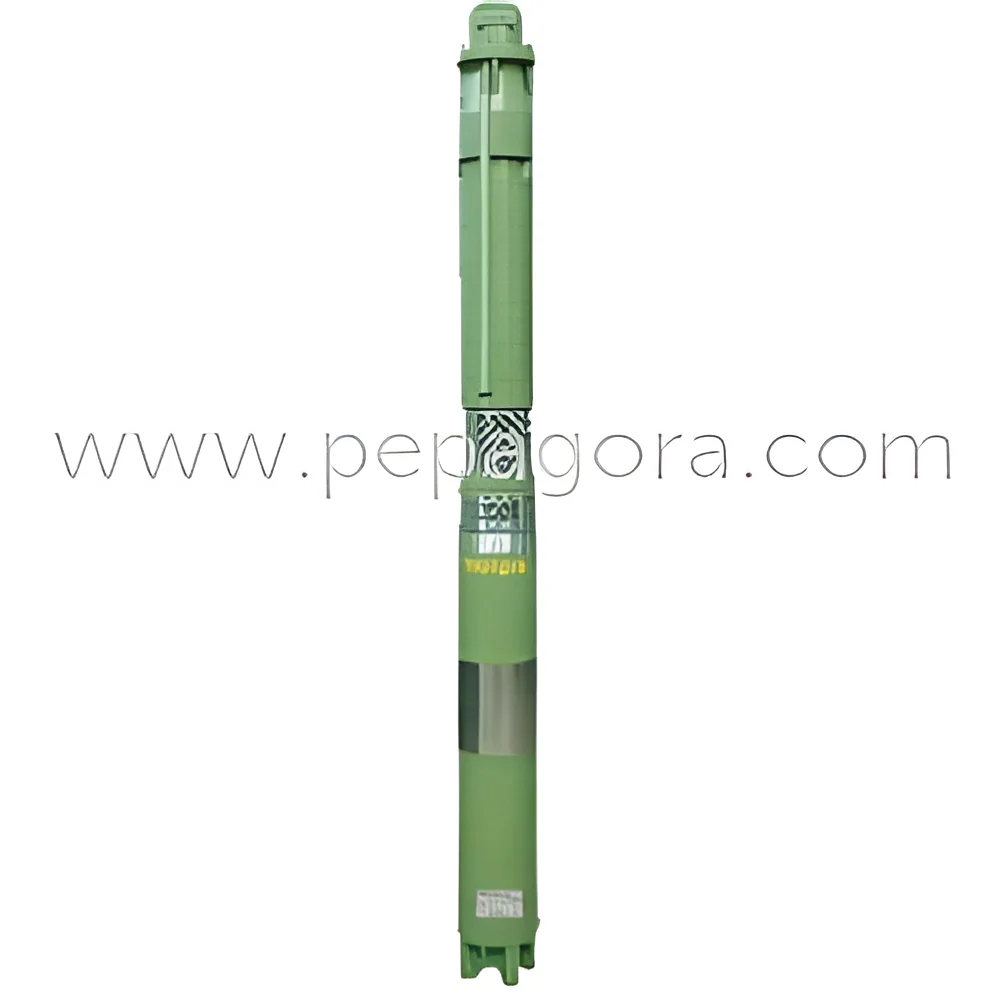
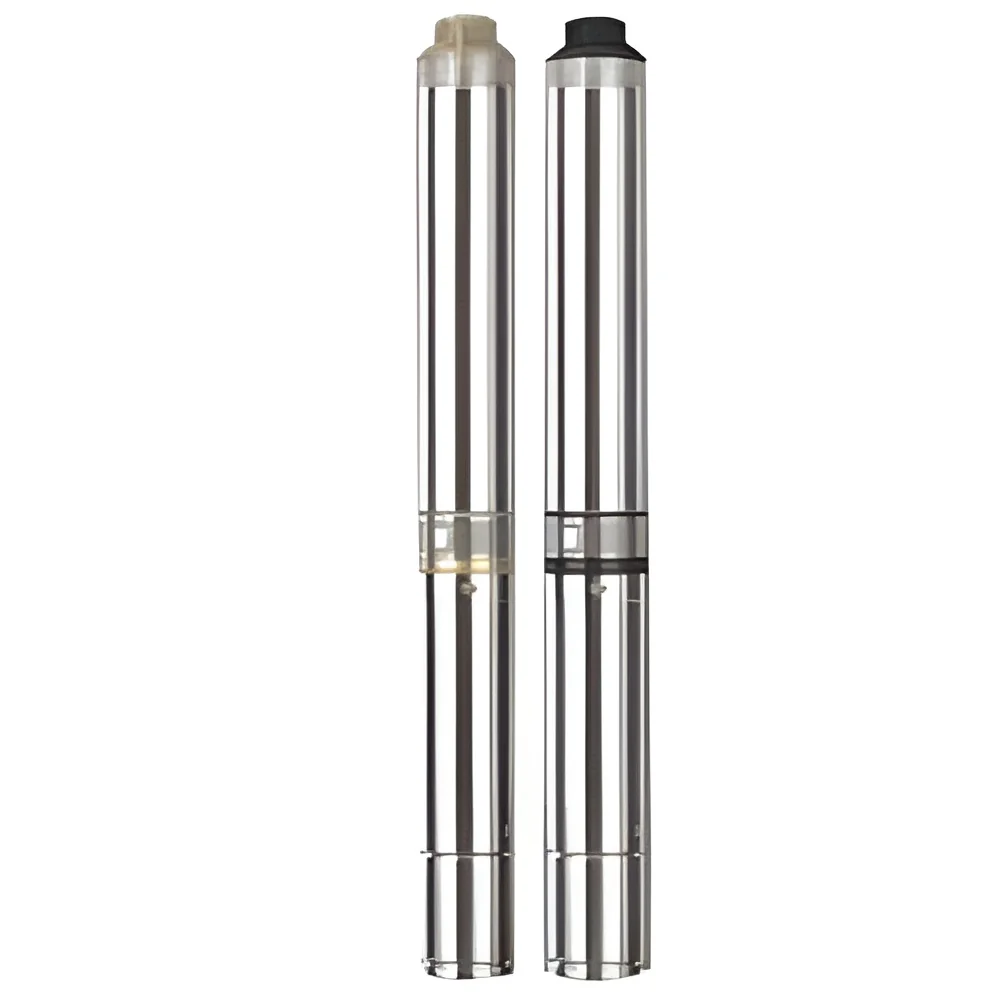
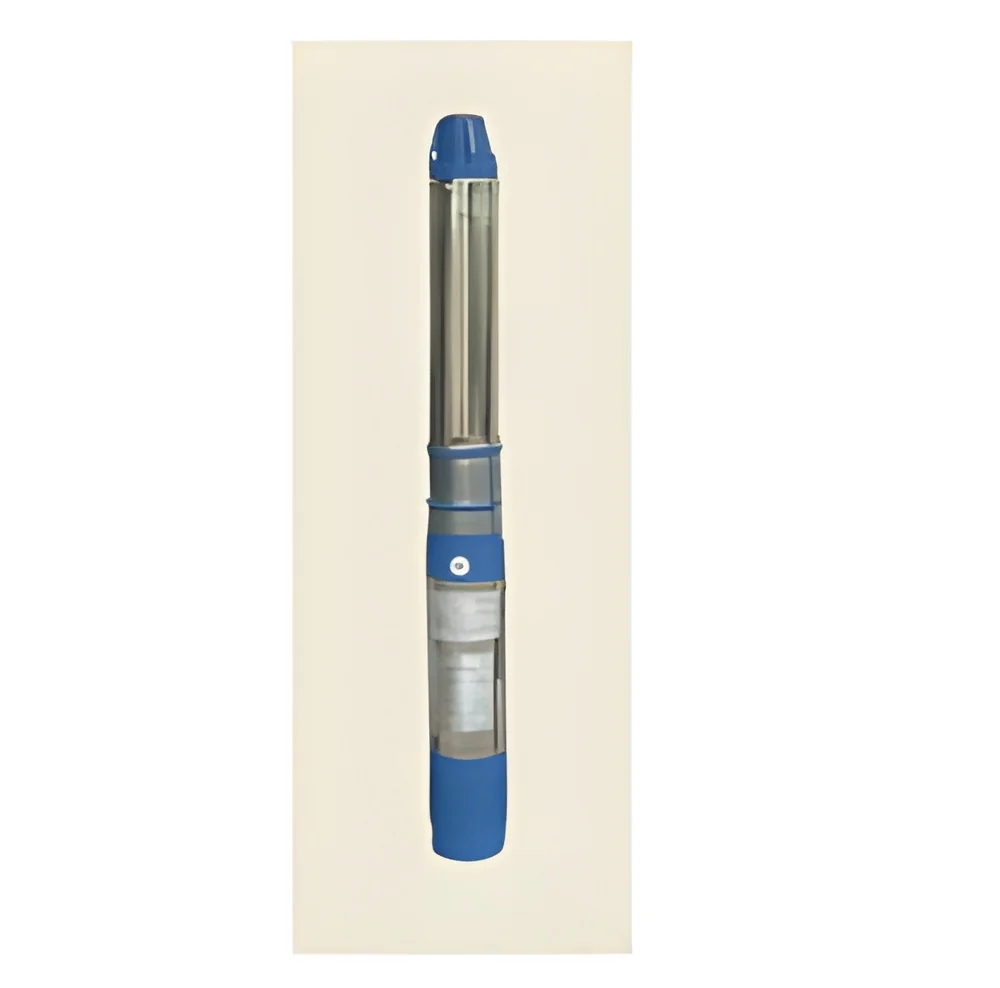
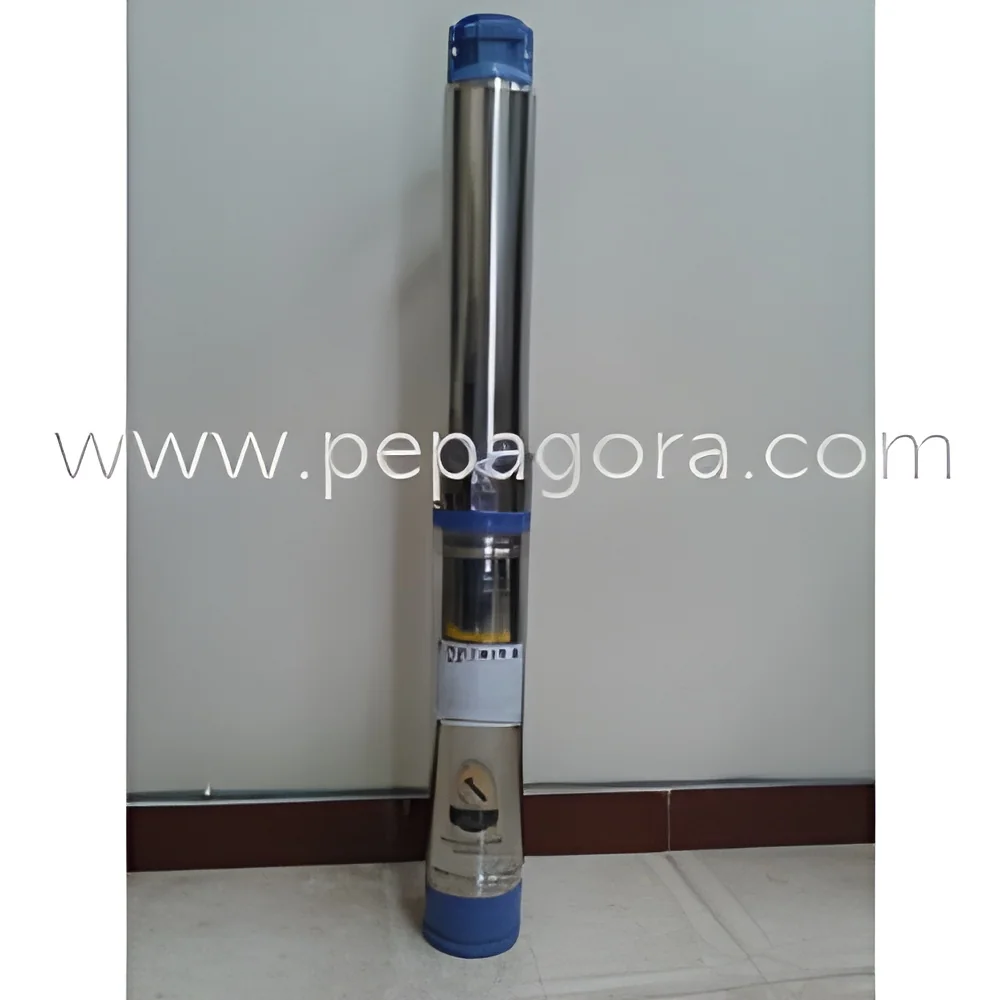
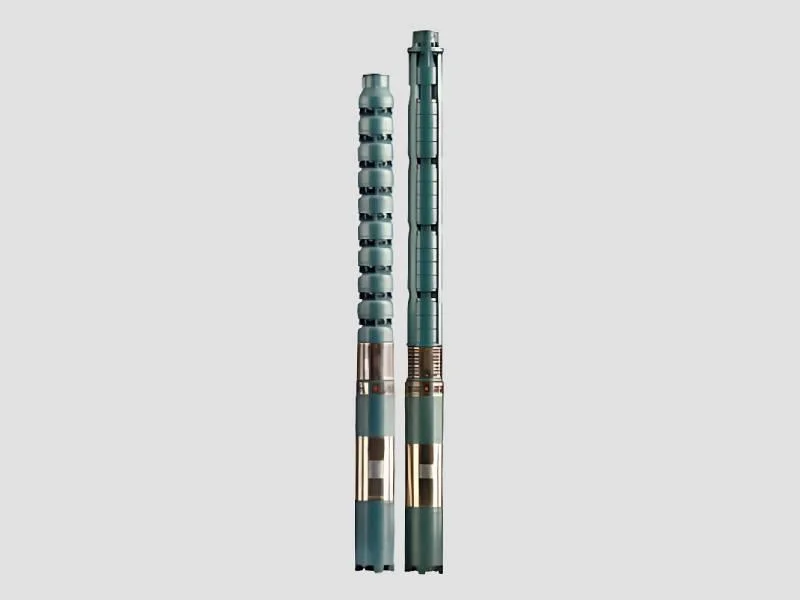
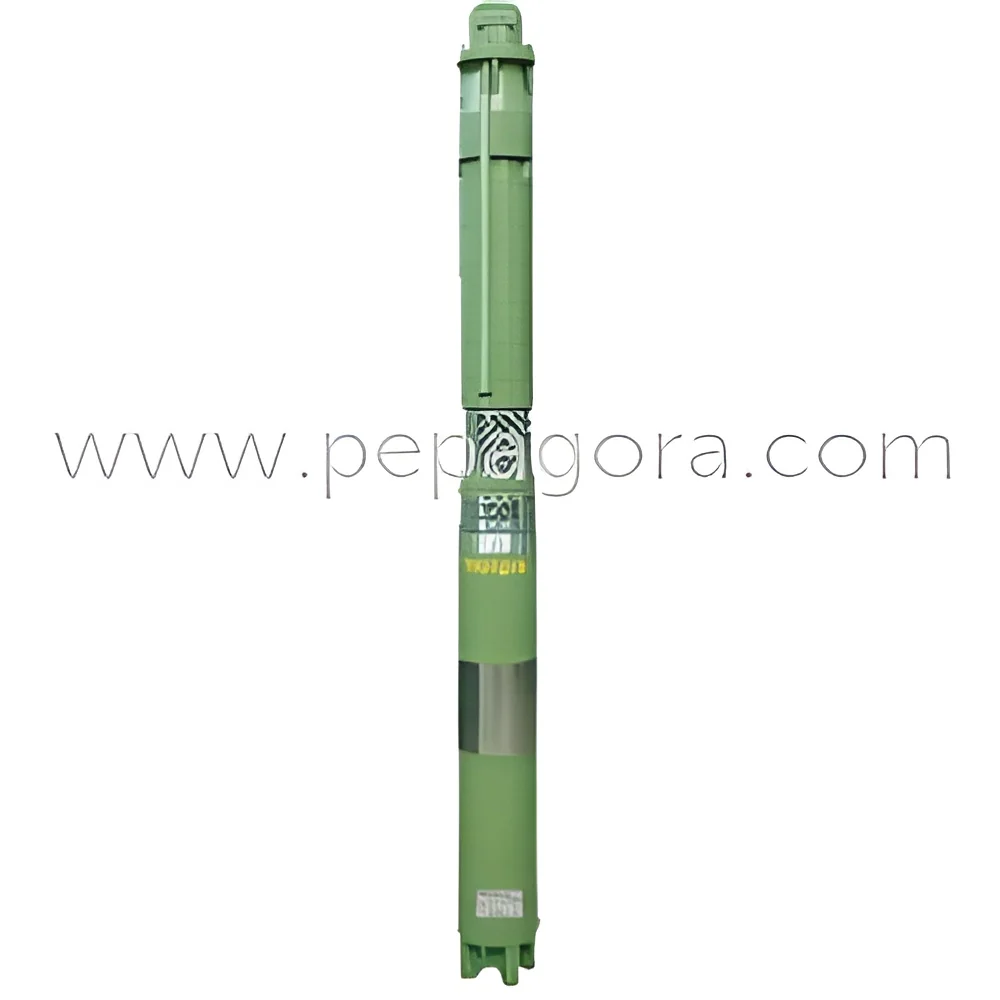
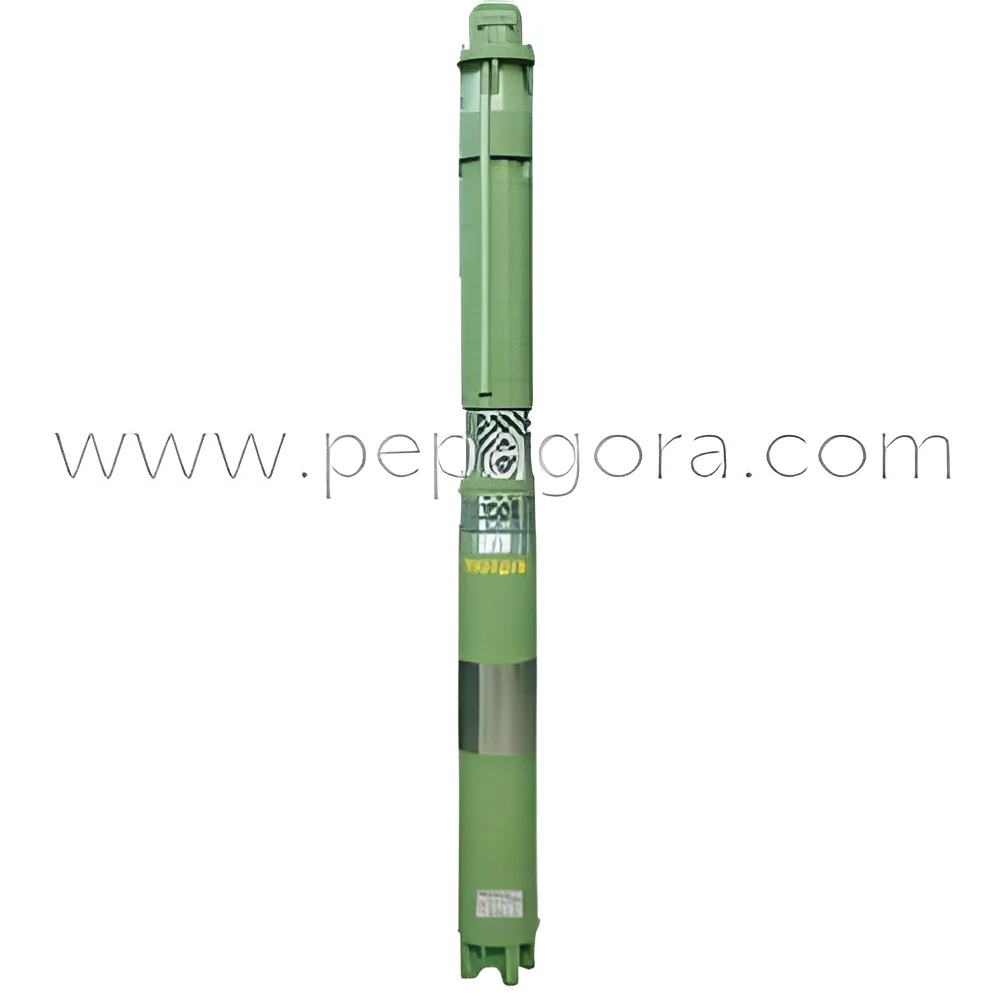
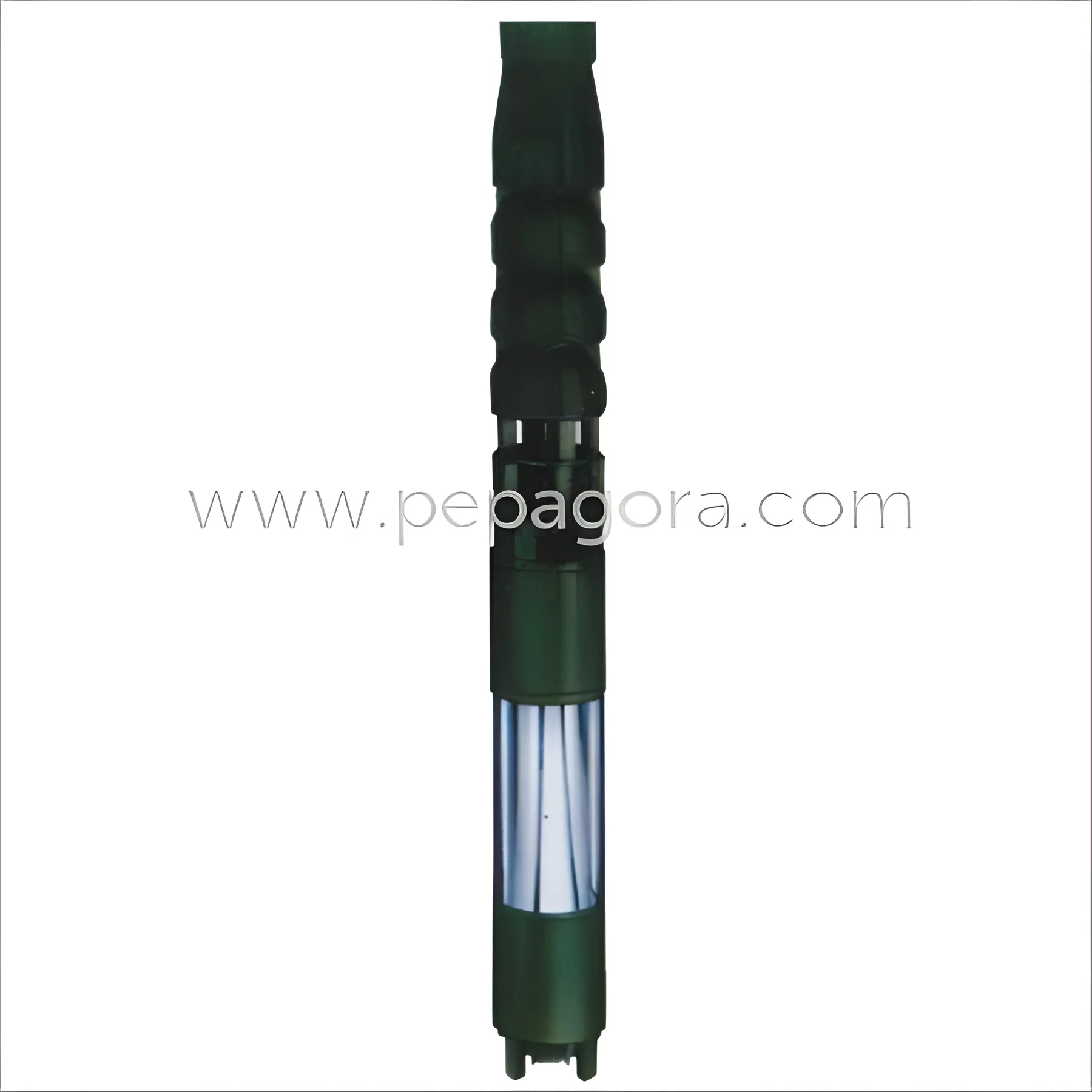
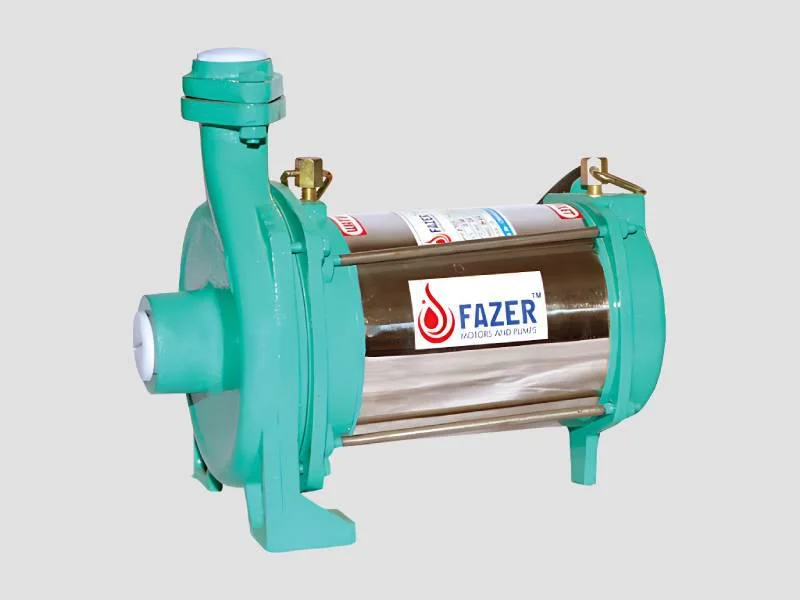
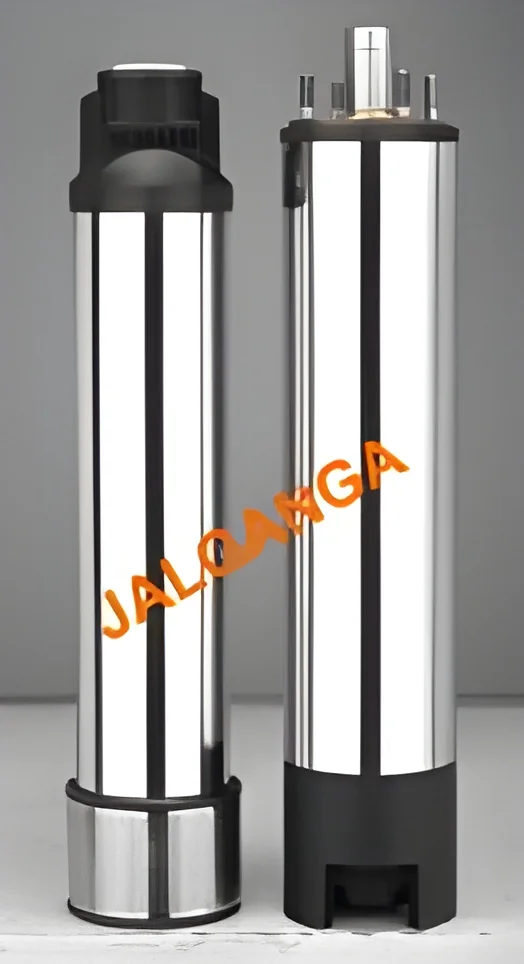
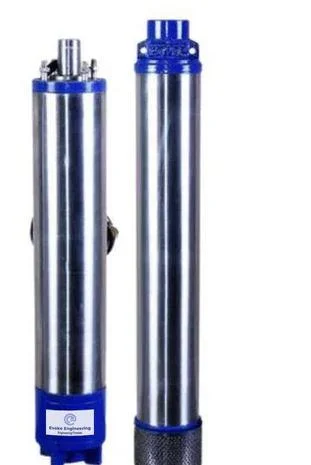
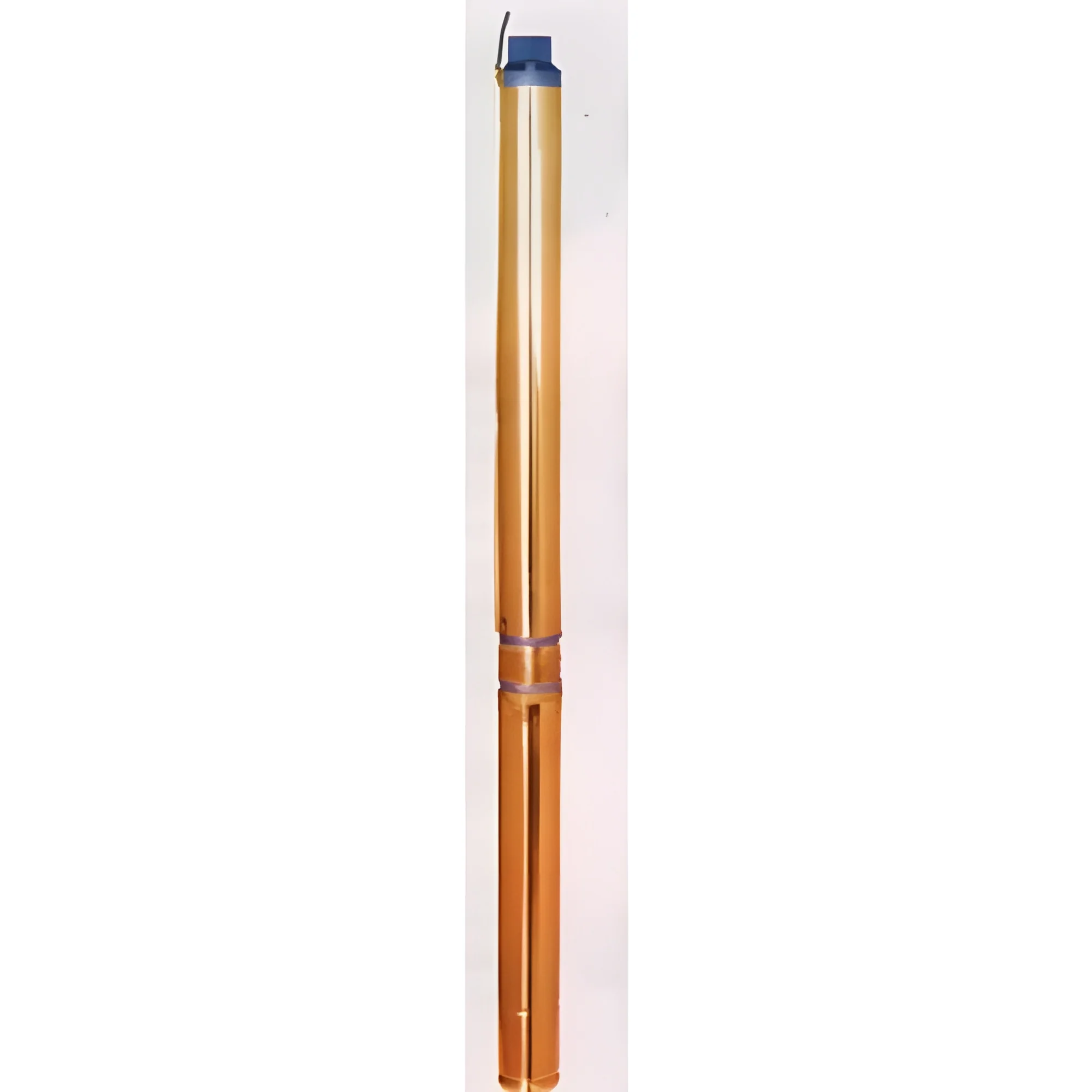
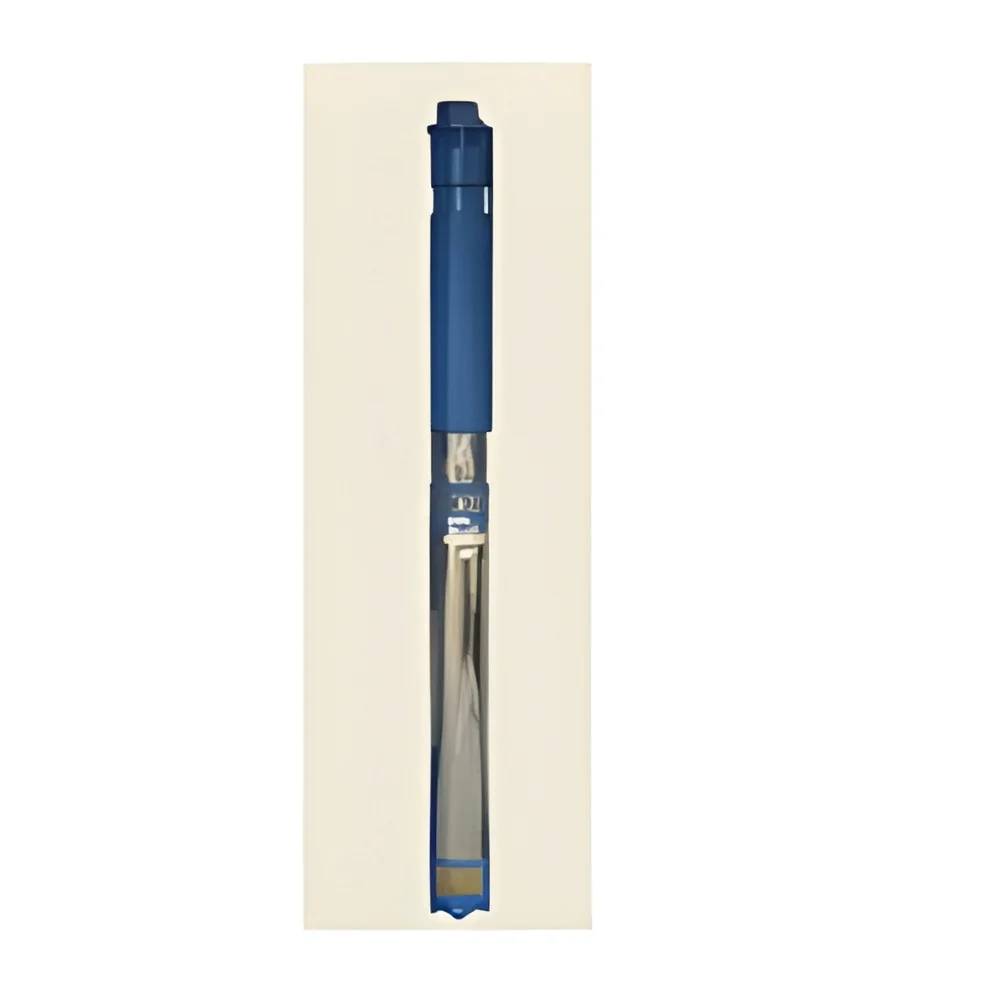
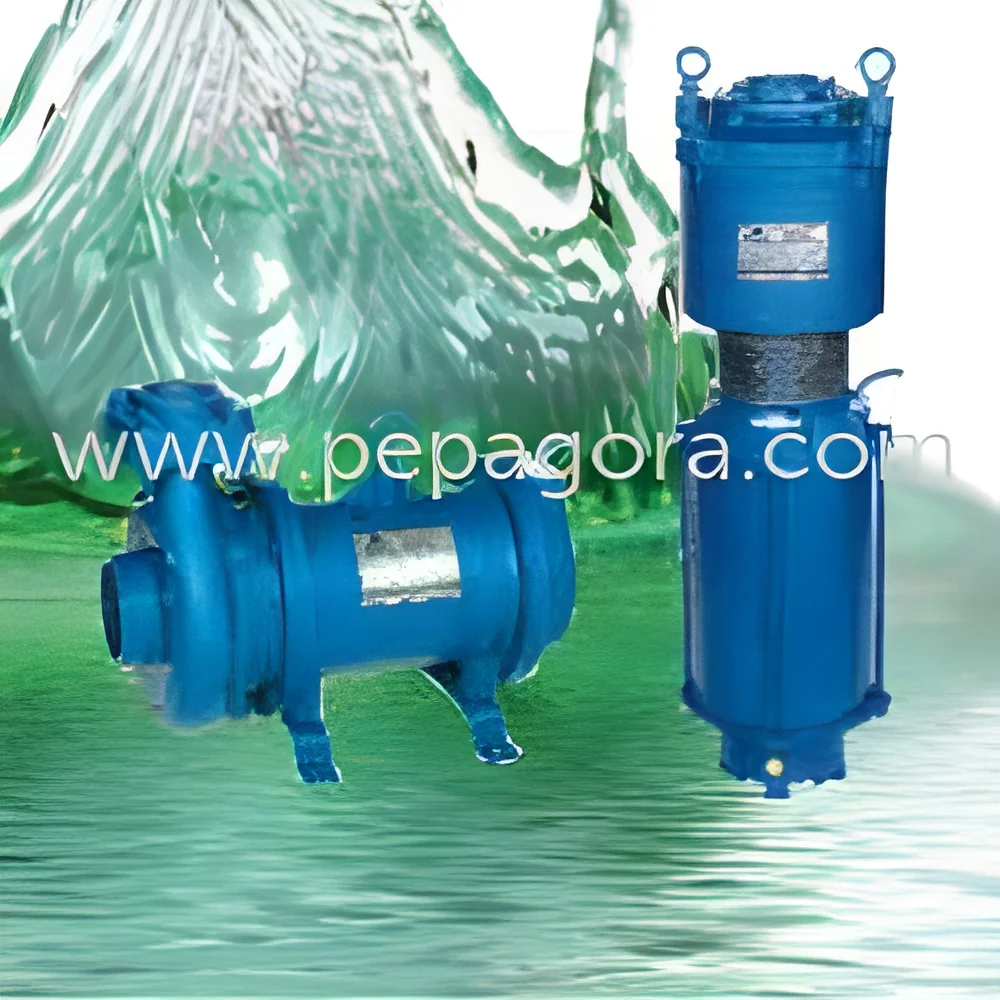
Submersible pumps are specialized devices designed to operate underwater. They consist of a sealed motor and pump assembly that can be submerged in liquids, allowing for efficient pumping without the need for priming. These pumps are capable of moving water and other fluids from below the surface to above ground levels, making them highly effective for various applications.
These pumps find extensive use in industries such as construction, agriculture, municipal water systems, and wastewater management. They are particularly valuable for dewatering, drainage, and irrigation purposes. Submersible pumps can handle a range of fluids, including clean water, sewage, and industrial effluents, making them versatile tools in managing fluid transfer.
The relevance of submersible pumps in today's market is substantial, given the increasing demand for efficient water management solutions. As industries expand and urban populations grow, the need for reliable and effective pumping systems becomes critical. Manufacturers are focusing on technological advancements to enhance performance, energy efficiency, and reliability of these pumps.
𝗞𝗲𝘆 𝗙𝗲𝗮𝘁𝘂𝗿𝗲𝘀 𝗮𝗻𝗱 𝗦𝗽𝗲𝗰𝗶𝗳𝗶𝗰𝗮𝘁𝗶𝗼𝗻𝘀
Submersible pumps come with various features that make them suitable for specific applications. Understanding these specifications helps in selecting the right pump for your needs.
Key specifications include:
1. Power Source
- Typically electric or hydraulic
- Offers a range of horsepower depending on the model
2. Maximum Head
- Refers to the maximum height the pump can lift water
- Usually measured in meters or feet
3. Flow Rate
- Indicates the volume of water the pump can move
- Commonly expressed in liters per minute or gallons per minute
4. Motor Protection
- Many pumps have built-in thermal overload protection
- Ensures safety and longevity under heavy use
5. Material Construction
- Often made from stainless steel or high-grade plastic
- Enhances durability and resistance to corrosion
6. Cable Length
- Varies by model, typically ranging from 10 to 30 meters
- Longer cables allow for deeper submersion
7. Operating Temperature Range
- Varies by model; typically suitable for a range of water temperatures
- Important for applications involving heated liquids
8. Certification
- Many submersible pumps carry CE certification
- Ensures compliance with European safety and environmental standards
In summary, selecting a submersible pump involves considering various features and specifications tailored to the specific application and environment it will be used in.
𝗖𝗼𝗺𝗺𝗼𝗻 𝗔𝗽𝗽𝗹𝗶𝗰𝗮𝘁𝗶𝗼𝗻𝘀 𝗮𝗻𝗱 𝗨𝘀𝗲 𝗖𝗮𝘀𝗲𝘀
Submersible pumps are utilized across numerous industries, each with distinct operational needs.
1. Agriculture: These pumps are used for irrigation purposes, providing efficient water transfer from wells or reservoirs to fields.
2. Construction: They are essential for dewatering construction sites, helping to manage groundwater and prevent flooding.
3. Wastewater Management: Submersible pumps effectively handle sewage and wastewater, facilitating treatment processes in municipal systems.
4. Industrial: In manufacturing, they are employed to transfer chemicals and other fluids within production processes.
5. Mining: These pumps assist in dewatering mines, ensuring safe working conditions by removing excess water from mining sites.
6. Residential: Homeowners use submersible pumps for basements and sump pits to prevent flooding.
7. Aquaculture: They support water circulation in fish farms, maintaining optimal conditions for aquatic life.
𝗣𝗿𝗼𝗱𝘂𝗰𝘁 𝗩𝗮𝗿𝗶𝗮𝗻𝘁𝘀 𝗮𝗻𝗱 𝗦𝘂𝗯𝗰𝗮𝘁𝗲𝗴𝗼𝗿𝗶𝗲𝘀
Submersible pumps come in various configurations to meet specific requirements.
Electric Submersible Pumps: These pumps are powered by electricity and are widely used for residential and agricultural applications. They are known for their efficiency and ease of operation.
Hydraulic Submersible Pumps: Utilized primarily in industrial settings, these pumps leverage hydraulic power for high performance in demanding environments. They are ideal for transferring heavy fluids and can handle abrasive materials.
Portable Submersible Pumps: Designed for easy transport, these pumps are often used in emergency situations or temporary applications. They provide flexibility for tasks such as drainage or flood control.
𝗕𝗲𝗻𝗲𝗳𝗶𝘁𝘀 𝗮𝗻𝗱 𝗔𝗱𝘃𝗮𝗻𝘁𝗮𝗴𝗲𝘀
Investing in submersible pumps offers numerous benefits for businesses.
1. Energy Efficiency: Submersible pumps are designed to operate efficiently, reducing energy consumption and operational costs.
2. Space Saving: Their compact design allows for installation in tight spaces, making them ideal for various applications.
3. Versatility: These pumps can handle a wide range of fluids, from clean water to industrial waste, making them suitable for diverse industries.
4. Low Maintenance: With fewer moving parts compared to surface pumps, submersible pumps typically require less maintenance and have a longer service life.
5. High Performance: They provide reliable and consistent flow rates, even in challenging conditions, ensuring effective fluid management.
6. Reduced Noise Levels: As they operate underwater, submersible pumps tend to be quieter than traditional pumps, making them preferable in noise-sensitive environments.
𝗕𝘂𝘆𝗶𝗻𝗴 𝗚𝘂𝗶𝗱𝗲 𝗳𝗼𝗿 𝗕𝟮𝗕 𝗕𝘂𝘆𝗲𝗿𝘀
When sourcing submersible pumps, it is essential to consider several factors to ensure you make the right choice.
1. Quality Assessment: Look for pumps that meet industry standards and have a robust construction. Quality assurance from manufacturers is crucial to ensure longevity and reliability.
2. Supplier Verification: Vet suppliers to ensure they are reputable and have a history of providing reliable products. Check for customer reviews and industry certifications.
3. Pricing and MOQ: Understand the pricing structures and minimum order quantities to align with your budget and project needs.
4. Delivery and Lead Times: Consider logistics and delivery timelines to ensure that your operations are not disrupted. Confirm lead times before placing orders.
5. Compliance Requirements: Ensure that the pumps meet regulatory standards relevant to your industry, including safety and environmental guidelines.
𝗖𝗼𝗺𝗽𝗹𝗶𝗮𝗻𝗰𝗲 𝗮𝗻𝗱 𝗖𝗲𝗿𝘁𝗶𝗳𝗶𝗰𝗮𝘁𝗶𝗼𝗻𝘀
Submersible pumps must adhere to various quality and safety standards to ensure they perform reliably and safely in their applications.
ISO 9001 is a common quality management standard that many manufacturers of submersible pumps strive to meet. This ensures that their processes consistently produce products that meet customer and regulatory requirements.
CE certification is critical for products marketed in Europe, as it indicates compliance with EU safety, health, and environmental protection standards.
In addition to these certifications, safety and testing requirements are essential to verify the pumps' performance under various operating conditions.
Regional compliance may vary, so it is vital to consider local regulations and standards when selecting submersible pumps for specific markets.
𝗪𝗵𝘆 𝗦𝗼𝘂𝗿𝗰𝗲 𝗦𝘂𝗯𝗺𝗲𝗿𝘀𝗶𝗯𝗹𝗲 𝗣𝘂𝗺𝗽𝘀 𝗳𝗿𝗼𝗺 𝗣𝗲𝗽𝗮𝗴𝗼𝗿𝗮?
Pepagora offers a reliable platform for sourcing submersible pumps, providing several key advantages for buyers.
Verified Supplier Network: Pepagora ensures that all suppliers are thoroughly vetted, providing buyers with confidence in their purchasing decisions. This network includes manufacturers known for quality and reliability.
Streamlined RFQ Process: The platform simplifies the request for quotation process, allowing buyers to easily compare options and make informed choices quickly.
Trade Assurance and Support: Pepagora offers buyer protection features that safeguard your investment. This includes support throughout the purchasing process to resolve any issues that may arise.
Regional Coverage: With a presence in India, the GCC, and Southeast Asia, Pepagora provides broad geographic coverage, ensuring that businesses across these regions have access to quality submersible pumps tailored to their needs.
<p>Submersible Pumps are a type of pump designed to be submerged in the fluid they are meant to pump. They are used in various applications, including water extraction from wells, sewage pumping, and industrial applications. The design allows for efficient operation by pushing fluid to the surface rather than pulling it, which makes them suitable for deep well pumping.</p>
2
What are the different types of Submersible Pumps?
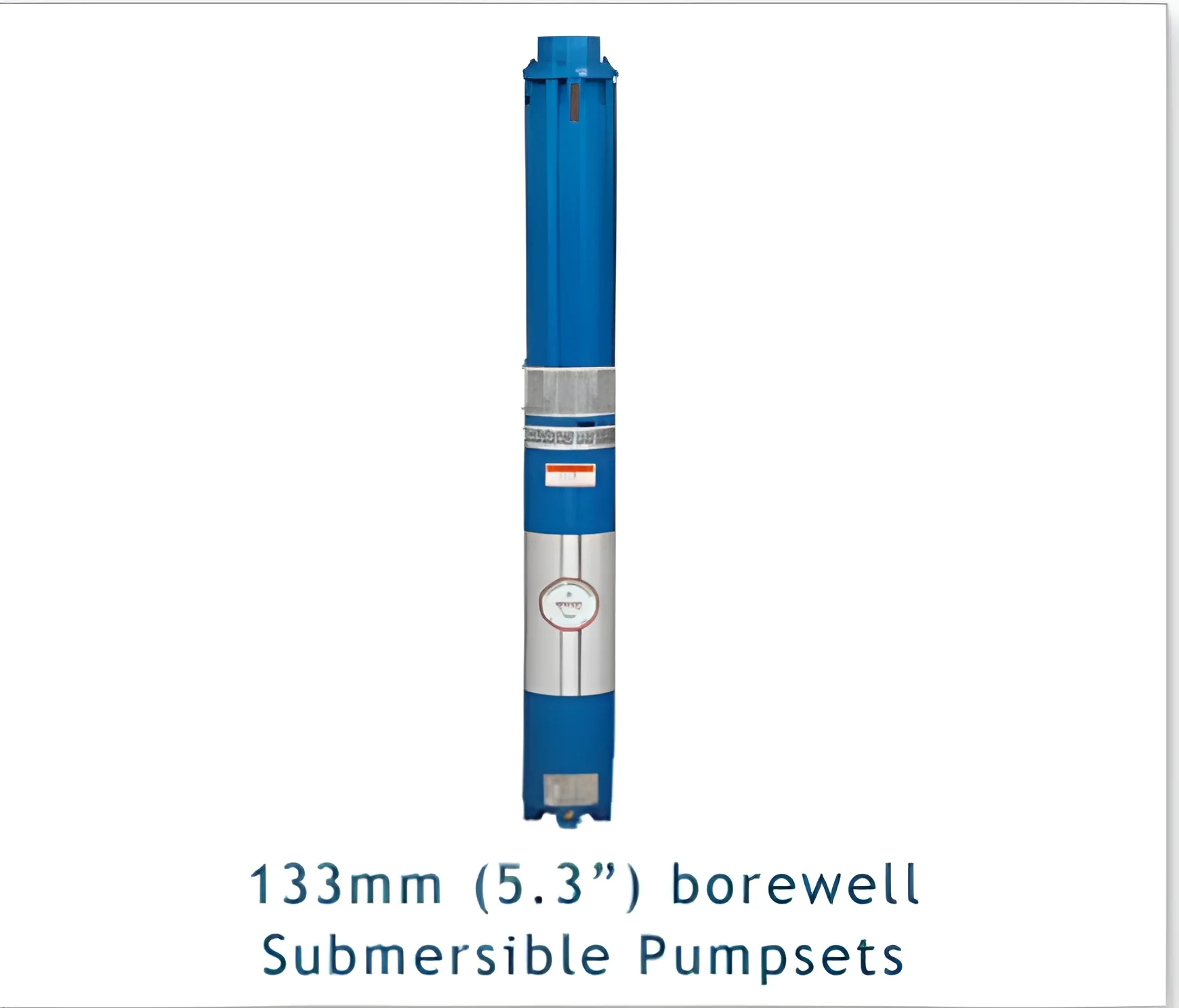
<p>There are several types of Submersible Pumps, including borewell pumps, sewage pumps, and drainage pumps. Borewell pumps are used for deep water extraction, while sewage pumps are designed for handling wastewater. Each type is specialized for specific applications and environments.</p>
3
How do I choose the right Submersible Pumps?
<p>Choosing the right Submersible Pump involves considering factors such as the fluid type, required flow rate, head height, and application. It is also important to evaluate the pump's durability and efficiency. Consulting with a supplier can help you identify the most suitable pump for your specific needs.</p>
4
What are the standard specifications for Submersible Pumps?
<p>Standard specifications for Submersible Pumps typically include parameters such as power rating, flow rate, head height, and material construction. Other important specifications may include voltage, phase, and impeller type. It's essential to review these specifications to ensure compatibility with your application.</p>
5
What is the price range for Submersible Pumps?
<p>The price range for Submersible Pumps can vary widely based on factors such as type, size, and brand. Basic models may start around INR 5,000, while more advanced or larger pumps can exceed INR 50,000. It is advisable to compare options from various suppliers to find the best fit for your budget.</p>
6
What quality standards apply to Submersible Pumps?
<p>Submersible Pumps must adhere to various quality standards, including ISI, ISO, and other industry-specific certifications. These standards ensure the pumps are safe, reliable, and efficient. Manufacturers are often required to meet these standards to guarantee product quality and performance.</p>
7
Where can I find Submersible Pumps suppliers in India?
<p>You can find Submersible Pumps suppliers in India through online marketplaces like Pepagora, trade shows, and industry directories. Additionally, contacting local distributors or manufacturers directly can provide further options. Researching and comparing suppliers can help ensure quality and competitive pricing.</p>
8
Can Submersible Pumps be customized?
<p>Yes, Submersible Pumps can often be customized to meet specific requirements, such as size, power rating, and material. Customization may involve adjustments in design or additional features tailored to particular applications. Discussing your needs with a manufacturer can provide insights into available customization options.</p>
9
What is the typical minimum order quantity for Submersible Pumps?
<p>The typical minimum order quantity (MOQ) for Submersible Pumps varies among manufacturers but often ranges from 5 to 10 units. Some suppliers may have flexible MOQs based on the customer's needs. It is advisable to check with the supplier for their specific MOQ requirements.</p>
10
What is the typical lead time for Submersible Pumps?
<p>The typical lead time for Submersible Pumps can range from 2 to 6 weeks, depending on the supplier and the complexity of the order. Custom orders may take longer due to additional manufacturing processes. It is recommended to confirm lead times when placing an order to ensure timely delivery.</p>
Why Businesses Trust Pepagora
Thousands of companies trust Pepagora to source smarter and sell faster
Expand Your Sales Globally
25000+Products listed.Get discovered by global buyers

 IN
IN