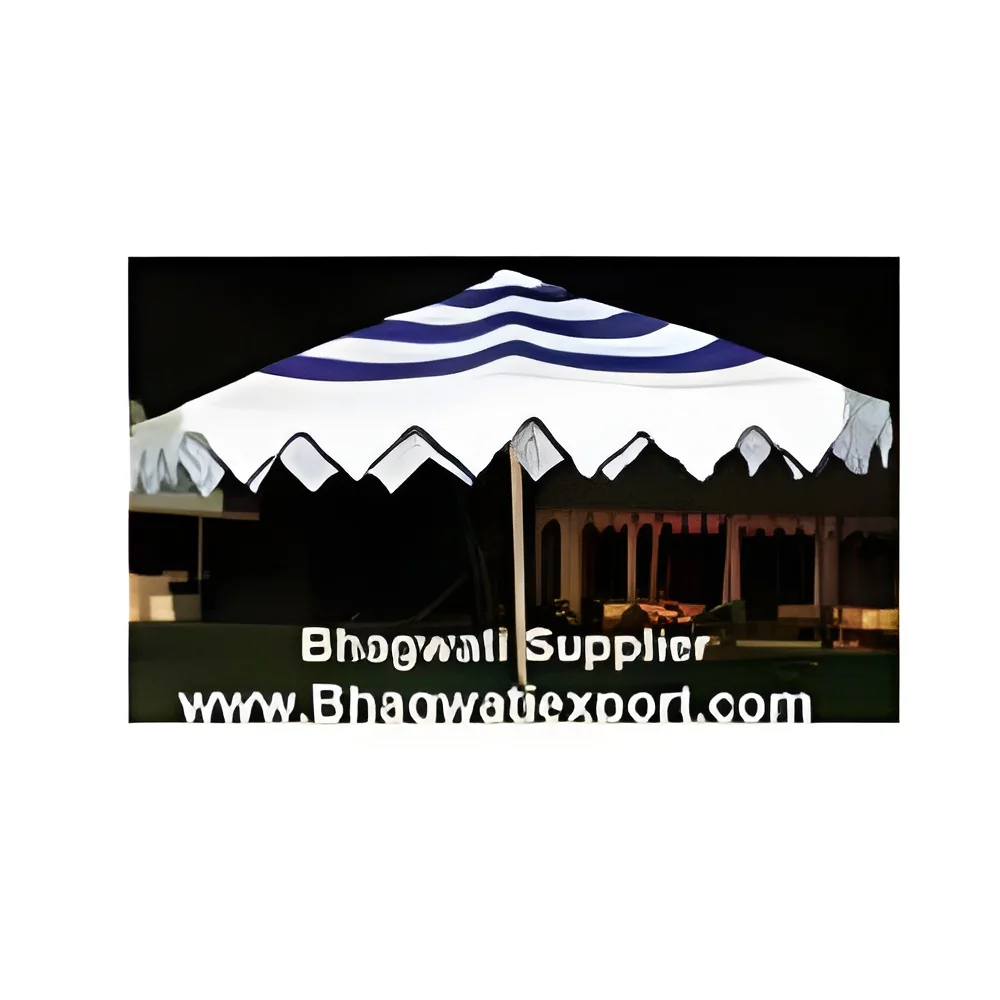
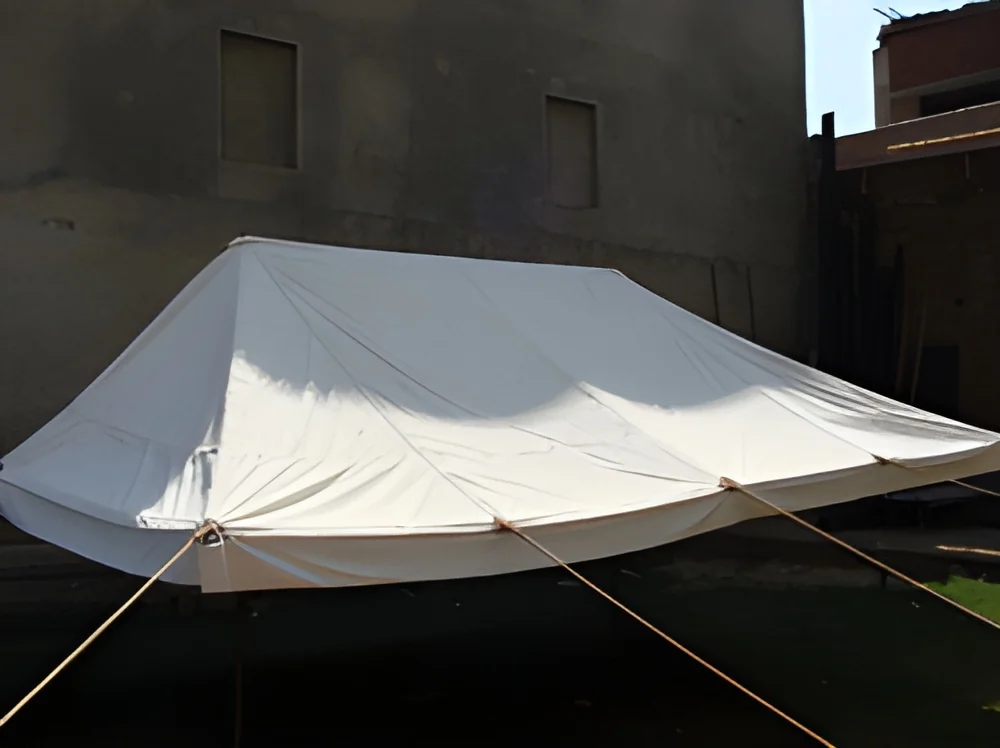
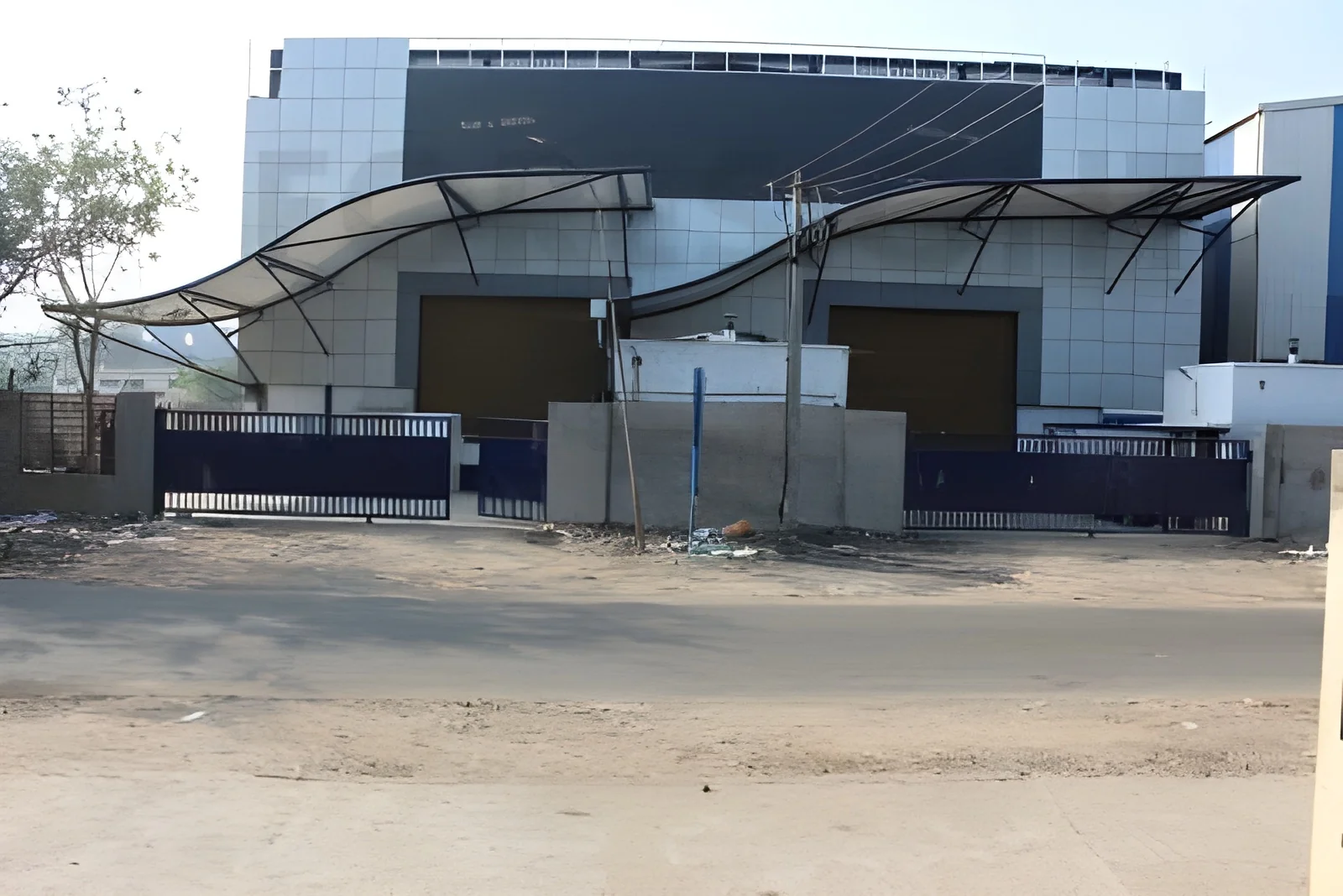
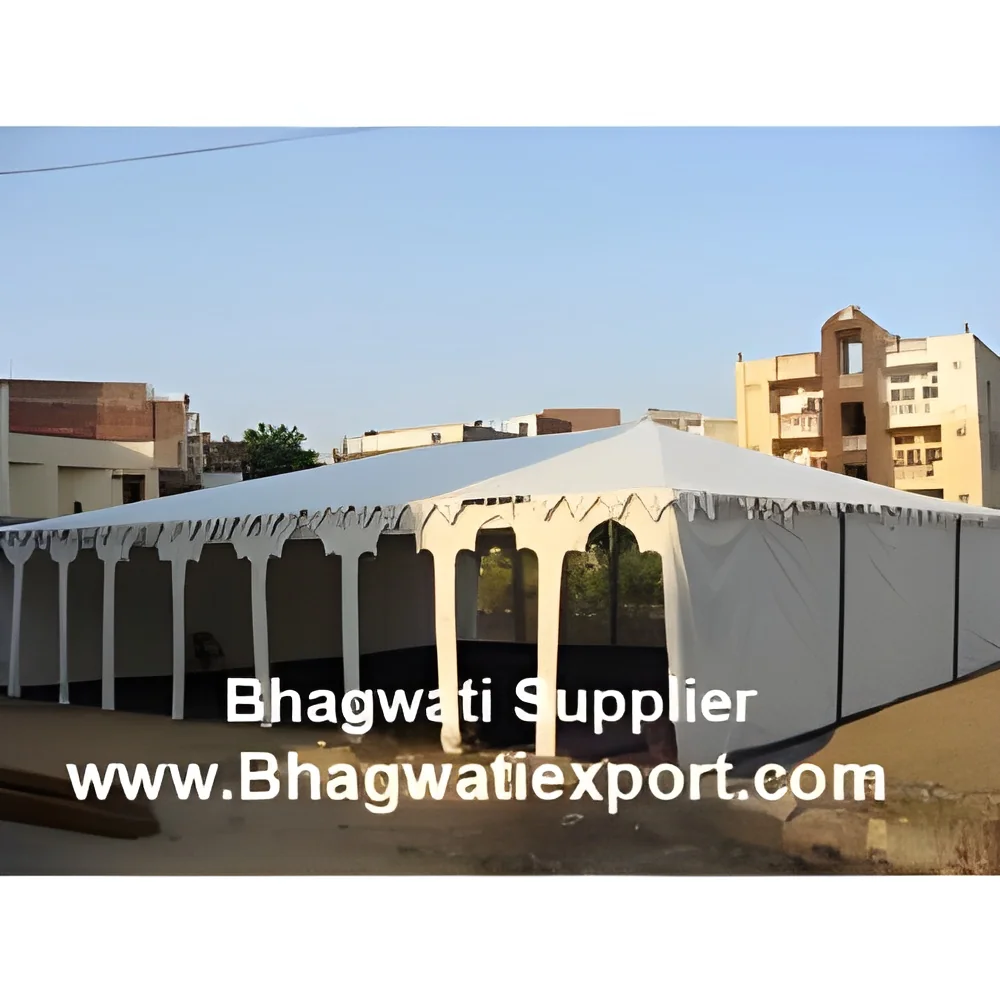
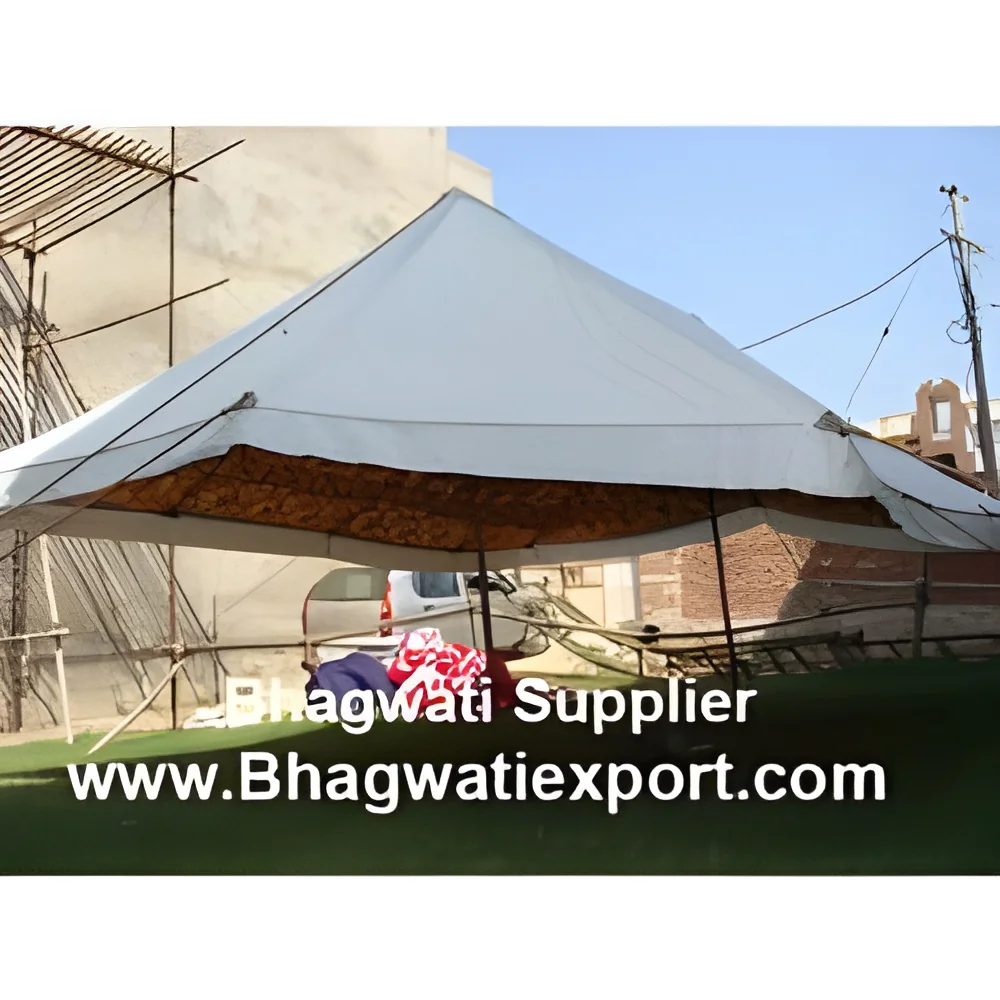
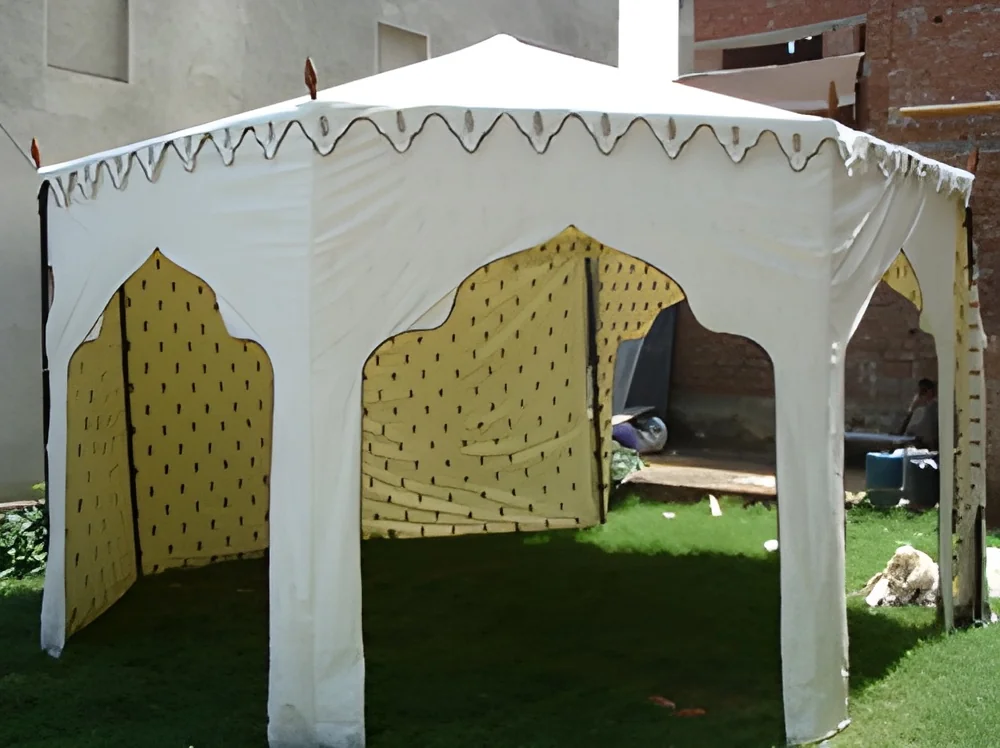
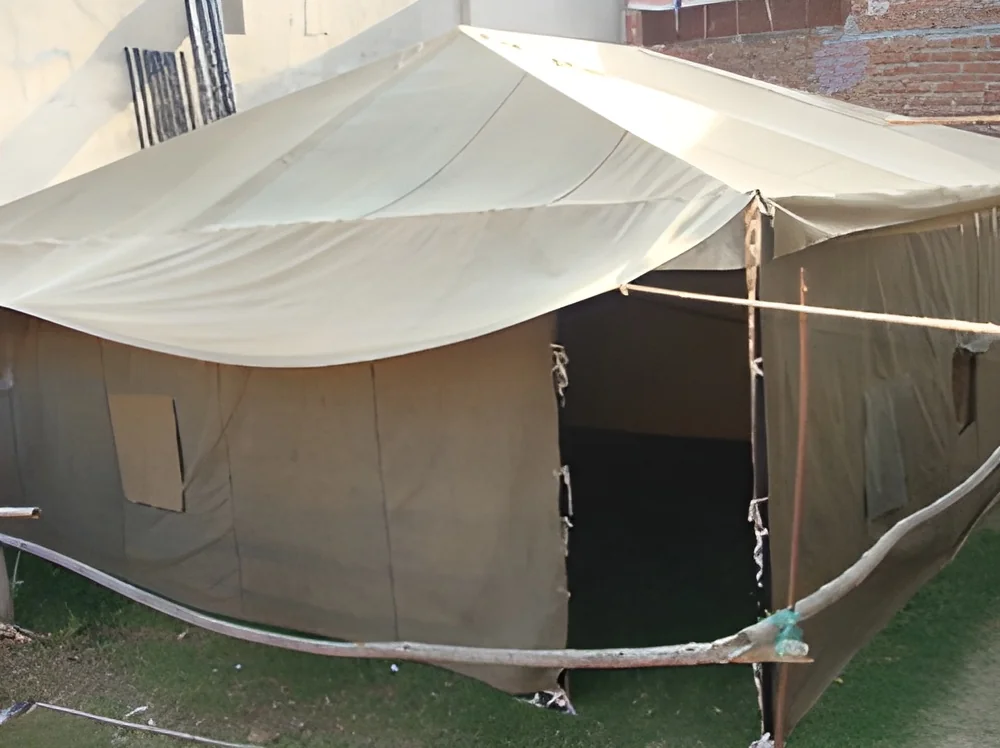
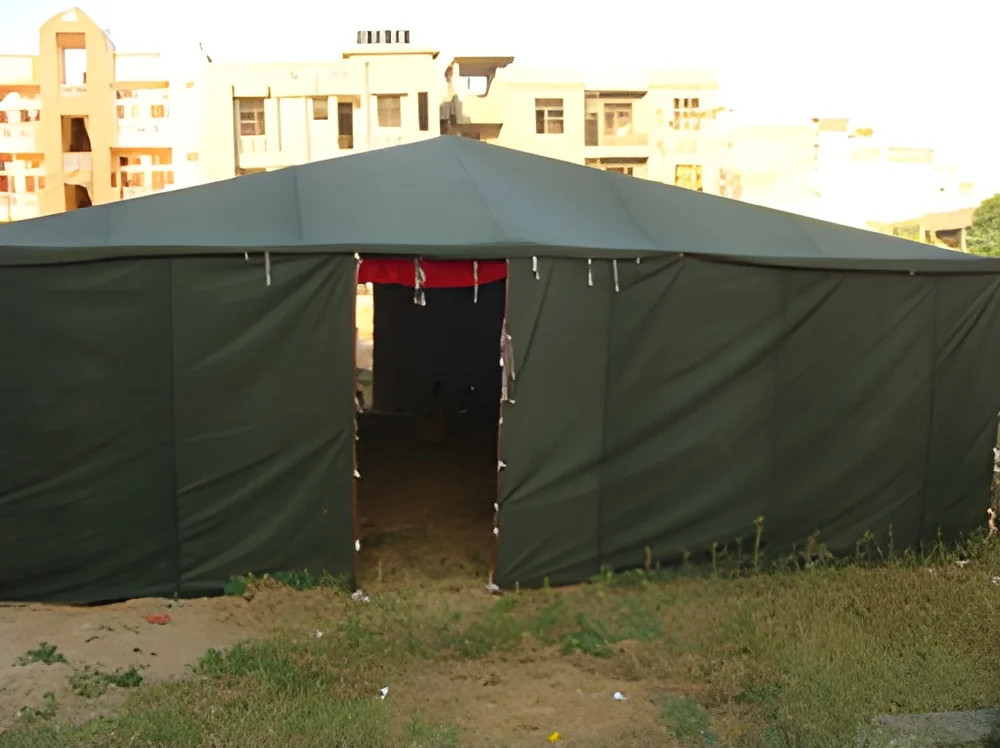
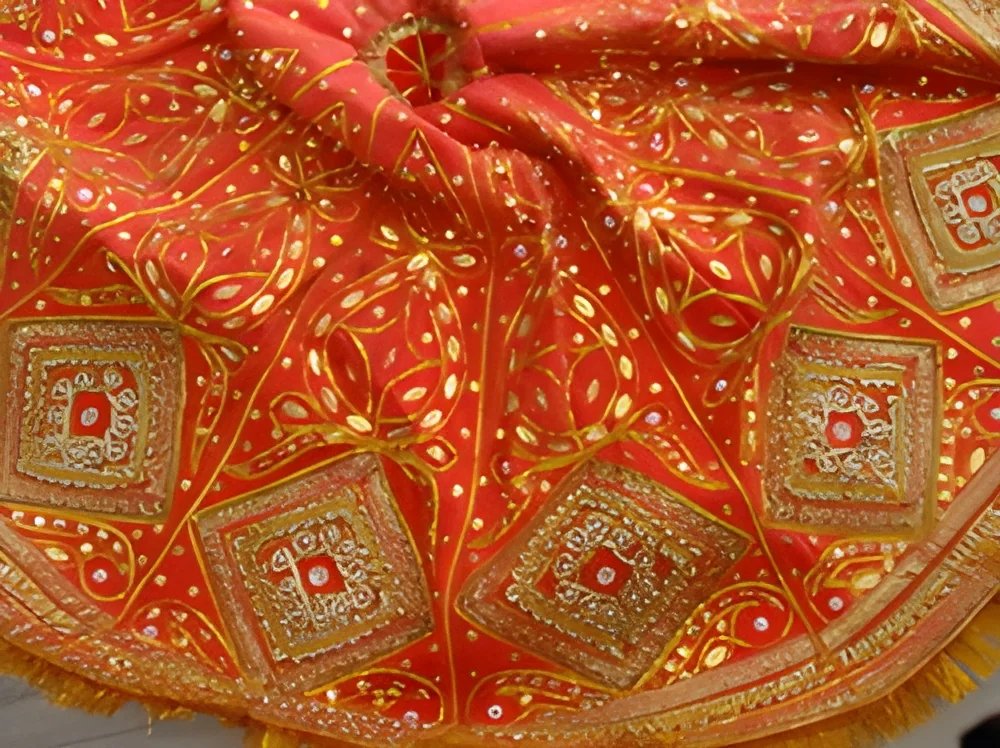
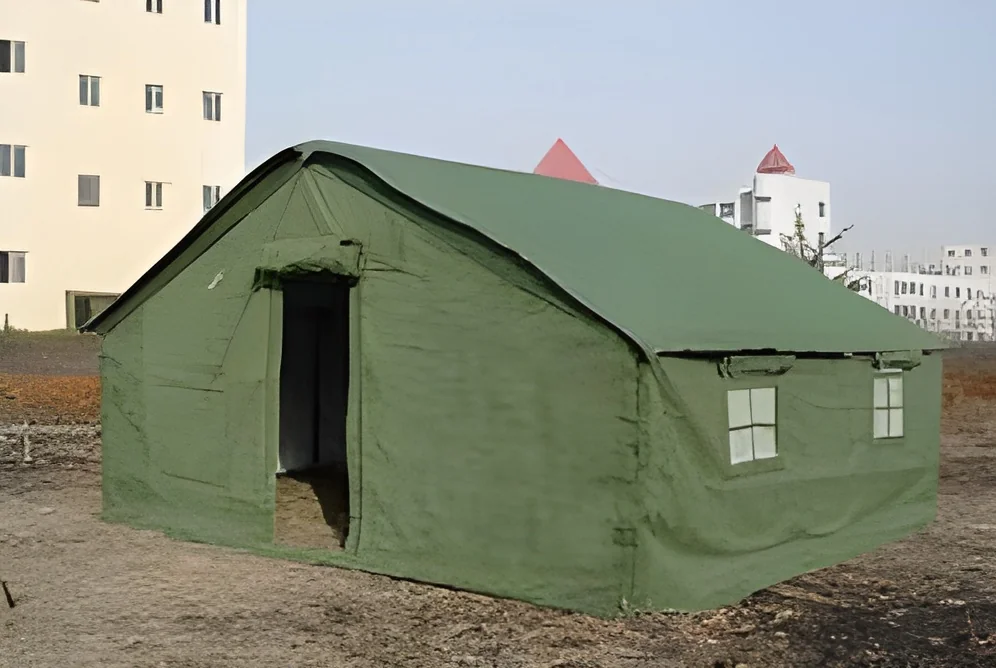
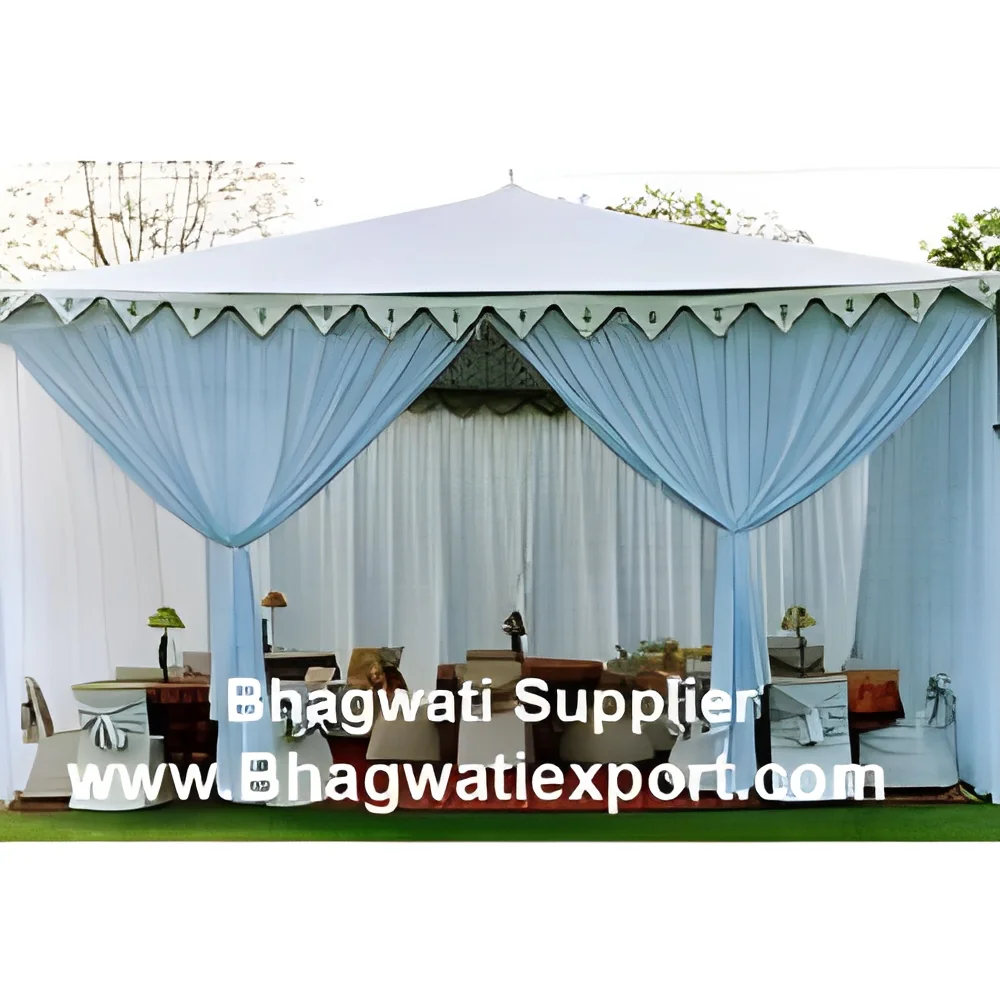
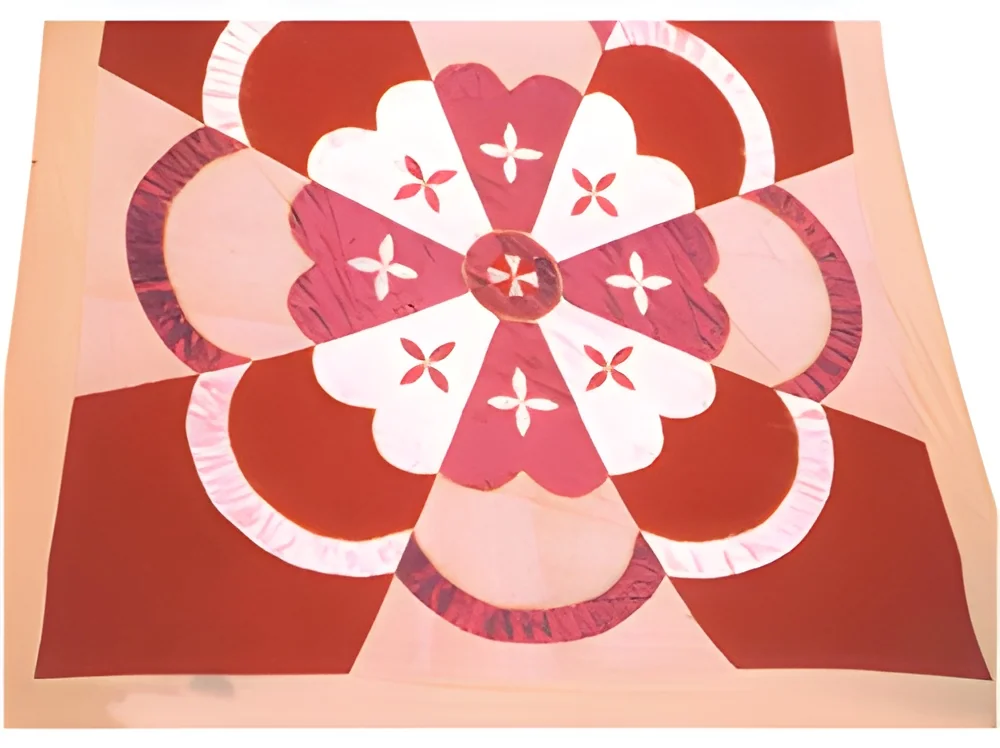
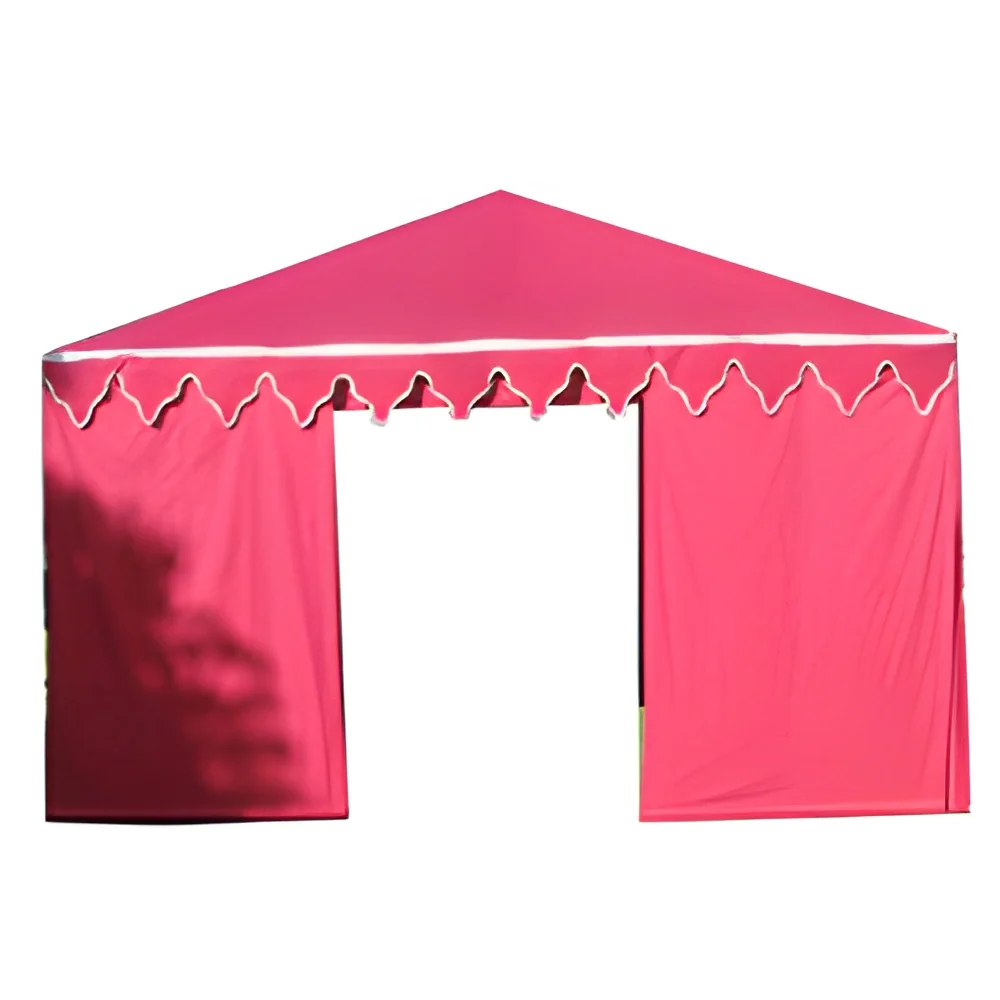
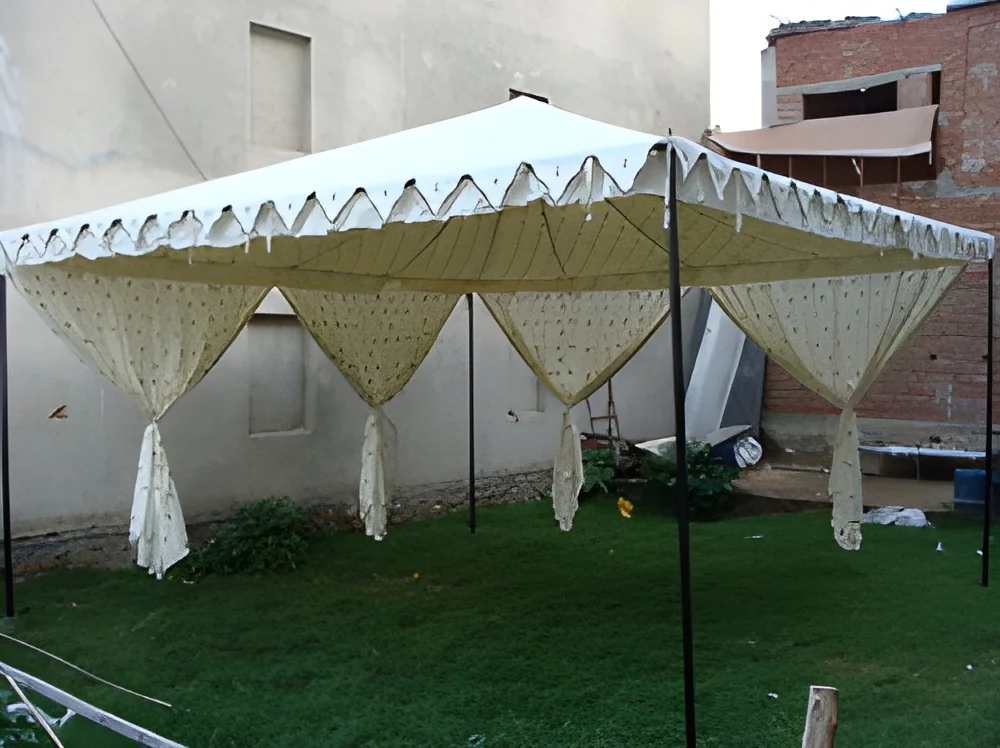
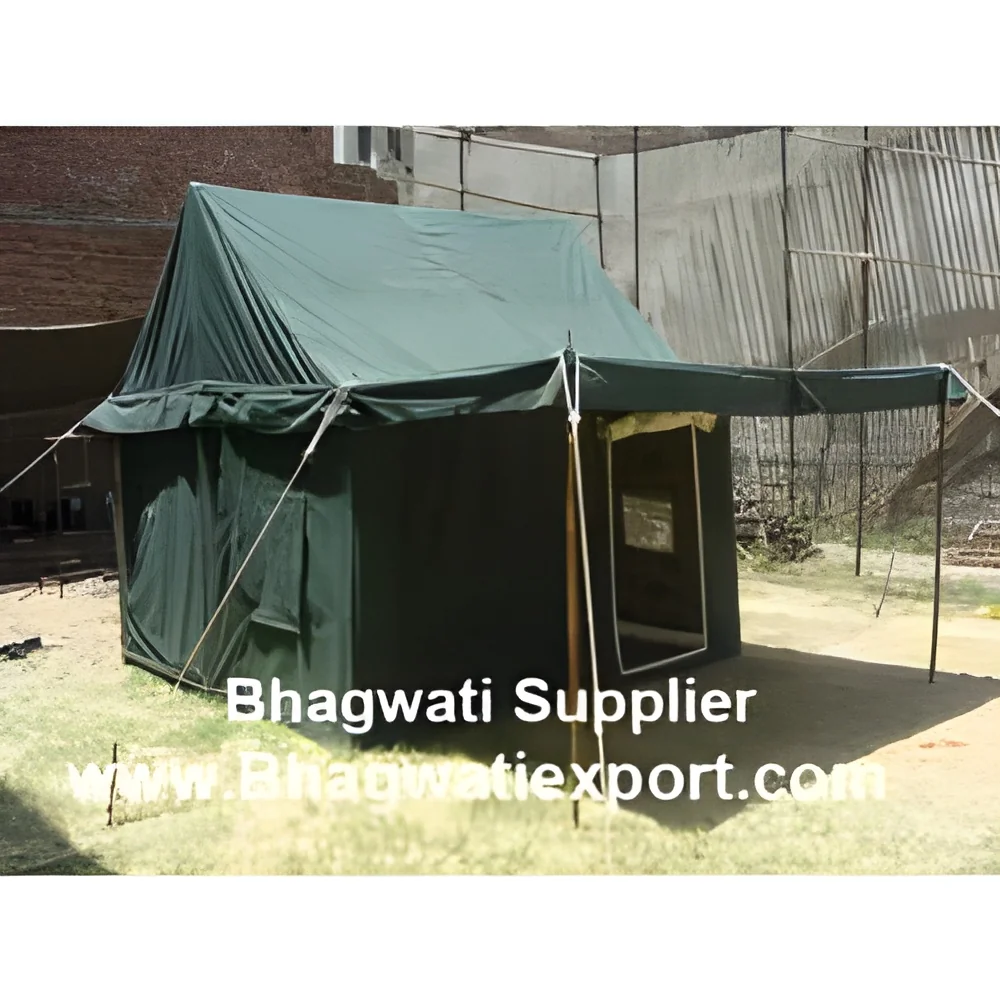
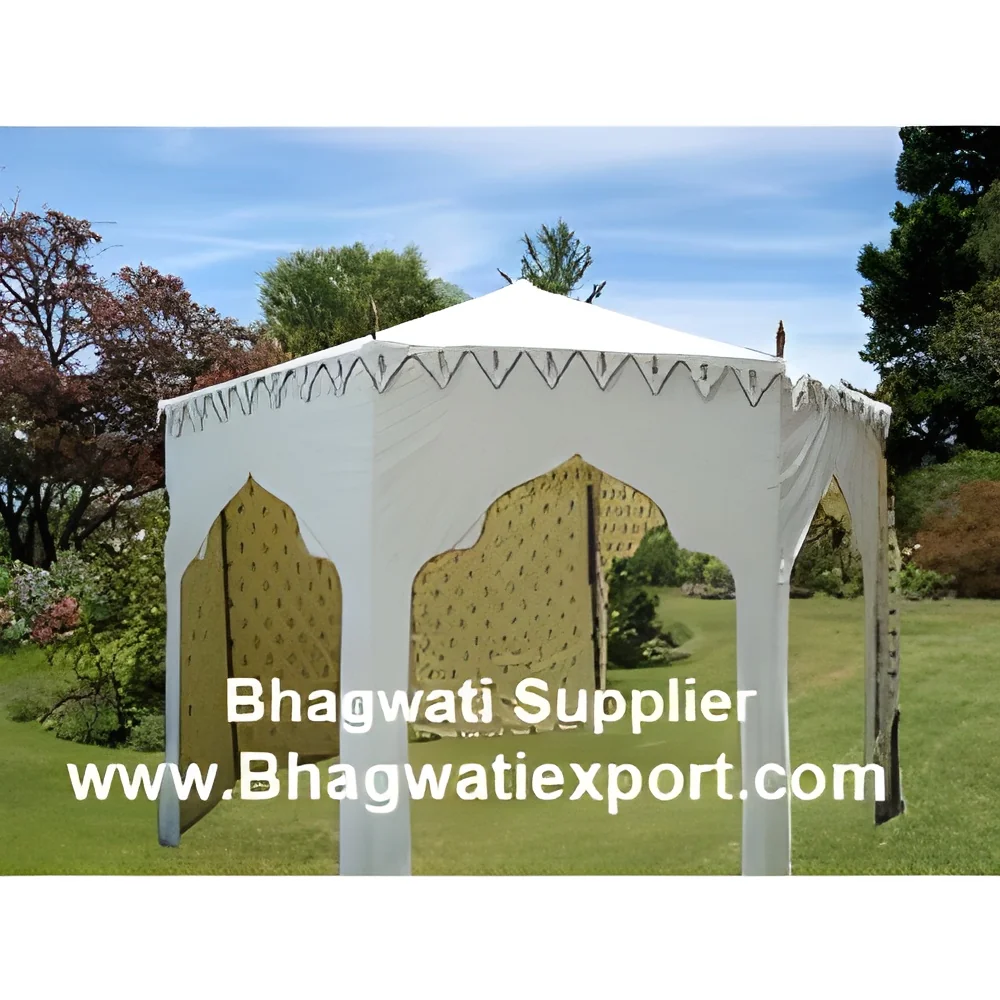
𝗪𝗵𝗮𝘁 𝗮𝗿𝗲 𝗧𝗲𝗻𝘁𝘀 & 𝗖𝗮𝗻𝗼𝗽𝘆 𝗦𝘁𝗿𝘂𝗰𝘁𝘂𝗿𝗲𝘀?
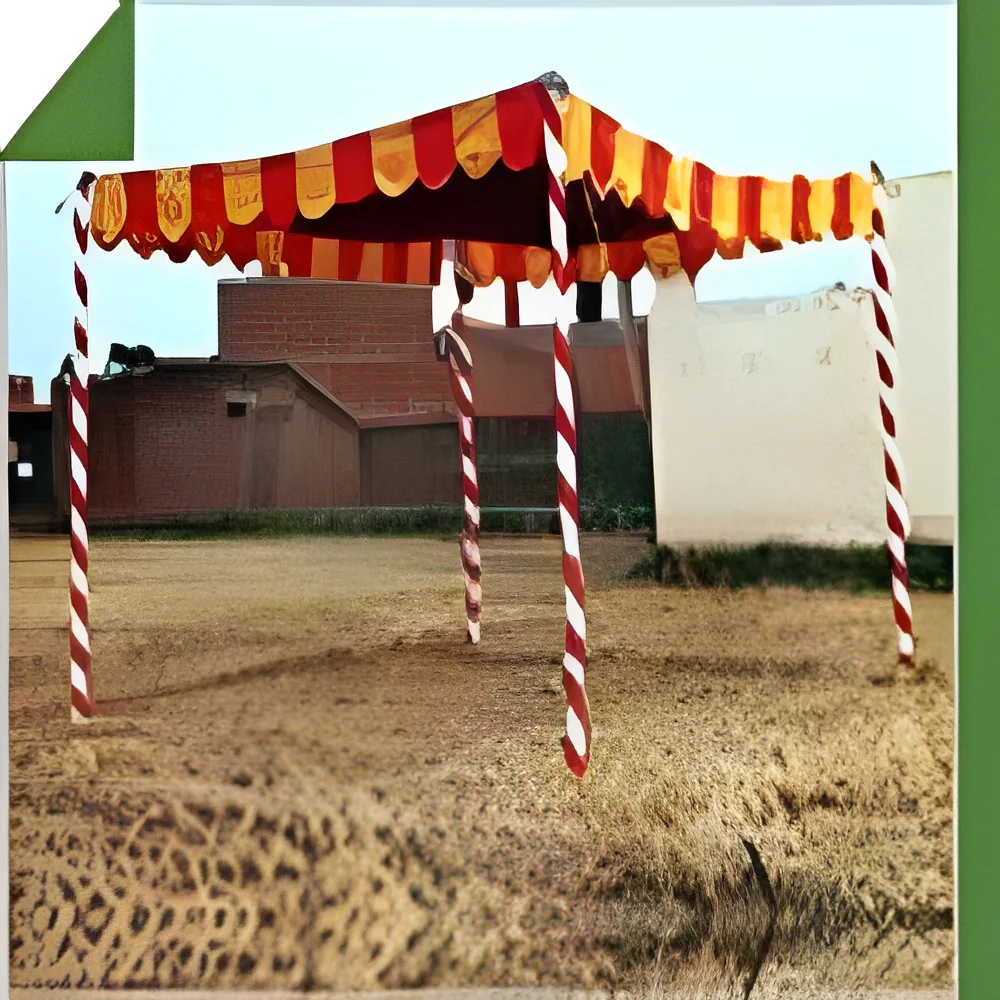
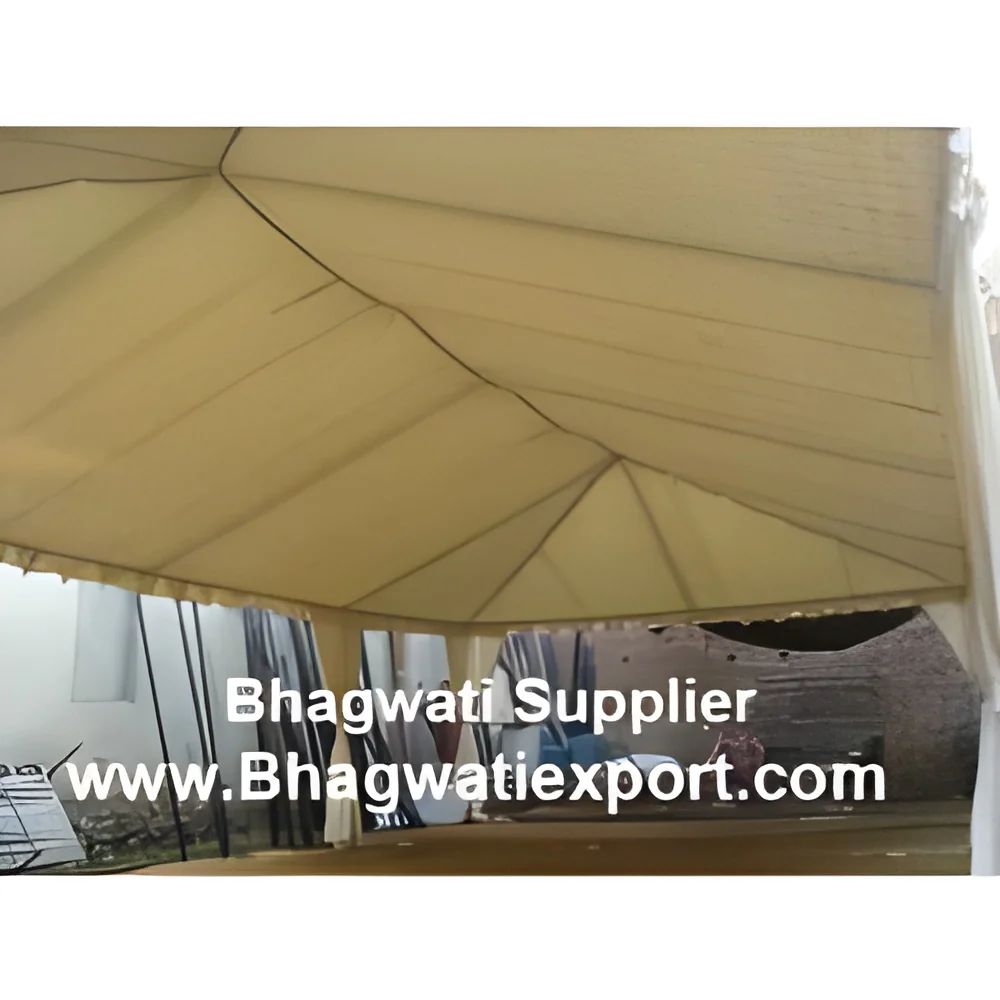
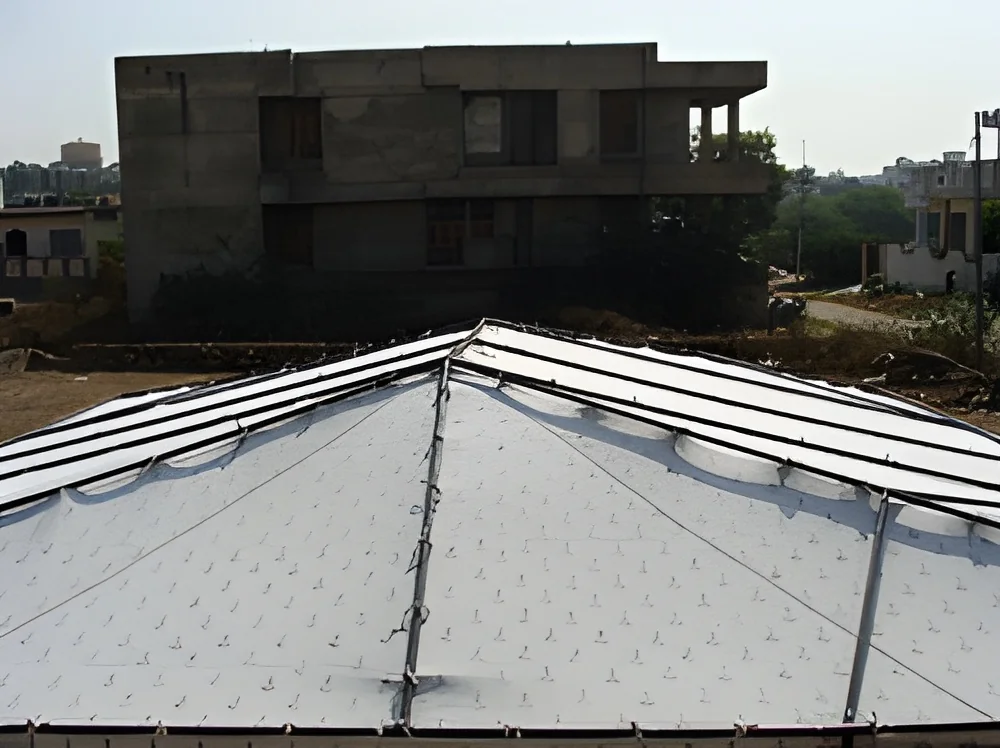
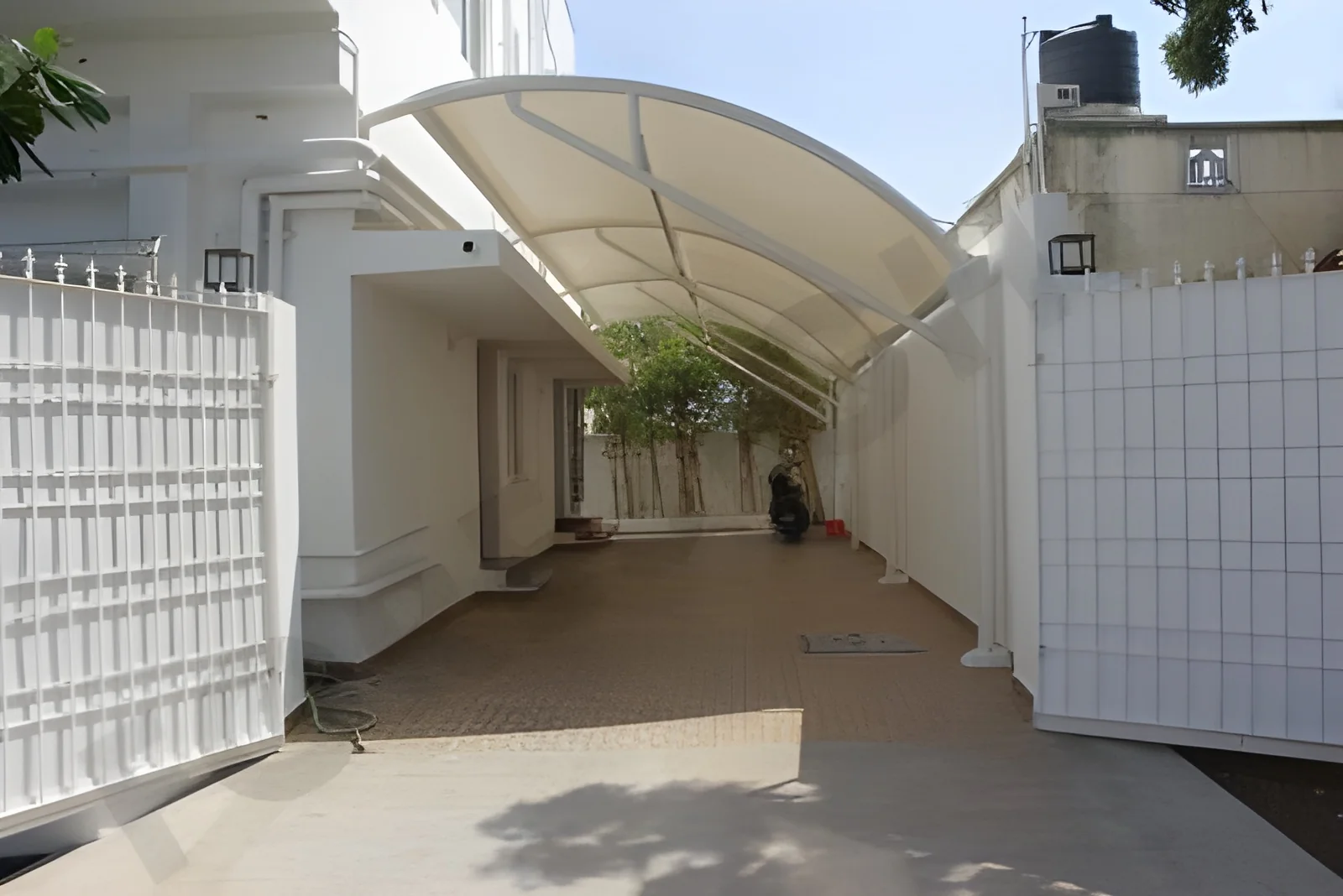
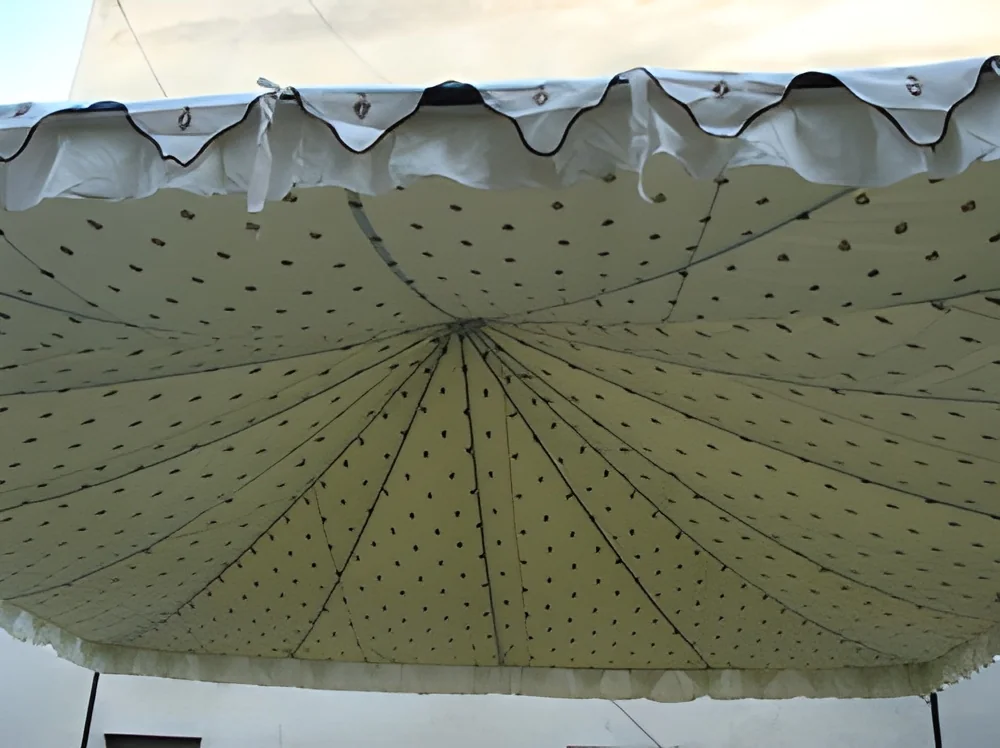
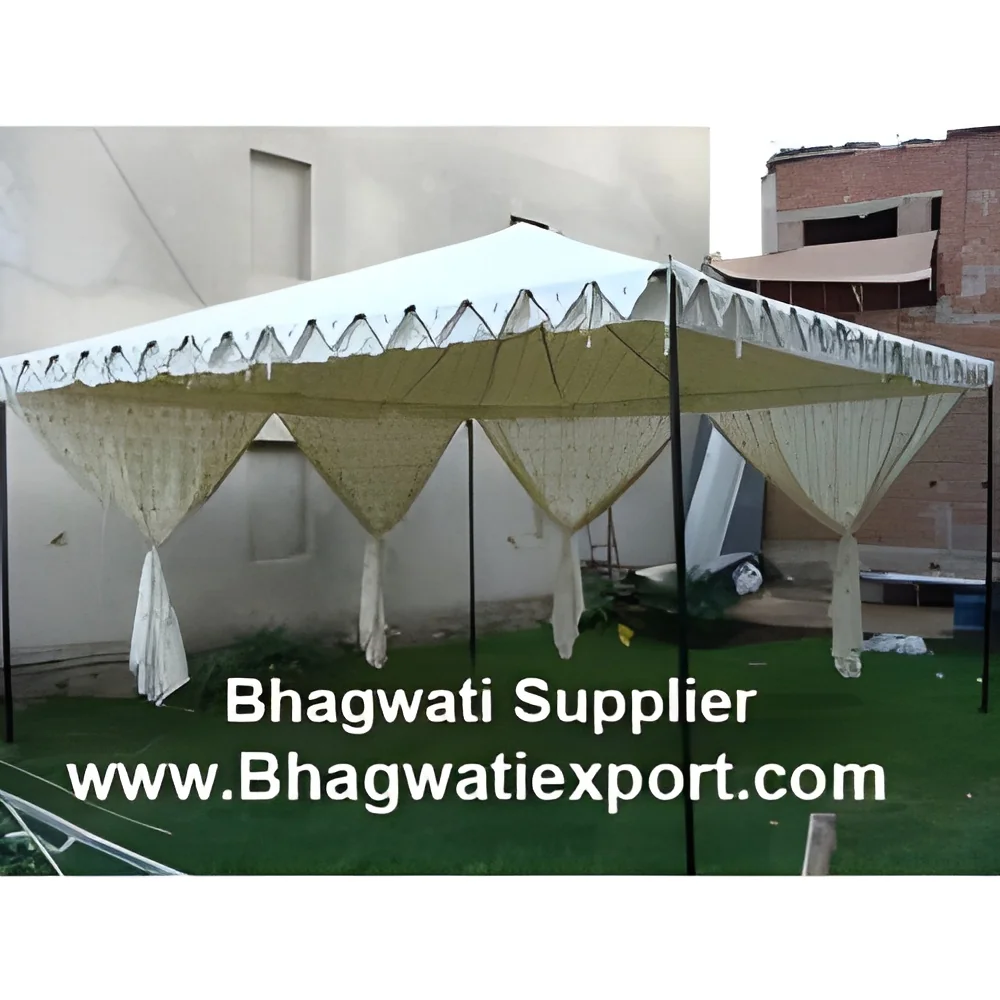
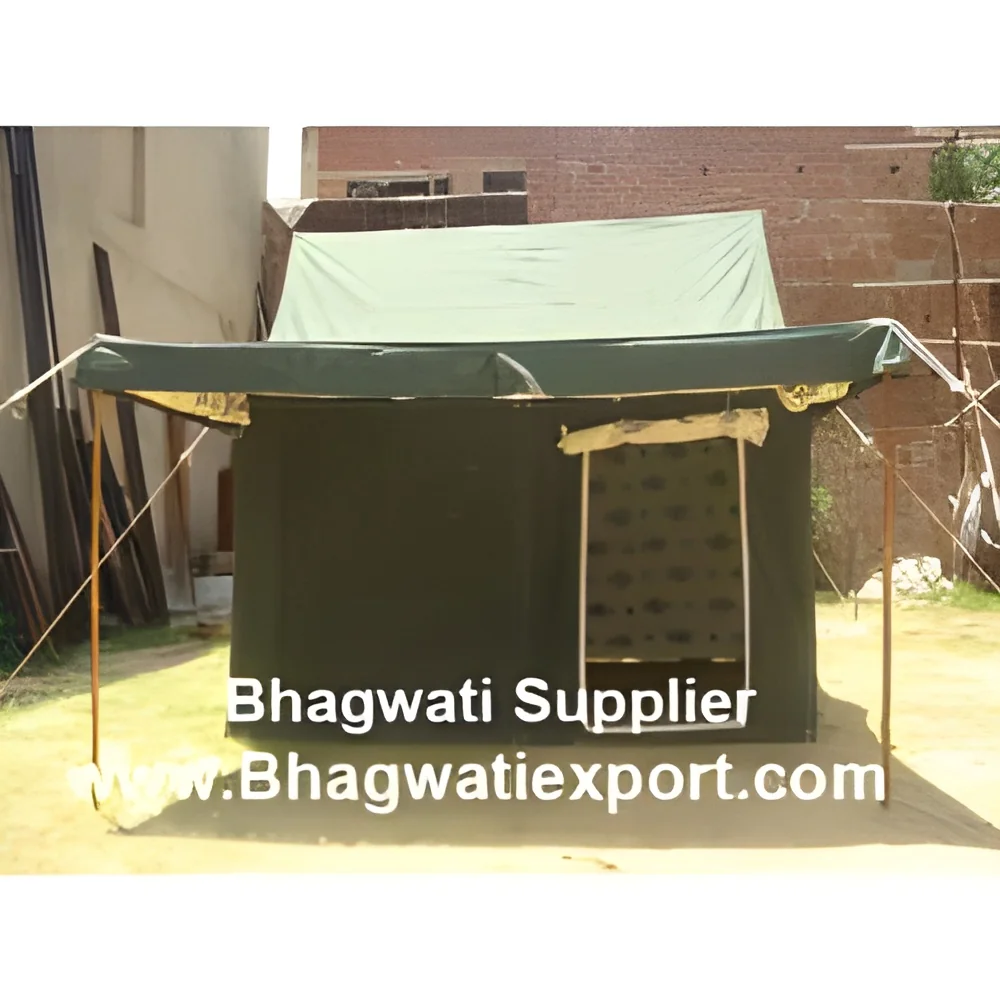
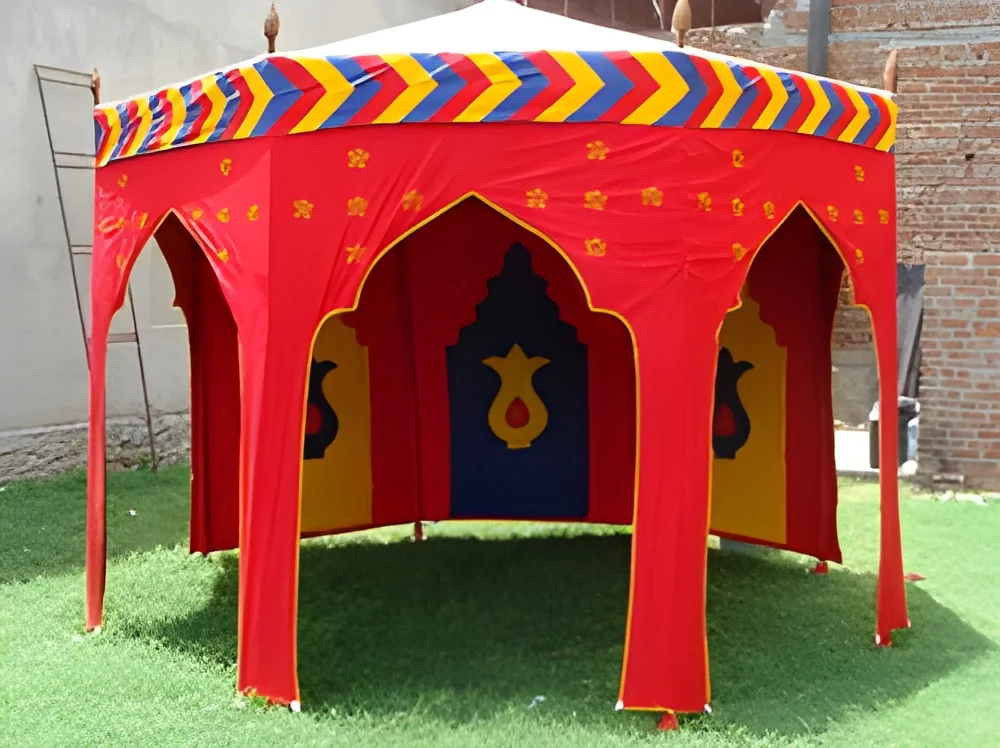
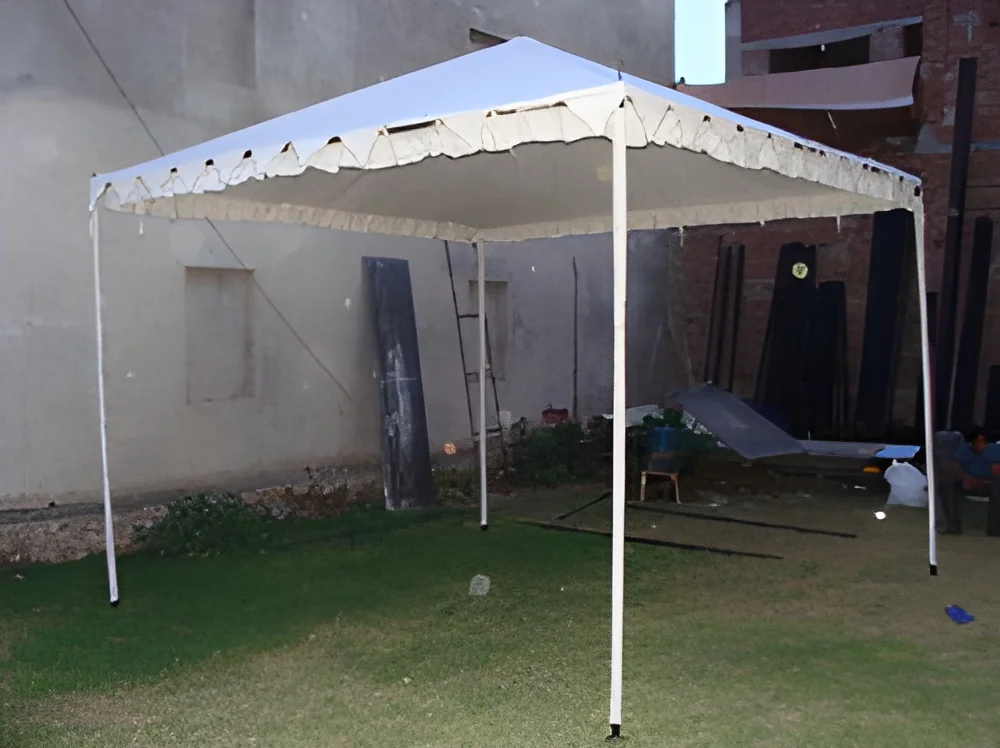
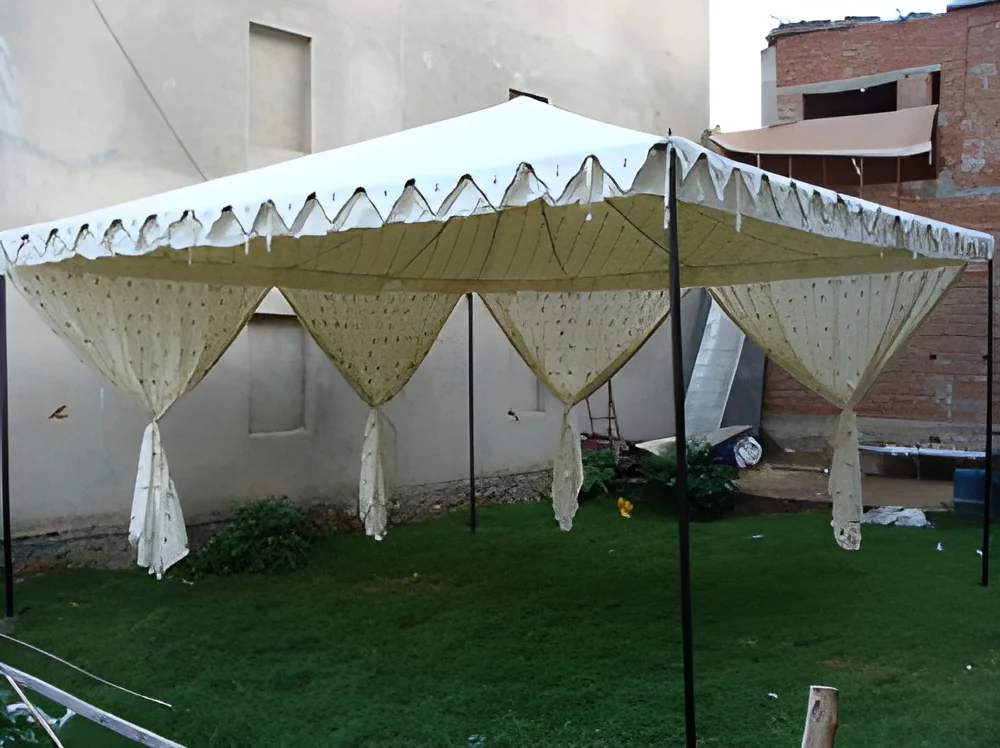
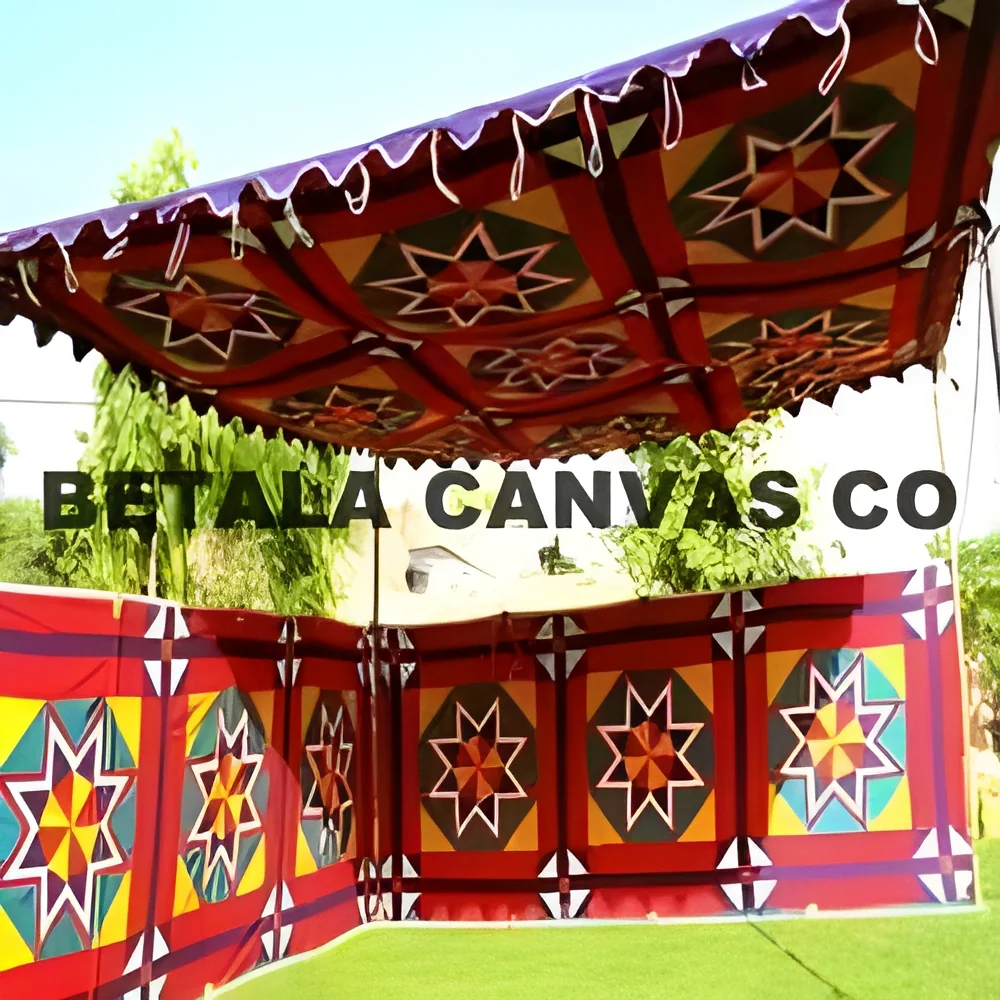
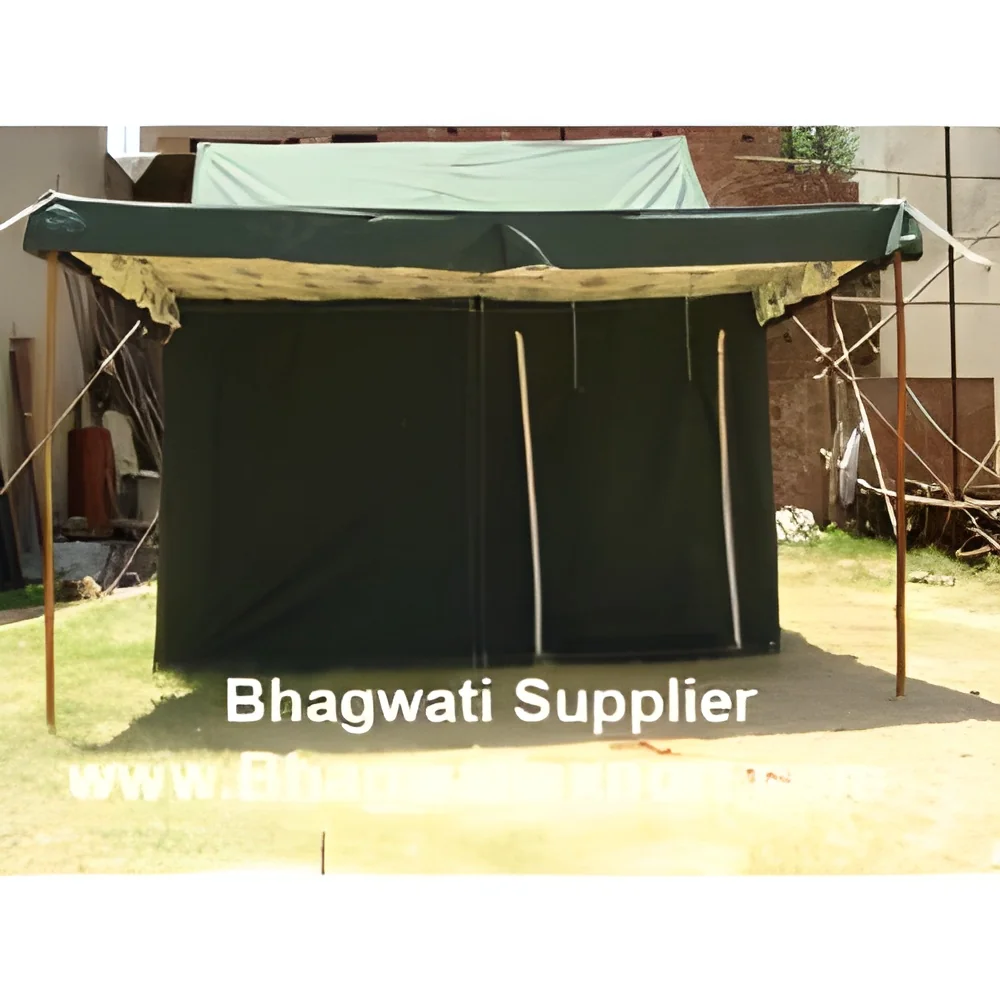
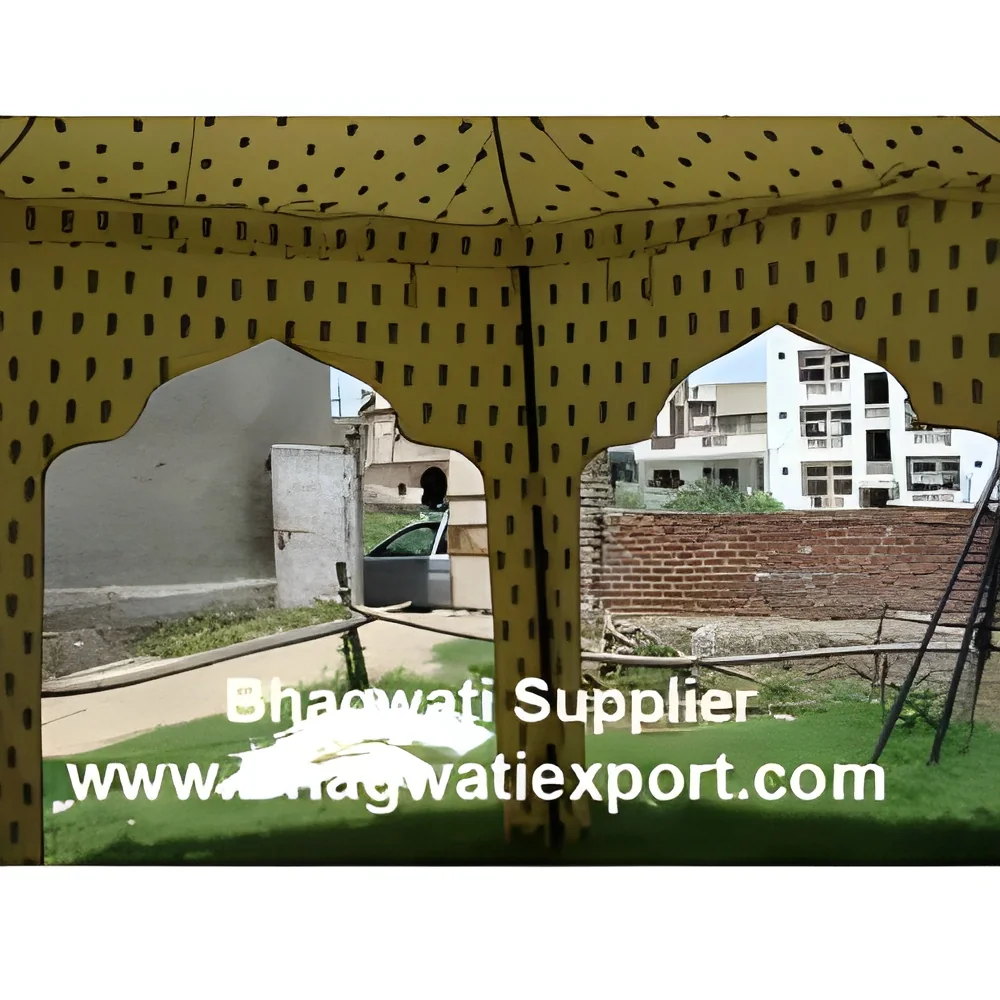
Tents and canopy structures are portable, temporary shelters designed for various outdoor activities and events. They are typically made from durable materials such as fabric and metal frames, providing protection from weather elements like sun, rain, and wind. These structures can range from simple pop-up tents to complex canopy systems that can cover large areas, making them versatile for different needs.
The primary uses of tents and canopy structures include outdoor events, festivals, trade shows, and temporary storage solutions. Businesses utilize these structures to create functional spaces for gatherings, marketing promotions, and exhibitions. The ability to set up and dismantle these shelters quickly makes them ideal for industries that require flexibility and adaptability.
In the market context, tents and canopy structures hold significant relevance across various sectors. The increasing demand for outdoor events and activities enhances their market presence. Additionally, innovations in materials and designs continue to expand their applications, making them essential for businesses looking to enhance their outdoor offerings.
𝗞𝗲𝘆 𝗙𝗲𝗮𝘁𝘂𝗿𝗲𝘀 𝗮𝗻𝗱 𝗦𝗽𝗲𝗰𝗶𝗳𝗶𝗰𝗮𝘁𝗶𝗼𝗻𝘀
Tents and canopy structures come with a variety of features that cater to different applications. Understanding these specifications is crucial for selecting the right product for your business needs.
Key specifications include:
1. Material Quality
- Common materials include polyester, vinyl, and polyethylene.
- Durability ratings vary based on fabric weight and weave.
2. Frame Construction
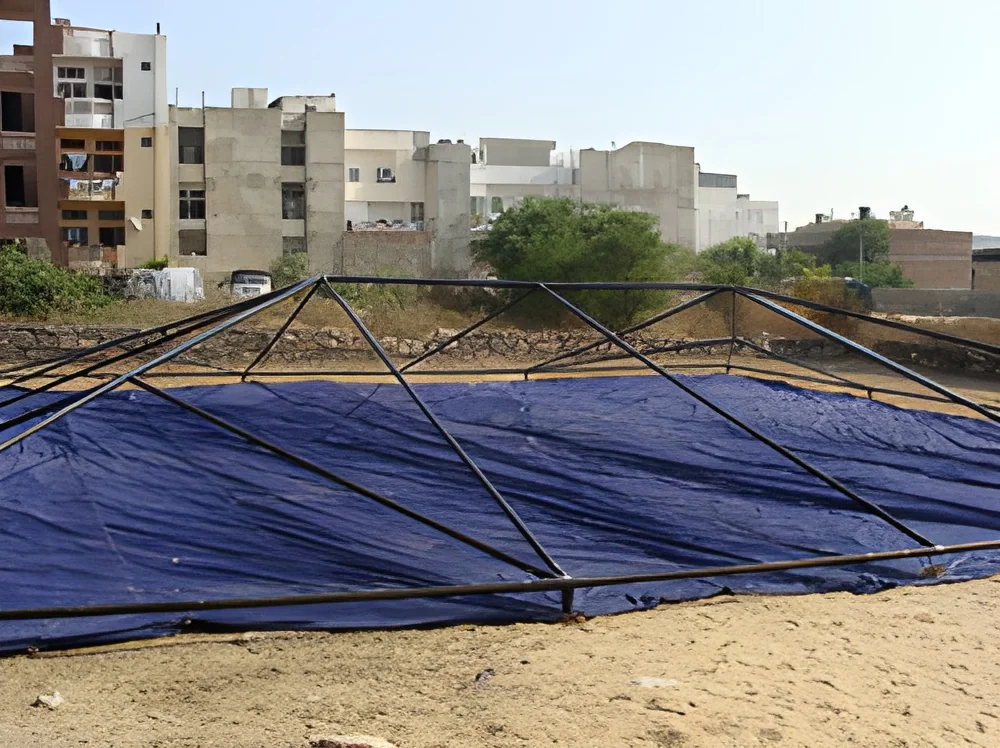
- Frames are typically made of aluminum or steel for strength.
- Available in different designs, including pop-up and modular systems.
3. Size Options
- Widths can range from 10 feet to over 40 feet.
- Length can be customized to accommodate various event sizes.
4. Weather Resistance
- Structures often feature waterproof and UV-resistant fabrics.
- Wind ratings help assess suitability for different weather conditions.
5. Setup Mechanism
- Manual and automatic options are available for ease of use.
- Some models include instant setup features for quick deployment.
6. Accessories and Customization
- Options for sidewalls, flooring, and lighting are commonly offered.
- Custom branding can be applied to enhance visibility.
In summary, understanding these key features and specifications will guide B2B buyers in selecting tents and canopy structures that best fit their operational needs.
𝗖𝗼𝗺𝗺𝗼𝗻 𝗔𝗽𝗽𝗹𝗶𝗰𝗮𝘁𝗶𝗼𝗻𝘀 𝗮𝗻𝗱 𝗨𝘀𝗲 𝗖𝗮𝘀𝗲𝘀
Tents and canopy structures serve various industries, providing flexible solutions for outdoor requirements.
1. Event Management: Tents are essential for weddings, corporate events, and festivals, offering shelter and defined spaces for attendees.
2. Construction: Canopy structures provide temporary protection for equipment and materials, ensuring they are safe from environmental damage.
3. Hospitality: Hotels and resorts use tents for outdoor dining, events, and recreational areas, enhancing guest experiences.
4. Sports and Recreation: These structures are commonly used for sporting events, providing shade for spectators and participants alike.
5. Trade Shows: Businesses utilize tents for exhibitions and promotional events, creating engaging environments for product displays.
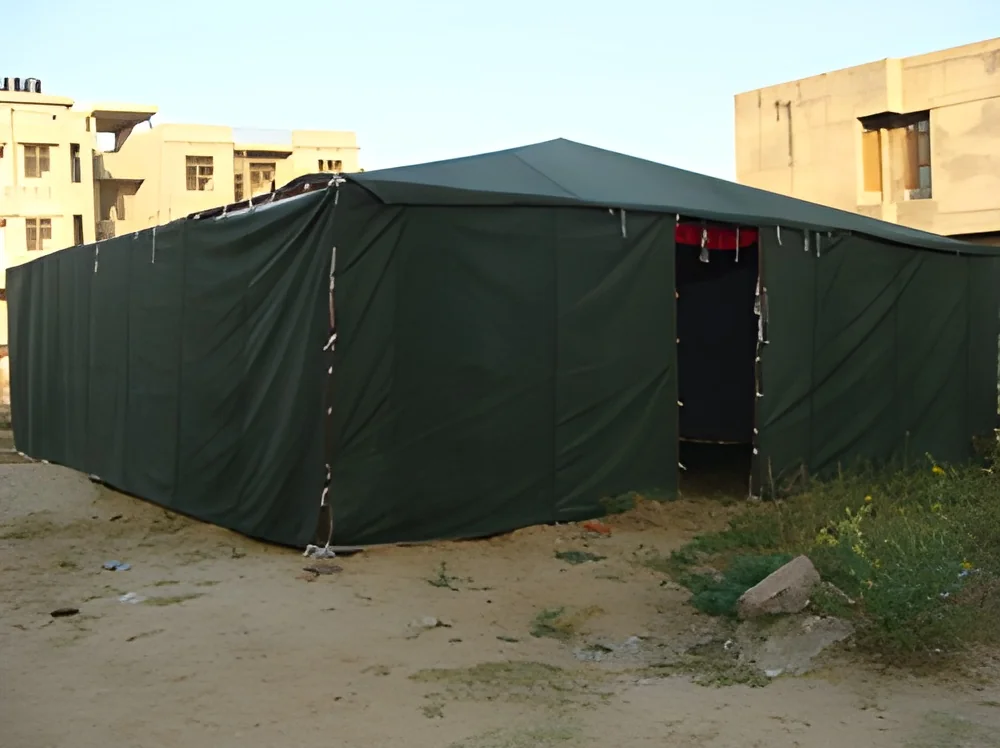
6. Emergency Services: Tents are deployed in disaster relief efforts, providing immediate shelter and operational bases in crisis situations.
7. Farmers Markets: Vendors use canopies to create covered spaces for selling goods, protecting products from weather elements.
𝗣𝗿𝗼𝗱𝘂𝗰𝘁 𝗩𝗮𝗿𝗶𝗮𝗻𝘁𝘀 𝗮𝗻𝗱 𝗦𝘂𝗯𝗰𝗮𝘁𝗲𝗴𝗼𝗿𝗶𝗲𝘀
Tents and canopy structures exhibit a wide range of variants, each designed to meet specific needs.
Pop-Up Tents
These are easy to set up and take down, making them perfect for quick events and outdoor promotions. They are lightweight and portable, suitable for personal and commercial use.
Frame Tents
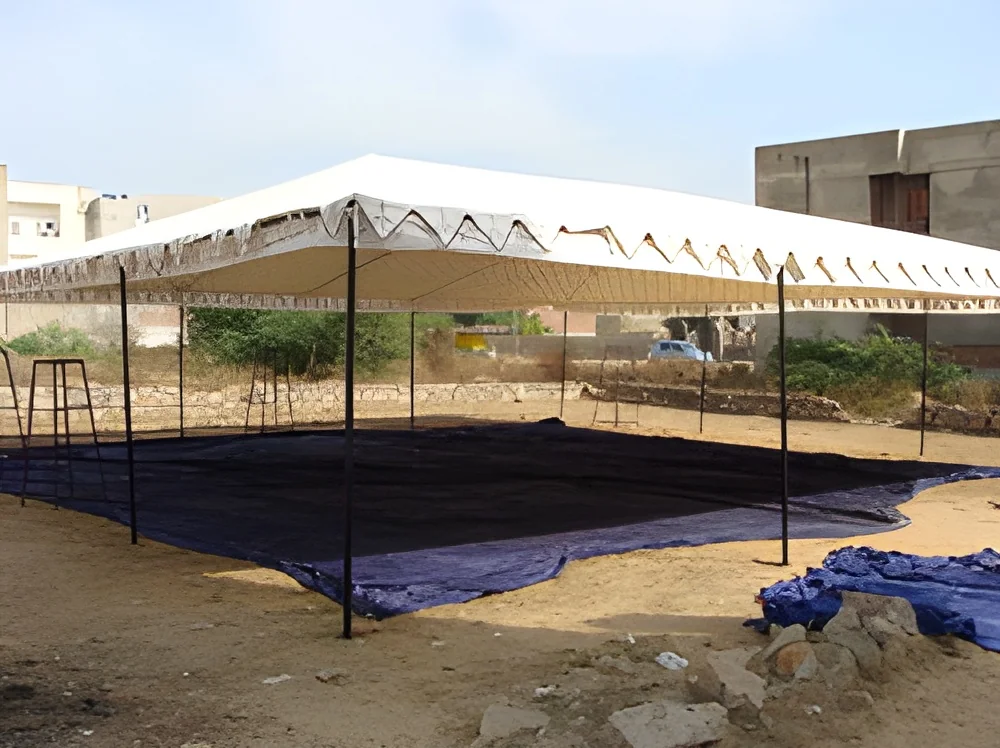
Frame tents offer a more robust structure and can accommodate larger spaces. They are versatile for various events and can be customized with sidewalls and lighting for enhanced aesthetics.
High Peak Tents
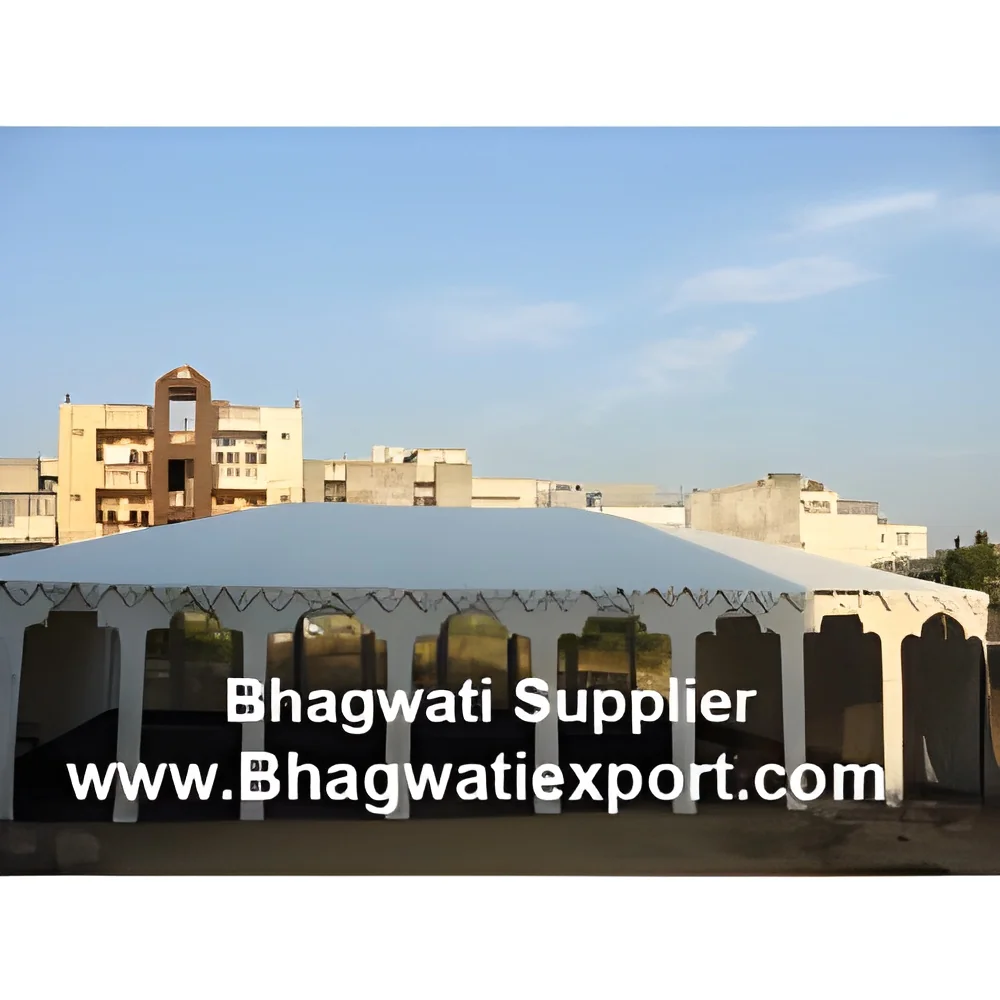
These tents feature a distinctive peak design, providing an elegant look for formal events. They are spacious and can be configured to suit different layouts.
Sailcloth Tents
Sailcloth tents are known for their translucent fabric that allows natural light to filter through. They are ideal for upscale events and outdoor weddings, providing a stylish ambiance.
𝗕𝗲𝗻𝗲𝗳𝗶𝘁𝘀 𝗮𝗻𝗱 𝗔𝗱𝘃𝗮𝗻𝘁𝗮𝗴𝗲𝘀
Tents and canopy structures offer numerous advantages for businesses and organizations.
1. Versatility: Tents can be used for a wide range of events and applications, making them a flexible solution for various needs.
2. Cost-Effective: Renting or purchasing tents can be more economical than building permanent structures for temporary events.
3. Ease of Setup: Many tents are designed for quick assembly, allowing businesses to set up events with minimal labor and time.
4. Weather Protection: Tents provide shelter from harsh weather, ensuring that events can proceed smoothly regardless of conditions.
5. Customization Options: Businesses can brand tents with logos and colors, enhancing visibility and promoting their identity.
6. Mobility: Tents are portable, allowing businesses to relocate them as needed for different events or projects.
𝗕𝘂𝘆𝗶𝗻𝗴 𝗚𝘂𝗶𝗱𝗲 𝗳𝗼𝗿 𝗕𝟮𝗕 𝗕𝘂𝘆𝗲𝗿𝘀
When sourcing tents and canopy structures, several factors should be considered to ensure a suitable purchase.
1. Quality Assessment: Evaluate the materials and construction quality to ensure durability and longevity. Look for reputable manufacturers that meet industry standards.
2. Supplier Verification: Vet suppliers thoroughly by checking their credentials, customer reviews, and previous project references to ensure reliability.
3. Pricing and MOQ: Understand the pricing structure and minimum order quantities. This will help in budgeting and determining the best sourcing strategy.
4. Delivery and Lead Times: Inquire about delivery schedules and lead times to ensure that the products will arrive when needed for your events.
5. Compliance Requirements: Be aware of any local regulations regarding the use of tents and canopies, including safety standards and permits necessary for installation.
𝗖𝗼𝗺𝗽𝗹𝗶𝗮𝗻𝗰𝗲 𝗮𝗻𝗱 𝗖𝗲𝗿𝘁𝗶𝗳𝗶𝗰𝗮𝘁𝗶𝗼𝗻𝘀
Tents and canopy structures must adhere to relevant quality standards and compliance requirements to ensure safety and reliability. ISO 9001 is a common quality management standard that many manufacturers follow, ensuring consistent quality in production processes.
Industry certifications such as CE mark indicate that the products meet European safety standards. This certification is crucial for businesses looking to operate in or export to regions where compliance is mandatory.
Safety and testing requirements may vary depending on the region and intended use. It is essential to check local regulations regarding fire safety, wind load ratings, and structural integrity.
Additionally, regional compliance considerations should be taken into account, as different areas may have specific rules governing temporary structures. Ensuring adherence to these standards protects both the user and the public.
𝗪𝗵𝘆 𝗦𝗼𝘂𝗿𝗰𝗲 𝗧𝗲𝗻𝘁𝘀 & 𝗖𝗮𝗻𝗼𝗽𝘆 𝗦𝘁𝗿𝘂𝗰𝘁𝘂𝗿𝗲𝘀 𝗳𝗿𝗼𝗺 𝗣𝗲𝗽𝗮𝗴𝗼𝗿𝗮?
Pepagora provides a trusted platform for sourcing tents and canopy structures, offering several key advantages for B2B buyers.
Verified Supplier Network: Pepagora connects buyers with a network of verified suppliers, ensuring that all products meet high-quality standards. This reduces the risk of sourcing from unreliable vendors.
Streamlined RFQ Process: The platform facilitates a simple request for quotation (RFQ) process, enabling buyers to easily compare offers and select the best option for their needs. This efficiency saves time and effort in procurement.
Trade Assurance and Support: Pepagora offers trade assurance, protecting buyers throughout the transaction process. This includes support for disputes and quality issues, ensuring peace of mind for buyers.
Regional Coverage: With a strong presence in India, the GCC, and Southeast Asia, Pepagora provides extensive geographic reach. This allows businesses to source tents and canopy structures tailored to their specific regional requirements efficiently.
Tents & Canopy Structures are temporary or semi-permanent shelters made from fabric or other materials stretched over a frame. They are commonly used for outdoor events, exhibitions, and recreational purposes, providing protection from the elements.
2
What are the different types of Tents & Canopy Structures?
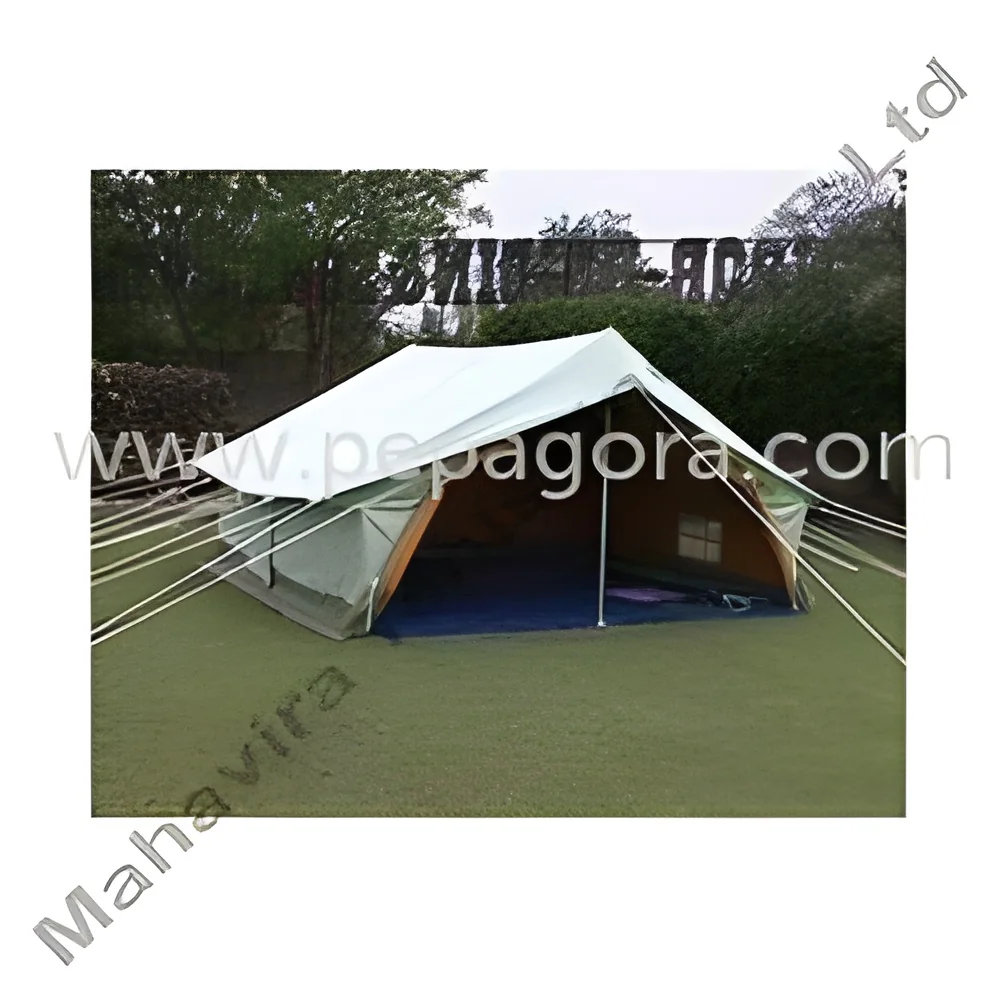
There are various types of Tents & Canopy Structures, including pole tents, frame tents, pop-up canopies, and marquee tents. Each type serves different purposes and is designed for specific environments and events.
3
How do I choose the right Tents & Canopy Structures?
When selecting Tents & Canopy Structures, consider factors such as the size of the area to be covered, the type of event, weather conditions, and the number of guests. Additionally, think about the ease of setup and transportation.
4
What are the standard specifications for Tents & Canopy Structures?
Standard specifications for Tents & Canopy Structures include dimensions, material strength, weather resistance, and fire retardancy ratings. These specifications ensure safety and durability in various outdoor conditions.
5
What is the price range for Tents & Canopy Structures?
The price range for Tents & Canopy Structures varies widely based on size, material, and brand. Basic pop-up canopies may start from a few thousand rupees, while larger, custom-built tents can cost significantly more.
6
What quality standards apply to Tents & Canopy Structures?
Quality standards for Tents & Canopy Structures often include compliance with local safety regulations, material specifications, and durability tests. It's important to source products that meet these standards for reliability and safety.
7
Where can I find Tents & Canopy Structures suppliers in India?
You can find Tents & Canopy Structures suppliers in India through online B2B marketplaces like Pepagora, trade shows, and industry directories. It's advisable to research and compare suppliers to ensure quality and service.
8
Can Tents & Canopy Structures be customized?
Yes, many manufacturers offer customization options for Tents & Canopy Structures, including size, color, and branding. Customization allows businesses to tailor the tents to their specific needs and event themes.
9
What is the typical minimum order quantity for Tents & Canopy Structures?
The typical minimum order quantity (MOQ) for Tents & Canopy Structures can vary by supplier and product type. Generally, MOQs can range from 1 unit for standard models to larger quantities for custom orders.
10
What is the typical lead time for Tents & Canopy Structures?
The typical lead time for Tents & Canopy Structures depends on the complexity of the order and the manufacturer's production schedule. Standard tents may be available for quick shipping, while custom orders might take several weeks.
Why Businesses Trust Pepagora
Thousands of companies trust Pepagora to source smarter and sell faster
Expand Your Sales Globally
25000+Products listed.Get discovered by global buyers

 IN
IN