𝗪𝗵𝗮𝘁 𝗮𝗿𝗲 𝗧𝗲𝘅𝘁𝗶𝗹𝗲 𝗦𝘁𝗶𝗳𝗳𝗲𝗻𝗲𝗿𝘀 & 𝗦𝗼𝗳𝘁𝗲𝗻𝗲𝗿𝘀?
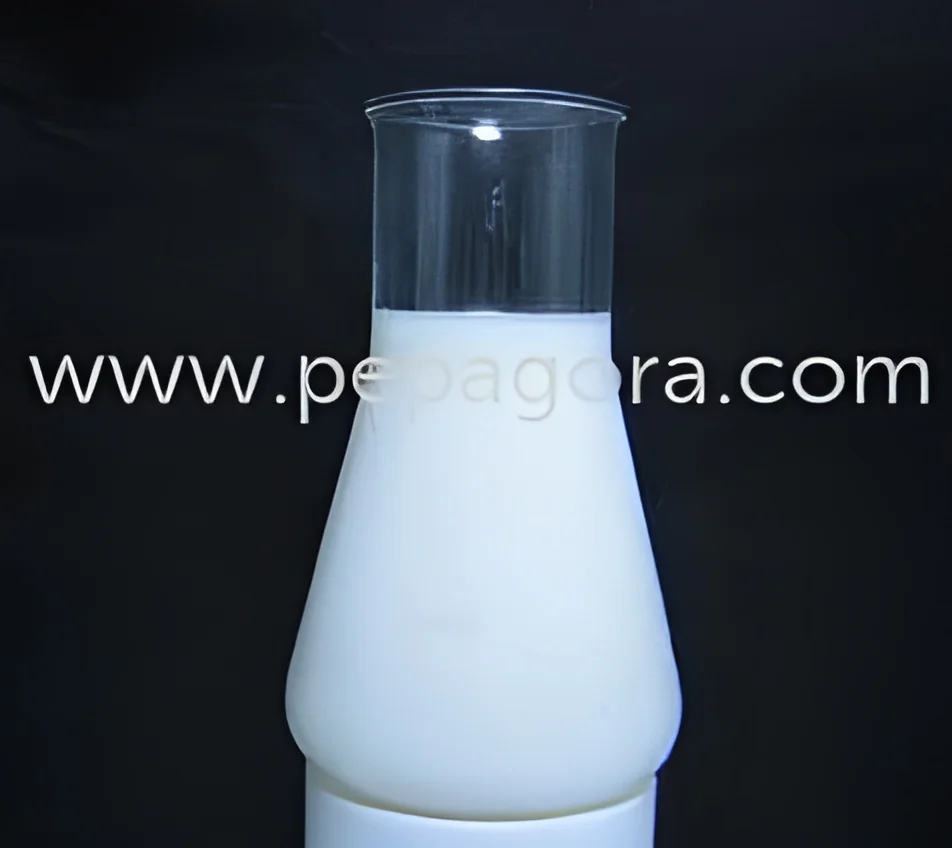
Textile stiffeners and softeners are chemical agents used in the textile industry to modify the texture and handling properties of fabrics. Textile stiffeners enhance the rigidity of materials, providing shape and structure to garments and other applications. These products are commonly used in various textile processes to improve the performance and appearance of fabrics. Conversely, textile softeners are designed to reduce stiffness, making materials softer and more comfortable against the skin.
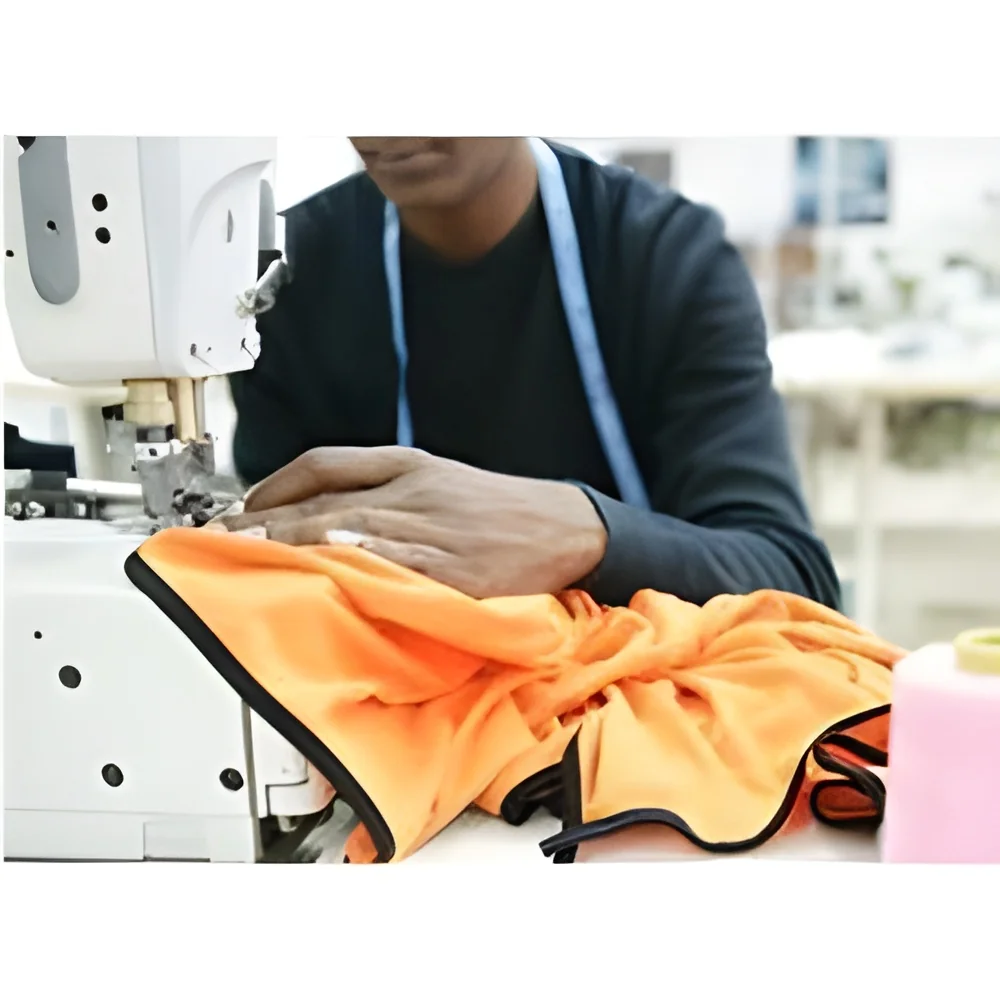
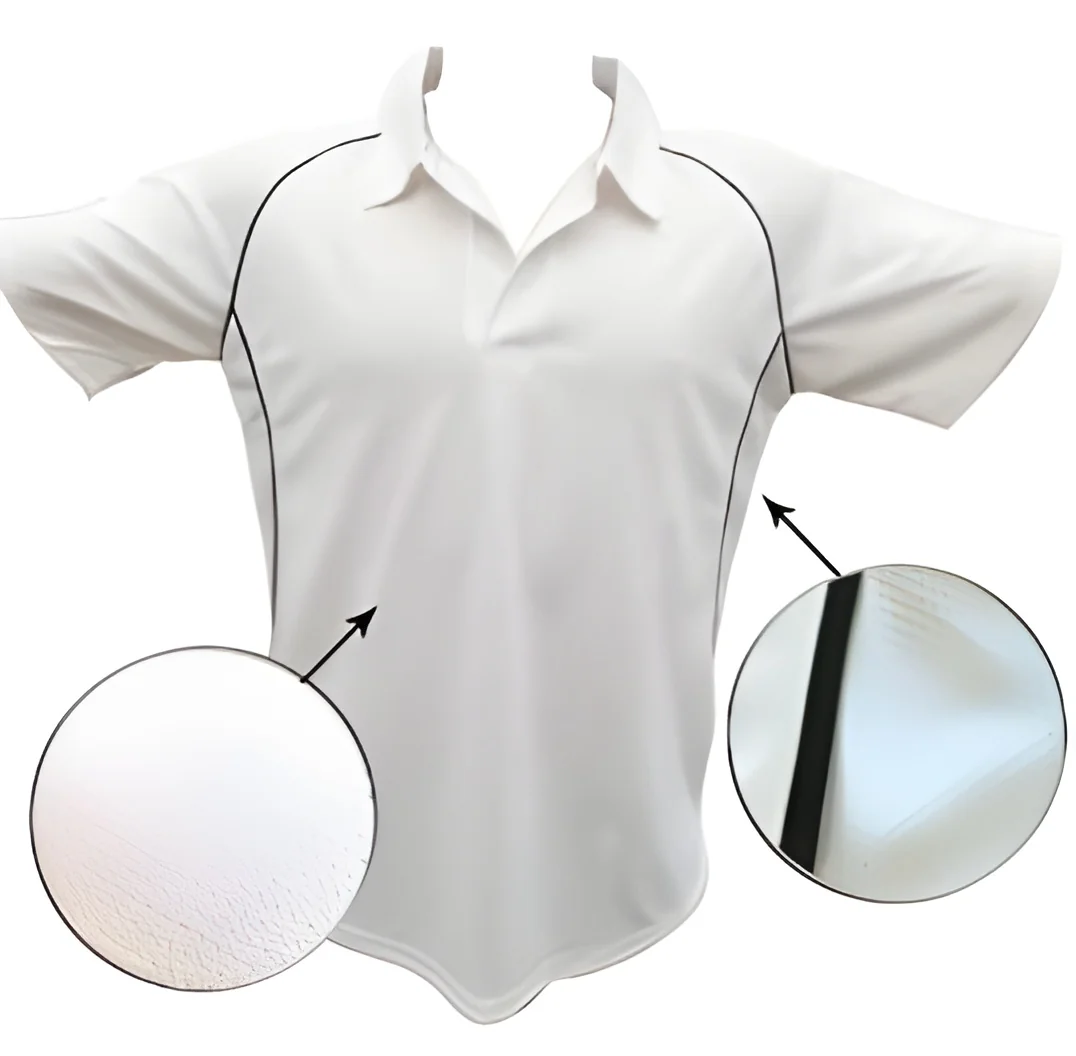
The primary uses of textile stiffeners and softeners span a wide array of business applications, including garment manufacturing, upholstery, and home textiles. In garment production, stiffeners are often applied to collars, cuffs, and other areas where structure is essential. Softening agents are commonly used in bed linens, towels, and apparel to enhance comfort and drape. The relevance of these products in the textile industry is significant, as they cater to consumer preferences for both aesthetic appeal and functional performance, thereby influencing market trends.
𝗞𝗲𝘆 𝗙𝗲𝗮𝘁𝘂𝗿𝗲𝘀 𝗮𝗻𝗱 𝗦𝗽𝗲𝗰𝗶𝗳𝗶𝗰𝗮𝘁𝗶𝗼𝗻𝘀
Textile stiffeners and softeners come with a range of features and specifications that cater to various industry needs. Understanding these specifications is crucial for selecting the right product for specific applications.
Key specifications include:
1. Chemical Composition
- This specification defines the ingredients used in the formulation.
- Common components may include natural and synthetic polymers.
2. Application Method
- Refers to how the stiffeners or softeners can be applied to fabrics.
- Methods can include spraying, dipping, or mixing with other materials.
3. Performance Characteristics
- Indicates how well the product performs under different conditions.
- Parameters may include temperature stability and durability.
4. Residual Feel
- Describes how the fabric feels after application.
- This can range from a crisp finish to a soft, luxurious feel.
5. Environmental Compliance
- Specifies adherence to environmental regulations.
- Products may be water-based or free from harmful solvents.
6. Drying Time
- Refers to how quickly the product sets or dries after application.
- Important for production efficiency.
7. Shelf Life
- Indicates how long the product remains effective when stored properly.
- Usually ranges from one to three years.
8. Packaging Options
- Details the types of packaging available.
- Options may include bulk containers or smaller retail sizes.
In summary, understanding these key specifications allows businesses to make informed decisions on which textile stiffeners and softeners will best meet their production needs.
𝗖𝗼𝗺𝗺𝗼𝗻 𝗔𝗽𝗽𝗹𝗶𝗰𝗮𝘁𝗶𝗼𝗻𝘀 𝗮𝗻𝗱 𝗨𝘀𝗲 𝗖𝗮𝘀𝗲𝘀
Textile stiffeners and softeners find utility across multiple industries, each requiring specific attributes from these products.
1. Apparel Manufacturing: Stiffeners are used in tailored garments to maintain shape, while softeners improve comfort and drapability in everyday clothing.
2. Home Textiles: Softening agents are applied to bed linens and towels to enhance softness and absorbency, creating a more luxurious experience for consumers.
3. Upholstery: Stiffeners provide structure to upholstery fabrics, helping them maintain shape and resist wear in furniture applications.
4. Crafting and DIY Projects: These products are popular among hobbyists for creating structured fabric items such as bags, hats, and decorative elements.
5. Industrial Textiles: Stiffeners are often used in protective clothing and equipment, ensuring that the fabric retains its shape during rigorous use.
6. Automotive Textiles: Softening agents are utilized in car interiors for a comfortable feel, while stiffeners are necessary for structural components.
7. Fashion Accessories: Stiffeners are used in accessories like hats and belts to provide form and support.
𝗣𝗿𝗼𝗱𝘂𝗰𝘁 𝗩𝗮𝗿𝗶𝗮𝗻𝘁𝘀 𝗮𝗻𝗱 𝗦𝘂𝗯𝗰𝗮𝘁𝗲𝗴𝗼𝗿𝗶𝗲𝘀
Textile stiffeners and softeners exhibit a variety of forms to cater to specific needs in the industry. The diversity of products allows businesses to choose a variant that aligns with their application requirements.
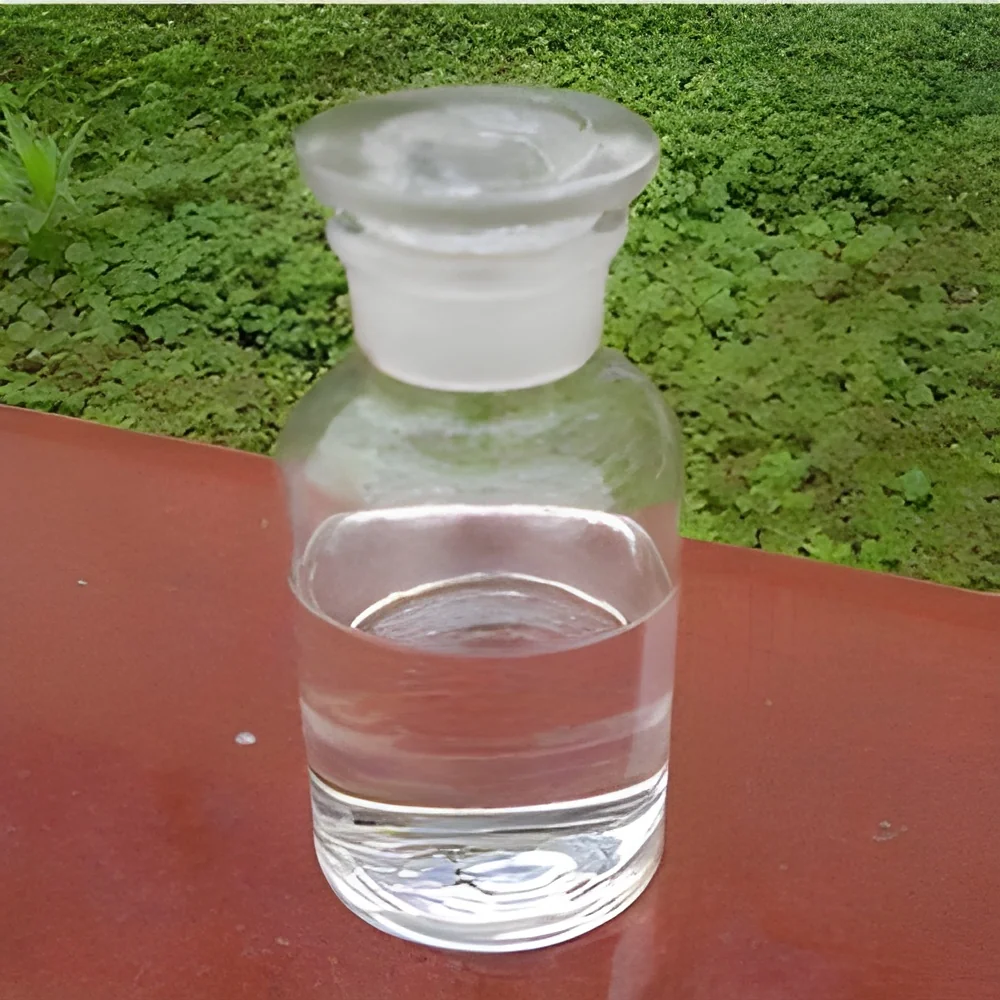
Liquid Stiffener
This variant is often used for easy application via spraying or dipping. It offers versatility in achieving varying degrees of stiffness, depending on the concentration used.
Gel Softener
Gel softeners provide a rich, luxurious feel to fabrics. They are ideal for applications that require a soft touch, such as clothing items and linens.
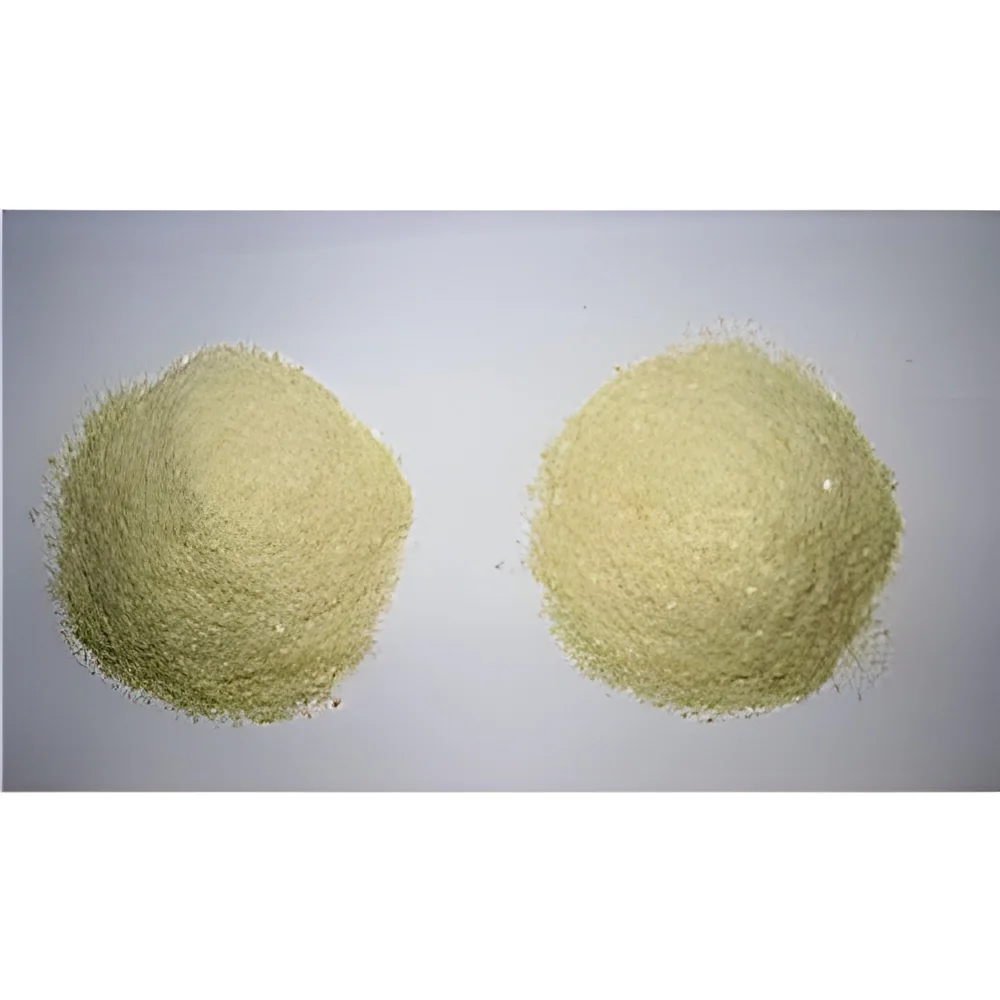
Powder Stiffener
Powder stiffeners can be mixed with water or other solvents for application. They are often favored for their ease of storage and long shelf life.
Concentrated Softener
This variant is designed for high efficiency, requiring smaller amounts to achieve desired softness. It is suitable for commercial laundry applications.
𝗕𝗲𝗻𝗲𝗳𝗶𝘁𝘀 𝗮𝗻𝗱 𝗔𝗱𝘃𝗮𝗻𝘁𝗮𝗴𝗲𝘀
Textile stiffeners and softeners offer several benefits that enhance the functionality and appeal of textiles.
1. Enhanced Durability: Stiffeners improve the longevity of fabrics by providing resistance to deformation and wear, making them ideal for high-use applications.
2. Improved Aesthetics: Stiffeners help maintain the desired shape of garments and textiles, contributing to a polished, professional appearance.
3. Increased Comfort: Softeners enhance the tactile experience of fabrics, making them more enjoyable for end-users.
4. Customization Flexibility: Various formulations allow for tailored applications, enabling businesses to achieve specific performance characteristics.
5. Efficiency in Production: Quick-drying and easy-to-apply variants streamline manufacturing processes, reducing downtime.
6. Eco-Friendly Options: Many products are available in environmentally friendly formulations, appealing to sustainably minded consumers.
𝗕𝘂𝘆𝗶𝗻𝗴 𝗚𝘂𝗶𝗱𝗲 𝗳𝗼𝗿 𝗕𝟮𝗕 𝗕𝘂𝘆𝗲𝗿𝘀
When sourcing textile stiffeners and softeners, B2B buyers should consider several key factors to ensure they select the right products for their needs.
1. Quality Assessment: Evaluate the quality of products based on performance characteristics, chemical composition, and compliance with industry standards.
2. Supplier Verification: Vet suppliers by checking their reputation, history in the market, and customer feedback to ensure reliability.
3. Pricing and MOQ: Understand pricing structures and minimum order quantities to avoid unexpected costs while meeting production needs.
4. Delivery and Lead Times: Consider logistics and delivery times to ensure timely access to products, which is critical for maintaining production schedules.
5. Compliance Requirements: Ensure that products meet relevant regulatory standards to avoid compliance issues and potential liabilities in production.
𝗖𝗼𝗺𝗽𝗹𝗶𝗮𝗻𝗰𝗲 𝗮𝗻𝗱 𝗖𝗲𝗿𝘁𝗶𝗳𝗶𝗰𝗮𝘁𝗶𝗼𝗻𝘀
Textile stiffeners and softeners must adhere to various quality standards and certifications to ensure safety and effectiveness in their applications. Relevant quality standards such as ISO 9001 guarantee a consistent quality management system, while HACCP ensures that products meet health and safety regulations.
Industry certifications, including CE marking, indicate that products comply with European safety and environmental requirements. Additionally, safety and testing protocols are essential to verify the effectiveness and safety of the products during usage.
Regional compliance considerations must also be taken into account, as different markets may have unique regulations regarding textile products. Buyers should ensure that their suppliers can provide documentation that demonstrates compliance with these essential standards.
𝗪𝗵𝘆 𝗦𝗼𝘂𝗿𝗰𝗲 𝗧𝗲𝘅𝘁𝗶𝗹𝗲 𝗦𝘁𝗶𝗳𝗳𝗲𝗻𝗲𝗿𝘀 & 𝗦𝗼𝗳𝘁𝗲𝗻𝗲𝗿𝘀 𝗳𝗿𝗼𝗺 𝗣𝗲𝗽𝗮𝗴𝗼𝗿𝗮?
Pepagora offers a reliable platform for sourcing textile stiffeners and softeners, providing businesses with key advantages to enhance their procurement experience.
The verified supplier network at Pepagora ensures that all suppliers meet stringent quality and reliability standards. This helps buyers find trustworthy partners for their textile needs without compromising on quality.
The streamlined RFQ process simplifies the quotation system, allowing buyers to receive competitive pricing and fast responses from multiple suppliers. This efficiency improves sourcing timelines, which is crucial for businesses needing immediate supply.
Trade assurance and support from Pepagora further protect buyers throughout the transaction process. This assurance fosters confidence in sourcing decisions, ensuring that products meet expectations.
Lastly, Pepagora's regional coverage extends across India, the GCC, and Southeast Asia, making it a strategic choice for businesses looking to source textile stiffeners and softeners in these crucial markets. This geographic reach enhances accessibility and supports diverse industry needs.
Textile stiffeners and softeners are chemical agents used in the textile industry to modify the texture and feel of fabrics. Stiffeners are used to add rigidity and shape to materials, while softeners enhance the softness and flexibility of textiles.
2
What are the different types of Textile Stiffeners & Softeners?
There are various types of textile stiffeners, including water-based, solvent-based, and natural starch stiffeners. Similarly, softeners can be classified into silicone-based, fatty acid-based, and cationic softeners, each offering distinct properties for different fabric types.
3
How do I choose the right Textile Stiffeners & Softeners?
Choosing the right textile stiffeners and softeners depends on the fabric type, desired texture, and end-use application. It's important to consider factors such as compatibility with the material, performance requirements, and the intended finish before making a selection.
4
What are the standard specifications for Textile Stiffeners & Softeners?
Standard specifications for textile stiffeners and softeners typically include viscosity, pH level, solid content, and application method. These specifications can vary based on the manufacturer and the intended use, so it's essential to consult product data sheets for detailed information.
5
What is the price range for Textile Stiffeners & Softeners?
The price range for textile stiffeners and softeners can vary widely based on the type, quality, and manufacturer. Generally, prices can range from a few hundred to several thousand Indian Rupees per liter, depending on the specific product and its formulation.
6
What quality standards apply to Textile Stiffeners & Softeners?
Quality standards for textile stiffeners and softeners often include compliance with ISO certifications and industry-specific regulations. Additionally, products may be tested for performance metrics such as durability, washability, and safety to ensure they meet market requirements.
7
Where can I find Textile Stiffeners & Softeners suppliers in India?
Textile stiffeners and softeners suppliers in India can be found through various channels, including online B2B marketplaces like Pepagora, industry trade shows, and local textile manufacturing hubs. Conducting research and comparing suppliers can help in finding reliable sources.
8
Can Textile Stiffeners & Softeners be customized?
Yes, many manufacturers offer customization options for textile stiffeners and softeners to meet specific customer requirements. Custom formulations can be developed based on desired properties, such as strength, flexibility, or environmental considerations.
9
What is the typical minimum order quantity for Textile Stiffeners & Softeners?
The typical minimum order quantity (MOQ) for textile stiffeners and softeners varies by supplier and product type. Generally, MOQs can range from 50 liters to several hundred liters, depending on the manufacturer's policies and production capabilities.
10
What is the typical lead time for Textile Stiffeners & Softeners?
The typical lead time for textile stiffeners and softeners can vary based on the supplier and order volume. Generally, lead times can range from a few days to several weeks, especially for customized orders or larger quantities.
Why Businesses Trust Pepagora
Thousands of companies trust Pepagora to source smarter and sell faster
Expand Your Sales Globally
25000+Products listed.Get discovered by global buyers

 IN
IN