𝗪𝗵𝗮𝘁 𝗮𝗿𝗲 𝗧𝗼𝗿𝗾𝘂𝗲 𝗪𝗿𝗲𝗻𝗰𝗵 𝗖𝗮𝗹𝗶𝗯𝗿𝗮𝘁𝗶𝗼𝗻?
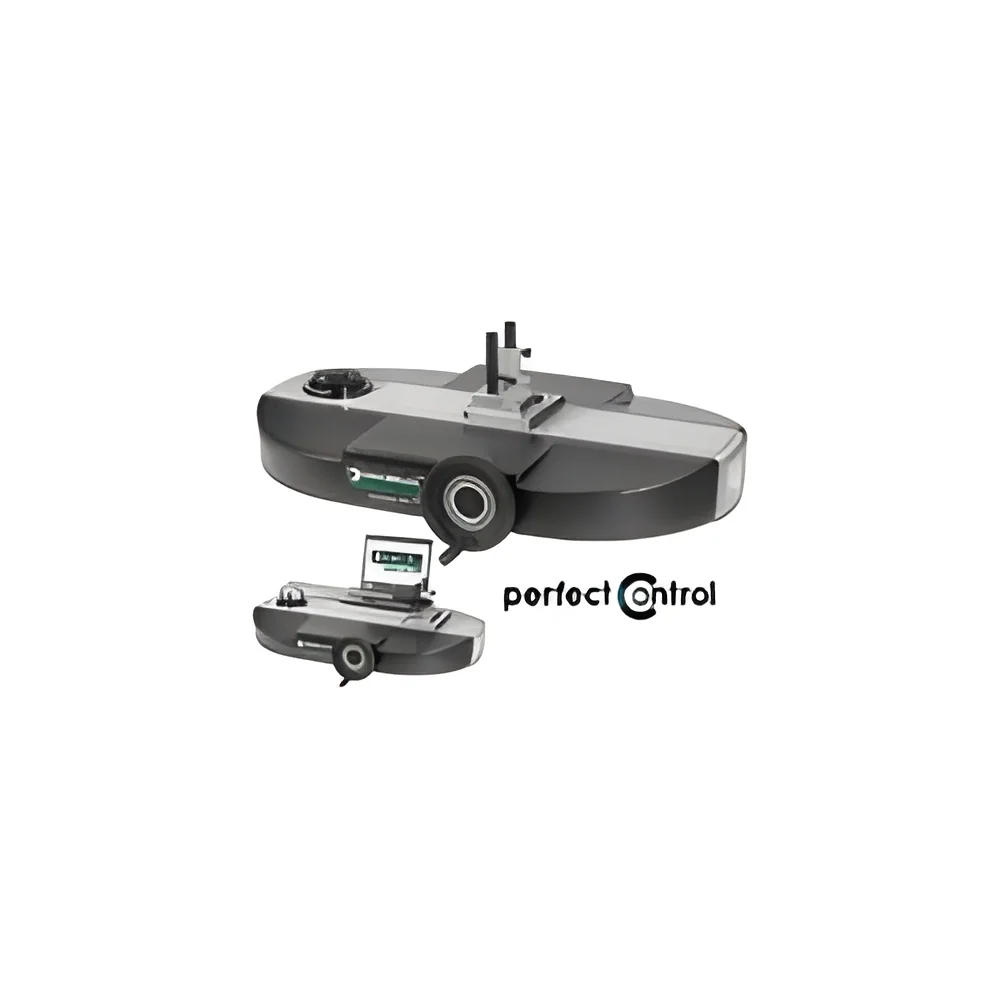
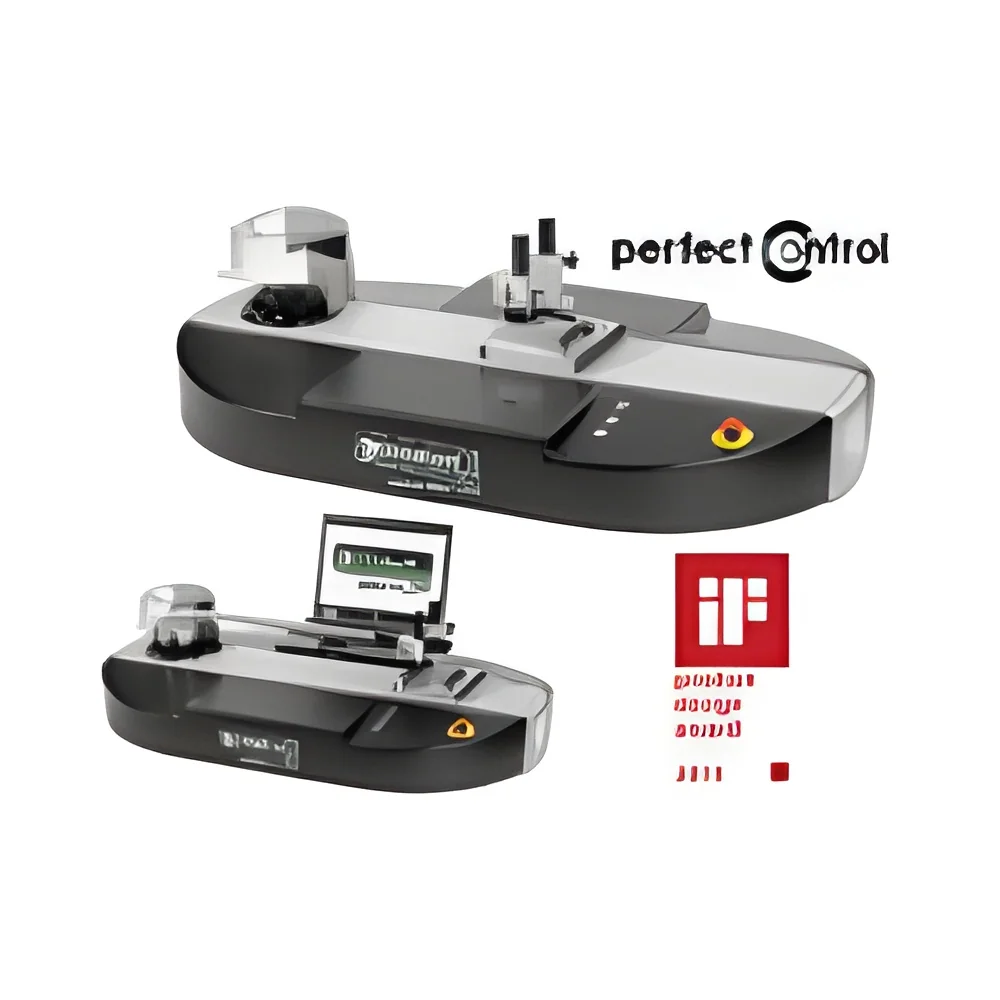
Torque wrench calibration refers to the process of verifying and adjusting torque wrenches to ensure they provide accurate measurements of torque application. This calibration is essential as it ensures that the tools can consistently apply the correct amount of torque to fasteners, which is crucial in various industrial applications. The calibration process involves using precision measuring equipment to compare the torque wrench's output against a known standard and making necessary adjustments to guarantee accuracy.
The primary uses of torque wrench calibration are in manufacturing, automotive, aerospace, and construction industries, where precise torque application is critical for safety and operational efficiency. In these sectors, improper torque can lead to equipment failure, safety hazards, or compromised structural integrity. Regular calibration helps maintain compliance with industry standards and enhances the reliability of tools used in critical applications.
In the current market context, the demand for torque wrench calibration has increased due to the growing awareness of safety and quality standards across industries. Businesses are increasingly investing in calibration services to ensure their tools meet regulatory requirements and to improve operational efficiency. This trend is expected to continue as industries evolve and require higher standards for quality assurance.
𝗞𝗲𝘆 𝗙𝗲𝗮𝘁𝘂𝗿𝗲𝘀 𝗮𝗻𝗱 𝗦𝗽𝗲𝗰𝗶𝗳𝗶𝗰𝗮𝘁𝗶𝗼𝗻𝘀
Torque wrench calibration services come with various features that enhance their utility and performance. Understanding these specifications helps businesses select the right calibration solutions to meet their unique needs.
Key specifications include:
1. Calibration Accuracy
- Typically within ±3% to ±6% of full scale
- Ensures precise torque application across various ranges
2. Calibration Range
- Covers a wide torque range, often from 5 Nm to 1000 Nm
- Suitable for various applications from light to heavy-duty tasks
3. Compliance Standards
- Adheres to standards such as ISO 9001 and CE certifications
- Ensures reliability and quality in calibration processes
4. Measurement Units
- Supports multiple units such as Nm, lb-ft, and kg-cm
- Provides flexibility for different user preferences
5. Environmental Conditions
- Operates effectively in controlled temperature and humidity
- Reduces the risk of measurement discrepancies
6. Calibration Frequency
- Recommended calibration intervals typically range from 6 to 12 months
- Ensures tools remain accurate over time
7. Documentation and Certification
- Provides calibration certificates and detailed reports
- Essential for compliance and quality assurance records
8. Customer Support
- Access to technical support and consultation
- Helps users understand calibration processes and best practices
In summary, understanding the key features and specifications of torque wrench calibration is crucial for businesses to ensure they are investing in high-quality tools that meet industry standards and operational needs.
𝗖𝗼𝗺𝗺𝗼𝗻 𝗔𝗽𝗽𝗹𝗶𝗰𝗮𝘁𝗶𝗼𝗻𝘀 𝗮𝗻𝗱 𝗨𝘀𝗲 𝗖𝗮𝘀𝗲𝘀
Torque wrench calibration is vital in several industries where precision is paramount.
1. Automotive: In automotive manufacturing and repair, accurate torque application is essential for assembling engines, suspensions, and other critical components. Regular calibration ensures that wrenches deliver the correct torque, enhancing vehicle safety and performance.
2. Aerospace: The aerospace industry relies heavily on torque calibration for assembling aircraft components. Proper torque application is critical to maintaining structural integrity and safety in flight, making calibration a must.
3. Construction: In construction, torque wrench calibration is necessary for securing bolts and fasteners in structures. Accurate torque application ensures the safety and longevity of buildings and infrastructure.
4. Oil and Gas: In oil and gas operations, torque calibration is crucial for maintaining equipment integrity and safety in high-pressure environments. Proper calibration helps prevent leaks and equipment failures.
5. Manufacturing: Manufacturing processes often require precise torque settings for machinery and assembly lines. Regular calibration ensures operational efficiency and product quality.
6. Heavy Equipment: In industries using heavy machinery, torque calibration is essential for maintaining equipment safety and reliability. Accurate torque helps prevent accidents and mechanical failures.
7. Electronics: In electronics manufacturing, small components require precise torque settings. Calibration ensures that delicate parts are secured without damage.
𝗣𝗿𝗼𝗱𝘂𝗰𝘁 𝗩𝗮𝗿𝗶𝗮𝗻𝘁𝘀 𝗮𝗻𝗱 𝗦𝘂𝗯𝗰𝗮𝘁𝗲𝗴𝗼𝗿𝗶𝗲𝘀
Torque wrench calibration services can vary based on specific applications and user requirements.
Digital Torque Wrench Calibration
This variant utilizes digital technology to provide precise torque measurements. It features easy-to-read displays and often includes data logging capabilities for enhanced tracking and reporting. Ideal for both industrial and automotive applications.
Mechanical Torque Wrench Calibration
This type focuses on traditional mechanical torque wrenches. It is essential for users who prefer analog tools. Calibration ensures that these mechanical devices deliver consistent performance over time, especially in manual applications.
Torque Multiplier Calibration
This variant is designed for torque multipliers that amplify force for higher torque applications. Calibration ensures that the multiplier functions correctly, providing accurate torque settings for heavy-duty tasks.
𝗕𝗲𝗻𝗲𝗳𝗶𝘁𝘀 𝗮𝗻𝗱 𝗔𝗱𝘃𝗮𝗻𝘁𝗮𝗴𝗲𝘀
Investing in torque wrench calibration offers several advantages for businesses.
1. Improved Accuracy: Regular calibration ensures tools provide precise torque measurements, reducing the risk of errors during fastening.
2. Enhanced Safety: Accurate torque application minimizes the likelihood of equipment failures and accidents, promoting a safer work environment.
3. Compliance Assurance: Calibration helps businesses comply with industry standards and regulations, avoiding potential legal issues.
4. Increased Tool Longevity: Proper calibration extends the life of torque wrenches, leading to cost savings on tool replacements.
5. Operational Efficiency: Consistent torque application improves overall operational efficiency, reducing downtime and enhancing productivity.
6. Quality Assurance: Businesses can maintain high-quality standards by ensuring that tools are operating correctly and efficiently.
𝗕𝘂𝘆𝗶𝗻𝗴 𝗚𝘂𝗶𝗱𝗲 𝗳𝗼𝗿 𝗕𝟮𝗕 𝗕𝘂𝘆𝗲𝗿𝘀
When sourcing torque wrench calibration services, several factors should be considered to ensure the best selection for your needs.
1. Quality Assessment: Look for calibration services that comply with industry standards such as ISO 9001. Check for certifications and testimonials to gauge the service provider's reliability.
2. Supplier Verification: Vet potential suppliers by reviewing their experience in the market, customer feedback, and their calibration processes. A reputable supplier will have a proven track record.
3. Pricing and MOQ: Understand the pricing structures and minimum order quantities (MOQ) that suppliers offer. Compare costs while considering the quality of services provided.
4. Delivery and Lead Times: Inquire about delivery schedules and lead times for calibration services. Timely calibration is essential for operational continuity.
5. Compliance Requirements: Ensure that the calibration service meets any specific regulatory requirements relevant to your industry. This guarantees that your tools remain compliant with necessary standards.
𝗖𝗼𝗺𝗽𝗹𝗶𝗮𝗻𝗰𝗲 𝗮𝗻𝗱 𝗖𝗲𝗿𝘁𝗶𝗳𝗶𝗰𝗮𝘁𝗶𝗼𝗻𝘀
Compliance with industry standards is crucial for torque wrench calibration services. Relevant quality standards such as ISO 9001 ensure that calibration processes are consistently reliable and meet customer expectations. Certifications like CE indicate that products comply with European safety and health requirements.
Safety and testing requirements are also essential, as they ensure that calibration equipment operates correctly and delivers accurate results. Businesses should also consider regional compliance, as regulations may vary significantly across different locations. Adhering to these requirements not only ensures safety but also enhances operational efficiency.
𝗪𝗵𝘆 𝗦𝗼𝘂𝗿𝗰𝗲 𝗧𝗼𝗿𝗾𝘂𝗲 𝗪𝗿𝗲𝗻𝗰𝗵 𝗖𝗮𝗹𝗶𝗯𝗿𝗮𝘁𝗶𝗼𝗻 𝗳𝗿𝗼𝗺 𝗣𝗲𝗽𝗮𝗴𝗼𝗿𝗮?
Pepagora offers a trusted platform for sourcing torque wrench calibration services, providing several key advantages for businesses.
Verified Supplier Network: Pepagora connects buyers with verified suppliers who meet stringent quality standards. This network ensures that businesses can access reliable calibration services tailored to their needs.
Streamlined RFQ Process: The Request for Quotation (RFQ) system simplifies the process of obtaining quotes from multiple suppliers. This allows businesses to compare offers and make informed decisions quickly.
Trade Assurance and Support: Buyers benefit from trade assurance measures that protect their investments. Pepagora provides support throughout the procurement process, ensuring a smooth experience.
Regional Coverage: With a strong presence in India, the GCC, and Southeast Asia, Pepagora offers extensive regional coverage. This allows businesses to source calibration services that meet local requirements efficiently.
Overall, sourcing torque wrench calibration through Pepagora can enhance operational accuracy, safety, and compliance while streamlining the procurement process.
Torque Wrench Calibration is the process of verifying and adjusting the accuracy of torque wrenches. This ensures that the tools provide precise torque measurements, which is crucial for applications requiring specific tension or tightness.
2
What are the different types of Torque Wrench Calibration?
There are several types of Torque Wrench Calibration, including static calibration, dynamic calibration, and electronic calibration. Each type uses different methods and equipment to assess and adjust the torque wrenches for accuracy.
3
How do I choose the right Torque Wrench Calibration?
Choosing the right Torque Wrench Calibration involves considering the type of torque wrench you have, your accuracy requirements, and the calibration standards you need to meet. It's also essential to select a reputable calibration service that suits your specific industry needs.
4
What are the standard specifications for Torque Wrench Calibration?
Standard specifications for Torque Wrench Calibration include the torque range, accuracy level (often stated as a percentage), and the calibration interval recommended by manufacturers. Additionally, calibration should comply with industry standards such as ISO or ASTM.
5
What is the price range for Torque Wrench Calibration?
The price range for Torque Wrench Calibration can vary widely based on the type of calibration service, the complexity of the calibration process, and the provider. Generally, prices can start from a few thousand rupees and go up depending on the specifications and services included.
6
What quality standards apply to Torque Wrench Calibration?
Quality standards for Torque Wrench Calibration typically include ISO 6789 for manual torque tools and ISO/IEC 17025 for calibration laboratories. Adhering to these standards ensures accuracy and reliability in the calibration process.
7
Where can I find Torque Wrench Calibration suppliers in India?
You can find Torque Wrench Calibration suppliers in India through B2B marketplaces like Pepagora.com, industry directories, or by searching for specialized calibration service providers. Networking with industry professionals can also yield recommendations.
8
Can Torque Wrench Calibration be customized?
Yes, Torque Wrench Calibration can often be customized based on specific requirements, such as particular torque ranges or compliance with certain industry standards. Suppliers may offer tailored calibration services to meet individual customer needs.
9
What is the typical minimum order quantity for Torque Wrench Calibration?
The typical minimum order quantity (MOQ) for Torque Wrench Calibration can vary by supplier and service type. Some suppliers may not have an MOQ, while others may require calibration of multiple wrenches simultaneously.
10
What is the typical lead time for Torque Wrench Calibration?
The typical lead time for Torque Wrench Calibration can range from a few days to several weeks, depending on the supplier's workload and the complexity of the calibration required. It is advisable to check with the specific service provider for accurate timelines.
Why Businesses Trust Pepagora
Thousands of companies trust Pepagora to source smarter and sell faster
Expand Your Sales Globally
25000+Products listed.Get discovered by global buyers

 IN
IN