𝗪𝗵𝗮𝘁 𝗮𝗿𝗲 𝗧𝗿𝗮𝗻𝘀𝗽𝗼𝗿𝘁𝗮𝘁𝗶𝗼𝗻 & 𝗜𝗻𝗳𝗿𝗮𝘀𝘁𝗿𝘂𝗰𝘁𝘂𝗿𝗲 𝗗𝗲𝘀𝗶𝗴𝗻?
Transportation and infrastructure design encompasses the planning and engineering of systems that facilitate the movement of goods and people. This field integrates various disciplines, including civil engineering, urban planning, and environmental science, to create efficient transportation networks. It involves creating designs for roads, bridges, railways, airports, and transit systems that meet the needs of communities while ensuring safety and sustainability.
The primary applications of transportation and infrastructure design are vast, ranging from urban development projects to large-scale transportation systems. Businesses, government entities, and municipalities rely on skilled professionals to deliver designs that optimize performance and cost-effectiveness. By focusing on user experience and environmental impact, these designs also play a crucial role in enhancing urban livability and promoting economic growth.
The relevance of transportation and infrastructure design is underscored by the growing global demand for efficient transportation systems. As urban populations increase and logistics become more complex, the need for advanced infrastructure solutions continues to rise. This sector is pivotal to economic development, influencing everything from trade logistics to daily commuting patterns.
𝗞𝗲𝘆 𝗙𝗲𝗮𝘁𝘂𝗿𝗲𝘀 𝗮𝗻𝗱 𝗦𝗽𝗲𝗰𝗶𝗳𝗶𝗰𝗮𝘁𝗶𝗼𝗻𝘀
Transportation and infrastructure design incorporates several key features and specifications that are essential for effective implementation. These specifications guide the design process and ensure that projects meet industry standards and user expectations.
Key specifications include:
1. Design Standards
- Compliance with relevant codes and regulations.
- Adherence to safety and environmental standards.
2. Material Specifications
- Use of durable materials suitable for specific conditions.
- Consideration of local climate and environmental factors.
3. Load Capacity
- Ability to support specified weight limits.
- Assessment of dynamic and static load requirements.
4. Traffic Capacity
- Evaluation of expected vehicle and pedestrian traffic volumes.
- Optimization for peak usage times.
5. Sustainability Features
- Incorporation of eco-friendly materials and practices.
- Design strategies aimed at reducing carbon footprints.
6. Accessibility Standards
- Compliance with regulations for disabled access.
- Features that enhance usability for all users.
7. Aesthetic Considerations
- Integration of design elements that enhance visual appeal.
- Consideration of surrounding architecture and landscape.
8. Maintenance Requirements
- Provisions for ease of maintenance and repair.
- Long-term durability assessments to reduce lifecycle costs.
These specifications ensure that transportation and infrastructure designs are not only functional but also sustainable and visually appealing.
𝗖𝗼𝗺𝗺𝗼𝗻 𝗔𝗽𝗽𝗹𝗶𝗰𝗮𝘁𝗶𝗼𝗻𝘀 𝗮𝗻𝗱 𝗨𝘀𝗲 𝗖𝗮𝘀𝗲𝘀
Transportation and infrastructure design has diverse applications across various industries.
1. Urban Development: Effective designs are crucial for creating pedestrian-friendly streets, parks, and public transport systems that enhance urban life and accessibility.
2. Logistics and Supply Chain: This sector relies heavily on efficient transportation networks to facilitate the movement of goods, minimizing costs and improving delivery times.
3. Public Transportation: Infrastructure design is essential for developing reliable and efficient public transport systems, including buses, subways, and light rail.
4. Environmental Projects: Designs that focus on sustainability help mitigate environmental impacts, such as stormwater management systems and green bridges.
5. Emergency Services: Infrastructure must accommodate emergency vehicles, ensuring timely access during critical situations.
6. Military and Defense: Specialized transportation designs are developed for military applications, including secure logistics and transportation systems.
7. Tourism: Infrastructure design enhances travel experiences, supporting airports, transit hubs, and attractions.
𝗣𝗿𝗼𝗱𝘂𝗰𝘁 𝗩𝗮𝗿𝗶𝗮𝗻𝘁𝘀 𝗮𝗻𝗱 𝗦𝘂𝗯𝗰𝗮𝘁𝗲𝗴𝗼𝗿𝗶𝗲𝘀
Transportation and infrastructure design can be categorized into several distinct variants, ensuring that specific needs and applications are met.
Variant 1: Urban Transit Systems
Urban transit systems are designed to improve public transport efficiency, integrating buses, trams, and metro services. These systems focus on reducing congestion and enhancing commuter experience.
Variant 2: Highway and Roadway Design
This variant involves the planning and construction of highways and roads to ensure safe and efficient vehicle movement. Key features include lane configurations, signage, and traffic management systems.
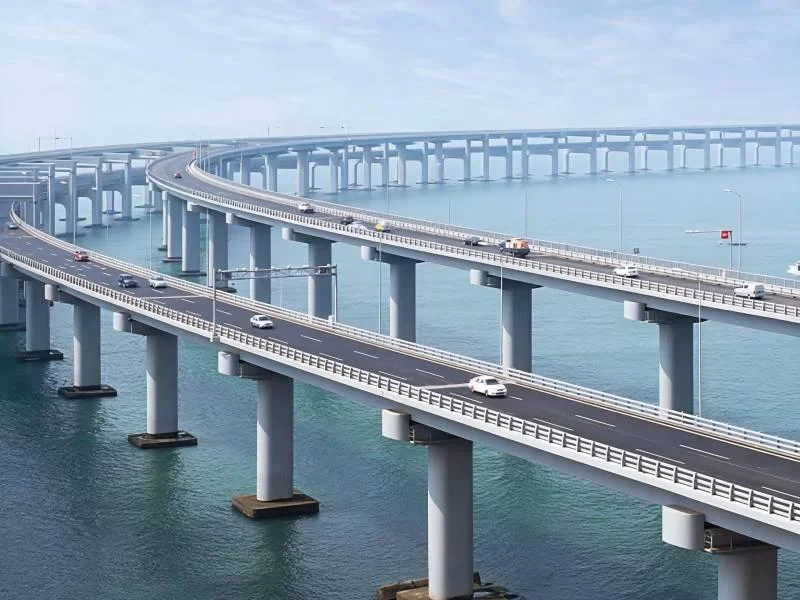
Variant 3: Bridge Engineering
Bridge engineering focuses on designing structures that safely span obstacles such as rivers or valleys. These designs account for load-bearing requirements and environmental impacts.
Variant 4: Airport Infrastructure
Airport infrastructure designs include runways, terminals, and hangars, ensuring efficient operations and passenger flow while meeting stringent safety regulations.
𝗕𝗲𝗻𝗲𝗳𝗶𝘁𝘀 𝗮𝗻𝗱 𝗔𝗱𝘃𝗮𝗻𝘁𝗮𝗴𝗲𝘀
Transportation and infrastructure design provides numerous benefits that enhance functionality, safety, and user experience.
1. Improved Safety: Well-designed infrastructure minimizes the risk of accidents and enhances the overall safety of transportation systems.
2. Enhanced Efficiency: Optimized designs streamline traffic flow, reducing travel times and operational costs.
3. Sustainability: Incorporating eco-friendly materials and practices contributes to environmental conservation and reduces the carbon footprint of projects.
4. Economic Growth: Efficient transportation networks support economic activities by improving access to markets and resources.
5. Increased Accessibility: Designs that prioritize accessibility ensure that all individuals, including those with disabilities, can navigate transportation systems effectively.
6. Aesthetic Appeal: Thoughtfully designed infrastructure enhances the visual environment, contributing to the overall beauty of urban areas.
𝗕𝘂𝘆𝗶𝗻𝗴 𝗚𝘂𝗶𝗱𝗲 𝗳𝗼𝗿 𝗕𝟮𝗕 𝗕𝘂𝘆𝗲𝗿𝘀
When sourcing transportation and infrastructure design services, businesses should consider several key factors to ensure effective procurement.
1. Quality Assessment: Evaluate the quality of designs by reviewing past projects and client testimonials. Look for adherence to industry standards and regulatory compliance.
2. Supplier Verification: Conduct thorough vetting of potential suppliers, including checking references and ensuring they have the necessary certifications and experience.
3. Pricing and MOQ: Understand the pricing structures and minimum order quantities that suppliers impose. This will help in budgeting and managing project scopes.
4. Delivery and Lead Times: Inquire about the lead times for project completion. Timely delivery is crucial to maintaining project schedules.
5. Compliance Requirements: Assess the supplier’s ability to meet local and regional compliance requirements, including environmental regulations and safety standards.
𝗖𝗼𝗺𝗽𝗹𝗶𝗮𝗻𝗰𝗲 𝗮𝗻𝗱 𝗖𝗲𝗿𝘁𝗶𝗳𝗶𝗰𝗮𝘁𝗶𝗼𝗻𝘀
Compliance with industry standards and certifications is crucial in transportation and infrastructure design. Key standards include ISO 9001, which focuses on quality management systems, ensuring that suppliers consistently meet customer and regulatory requirements.
Industry certifications, such as CE marking, are essential for demonstrating compliance with European safety standards. This marking indicates that products meet the necessary health, safety, and environmental protection requirements.
Safety and testing requirements are paramount in this field. Designs must undergo rigorous testing to ensure they can withstand environmental stresses and operational demands. Furthermore, regional compliance considerations may vary based on local regulations, necessitating a thorough understanding of applicable laws.
𝗪𝗵𝘆 𝗦𝗼𝘂𝗿𝗰𝗲 𝗧𝗿𝗮𝗻𝘀𝗽𝗼𝗿𝘁𝗮𝘁𝗶𝗼𝗻 & 𝗜𝗻𝗳𝗿𝗮𝘀𝘁𝗿𝘂𝗰𝘁𝘂𝗿𝗲 𝗗𝗲𝘀𝗶𝗴𝗻 𝗳𝗿𝗼𝗺 𝗣𝗲𝗽𝗮𝗴𝗼𝗿𝗮?
Pepagora offers a trusted platform for sourcing transportation and infrastructure design, providing several key advantages to B2B buyers.
Verified Supplier Network: Our platform connects buyers with verified suppliers who have undergone a rigorous vetting process. This ensures that you are working with reputable and reliable partners.
Streamlined RFQ Process: The request for quotation process is designed to be simple and efficient, allowing buyers to receive multiple quotes quickly. This facilitates informed decision-making and cost comparisons.
Trade Assurance and Support: Buyers benefit from trade assurance features that protect their investments. Our support team is available to assist with any issues that may arise during the procurement process.
Regional Coverage: Pepagora has extensive reach across India, the GCC, and Southeast Asia. This geographic diversity ensures that buyers can find suitable suppliers that meet their specific regional needs.
These features make Pepagora a valuable resource for businesses seeking high-quality transportation and infrastructure design solutions.
Transportation & Infrastructure Design refers to the planning, development, and implementation of systems that facilitate the movement of goods and people. This includes roads, bridges, railways, airports, and other critical infrastructure components that support economic activities and enhance connectivity.
2
What are the different types of Transportation & Infrastructure Design?
The different types of Transportation & Infrastructure Design include urban transportation systems, highways, rail networks, airports, maritime ports, and public transit systems. Each type serves specific functions and requires unique design considerations to meet the needs of users and comply with regulatory standards.
3
How do I choose the right Transportation & Infrastructure Design?
Choosing the right Transportation & Infrastructure Design involves evaluating the project's requirements, budget, and location. It is also essential to consider the expertise and reputation of the design firm, as well as their understanding of local regulations and environmental impacts.
4
What are the standard specifications for Transportation & Infrastructure Design?
Standard specifications for Transportation & Infrastructure Design typically include design codes, safety regulations, material standards, and environmental impact assessments. These specifications ensure that infrastructure projects are safe, durable, and sustainable.
5
What is the price range for Transportation & Infrastructure Design?
The price range for Transportation & Infrastructure Design varies significantly based on project scope, complexity, and location. Smaller projects may start in the tens of thousands of dollars, while larger infrastructure developments can run into millions or even billions.
6
What quality standards apply to Transportation & Infrastructure Design?
Quality standards for Transportation & Infrastructure Design are governed by national and international codes such as those set by the Bureau of Indian Standards (BIS) and the American Association of State Highway and Transportation Officials (AASHTO). Compliance with these standards is crucial for ensuring safety and reliability.
7
Where can I find Transportation & Infrastructure Design suppliers in India?
Transportation & Infrastructure Design suppliers in India can be found through online B2B marketplaces like Pepagora, industry trade shows, and professional associations. It is advisable to review supplier credentials and past projects to ensure their capability and reliability.
8
Can Transportation & Infrastructure Design be customized?
Yes, Transportation & Infrastructure Design can be customized to meet specific client needs and project requirements. Customizations may include design alterations, material selections, and integrating innovative technologies to enhance functionality.
9
What is the typical minimum order quantity for Transportation & Infrastructure Design?
The typical minimum order quantity (MOQ) for Transportation & Infrastructure Design can vary depending on the supplier and the specific services offered. It is common for design firms to discuss project scopes individually, establishing MOQs based on project complexity and requirements.
10
What is the typical lead time for Transportation & Infrastructure Design?
The typical lead time for Transportation & Infrastructure Design projects can range from a few months to several years, depending on the project size and regulatory approvals required. Early planning and clear communication with suppliers can help streamline the process.
Why Businesses Trust Pepagora
Thousands of companies trust Pepagora to source smarter and sell faster
Expand Your Sales Globally
25000+Products listed.Get discovered by global buyers

 IN
IN