𝗪𝗵𝗮𝘁 𝗮𝗿𝗲 𝗨𝗣𝗩𝗖 𝗗𝗼𝗼𝗿𝘀?
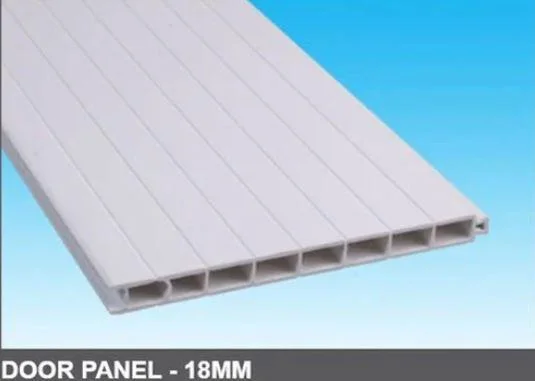
UPVC doors are made from unplasticized polyvinyl chloride, a durable and low-maintenance material. They are designed to be energy-efficient and provide excellent insulation against noise and temperature fluctuations. UPVC doors are known for their resistance to weathering, corrosion, and fading, making them a popular choice in various construction projects.
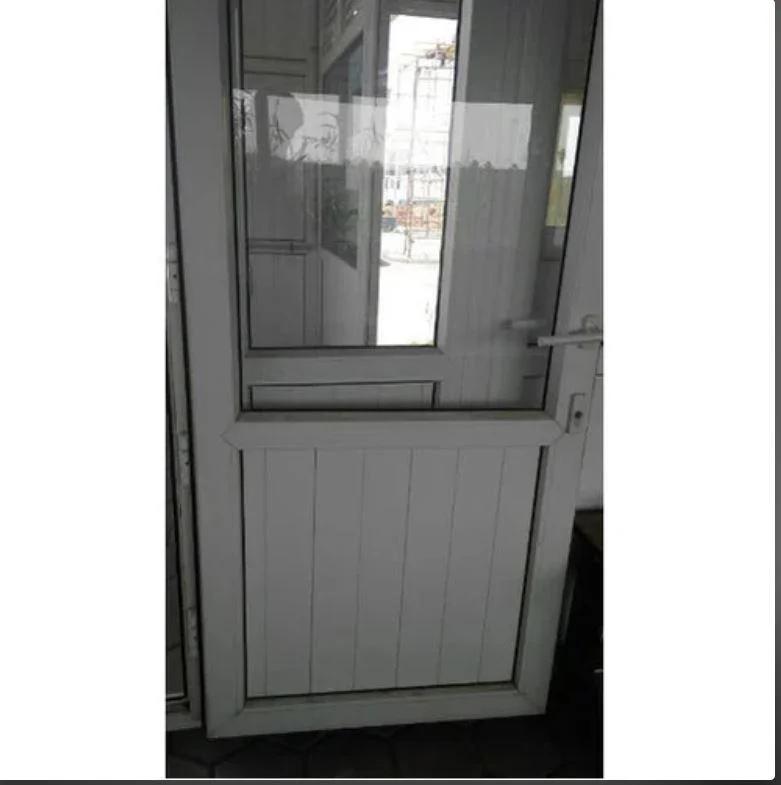
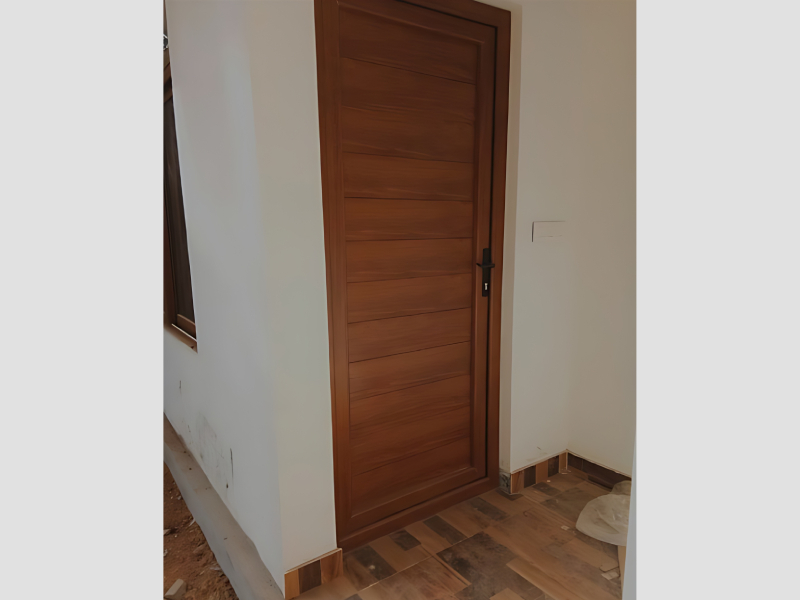
These doors are widely used in residential and commercial settings. They can serve as entry doors, patio doors, and back doors, offering both security and aesthetic appeal. Businesses often choose UPVC doors due to their long lifespan and the minimal upkeep required, which can lead to cost savings over time. The demand for UPVC doors is increasing as more companies look for sustainable and efficient building materials.
In the current market, UPVC doors are gaining traction due to their versatility and attractive features. The construction industry continues to evolve with a focus on energy efficiency and sustainability, positioning UPVC doors as a relevant and favorable option for architects and builders alike.
𝗞𝗲𝘆 𝗙𝗲𝗮𝘁𝘂𝗿𝗲𝘀 𝗮𝗻𝗱 𝗦𝗽𝗲𝗰𝗶𝗳𝗶𝗰𝗮𝘁𝗶𝗼𝗻𝘀
UPVC doors come with numerous features that enhance their performance and appeal. They are designed to meet specific standards that ensure durability, security, and energy efficiency. Below are some key specifications to consider when evaluating UPVC doors.
Key specifications include:
1. Thermal Insulation
- UPVC doors provide excellent thermal insulation, reducing energy costs.
- They can achieve U-values as low as 1.2 W/m²K.
2. Security Features
- Many UPVC doors come with multi-point locking systems for enhanced security.
- They are designed to meet or exceed security standards such as PAS 24.
3. Weather Resistance
- UPVC doors are resistant to extreme weather conditions, including rain and UV rays.
- They do not warp or fade over time, maintaining their appearance.
4. Maintenance Requirements
- UPVC doors require minimal maintenance, typically needing only an occasional clean.
- They do not require painting or sealing, which saves time and money.
5. Aesthetic Options
- Available in various colors and finishes to suit different architectural styles.
- Customizable hardware options to enhance visual appeal.
6. Sound Insulation
- UPVC doors can significantly reduce noise pollution with effective soundproofing.
- Ideal for urban environments where noise is a concern.
7. Fire Resistance
- UPVC materials are inherently fire-resistant, helping to enhance safety.
- They can meet fire safety regulations in many regions.
8. Eco-Friendliness
- UPVC doors are recyclable, contributing to sustainable building practices.
- They are often manufactured using environmentally friendly processes.
In summary, UPVC doors offer a combination of durability, security, and energy efficiency. Their features make them an excellent choice for a variety of applications across different industries.
𝗖𝗼𝗺𝗺𝗼𝗻 𝗔𝗽𝗽𝗹𝗶𝗰𝗮𝘁𝗶𝗼𝗻𝘀 𝗮𝗻𝗱 𝗨𝘀𝗲 𝗖𝗮𝘀𝗲𝘀
UPVC doors are versatile products used in various industries and applications. Their properties make them suitable for numerous environments.
1. Residential Properties: UPVC doors are commonly installed in homes for entry and patio access. Their energy efficiency and security features appeal to homeowners.
2. Commercial Buildings: Many businesses utilize UPVC doors for office entrances and back exits. Their low maintenance and durability are essential for high-traffic areas.
3. Educational Institutions: Schools and universities often choose UPVC doors for their classrooms and administrative buildings due to safety and insulation benefits.
4. Healthcare Facilities: Hospitals and clinics favor UPVC doors for their hygiene and ease of cleaning, contributing to a safe environment.
5. Retail Stores: UPVC doors are frequently used in shops and showrooms, providing secure access and appealing aesthetics.
6. Industrial Facilities: Factories and warehouses use UPVC doors for loading docks and employee entrances, benefiting from their robustness.
7. Hotels and Resorts: These establishments implement UPVC doors in guest rooms and common areas for a blend of style and functionality.
𝗣𝗿𝗼𝗱𝘂𝗰𝘁 𝗩𝗮𝗿𝗶𝗮𝗻𝘁𝘀 𝗮𝗻𝗱 𝗦𝘂𝗯𝗰𝗮𝘁𝗲𝗴𝗼𝗿𝗶𝗲𝘀
UPVC doors come in various styles and designs, catering to diverse customer needs. This diversity allows businesses to choose doors that best fit their specific requirements.
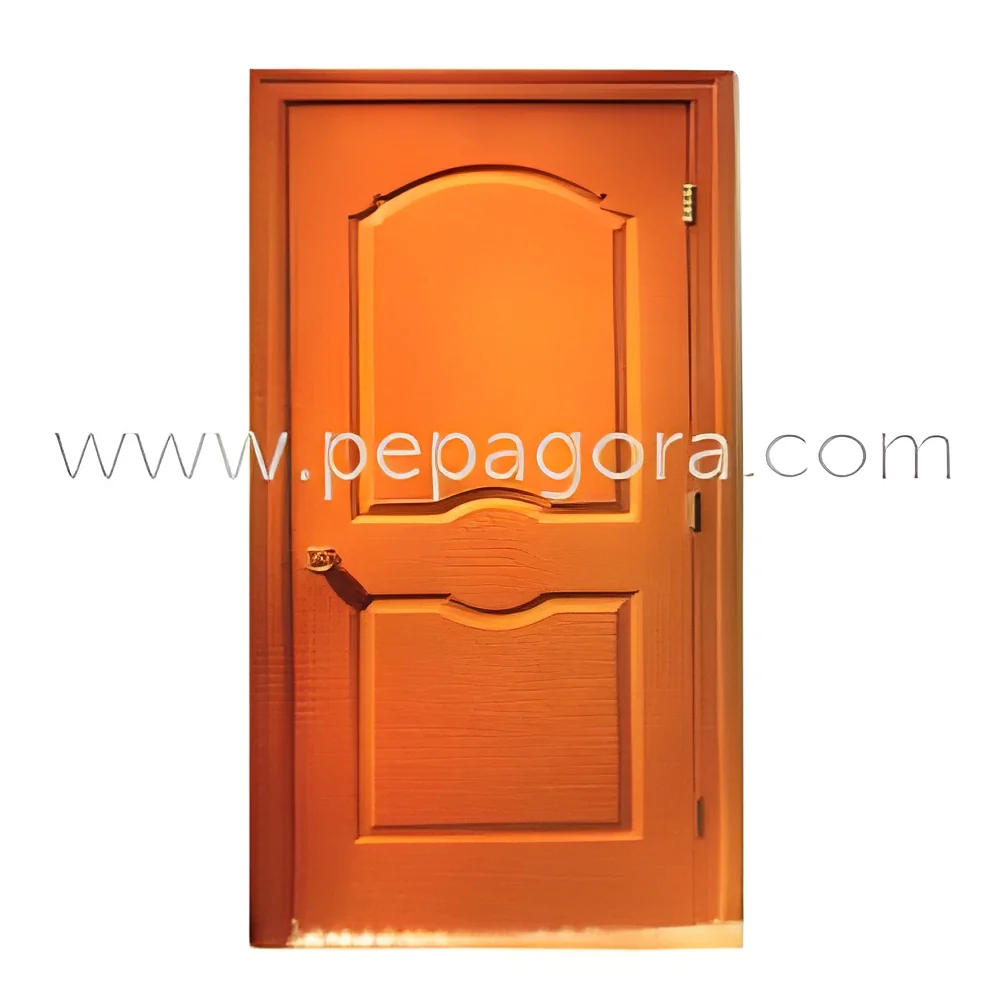
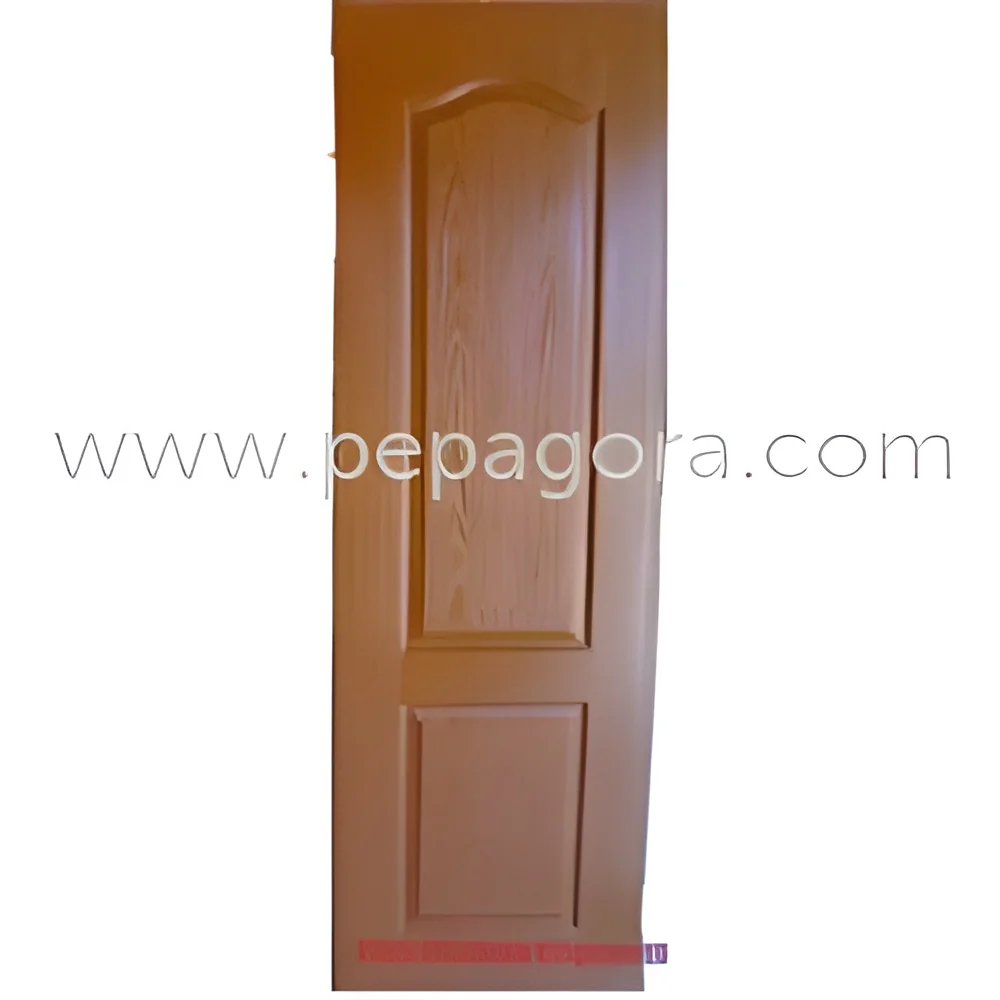
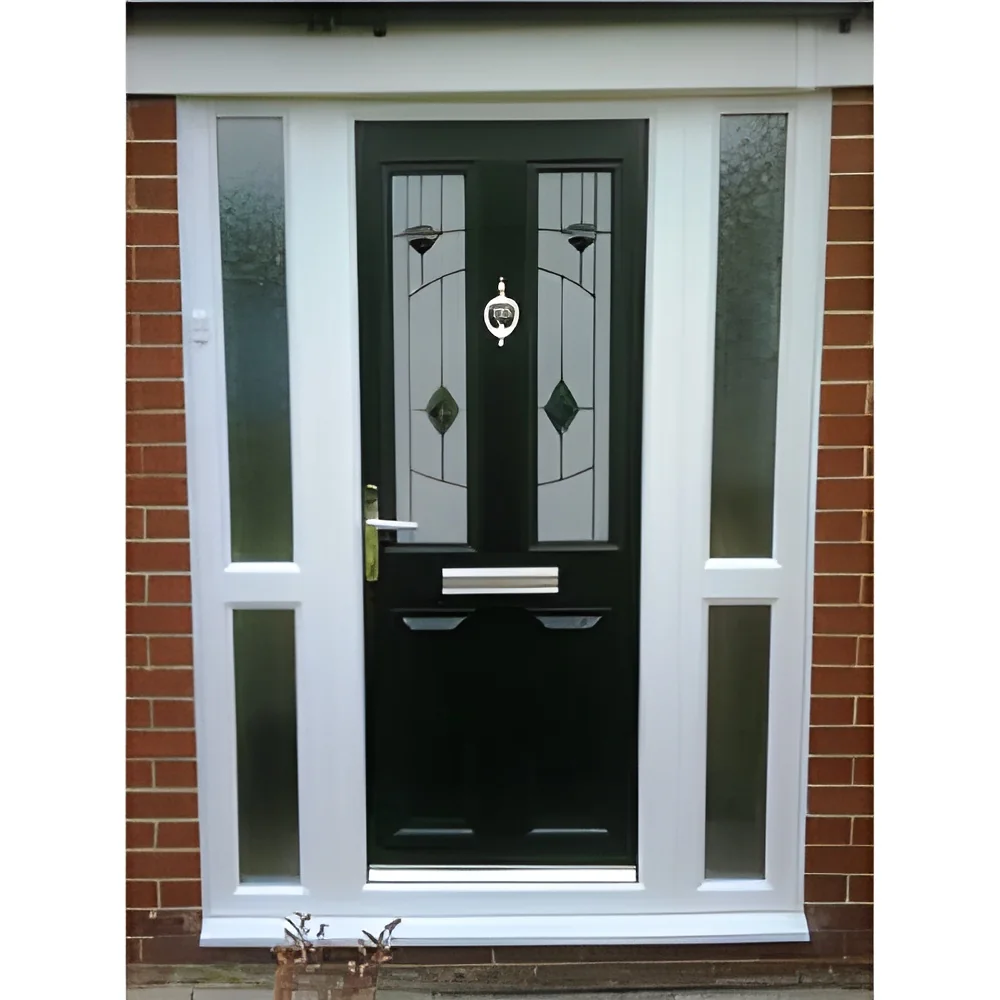
Standard UPVC Doors: These doors are designed for traditional entry and exit points. They offer basic features, such as solid construction and customizable dimensions.
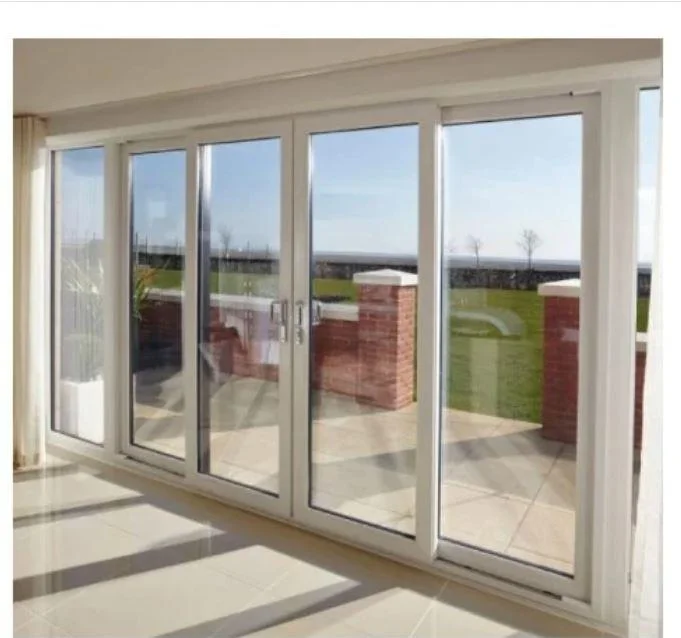
French UPVC Doors: Known for their aesthetic appeal, these double doors open outward, creating a spacious entryway. They are ideal for patios or garden access.
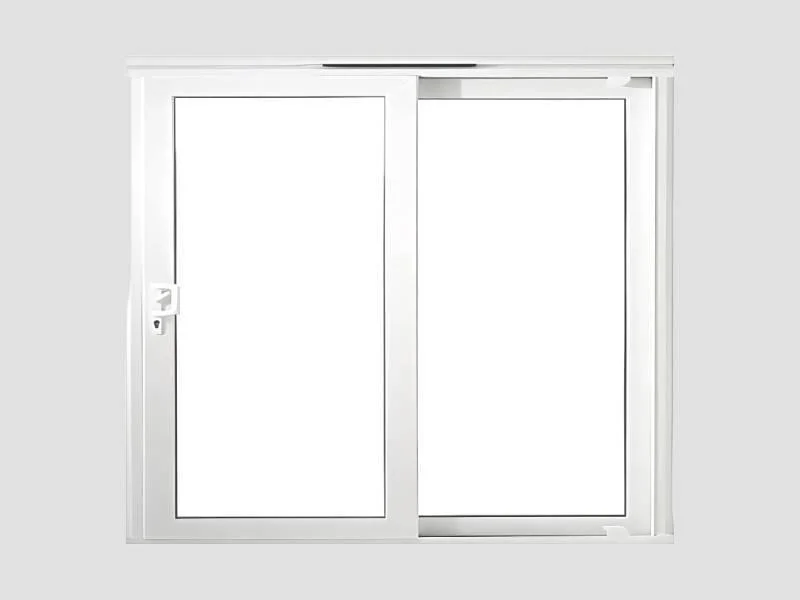
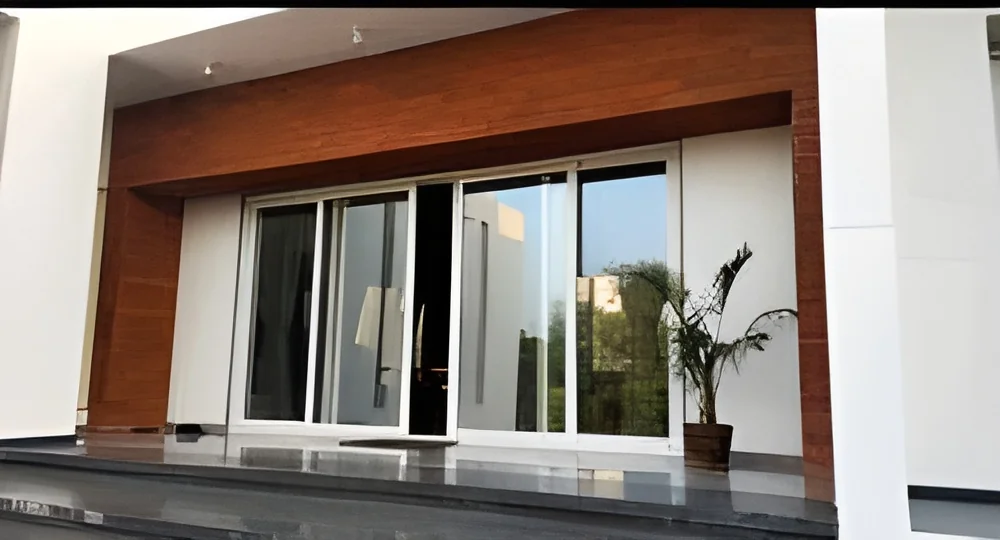
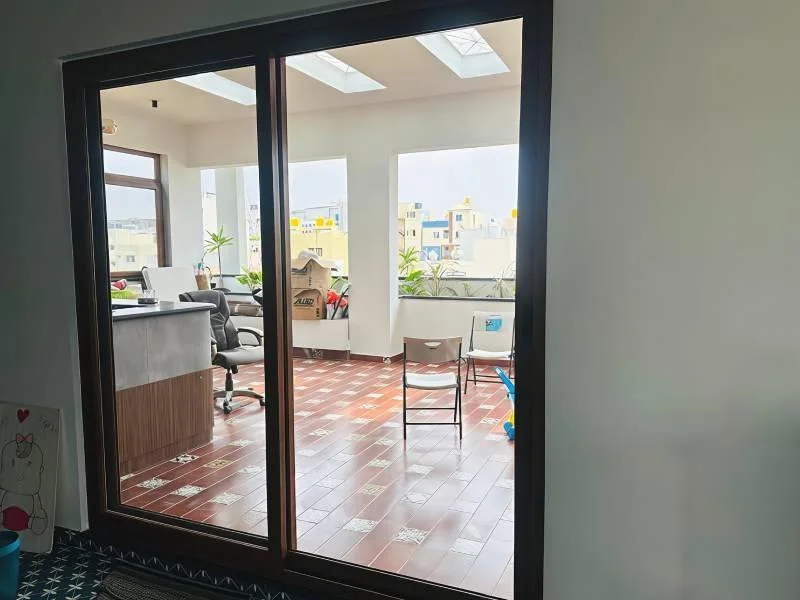
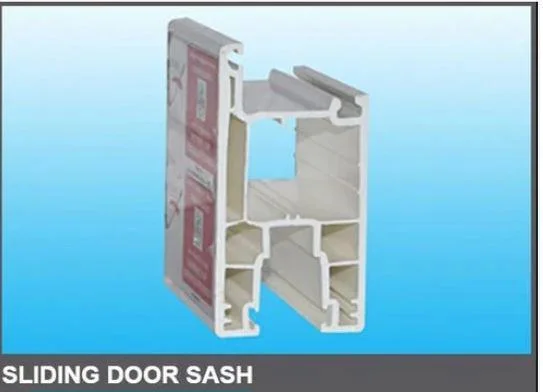
Sliding UPVC Doors: These doors save space and provide seamless access to outdoor areas. They are commonly used in modern homes and commercial spaces.
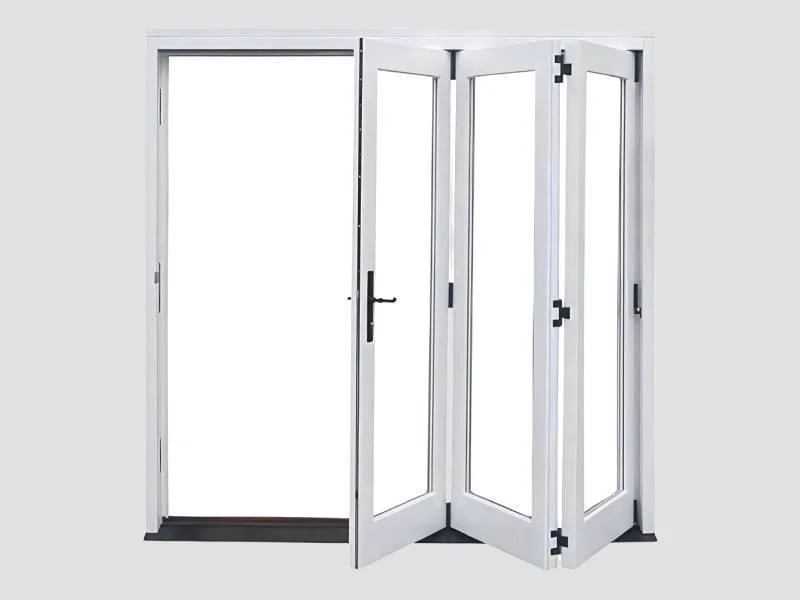
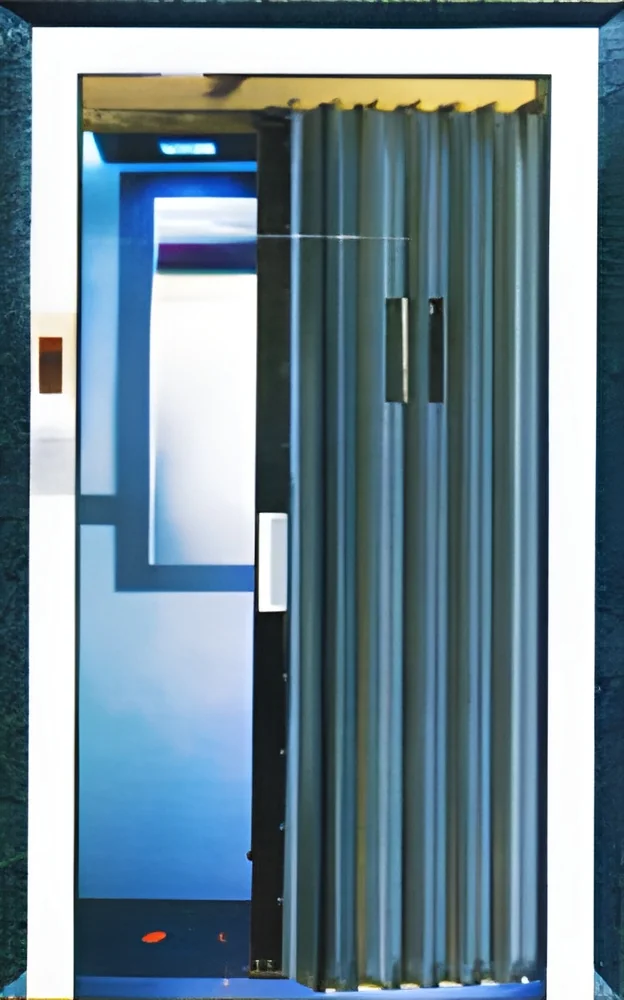
Bi-Fold UPVC Doors: Perfect for creating open spaces, bi-fold doors can be fully opened to connect indoor and outdoor areas. They are ideal for large gatherings and events.
𝗕𝗲𝗻𝗲𝗳𝗶𝘁𝘀 𝗮𝗻𝗱 𝗔𝗱𝘃𝗮𝗻𝘁𝗮𝗴𝗲𝘀
Choosing UPVC doors offers numerous advantages for businesses and homeowners alike. These benefits make them a preferred option in the market.
Key benefits include:
1. Durability: UPVC doors are resistant to wear and tear, ensuring a long lifespan without the need for frequent replacements.
2. Energy Efficiency: Their excellent insulation capabilities help reduce heating and cooling costs, contributing to lower energy bills.
3. Low Maintenance: UPVC doors require minimal upkeep, saving time and money on cleaning and repairs.
4. Enhanced Security: With multi-point locking systems and robust materials, UPVC doors provide superior security against break-ins.
5. Versatile Design: Available in various styles and finishes, UPVC doors can match any architectural theme or personal preference.
6. Eco-Friendly: The recyclable nature of UPVC materials supports sustainable building practices, appealing to environmentally conscious consumers.
𝗕𝘂𝘆𝗶𝗻𝗴 𝗚𝘂𝗶𝗱𝗲 𝗳𝗼𝗿 𝗕𝟮𝗕 𝗕𝘂𝘆𝗲𝗿𝘀
When sourcing UPVC doors for your business, several factors should be considered to ensure you make the right choice.
1. Quality Assessment: Evaluate the quality of materials and construction. Look for certifications and standards that guarantee durability and performance.
2. Supplier Verification: Vet suppliers carefully to ensure they have a solid reputation and can provide reliable products. Check for customer reviews and references.
3. Pricing and MOQ: Understand the pricing structure and minimum order quantities. This helps in budgeting and planning for inventory needs.
4. Delivery and Lead Times: Inquire about delivery schedules and lead times to ensure timely installation and project completion.
5. Compliance Requirements: Ensure that the UPVC doors meet local building regulations and safety standards, which is crucial for legal compliance.
𝗖𝗼𝗺𝗽𝗹𝗶𝗮𝗻𝗰𝗲 𝗮𝗻𝗱 𝗖𝗲𝗿𝘁𝗶𝗳𝗶𝗰𝗮𝘁𝗶𝗼𝗻𝘀
UPVC doors must adhere to specific quality standards and certifications to ensure safety and reliability. Compliance with recognized standards like ISO 9001 is essential for manufacturers to demonstrate their commitment to quality management.
In addition to ISO 9001, UPVC doors often carry the CE mark, indicating compliance with European safety and environmental standards. This certification ensures that the products meet essential health and safety requirements.
Safety and testing requirements are critical for UPVC doors, especially in commercial and industrial applications. Testing for fire resistance, impact resistance, and thermal performance are common practices.
Regional compliance considerations may vary, so it is important for buyers to understand local regulations regarding building materials and safety standards in their specific area.
𝗪𝗵𝘆 𝗦𝗼𝘂𝗿𝗰𝗲 𝗨𝗣𝗩𝗖 𝗗𝗼𝗼𝗿𝘀 𝗳𝗿𝗼𝗺 𝗣𝗲𝗽𝗮𝗴𝗼𝗿𝗮?
Pepagora offers a trusted platform for sourcing UPVC doors, providing several key advantages for B2B buyers.
Verified Supplier Network: Pepagora has established a network of verified suppliers, ensuring that buyers can access high-quality products from reputable manufacturers.
Streamlined RFQ Process: The request for quotation (RFQ) process is designed to be straightforward, allowing buyers to receive competitive quotes efficiently.
Trade Assurance and Support: Pepagora provides trade assurance, offering buyer protection and support throughout the purchasing process. This adds an extra layer of confidence for businesses.
Regional Coverage: With a geographic reach that includes India, the GCC, and Southeast Asia, Pepagora connects buyers with suppliers across multiple regions, enhancing accessibility to UPVC doors.
UPVC Doors are doors made from Unplasticized Polyvinyl Chloride (UPVC), a durable and low-maintenance material. They are commonly used in residential and commercial buildings due to their energy efficiency, weather resistance, and sound insulation properties.
2
What are the different types of UPVC Doors?
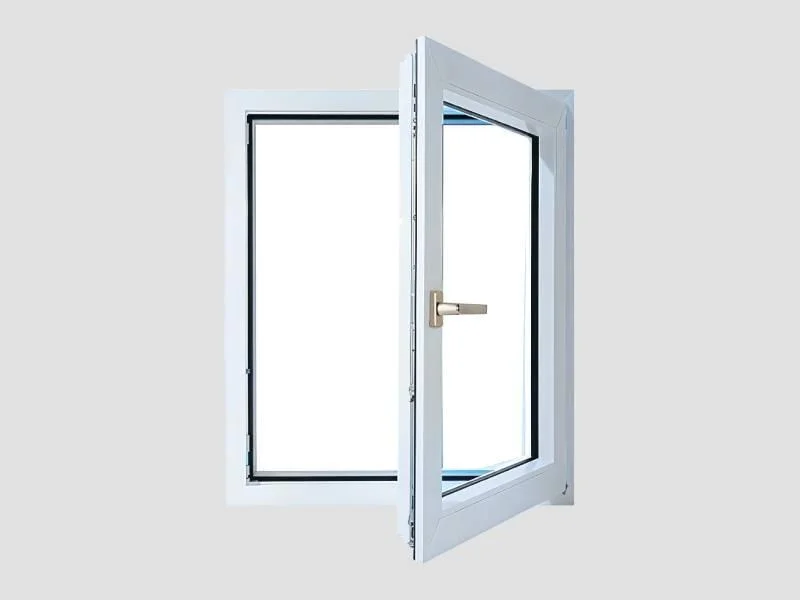
The different types of UPVC Doors include sliding doors, casement doors, French doors, and bi-fold doors. Each type offers distinct functionalities and aesthetic options, catering to various architectural needs and preferences.
3
How do I choose the right UPVC Doors?
To choose the right UPVC Doors, consider factors such as the door's design, thermal insulation properties, security features, and size. Additionally, evaluating the manufacturer's reputation and warranty options can help ensure a satisfactory purchase.
4
What are the standard specifications for UPVC Doors?
Standard specifications for UPVC Doors typically include dimensions, frame thickness, glazing options, and security features such as multi-point locking systems. Compliance with relevant building codes and standards is also essential for ensuring quality.
5
What is the price range for UPVC Doors?
The price range for UPVC Doors can vary significantly based on factors such as size, design, and customization options. Generally, prices can start from around ₹3,000 and go up to ₹15,000 or more per door, depending on the specifications.
6
What quality standards apply to UPVC Doors?
UPVC Doors must adhere to quality standards such as IS 14351 for performance and durability. Additionally, they should meet safety and environmental regulations to ensure they are suitable for use in various applications.
7
Where can I find UPVC Doors suppliers in India?
You can find UPVC Doors suppliers in India through online B2B marketplaces, trade directories, or industry expos. Websites like Pepagora.com also provide a platform to connect with reputable manufacturers and suppliers.
8
Can UPVC Doors be customized?
Yes, UPVC Doors can be customized in terms of size, color, design, and glazing options. Many manufacturers offer tailored solutions to meet specific customer requirements and preferences.
9
What is the typical minimum order quantity for UPVC Doors?
The typical minimum order quantity (MOQ) for UPVC Doors varies by supplier but generally ranges from 10 to 50 units. It's advisable to confirm the MOQ with the manufacturer or supplier before placing an order.
10
What is the typical lead time for UPVC Doors?
The typical lead time for UPVC Doors can range from 2 to 6 weeks, depending on factors such as customization requirements and supplier capacity. It's best to discuss lead times with the supplier at the time of order placement.
Why Businesses Trust Pepagora
Thousands of companies trust Pepagora to source smarter and sell faster
Expand Your Sales Globally
25000+Products listed.Get discovered by global buyers

 IN
IN