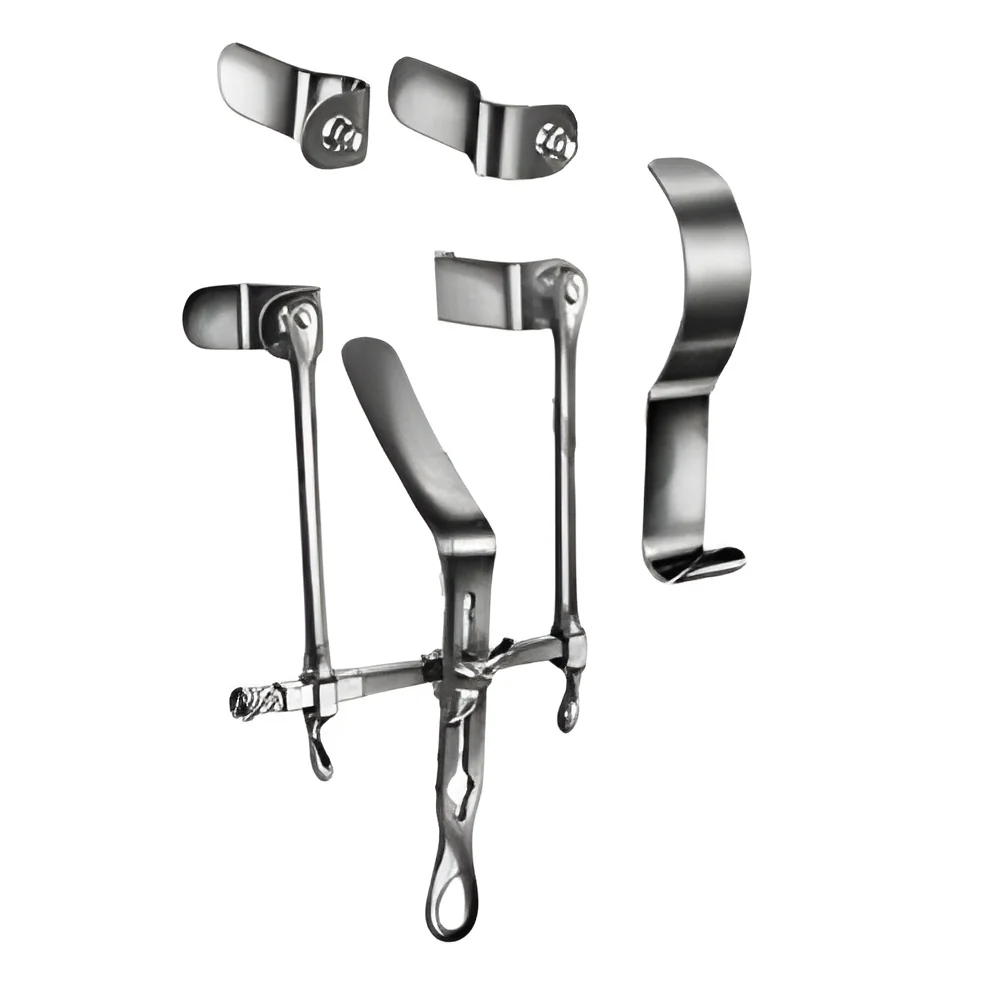
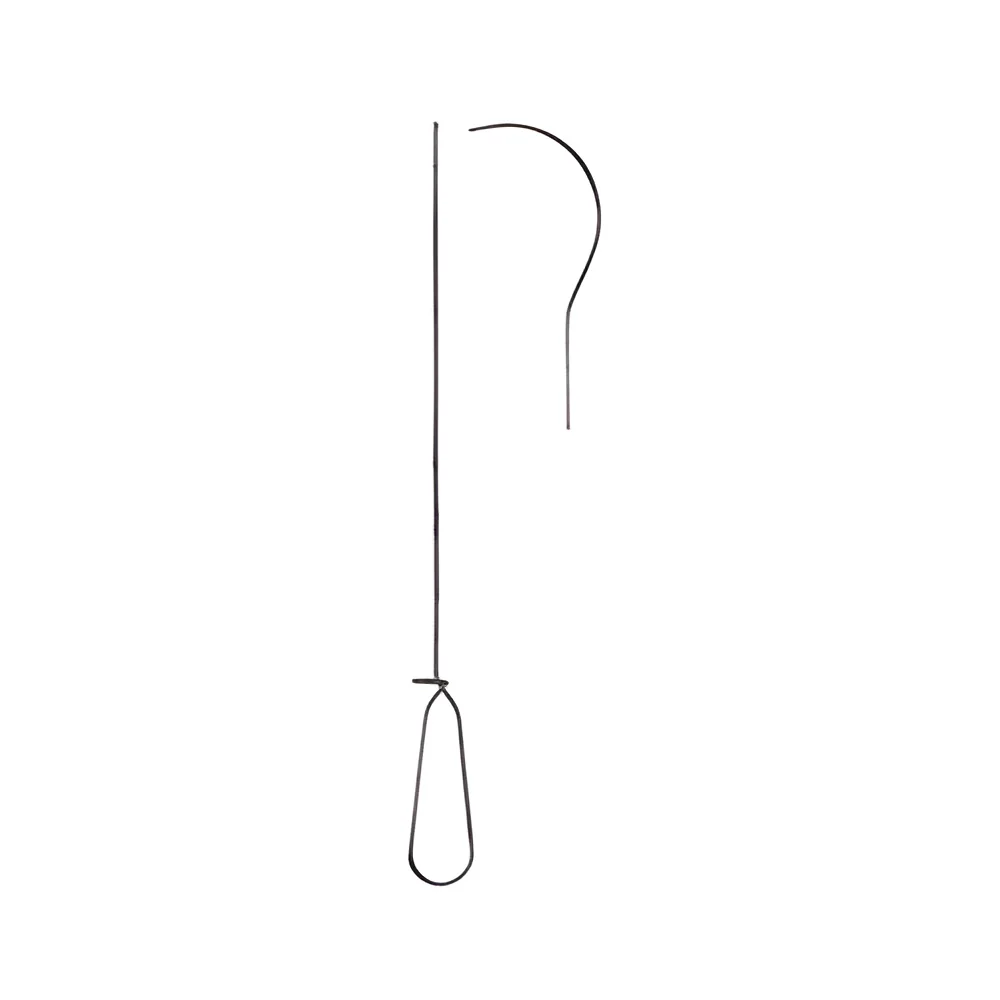
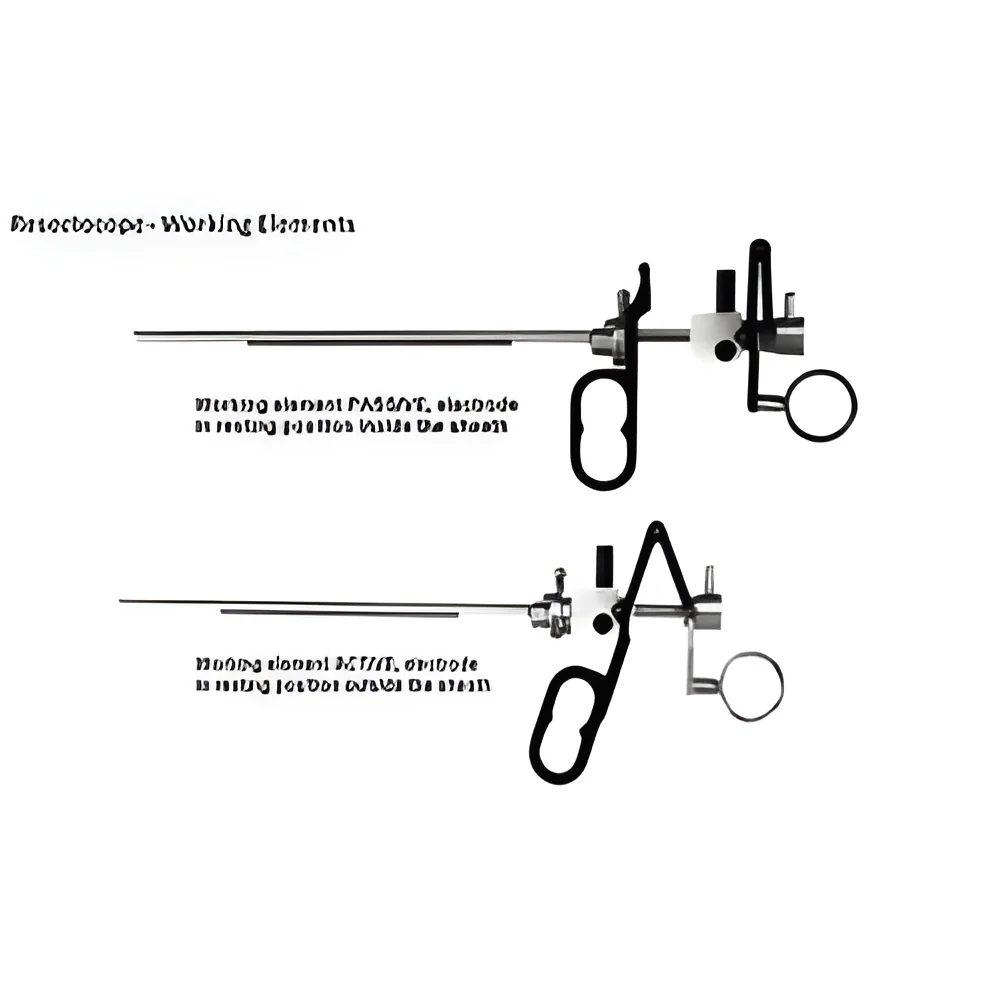
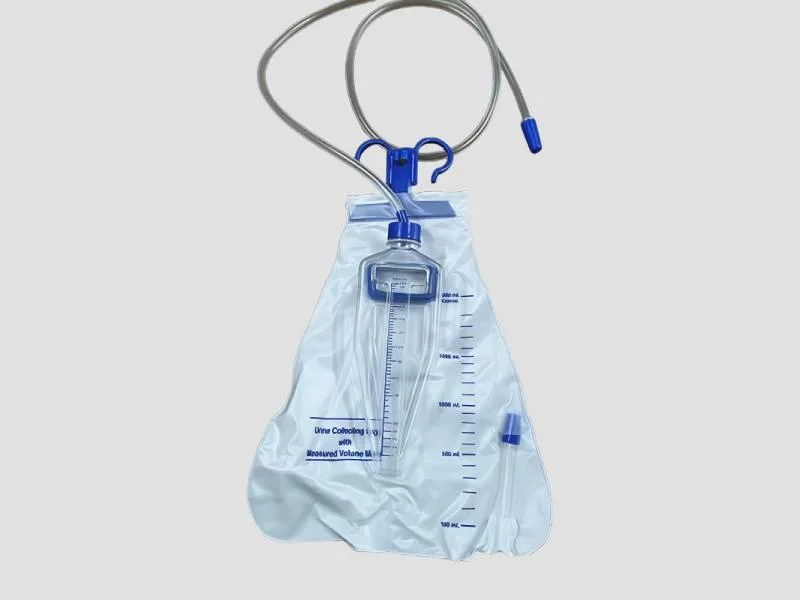
𝗪𝗵𝗮𝘁 𝗮𝗿𝗲 𝗨𝗿𝗼𝗹𝗼𝗴𝘆 𝗦𝘂𝗿𝗴𝗶𝗰𝗮𝗹 𝗜𝗻𝘀𝘁𝗿𝘂𝗺𝗲𝗻𝘁𝘀?
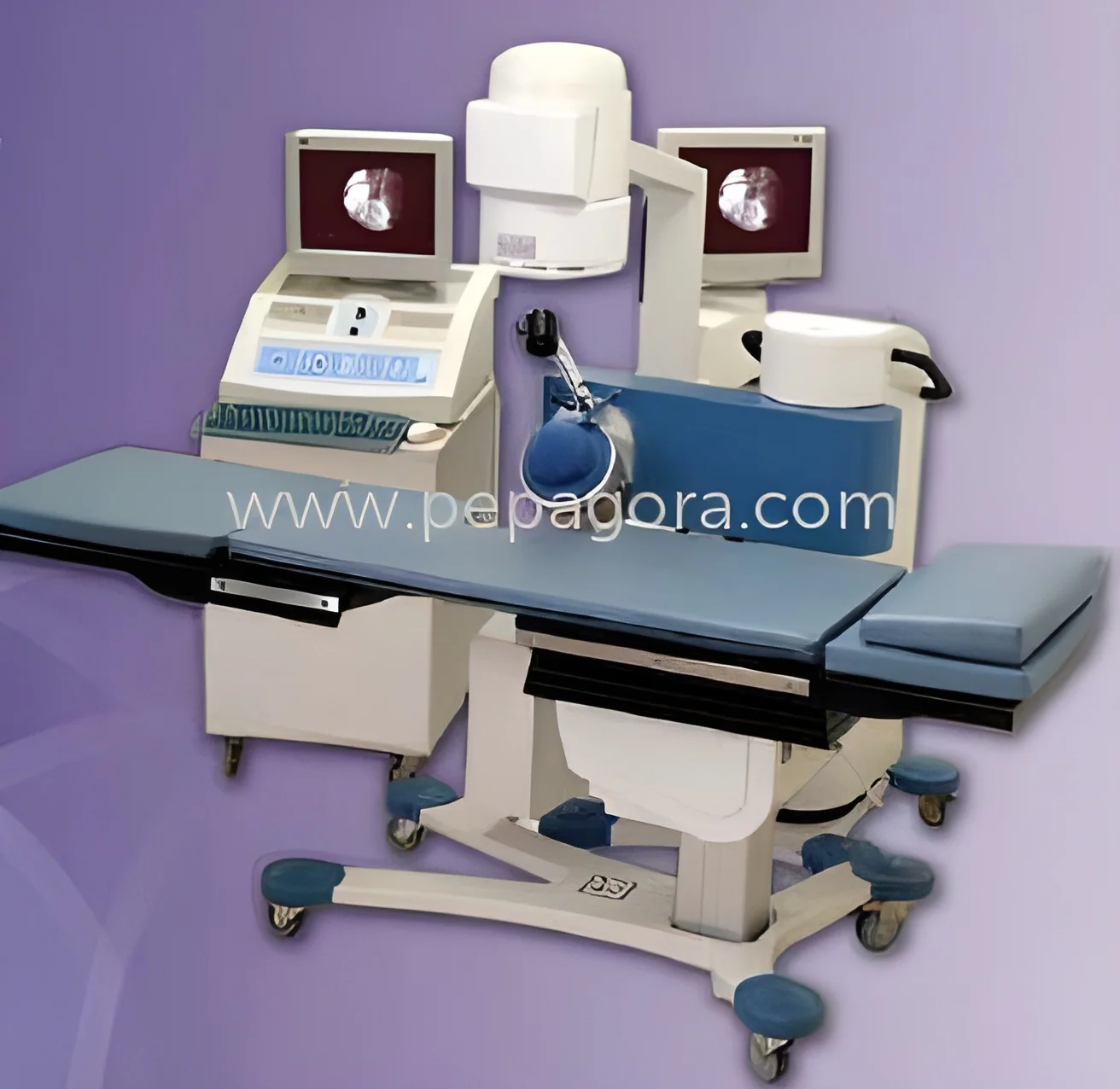
Urology surgical instruments are specialized tools designed for procedures related to the urinary tract and male reproductive system. These instruments are critical in both diagnostic and therapeutic urological procedures. They range from basic hand-held tools to complex electronic devices, all aimed at providing precision and efficiency during surgeries.
These instruments are primarily utilized in hospitals, outpatient surgical centers, and urology clinics. They assist surgeons in performing tasks such as cutting, suturing, grasping, and visualizing internal structures. Urology surgical instruments play a vital role in various procedures, including cystectomy, prostatectomy, and minimally invasive surgeries. The growing prevalence of urological disorders and the rise in surgical interventions have increased the demand for these instruments, making them a significant segment of the medical equipment market.
As the urology field continues to evolve with technological advancements, the market for urology surgical instruments remains robust. Innovations such as robotic-assisted surgery and improvements in materials and ergonomics are reshaping the landscape. Consequently, healthcare providers are seeking high-quality, reliable instruments to enhance patient outcomes while ensuring operational efficiency.
𝗞𝗲𝘆 𝗙𝗲𝗮𝘁𝘂𝗿𝗲𝘀 𝗮𝗻𝗱 𝗦𝗽𝗲𝗰𝗶𝗳𝗶𝗰𝗮𝘁𝗶𝗼𝗻𝘀
Urology surgical instruments are designed with specific features and specifications that enhance their functionality and usability. These specifications ensure that the instruments meet the clinical needs of urologists while adhering to safety standards.
Key specifications include:
1. Material Composition
- Instruments are typically made from high-quality stainless steel.
- This material offers durability, resistance to corrosion, and ease of sterilization.
2. Design Ergonomics
- Instruments are designed to provide a comfortable grip for surgeons.
- Ergonomic designs reduce hand fatigue during prolonged procedures.
3. Sterilization Compatibility
- Instruments can withstand high-temperature sterilization processes.
- Ensures compliance with hygiene standards in medical settings.
4. Size Variability
- Instruments are available in various sizes to accommodate different surgical needs.
- Specialized tools may be designed for pediatric or adult patients.
5. Precision Engineering
- Instruments feature finely crafted tips for enhanced accuracy.
- This precision is crucial for delicate urological procedures.
6. Weight Considerations
- Instruments are designed to be lightweight for ease of handling.
- Reduces strain on the surgeon during extended use.
7. Functionality Range
- Instruments serve multiple functions, such as cutting, grasping, and cauterizing.
- Versatile tools can adapt to different surgical techniques.
8. Sterility Assurance
- Instruments are packaged in sterile conditions for immediate use.
- Ensures patient safety and compliance with surgical protocols.
In summary, the key features and specifications of urology surgical instruments focus on durability, precision, and usability, making them essential for successful surgical outcomes.
𝗖𝗼𝗺𝗺𝗼𝗻 𝗔𝗽𝗽𝗹𝗶𝗰𝗮𝘁𝗶𝗼𝗻𝘀 𝗮𝗻𝗱 𝗨𝘀𝗲 𝗖𝗮𝘀𝗲𝘀
Urology surgical instruments find applications across various medical fields. These tools are integral to multiple specialties and procedures.
1. Hospitals: Urology surgical instruments are widely used in hospitals for both emergency and elective surgeries, including prostatectomies and nephrectomies.
2. Outpatient Surgical Centers: These instruments facilitate minimally invasive procedures, reducing recovery time and hospital stays for patients.
3. Urology Clinics: Instruments are employed in diagnostic procedures such as cystoscopy, allowing for the examination of the bladder and urethra.
4. Research Institutions: Urology instruments are utilized in clinical research to study urological disorders and develop new treatments.
5. Medical Education: Surgical instruments are essential in training programs for urology residents, enabling hands-on learning experiences.
6. Veterinary Medicine: Urology instruments are also used in veterinary practices for similar procedures in animals.
7. Telemedicine: With the rise of telehealth, instruments are being adapted for remote consultations and surgeries, enhancing access to care.
𝗣𝗿𝗼𝗱𝘂𝗰𝘁 𝗩𝗮𝗿𝗶𝗮𝗻𝘁𝘀 𝗮𝗻𝗱 𝗦𝘂𝗯𝗰𝗮𝘁𝗲𝗴𝗼𝗿𝗶𝗲𝘀
Urology surgical instruments encompass a diverse range of products tailored to specific surgical needs. This diversity enables healthcare providers to select instruments best suited for their procedures.
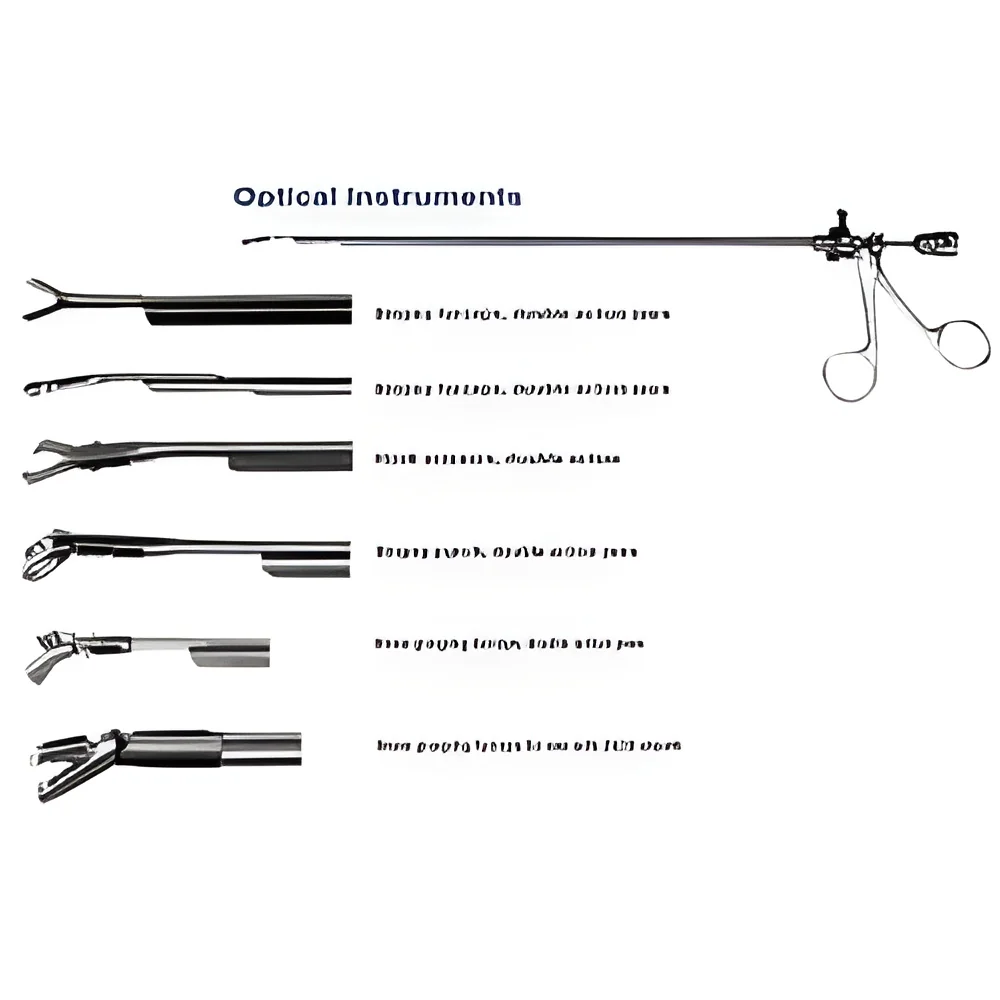
Resectoscopes
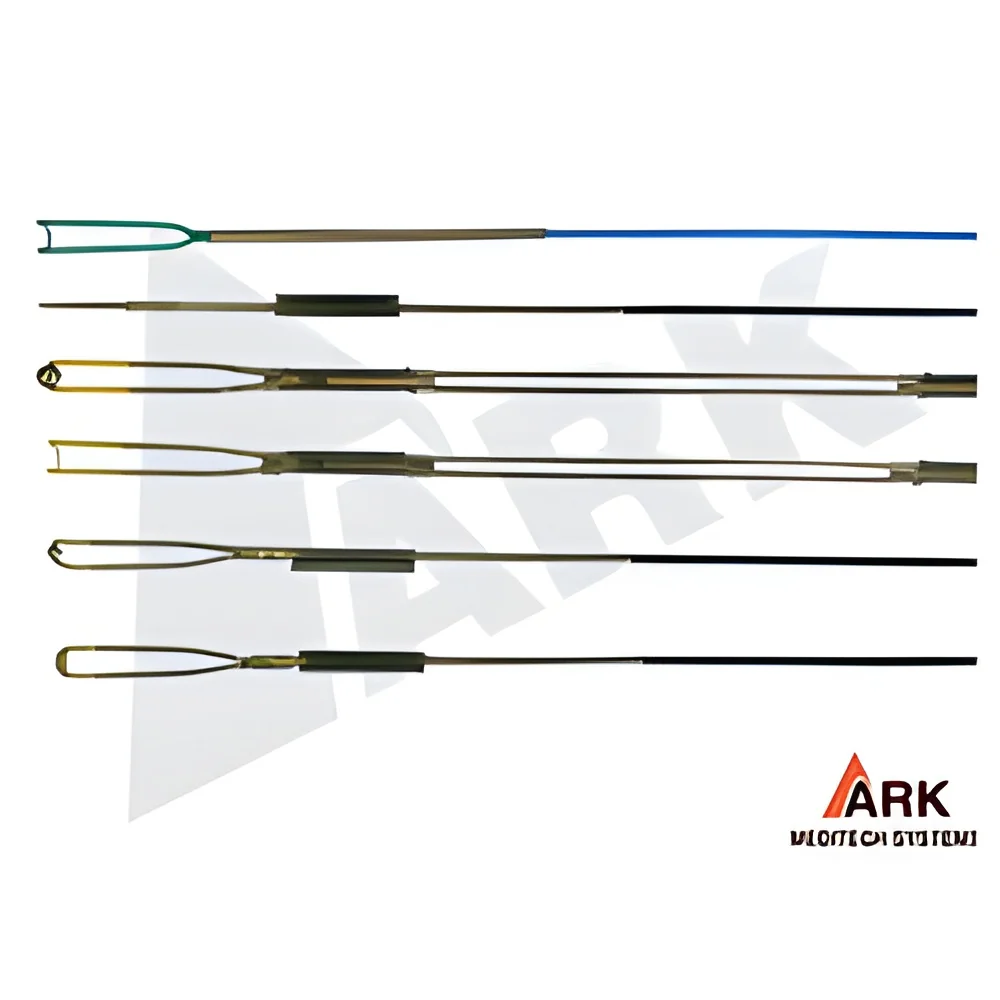
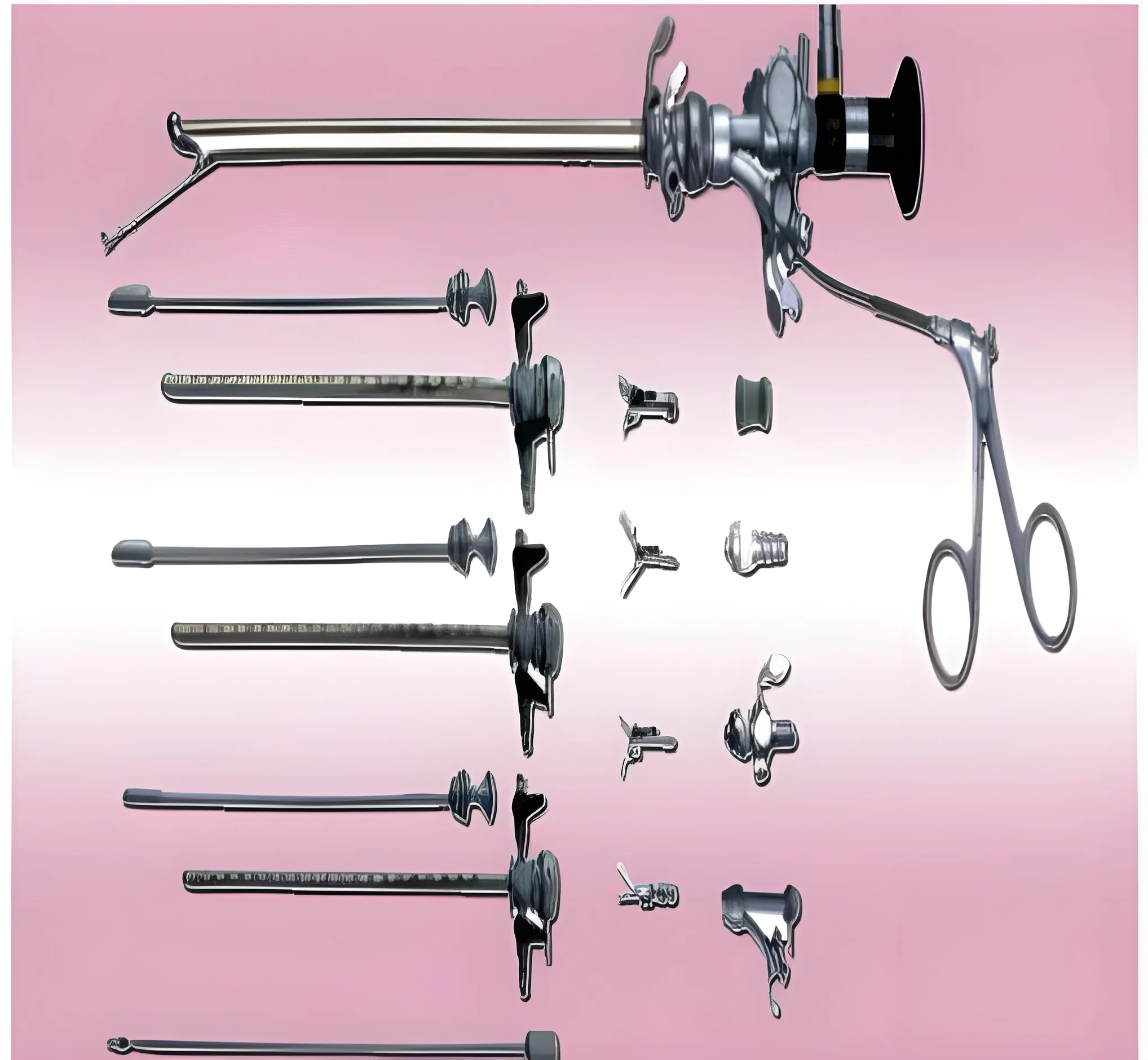
Resectoscopes are specialized instruments used for surgeries within the bladder and prostate. They allow for the removal of tissue through a minimally invasive approach, providing surgeons with enhanced visibility and control.
Cystoscopes
Cystoscopes are used for examining the bladder and urethra. These endoscopic instruments can help detect abnormalities, perform biopsies, and assist in various diagnostic procedures.
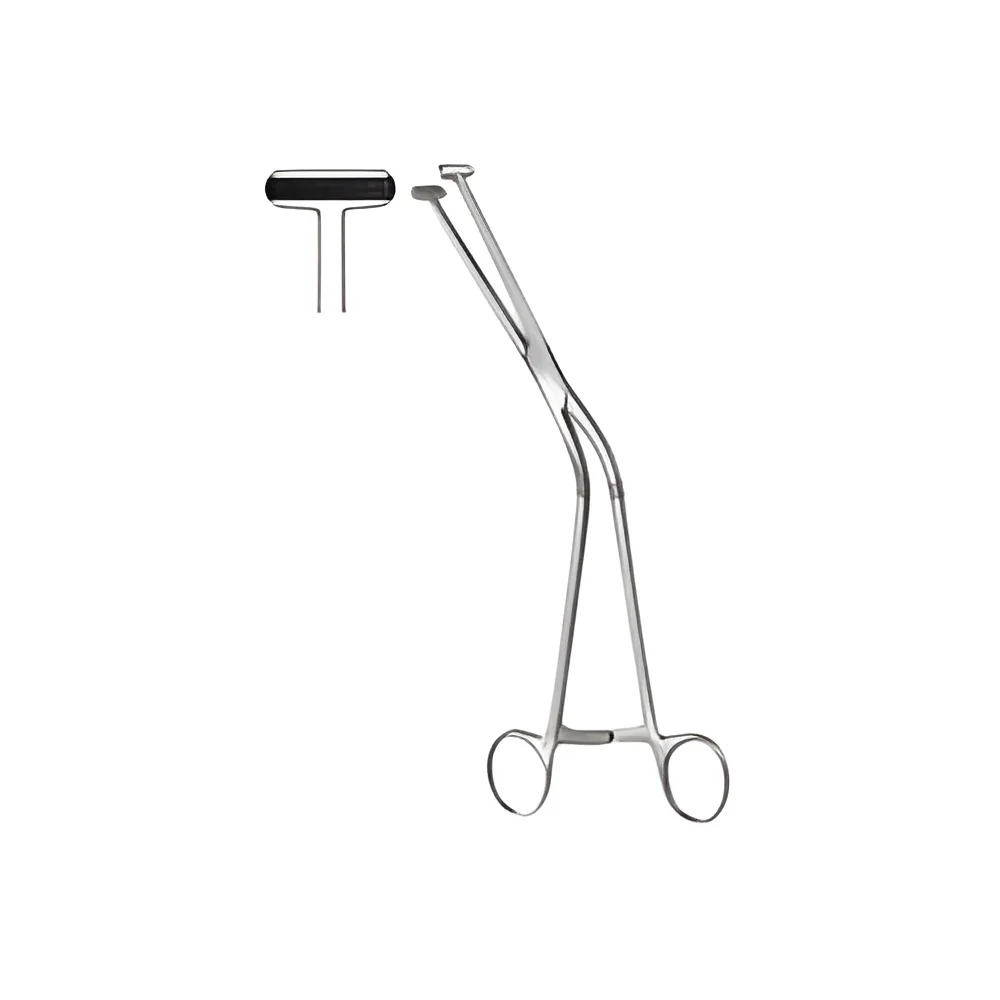
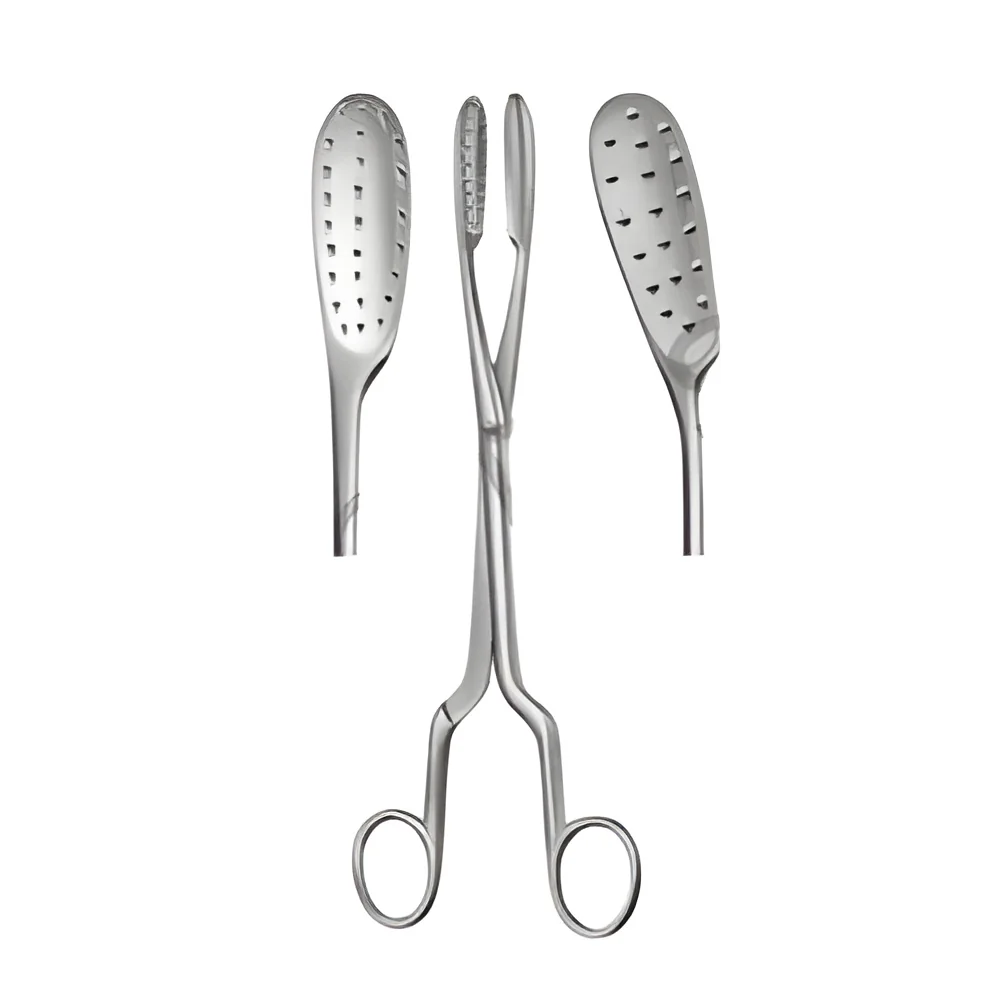
Forceps
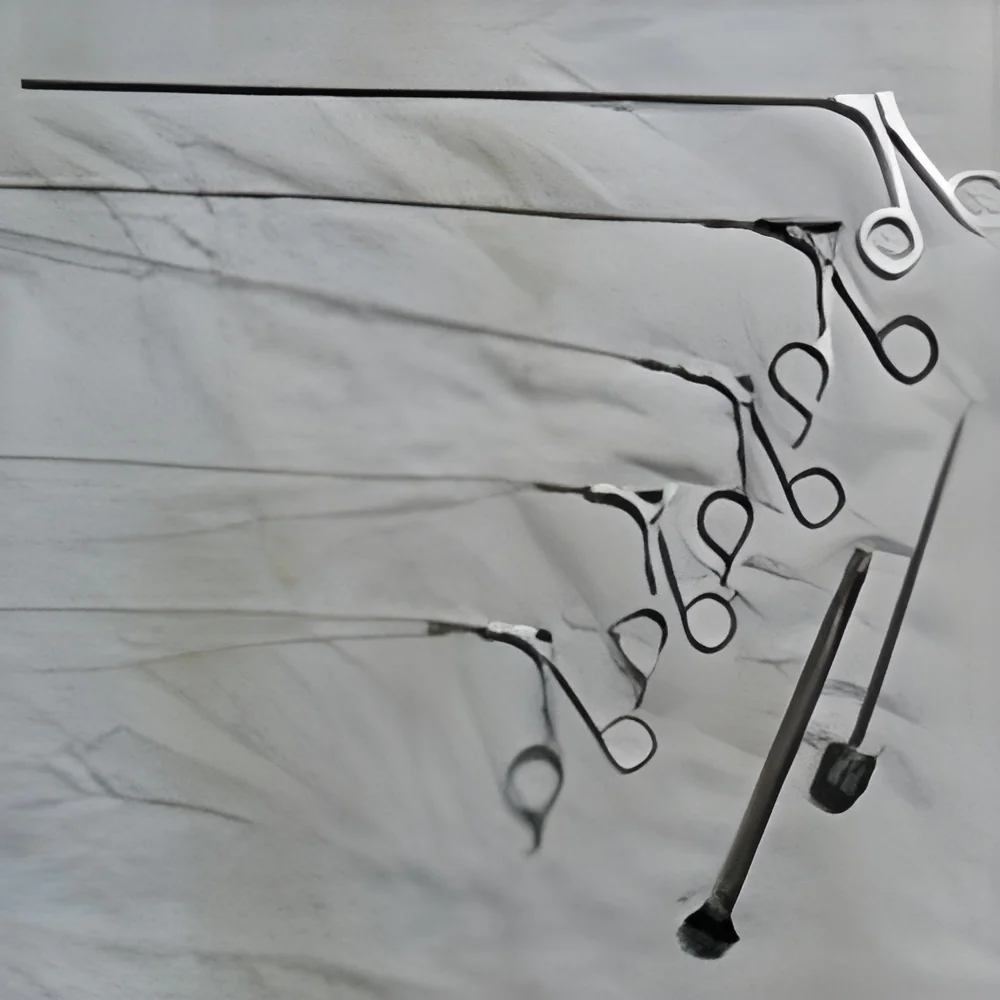
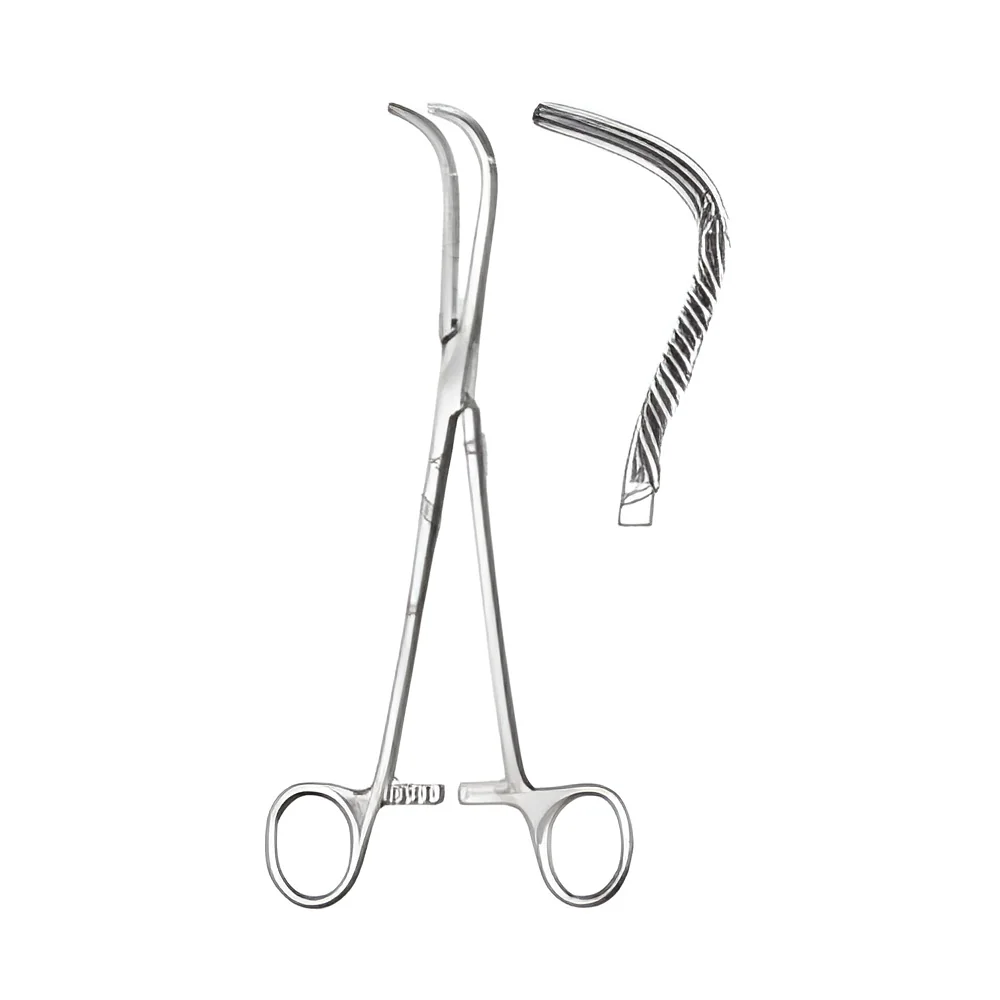
Urological forceps are versatile instruments employed for grasping, holding, and manipulating tissues during surgeries. They come in various designs, each tailored for specific urological tasks.
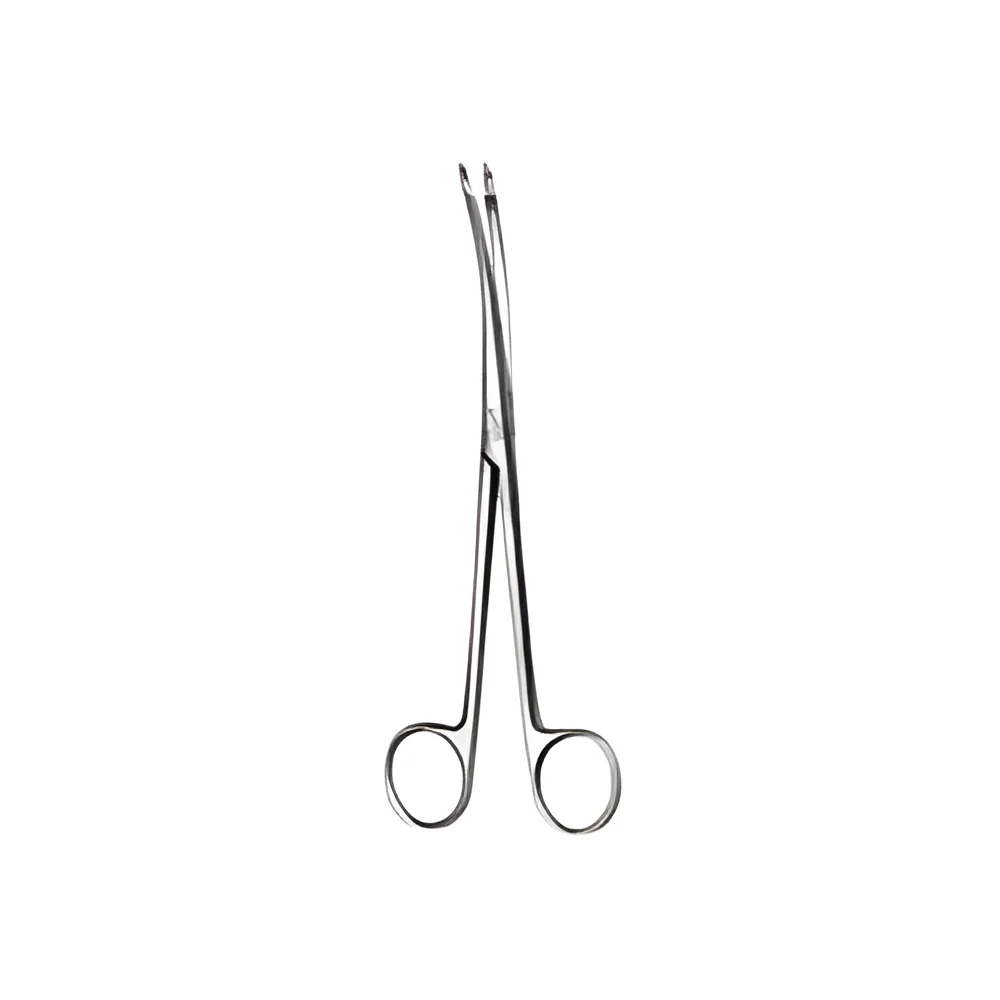
Scissors
Urology-specific scissors are designed for cutting delicate tissues. Their precision blades allow surgeons to navigate complex anatomical structures with ease.
𝗕𝗲𝗻𝗲𝗳𝗶𝘁𝘀 𝗮𝗻𝗱 𝗔𝗱𝘃𝗮𝗻𝘁𝗮𝗴𝗲𝘀
Urology surgical instruments offer several advantages that contribute to successful surgical outcomes. Their design and functionality enhance the efficiency of surgical procedures.
Key benefits include:
1. Enhanced Precision: Instruments designed for specific urological tasks ensure high accuracy, minimizing the risk of complications during surgeries.
2. Improved Patient Outcomes: The use of high-quality instruments translates into better surgical results and faster recovery times for patients.
3. Ergonomic Design: Instruments that prioritize comfort reduce surgeon fatigue, allowing for more extended procedures without compromising performance.
4. Versatility: Many urology instruments serve multiple functions, allowing for a broader range of procedures without the need for multiple tools.
5. High Durability: Made from robust materials, these instruments withstand repeated use and sterilization, ensuring longevity and reliability.
6. Compliance with Standards: Instruments that meet industry standards promote safety and effectiveness, reassuring both surgeons and patients.
𝗕𝘂𝘆𝗶𝗻𝗴 𝗚𝘂𝗶𝗱𝗲 𝗳𝗼𝗿 𝗕𝟮𝗕 𝗕𝘂𝘆𝗲𝗿𝘀
When sourcing urology surgical instruments, it is essential to consider various factors that influence the purchasing decision. This ensures that you acquire the best products for your clinical needs.
1. Quality Assessment: Evaluate instruments based on material quality, design, and manufacturer reputation. Look for products that comply with recognized industry standards.
2. Supplier Verification: Vet suppliers through background checks and reviews to ensure they have a proven track record in providing reliable surgical instruments.
3. Pricing and MOQ: Consider the cost of instruments and the minimum order quantities. Balance budget considerations with the need for high-quality tools.
4. Delivery and Lead Times: Understand the logistics involved in acquiring instruments. Assess suppliers' lead times to ensure timely delivery for your medical facility.
5. Compliance Requirements: Ensure that the instruments meet necessary regulatory standards and certifications, such as CE marking, to guarantee safety and efficacy.
𝗖𝗼𝗺𝗽𝗹𝗶𝗮𝗻𝗰𝗲 𝗮𝗻𝗱 𝗖𝗲𝗿𝘁𝗶𝗳𝗶𝗰𝗮𝘁𝗶𝗼𝗻𝘀
Urology surgical instruments must adhere to stringent quality standards and industry regulations to ensure safety and efficacy. Compliance with these standards is crucial for manufacturers and suppliers in the medical field.
Relevant quality standards, such as ISO 9001, ensure that manufacturers maintain consistent quality management systems. This standard is essential for production processes, ensuring that instruments are manufactured under controlled conditions.
Additionally, compliance with the CE marking indicates that the instruments meet European safety and health requirements. This certification is vital for products sold in European markets and reassures buyers of their quality and safety.
Safety and testing requirements involve rigorous assessments to ensure that instruments can withstand sterilization processes and remain safe for patient use. Manufacturers must conduct thorough testing to demonstrate their products' reliability and functionality.
Regional compliance considerations may vary, with specific regulations applicable in different countries. It is essential for buyers to understand the local requirements to ensure that the instruments they source comply with applicable laws and standards.
𝗪𝗵𝘆 𝗦𝗼𝘂𝗿𝗰𝗲 𝗨𝗿𝗼𝗹𝗼𝗴𝘆 𝗦𝘂𝗿𝗴𝗶𝗰𝗮𝗹 𝗜𝗻𝘀𝘁𝗿𝘂𝗺𝗲𝗻𝘁𝘀 𝗳𝗿𝗼𝗺 𝗣𝗲𝗽𝗮𝗴𝗼𝗿𝗮?
Pepagora provides a trusted platform for sourcing urology surgical instruments, offering numerous advantages to B2B buyers.
Verified Supplier Network: Pepagora connects buyers with a network of verified suppliers who have undergone thorough vetting processes. This ensures that you partner with reputable manufacturers committed to quality and reliability.
Streamlined RFQ Process: The platform simplifies the request for quotation process, allowing buyers to easily compare prices and features. This efficiency helps in making informed purchasing decisions quickly.
Trade Assurance and Support: Pepagora offers trade assurance, which protects buyers from potential issues during transactions. This support provides peace of mind when sourcing critical surgical instruments.
Regional Coverage: With a strong presence in regions like India, the GCC, and Southeast Asia, Pepagora caters to a broad geographical market. This regional coverage enables buyers to access a diverse range of products tailored to their specific needs.
In summary, Pepagora stands out as a reliable partner for sourcing urology surgical instruments, providing the necessary tools to enhance surgical practices and improve patient outcomes.
Urology Surgical Instruments are specialized tools used in surgical procedures related to the urinary tract and male reproductive organs. These instruments assist surgeons in diagnosing, treating, and performing surgeries for various urological conditions.
2
What are the different types of Urology Surgical Instruments?
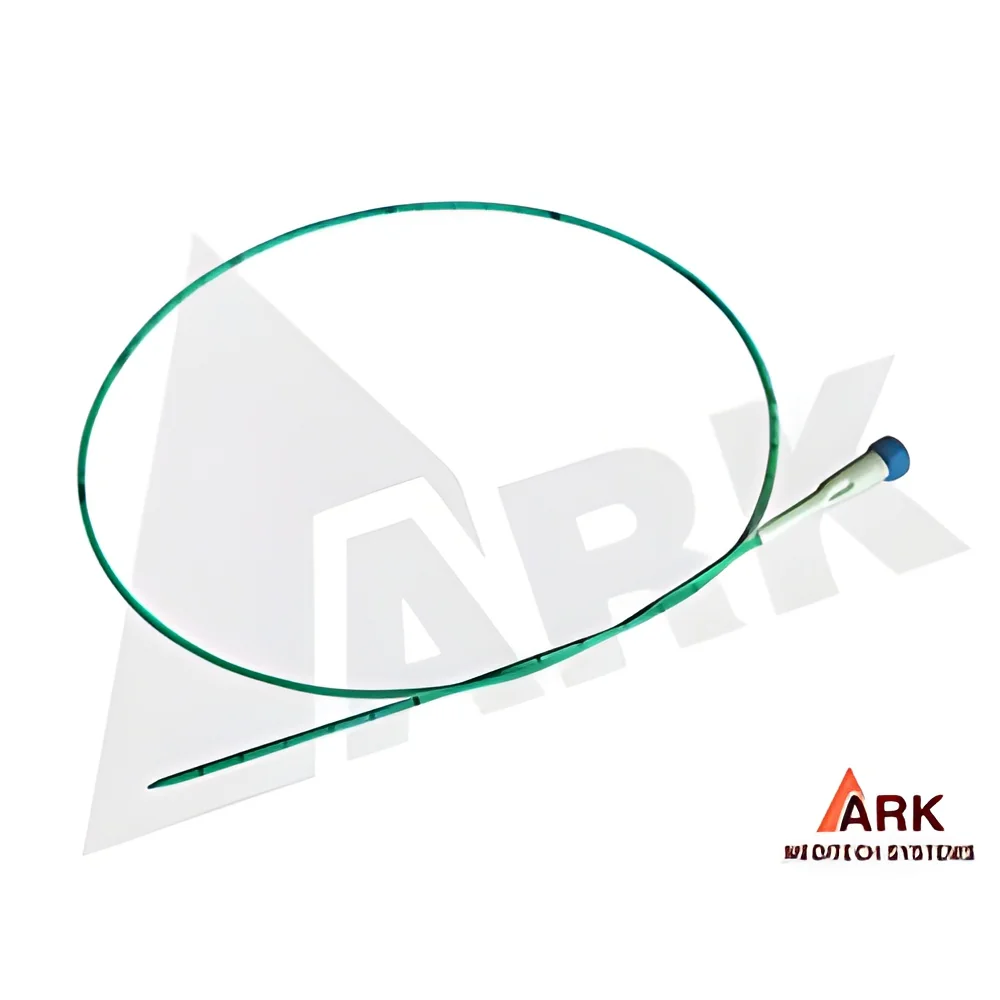
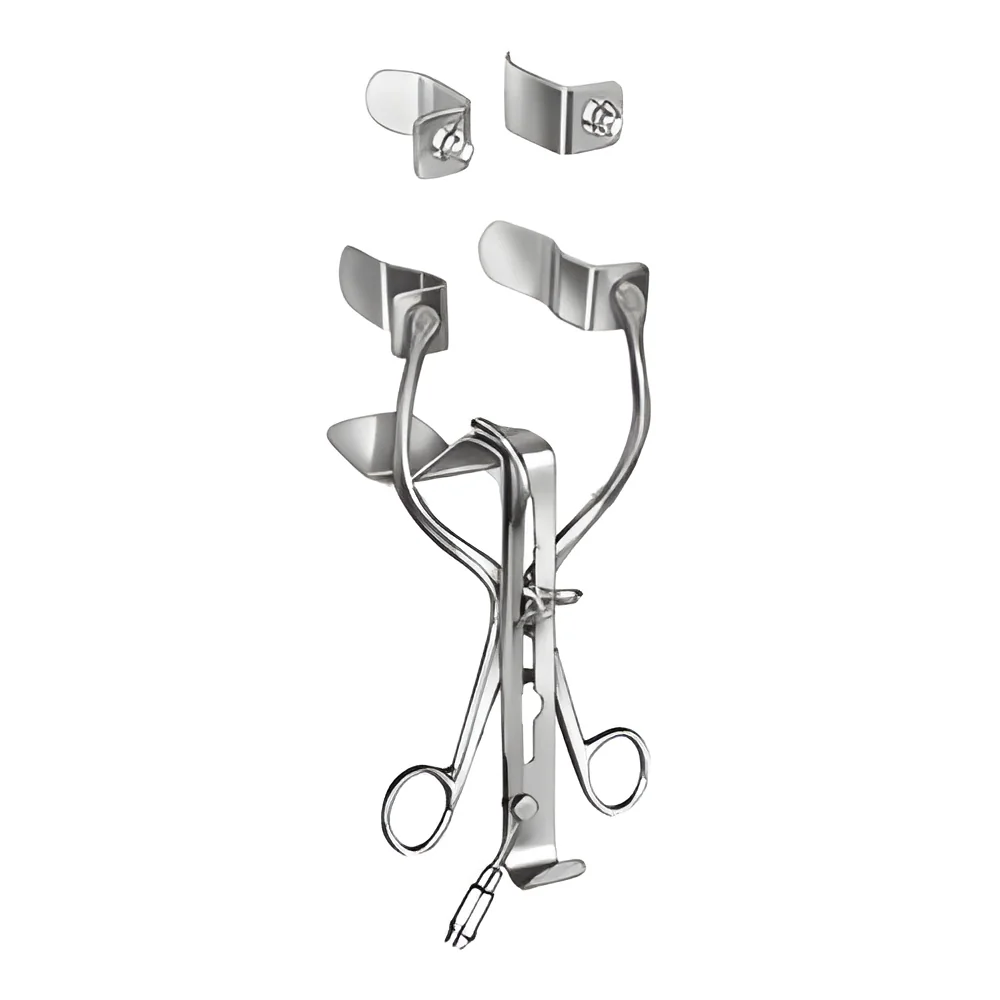
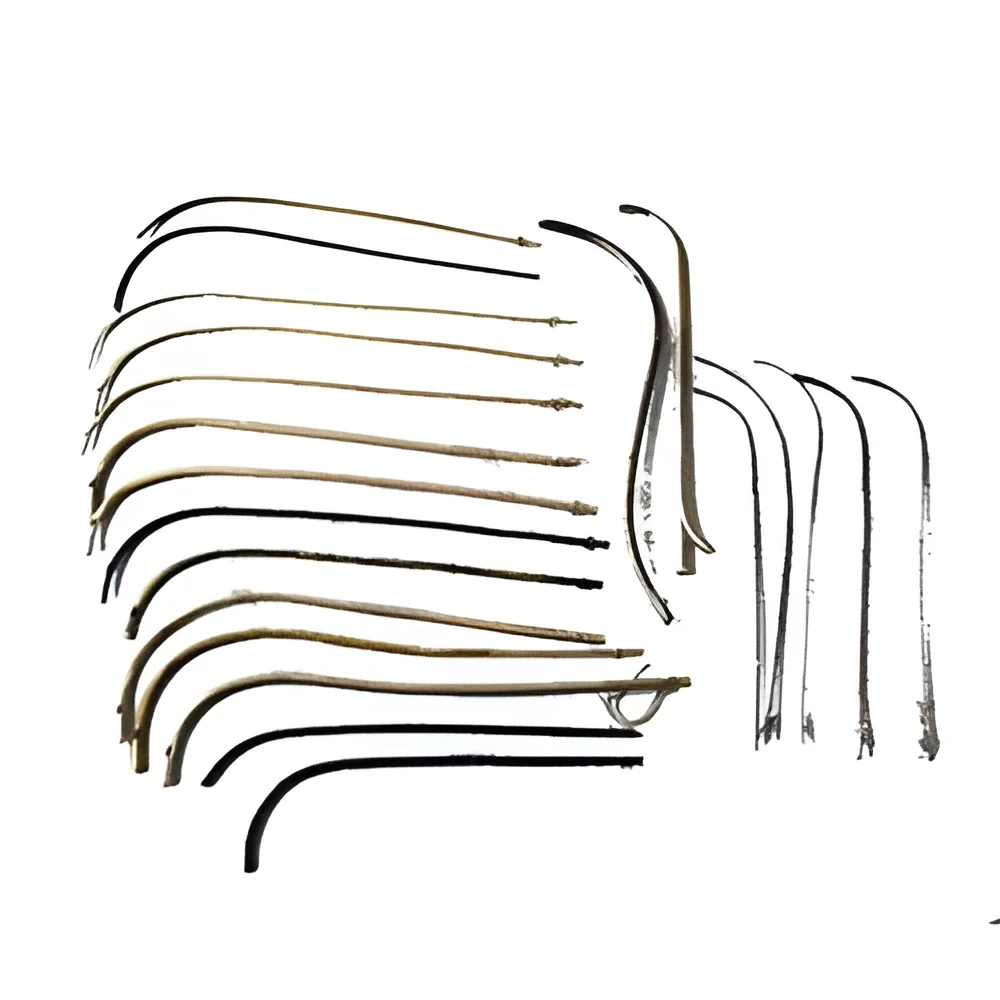
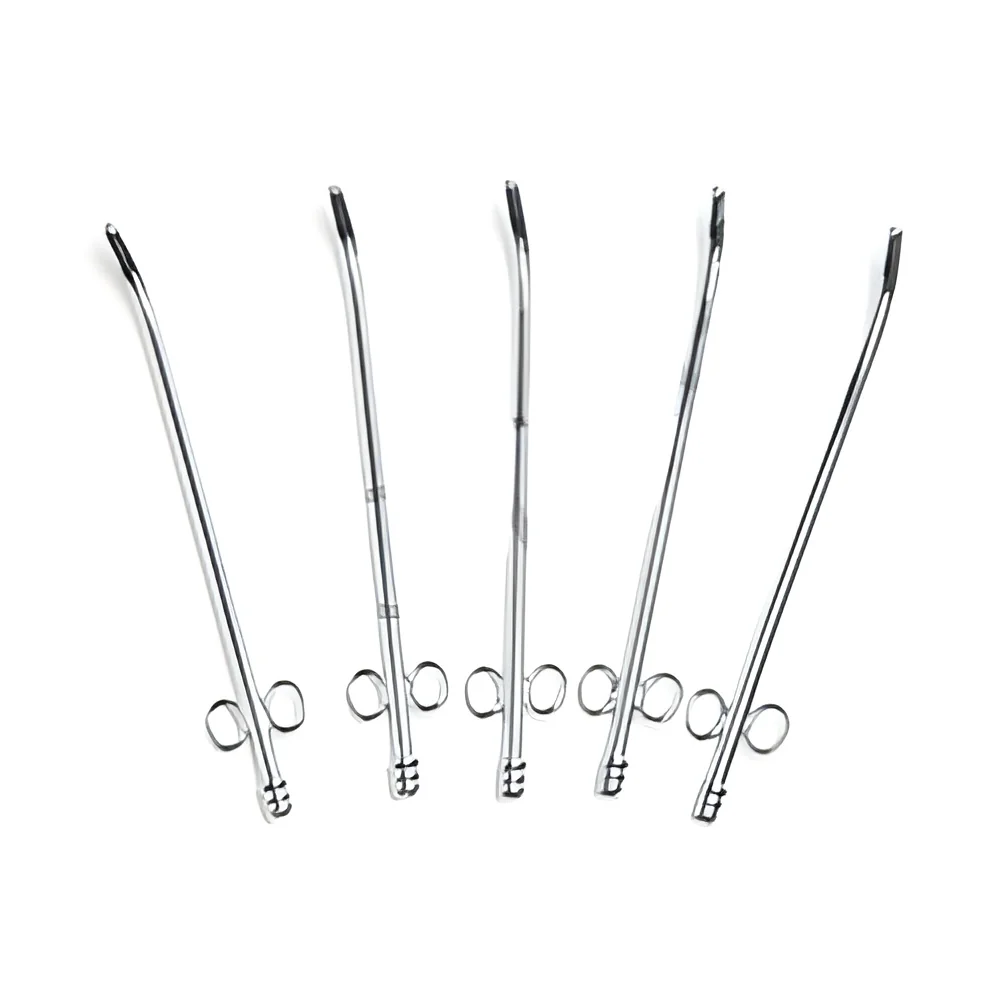
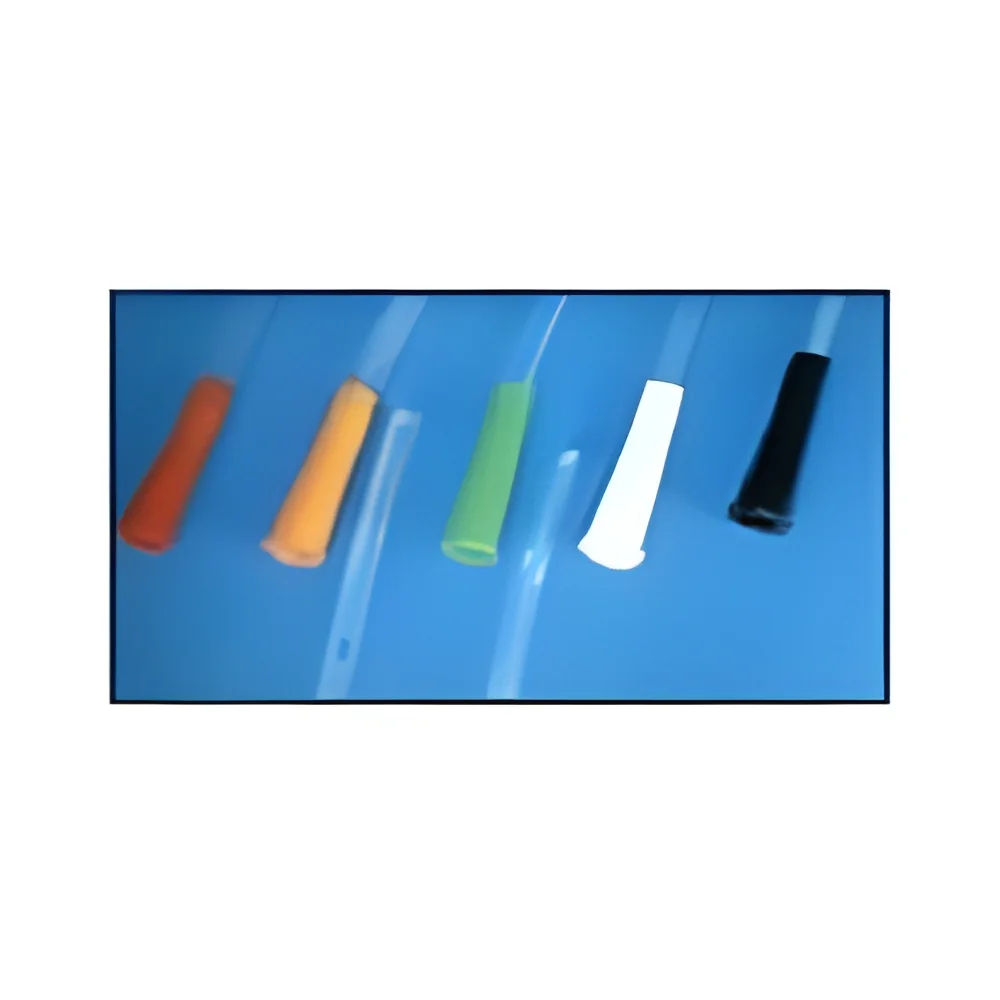
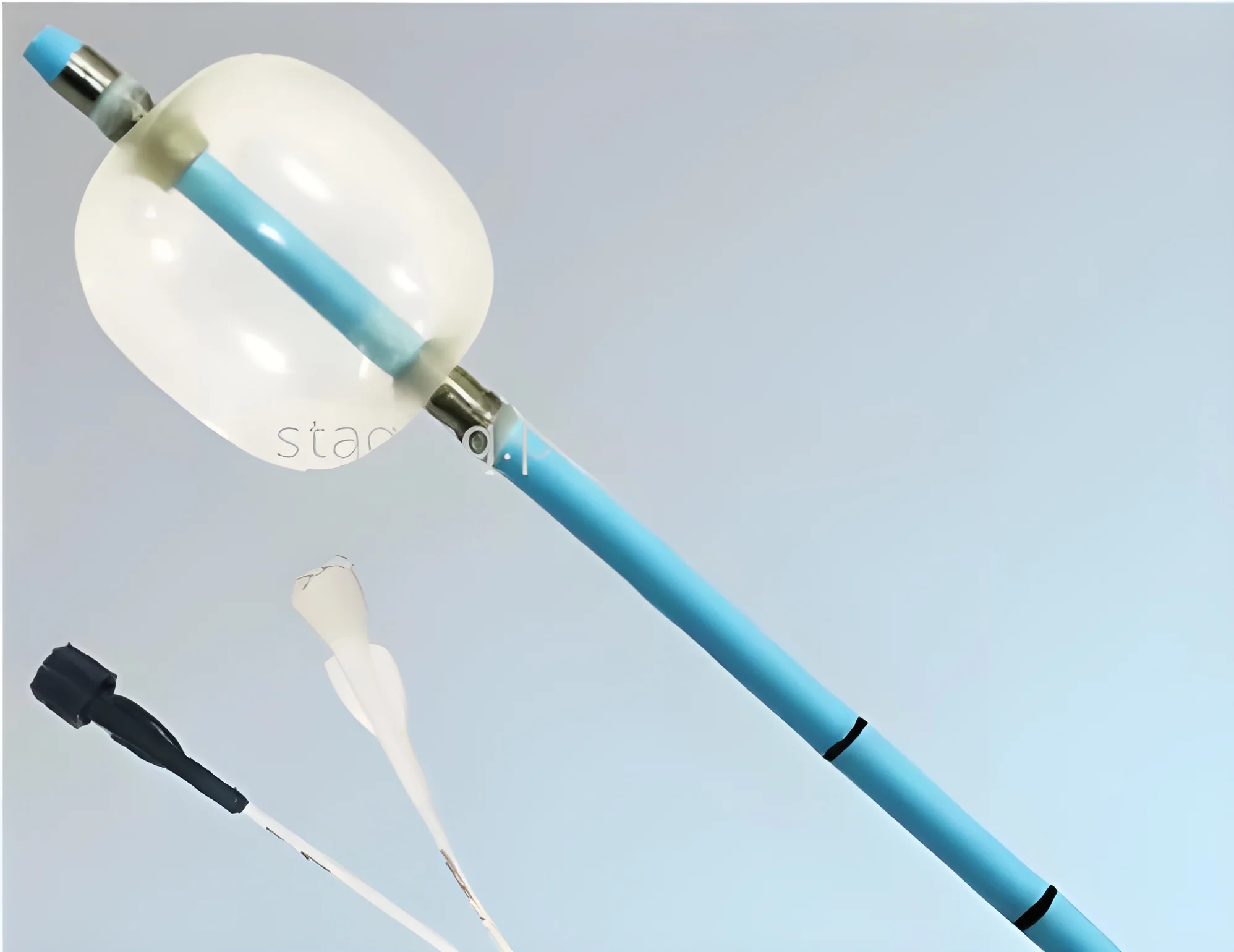
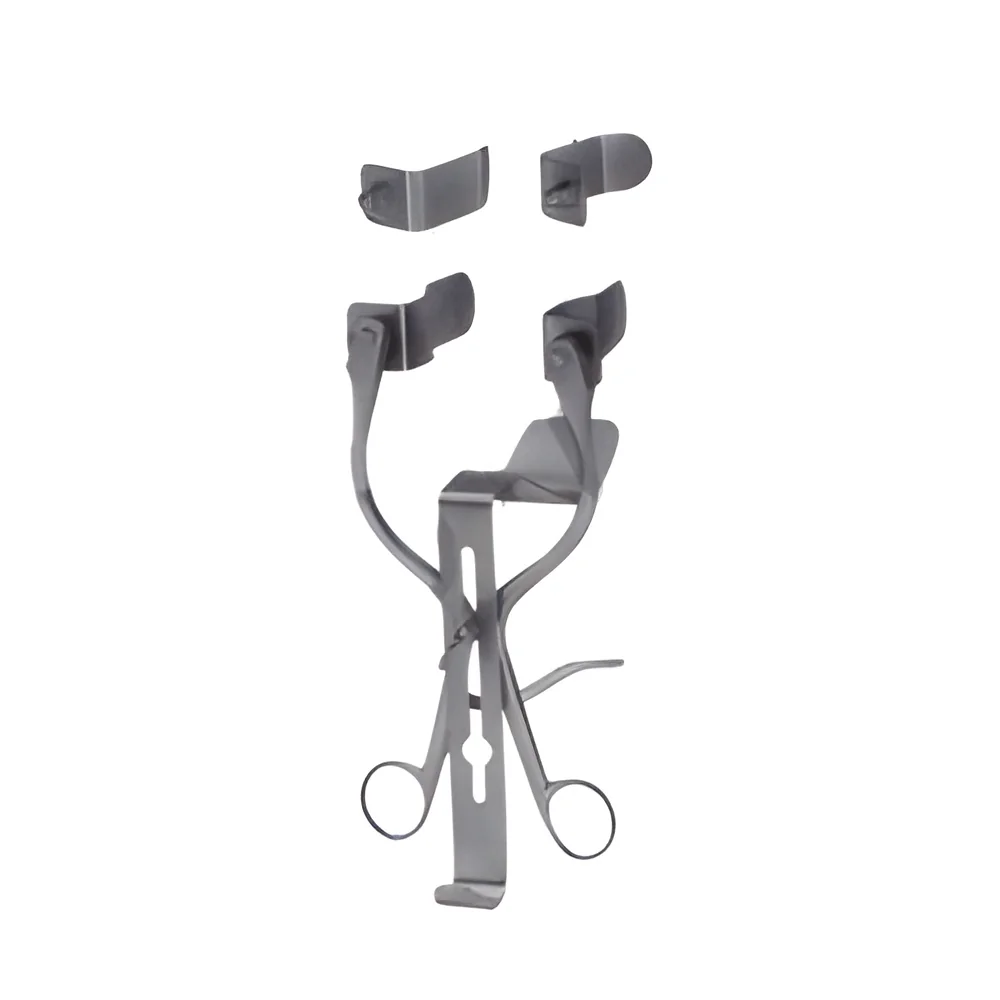
Different types of Urology Surgical Instruments include forceps, scissors, clamps, and retractors, among others. Additionally, there are endoscopic instruments, kidney trays, and various catheterization tools designed specifically for urological procedures.
3
How do I choose the right Urology Surgical Instruments?
Choosing the right Urology Surgical Instruments involves considering the specific procedure, the surgeon's preferences, and the patient’s needs. It is also important to select instruments that meet the required standards of quality and functionality.
4
What are the standard specifications for Urology Surgical Instruments?
Standard specifications for Urology Surgical Instruments typically include material composition, dimensions, and ergonomic design. Instruments must also be sterilizable and comply with relevant health and safety regulations.
5
What is the price range for Urology Surgical Instruments?
The price range for Urology Surgical Instruments can vary significantly based on the type of instrument, material quality, and manufacturer. Generally, prices can range from a few hundred to several thousand Indian Rupees per instrument.
6
What quality standards apply to Urology Surgical Instruments?
Urology Surgical Instruments must adhere to strict quality standards such as ISO 13485 and CE marking. These standards ensure that the instruments are safe, effective, and manufactured according to best practices.
7
Where can I find Urology Surgical Instruments suppliers in India?
You can find Urology Surgical Instruments suppliers in India through online B2B marketplaces like Pepagora, trade shows, and medical equipment expos. Additionally, industry directories and local medical supply companies may also provide listings of suppliers.
8
Can Urology Surgical Instruments be customized?
Yes, many Urology Surgical Instruments can be customized to meet specific surgical needs or preferences. Customization may include modifications in size, design, or material to enhance functionality or comfort for the surgeon.
9
What is the typical minimum order quantity for Urology Surgical Instruments?
The typical minimum order quantity (MOQ) for Urology Surgical Instruments varies by supplier and instrument type. Generally, MOQs can range from 5 to 50 units, depending on the manufacturer’s policies.
10
What is the typical lead time for Urology Surgical Instruments?
The typical lead time for Urology Surgical Instruments can range from a few days to several weeks. Factors affecting lead time include the supplier's inventory, customization requests, and shipping logistics.
Why Businesses Trust Pepagora
Thousands of companies trust Pepagora to source smarter and sell faster
Expand Your Sales Globally
25000+Products listed.Get discovered by global buyers

 IN
IN