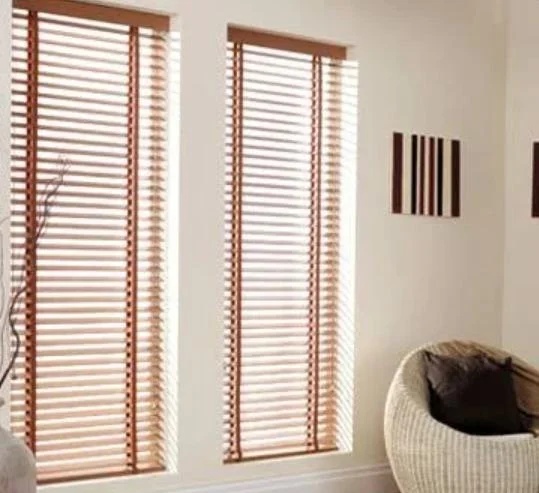
What are Venetian Blinds (Wood, PVC, Aluminum)?
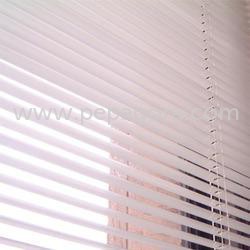
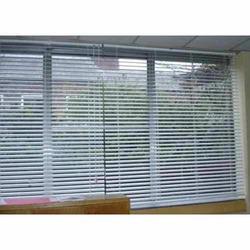
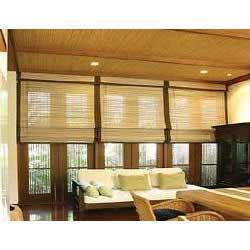
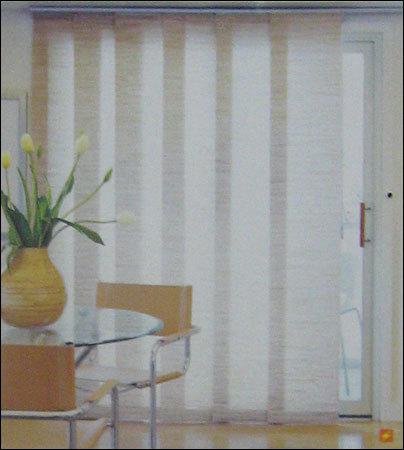
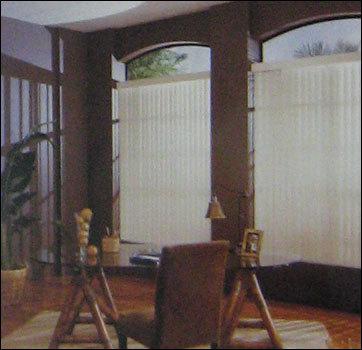
Venetian blinds are a type of window covering made from horizontal slats that can be tilted to control light and privacy. They are available in various materials, including wood, PVC, and aluminum. Each material offers distinct advantages, making Venetian blinds a versatile choice for different environments. The slats are typically adjustable, allowing users to easily manage the amount of sunlight and air flow entering a space.
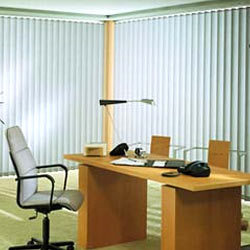
These blinds are commonly used in both residential and commercial settings. In offices, they provide privacy while allowing natural light to illuminate the workspace, enhancing productivity. In homes, they add aesthetic appeal and can complement various interior designs. Venetian blinds are particularly relevant in the construction and interior design industries, where they are often specified in building projects for their functionality and style.
𝗞𝗲𝘆 𝗙𝗲𝗮𝘁𝘂𝗿𝗲𝘀 𝗮𝗻𝗱 𝗦𝗽𝗲𝗰𝗶𝗳𝗶𝗰𝗮𝘁𝗶𝗼𝗻𝘀
Venetian blinds come with a range of features and specifications that cater to different needs. Understanding these specifications helps businesses select the right product for their specific applications.
Key specifications include:
1. Material Type
- Options include wood, PVC, and aluminum.
- Each material has unique characteristics such as durability, maintenance requirements, and aesthetics.
2. Slat Width
- Common widths range from 25mm to 50mm.
- Wider slats allow for more light control, while narrower slats can provide a more modern look.
3. Control Mechanism
- Can be manual or motorized.
- Motorized options offer convenience and are suitable for hard-to-reach windows.
4. Color and Finish
- Available in a variety of colors and finishes, including natural wood grains and sleek metallics.
- Customization options may be available to match specific decor.
5. Light Control
- Designed to provide varying degrees of light filtration and privacy.
- Options are available for blackout or sheer effects.
6. Size Range
- Custom sizes can be manufactured to fit specific window dimensions.
- Standard sizes are also available for common window types.
7. Installation Type
- Can be installed inside or outside the window frame.
- Installation options vary based on the material and design.
8. Maintenance Requirements
- Different materials have varying levels of care needed.
- PVC and aluminum are typically easier to clean compared to wood.
In summary, Venetian blinds offer multiple specifications that can be tailored to meet various business needs. Understanding these features ensures that buyers can make informed decisions based on their requirements.
𝗖𝗼𝗺𝗺𝗼𝗻 𝗔𝗽𝗽𝗹𝗶𝗰𝗮𝘁𝗶𝗼𝗻𝘀 𝗮𝗻𝗱 𝗨𝘀𝗲 𝗖𝗮𝘀𝗲𝘀
Venetian blinds are utilized in numerous industries, each with specific applications.
1. Office Spaces: In corporate environments, Venetian blinds are used to create a productive work atmosphere by controlling glare and providing privacy during meetings.
2. Residential Homes: Homeowners choose Venetian blinds for living rooms and bedrooms due to their aesthetic appeal and flexibility in light control.
3. Hospitality: Hotels and restaurants incorporate Venetian blinds to enhance the ambiance while offering guests the privacy they desire.
4. Educational Institutions: Schools and universities use these blinds in classrooms to manage natural light, creating a conducive learning environment.
5. Retail: Stores install Venetian blinds to showcase products while maintaining a comfortable shopping experience for customers.
6. Healthcare Facilities: Hospitals and clinics utilize Venetian blinds in patient rooms and waiting areas for privacy and light management.
7. Industrial Facilities: Warehouses and manufacturing plants may implement Venetian blinds in administrative areas, balancing natural light with the need for confidentiality.
𝗣𝗿𝗼𝗱𝘂𝗰𝘁 𝗩𝗮𝗿𝗶𝗮𝗻𝘁𝘀 𝗮𝗻𝗱 𝗦𝘂𝗯𝗰𝗮𝘁𝗲𝗴𝗼𝗿𝗶𝗲𝘀
Venetian blinds come in various styles and materials, each offering distinct benefits.
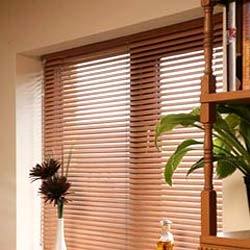
Wood Venetian Blinds: These blinds provide a classic and elegant look, ideal for traditional settings. They are available in a range of finishes and can be stained to match existing decor. Wood blinds offer excellent insulation properties, making them energy-efficient.
PVC Venetian Blinds: Known for their durability and moisture resistance, PVC blinds are perfect for high-humidity areas such as kitchens and bathrooms. They are easy to clean and maintain, making them a practical choice for busy environments.
Aluminum Venetian Blinds: These blinds are lightweight and highly durable, making them suitable for commercial applications. Aluminum provides a modern aesthetic and is available in various colors and finishes. They are also fire-resistant, adding to their safety credentials.
𝗕𝗲𝗻𝗲𝗳𝗶𝘁𝘀 𝗮𝗻𝗱 𝗔𝗱𝘃𝗮𝗻𝘁𝗮𝗴𝗲𝘀
Choosing Venetian blinds comes with several key benefits for businesses.
1. Versatility: Suitable for various environments, from homes to commercial spaces, offering flexible design options.
2. Light Control: Adjustable slats allow for precise control over natural light, enhancing comfort and energy efficiency.
3. Privacy: Provides effective privacy solutions without compromising on style or aesthetics.
4. Low Maintenance: Particularly PVC and aluminum options, which are easy to clean and resistant to wear.
5. Energy Efficiency: Helps regulate indoor temperatures, potentially reducing heating and cooling costs.
6. Customization: Available in different materials, colors, and sizes, allowing for tailored solutions to fit specific needs.
𝗕𝘂𝘆𝗶𝗻𝗴 𝗚𝘂𝗶𝗱𝗲 𝗳𝗼𝗿 𝗕𝟮𝗕 𝗕𝘂𝘆𝗲𝗿𝘀
When sourcing Venetian Blinds (Wood, PVC, Aluminum), several factors should be considered to ensure a satisfactory purchase.
1. Quality Assessment: Evaluate the quality of materials and craftsmanship. Look for blinds that meet industry standards and have favorable reviews from previous buyers.
2. Supplier Verification: Conduct thorough background checks on suppliers. Ensure they have a good reputation and experience in providing Venetian blinds.
3. Pricing and MOQ: Understand the pricing structure and minimum order quantity (MOQ) requirements. Compare quotes from multiple suppliers to achieve competitive pricing.
4. Delivery and Lead Times: Discuss logistics with suppliers to determine delivery times. Consider your project timelines and plan for any potential delays.
5. Compliance Requirements: Ensure that the blinds meet relevant safety and quality regulations, including any specific compliance required in your region.
𝗖𝗼𝗺𝗽𝗹𝗶𝗮𝗻𝗰𝗲 𝗮𝗻𝗱 𝗖𝗲𝗿𝘁𝗶𝗳𝗶𝗰𝗮𝘁𝗶𝗼𝗻𝘀
Venetian blinds must adhere to a variety of industry standards and regulations to ensure safety and quality. Relevant quality standards such as ISO 9001 guarantee that products meet international benchmarks for quality management systems.
Additionally, certifications like CE mark indicate compliance with European safety standards, ensuring that the products are safe for use. Manufacturers may also need to follow specific testing requirements to assess durability, fire resistance, and environmental impact.
Regional compliance considerations are essential as different areas may have varying regulations governing materials used in window coverings. This ensures that the blinds are suitable for the intended market and meet local safety standards.
Why Source Venetian Blinds (Wood, PVC, Aluminum) from Pepagora?
Pepagora is a trusted platform for sourcing Venetian Blinds (Wood, PVC, Aluminum) and offers several key advantages that appeal to B2B buyers.
Verified Supplier Network: Pepagora connects buyers with a network of verified suppliers, ensuring that businesses can source high-quality products from reputable manufacturers. This reduces the risk of receiving subpar materials and fosters trust in the supply chain.
Streamlined RFQ Process: The platform simplifies the request for quotation (RFQ) process, allowing buyers to easily obtain multiple quotes from different suppliers. This promotes competitive pricing and helps buyers find the best deals.
Trade Assurance and Support: Pepagora provides trade assurance, offering buyers protection against potential disputes. This support ensures that transactions are secure and that buyers can have confidence in their purchases.
Regional Coverage: With a presence in India, the GCC, and Southeast Asia, Pepagora offers extensive geographic coverage. This enables businesses to access a wide range of suppliers and products tailored to their specific regional requirements.
Venetian Blinds are a type of window covering consisting of horizontal slats that can be adjusted to control light and privacy. They are available in various materials, including wood, PVC, and aluminum, each offering distinct aesthetic and functional benefits.
2
What are the different types of Venetian Blinds (Wood, PVC, Aluminum)?
The main types of Venetian Blinds include wooden blinds, which provide a natural look; PVC blinds, known for their moisture resistance and durability; and aluminum blinds, which are lightweight and easy to maintain. Each type serves different environments and design preferences.
3
How do I choose the right Venetian Blinds (Wood, PVC, Aluminum)?
To choose the right Venetian Blinds, consider factors such as the room's purpose, the amount of light control needed, and the desired aesthetic. Additionally, evaluate the material based on durability, maintenance, and resistance to moisture or heat.
4
What are the standard specifications for Venetian Blinds (Wood, PVC, Aluminum)?
Standard specifications for Venetian Blinds often include slat width, which can range from 25mm to 50mm, and the overall dimensions to fit specific window sizes. Additionally, they may come with various control mechanisms, including corded, cordless, and motorized options.
5
What is the price range for Venetian Blinds (Wood, PVC, Aluminum)?
The price range for Venetian Blinds can vary significantly based on material and customization options. Generally, wooden blinds are priced higher than PVC and aluminum options, with prices typically ranging from INR 500 to INR 3000 per square meter.
6
What quality standards apply to Venetian Blinds (Wood, PVC, Aluminum)?
Quality standards for Venetian Blinds typically include durability, resistance to fading, and ease of operation. Many manufacturers adhere to international standards to ensure that the materials used are safe and reliable for consumer use.
7
Where can I find Venetian Blinds (Wood, PVC, Aluminum) suppliers in India?
Venetian Blinds suppliers can be found through online B2B marketplaces, trade shows, and local home improvement stores across India. Websites like Pepagora.com offer a platform to connect with various manufacturers and suppliers specializing in these products.
8
Can Venetian Blinds (Wood, PVC, Aluminum) be customized?
Yes, Venetian Blinds can be customized in terms of size, color, and finish to match specific design requirements. Many suppliers offer options for personalized designs to cater to individual preferences and decor styles.
9
What is the typical minimum order quantity for Venetian Blinds (Wood, PVC, Aluminum)?
The typical minimum order quantity (MOQ) for Venetian Blinds varies by supplier but usually ranges from 10 to 50 units. It's best to check with individual manufacturers for their specific MOQs.
10
What is the typical lead time for Venetian Blinds (Wood, PVC, Aluminum)?
The typical lead time for Venetian Blinds can range from 1 to 4 weeks, depending on the material, customization, and supplier's inventory. It is advisable to confirm the lead time with your chosen supplier before placing an order.
Why Businesses Trust Pepagora
Thousands of companies trust Pepagora to source smarter and sell faster
Expand Your Sales Globally
25000+Products listed.Get discovered by global buyers

 IN
IN
 India
India