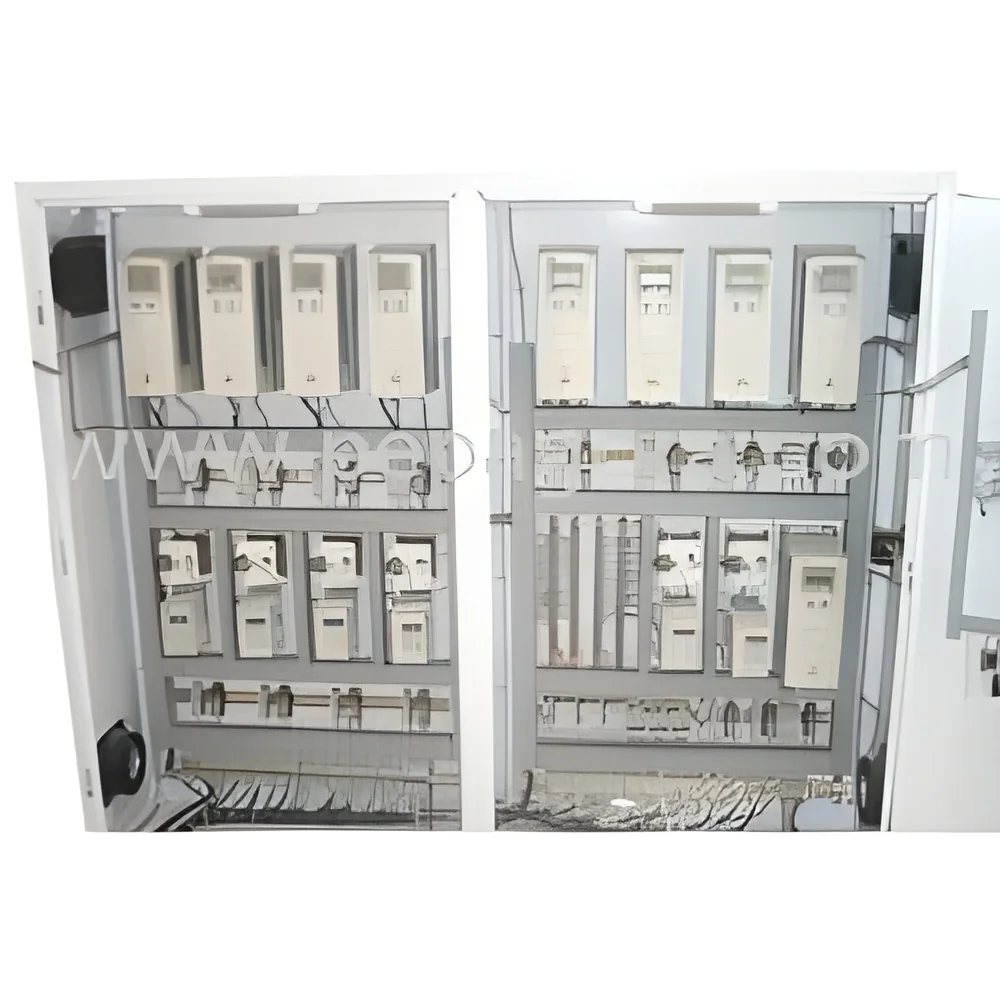
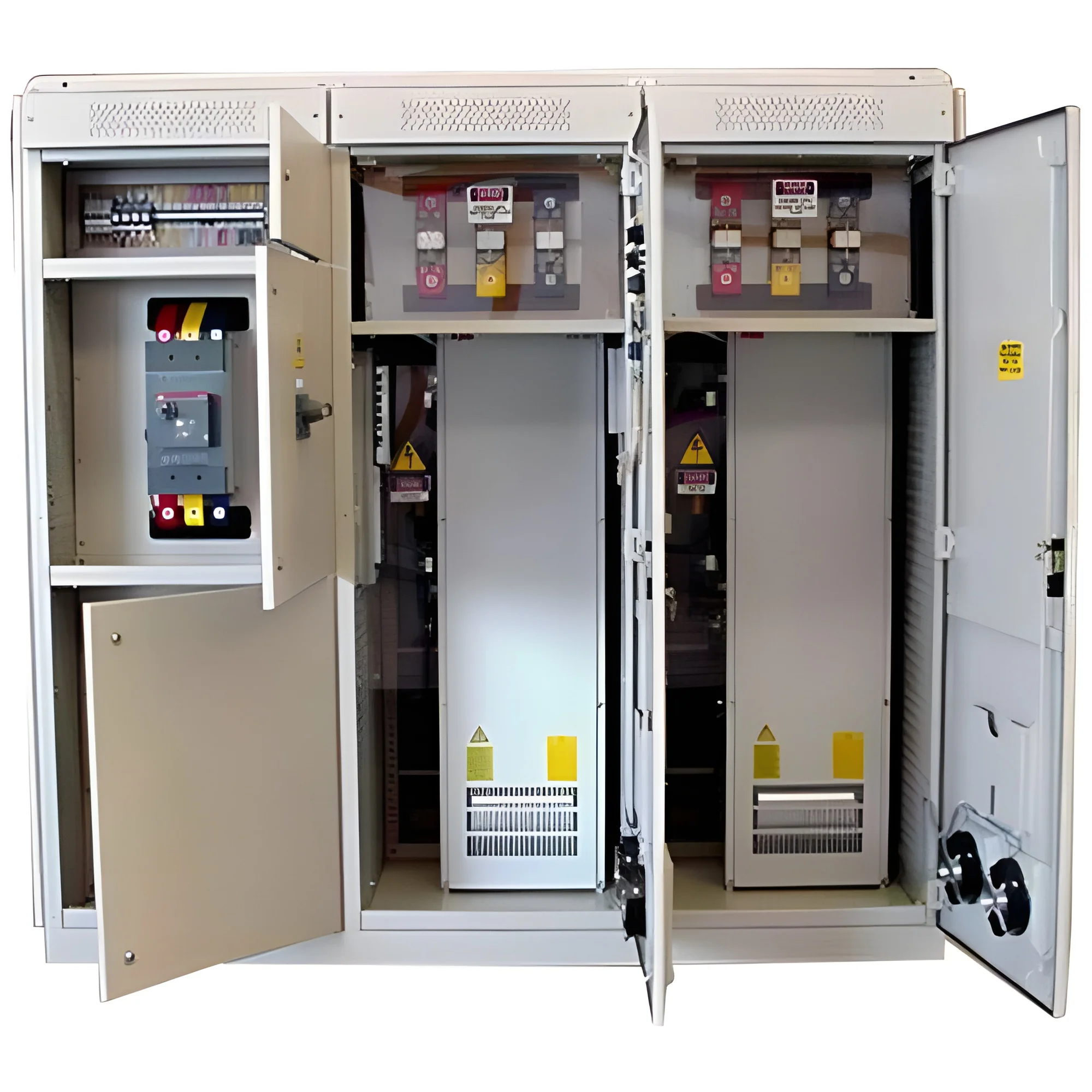
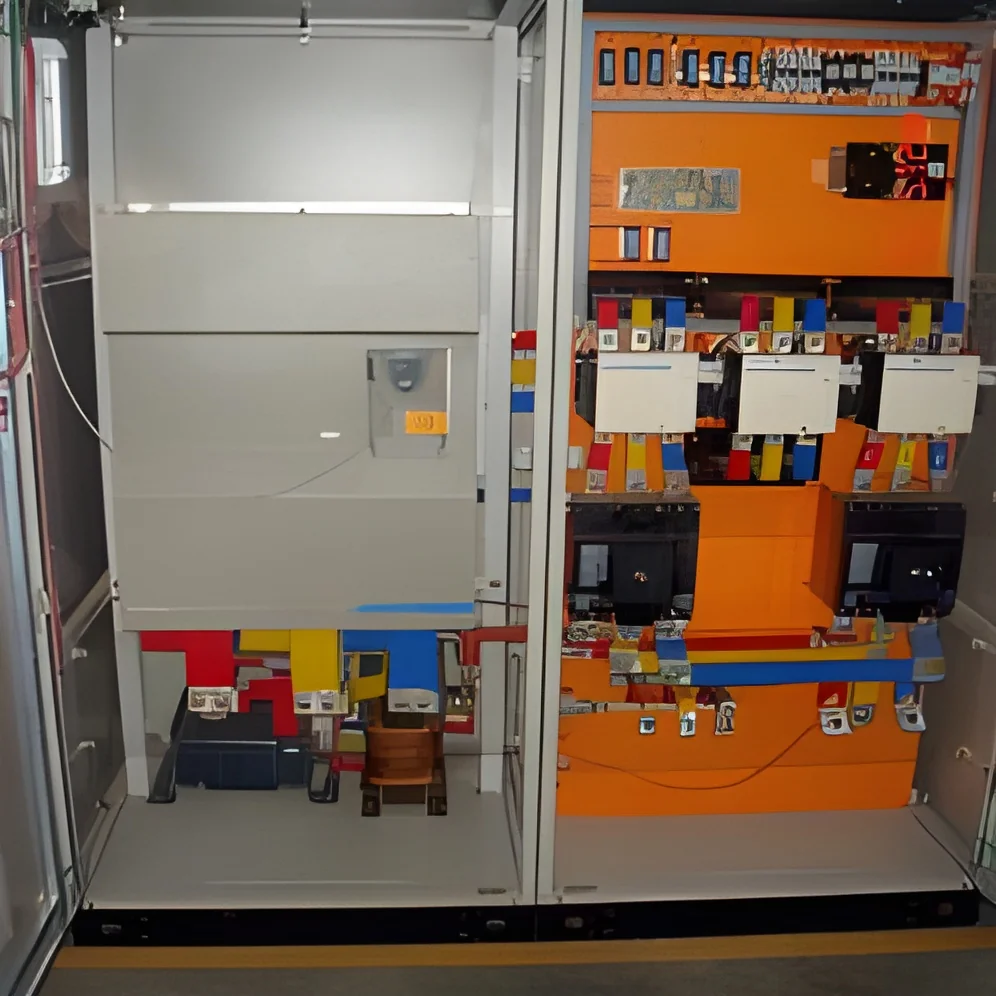
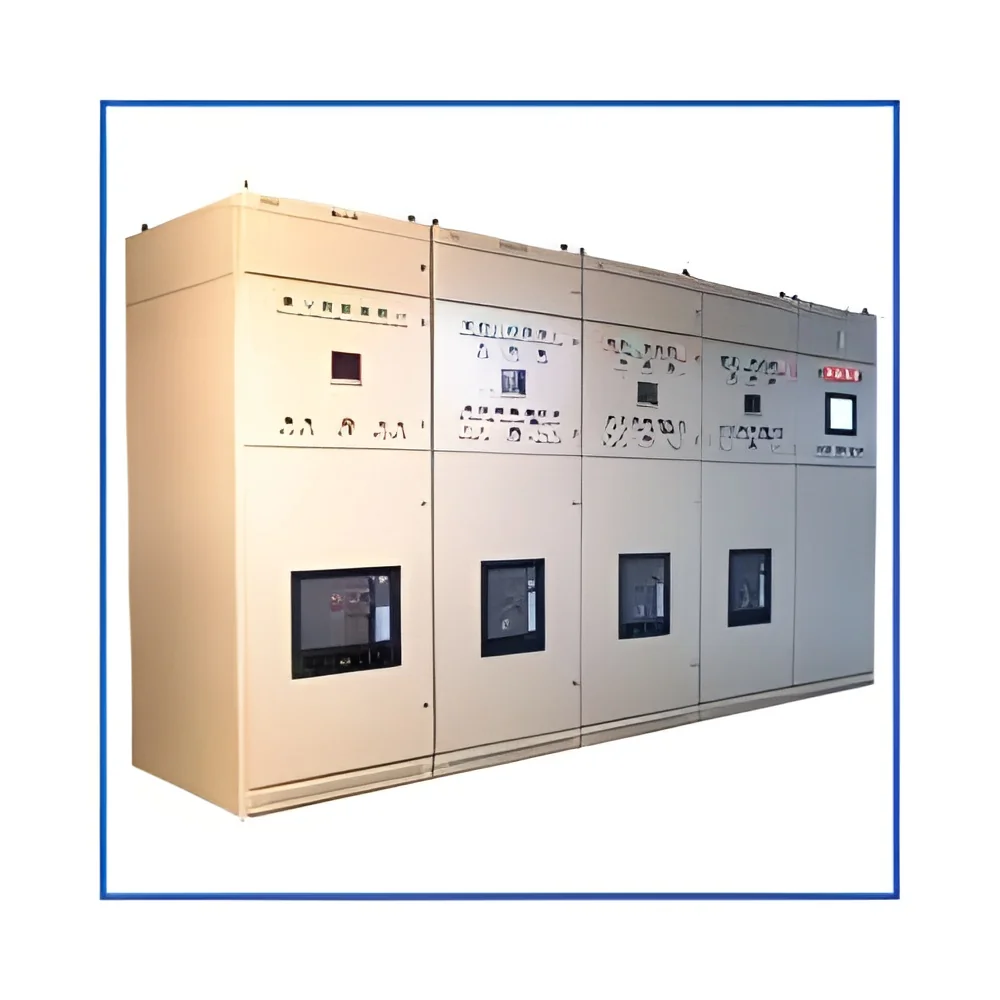
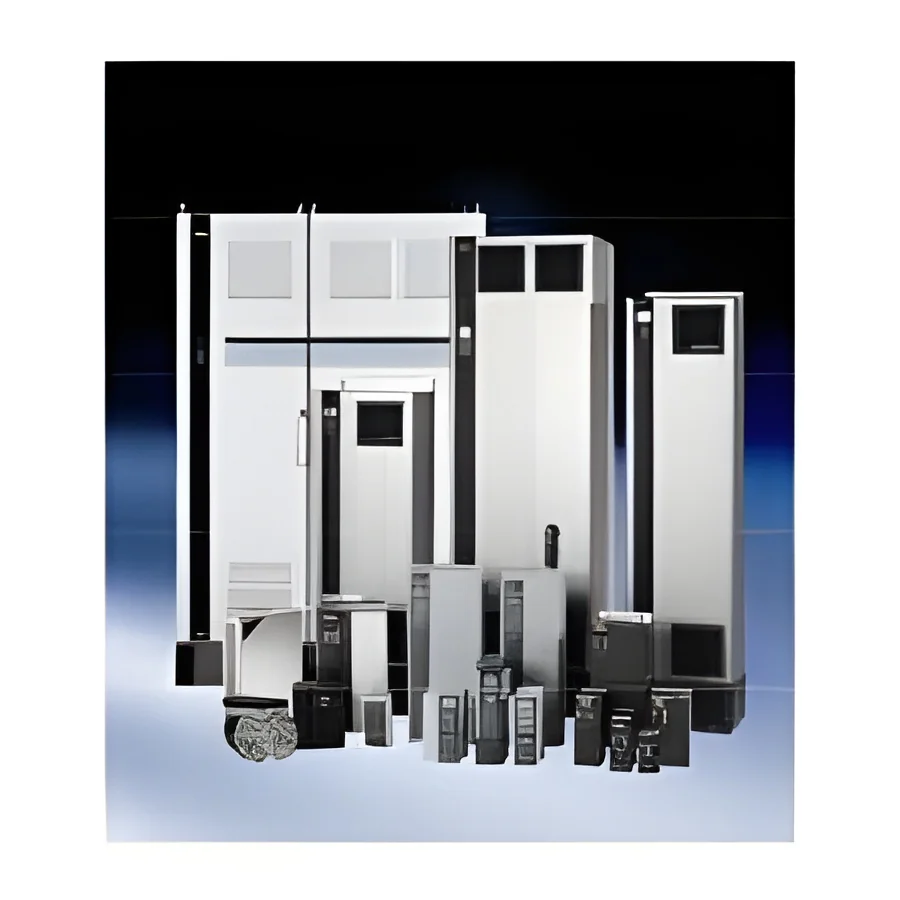
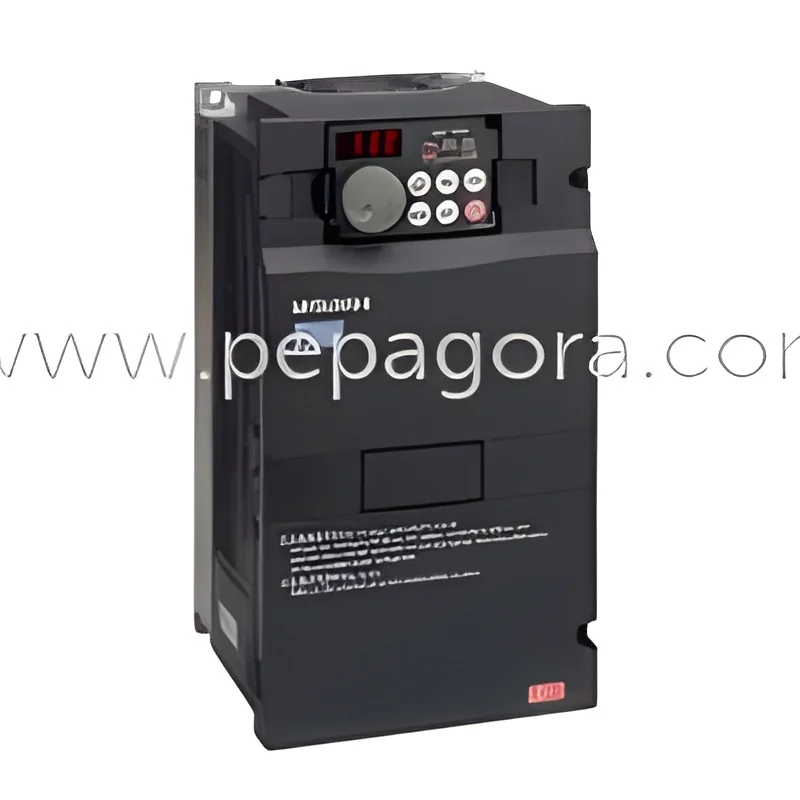
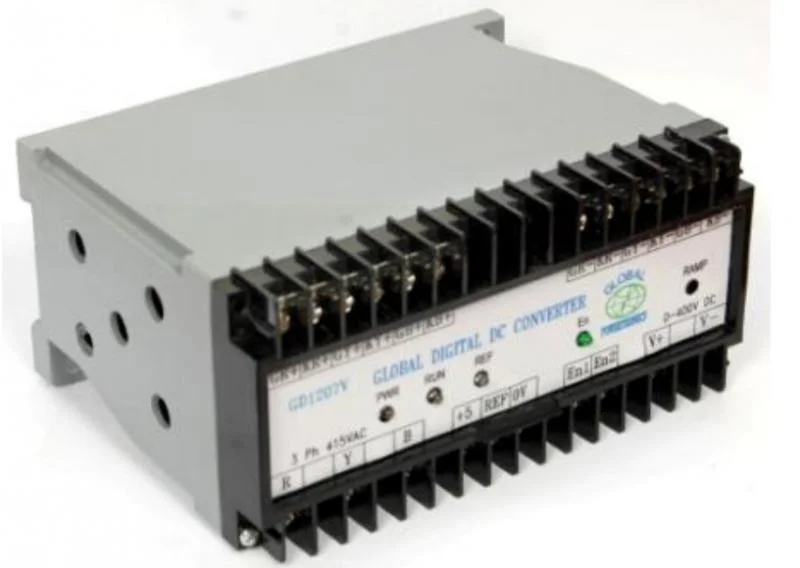
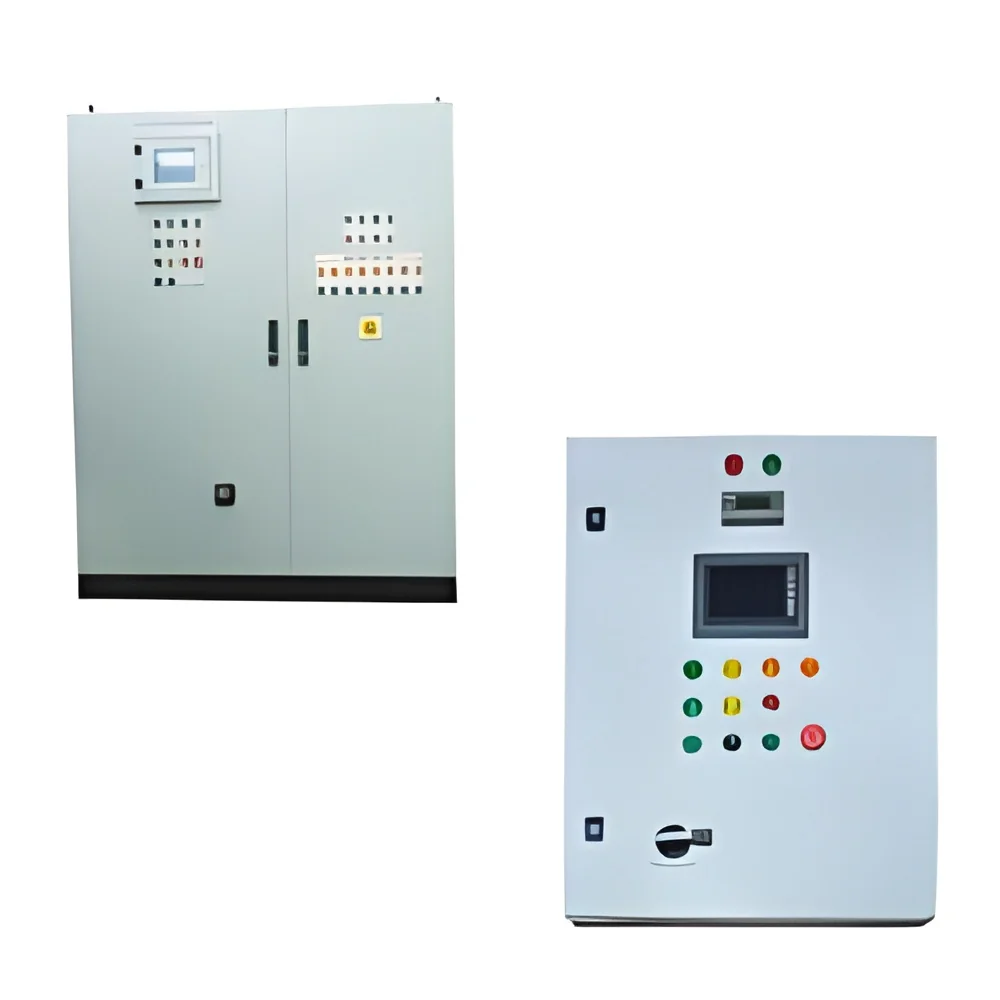
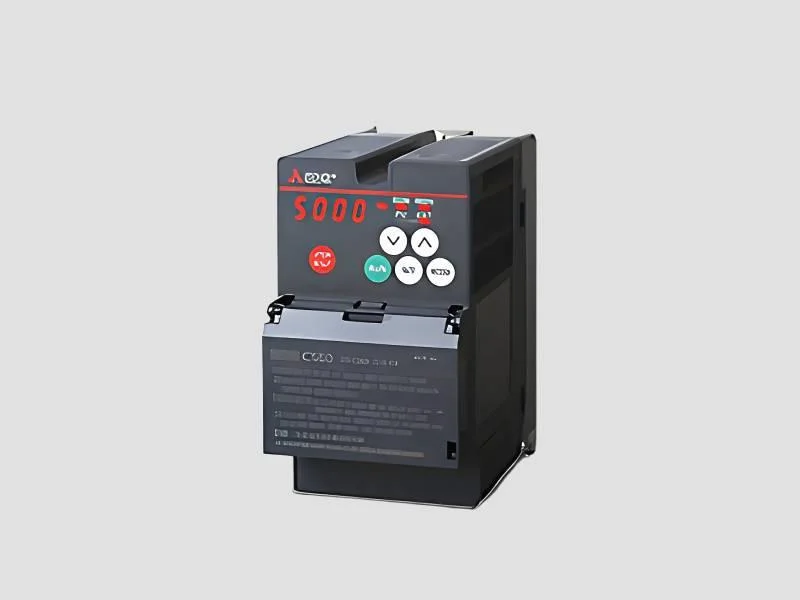
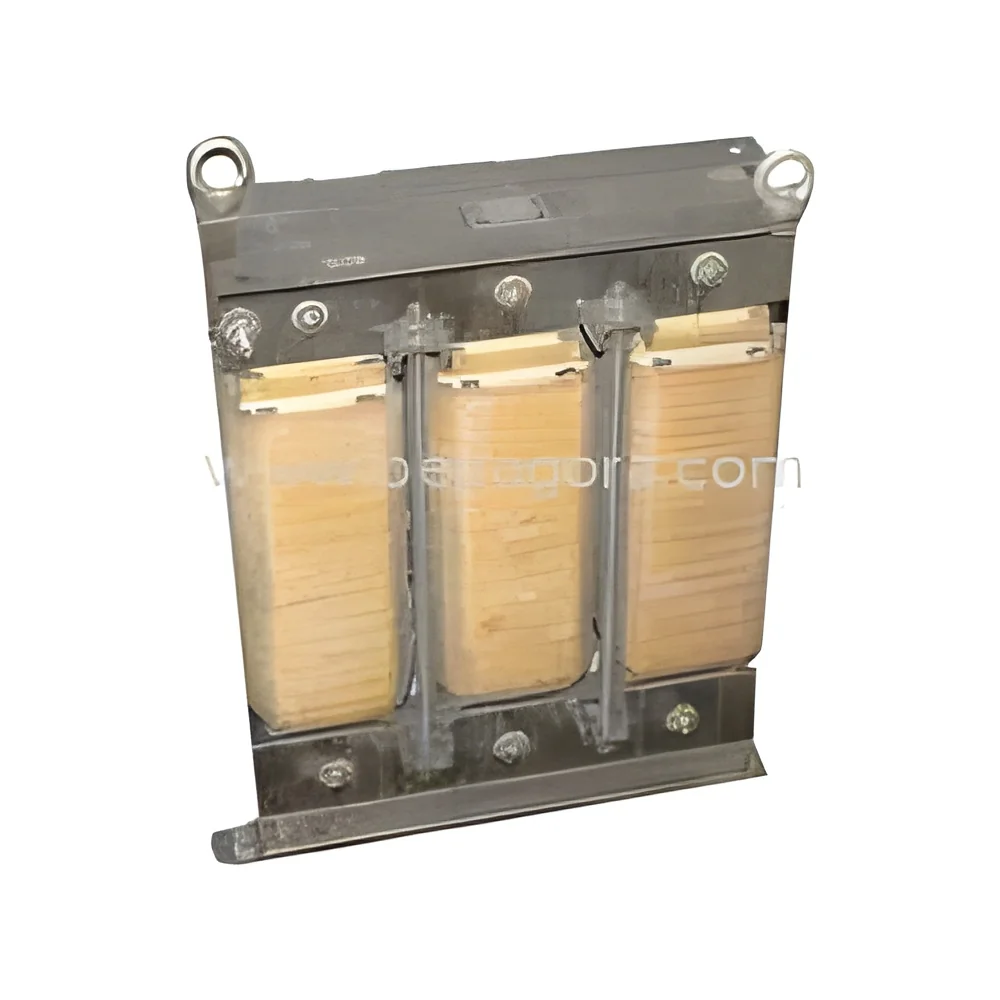
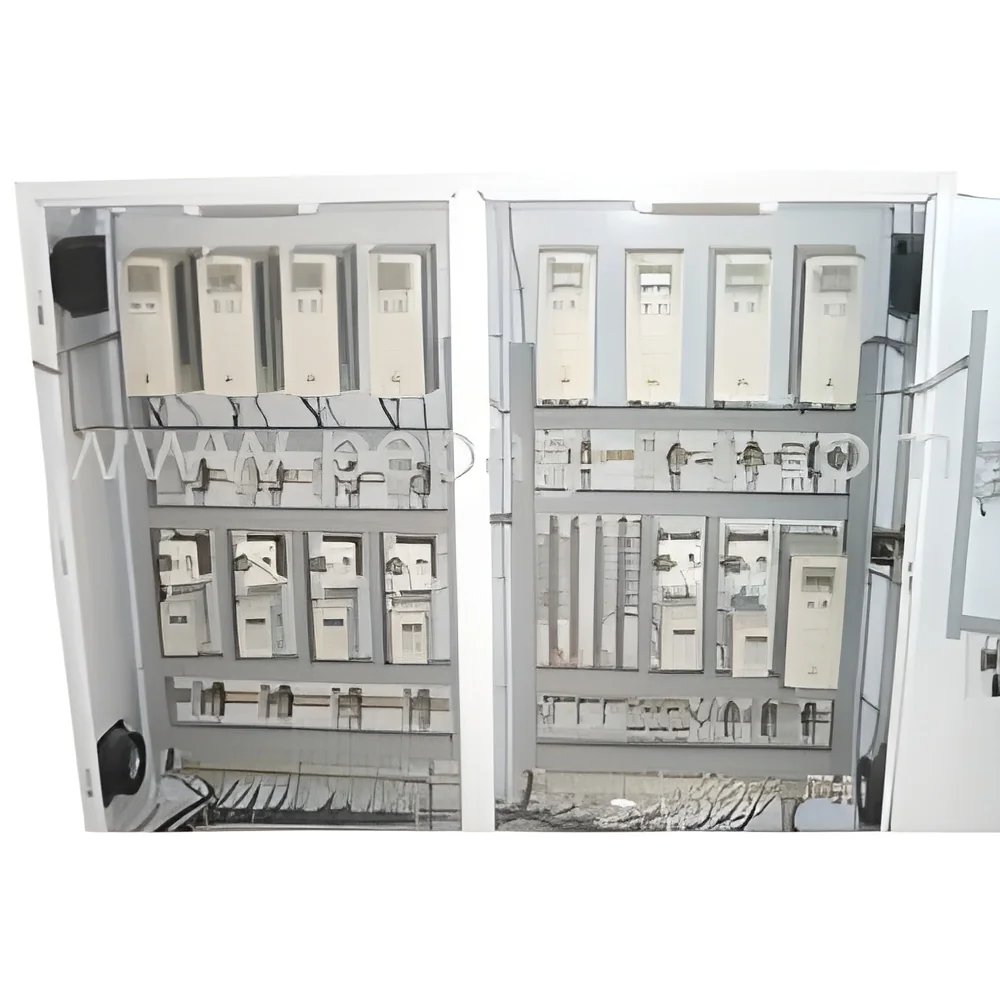
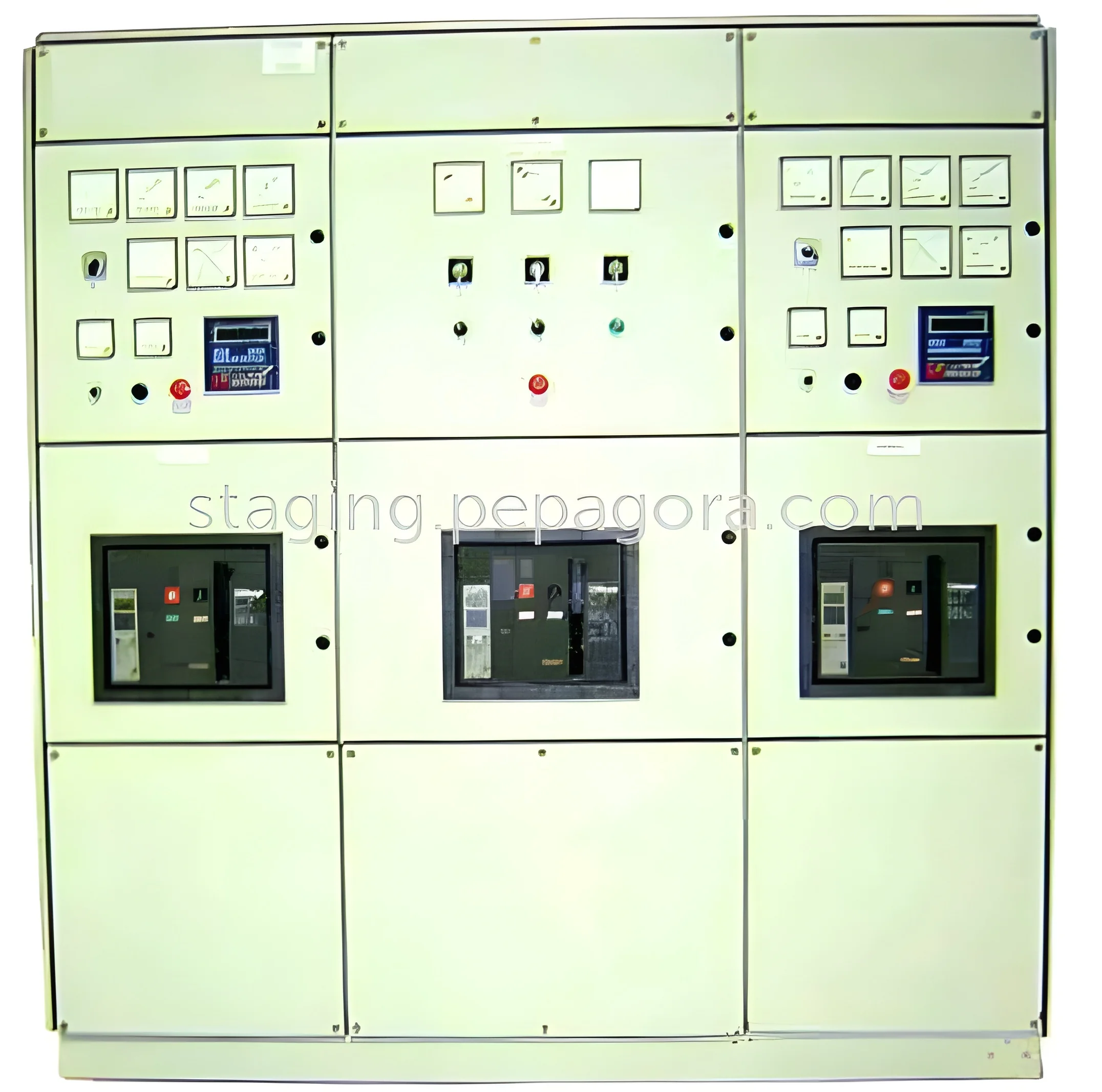
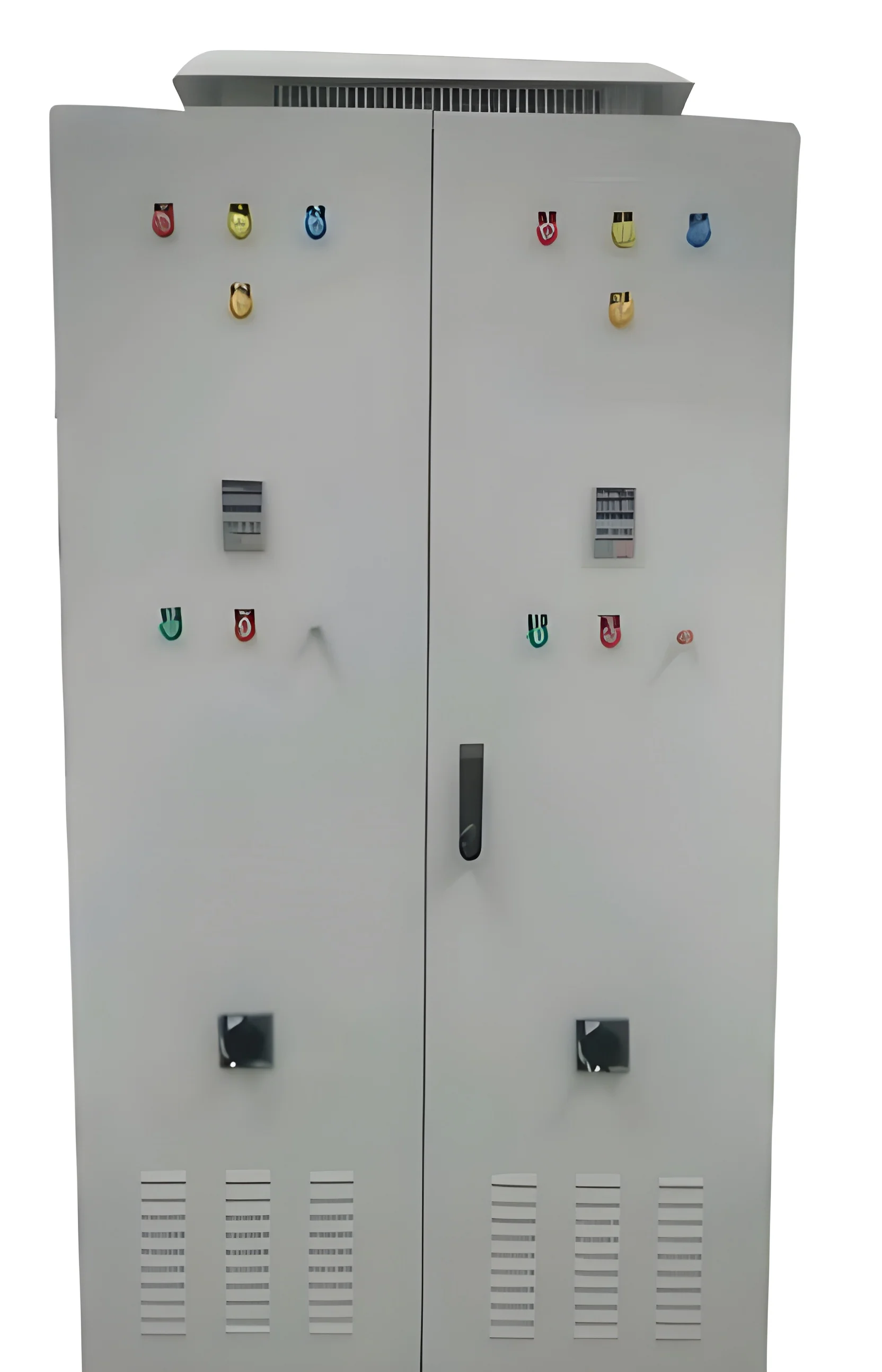
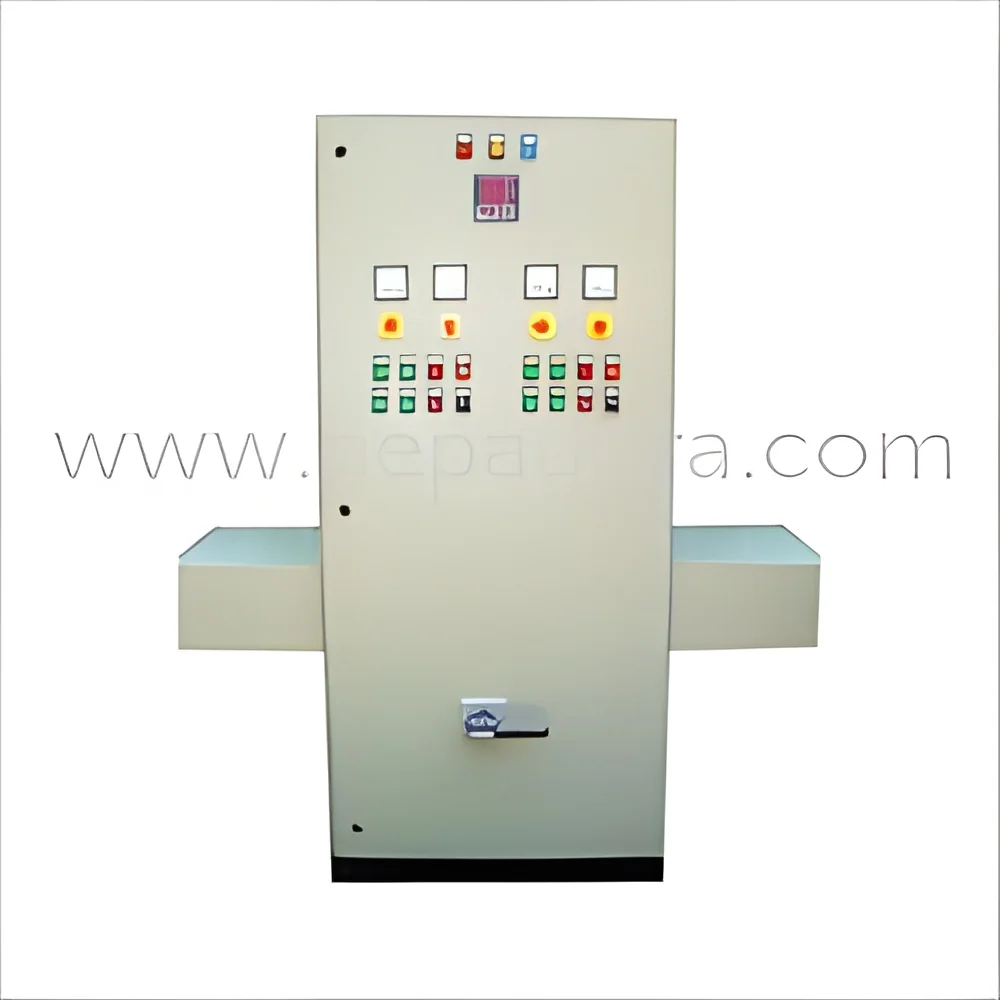
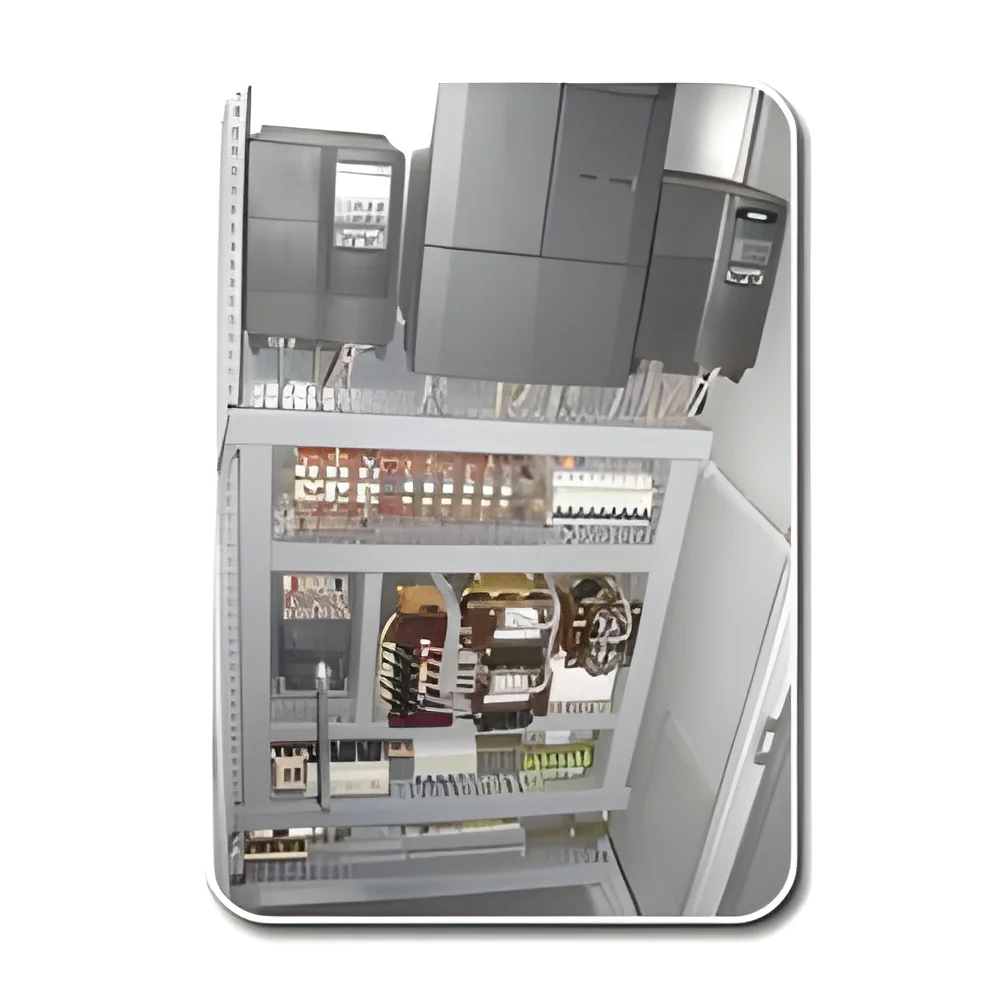
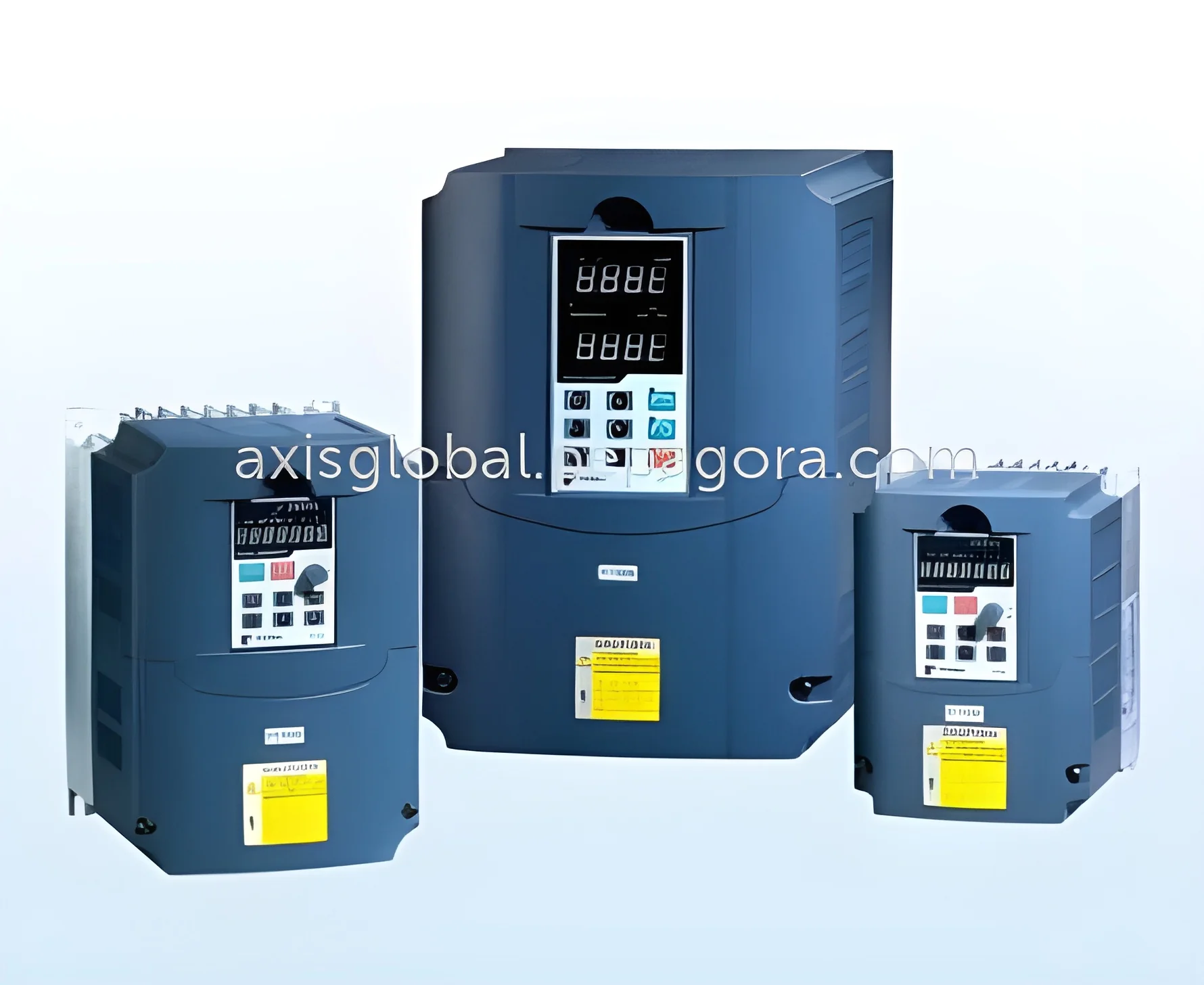
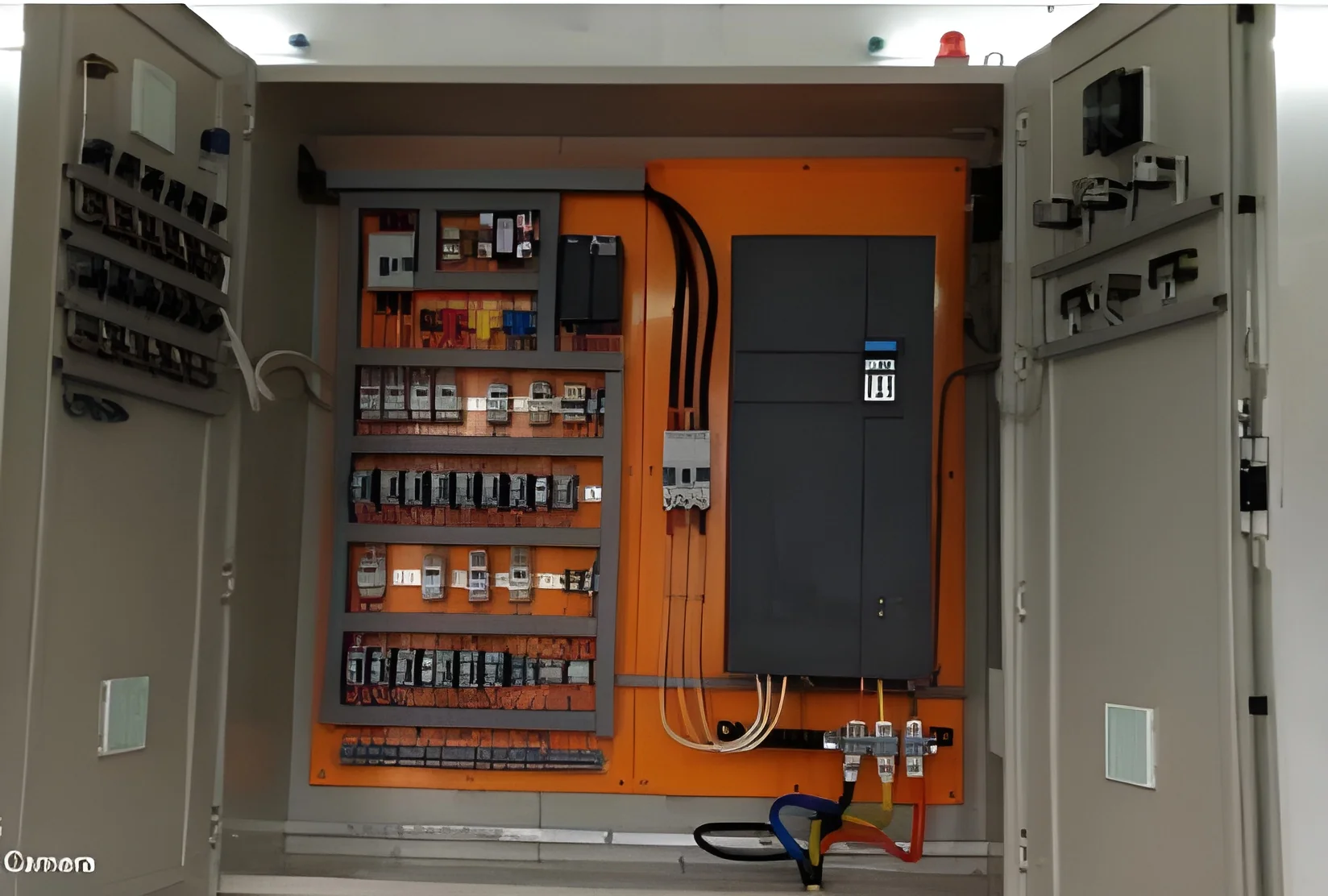
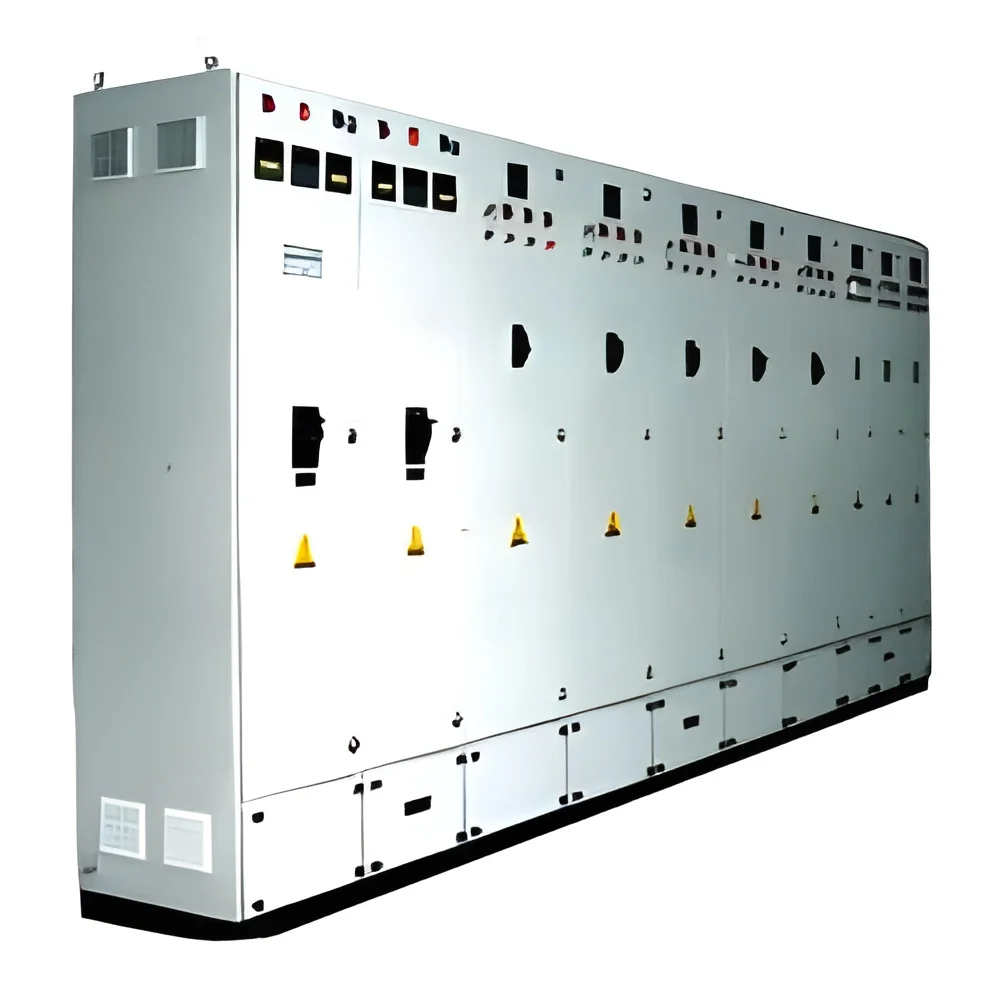
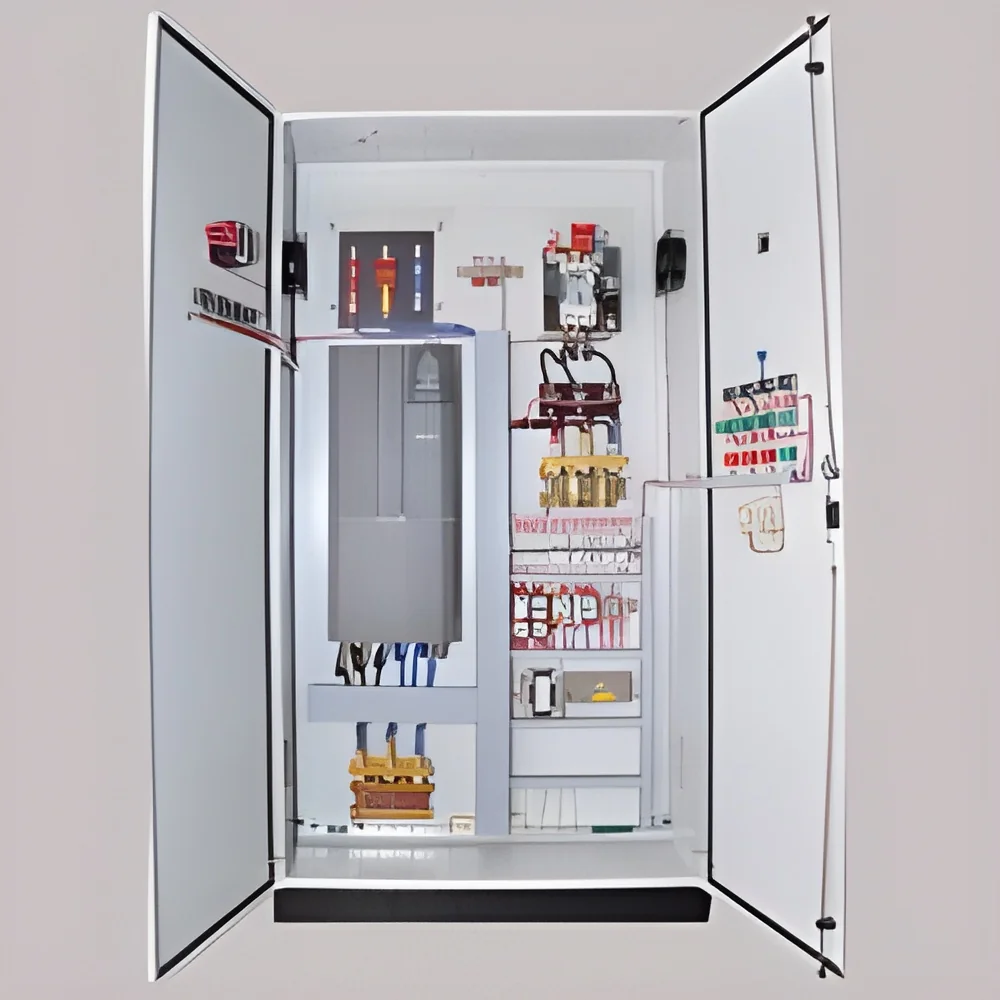
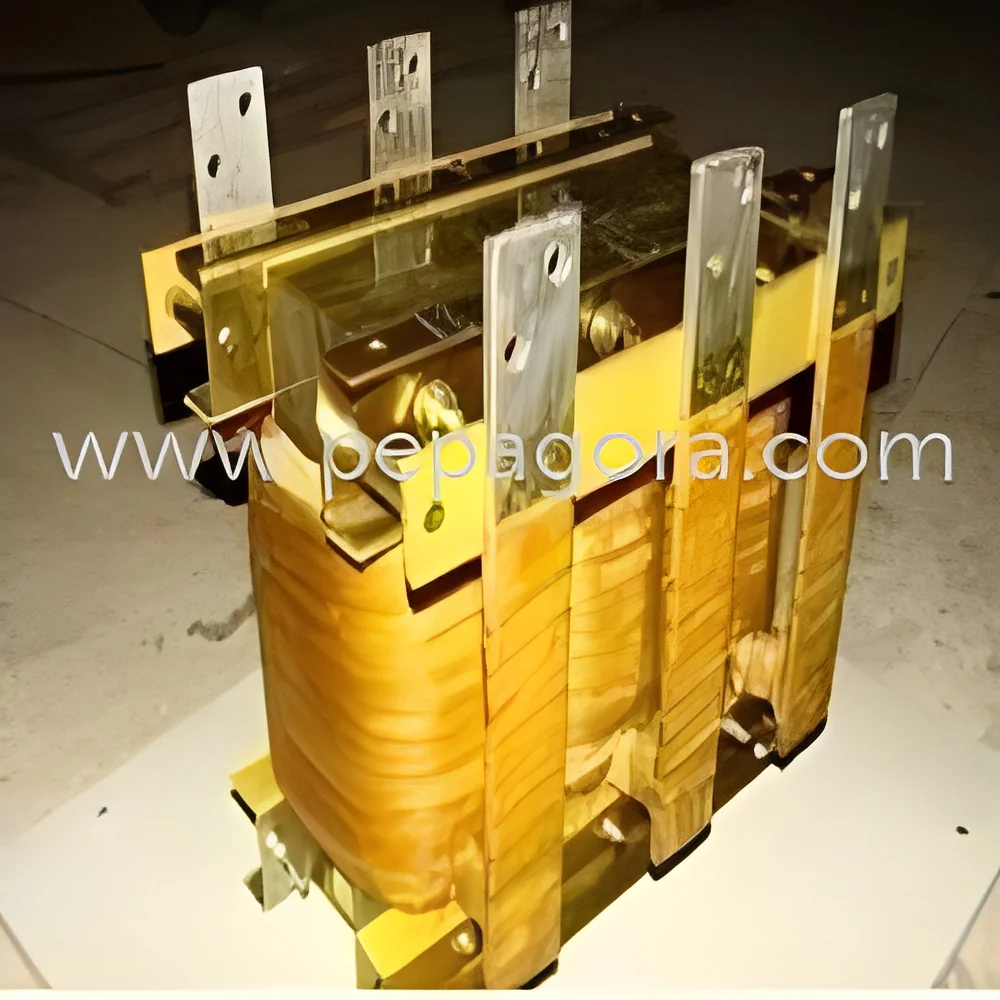
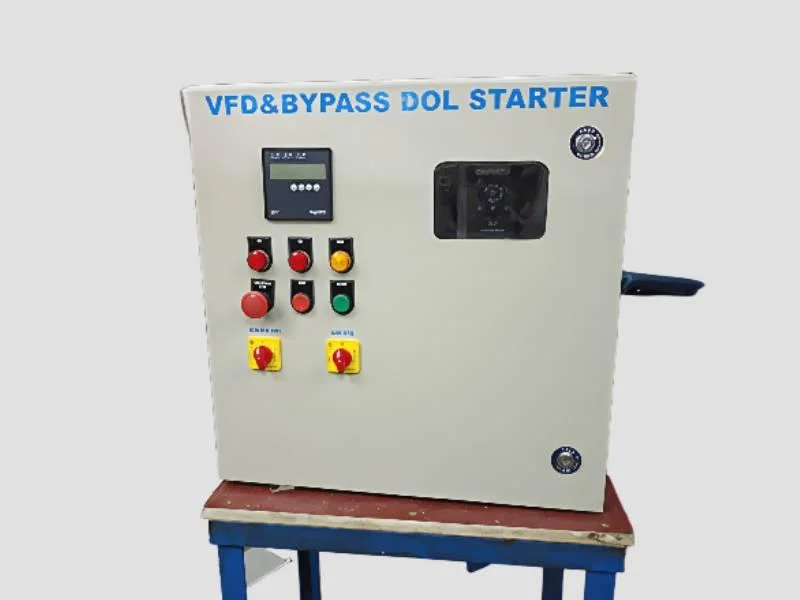
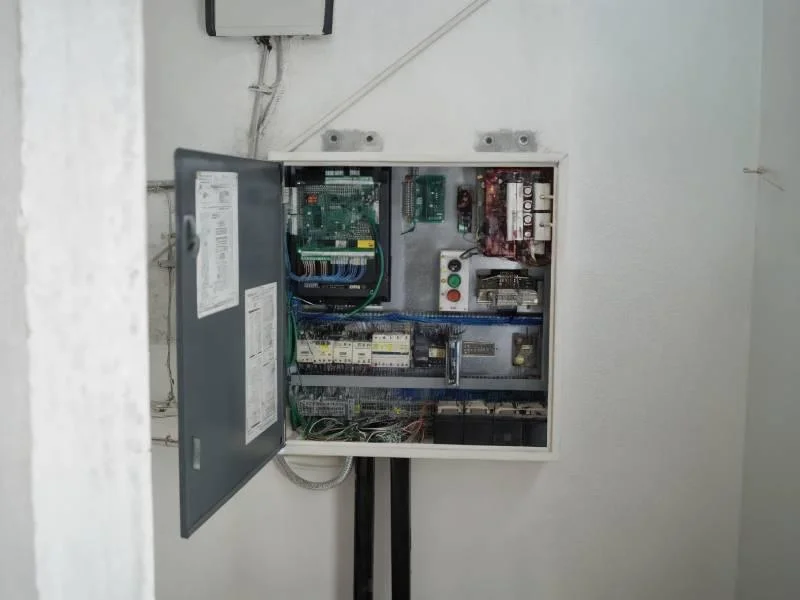
𝗪𝗵𝗮𝘁 𝗮𝗿𝗲 𝗩𝗙𝗗 𝗣𝗮𝗻𝗲𝗹𝘀?
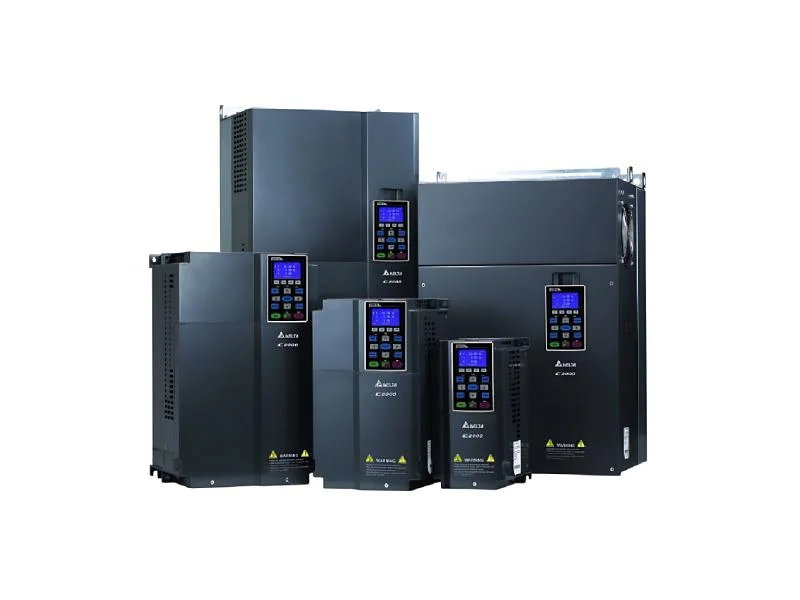
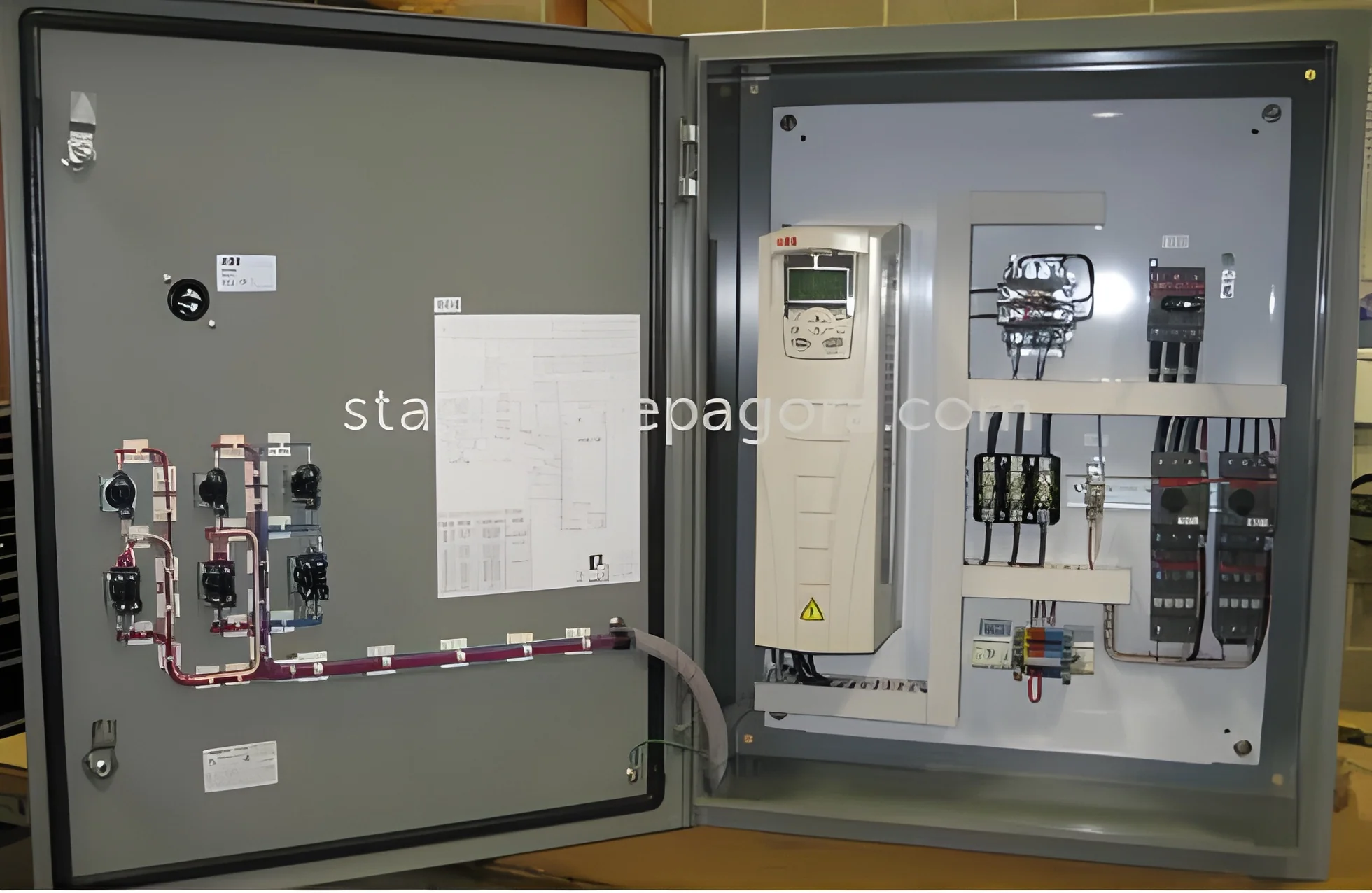
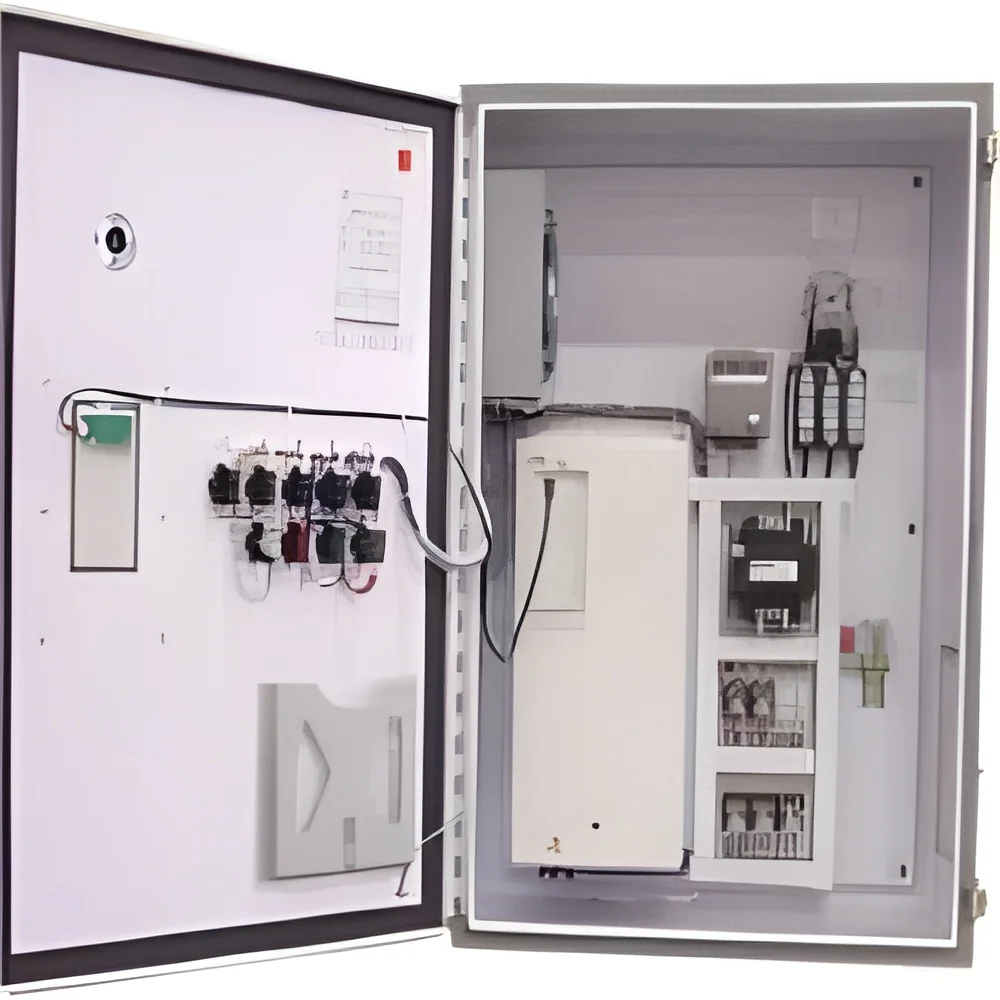
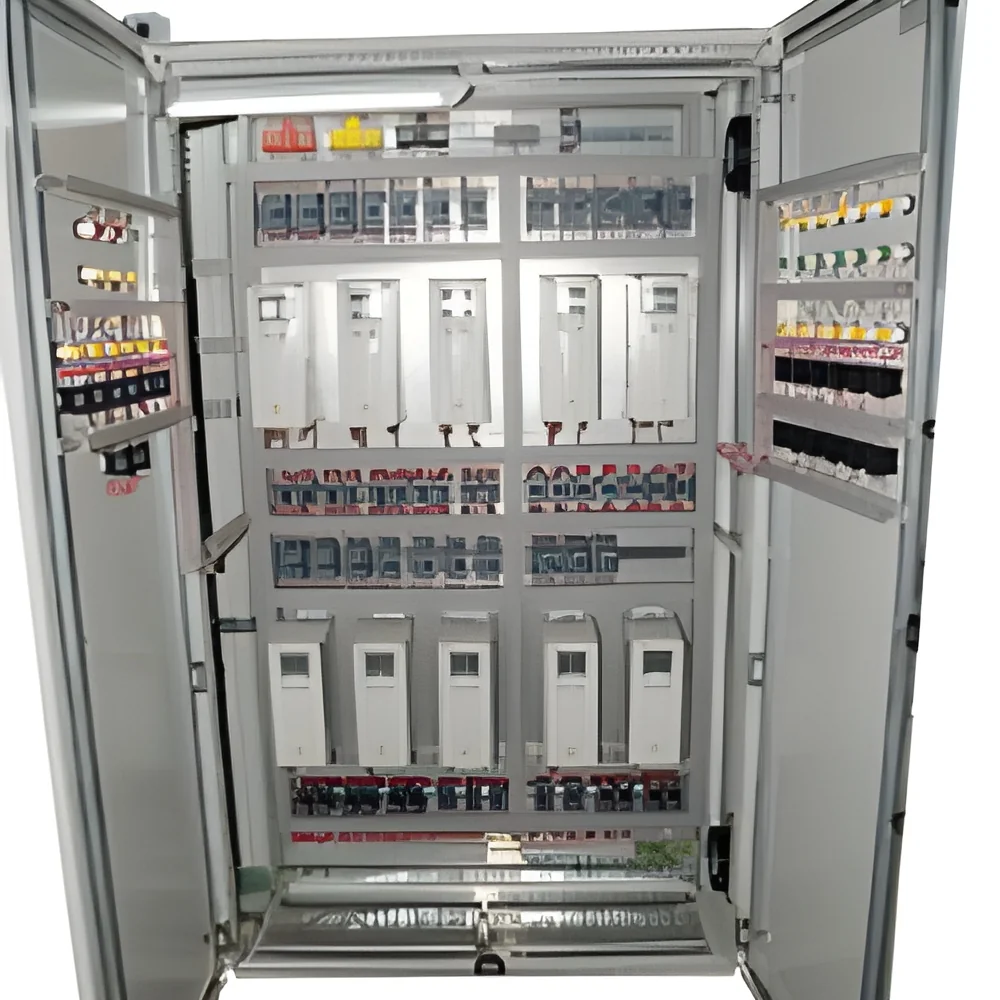
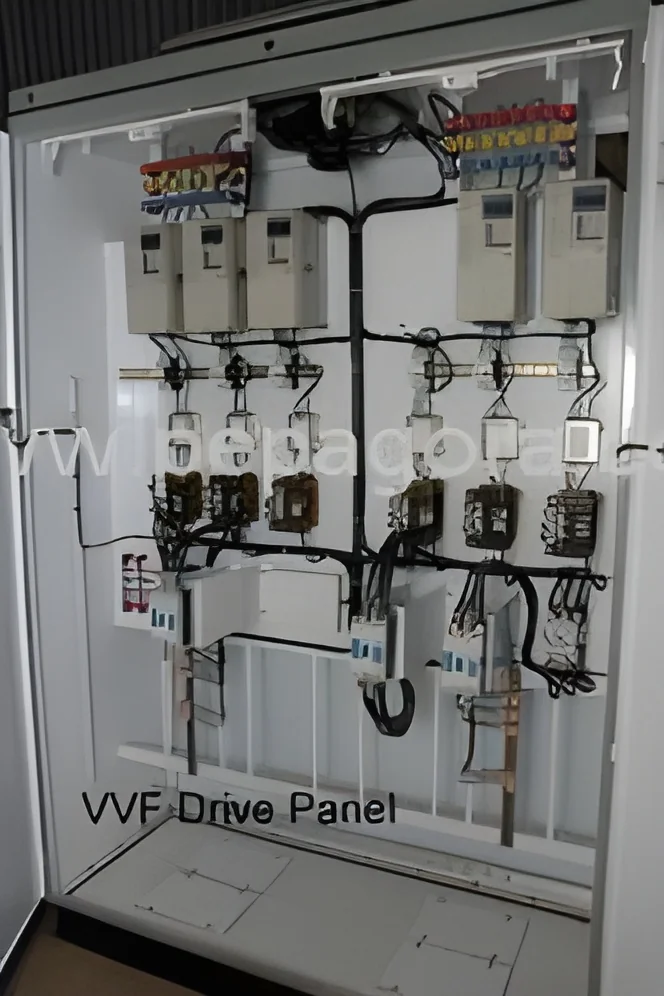
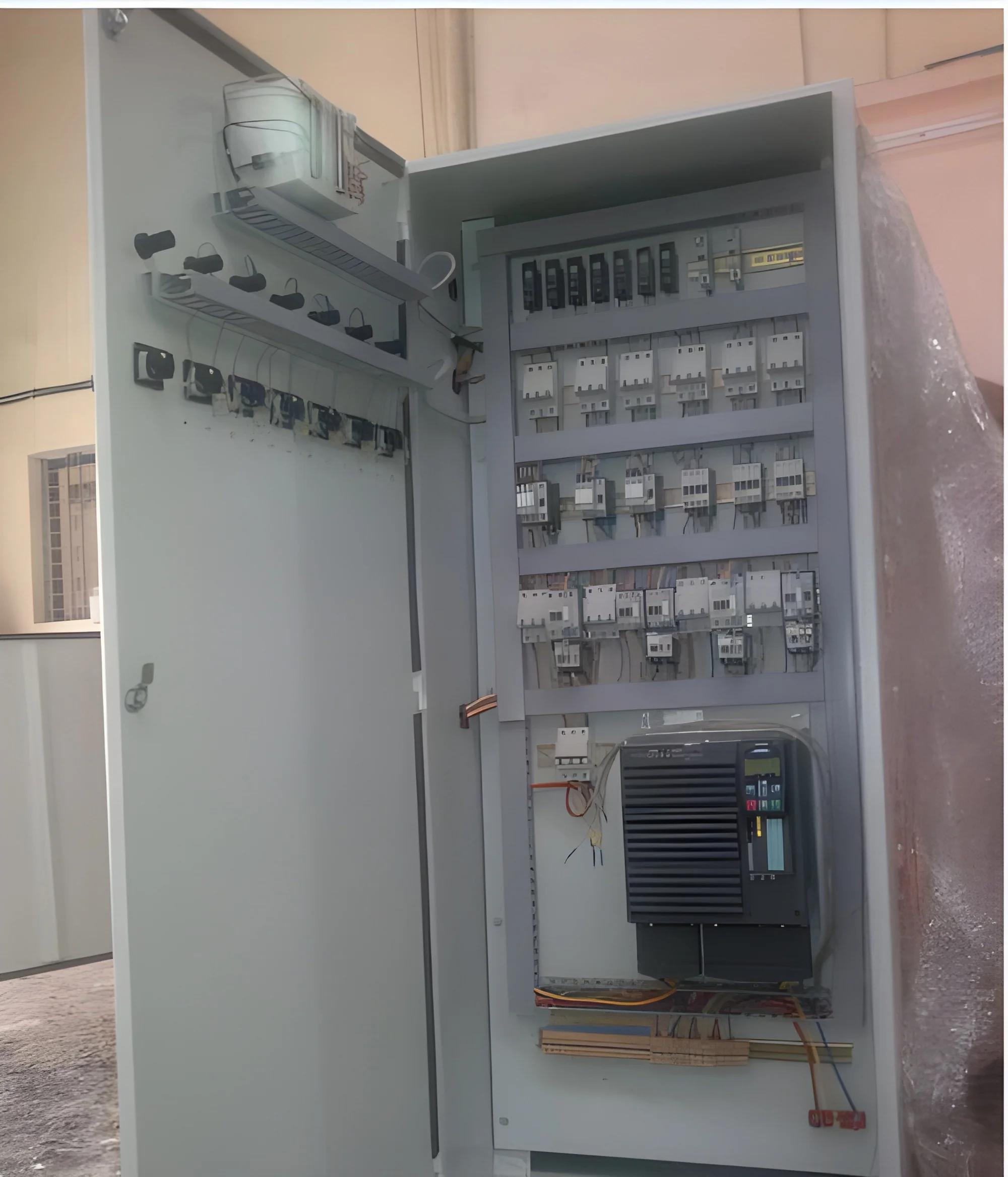
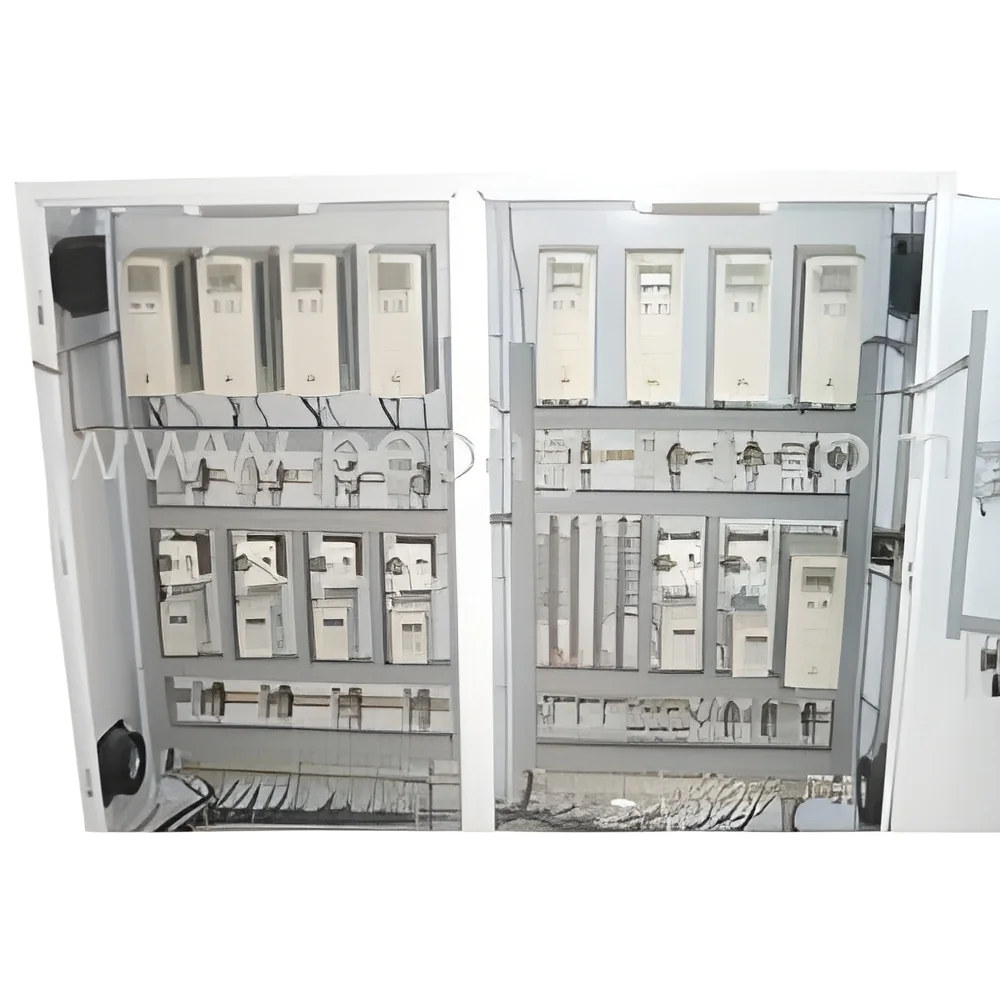
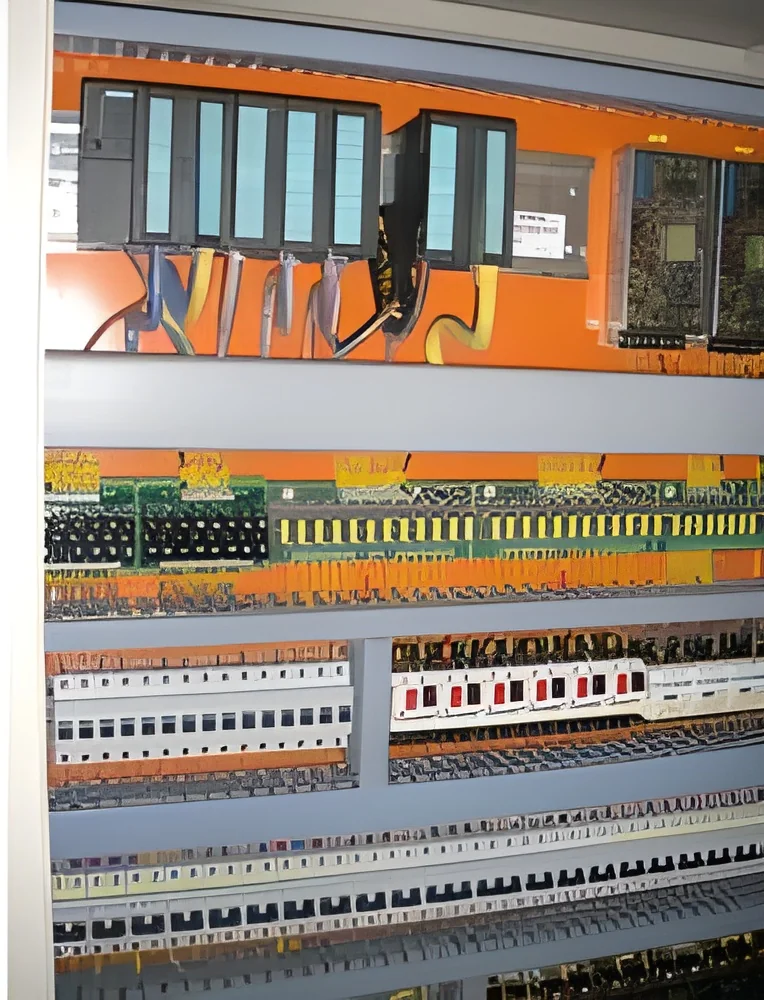
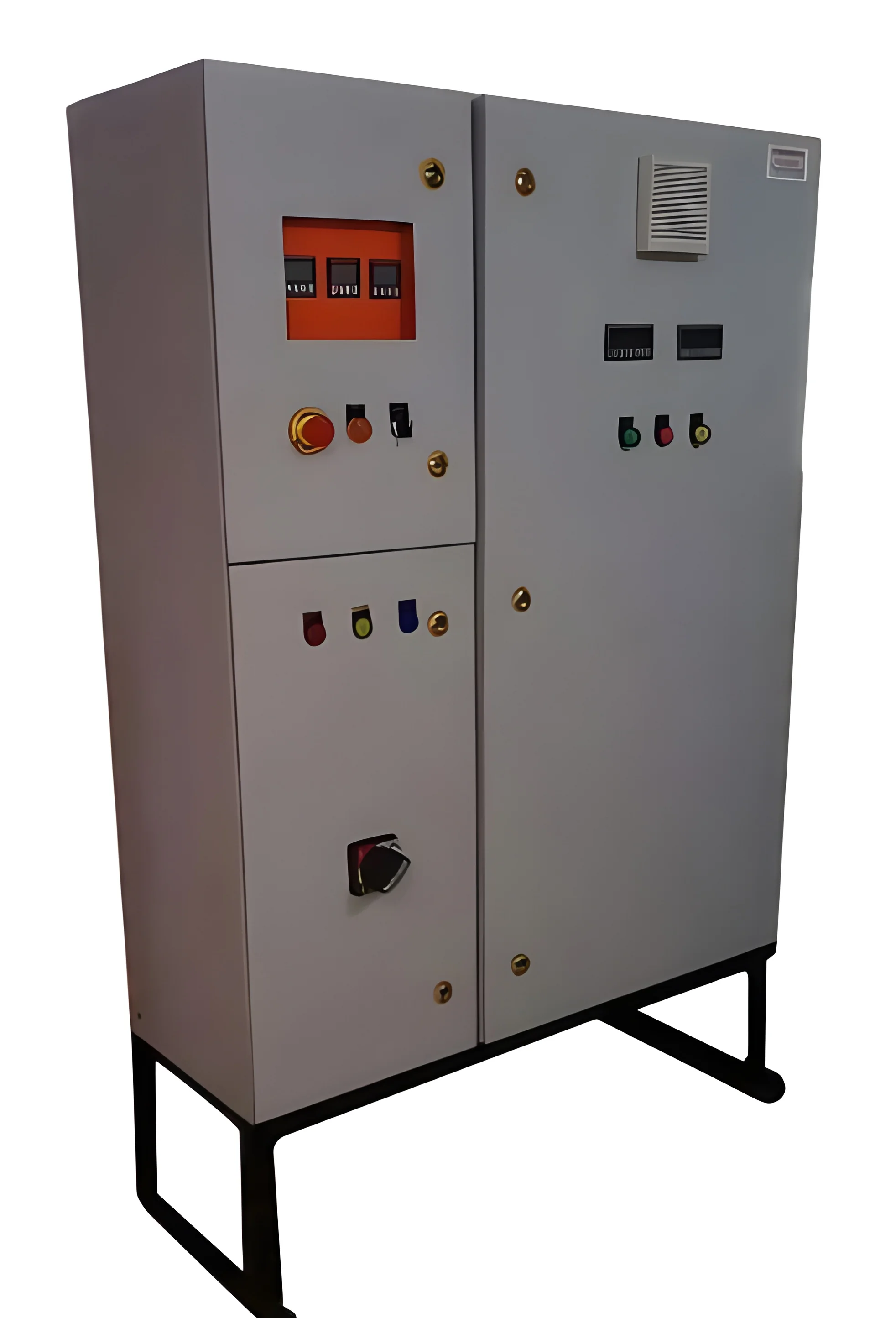
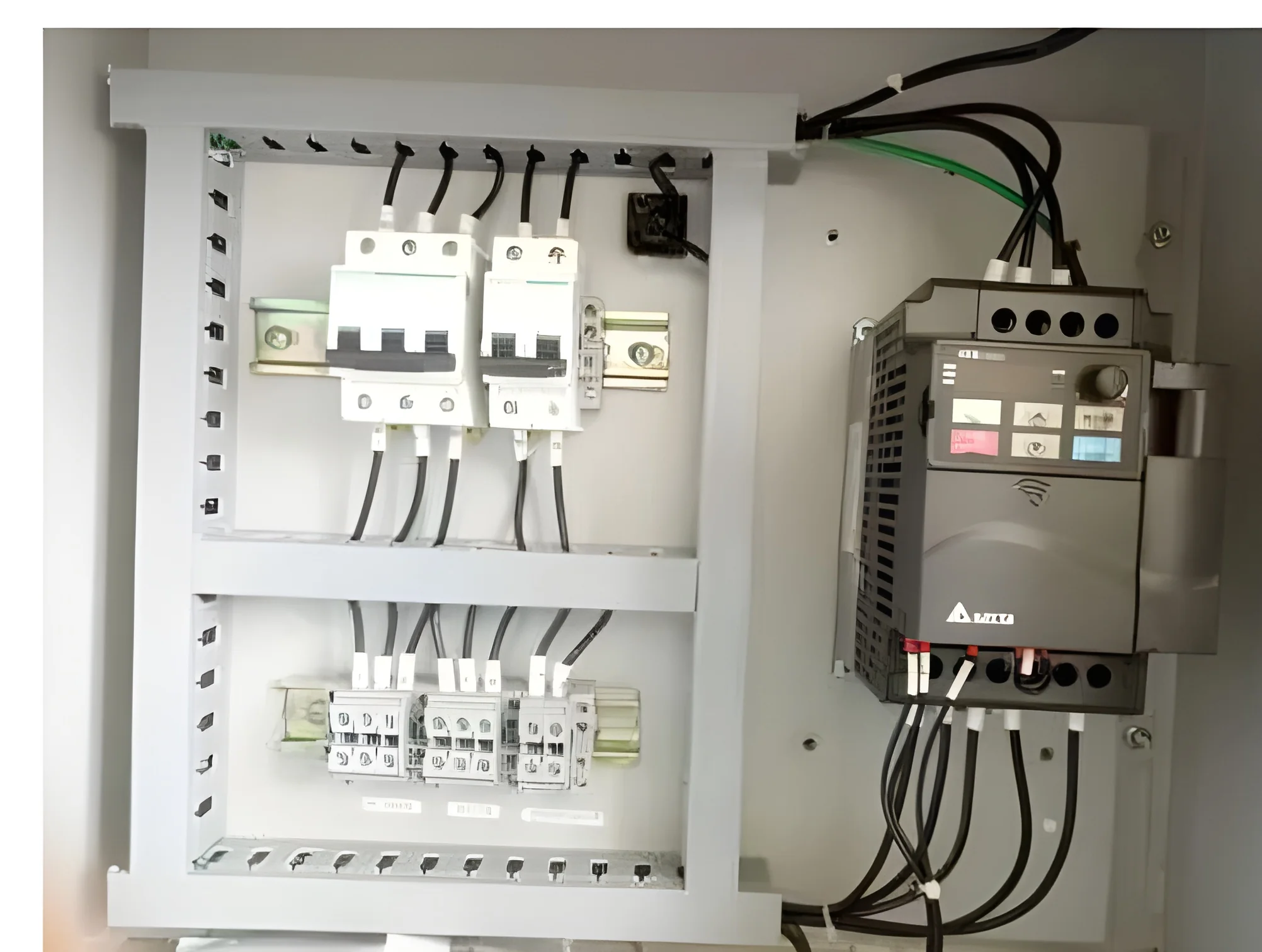
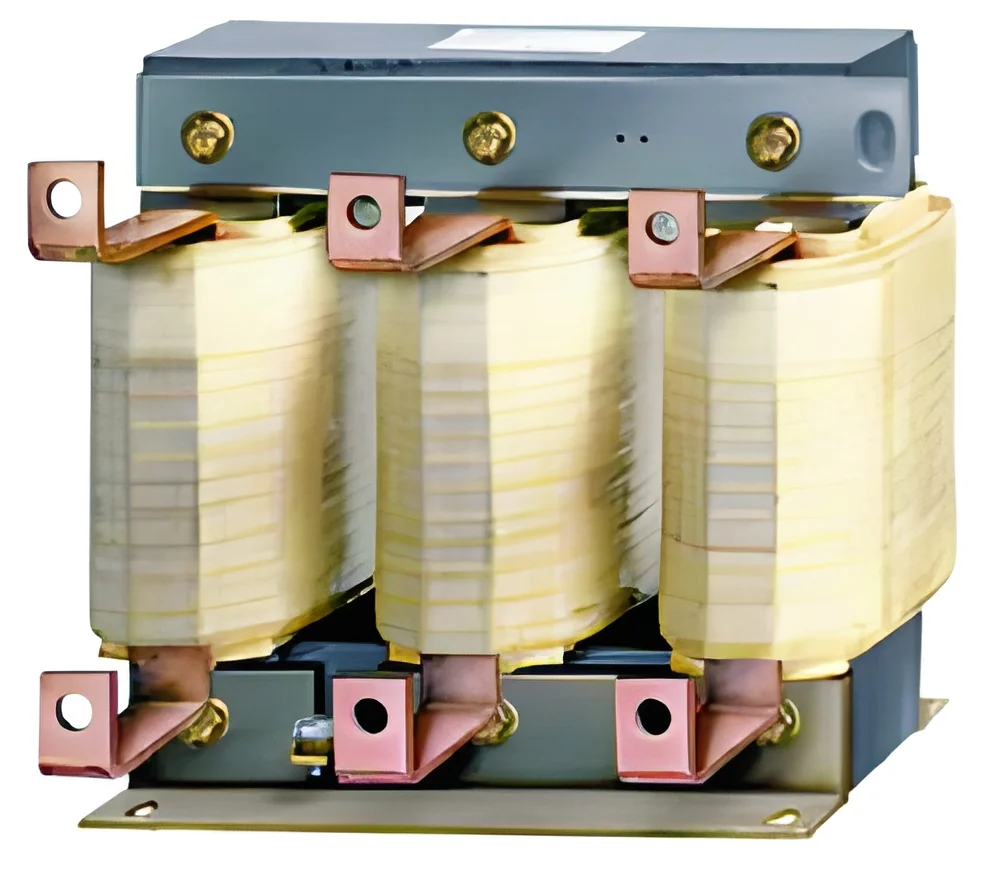
Variable Frequency Drive (VFD) Panels are sophisticated control systems used to manage the speed and torque of electric motors. They work by varying the frequency and voltage supplied to the motor, allowing for precise control over motor function and efficiency. VFD panels integrate various electrical components and software to provide a comprehensive solution for motor management in industrial applications.
These panels are primarily used in applications requiring variable speed control such as pumps, fans, and conveyor systems. By optimizing motor performance, VFD panels can significantly reduce energy consumption and operational costs. They find applications across diverse sectors including manufacturing, water treatment, HVAC systems, and more, proving essential for businesses aiming to enhance their operational efficiency.
In today's competitive market, the relevance of VFD panels continues to grow, driven by the increasing emphasis on energy efficiency and automation. Industries are adopting VFD technology to meet regulatory demands and improve productivity. As businesses look to modernize processes, VFD panels have become a vital component in the industrial landscape.
𝗞𝗲𝘆 𝗙𝗲𝗮𝘁𝘂𝗿𝗲𝘀 𝗮𝗻𝗱 𝗦𝗽𝗲𝗰𝗶𝗳𝗶𝗰𝗮𝘁𝗶𝗼𝗻𝘀
VFD panels come equipped with various features that enhance their functionality and efficiency. These specifications ensure that the panels meet the demands of different applications while adhering to industry standards.
Key specifications include:
1. Input Voltage Range
- Typically ranges from 230V to 690V
- Suitable for various motor types and applications
2. Output Frequency Range
- Standard frequency range from 0 to 400 Hz
- Enables precise control over motor speed
3. Control Modes
- Includes V/f control, vector control, and servo control
- Allows customization based on application needs
4. Protection Features
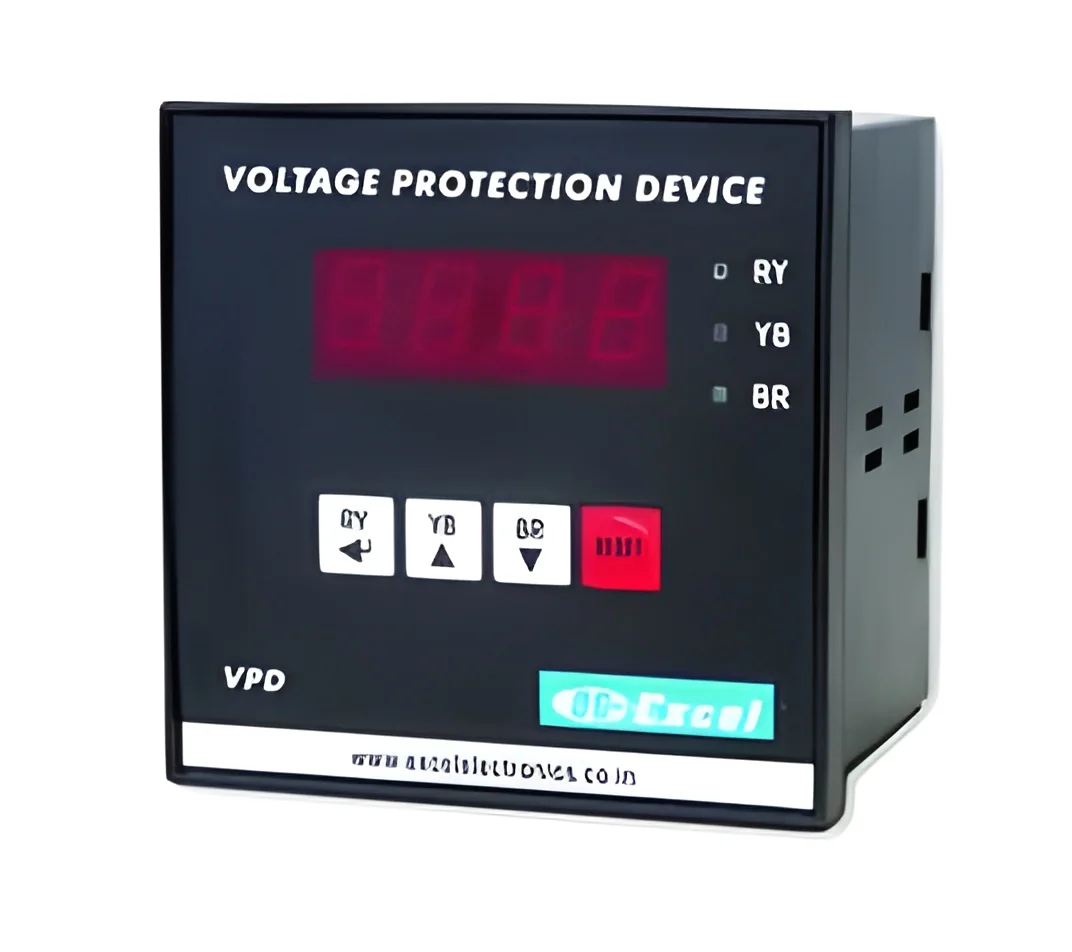
- Built-in overload, short circuit, and over-voltage protections
- Ensures safety and reliability in operation
5. Communication Protocols
- Supports protocols such as Modbus, CANopen, and Ethernet
- Facilitates integration with existing systems
6. Enclosure Rating
- Commonly rated IP20 or IP55
- Provides options for indoor or outdoor installations
7. Cooling Method
- Can be air-cooled or liquid-cooled depending on requirements
- Ensures optimal operating conditions and longevity
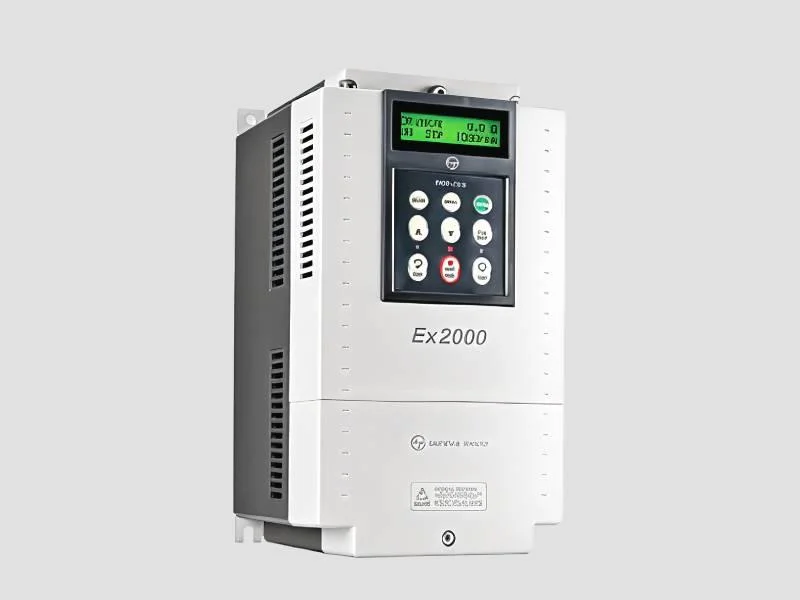
8. Display Interface
- Typically equipped with an LCD or LED display
- Provides real-time monitoring and diagnostics
These features collectively ensure that VFD panels deliver reliable performance while optimizing energy usage in industrial settings.
𝗖𝗼𝗺𝗺𝗼𝗻 𝗔𝗽𝗽𝗹𝗶𝗰𝗮𝘁𝗶𝗼𝗻𝘀 𝗮𝗻𝗱 𝗨𝘀𝗲 𝗖𝗮𝘀𝗲𝘀
VFD panels are versatile and can be applied across various industries to enhance efficiency and control.
1. Manufacturing: Used in conveyor systems and robotic applications to regulate speed and improve production rates.
2. Water Treatment: Essential for controlling pumps and blowers, ensuring optimal flow rates and energy savings.
3. HVAC: Employed in heating, ventilation, and air conditioning systems to modulate fan speeds and improve energy efficiency.
4. Oil and Gas: Used in drilling and extraction processes to manage equipment speeds and enhance operational efficiency.
5. Food and Beverage: Controls mixing and processing equipment, allowing for precise speed adjustments to meet production demands.
6. Mining: Utilized in crushers and conveyors to optimize performance and energy consumption.
7. Chemical Processing: Facilitates control over agitators and mixers, ensuring consistent product quality and process efficiency.
𝗣𝗿𝗼𝗱𝘂𝗰𝘁 𝗩𝗮𝗿𝗶𝗮𝗻𝘁𝘀 𝗮𝗻𝗱 𝗦𝘂𝗯𝗰𝗮𝘁𝗲𝗴𝗼𝗿𝗶𝗲𝘀
VFD panels are diverse, offering various configurations to meet specific operational needs.
Standard VFD Panels
These panels are designed for general industrial applications, providing essential features such as variable speed control and multiple protection mechanisms.
Heavy-Duty VFD Panels
Engineered for rigorous environments, these panels include enhanced cooling methods and robust protective features to withstand extreme conditions.
Compact VFD Panels
Ideal for space-constrained applications, these compact designs offer essential functionalities while minimizing footprint.
𝗕𝗲𝗻𝗲𝗳𝗶𝘁𝘀 𝗮𝗻𝗱 𝗔𝗱𝘃𝗮𝗻𝘁𝗮𝗴𝗲𝘀
Choosing VFD panels offers numerous advantages for industrial operations.
1. Energy Efficiency: VFD panels optimize motor performance, significantly reducing energy consumption compared to traditional motor controls.
2. Cost Savings: By lowering energy costs and minimizing wear on equipment, VFD panels contribute to substantial cost savings over time.
3. Improved Process Control: They provide precise control over motor speed and torque, enhancing overall operational efficiency.
4. Extended Equipment Life: Reduced mechanical stress from variable speeds leads to longer life for motors and related equipment.
5. Enhanced Productivity: VFD panels enable quicker adjustments to production processes, improving overall productivity.
6. Reduced Maintenance Needs: With built-in protections and advanced monitoring, VFD panels can lead to fewer breakdowns and maintenance interventions.
𝗕𝘂𝘆𝗶𝗻𝗴 𝗚𝘂𝗶𝗱𝗲 𝗳𝗼𝗿 𝗕𝟮𝗕 𝗕𝘂𝘆𝗲𝗿𝘀
When sourcing VFD Panels, it is essential to consider several critical factors to ensure the right investment.
1. Quality Assessment: Ensure that the panels are manufactured to meet industry standards and possess relevant certifications. This guarantees reliability and performance.
2. Supplier Verification: Vet potential suppliers for their credibility and experience in the market. Look for reviews, certifications, and previous project references.
3. Pricing and MOQ: Analyze the pricing structure and minimum order quantities. Understand how these factors influence your overall budget and procurement strategy.
4. Delivery and Lead Times: Confirm the supplier’s ability to meet your delivery timelines. This is crucial for maintaining project schedules and operational continuity.
5. Compliance Requirements: Verify that the VFD panels meet local and international regulatory standards. This includes safety and operational guidelines specific to your industry.
𝗖𝗼𝗺𝗽𝗹𝗶𝗮𝗻𝗰𝗲 𝗮𝗻𝗱 𝗖𝗲𝗿𝘁𝗶𝗳𝗶𝗰𝗮𝘁𝗶𝗼𝗻𝘀
VFD panels must adhere to various quality standards and certifications to ensure they meet industry requirements.
ISO 9001 is a widely recognized standard for quality management systems, ensuring that manufacturers consistently provide products that meet customer and regulatory requirements.
The CE marking indicates compliance with European health, safety, and environmental protection standards. This certification is essential for products sold in the European market.
Safety and testing requirements are critical for VFD panels, as they must undergo rigorous testing to ensure reliable operation under various conditions.
Regional compliance considerations may also be necessary depending on local regulations, emphasizing the importance of sourcing from manufacturers familiar with these standards.
𝗪𝗵𝘆 𝗦𝗼𝘂𝗿𝗰𝗲 𝗩𝗙𝗗 𝗣𝗮𝗻𝗲𝗹𝘀 𝗳𝗿𝗼𝗺 𝗣𝗲𝗽𝗮𝗴𝗼𝗿𝗮?
Pepagora provides a trusted platform for sourcing VFD Panels with several key advantages.
Verified Supplier Network: Pepagora maintains a robust network of verified suppliers, ensuring that buyers can access high-quality products from reputable manufacturers.
Streamlined RFQ Process: The platform offers a user-friendly system for requesting quotations, making it easier for buyers to compare options and make informed decisions.
Trade Assurance and Support: Pepagora prioritizes buyer protection, providing support throughout the purchasing process to ensure satisfaction and mitigate risks.
Regional Coverage: With a strong presence in India, the GCC, and Southeast Asia, Pepagora connects buyers with suppliers across diverse markets, facilitating effective sourcing strategies.
VFD Panels, or Variable Frequency Drive Panels, are electrical devices used to control the speed and torque of electric motors by varying the frequency and voltage of the electrical supply. They are commonly used in various industrial applications to enhance energy efficiency and optimize motor performance.
2
What are the different types of VFD Panels?
There are several types of VFD Panels, including standalone VFDs, cabinet-mounted VFDs, and modular VFDs. Each type serves specific applications and can vary in features such as size, power range, and ease of integration with existing systems.
3
How do I choose the right VFD Panels?
To choose the right VFD Panels, consider factors such as the motor's power rating, application requirements, and environmental conditions. Consulting with vendors or manufacturers can also provide insights into the best options available for your specific needs.
4
What are the standard specifications for VFD Panels?
Standard specifications for VFD Panels typically include input voltage, output voltage, frequency range, current ratings, and control methods. Additionally, they may also specify features like protection ratings and communication protocols, which are essential for integration into existing systems.
5
What is the price range for VFD Panels?
The price range for VFD Panels can vary significantly based on factors such as power ratings, features, and manufacturer. Generally, you can expect prices to start from a few thousand rupees for basic models and can go up to several lakhs for advanced units.
6
What quality standards apply to VFD Panels?
VFD Panels must adhere to various quality standards, including IEC and UL certifications, which ensure safety, performance, and reliability. Compliance with these standards is crucial for ensuring the panels can operate efficiently in industrial environments.
7
Where can I find VFD Panels suppliers in India?
You can find VFD Panels suppliers in India through online B2B marketplaces, local industrial suppliers, or by attending trade shows related to electrical and automation products. Websites like Pepagora.com can help connect you with reputable manufacturers and suppliers.
8
Can VFD Panels be customized?
Yes, many manufacturers offer customization options for VFD Panels to meet specific application requirements. Customizations can include modifications in size, features, or control methods to better suit your operational needs.
9
What is the typical minimum order quantity for VFD Panels?
The typical minimum order quantity (MOQ) for VFD Panels can vary by supplier and product type. Often, manufacturers may set an MOQ ranging from one unit for standard models to larger quantities for customized panels.
10
What is the typical lead time for VFD Panels?
The typical lead time for VFD Panels can range from 2 to 8 weeks, depending on factors such as the complexity of the order and the manufacturer's production capacity. Custom orders may require additional time for design and manufacturing.
Why Businesses Trust Pepagora
Thousands of companies trust Pepagora to source smarter and sell faster
Expand Your Sales Globally
25000+Products listed.Get discovered by global buyers

 IN
IN