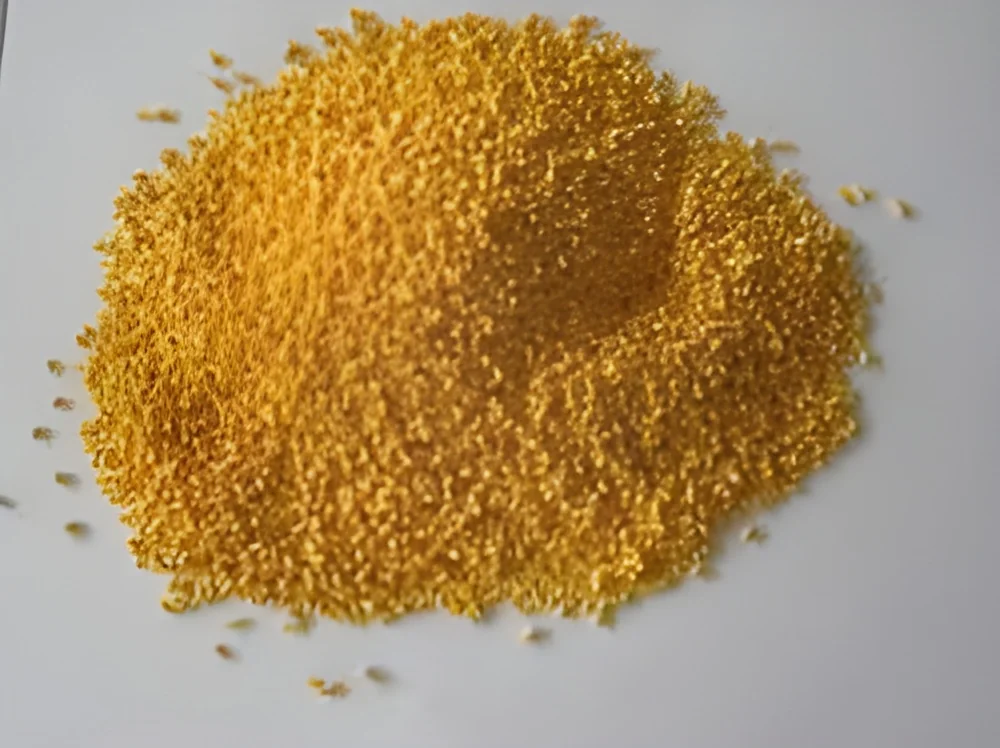
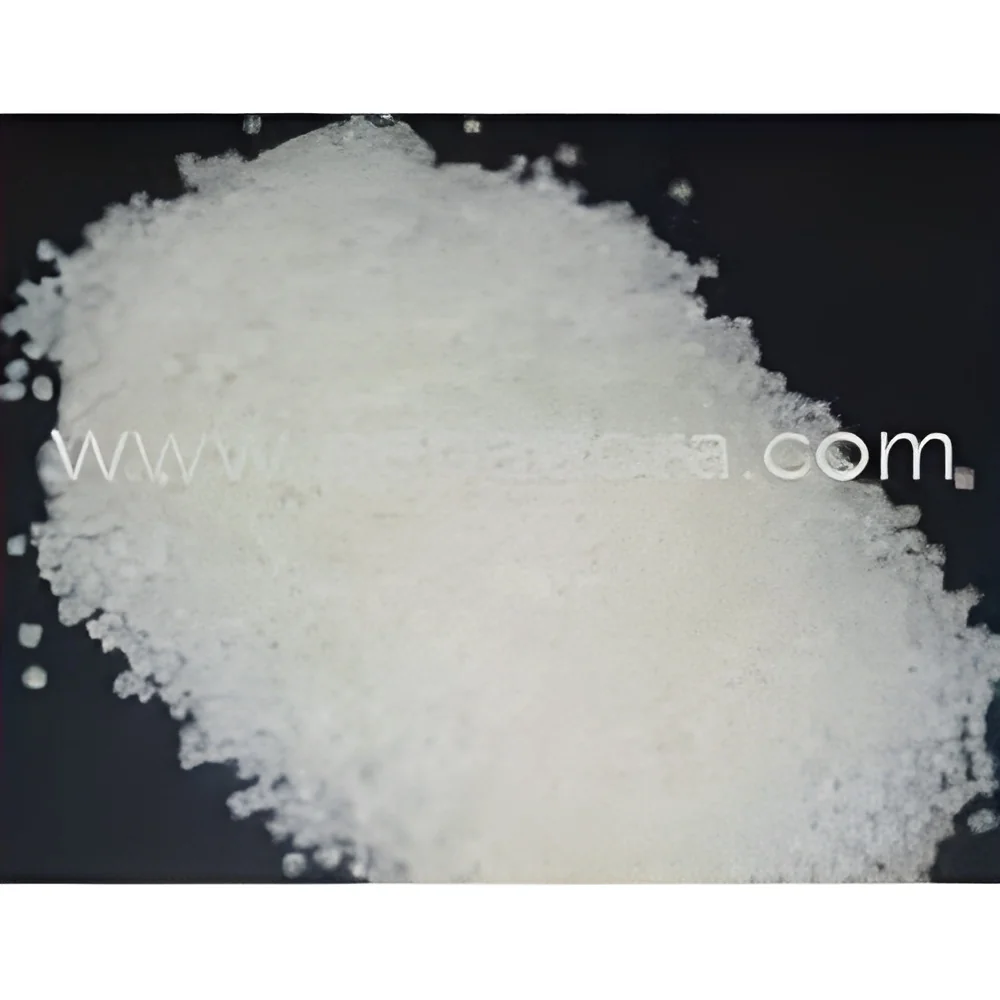
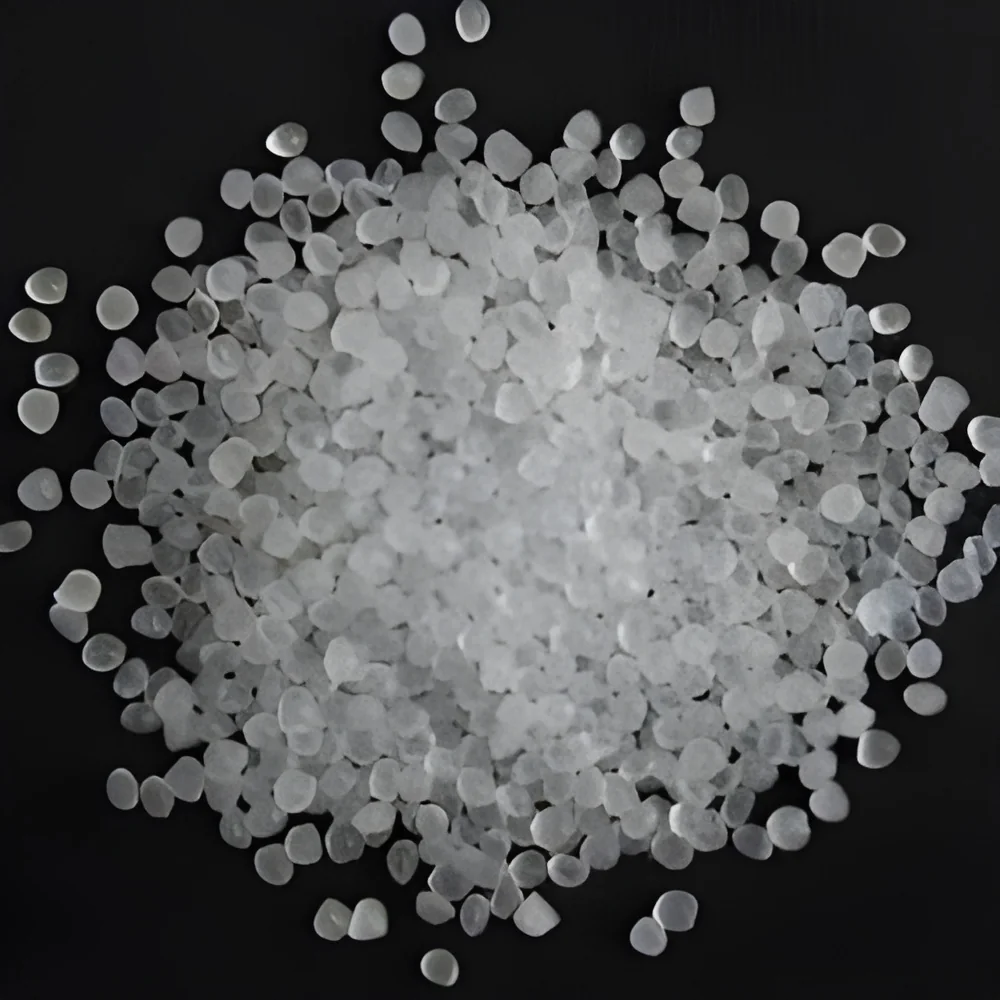
𝗪𝗵𝗮𝘁 𝗮𝗿𝗲 𝗩𝗶𝗿𝗴𝗶𝗻 𝗣𝗹𝗮𝘀𝘁𝗶𝗰 𝗥𝗮𝘄 𝗠𝗮𝘁𝗲𝗿𝗶𝗮𝗹𝘀?
Virgin plastic raw materials are newly produced plastics derived from petrochemical sources, rather than recycled materials. These plastics are created using the polymerization of monomers, resulting in high-quality products that maintain their structural integrity and performance characteristics. Virgin plastics are essential in manufacturing a wide range of products due to their consistent quality and reliability.
In terms of applications, virgin plastic raw materials are extensively used across various industries, including packaging, automotive, electronics, and consumer goods. Their versatility allows manufacturers to produce items ranging from containers and films to automotive parts and electronic components. The demand for virgin plastic remains strong in the market as businesses seek durable materials that meet specific performance requirements.
The relevance of virgin plastic raw materials in the industry is underscored by the growing focus on sustainability and innovation. While there is an increasing push towards recycling and bioplastics, virgin plastics still play a crucial role in meeting the quality and performance standards needed in many applications. As such, understanding the properties and sourcing of virgin plastics is vital for businesses looking to maintain a competitive edge.
𝗞𝗲𝘆 𝗙𝗲𝗮𝘁𝘂𝗿𝗲𝘀 𝗮𝗻𝗱 𝗦𝗽𝗲𝗰𝗶𝗳𝗶𝗰𝗮𝘁𝗶𝗼𝗻𝘀
Virgin plastic raw materials come with specific features and specifications that make them suitable for various applications. These materials are known for their purity, strength, and versatility. Their consistent quality ensures that they meet the demands of different industries effectively.
Key specifications include:
1. Material Type
- Common types include polyethylene (PE), polypropylene (PP), and polystyrene (PS).
- Each type has distinct properties suitable for specific applications.
2. Density
- Density varies depending on the type of plastic.
- Typical ranges are from 0.90 g/cm³ to 1.45 g/cm³.
3. Melting Point
- Melting points differ by material type.
- Polyethylene has a melting point around 120-130 degrees Celsius, while polypropylene melts at approximately 160-170 degrees Celsius.
4. Tensile Strength
- The tensile strength varies based on the formulation.
- Values can range from 20 MPa to over 50 MPa.
5. Impact Resistance
- Virgin plastics are known for their excellent impact resistance.
- This feature is crucial for applications that require durability.
6. Chemical Resistance
- Different virgin plastics exhibit varying levels of resistance to chemicals.
- Polypropylene, for instance, is highly resistant to most acids and bases.
7. UV Stability
- Many virgin plastics are formulated for UV stability.
- This feature is important for outdoor applications.
8. Colorability
- Virgin plastic raw materials can be easily colored and customized for branding.
- This allows for a wide range of aesthetic options in finished products.
In summary, virgin plastic raw materials are characterized by their purity, strength, and versatility, making them suitable for various industrial applications.
𝗖𝗼𝗺𝗺𝗼𝗻 𝗔𝗽𝗽𝗹𝗶𝗰𝗮𝘁𝗶𝗼𝗻𝘀 𝗮𝗻𝗱 𝗨𝘀𝗲 𝗖𝗮𝘀𝗲𝘀
Virgin plastic raw materials are utilized in numerous industries due to their desirable properties.
1. Packaging: Virgin plastics are widely used for packaging applications, including bottles, containers, and films. Their lightweight nature and barrier properties help preserve product freshness.
2. Automotive: In the automotive sector, virgin plastics are employed for interior and exterior components, such as dashboards, bumpers, and trims. Their durability and resistance to environmental factors make them ideal for automotive parts.
3. Electronics: The electronics industry uses virgin plastics for manufacturing casings, connectors, and insulation materials. Their electrical insulation properties and ease of molding are critical for electronic applications.
4. Consumer Goods: Many consumer products, including toys, household items, and appliances, are made from virgin plastics. Their versatility allows for a variety of shapes and designs.
5. Construction: In construction, virgin plastics are used for pipes, fittings, and insulation materials. Their strength and resistance to moisture make them suitable for various building applications.
6. Medical Devices: The medical industry utilizes virgin plastics for devices and packaging due to their sterility and safety. They are essential in creating durable, disposable products.
7. Agriculture: Virgin plastics are employed in agricultural films and containers, helping improve crop yields and protect produce during transportation.
𝗣𝗿𝗼𝗱𝘂𝗰𝘁 𝗩𝗮𝗿𝗶𝗮𝗻𝘁𝘀 𝗮𝗻𝗱 𝗦𝘂𝗯𝗰𝗮𝘁𝗲𝗴𝗼𝗿𝗶𝗲𝘀
Virgin plastic raw materials encompass a variety of types, each tailored to specific applications.
Polyethylene (PE)
Polyethylene is one of the most widely used virgin plastics. It is known for its flexibility and chemical resistance. Common applications include packaging films, containers, and plastic bags.
Polypropylene (PP)
Polypropylene offers excellent strength and durability. It is frequently used in automotive components, food containers, and textiles due to its versatility and resistance to heat.
Polystyrene (PS)
Polystyrene is commonly used in disposable cutlery, cups, and packaging materials. Its lightweight nature and ease of molding make it an ideal choice for various consumer products.
Polyvinyl Chloride (PVC)
PVC is utilized in construction materials, pipes, and medical devices. Its strength and resistance to environmental factors make it suitable for applications requiring durability.
𝗕𝗲𝗻𝗲𝗳𝗶𝘁𝘀 𝗮𝗻𝗱 𝗔𝗱𝘃𝗮𝗻𝘁𝗮𝗴𝗲𝘀
Sourcing virgin plastic raw materials provides several advantages for businesses.
1. High Quality: Virgin plastics offer superior quality compared to recycled alternatives. They have consistent properties, ensuring reliable performance.
2. Customization: Manufacturers can easily customize virgin plastics for color and formulation, allowing for tailored solutions to meet specific needs.
3. Enhanced Performance: Virgin plastics are engineered for optimal performance, making them suitable for demanding applications across industries.
4. Regulatory Compliance: Many virgin plastics meet industry standards and regulations, ensuring safety and reliability in applications like food packaging and medical devices.
5. Sustainability: While virgin plastics are derived from petrochemical sources, advancements in technology are leading to more sustainable practices in their production and use.
6. Cost-Effectiveness: Purchasing virgin plastics can be cost-effective in the long run due to their durability and lower failure rates in applications.
𝗕𝘂𝘆𝗶𝗻𝗴 𝗚𝘂𝗶𝗱𝗲 𝗳𝗼𝗿 𝗕𝟮𝗕 𝗕𝘂𝘆𝗲𝗿𝘀
When considering the procurement of virgin plastic raw materials, several factors should be taken into account.
1. Quality Assessment: Evaluate the quality of virgin plastics by checking for certifications and compliance with industry standards. Ensure that the materials meet your specific performance requirements.
2. Supplier Verification: Vet suppliers by reviewing their reputations, customer feedback, and production capabilities. A reliable supplier is crucial for consistent quality and supply.
3. Pricing and MOQ: Understand pricing structures and minimum order quantities (MOQ) to ensure they align with your budget and production needs. Compare quotes from multiple suppliers to find the best deal.
4. Delivery and Lead Times: Assess the supplier's ability to meet delivery schedules and lead times. Timely delivery is vital to maintaining your production schedules.
5. Compliance Requirements: Be aware of regulatory requirements applicable to your industry. Ensure that the virgin plastic materials conform to relevant safety and environmental standards.
𝗖𝗼𝗺𝗽𝗹𝗶𝗮𝗻𝗰𝗲 𝗮𝗻𝗱 𝗖𝗲𝗿𝘁𝗶𝗳𝗶𝗰𝗮𝘁𝗶𝗼𝗻𝘀
Virgin plastic raw materials must adhere to various compliance and certification standards.
ISO 9001 is a widely recognized quality management standard that ensures consistent quality in manufacturing processes. Compliance with this standard indicates that a supplier maintains high-quality control measures.
HACCP (Hazard Analysis and Critical Control Points) is essential for companies involved in food packaging. This standard ensures that materials are produced in a way that minimizes risks to food safety.
CE certification is crucial for products sold in the European market, indicating that the materials meet European health, safety, and environmental protection requirements.
Safety and testing requirements also play a vital role in the sourcing of virgin plastics, especially for applications in the medical and food sectors. It is essential to ensure that the materials are tested for safety and performance.
Regional compliance considerations may vary based on local regulations, so it is important to verify that the materials meet the specific requirements of the intended market.
𝗪𝗵𝘆 𝗦𝗼𝘂𝗿𝗰𝗲 𝗩𝗶𝗿𝗴𝗶𝗻 𝗣𝗹𝗮𝘀𝘁𝗶𝗰 𝗥𝗮𝘄 𝗠𝗮𝘁𝗲𝗿𝗶𝗮𝗹𝘀 𝗳𝗿𝗼𝗺 𝗣𝗲𝗽𝗮𝗴𝗼𝗿𝗮?
Pepagora provides an efficient platform for sourcing virgin plastic raw materials, offering several key advantages for B2B buyers.
Verified Supplier Network: Pepagora connects buyers with a network of verified suppliers, ensuring access to high-quality materials from reputable sources. This network enables buyers to make informed decisions based on supplier credibility and product quality.
Streamlined RFQ Process: The request for quotation (RFQ) process is designed to be straightforward, allowing buyers to easily submit their requirements and receive competitive quotes from multiple suppliers. This efficiency helps in making quicker purchasing decisions.
Trade Assurance and Support: Pepagora offers trade assurance, providing buyers with protection against potential disputes. The platform also offers support services to assist buyers throughout the sourcing process, ensuring a smooth experience.
Regional Coverage: With a strong presence in India, the GCC, and Southeast Asia, Pepagora offers regional coverage that meets the diverse needs of buyers in different markets. This geographic reach facilitates better access to local suppliers and tailored solutions.
Virgin Plastic Raw Materials are the raw forms of plastic that have not been previously processed or recycled. They are derived directly from petrochemical sources and are used in the production of various plastic products. These materials offer high purity and consistent quality, making them ideal for applications where durability and strength are critical.
2
What are the different types of Virgin Plastic Raw Materials?
There are several types of Virgin Plastic Raw Materials, including Polyethylene (PE), Polypropylene (PP), Polyvinyl Chloride (PVC), Polystyrene (PS), and Polyethylene Terephthalate (PET). Each type has unique properties and is suited for specific applications, ranging from packaging to automotive parts. Understanding the characteristics of each type is essential for selecting the right material for your needs.
3
How do I choose the right Virgin Plastic Raw Materials?
To choose the right Virgin Plastic Raw Materials, consider the intended application, required mechanical properties, and environmental factors. Evaluate the material's strength, flexibility, and resistance to chemicals or UV light based on the product's end use. Consulting with suppliers or manufacturers can provide valuable insights into the best material choices for your specific requirements.
4
What are the standard specifications for Virgin Plastic Raw Materials?
Standard specifications for Virgin Plastic Raw Materials typically include properties such as density, melt flow index, tensile strength, and impact resistance. These specifications may vary based on the type of plastic and its intended application. It is important to refer to industry standards or manufacturer data sheets to ensure compliance with quality and performance criteria.
5
What is the price range for Virgin Plastic Raw Materials?
The price range for Virgin Plastic Raw Materials varies widely depending on the type of plastic, market demand, and supplier pricing strategies. Generally, prices can range from INR 70 to INR 200 per kilogram, but fluctuations may occur based on global oil prices and supply chain factors. It is advisable to compare quotes from multiple suppliers to find competitive pricing.
6
What quality standards apply to Virgin Plastic Raw Materials?
Quality standards for Virgin Plastic Raw Materials often adhere to international specifications such as ISO, ASTM, or BIS. These standards ensure that the materials meet specific performance and safety criteria for various applications. Manufacturers may also conduct tests for purity and consistency to maintain high-quality production.
7
Where can I find Virgin Plastic Raw Materials suppliers in India?
You can find Virgin Plastic Raw Materials suppliers in India through online B2B marketplaces like Pepagora, trade directories, or industry trade shows. Many manufacturers also have dedicated websites where they showcase their products and services. Networking within industry associations can also help identify reputable suppliers.
8
Can Virgin Plastic Raw Materials be customized?
Yes, Virgin Plastic Raw Materials can often be customized to meet specific requirements, including variations in color, additives, or performance characteristics. Custom formulations can enhance properties such as strength, flexibility, or UV resistance. It is advisable to discuss customization options directly with suppliers to ensure that your specifications are met.
9
What is the typical minimum order quantity for Virgin Plastic Raw Materials?
The typical minimum order quantity (MOQ) for Virgin Plastic Raw Materials varies by supplier and product type but often ranges from 100 kg to 1000 kg. Smaller quantities may be available, but they could come at a higher price per unit. It is recommended to check with different suppliers to find an MOQ that fits your purchasing needs.
10
What is the typical lead time for Virgin Plastic Raw Materials?
The typical lead time for Virgin Plastic Raw Materials can range from 1 to 4 weeks, depending on the supplier's inventory and production capabilities. Custom orders may require additional time for formulation and production. It is important to communicate your timeline requirements with suppliers to ensure timely delivery.
Why Businesses Trust Pepagora
Thousands of companies trust Pepagora to source smarter and sell faster
Expand Your Sales Globally
25000+Products listed.Get discovered by global buyers

 IN
IN