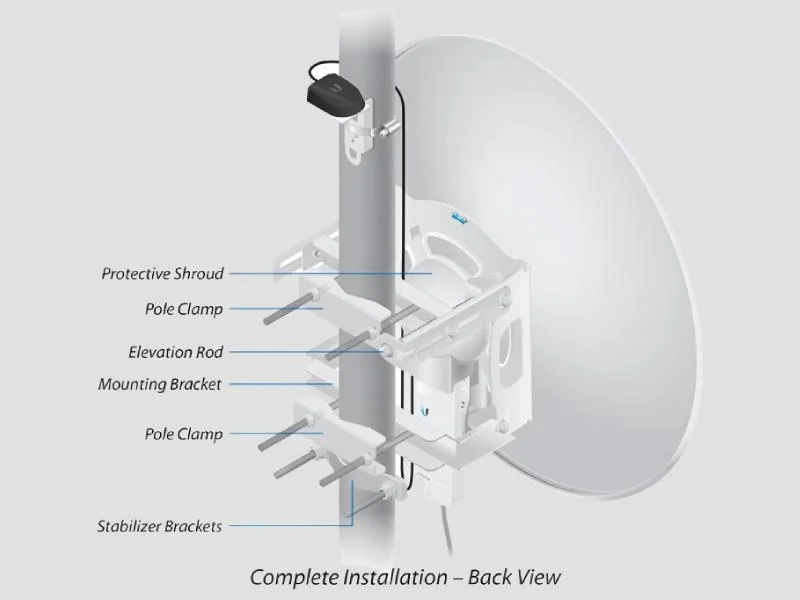
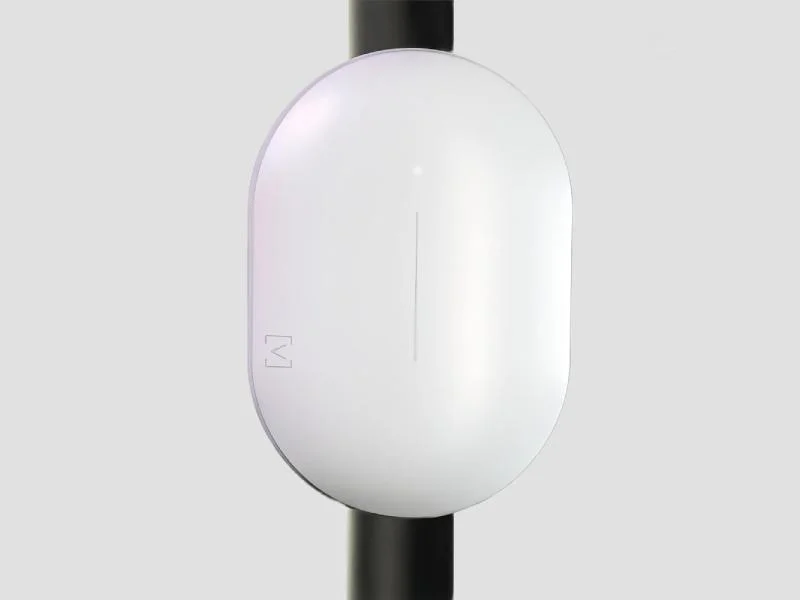
What are Waps (Wireless Access Point)?
Wireless Access Points, commonly referred to as WAPs, are networking devices that allow wireless devices to connect to a wired network. They serve as a bridge between wired and wireless networks, enabling users to access the internet and communicate with other devices without the need for physical connections. WAPs can be standalone units or integrated into routers and are essential for establishing wireless local area networks (WLANs).
WAPs are primarily used in various business environments, including offices, warehouses, and retail locations. They facilitate seamless connectivity for laptops, smartphones, tablets, and other wireless devices. Businesses utilize WAPs to enhance productivity, enable mobility, and improve overall network performance. In today’s digital landscape, where remote work and mobile access are increasingly prevalent, the importance of reliable wireless connectivity cannot be overstated.
The relevance of WAPs extends across multiple industries, including education, healthcare, and manufacturing. As organizations adopt smart technologies and IoT devices, the demand for robust wireless infrastructure continues to grow. This trend positions WAPs as a critical component of modern IT strategy, allowing businesses to remain competitive and efficient.
𝗞𝗲𝘆 𝗙𝗲𝗮𝘁𝘂𝗿𝗲𝘀 𝗮𝗻𝗱 𝗦𝗽𝗲𝗰𝗶𝗳𝗶𝗰𝗮𝘁𝗶𝗼𝗻𝘀
WAPs come with various features and specifications designed to meet the demands of different environments. Understanding these specifications helps businesses choose the right product for their needs.
Key specifications include:
1. Connectivity Standard
- WAPs typically support 802.11ac or 802.11ax standards.
- These standards ensure high-speed wireless performance and compatibility with a range of devices.
2. Maximum Data Rate
- The maximum data rate can reach up to several gigabits per second, depending on the model.
- This speed facilitates quick file transfers and smooth streaming for multiple users.
3. Frequency Bands
- Many WAPs operate on both 2.4 GHz and 5 GHz bands.
- Dual-band operation helps reduce interference and improve overall performance.
4. Security Protocols
- WAPs support various security protocols, including WPA2 and WPA3.
- These protocols protect the network from unauthorized access and data breaches.
5. Range Coverage
- The coverage range typically varies from 100 to 300 feet indoors.
- Outdoor models may provide extended coverage for larger areas.
6. Power over Ethernet (PoE)
- Many WAPs support PoE, allowing them to receive power through an Ethernet cable.
- This feature simplifies installation and reduces the need for additional power outlets.
7. User Capacity
- WAPs are designed to support anywhere from 20 to 500 simultaneous users.
- This capacity is vital for high-density environments like offices and event spaces.
8. Management Features
- Advanced models come with centralized management capabilities.
- These features allow for easier configuration and monitoring of multiple WAPs.
In summary, understanding the key features and specifications of WAPs ensures businesses select devices that align with their operational needs and provide reliable wireless connectivity.
𝗖𝗼𝗺𝗺𝗼𝗻 𝗔𝗽𝗽𝗹𝗶𝗰𝗮𝘁𝗶𝗼𝗻𝘀 𝗮𝗻𝗱 𝗨𝘀𝗲 𝗖𝗮𝘀𝗲𝘀
WAPs serve a range of industries, providing essential wireless connectivity solutions tailored to specific applications.
1. Education: WAPs are widely used in schools and universities to provide students and faculty with wireless access to educational resources and learning platforms.
2. Healthcare: In hospitals and clinics, WAPs enable healthcare professionals to access patient records and communicate effectively while moving throughout the facility.
3. Retail: Retail environments leverage WAPs to support point-of-sale systems and enhance customer experiences through guest Wi-Fi access.
4. Manufacturing: WAPs facilitate real-time monitoring and communication in manufacturing plants, supporting IoT devices and automated processes.
5. Hospitality: Hotels utilize WAPs to provide guests with reliable internet access throughout the premises, from lobbies to guest rooms.
6. Transportation: Airports and train stations implement WAPs to keep travelers connected and informed while waiting for their transport.
7. Corporate Offices: WAPs enable seamless connectivity for employees, allowing them to work from various locations within the office.
𝗣𝗿𝗼𝗱𝘂𝗰𝘁 𝗩𝗮𝗿𝗶𝗮𝗻𝘁𝘀 𝗮𝗻𝗱 𝗦𝘂𝗯𝗰𝗮𝘁𝗲𝗴𝗼𝗿𝗶𝗲𝘀
WAPs come in different variants to cater to diverse business needs, ensuring flexibility and scalability in networking solutions.
Indoor WAPs: These models are designed for use within buildings, providing reliable connectivity in offices, schools, and other indoor environments. They are often compact and easy to install.
Outdoor WAPs: Built to withstand environmental factors, outdoor WAPs offer extended coverage for outdoor areas such as stadiums, parks, and open campuses. They are typically weather-resistant and equipped with powerful antennas.
High-Density WAPs: Designed for environments with a large number of simultaneous users, high-density WAPs can handle heavy traffic efficiently. They are ideal for venues like conference centers, airports, and shopping malls.
𝗕𝗲𝗻𝗲𝗳𝗶𝘁𝘀 𝗮𝗻𝗱 𝗔𝗱𝘃𝗮𝗻𝘁𝗮𝗴𝗲𝘀
Investing in WAPs brings numerous advantages that enhance business operations and connectivity.
1. Enhanced Mobility: WAPs enable employees to connect to the network from anywhere within the coverage area, promoting flexible work environments.
2. Increased Productivity: Reliable wireless connections reduce downtime and allow staff to access necessary resources quickly.
3. Cost-Effective Networking: Deploying WAPs can be more economical than extensive cabling, reducing installation costs.
4. Scalability: WAPs can be easily added to a network as business needs grow, allowing for seamless expansion.
5. Improved User Experience: High-speed connectivity enhances user satisfaction, whether for employees or customers accessing guest networks.
6. Simplified Management: Advanced WAPs come with centralized management features, making it easier to monitor and configure multiple devices.
𝗕𝘂𝘆𝗶𝗻𝗴 𝗚𝘂𝗶𝗱𝗲 𝗳𝗼𝗿 𝗕𝟮𝗕 𝗕𝘂𝘆𝗲𝗿𝘀
When sourcing WAPs, there are several factors that B2B buyers should consider to ensure they select the right product.
1. Quality Assessment: Look for products that meet industry standards and have positive reviews from other users. This ensures reliability and performance.
2. Supplier Verification: Vet suppliers thoroughly to confirm their credibility and track record in delivering quality products consistently.
3. Pricing and MOQ: Understand the pricing structure and minimum order quantities (MOQ) to align with your budget and procurement strategy.
4. Delivery and Lead Times: Evaluate supplier delivery capabilities and lead times to ensure that network upgrades or deployments can be completed on schedule.
5. Compliance Requirements: Confirm that the WAPs meet any relevant regulatory and safety standards for your industry to avoid potential compliance issues.
𝗖𝗼𝗺𝗽𝗹𝗶𝗮𝗻𝗰𝗲 𝗮𝗻𝗱 𝗖𝗲𝗿𝘁𝗶𝗳𝗶𝗰𝗮𝘁𝗶𝗼𝗻𝘀
Compliance with industry standards and certifications is crucial for ensuring the quality and safety of WAPs.
Many WAPs adhere to relevant quality standards such as ISO 9001, which outlines requirements for effective quality management systems. This certification indicates that the product meets customer and regulatory requirements consistently.
Additionally, WAPs often carry CE certification, signifying compliance with European health, safety, and environmental protection standards. This certification is vital for businesses operating within or exporting to European markets.
Safety and testing requirements are also important, as they ensure the products can operate effectively in various conditions without posing safety risks.
Regional compliance considerations may apply, depending on the geographical market. Buyers should be aware of unique regulations that may affect the deployment and operation of WAPs in their area.
Why Source Waps (Wireless Access Point) from Pepagora?
Pepagora provides a trusted platform for sourcing WAPs with several key advantages that can enhance the buying experience for businesses.
Verified Supplier Network: Pepagora ensures that all suppliers within its network are thoroughly vetted. This verification process helps buyers access quality products from reputable manufacturers, minimizing risks associated with procurement.
Streamlined RFQ Process: The platform offers a streamlined Request for Quotation (RFQ) process, allowing buyers to easily request and receive competitive quotes from multiple suppliers. This feature simplifies decision-making and fosters better pricing transparency.
Trade Assurance and Support: Pepagora provides trade assurance, offering buyers protection throughout the purchasing process. This includes support for resolving disputes and ensuring that products meet the agreed-upon specifications.
Regional Coverage: With a presence in India, the GCC, and Southeast Asia, Pepagora connects buyers with suppliers across these regions. This geographic reach ensures that businesses can find suitable WAP solutions that cater to local market needs while benefiting from competitive pricing and quality assurance.
Waps (Wireless Access Point) are networking devices that allow wireless devices to connect to a wired network using Wi-Fi. They serve as a bridge between the wired network and wireless clients, providing internet access in homes, offices, and public areas.
2
What are the different types of Waps (Wireless Access Point)?
The different types of Waps (Wireless Access Point) include standalone access points, controller-based access points, and cloud-managed access points. Standalone access points are independent devices, while controller-based access points are managed through a central controller for larger networks. Cloud-managed access points provide management through a cloud service.
3
How do I choose the right Waps (Wireless Access Point)?
Choosing the right Waps (Wireless Access Point) involves assessing your coverage area, the number of devices that will connect, and the required speed. Additionally, consider the types of environments (indoor or outdoor) and the specific features you need, such as dual-band capabilities or security protocols.
4
What are the standard specifications for Waps (Wireless Access Point)?
Standard specifications for Waps (Wireless Access Point) often include frequency bands (2.4 GHz and 5 GHz), maximum data transfer rates, and supported Wi-Fi standards like 802.11ac or 802.11ax. Other specifications may include the number of Ethernet ports, power over Ethernet (PoE) support, and security features.
5
What is the price range for Waps (Wireless Access Point)?
The price range for Waps (Wireless Access Point) can vary widely depending on the features and specifications. Generally, prices can start from around INR 2,000 for basic models and can go up to INR 20,000 or more for advanced, enterprise-grade units.
6
What quality standards apply to Waps (Wireless Access Point)?
Waps (Wireless Access Point) are typically manufactured according to quality standards such as ISO 9001 for quality management systems and compliance with relevant telecommunications standards. Additionally, they may also meet safety and performance certifications like CE, FCC, and RoHS.
7
Where can I find Waps (Wireless Access Point) suppliers in India?
You can find Waps (Wireless Access Point) suppliers in India through various online marketplaces, trade directories, and industry-specific trade shows. Websites like Pepagora.com offer a platform where you can connect with trusted manufacturers and suppliers.
8
Can Waps (Wireless Access Point) be customized?
Yes, many manufacturers offer customization options for Waps (Wireless Access Point) to meet specific business requirements. Customization can include branding, specific feature sets, or firmware modifications to enhance performance and security.
9
What is the typical minimum order quantity for Waps (Wireless Access Point)?
The typical minimum order quantity (MOQ) for Waps (Wireless Access Point) can vary by supplier but generally ranges from 5 to 50 units. Larger orders may be required for customized products or specific configurations.
10
What is the typical lead time for Waps (Wireless Access Point)?
The typical lead time for Waps (Wireless Access Point) can range from 1 to 4 weeks, depending on the supplier and the complexity of the order. Custom orders may take longer to fulfill due to additional manufacturing and testing processes.
Why Businesses Trust Pepagora
Thousands of companies trust Pepagora to source smarter and sell faster
Expand Your Sales Globally
25000+Products listed.Get discovered by global buyers

 IN
IN