𝗪𝗵𝗮𝘁 𝗮𝗿𝗲 𝗪𝗶𝗿𝗲 𝗪𝗼𝘂𝗻𝗱 𝗥𝗲𝘀𝗶𝘀𝘁𝗼𝗿𝘀?
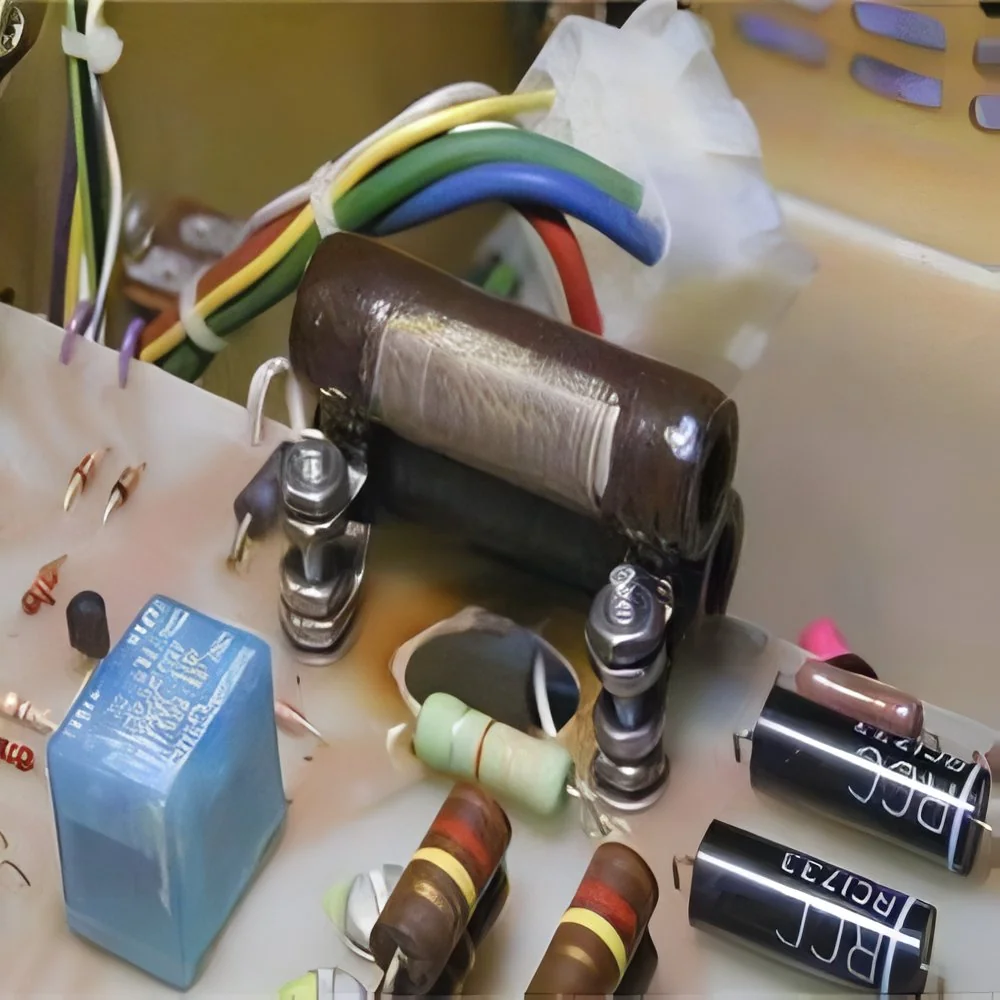
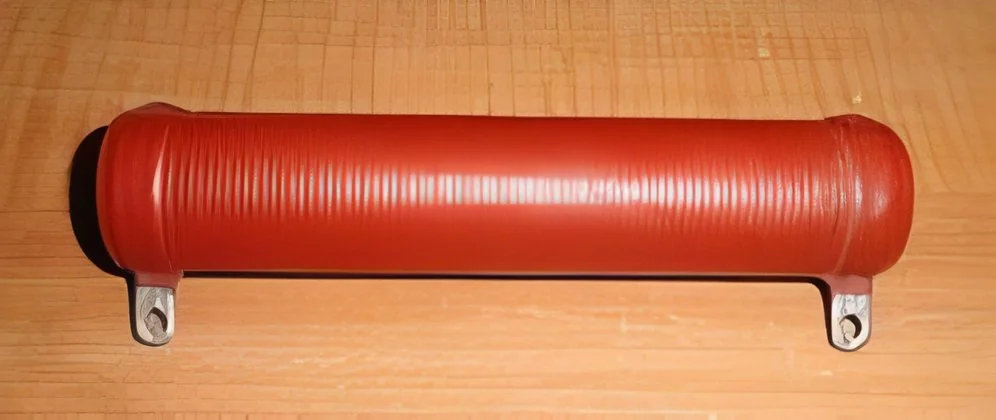
Wire wound resistors are passive electrical components that provide resistance to the flow of electric current. They are constructed by winding a metal wire, typically made of nickel-chromium or copper-nickel alloy, around a ceramic or insulating core. This design allows for precise resistance values and excellent thermal stability. Wire wound resistors are known for their ability to handle high power levels and maintain accuracy over a wide temperature range.
These resistors are widely used in various electronic applications, including power supplies, amplifiers, and measurement devices. Their robustness makes them suitable for high-frequency applications and environments with temperature fluctuations. Businesses in the automotive, aerospace, telecommunications, and industrial sectors often rely on wire wound resistors for their reliability and performance. As industries increasingly demand high-quality components, the market for wire wound resistors continues to expand.
𝗞𝗲𝘆 𝗙𝗲𝗮𝘁𝘂𝗿𝗲𝘀 𝗮𝗻𝗱 𝗦𝗽𝗲𝗰𝗶𝗳𝗶𝗰𝗮𝘁𝗶𝗼𝗻𝘀
Wire wound resistors are characterized by several key features that make them suitable for various applications. Their construction allows for high precision and low temperature coefficients, making them ideal for demanding environments.
Key specifications include:
1. Resistance Value
- Standard ranges from a few ohms to several megaohms
- Precision values available for critical applications
2. Power Rating
- Typically ranges from 0.1 watts to several kilowatts
- Rated based on continuous usage and thermal management
3. Tolerance
- Common tolerances include ±1%, ±5%, and ±10%
- Precision resistors can achieve tolerances as low as ±0.1%
4. Temperature Coefficient
- Values often range from ±10 ppm/°C to ±50 ppm/°C
- Indicates stability across varying temperatures
5. Operating Temperature Range
- Typically between -55°C to +155°C
- Suitable for high-temperature applications
6. Body Material
- Commonly made from ceramic for thermal efficiency
- Alternative materials available upon request
7. Inductance
- Minimal inductance values, suitable for high-frequency applications
- Measured in microhenries or millihenries
8. Mounting Options
- Available in through-hole and surface mount configurations
- Custom mounting options can be provided
In summary, wire wound resistors offer a combination of high precision, reliability, and versatility, making them essential components in many electronic applications.
𝗖𝗼𝗺𝗺𝗼𝗻 𝗔𝗽𝗽𝗹𝗶𝗰𝗮𝘁𝗶𝗼𝗻𝘀 𝗮𝗻𝗱 𝗨𝘀𝗲 𝗖𝗮𝘀𝗲𝘀
Wire wound resistors find extensive use across multiple industries due to their reliability and performance.
1. Automotive: Used in electronic control units and power management systems, wire wound resistors help regulate voltage and current.
2. Aerospace: They are critical in avionics systems, providing accurate resistance values in harsh environments.
3. Telecommunications: Wire wound resistors are employed in signal processing and networking equipment to ensure stable performance.
4. Industrial Automation: Used in motor control circuits and sensors, they help maintain efficiency and precision in machinery.
5. Medical Equipment: They are found in diagnostic devices and imaging systems, where accuracy is paramount for patient safety.
6. Consumer Electronics: Commonly used in audio equipment and home appliances for precise control of electronic signals.
7. Renewable Energy: Wire wound resistors are utilized in solar inverters and wind turbine systems for efficient energy conversion.
𝗣𝗿𝗼𝗱𝘂𝗰𝘁 𝗩𝗮𝗿𝗶𝗮𝗻𝘁𝘀 𝗮𝗻𝗱 𝗦𝘂𝗯𝗰𝗮𝘁𝗲𝗴𝗼𝗿𝗶𝗲𝘀
Wire wound resistors come in various forms to cater to different application needs.
Standard Wire Wound Resistors
These resistors provide reliable performance for general applications. They are available in various resistance values and power ratings, making them suitable for a wide range of uses.
High-Power Wire Wound Resistors
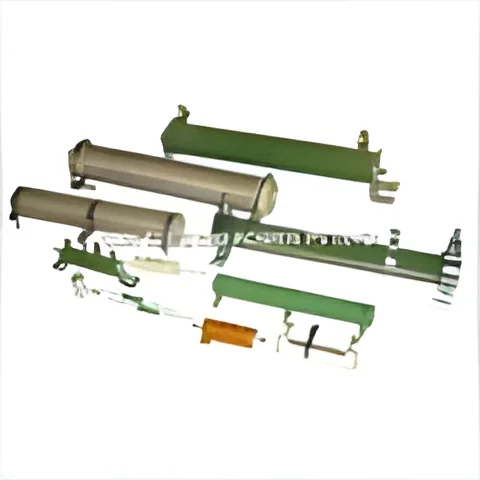
Designed for heavy-duty applications, these resistors can handle higher wattages and are typically used in industrial machinery and power supply systems.
Precision Wire Wound Resistors
These resistors are engineered for accuracy and stability, making them ideal for laboratory and high-end electronic applications.
𝗕𝗲𝗻𝗲𝗳𝗶𝘁𝘀 𝗮𝗻𝗱 𝗔𝗱𝘃𝗮𝗻𝘁𝗮𝗴𝗲𝘀
Wire wound resistors offer numerous benefits that enhance their appeal for businesses.
1. High Precision: They provide accurate resistance values, essential for critical applications in various industries.
2. Thermal Stability: Wire wound resistors maintain performance across a wide temperature range, ensuring reliability in fluctuating conditions.
3. High Power Handling: Capable of managing significant power levels, they are suitable for demanding industrial applications.
4. Low Noise: They generate minimal electrical noise, making them ideal for sensitive electronic devices.
5. Versatile Applications: Their adaptability allows for use in various industries, from automotive to telecommunications.
6. Customizability: Many manufacturers offer custom specifications to meet unique application requirements.
𝗕𝘂𝘆𝗶𝗻𝗴 𝗚𝘂𝗶𝗱𝗲 𝗳𝗼𝗿 𝗕𝟮𝗕 𝗕𝘂𝘆𝗲𝗿𝘀
When sourcing wire wound resistors, businesses should consider several key factors to ensure they select the right product.
1. Quality Assessment: Evaluate the quality of resistors by reviewing manufacturing standards and product certifications. Look for compliance with industry standards.
2. Supplier Verification: Research potential suppliers to ensure they have a proven track record in providing reliable and high-quality components.
3. Pricing and MOQ: Understand the pricing structure and minimum order quantities to align with your budget and project needs.
4. Delivery and Lead Times: Discuss delivery options and lead times to ensure timely availability of components for your production schedules.
5. Compliance Requirements: Ensure that the wire wound resistors meet any regulatory requirements relevant to your industry, including safety and environmental standards.
𝗖𝗼𝗺𝗽𝗹𝗶𝗮𝗻𝗰𝗲 𝗮𝗻𝗱 𝗖𝗲𝗿𝘁𝗶𝗳𝗶𝗰𝗮𝘁𝗶𝗼𝗻𝘀
Wire wound resistors must adhere to various quality standards and certifications to ensure their reliability and safety.
ISO 9001 is a widely recognized quality management standard that ensures manufacturers maintain consistent quality in their production processes. Compliance with this standard indicates a commitment to quality and customer satisfaction.
CE certification is essential for products sold in European markets, indicating they meet the EU's health, safety, and environmental protection standards.
Safety and testing requirements are critical, particularly for applications involving high power or sensitive electronics. Manufacturers should conduct rigorous testing to ensure that their products can withstand operational stresses.
Regional compliance considerations may also apply, depending on where the products will be used. This may include specific electrical safety standards relevant to different countries or regions.
𝗪𝗵𝘆 𝗦𝗼𝘂𝗿𝗰𝗲 𝗪𝗶𝗿𝗲 𝗪𝗼𝘂𝗻𝗱 𝗥𝗲𝘀𝗶𝘀𝘁𝗼𝗿𝘀 𝗳𝗿𝗼𝗺 𝗣𝗲𝗽𝗮𝗴𝗼𝗿𝗮?
Pepagora provides a trusted platform for sourcing wire wound resistors, offering numerous advantages to B2B buyers.
Verified Supplier Network: Pepagora has established a robust network of verified suppliers, ensuring that businesses can find high-quality wire wound resistors from trusted manufacturers.
Streamlined RFQ Process: The Request for Quotation (RFQ) process is designed to be efficient, allowing buyers to receive competitive quotes and select the best options for their needs quickly.
Trade Assurance and Support: Pepagora offers trade assurance to protect buyers, providing peace of mind during the purchasing process. Support is available to assist with any inquiries or issues.
Regional Coverage: With a strong presence in India, the GCC, and Southeast Asia, Pepagora offers geographic reach that allows businesses to source wire wound resistors from various locations, enhancing accessibility and choice.
Wire Wound Resistors are passive electrical components that use a metal wire as the resistive element. They are designed to provide precise resistance values and are commonly used in various electronic circuits due to their stability and reliability.
2
What are the different types of Wire Wound Resistors?
The main types of Wire Wound Resistors include fixed wire wound resistors, variable wire wound resistors, and power wire wound resistors. Each type is designed for specific applications, such as general-purpose usage, adjustable resistance, or high power applications.
3
How do I choose the right Wire Wound Resistors?
Choosing the right Wire Wound Resistors involves considering factors such as resistance value, power rating, tolerance, and application requirements. Additionally, understanding the environmental conditions, such as temperature and humidity, can help in selecting the most suitable resistor.
4
What are the standard specifications for Wire Wound Resistors?
Standard specifications for Wire Wound Resistors include resistance values typically ranging from a few ohms to several megohms, power ratings from 0.125 watts to several kilowatts, and tolerance levels often between 1% to 5%. Other specifications may include temperature coefficients and physical dimensions.
5
What is the price range for Wire Wound Resistors?
The price range for Wire Wound Resistors varies based on specifications, quality, and manufacturer. Typically, prices can range from a few rupees for basic models to several hundred rupees for high-power or precision variants.
6
What quality standards apply to Wire Wound Resistors?
Wire Wound Resistors must comply with various quality standards such as IEC, RoHS, and ISO certifications. These standards ensure the resistors meet safety, performance, and environmental regulations.
7
Where can I find Wire Wound Resistors suppliers in India?
You can find Wire Wound Resistors suppliers in India through B2B marketplaces like Pepagora.com, industry trade shows, and electronics component distributors. It is advisable to compare suppliers based on their product range, quality, and customer reviews.
8
Can Wire Wound Resistors be customized?
Yes, Wire Wound Resistors can often be customized to meet specific requirements such as resistance values, power ratings, and dimensions. Many manufacturers offer customization services to cater to unique application needs.
9
What is the typical minimum order quantity for Wire Wound Resistors?
The typical minimum order quantity (MOQ) for Wire Wound Resistors can vary by supplier but generally ranges from 10 to 100 units. For custom orders, MOQs may be higher depending on the manufacturer.
10
What is the typical lead time for Wire Wound Resistors?
The typical lead time for Wire Wound Resistors can vary based on the supplier and order size, usually ranging from a few days to several weeks. Custom orders may require additional time for production and testing.
Why Businesses Trust Pepagora
Thousands of companies trust Pepagora to source smarter and sell faster
Expand Your Sales Globally
25000+Products listed.Get discovered by global buyers

 IN
IN