𝗪𝗵𝗮𝘁 𝗮𝗿𝗲 𝗔𝗾𝘂𝗮𝗰𝘂𝗹𝘁𝘂𝗿𝗲 & 𝗙𝗶𝘀𝗵𝗲𝗿𝗶𝗲𝘀 𝗘𝗾𝘂𝗶𝗽𝗺𝗲𝗻𝘁?
Aquaculture and fisheries equipment encompasses a variety of tools and systems designed for the cultivation and harvesting of aquatic organisms. This includes fish farming, shellfish production, and seaweed cultivation. The equipment plays a crucial role in maintaining optimal environments for aquatic life, ensuring healthy growth, and facilitating efficient harvesting processes.
These products are primarily used by aquaculture farms, fisheries, and research institutions. They are essential for monitoring water quality, feeding fish, and managing breeding programs. Additionally, the equipment aids in the efficient management of resources, which is vital in addressing the global demand for seafood. With the aquaculture industry continually growing, the relevance of this equipment is underscored by its role in supporting sustainable practices and enhancing food security on a global scale.
𝗞𝗲𝘆 𝗙𝗲𝗮𝘁𝘂𝗿𝗲𝘀 𝗮𝗻𝗱 𝗦𝗽𝗲𝗰𝗶𝗳𝗶𝗰𝗮𝘁𝗶𝗼𝗻𝘀
Aquaculture and fisheries equipment features a range of specifications that cater to the diverse needs of the industry. Understanding these specifications is crucial for selecting the right equipment for specific applications.
Key specifications include:
1. Water Quality Monitoring
- Monitors pH, dissolved oxygen, and ammonia levels
- Technical parameters typically range from 0-14 for pH and 0-20 mg/L for oxygen
2. Feeding Systems
- Automated feeders that dispense feed at set intervals
- Capacity ranges from 1 kg to over 500 kg depending on system size
3. Aeration Systems
- Equipment designed to increase dissolved oxygen levels in water
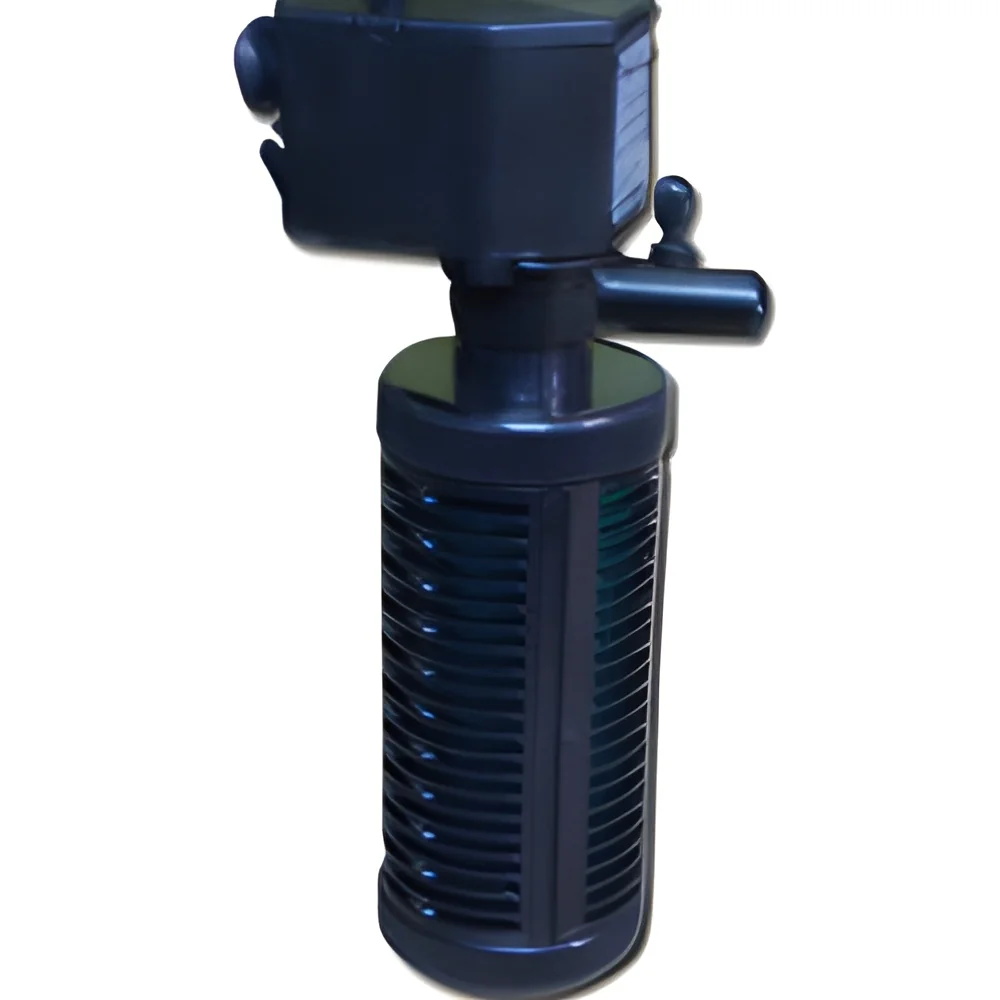
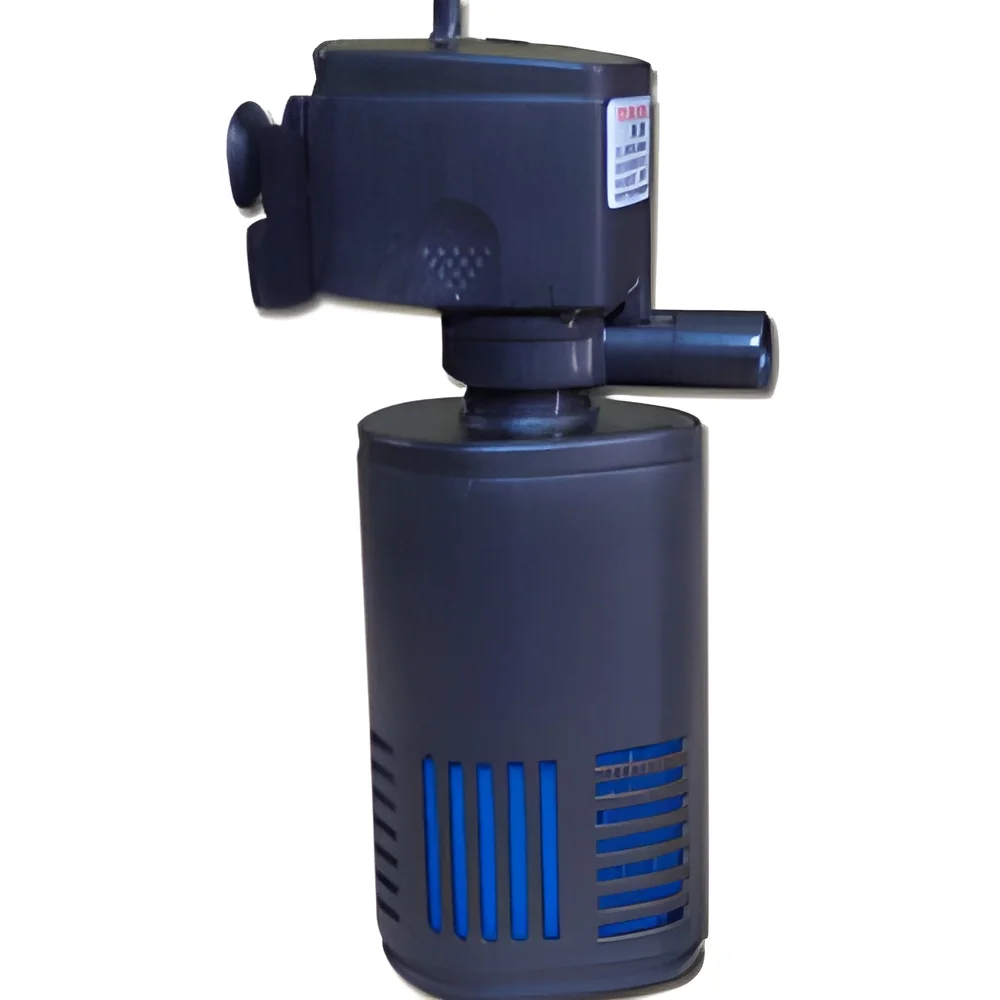
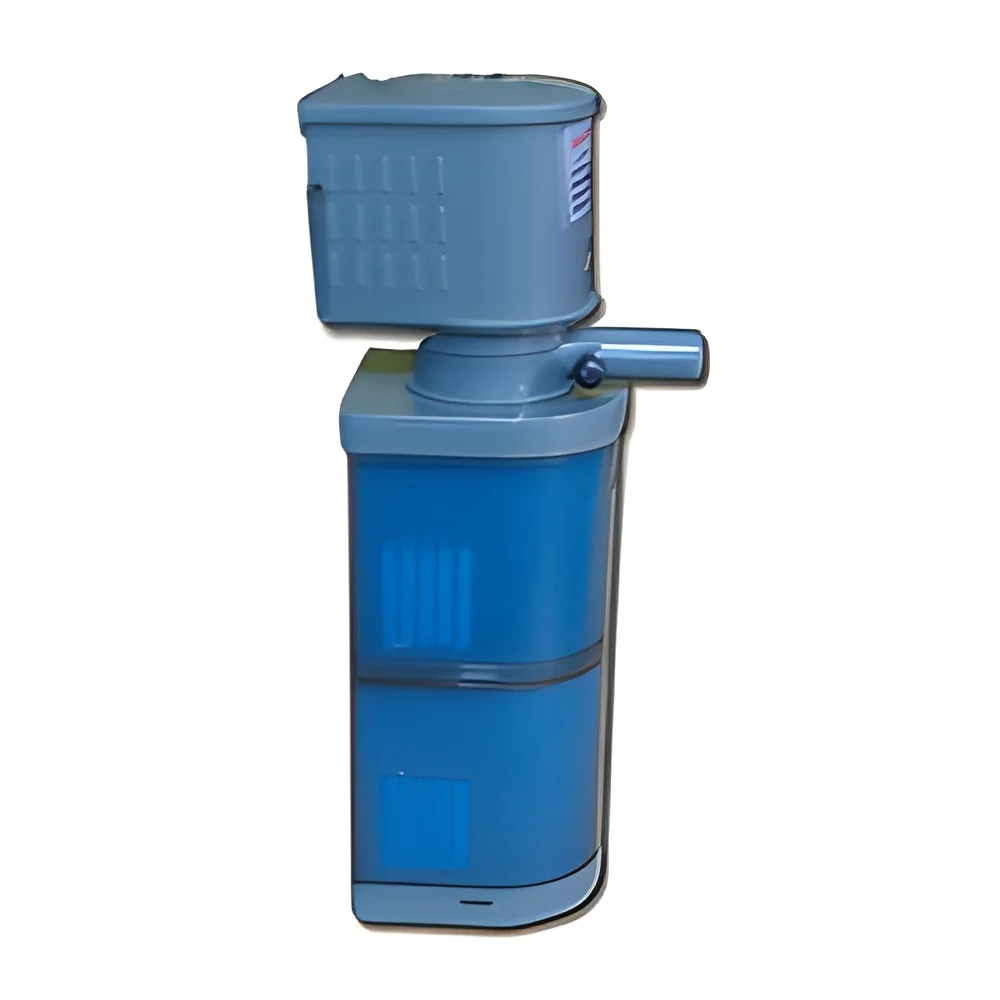
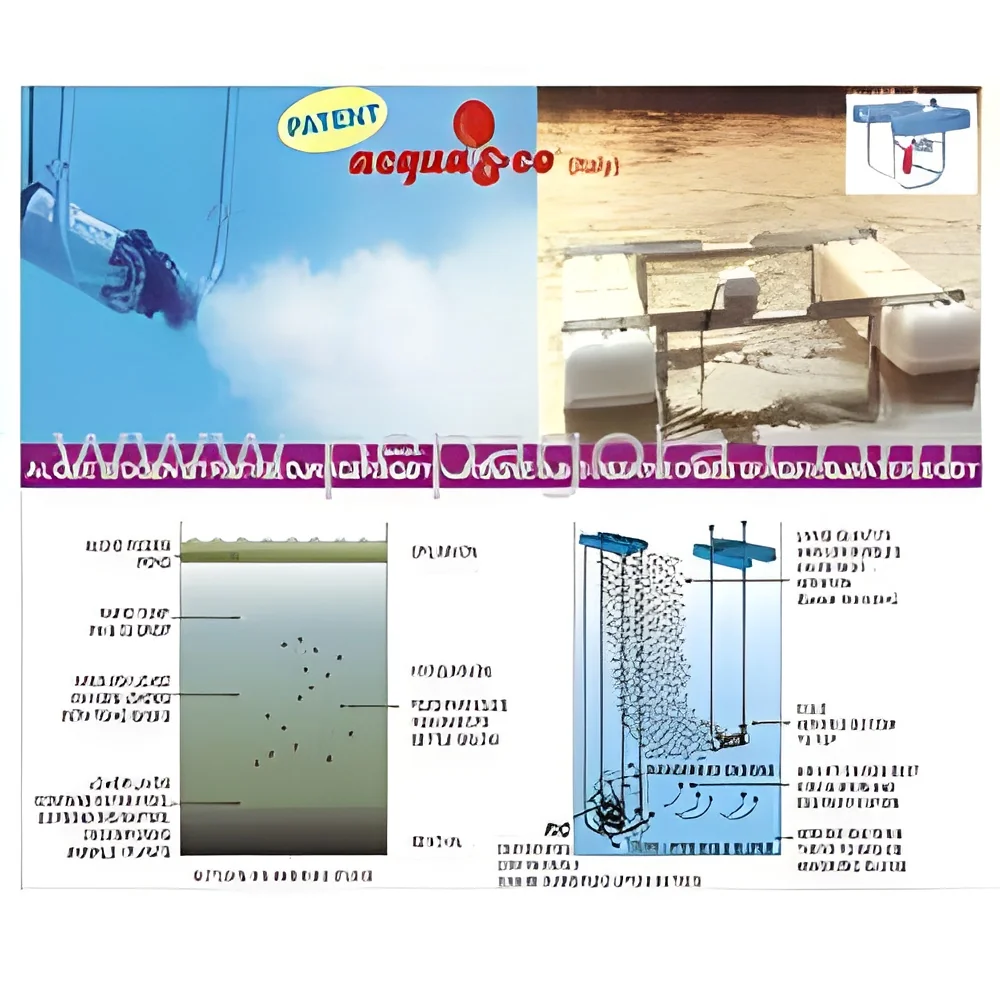
- Common types include paddlewheel, diffused, and surface aerators
4. Water Filtration
- Systems for removing particulate matter and pathogens
- Filtration rates vary based on system design and flow requirements
5. Temperature Control
- Systems for maintaining optimal temperatures for different species
- Typically operates within a range of 10-30 degrees Celsius
6. Breeding Equipment
- Tools for controlled breeding and larval rearing
- Includes incubators and hatching systems with specific temperature and salinity controls
7. Harvesting Tools
- Equipment such as nets and traps designed for efficient collection
- Available in various sizes and materials depending on targeted species
8. Biosecurity Systems
- Measures to prevent disease spread in aquaculture environments
- Includes disinfection units and quarantine systems
In summary, the specifications of aquaculture and fisheries equipment are designed to support the health and productivity of aquatic organisms while ensuring efficient operational practices.
𝗖𝗼𝗺𝗺𝗼𝗻 𝗔𝗽𝗽𝗹𝗶𝗰𝗮𝘁𝗶𝗼𝗻𝘀 𝗮𝗻𝗱 𝗨𝘀𝗲 𝗖𝗮𝘀𝗲𝘀
Aquaculture and fisheries equipment is utilized across various industries, each with specific applications tailored to their requirements.
1. Aquaculture Farms: These facilities use equipment for breeding, feeding, and harvesting fish and shellfish, ensuring optimal growth conditions and biosecurity.
2. Research Institutions: Researchers leverage specialized equipment for studying aquatic organisms, environmental impacts, and developing sustainable practices.
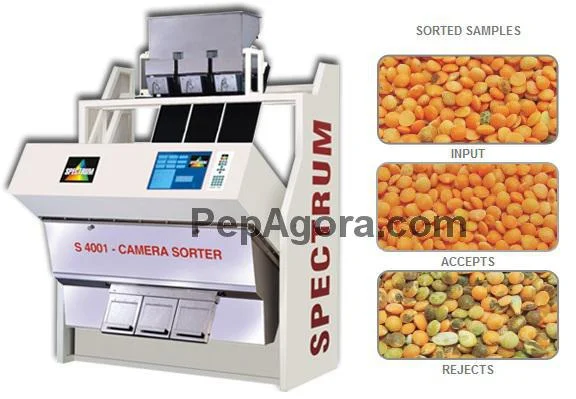
3. Seafood Processing: Equipment is crucial in processing facilities for cleaning, sorting, and packaging seafood products to meet quality standards.
4. Environmental Monitoring: Equipment is employed to monitor water bodies for ecological health, assisting in the management of natural fisheries.
5. Recreational Fishing: Tools designed for fish stocking and habitat improvement are used to enhance recreational fishing opportunities.
6. Mariculture: This sector utilizes equipment for cultivating marine organisms in their natural habitats, focusing on sustainability and ecosystem health.
7. Educational Institutions: Schools and universities use aquaculture equipment for educational programs, teaching students about marine biology and sustainable practices.
𝗣𝗿𝗼𝗱𝘂𝗰𝘁 𝗩𝗮𝗿𝗶𝗮𝗻𝘁𝘀 𝗮𝗻𝗱 𝗦𝘂𝗯𝗰𝗮𝘁𝗲𝗴𝗼𝗿𝗶𝗲𝘀
Aquaculture and fisheries equipment comes in various forms, each designed for specific applications and environments.
Automated Feeding Systems: These systems provide precise and timely feeding schedules, improving feeding efficiency and reducing waste. They can be customized for different species and growth stages.
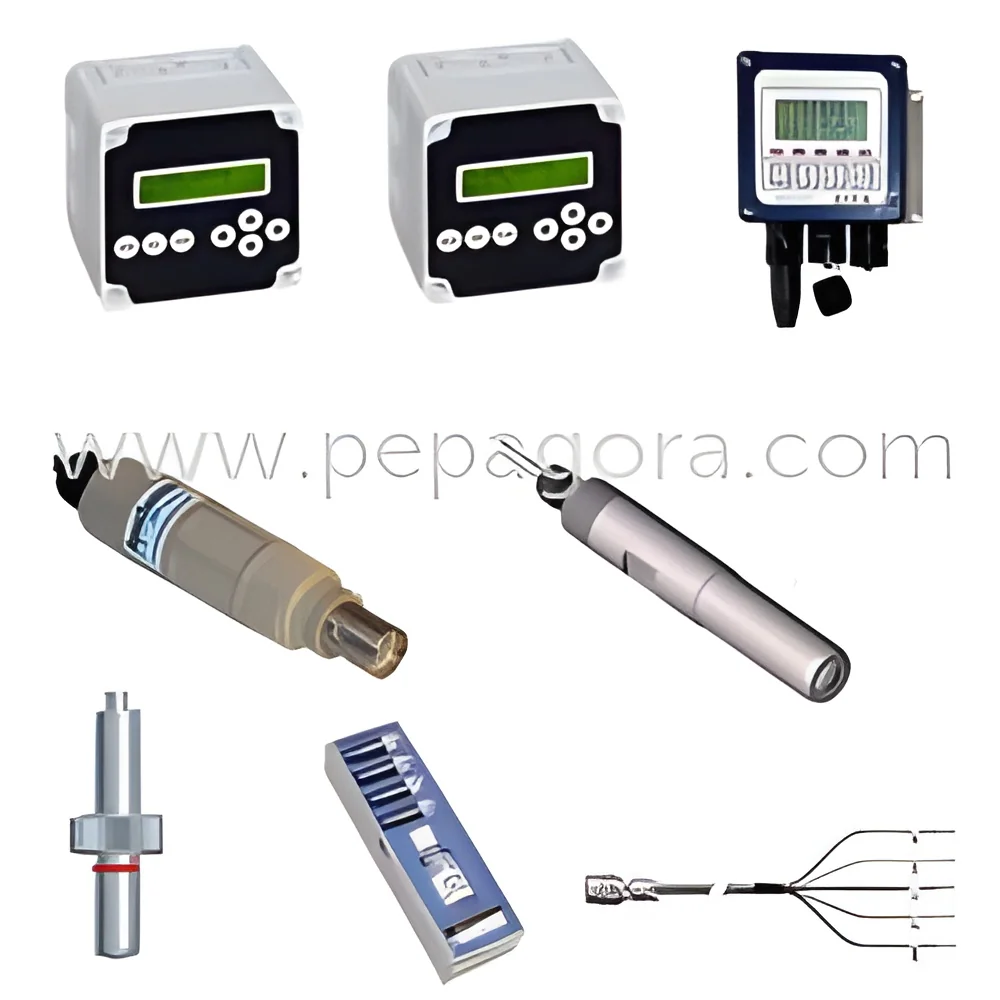
Water Quality Testing Kits: These kits are essential for monitoring the health of aquatic environments. They typically include tools for measuring pH, salinity, and oxygen levels, vital for maintaining optimal conditions.
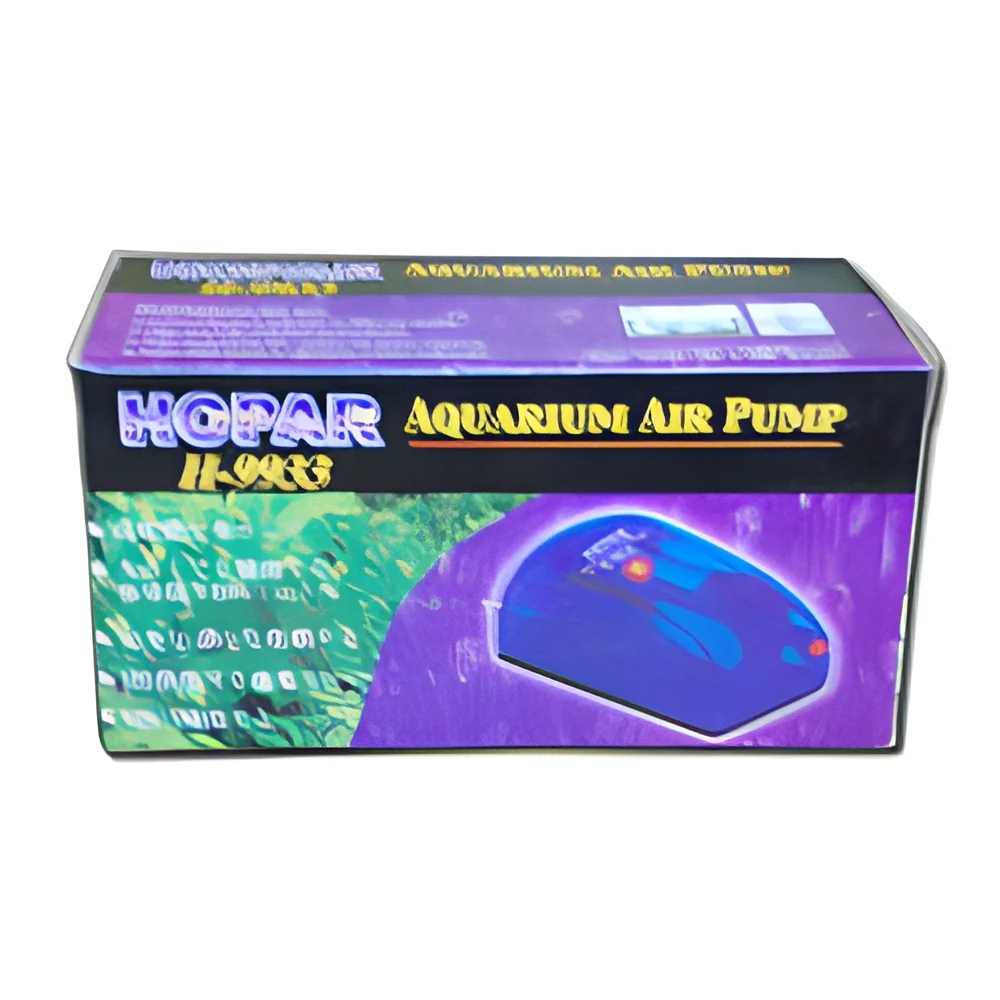
Aeration Devices: Different types of aeration devices, such as surface aerators and diffusers, are available to suit various pond and tank sizes, ensuring adequate oxygen levels for aquatic life.
Biosecurity Equipment: This includes disinfection systems and quarantine tanks, designed to prevent disease outbreaks and ensure the health of stock.
Harvesting Gear: Various nets, traps, and mechanical harvesters are available, tailored to specific species and environments to enhance efficiency in collection.
𝗕𝗲𝗻𝗲𝗳𝗶𝘁𝘀 𝗮𝗻𝗱 𝗔𝗱𝘃𝗮𝗻𝘁𝗮𝗴𝗲𝘀
Investing in aquaculture and fisheries equipment offers numerous advantages for businesses in the industry.
1. Increased Efficiency: Automation and advanced monitoring systems streamline operations, allowing for more effective management of resources.
2. Improved Sustainability: Equipment designed for optimal resource use supports environmentally friendly practices, crucial for long-term viability.
3. Enhanced Product Quality: Maintaining optimal conditions results in healthier stock, leading to higher quality seafood products.
4. Cost Savings: Efficient feeding and monitoring reduce waste and operational costs, improving overall profitability.
5. Regulatory Compliance: Quality equipment helps meet industry standards and regulations, ensuring safe and sustainable practices.
6. Knowledge and Expertise: Accessing advanced equipment often comes with support and training, enhancing the operational knowledge of staff.
𝗕𝘂𝘆𝗶𝗻𝗴 𝗚𝘂𝗶𝗱𝗲 𝗳𝗼𝗿 𝗕𝟮𝗕 𝗕𝘂𝘆𝗲𝗿𝘀
When sourcing aquaculture and fisheries equipment, several critical factors should be considered to make informed purchasing decisions.
1. Quality Assessment: Evaluate equipment based on durability, performance, and the manufacturer's reputation. Look for products that meet industry standards and have positive user reviews.
2. Supplier Verification: Ensure suppliers are reputable and have a track record of reliability. Check for certifications and customer testimonials to validate their credibility.
3. Pricing and MOQ: Understand the pricing structures and minimum order quantities (MOQ) required by suppliers. This helps in budgeting and ensures sufficient stock levels.
4. Delivery and Lead Times: Assess logistics capabilities and expected lead times for delivery. Timely delivery is essential for maintaining operational efficiency.
5. Compliance Requirements: Familiarize yourself with relevant regulations and standards in your region. Ensure the equipment meets all necessary compliance requirements to avoid legal issues.
𝗖𝗼𝗺𝗽𝗹𝗶𝗮𝗻𝗰𝗲 𝗮𝗻𝗱 𝗖𝗲𝗿𝘁𝗶𝗳𝗶𝗰𝗮𝘁𝗶𝗼𝗻𝘀
In the aquaculture and fisheries equipment industry, adherence to quality standards and certifications is paramount. Key relevant standards include ISO 9001, which focuses on quality management systems, and HACCP, which ensures food safety through systematic analysis and control.
Certifications such as CE and UL indicate compliance with safety and performance standards, providing assurance to buyers regarding the reliability of the equipment.
Safety and testing requirements must be observed during the manufacturing process to ensure that equipment is safe for use in aquatic environments.
Moreover, regional compliance considerations may vary, necessitating that manufacturers and suppliers are aware of local regulations affecting aquaculture practices. This ensures that all equipment is not only effective but also compliant with national and international standards.
𝗪𝗵𝘆 𝗦𝗼𝘂𝗿𝗰𝗲 𝗔𝗾𝘂𝗮𝗰𝘂𝗹𝘁𝘂𝗿𝗲 & 𝗙𝗶𝘀𝗵𝗲𝗿𝗶𝗲𝘀 𝗘𝗾𝘂𝗶𝗽𝗺𝗲𝗻𝘁 𝗳𝗿𝗼𝗺 𝗣𝗲𝗽𝗮𝗴𝗼𝗿𝗮?
Pepagora provides a trusted platform for sourcing aquaculture and fisheries equipment, offering several key advantages for B2B buyers.
Verified Supplier Network: Pepagora ensures that all suppliers undergo a stringent verification process, guaranteeing that buyers have access to reliable and quality products. This builds confidence in purchasing decisions.
Streamlined RFQ Process: The platform features an efficient request for quotation (RFQ) system, allowing buyers to easily compare prices and specifications from multiple suppliers. This simplifies the procurement process and saves time.
Trade Assurance and Support: Buyers benefit from trade assurance measures that protect their investments. Pepagora offers customer support to assist with any issues, ensuring a smooth purchasing experience.
Regional Coverage: With a strong presence in India, the GCC, and Southeast Asia, Pepagora connects buyers with local suppliers, facilitating access to equipment tailored to specific regional needs. This broad geographic reach enhances opportunities for businesses in the aquaculture and fisheries sectors.
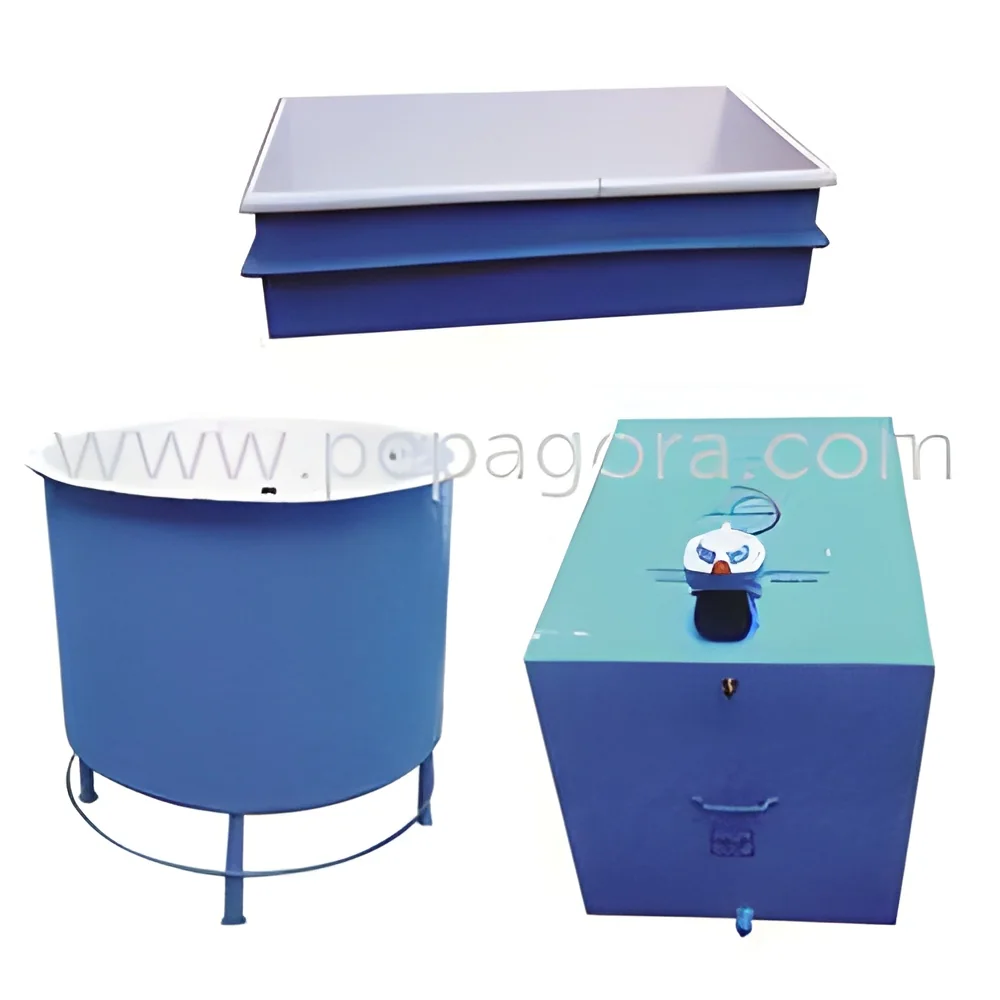
Aquaculture & Fisheries Equipment refers to the tools and technology used in the farming, harvesting, and processing of aquatic organisms. This includes various devices such as nets, tanks, aerators, and feeders that support the growth and management of fish and other aquatic species.
2
What are the different types of Aquaculture & Fisheries Equipment?
There are several types of Aquaculture & Fisheries Equipment, including water quality testing kits, feeding systems, aeration devices, tanks, and harvesting tools. Each type serves a specific purpose in maintaining optimal conditions for aquatic life and ensuring efficient farming practices.
3
How do I choose the right Aquaculture & Fisheries Equipment?
Choosing the right Aquaculture & Fisheries Equipment depends on factors such as the type of species being farmed, the scale of operation, and specific environmental conditions. It is advisable to consult with industry experts and evaluate product specifications to determine the best fit for your needs.
4
What are the standard specifications for Aquaculture & Fisheries Equipment?
Standard specifications for Aquaculture & Fisheries Equipment vary by product type but generally include material durability, size, capacity, and operational efficiency. Many manufacturers provide detailed specifications to ensure that the equipment meets industry standards and performs effectively in aquaculture settings.
5
What is the price range for Aquaculture & Fisheries Equipment?
The price range for Aquaculture & Fisheries Equipment can vary widely depending on the type and complexity of the equipment. On average, simple tools may cost a few thousand rupees, while advanced systems can range from tens of thousands to several lakhs of rupees.
6
What quality standards apply to Aquaculture & Fisheries Equipment?
Quality standards for Aquaculture & Fisheries Equipment typically include compliance with national and international safety and environmental regulations. Manufacturers often adhere to standards set by organizations such as ISO to ensure equipment reliability and safety for both users and aquatic life.
7
Where can I find Aquaculture & Fisheries Equipment suppliers in India?
Aquaculture & Fisheries Equipment suppliers can be found through various channels, including online B2B marketplaces like Pepagora, trade shows, and industry-specific directories. Networking with other aquaculture professionals can also lead to reputable suppliers.
8
Can Aquaculture & Fisheries Equipment be customized?
Yes, many manufacturers offer customization options for Aquaculture & Fisheries Equipment to meet specific operational needs. Customization may include alterations in size, capacity, or additional features tailored to particular aquaculture practices.
9
What is the typical minimum order quantity for Aquaculture & Fisheries Equipment?
The typical minimum order quantity (MOQ) for Aquaculture & Fisheries Equipment can vary by supplier and product type. Generally, MOQs can range from a single unit for smaller items to larger quantities for bulk orders or specialized equipment.
10
What is the typical lead time for Aquaculture & Fisheries Equipment?
The typical lead time for Aquaculture & Fisheries Equipment varies based on the supplier and the complexity of the order. Standard lead times can range from a few days for readily available items to several weeks for customized or specialized equipment.
Why Businesses Trust Pepagora
Thousands of companies trust Pepagora to source smarter and sell faster
Expand Your Sales Globally
25000+Products listed.Get discovered by global buyers

 IN
IN