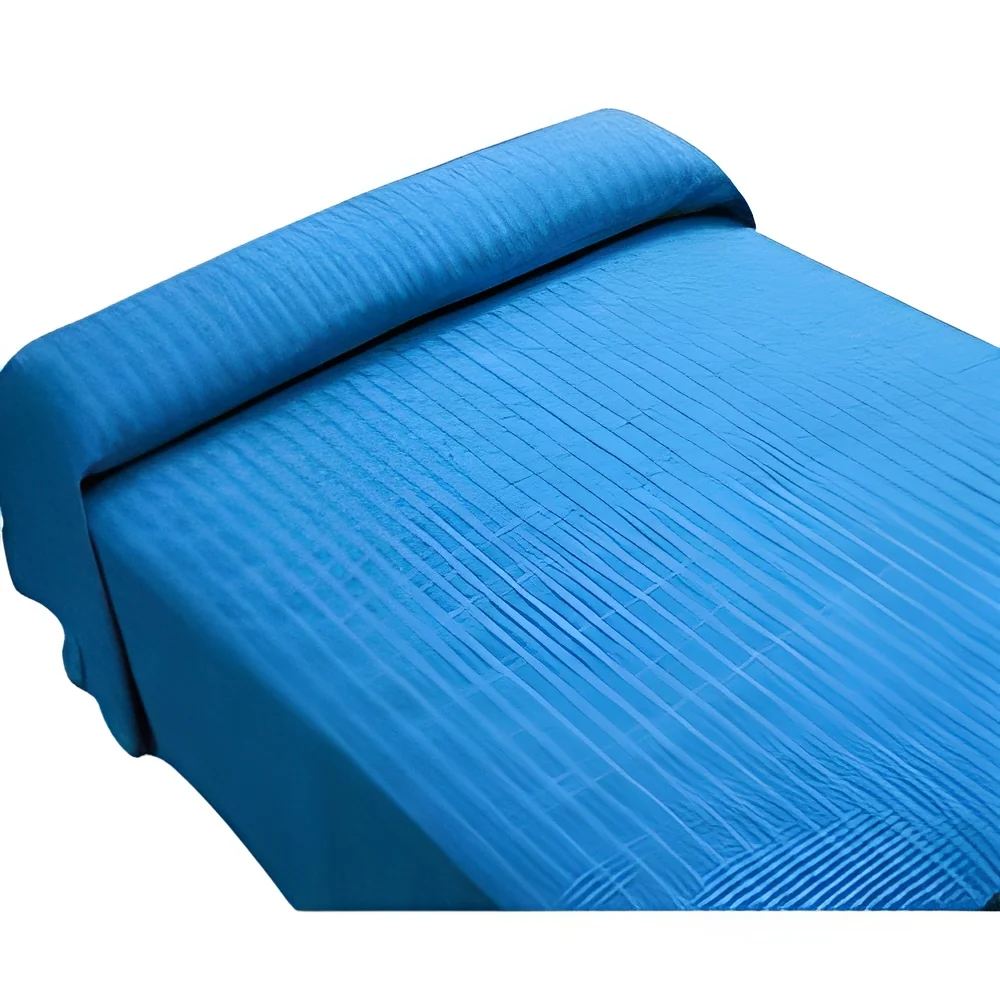
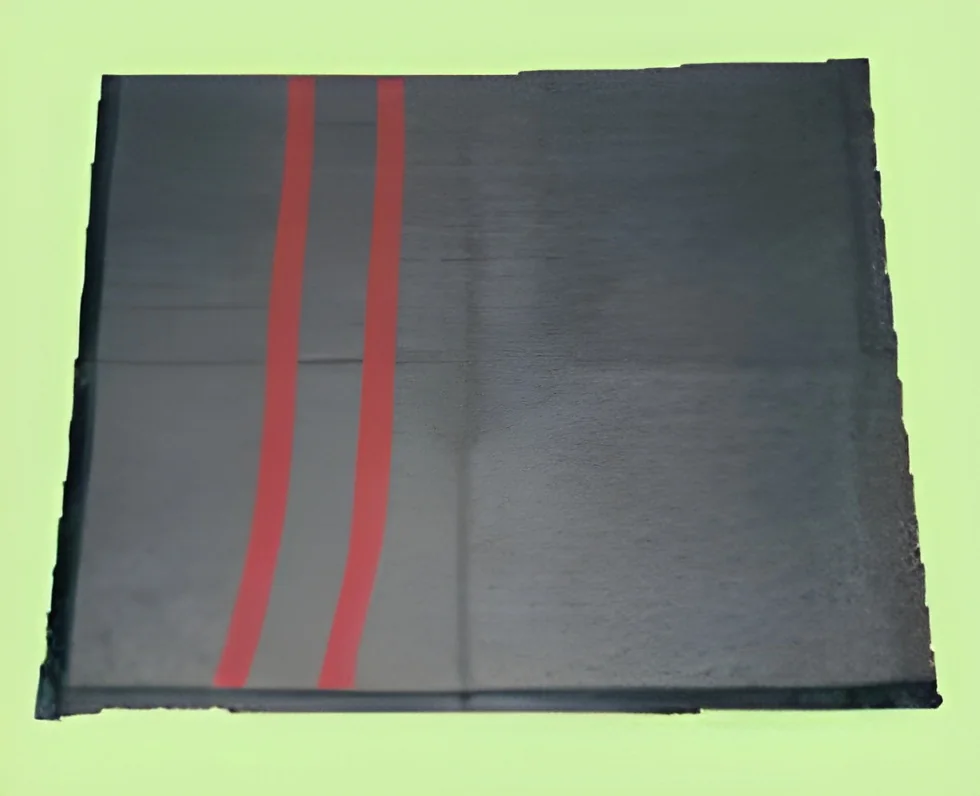
𝗪𝗵𝗮𝘁 𝗮𝗿𝗲 𝗛𝗼𝗺𝗲 𝗧𝗲𝘅𝘁𝗶𝗹𝗲𝘀?
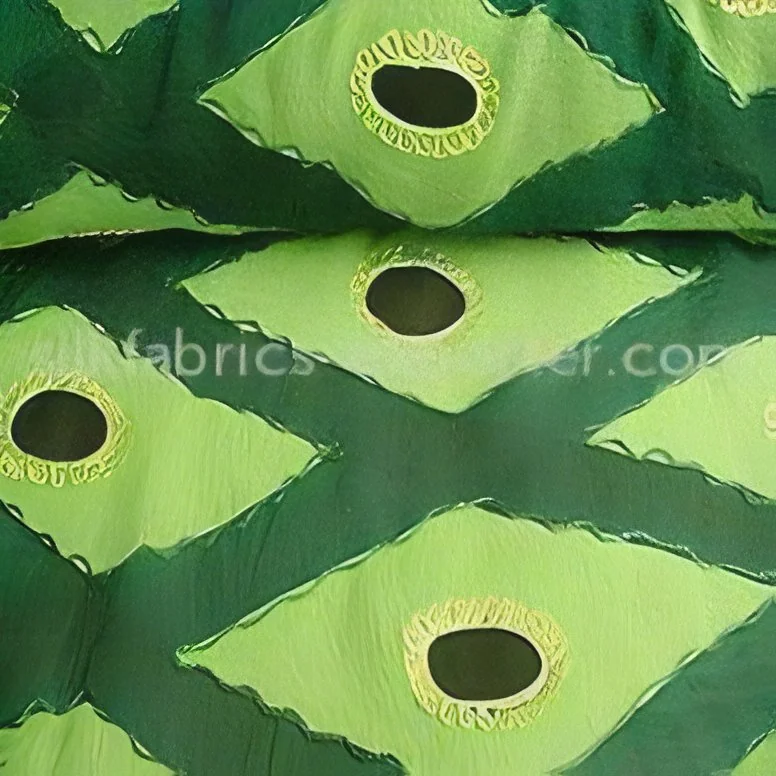
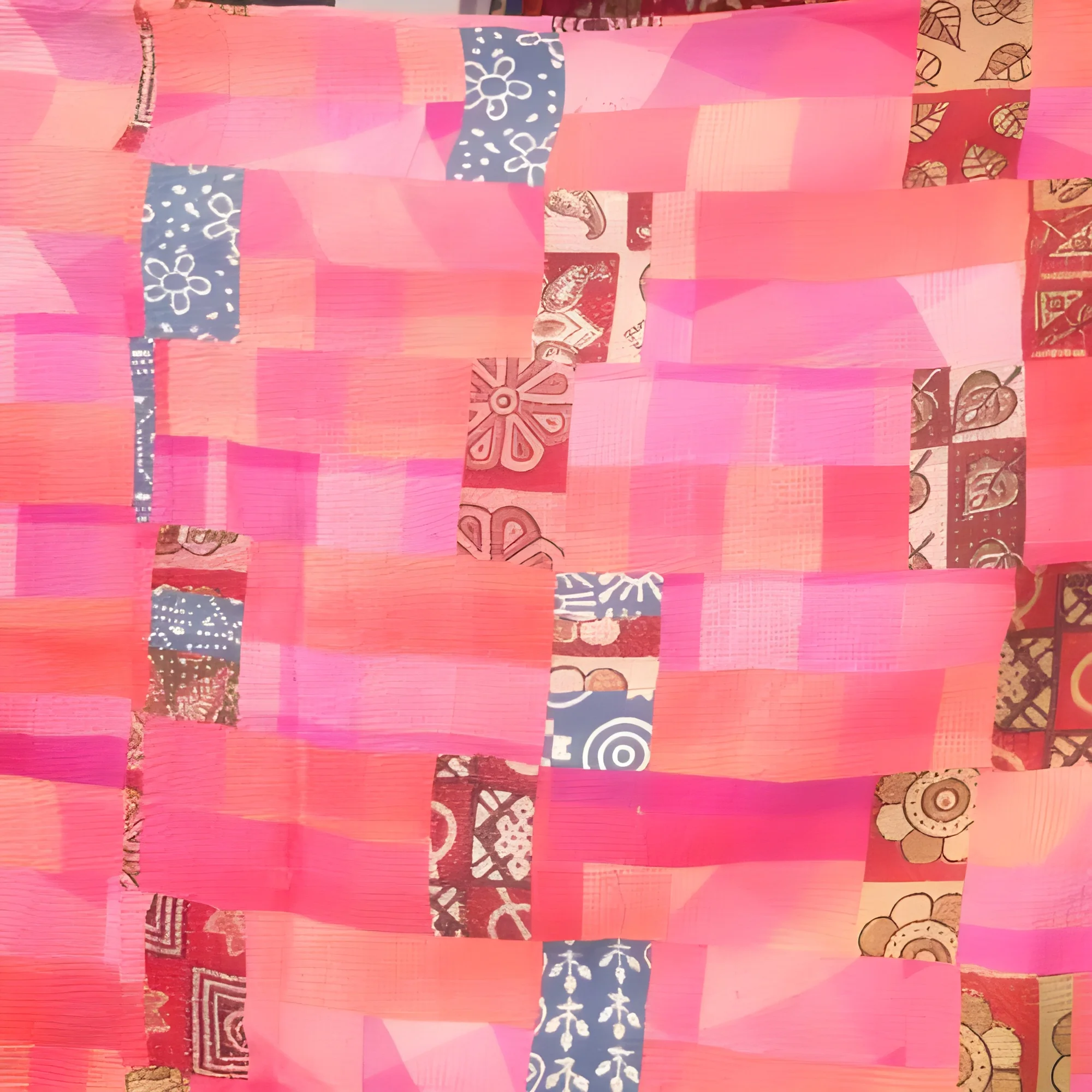
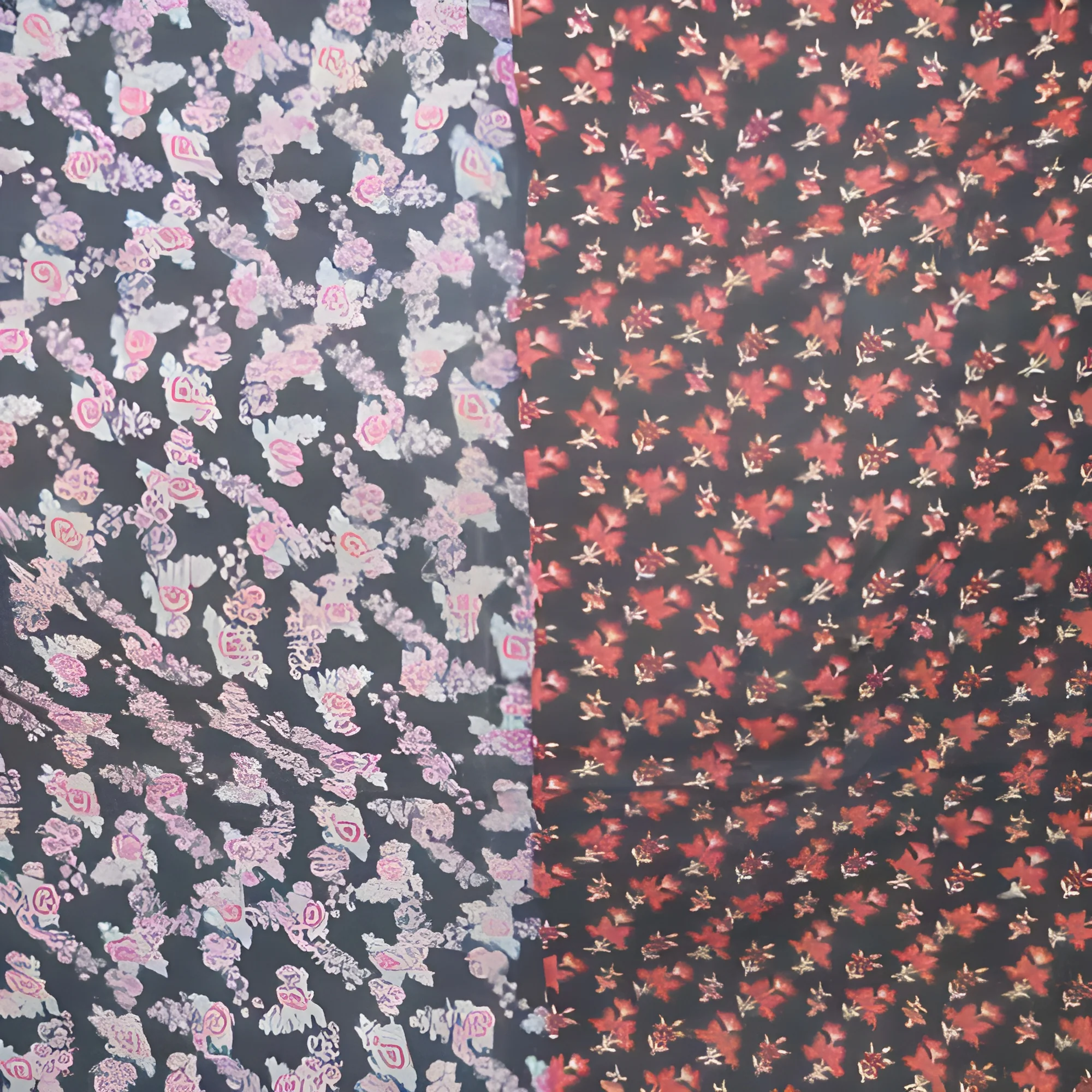
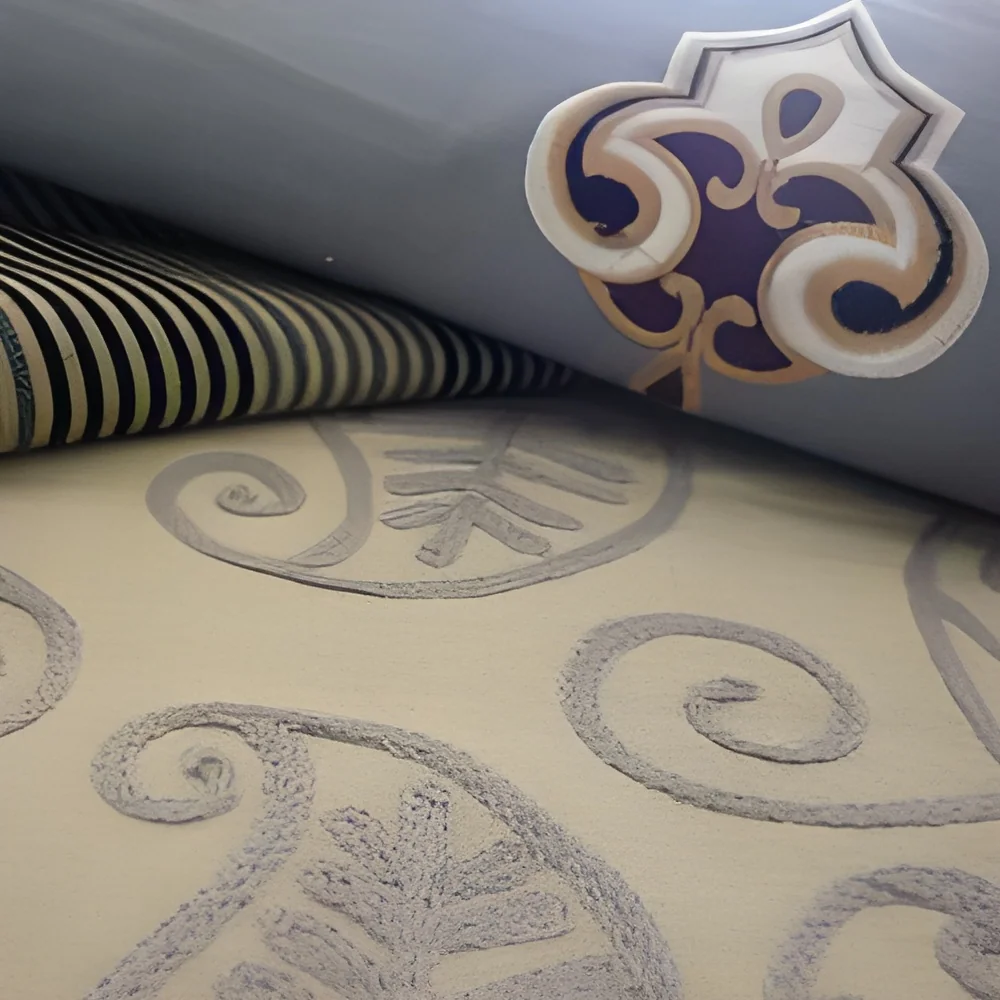
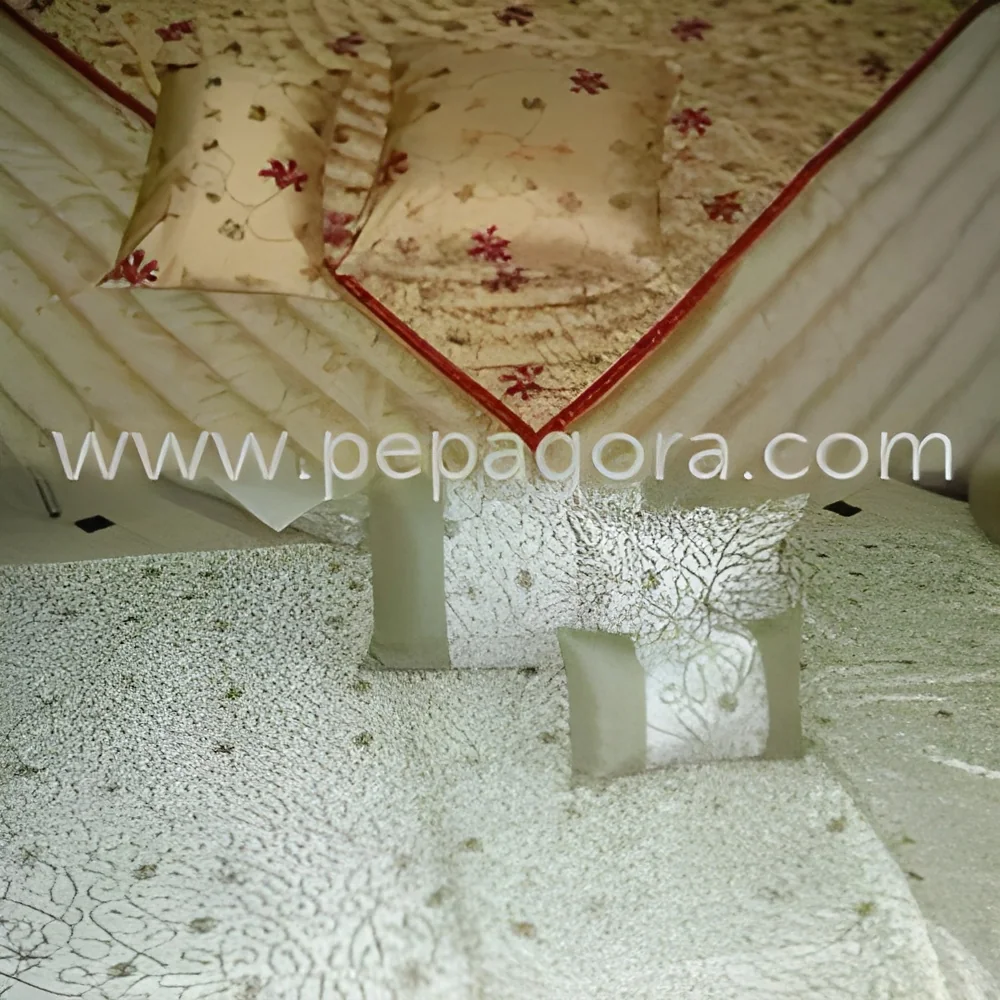
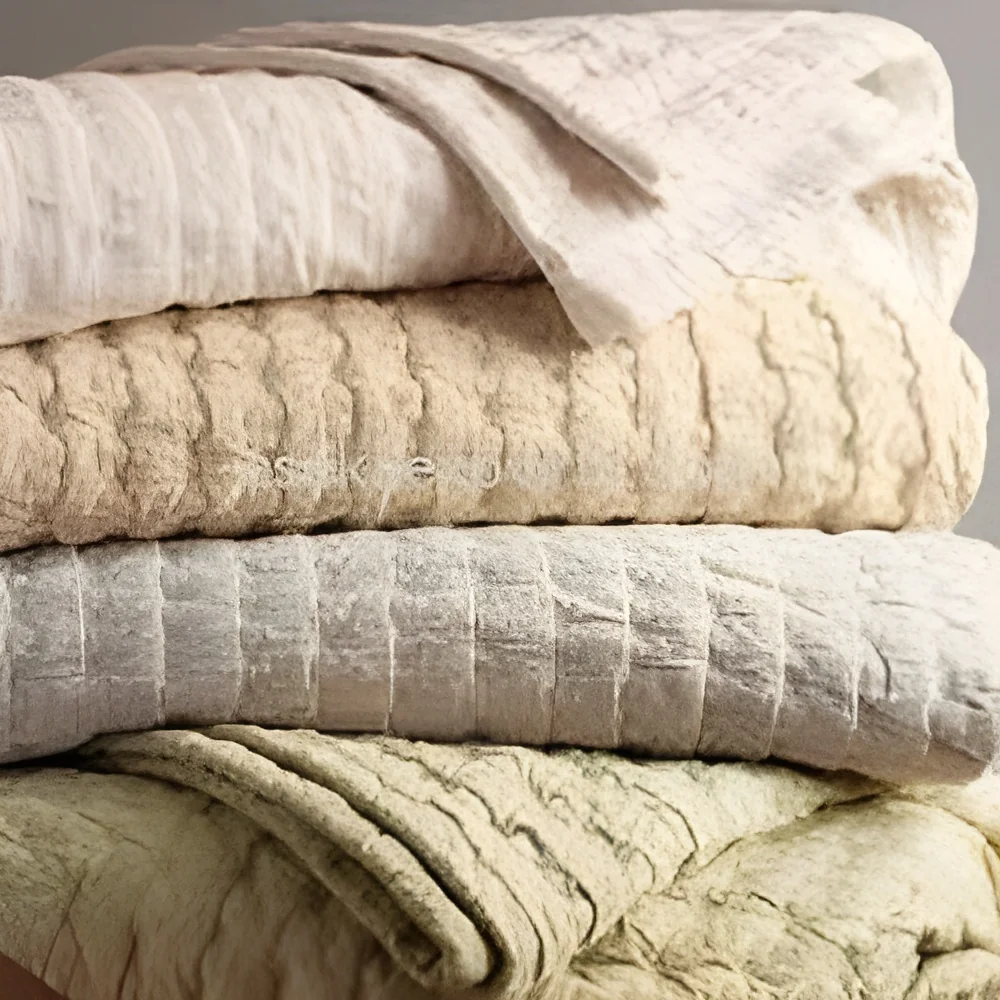
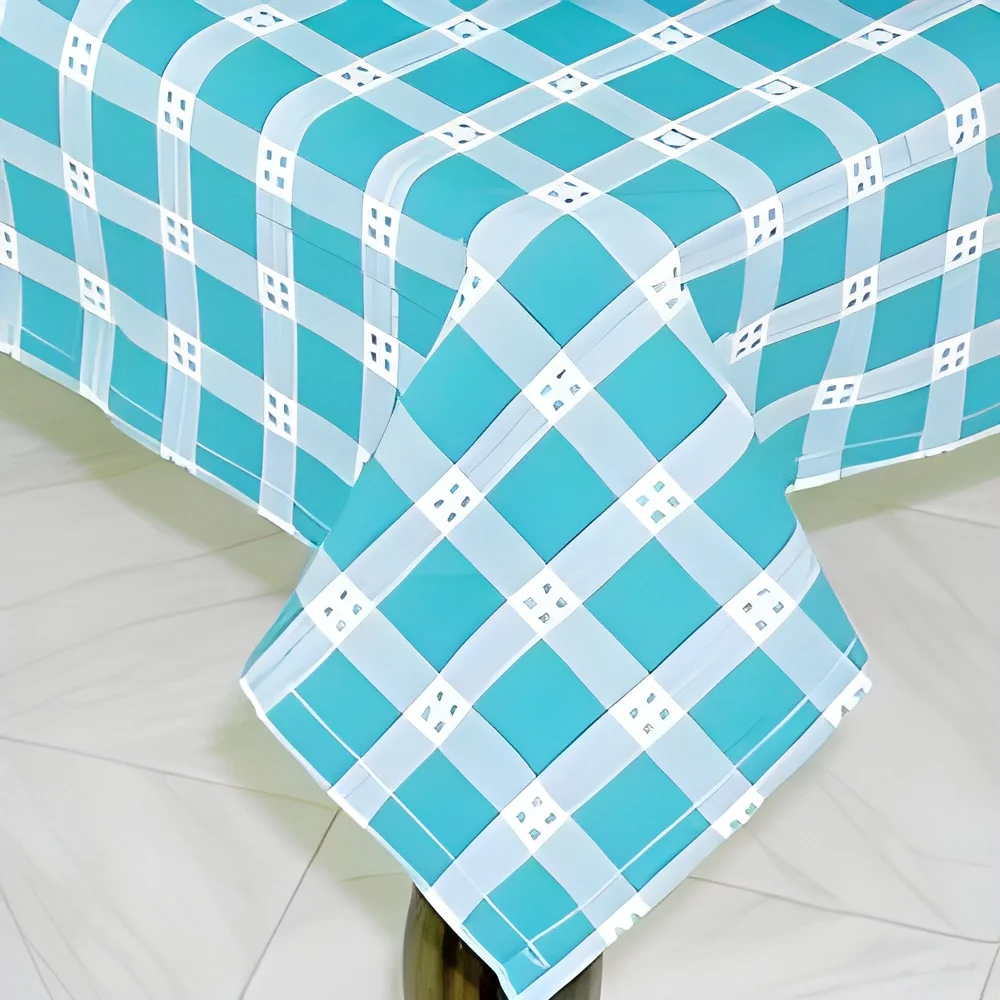
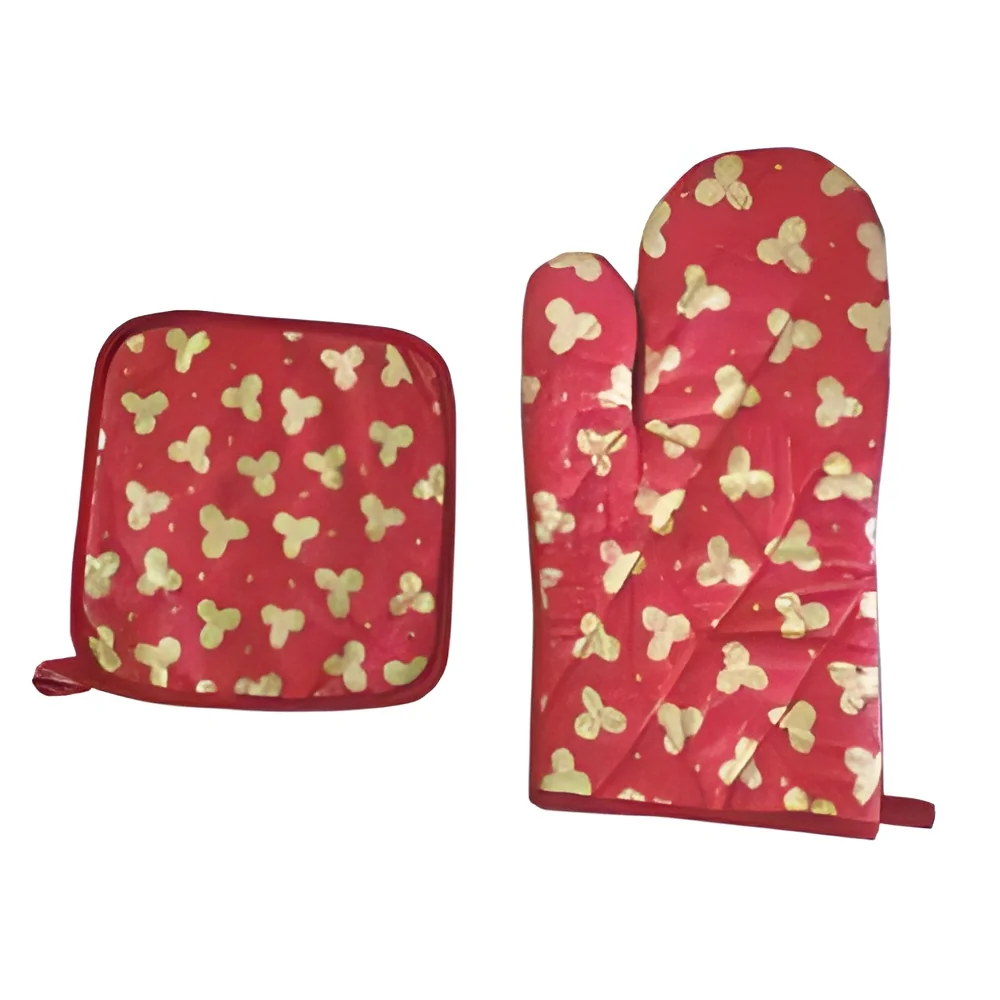
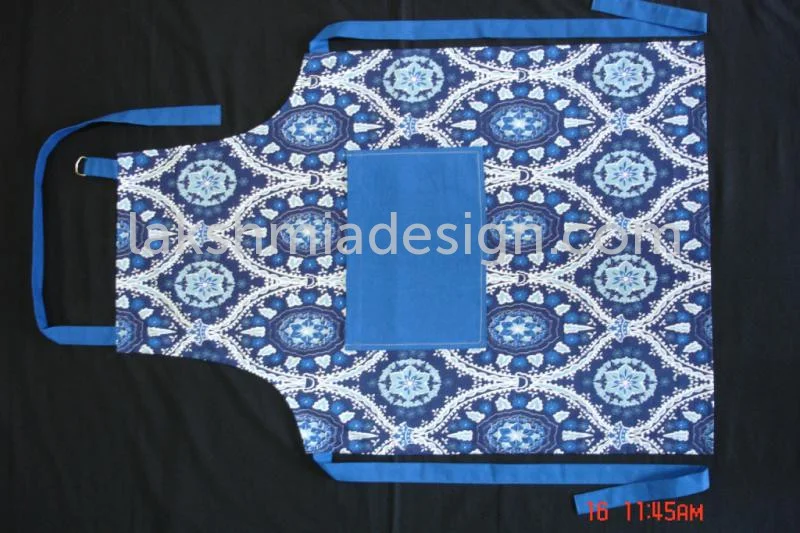
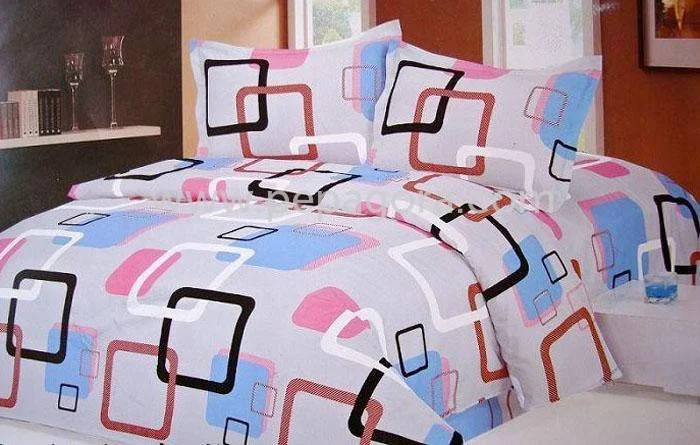
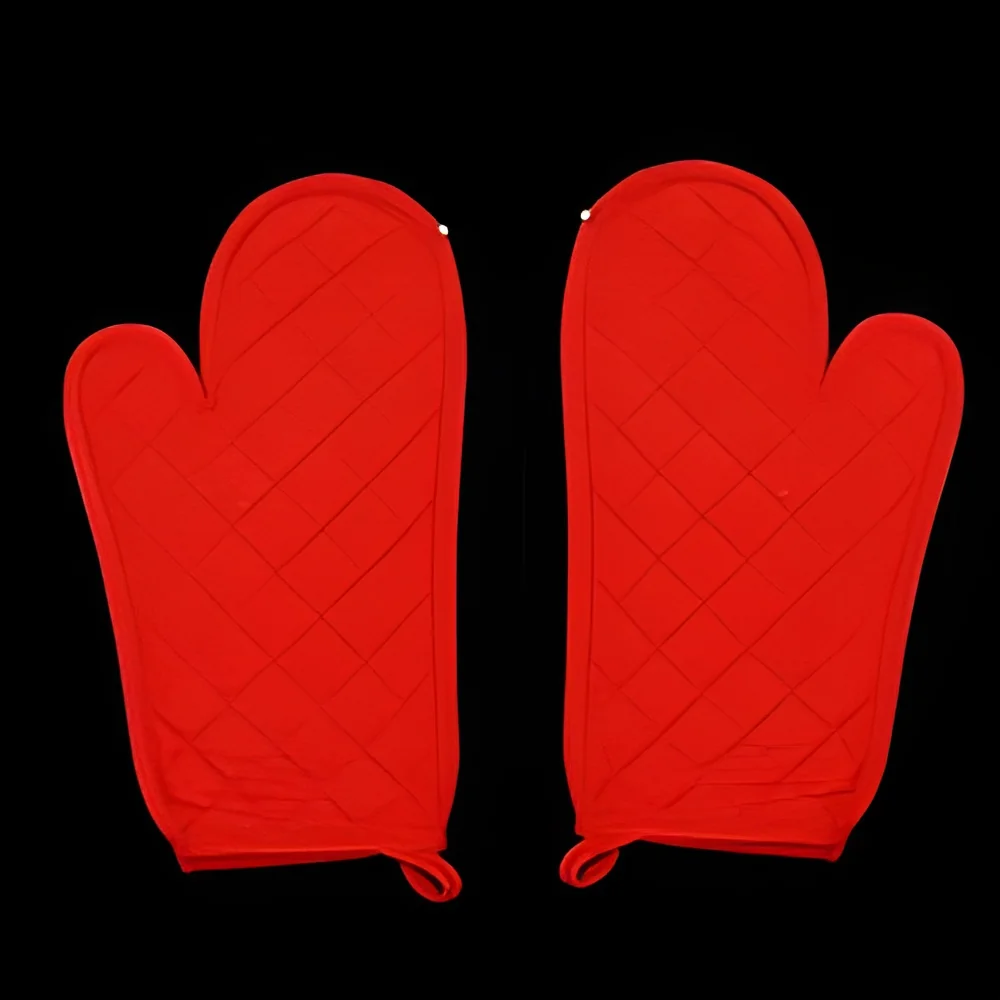
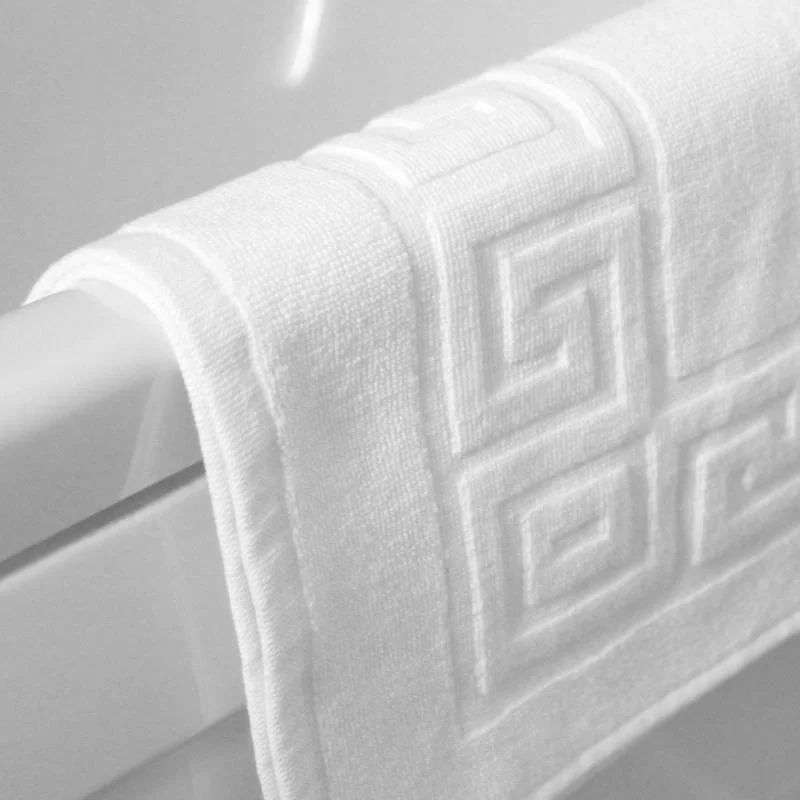
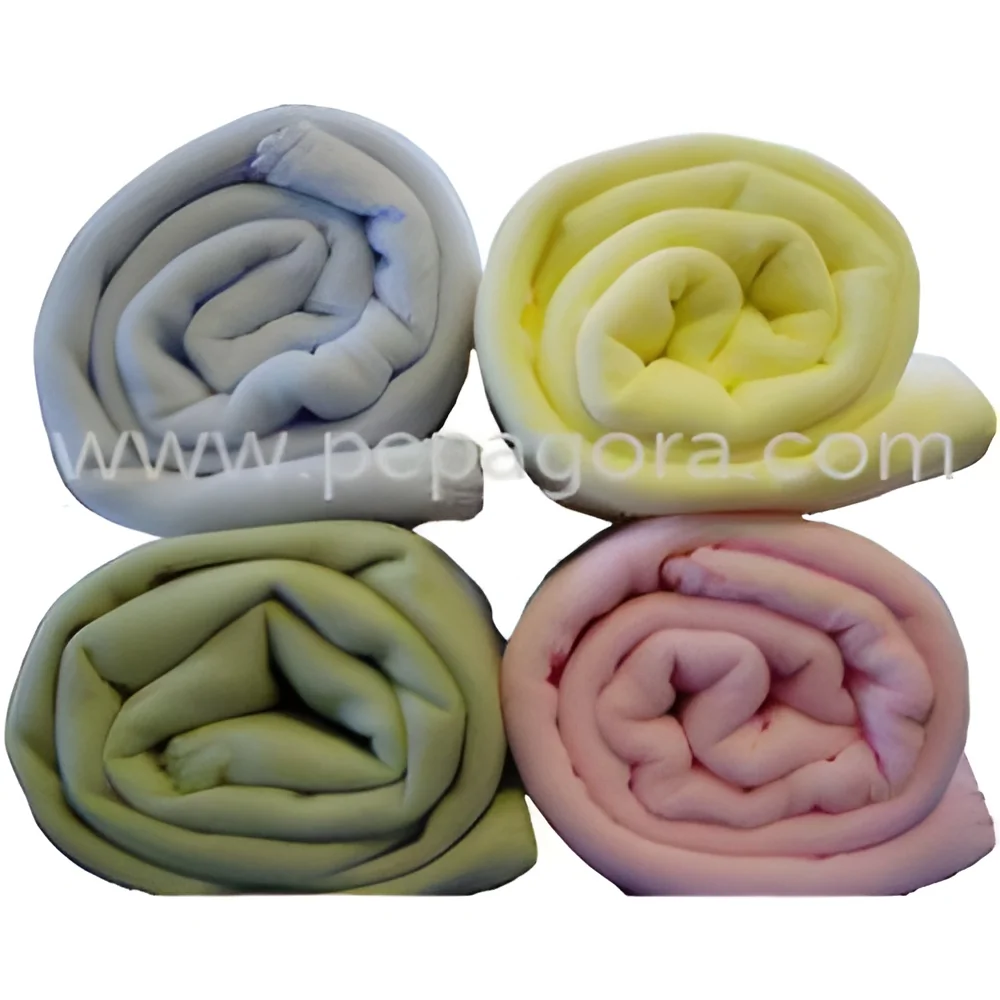
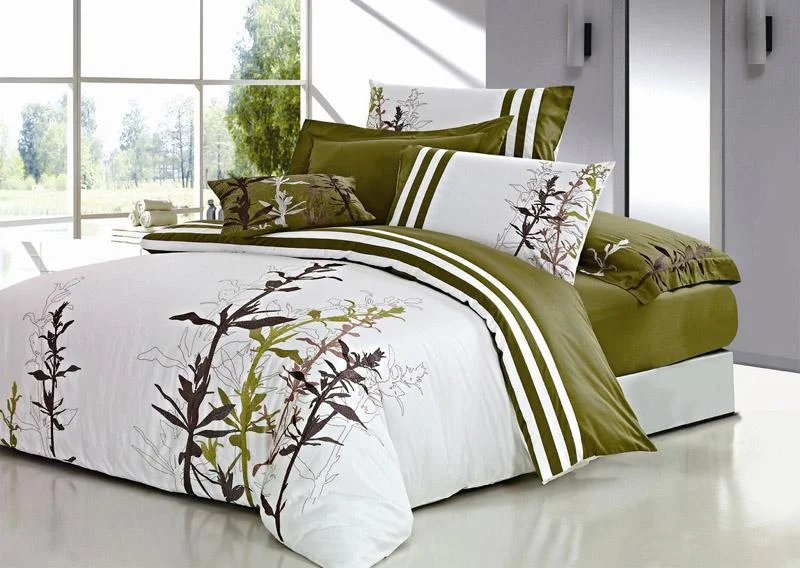
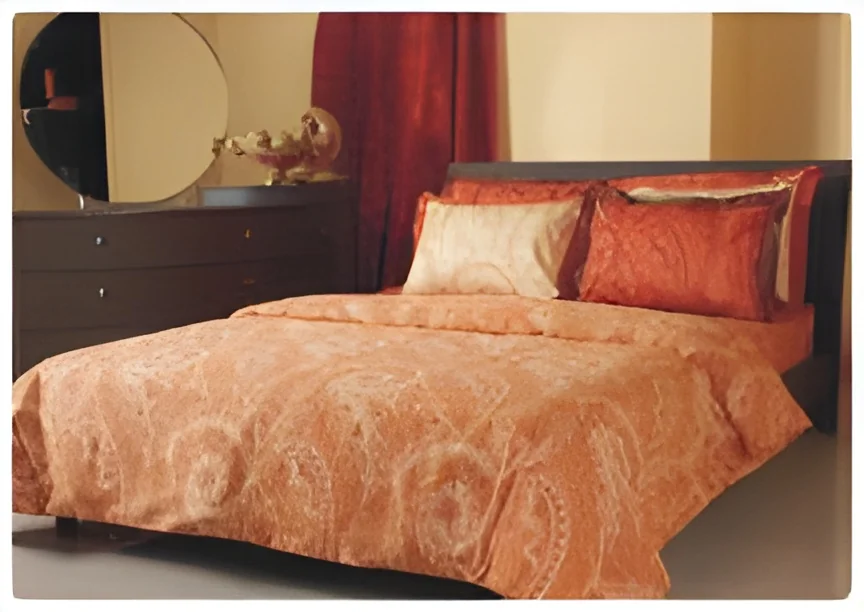
Home textiles refer to a wide range of textile products designed for home use, primarily for decoration and functionality. These products include items such as curtains, bed linens, tablecloths, cushions, and upholstery fabrics. Home textiles play a crucial role in enhancing the aesthetic appeal of living spaces while providing comfort and convenience. The materials used can vary significantly, encompassing cotton, linen, polyester, and blends that cater to both decorative and practical needs.
The primary uses and business applications of home textiles extend across various sectors, including residential, hospitality, and healthcare. In homes, these textiles contribute to interior design, offering style and comfort to bedrooms, living rooms, and kitchens. In the hospitality industry, they are essential for creating inviting environments in hotels and restaurants, while in healthcare settings, home textiles are utilized for their functional properties, such as ease of cleaning and durability. The relevance of home textiles in the industry is underscored by the growing demand for sustainable and innovative textile solutions, reflecting market trends focused on sustainability and consumer preferences.
𝗞𝗲𝘆 𝗙𝗲𝗮𝘁𝘂𝗿𝗲𝘀 𝗮𝗻𝗱 𝗦𝗽𝗲𝗰𝗶𝗳𝗶𝗰𝗮𝘁𝗶𝗼𝗻𝘀
Home textiles feature a variety of specifications that cater to different uses and industries. These specifications are vital for ensuring that the products meet customer expectations and industry standards.
Key specifications include:
1. Fabric Type
- Options include cotton, linen, polyester, and blends.
- Each fabric type offers distinct textures, durability, and care requirements.
2. Color Fastness
- Refers to the ability of the fabric to retain its color when exposed to washing and sunlight.
- Measured against standard color fastness tests.
3. Weight and Thickness
- Varies based on the intended use, with lighter fabrics suitable for curtains and heavier ones for upholstery.
- Weight is often measured in grams per square meter (GSM).
4. Shrinkage Rate
- Indicates how much the fabric may shrink after washing.
- Important for maintaining fit and appearance after laundering.
5. Durability
- Assessed through abrasion resistance and tensile strength.
- Critical for ensuring longevity in high-traffic areas or commercial settings.
6. Maintenance Requirements
- Includes washing instructions and care guidelines.
- Fabrics may be machine washable or require special care.
7. Environmental Impact
- Increasingly important for buyers looking for sustainable options.
- Certifications like OEKO-TEX can indicate eco-friendly practices.
8. Customization Options
- Many suppliers offer the ability to customize colors, patterns, and sizes.
- Important for businesses seeking unique branding or specific design needs.
In summary, the specifications of home textiles are essential for guiding buyers in selecting products that meet their needs while considering factors such as durability, maintenance, and environmental impact.
𝗖𝗼𝗺𝗺𝗼𝗻 𝗔𝗽𝗽𝗹𝗶𝗰𝗮𝘁𝗶𝗼𝗻𝘀 𝗮𝗻𝗱 𝗨𝘀𝗲 𝗖𝗮𝘀𝗲𝘀
Home textiles serve various industries, each with distinct applications.
1. Residential: Home textiles enhance living spaces with decorative items like curtains and cushions, contributing to overall aesthetics and comfort.
2. Hospitality: Hotels and restaurants utilize bed linens, tablecloths, and upholstery to create inviting environments that enhance guest experiences.
3. Healthcare: Facilities require home textiles that are durable and easy to clean, such as bedding and curtains, to maintain hygiene and comfort.
4. Retail: Stores use home textiles for display and merchandising, employing various fabrics to showcase products effectively.
5. Interior Design: Designers incorporate home textiles into their projects, selecting fabrics that align with their vision for residential or commercial spaces.
6. Event Planning: Textiles are critical for occasions like weddings or corporate events, providing table linens and decor that enhance the overall atmosphere.
7. Educational Institutions: Schools and universities use home textiles in dormitories and common areas, focusing on durability and ease of maintenance.
𝗣𝗿𝗼𝗱𝘂𝗰𝘁 𝗩𝗮𝗿𝗶𝗮𝗻𝘁𝘀 𝗮𝗻𝗱 𝗦𝘂𝗯𝗰𝗮𝘁𝗲𝗴𝗼𝗿𝗶𝗲𝘀
Home textiles encompass a diverse range of products tailored for different applications.
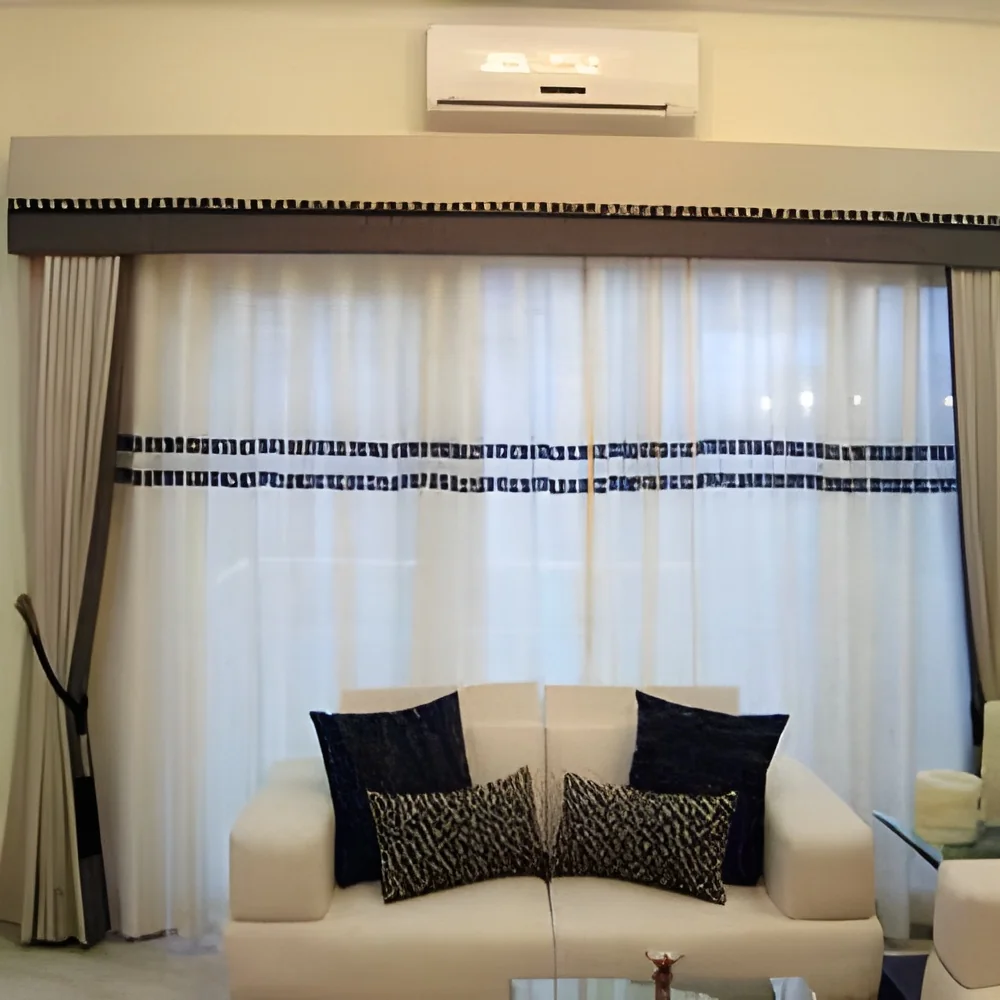
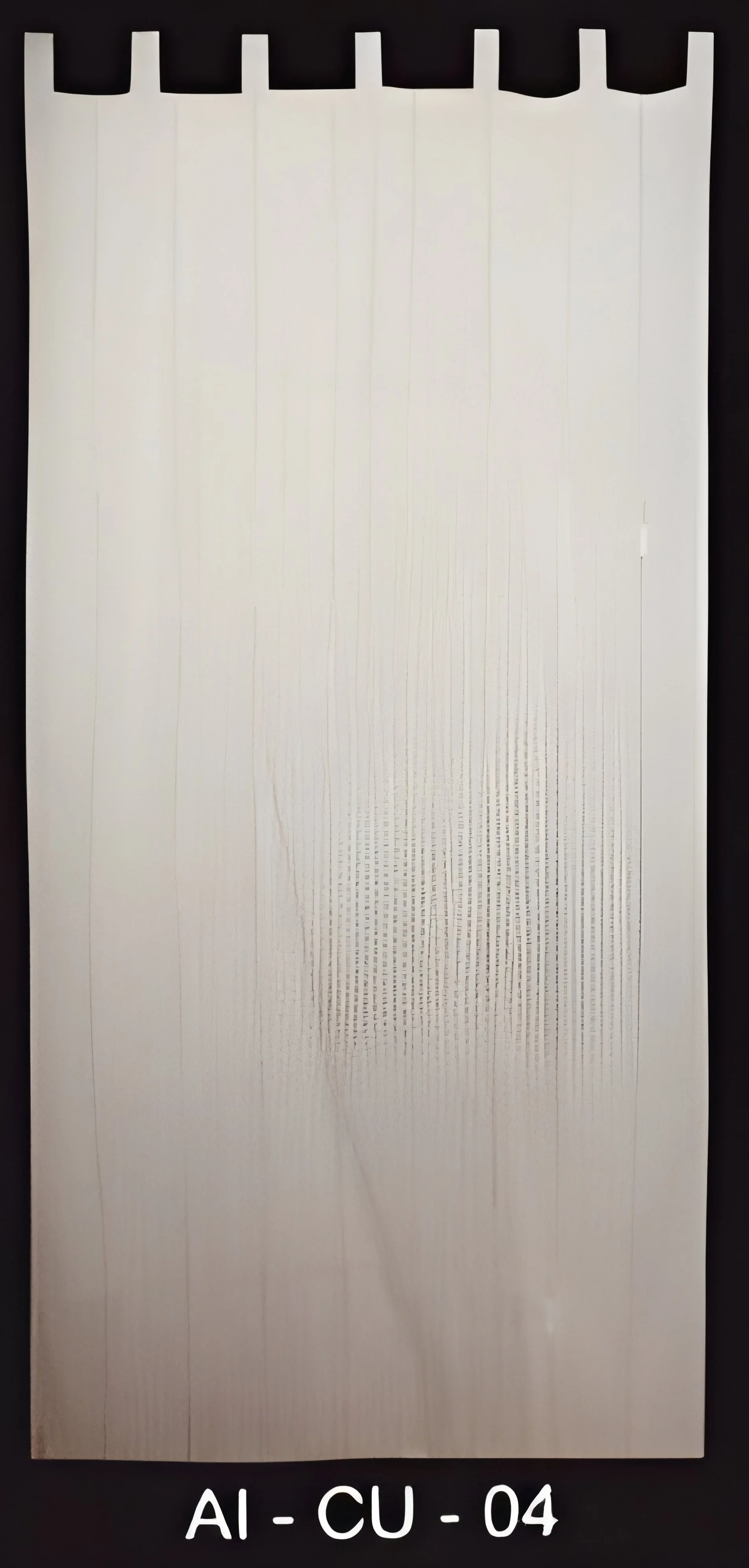
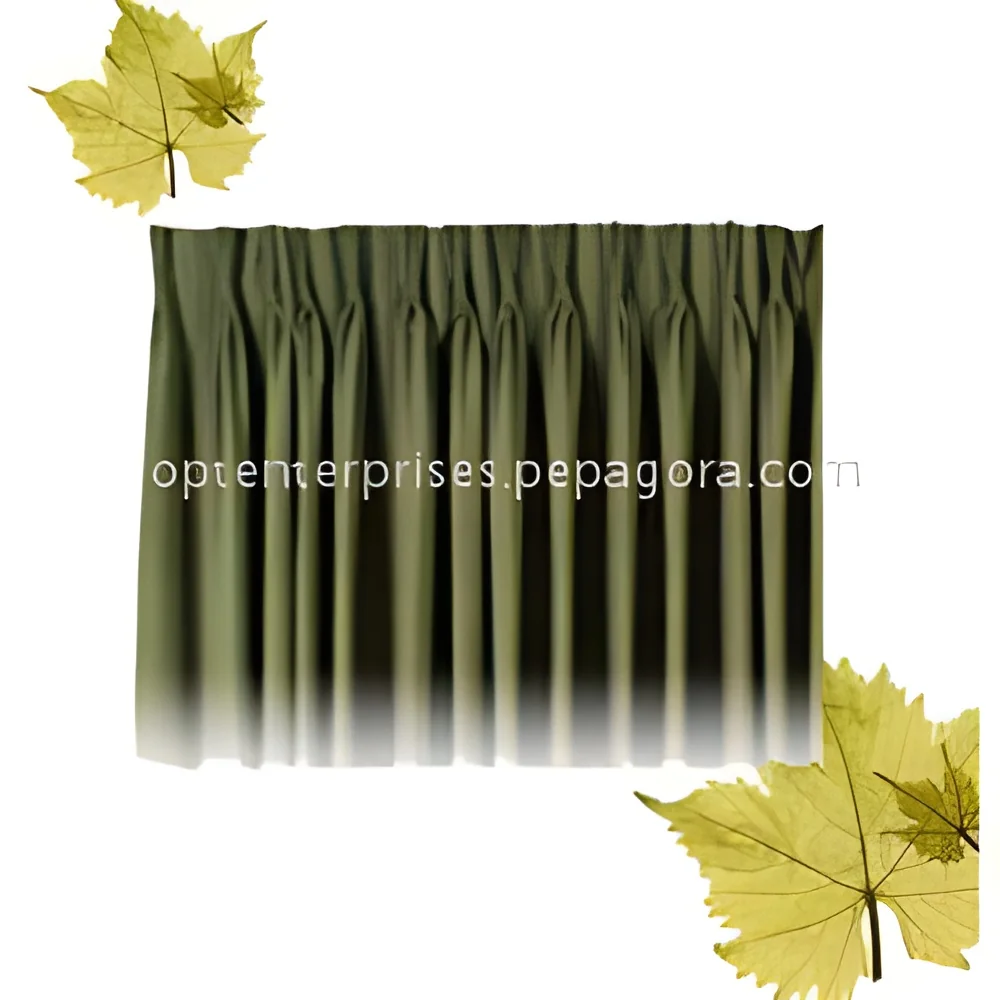
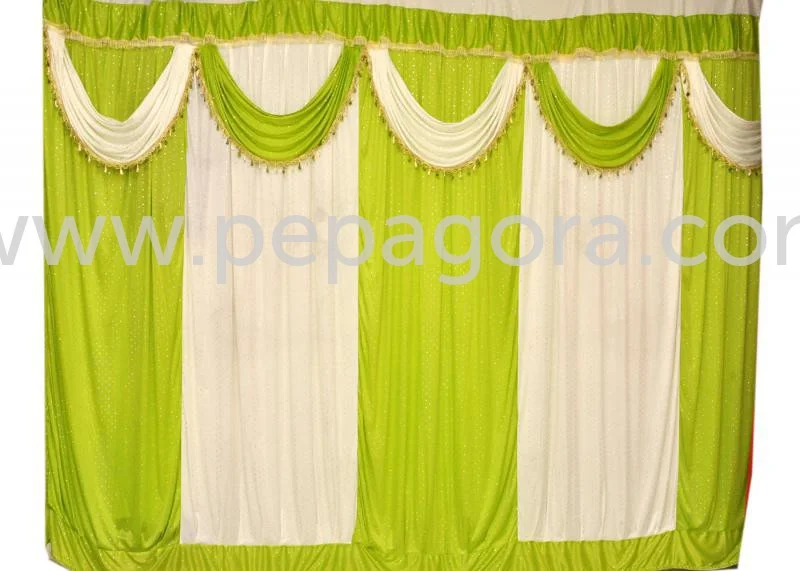
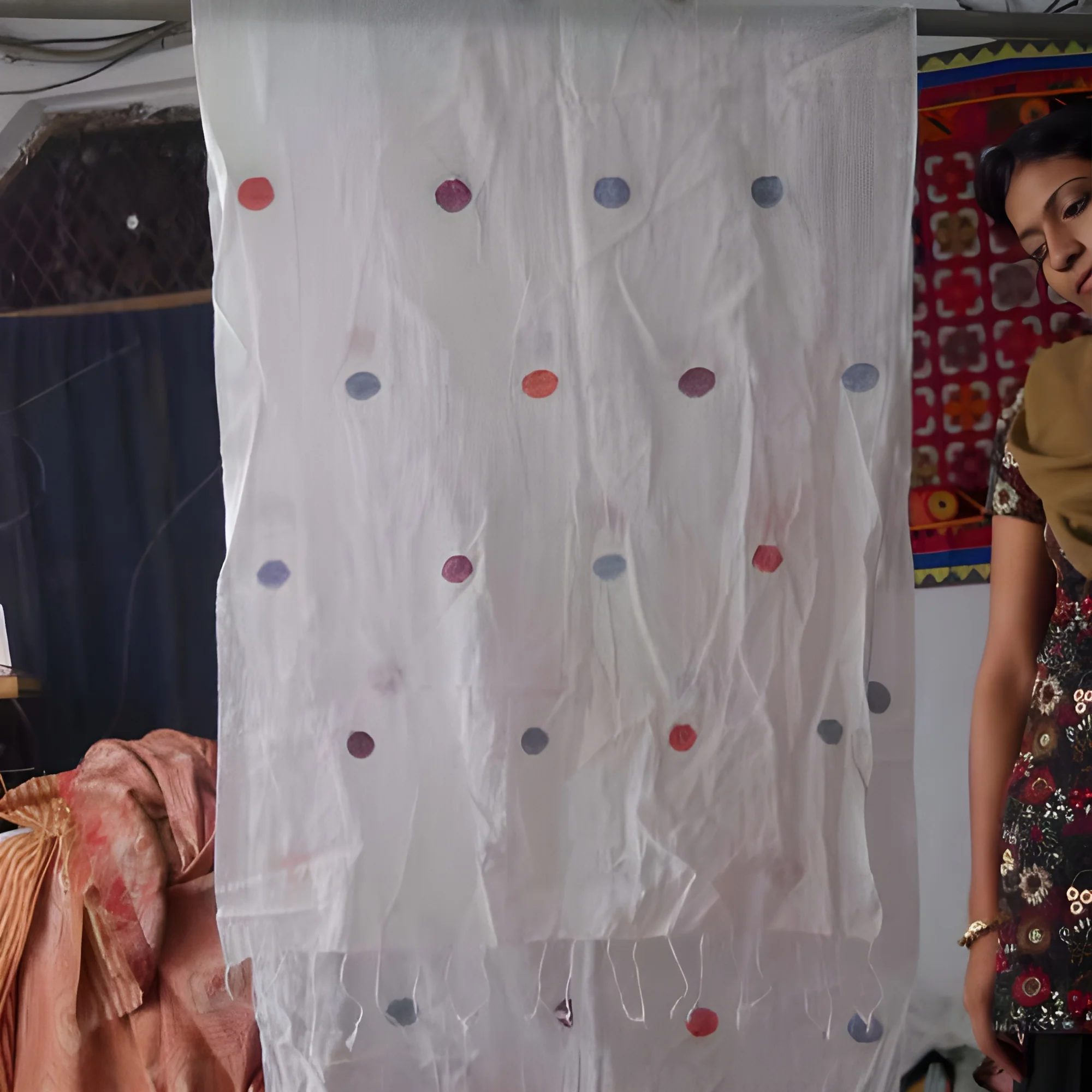
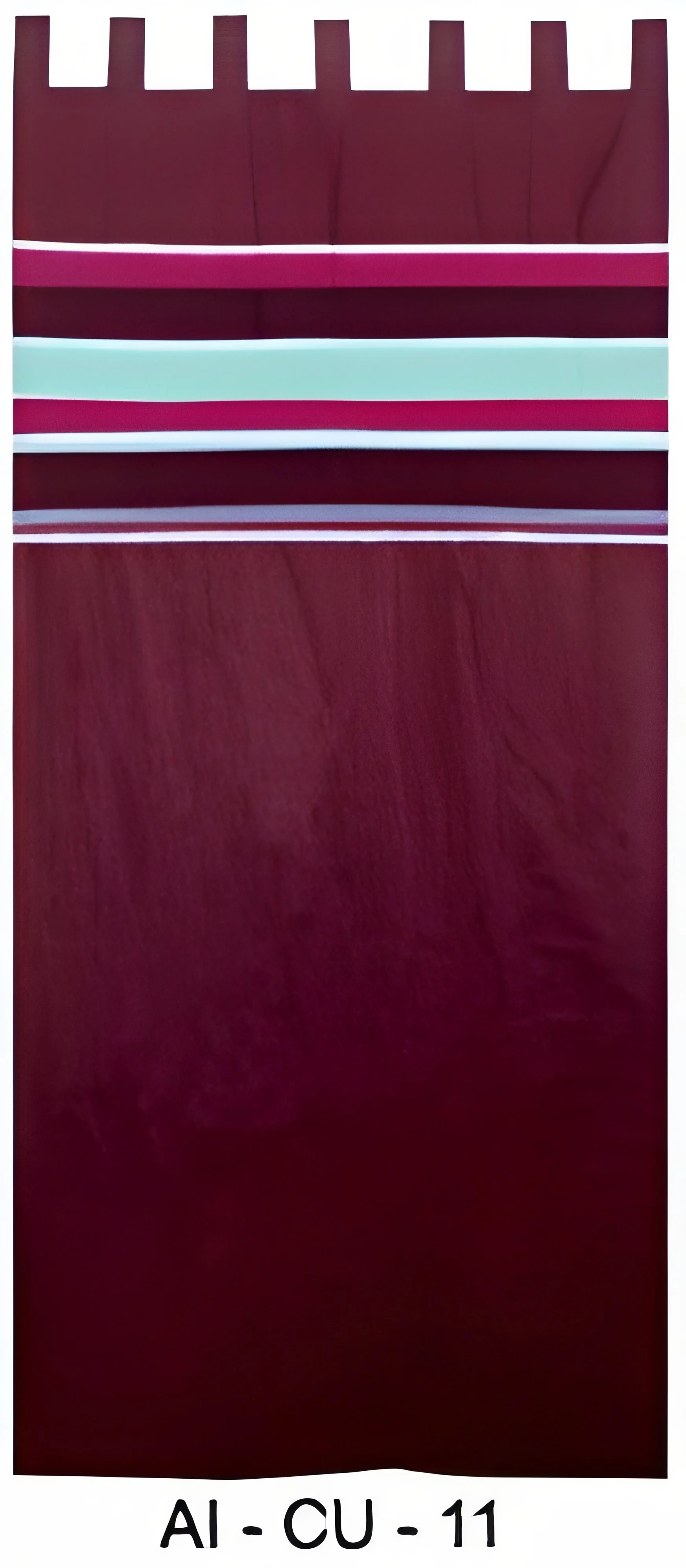
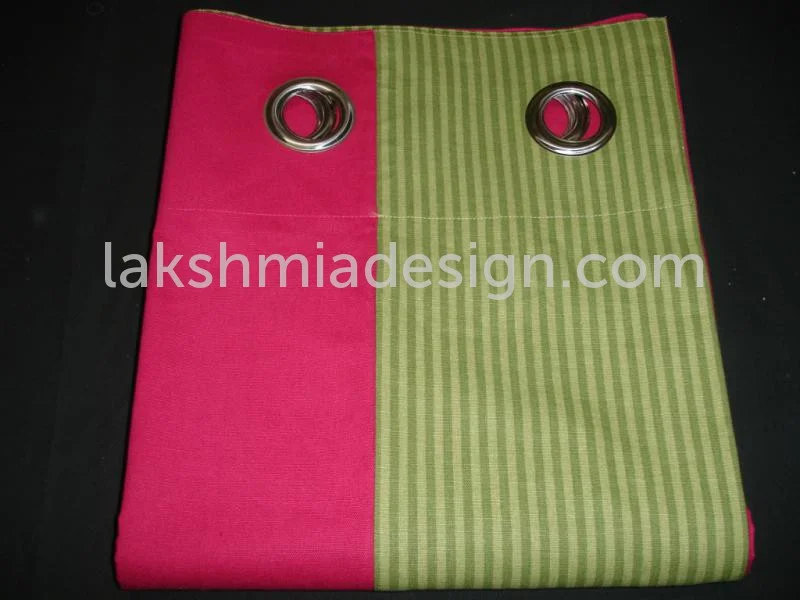
Curtains: These are available in various lengths and styles, from sheer to blackout options, providing light control and privacy.
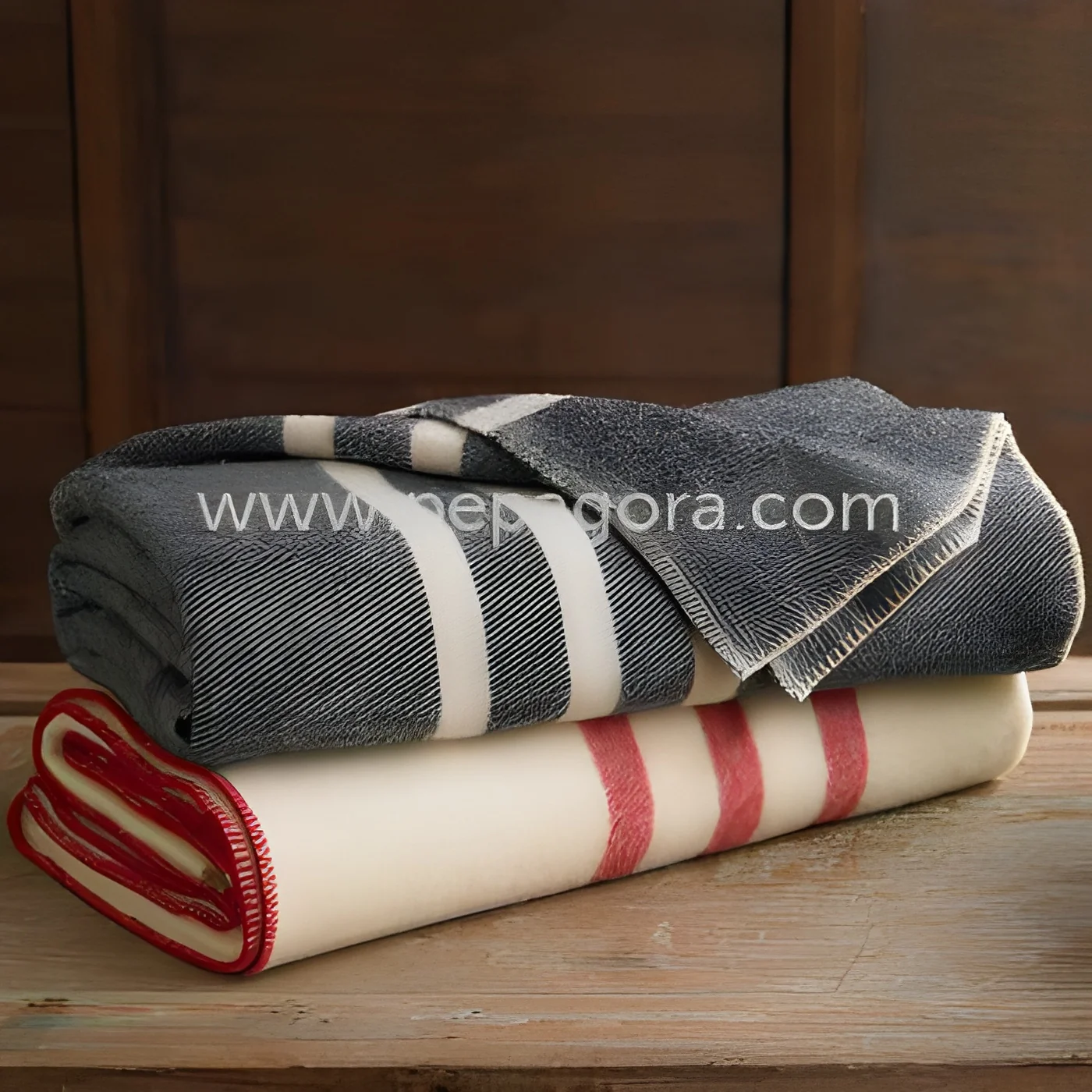
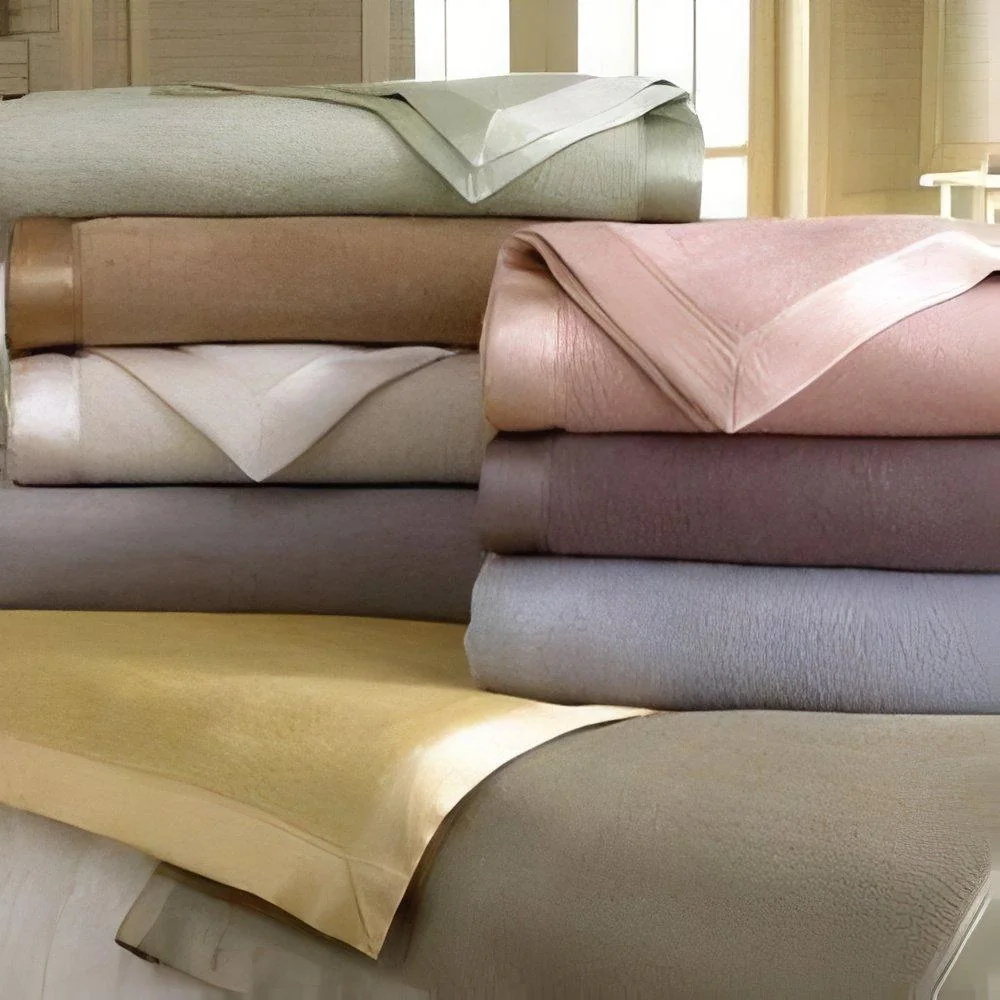
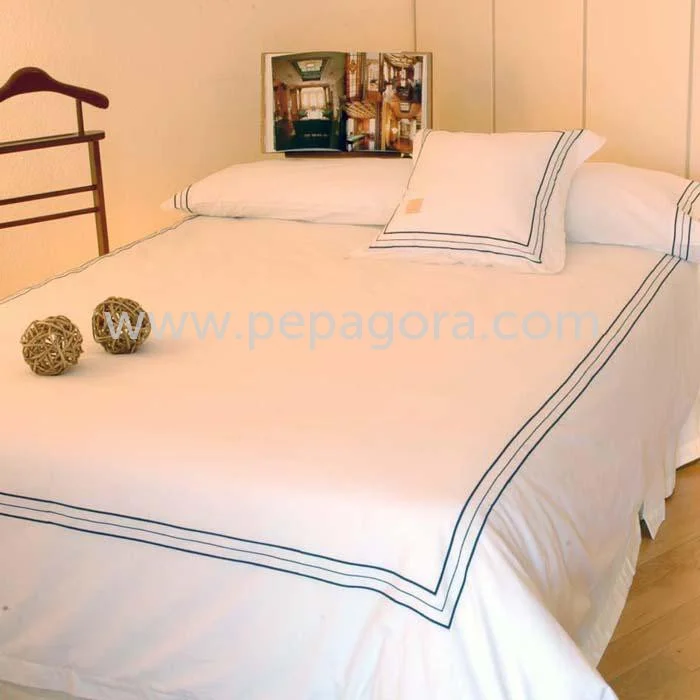
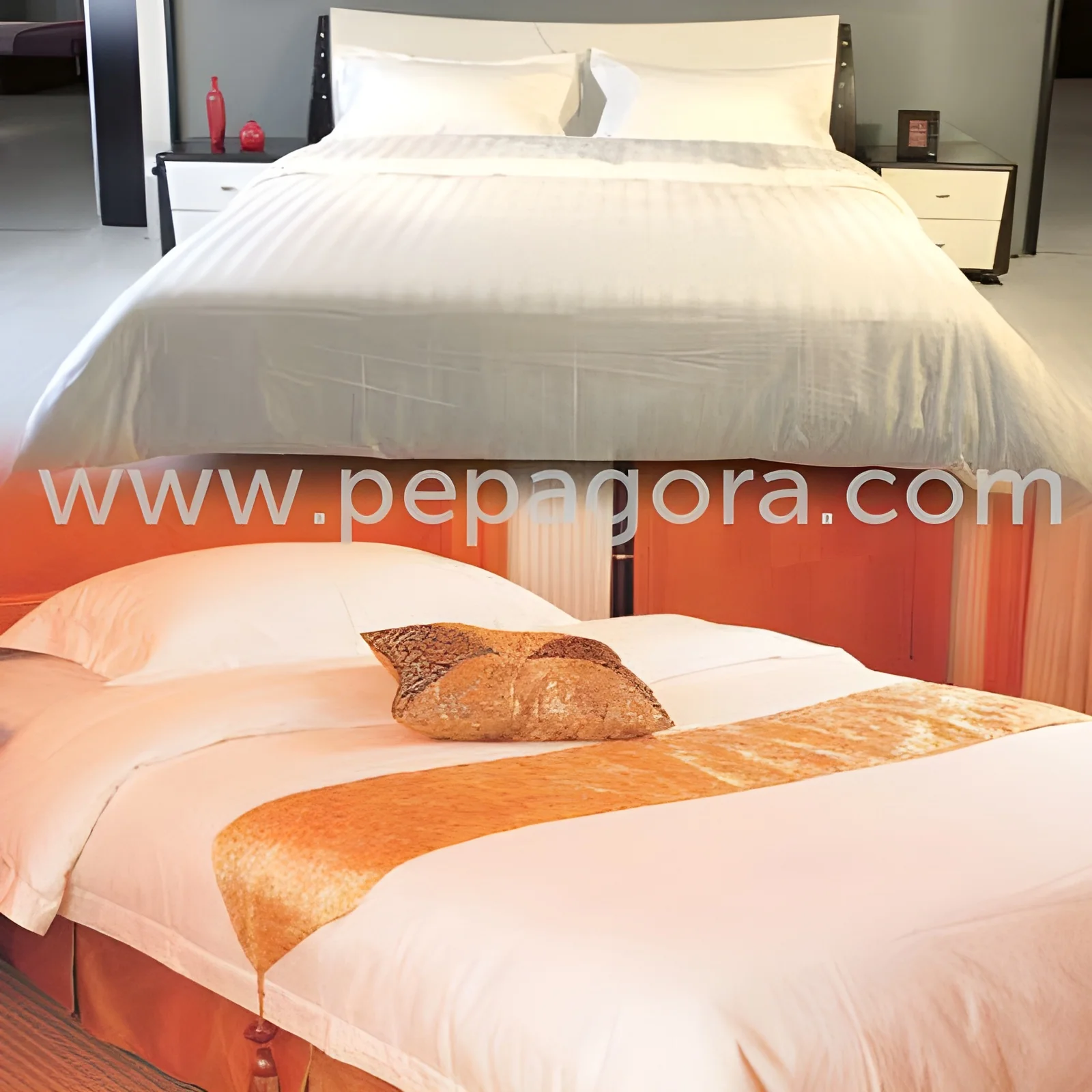
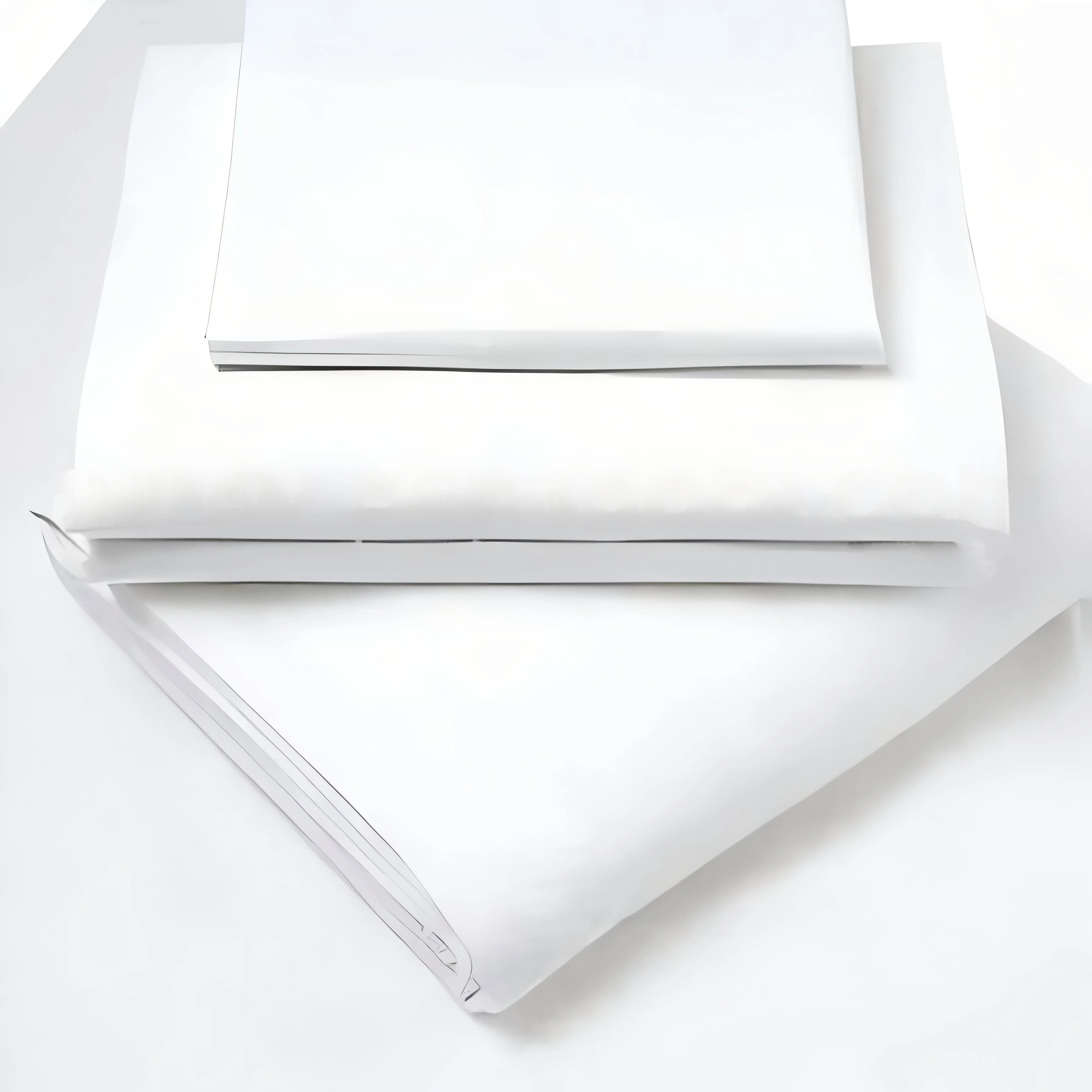
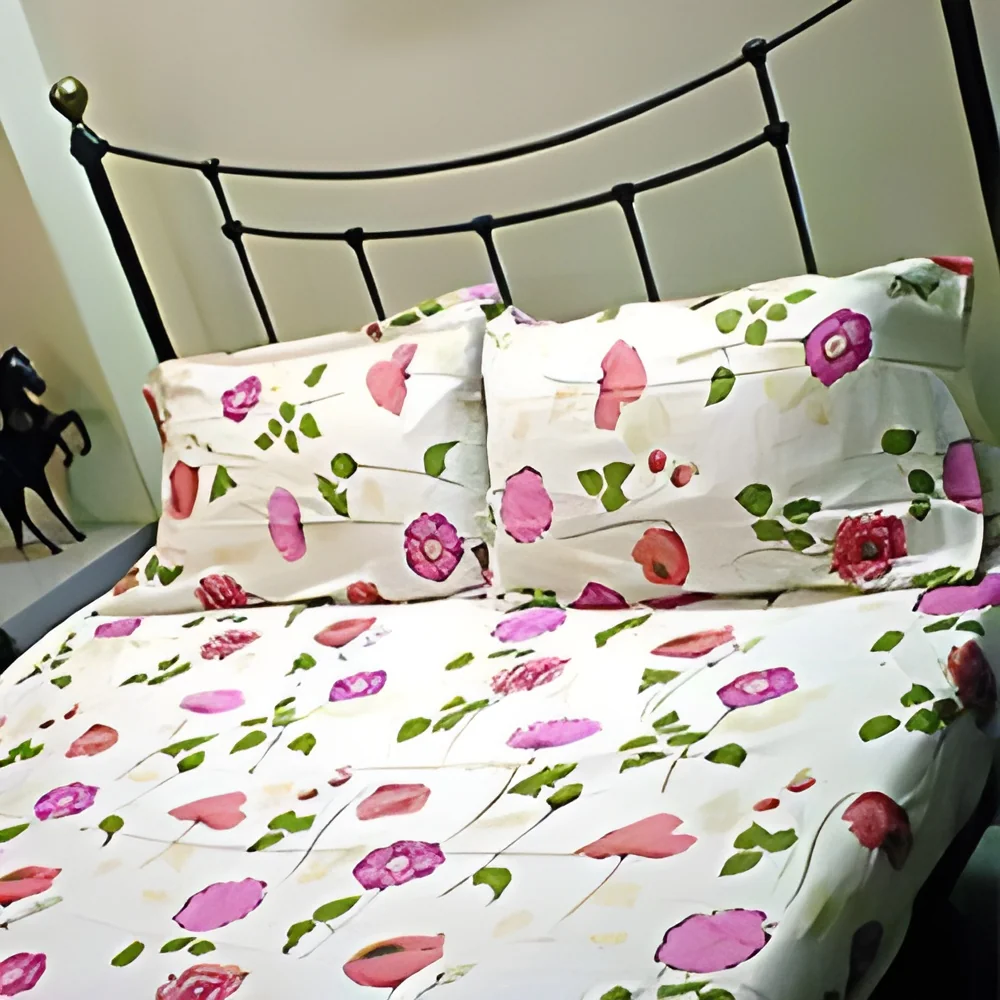
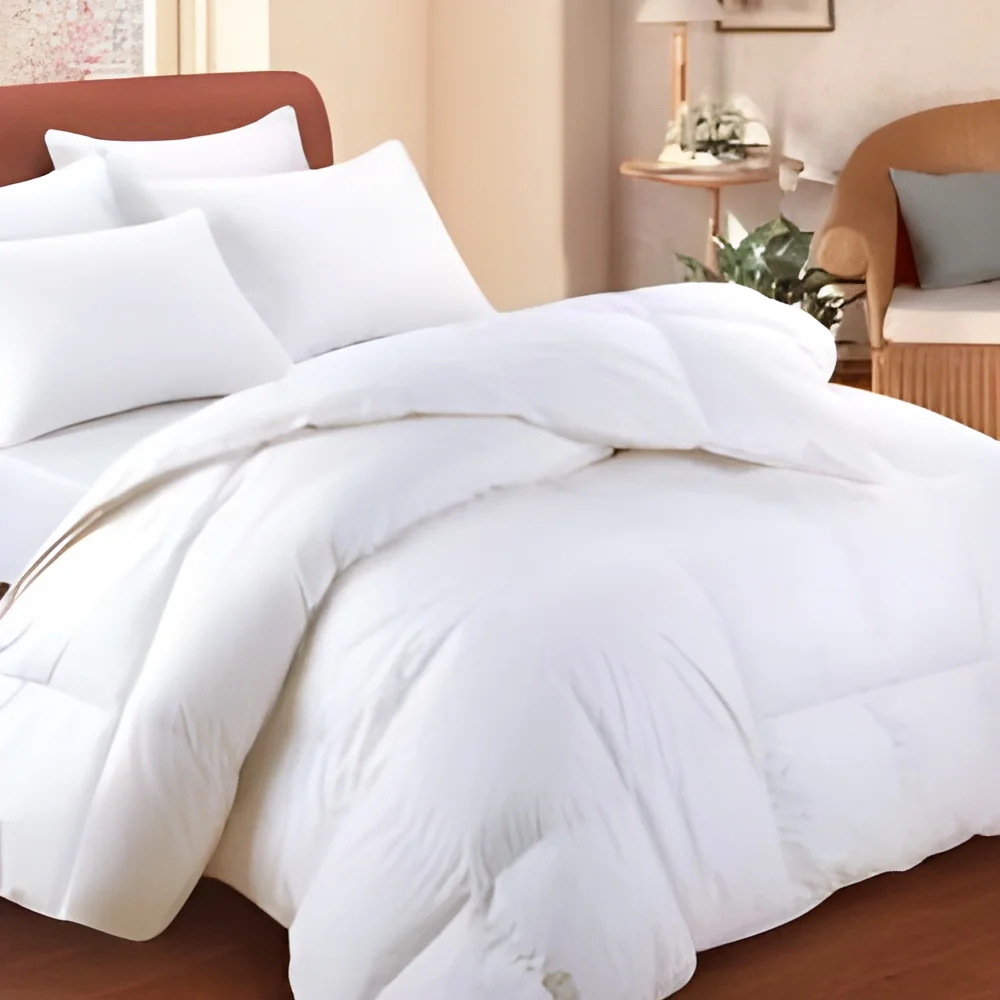
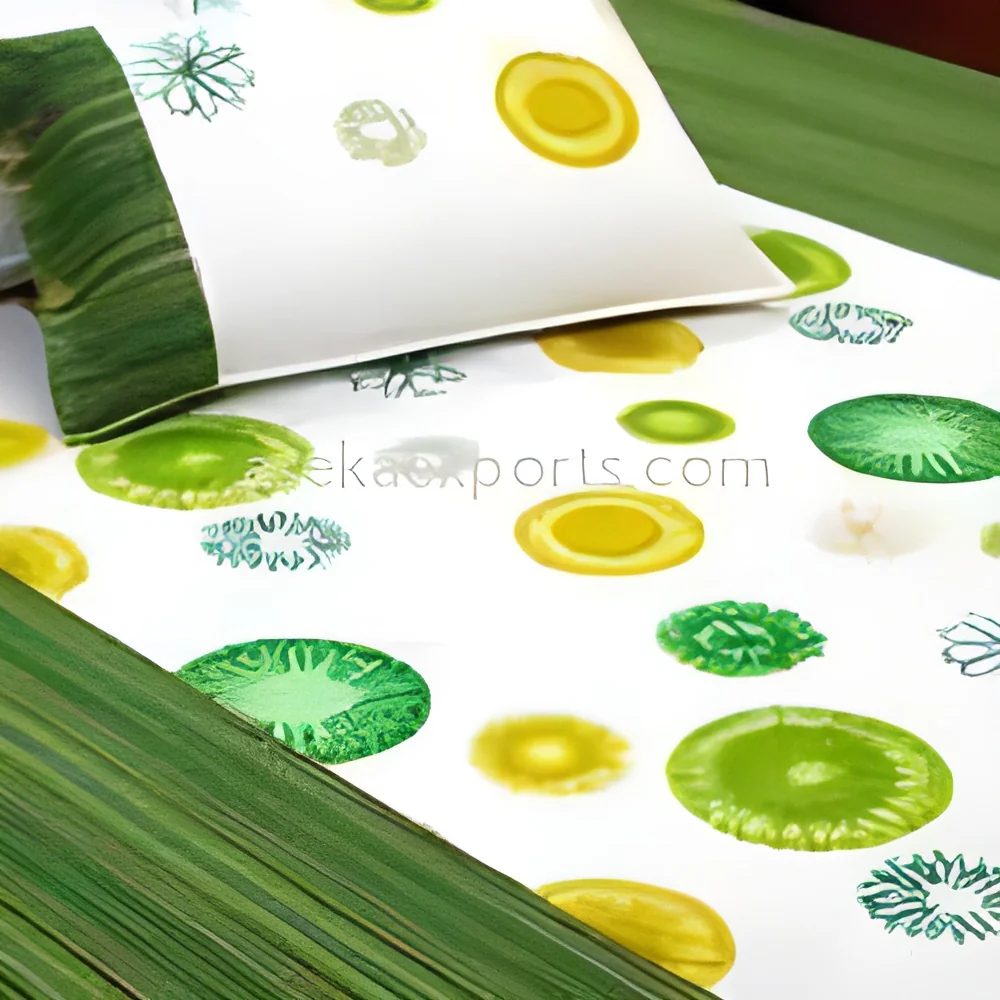
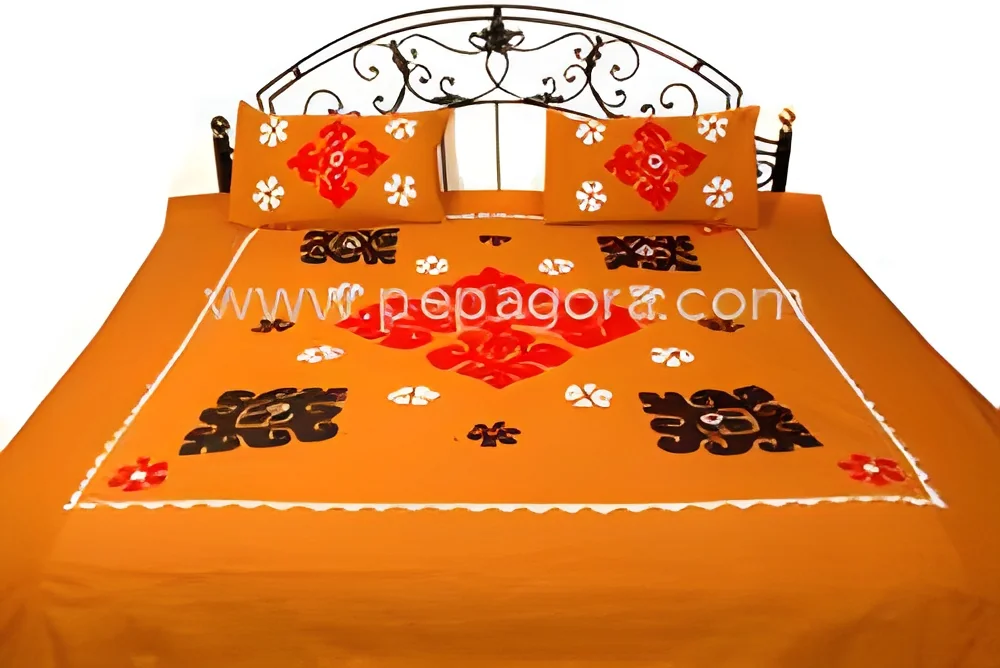
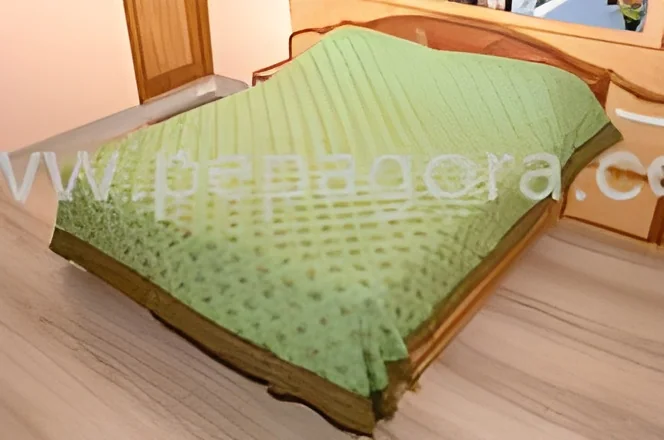
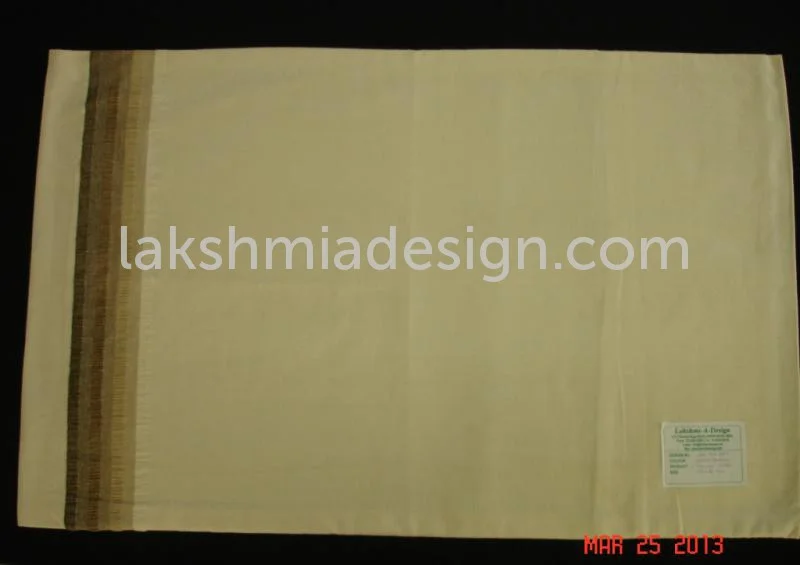
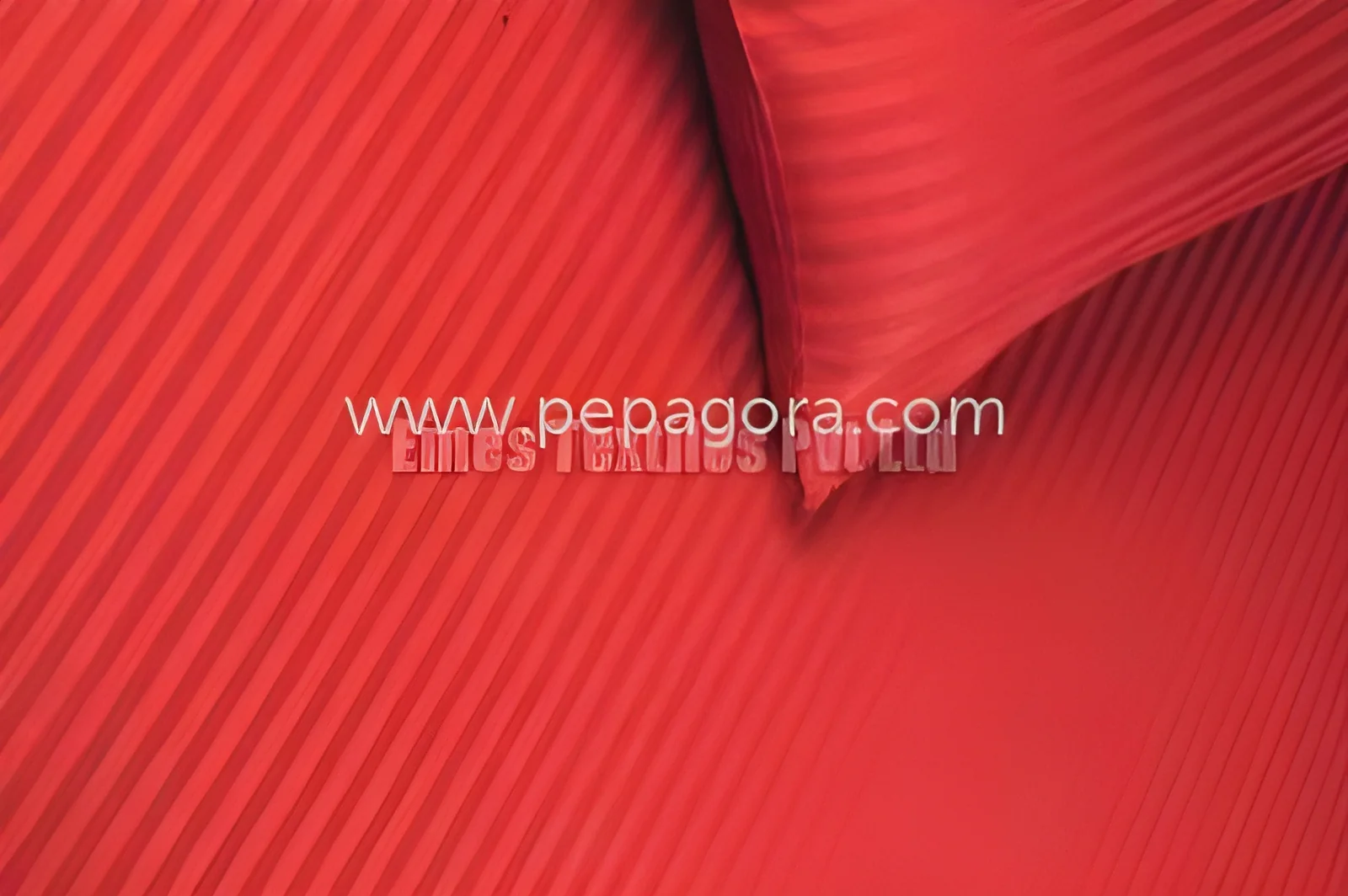
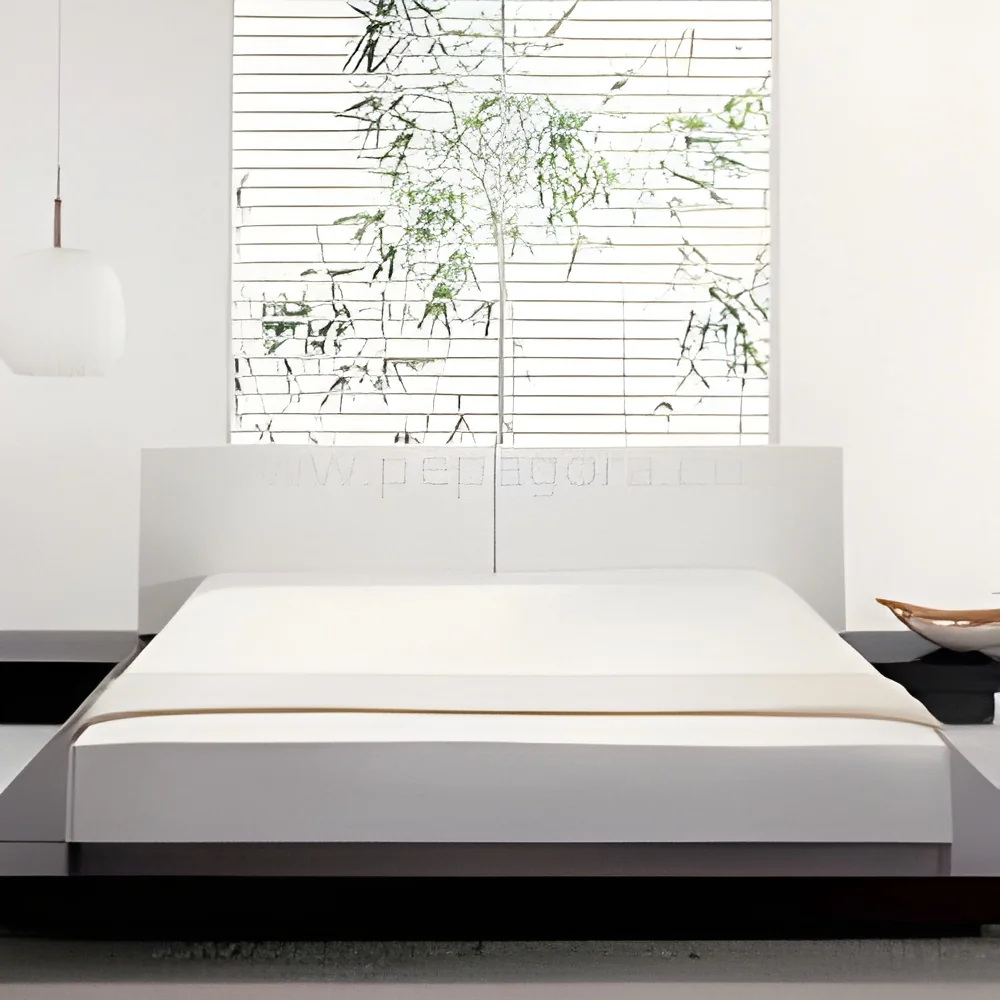
Bed Linens: This category includes sheets, pillowcases, and duvet covers, designed for comfort and aesthetic appeal, often available in multiple thread counts and designs.
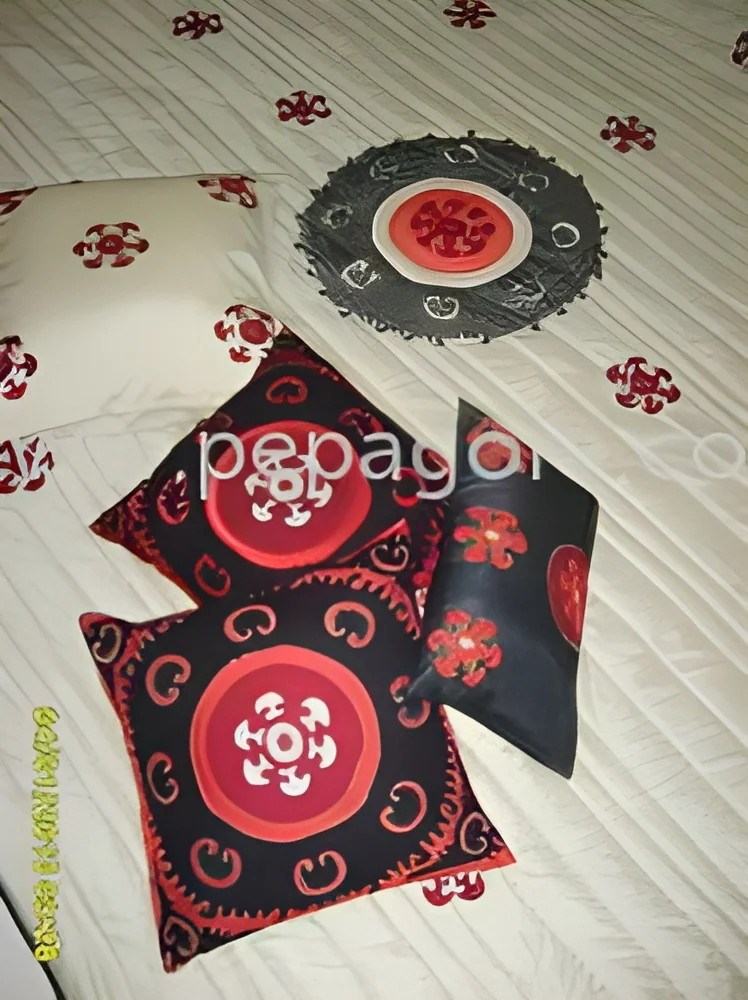
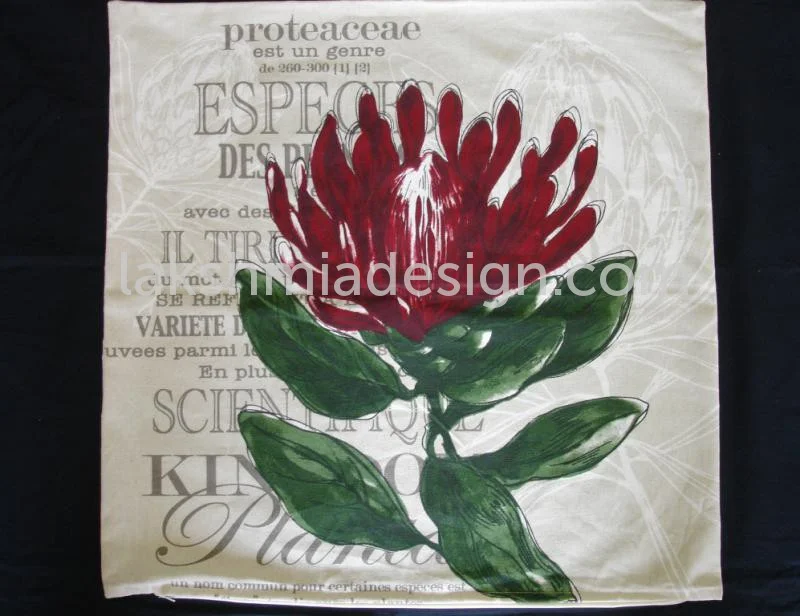
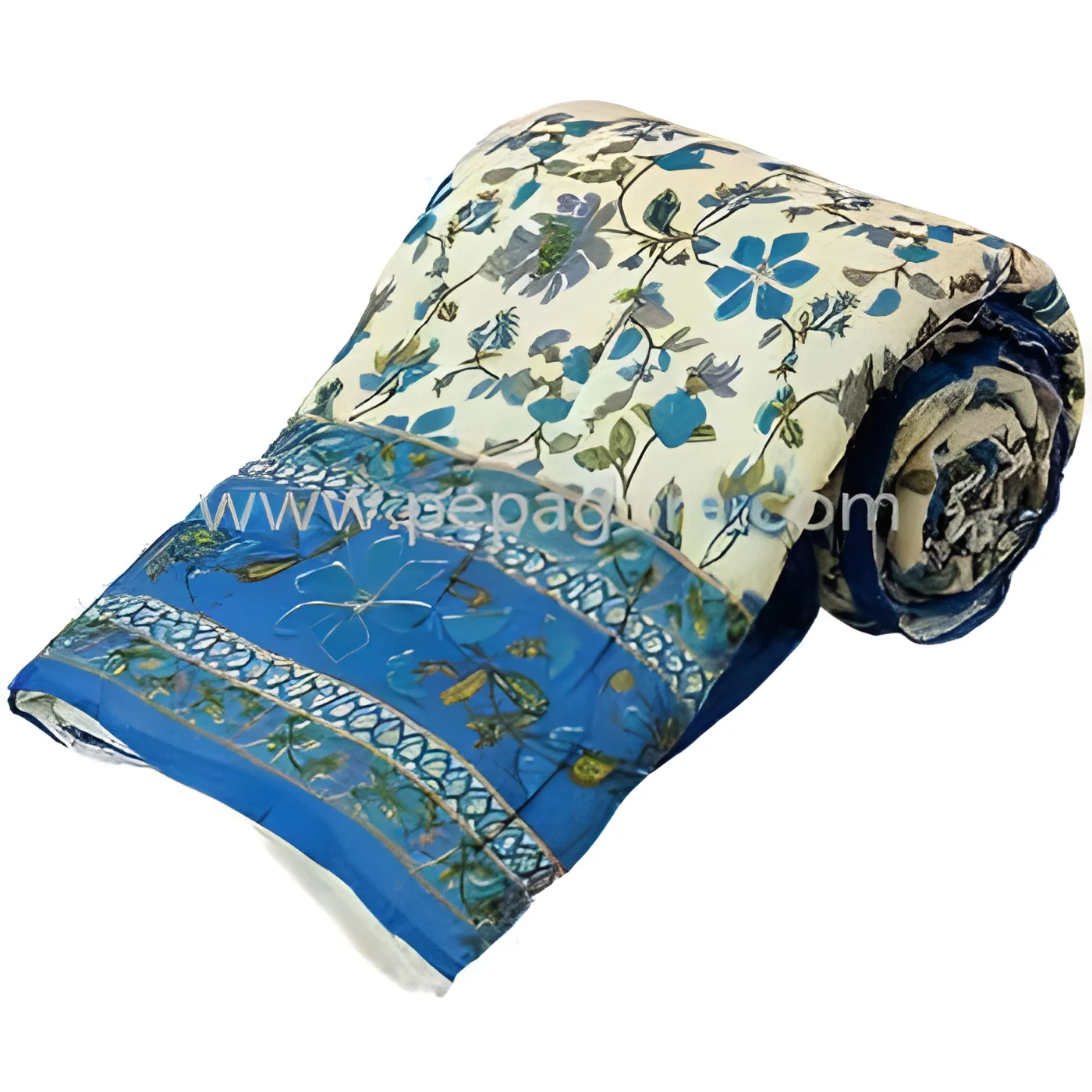
Cushions and Throws: These add comfort and style to seating areas, with options for various sizes, patterns, and materials.
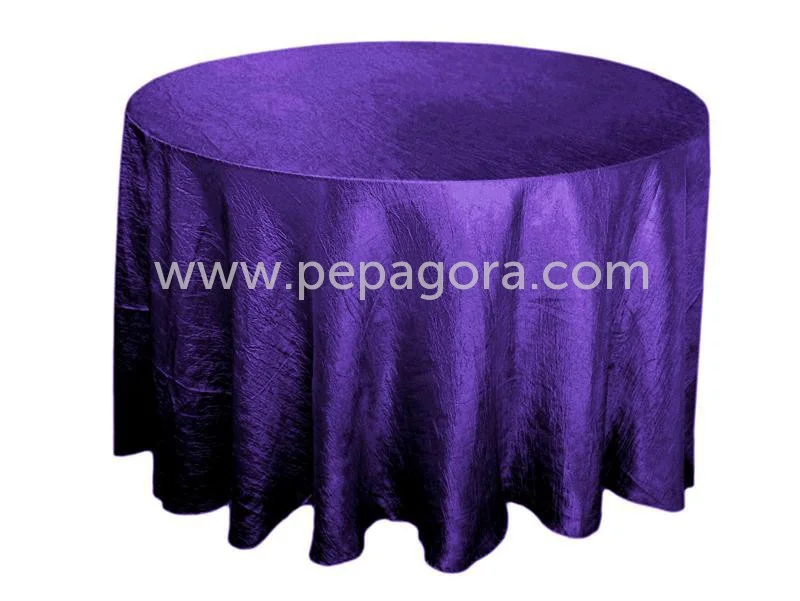
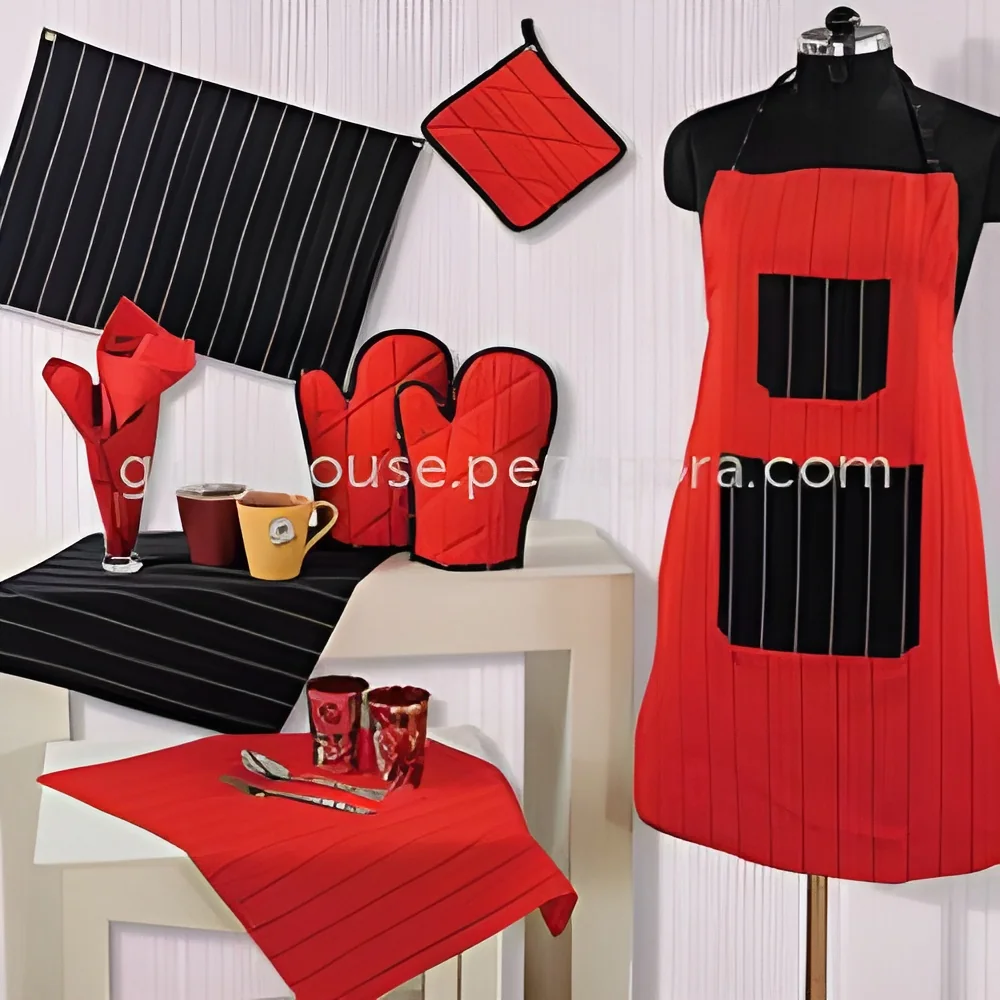
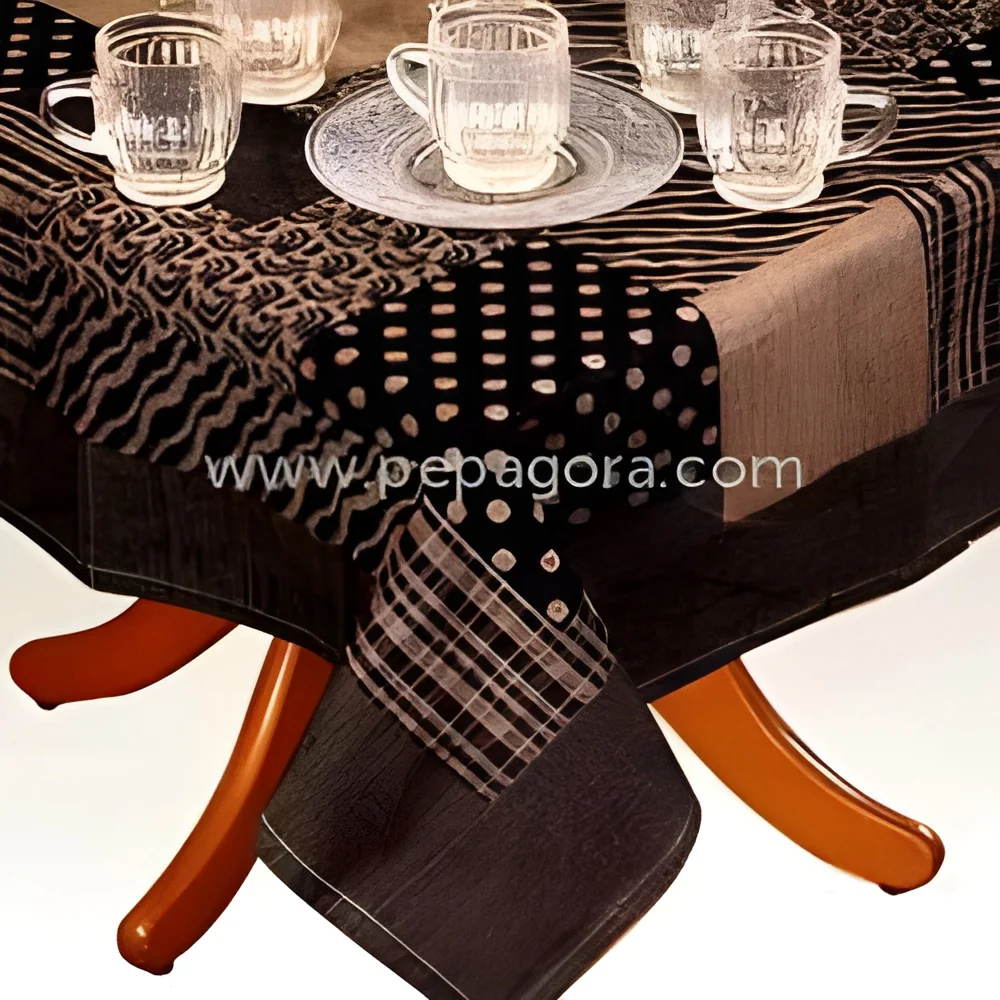
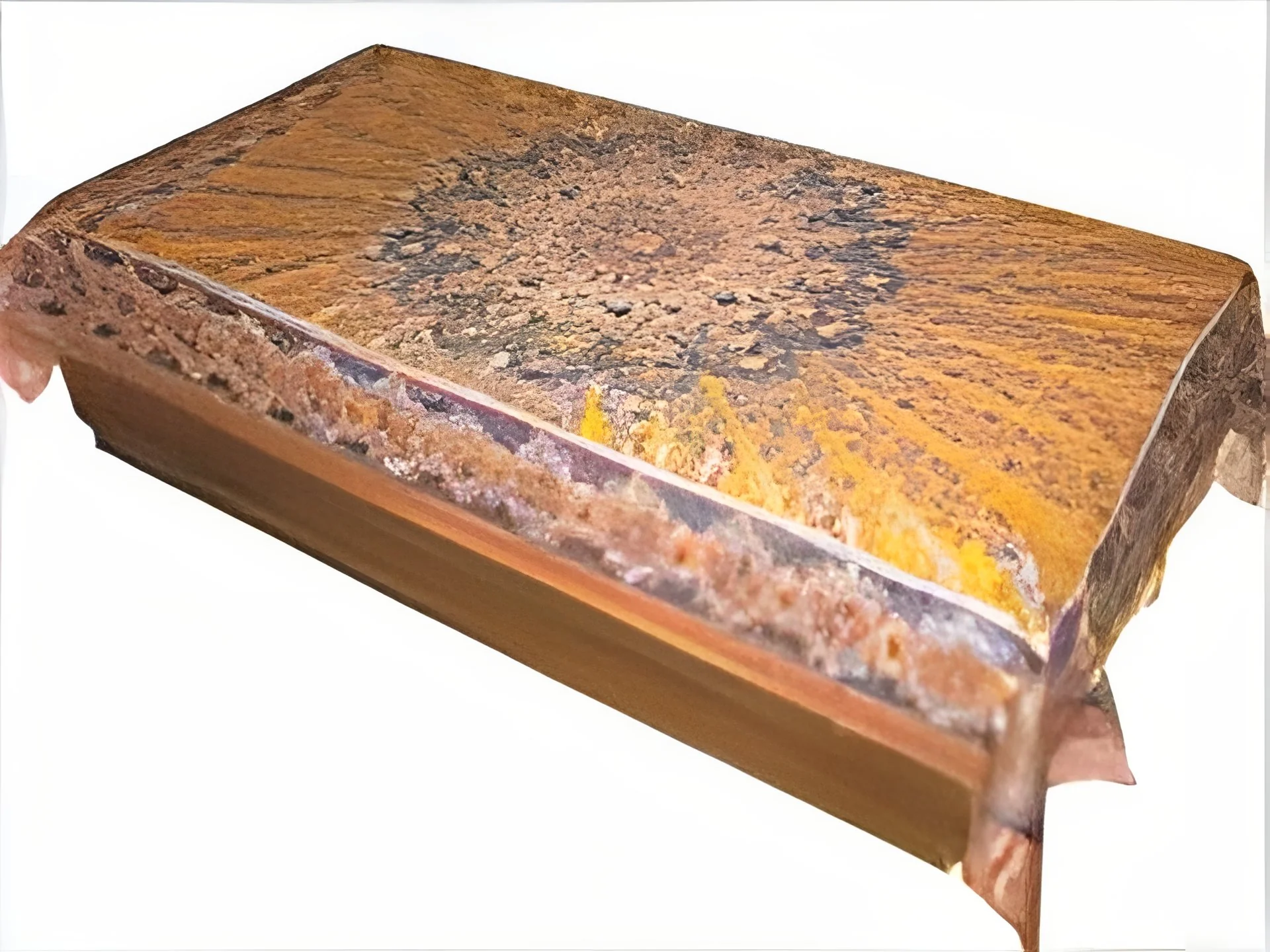
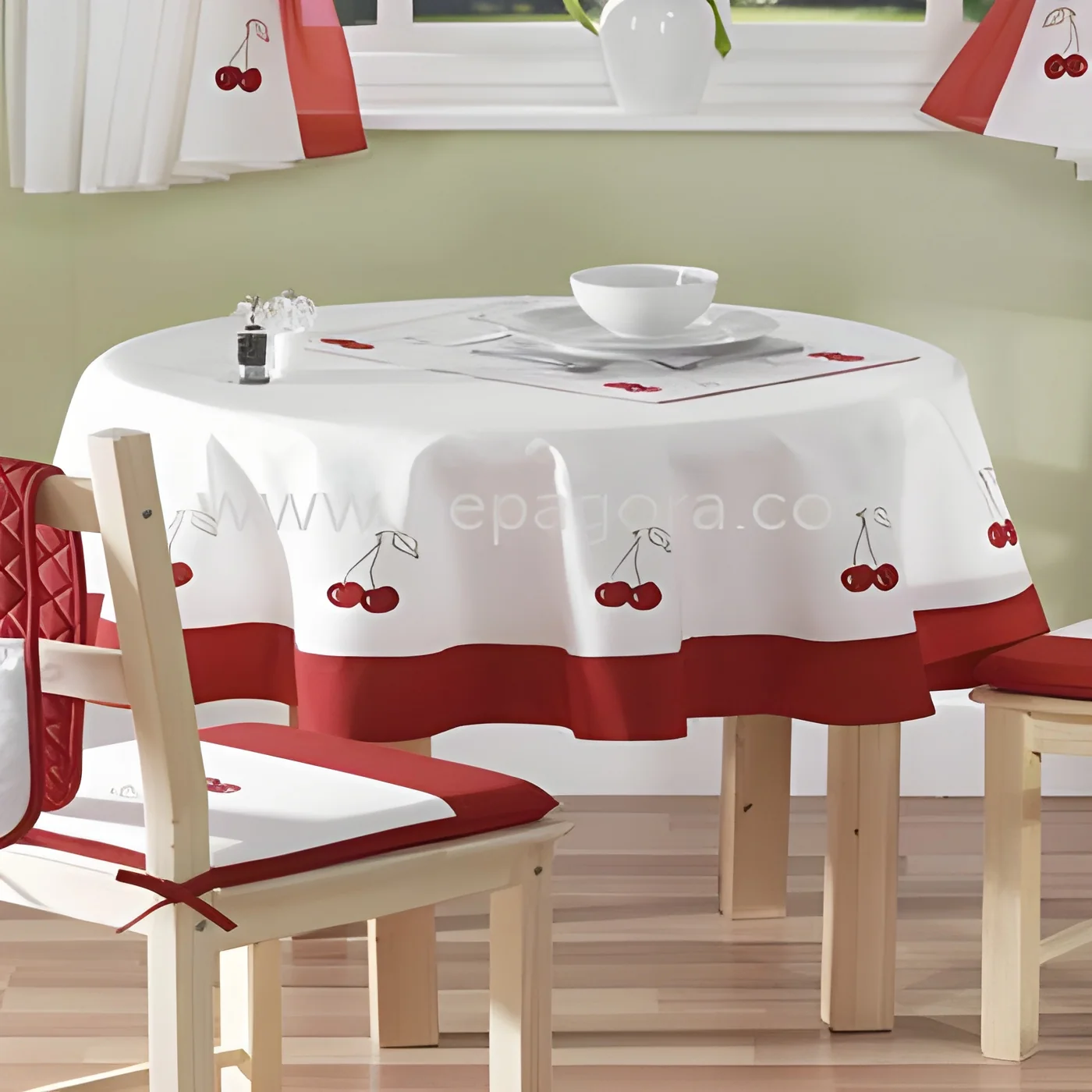
Table Linens: Items such as tablecloths and napkins are designed for both everyday use and special occasions, often featuring elegant designs and easy-care fabrics.
Upholstery Fabrics: Used in furniture manufacturing, these fabrics must provide durability and style, suitable for both residential and commercial applications.
𝗕𝗲𝗻𝗲𝗳𝗶𝘁𝘀 𝗮𝗻𝗱 𝗔𝗱𝘃𝗮𝗻𝘁𝗮𝗴𝗲𝘀
Home textiles offer numerous benefits that enhance their appeal as a product category.
1. Aesthetic Enhancement: Home textiles significantly improve the visual appeal of spaces, allowing for personalization in design.
2. Comfort and Functionality: These products provide comfort, making living areas more enjoyable and functional for everyday use.
3. Versatility: Suitable for various applications, home textiles can be adapted for residential, commercial, or industrial uses.
4. Easy Maintenance: Many products are designed for easy cleaning and maintenance, ensuring longevity and hygiene.
5. Customization Potential: Businesses can often tailor textiles to meet specific design needs or branding requirements.
6. Sustainable Options: Increasing availability of eco-friendly textiles meets the demand for sustainable products in the market.
𝗕𝘂𝘆𝗶𝗻𝗴 𝗚𝘂𝗶𝗱𝗲 𝗳𝗼𝗿 𝗕𝟮𝗕 𝗕𝘂𝘆𝗲𝗿𝘀
When sourcing home textiles, several factors should be considered to ensure quality and suitability.
1. Quality Assessment: Evaluate fabric quality through samples and specifications to ensure they meet durability and comfort standards.
2. Supplier Verification: Research suppliers to confirm reliability and reputation. Look for reviews and ask for references.
3. Pricing and MOQ: Understand pricing structures and minimum order quantities to align with budget and inventory needs.
4. Delivery and Lead Times: Clarify logistics, including delivery timelines and shipping options, to ensure timely fulfillment.
5. Compliance Requirements: Be aware of any regulatory standards or certifications required for the textiles, especially in commercial applications.
𝗖𝗼𝗺𝗽𝗹𝗶𝗮𝗻𝗰𝗲 𝗮𝗻𝗱 𝗖𝗲𝗿𝘁𝗶𝗳𝗶𝗰𝗮𝘁𝗶𝗼𝗻𝘀
Compliance and certifications play an important role in the home textiles industry. Key standards such as ISO 9001 ensure quality management systems are in place, promoting consistent product quality. Additionally, HACCP and GDP principles may be relevant for textiles used in healthcare or food service environments.
Certifications like CE indicate compliance with European safety and environmental protection standards, enhancing product credibility in the market. Safety requirements often include testing for flammability and chemical safety, ensuring that home textiles are safe for consumer use.
Regional compliance considerations are also critical, as different markets may have specific regulations that must be adhered to when sourcing or selling home textiles. Understanding these requirements helps businesses mitigate risks and ensure legal compliance.
𝗪𝗵𝘆 𝗦𝗼𝘂𝗿𝗰𝗲 𝗛𝗼𝗺𝗲 𝗧𝗲𝘅𝘁𝗶𝗹𝗲𝘀 𝗳𝗿𝗼𝗺 𝗣𝗲𝗽𝗮𝗴𝗼𝗿𝗮?
Pepagora provides a trusted platform for sourcing home textiles, offering several key advantages to B2B buyers.
Verified Supplier Network: Pepagora ensures that all suppliers on its platform are thoroughly vetted for reliability and quality. This verification process helps buyers connect with reputable manufacturers and distributors.
Streamlined RFQ Process: The platform features an efficient Request for Quotation (RFQ) system, allowing buyers to easily obtain quotes from multiple suppliers. This makes it easier to compare prices and options.
Trade Assurance and Support: Pepagora offers buyer protection through trade assurance, ensuring that transactions are secure and that buyers can confidently source products.
Regional Coverage: With a strong presence in India, the GCC, and Southeast Asia, Pepagora connects buyers to a wide network of suppliers across these regions, enhancing accessibility and choice.
By choosing Pepagora, businesses can simplify their sourcing process while ensuring access to quality home textiles that meet their needs.
Home Textiles refer to a wide range of fabric products that are used in home decoration and furnishing. This includes items such as bed linens, curtains, upholstery, tablecloths, and towels. They play a crucial role in enhancing the aesthetic appeal and comfort of living spaces.
2
What are the different types of Home Textiles?
The different types of Home Textiles include bed linens, curtains, cushions, table linens, towels, and upholstery fabrics. Each type serves a specific purpose in home decor and functionality. Additionally, they can be categorized based on their usage, such as decorative or functional textiles.
3
How do I choose the right Home Textiles?
Choosing the right Home Textiles involves considering factors such as the fabric type, color scheme, and durability. It is important to match the textiles with your existing decor and personal style. Additionally, consider the maintenance requirements and whether the textiles are suitable for your intended use.
4
What are the standard specifications for Home Textiles?
Standard specifications for Home Textiles include fabric composition, weight, thread count, and dimensions. Fabrics are often measured in GSM (grams per square meter) for thickness and durability. Ensuring that these specifications align with your needs is crucial for satisfaction and longevity.
5
What is the price range for Home Textiles?
The price range for Home Textiles can vary significantly based on the type, material, and quality. Generally, prices can range from a few hundred to several thousand rupees. It is advisable to compare suppliers to find the best deals that fit your budget.
6
What quality standards apply to Home Textiles?
Quality standards for Home Textiles typically include durability, colorfastness, and safety regulations. Many products are tested for performance against wear, tear, and laundering. Certifications such as OEKO-TEX or ISO can also indicate compliance with safety and environmental standards.
7
Where can I find Home Textiles suppliers in India?
You can find Home Textiles suppliers in India through various online B2B marketplaces like Pepagora.com. Additionally, local trade fairs, exhibitions, and industry directories are good resources for discovering manufacturers and wholesalers in this sector.
8
Can Home Textiles be customized?
Yes, many Home Textiles can be customized according to specific requirements, such as size, design, and fabric choice. Customization options may vary by supplier, so it is important to discuss your needs upfront. This ensures that the final product meets your exact specifications.
9
What is the typical minimum order quantity for Home Textiles?
The typical minimum order quantity (MOQ) for Home Textiles can vary by supplier and product type. Generally, MOQs can range from 50 to 100 units for bulk orders. It is recommended to check with individual suppliers for their specific policies regarding MOQs.
10
What is the typical lead time for Home Textiles?
The typical lead time for Home Textiles usually ranges from 2 to 6 weeks, depending on the supplier and the complexity of the order. Custom orders may require additional time for production. Always confirm lead times with suppliers when placing orders to ensure timely delivery.
Why Businesses Trust Pepagora
Thousands of companies trust Pepagora to source smarter and sell faster
Expand Your Sales Globally
25000+Products listed.Get discovered by global buyers

 IN
IN