𝗪𝗵𝗮𝘁 𝗮𝗿𝗲 𝗠𝗲𝗱𝗶𝗰𝗮𝗹 𝗨𝗻𝗶𝗳𝗼𝗿𝗺𝘀 & 𝗦𝗰𝗿𝘂𝗯𝘀?
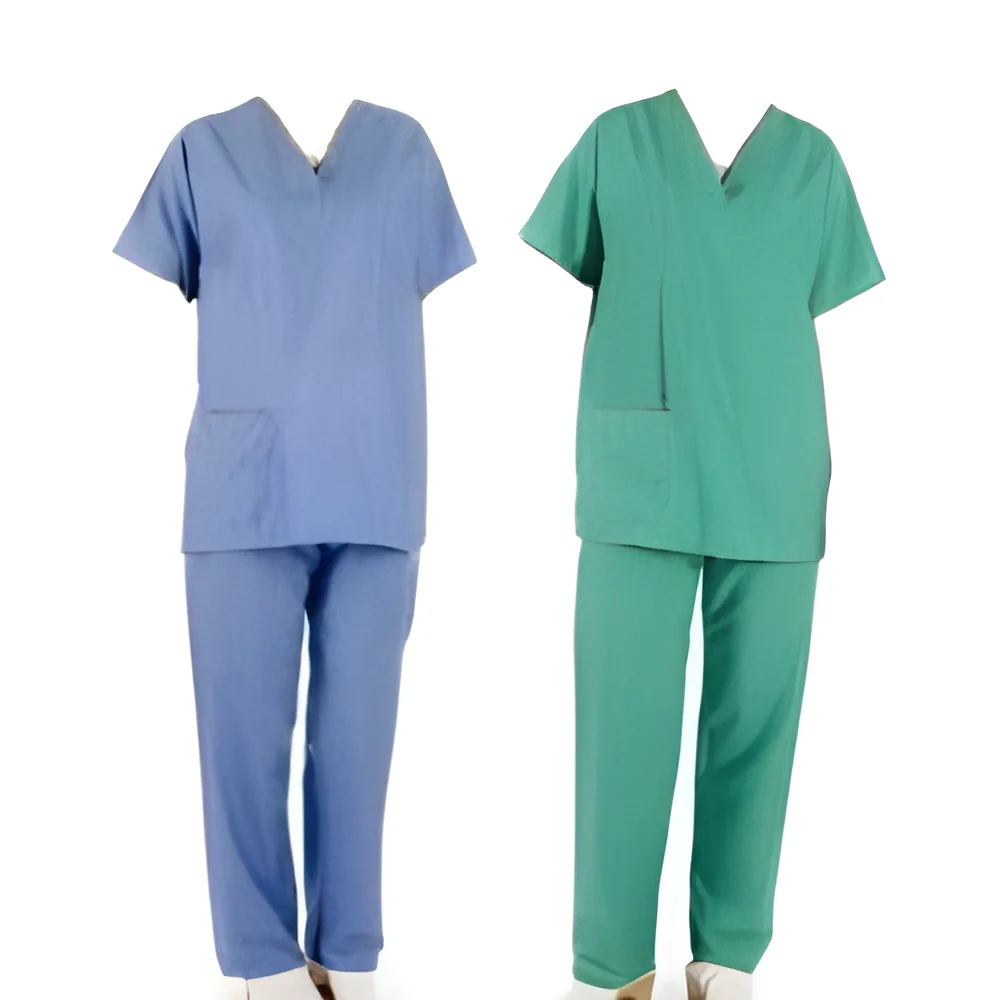
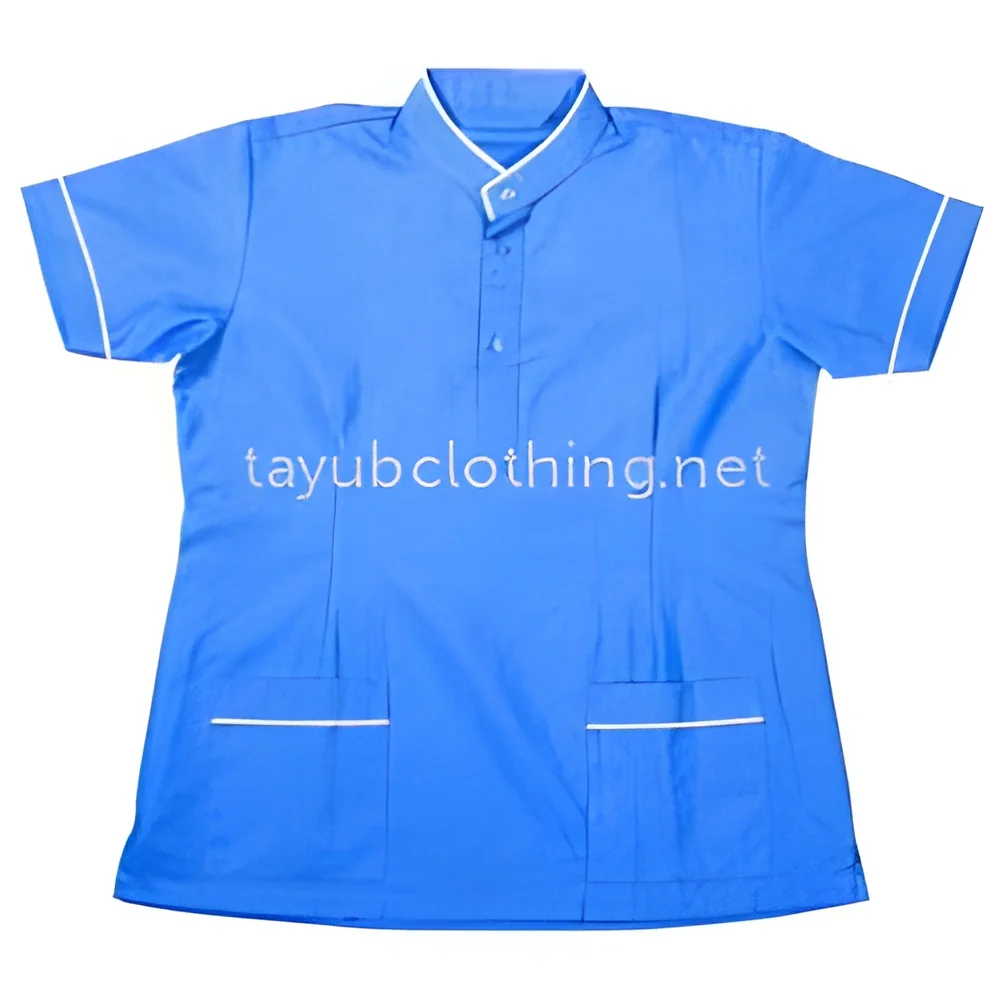
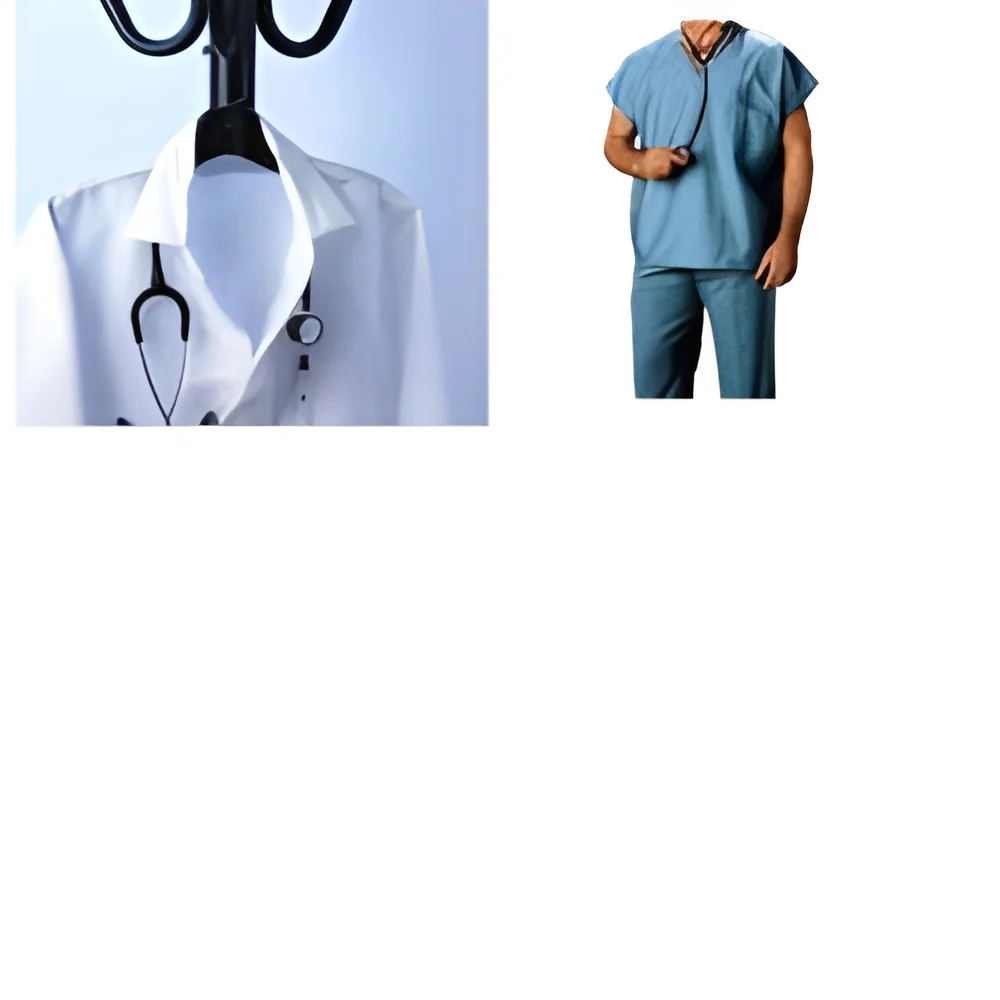
Medical uniforms and scrubs are specialized clothing designed for healthcare professionals, including doctors, nurses, and other medical staff. These garments serve not only as a uniform but also as a way to maintain hygiene and safety in medical environments. Typically made from durable, easy-to-clean fabrics, medical uniforms and scrubs are tailored for comfort and functionality, allowing healthcare workers to perform their duties efficiently.
The primary use of medical uniforms and scrubs is in hospitals, clinics, and other healthcare facilities. They help to distinguish medical professionals from patients and visitors, thereby enhancing the professional atmosphere of the healthcare setting. Additionally, they provide practical benefits such as pockets for carrying medical tools and instruments. The industry relevance of medical uniforms and scrubs is significant, reflecting ongoing trends in healthcare towards improved hygiene, patient safety, and staff professionalism.
𝗞𝗲𝘆 𝗙𝗲𝗮𝘁𝘂𝗿𝗲𝘀 𝗮𝗻𝗱 𝗦𝗽𝗲𝗰𝗶𝗳𝗶𝗰𝗮𝘁𝗶𝗼𝗻𝘀
Medical uniforms and scrubs come with various features that enhance their functionality and comfort. When selecting these garments, buyers should consider essential specifications that can impact their use in a medical setting.
Key specifications include:
1. Fabric Composition
- Typically made from a blend of polyester and cotton for durability and comfort
- Common blends include 65% polyester and 35% cotton
2. Design and Fit
- Available in various styles, including v-neck and round neck options
- Tailored for ease of movement with options for both fitted and loose designs
3. Color and Customization
- Offered in a wide range of colors to meet facility requirements or personal preferences
- Options for logo embroidery or customization to represent the institution
4. Pocket Configuration
- Varying numbers of pockets, often including chest and side pockets for tools
- Reinforced stitching for durability
5. Care Instructions
- Machine washable at high temperatures to maintain hygiene
- Fade-resistant fabrics to retain color after multiple washes
6. Breathability
- Designed to allow air circulation, keeping the wearer comfortable during long shifts
- Moisture-wicking properties available in some fabrics
7. Safety Features
- Some scrubs come with antimicrobial properties to reduce infection risk
- Compliance with relevant safety standards (CE certified)
8. Size Range
- Available in a wide range of sizes to accommodate all body types
- Plus and petite sizes offered to ensure proper fit
In summary, understanding these specifications helps buyers make informed decisions when sourcing medical uniforms and scrubs.
𝗖𝗼𝗺𝗺𝗼𝗻 𝗔𝗽𝗽𝗹𝗶𝗰𝗮𝘁𝗶𝗼𝗻𝘀 𝗮𝗻𝗱 𝗨𝘀𝗲 𝗖𝗮𝘀𝗲𝘀
Medical uniforms and scrubs are essential in various healthcare settings to ensure professionalism and hygiene.
1. Hospitals: Scrubs are commonly worn by all clinical staff in hospitals, providing a clean and professional appearance that helps to distinguish medical personnel.
2. Clinics: In outpatient clinics, scrubs are utilized by doctors and nurses to maintain hygiene while offering comfort during patient examinations.
3. Dental Offices: Dental professionals wear scrubs to prevent contamination and ensure a sterile environment during procedures.
4. Veterinary Clinics: Veterinary staff use scrubs to provide a practical and professional look while dealing with animals and maintaining cleanliness.
5. Long-term Care Facilities: Caregivers in nursing homes and assisted living facilities wear scrubs to represent their professionalism and enhance the comfort of residents.
6. Laboratories: Medical laboratory technicians wear scrubs to protect themselves and prevent cross-contamination of samples.
7. Home Healthcare: Medical professionals providing care in patients' homes wear scrubs for easy identification and hygiene.
𝗣𝗿𝗼𝗱𝘂𝗰𝘁 𝗩𝗮𝗿𝗶𝗮𝗻𝘁𝘀 𝗮𝗻𝗱 𝗦𝘂𝗯𝗰𝗮𝘁𝗲𝗴𝗼𝗿𝗶𝗲𝘀
The diversity of medical uniforms and scrubs allows organizations to choose options that best fit their specific needs.
Standard Scrubs: These are the most common types of medical uniforms, featuring a simple design and available in various colors. They are designed for comfort and ease of movement, making them ideal for everyday use.
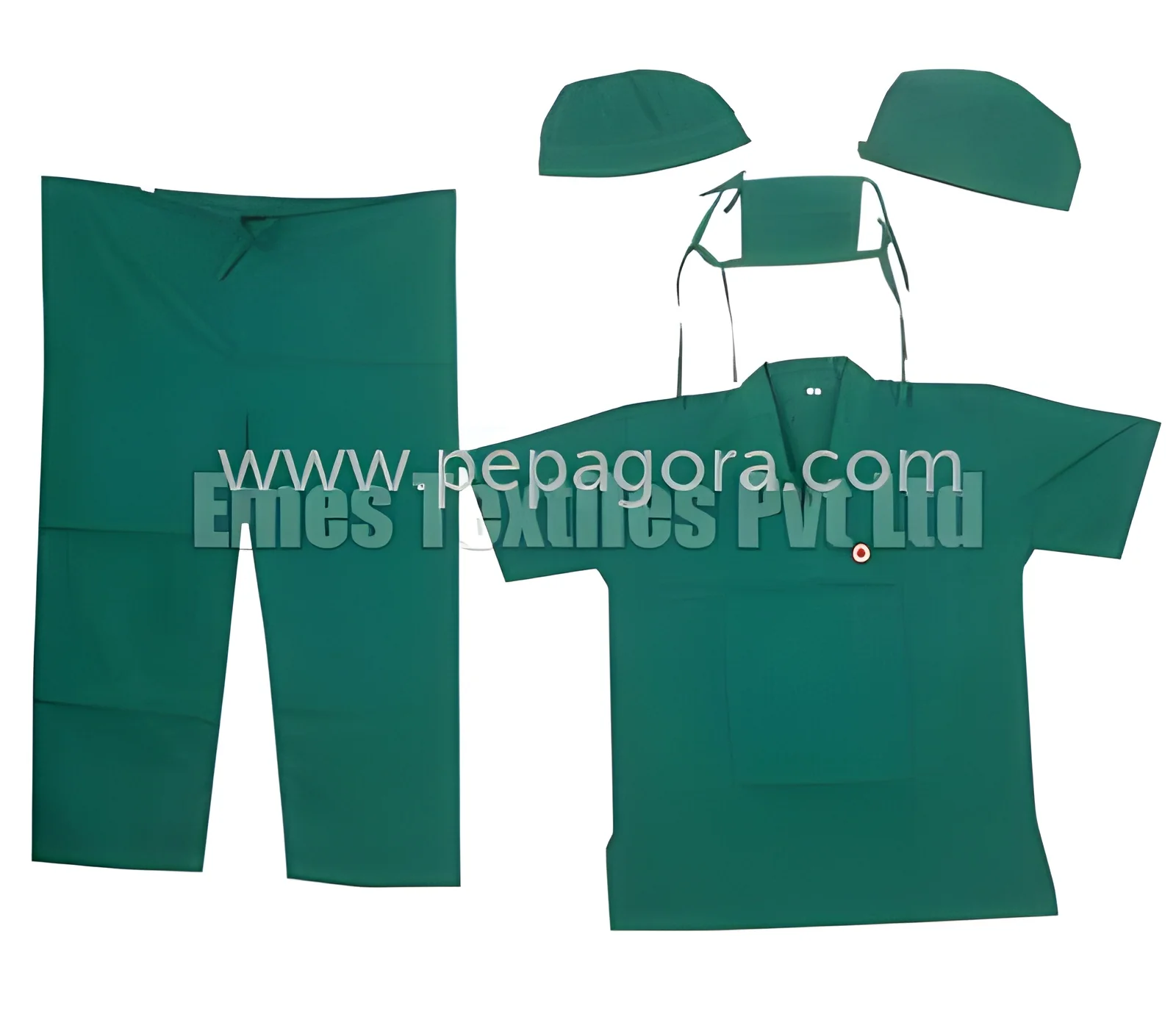
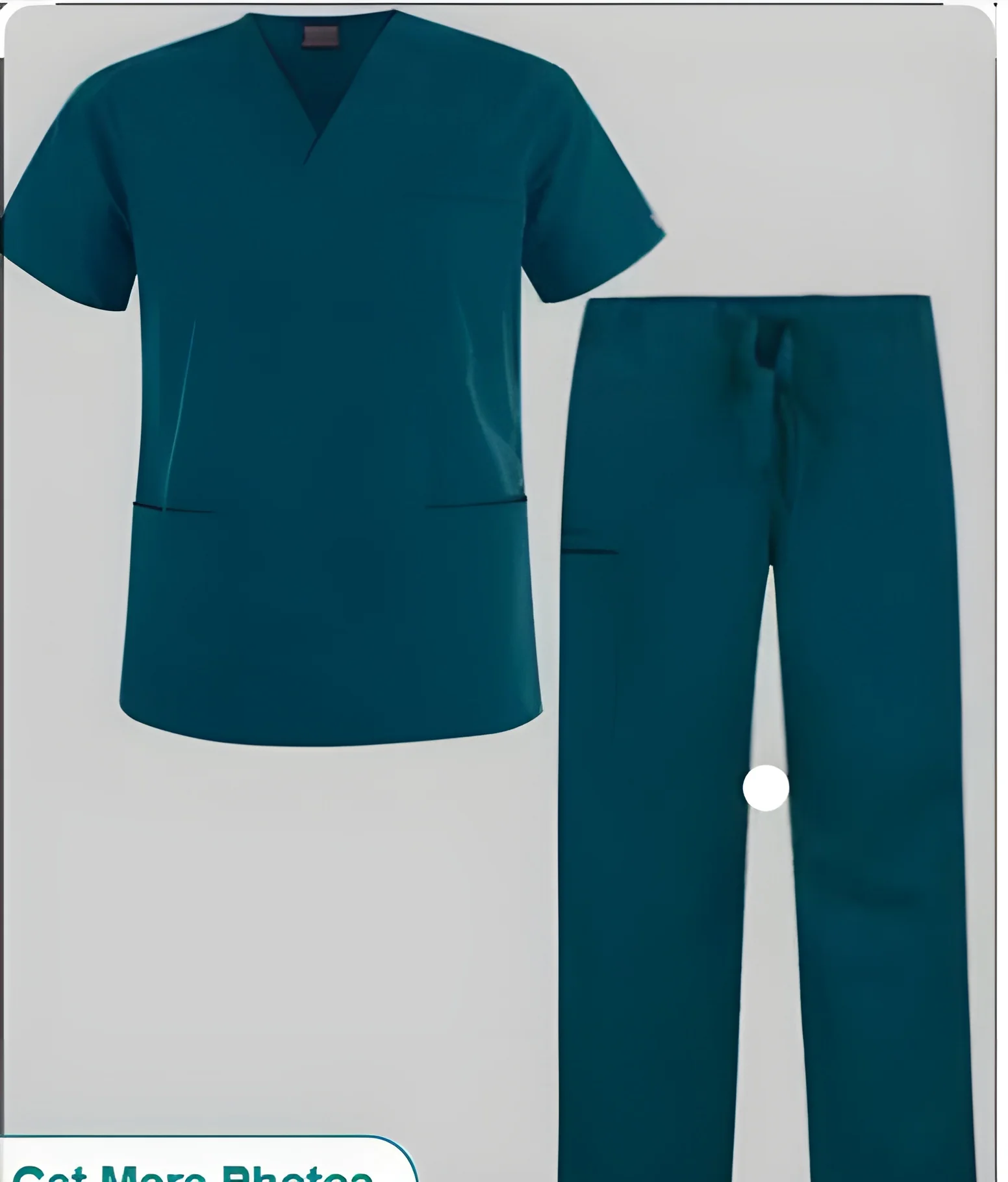
Scrub Sets: These consist of matching tops and bottoms, often made from the same fabric and color. They provide a coordinated look for healthcare professionals while being functional.
Nursing Dresses: Some facilities opt for nursing dresses, which offer a more formal appearance while still being practical for medical tasks.
Lab Coats: While not scrubs, lab coats are often worn over scrubs in clinical settings for additional protection and professionalism.
𝗕𝗲𝗻𝗲𝗳𝗶𝘁𝘀 𝗮𝗻𝗱 𝗔𝗱𝘃𝗮𝗻𝘁𝗮𝗴𝗲𝘀
Medical uniforms and scrubs offer several benefits that enhance their value for healthcare providers.
1. Enhanced Professionalism: Scrubs contribute to a professional appearance, instilling confidence in patients and improving the overall perception of care.
2. Comfort and Functionality: Designed for ease of movement, they allow healthcare workers to perform their tasks without restriction.
3. Hygiene and Safety: Medical uniforms are easy to clean and help maintain hygiene standards, crucial in preventing infections.
4. Versatility: Scrubs can be worn in various medical settings, making them a versatile choice for healthcare professionals.
5. Cost-Effectiveness: Generally affordable, scrubs provide a practical solution for healthcare facilities looking to outfit their staff without overspending.
6. Customization Options: Many suppliers offer customization, allowing facilities to brand their uniforms, enhancing team identity.
𝗕𝘂𝘆𝗶𝗻𝗴 𝗚𝘂𝗶𝗱𝗲 𝗳𝗼𝗿 𝗕𝟮𝗕 𝗕𝘂𝘆𝗲𝗿𝘀
When sourcing medical uniforms and scrubs, buyers should consider several critical factors to ensure they meet their organization’s needs.
1. Quality Assessment: Buyers should evaluate the fabric quality, stitching, and overall construction of the scrubs to ensure durability and comfort.
2. Supplier Verification: It is essential to vet suppliers for reliability, customer service, and compliance with industry standards to ensure a smooth purchasing process.
3. Pricing and MOQ: Understanding pricing structures and minimum order quantities (MOQ) is crucial for budgeting and ensuring bulk purchasing benefits.
4. Delivery and Lead Times: Buyers should confirm delivery times to align with their inventory needs and avoid disruptions in staffing.
5. Compliance Requirements: It is vital to ensure that uniforms meet regional and industry-specific compliance standards, including safety and hygiene regulations.
𝗖𝗼𝗺𝗽𝗹𝗶𝗮𝗻𝗰𝗲 𝗮𝗻𝗱 𝗖𝗲𝗿𝘁𝗶𝗳𝗶𝗰𝗮𝘁𝗶𝗼𝗻𝘀
Medical uniforms and scrubs must adhere to specific compliance and certification standards to ensure quality and safety in healthcare settings.
ISO 9001 is a quality management standard that ensures consistent quality in products and services. Uniforms that meet this standard are produced under stringent quality controls.
CE certification indicates that the medical uniforms meet European Union safety and health requirements. This certification assures buyers that the products are safe for use in medical environments.
Safety and testing requirements are also critical. Manufacturers should conduct testing for durability, colorfastness, and antimicrobial properties to ensure their uniforms perform under the demands of healthcare settings.
Regional compliance considerations vary by location. Buyers should be aware of local regulations that may impact the specifications and certifications required for medical uniforms.
𝗪𝗵𝘆 𝗦𝗼𝘂𝗿𝗰𝗲 𝗠𝗲𝗱𝗶𝗰𝗮𝗹 𝗨𝗻𝗶𝗳𝗼𝗿𝗺𝘀 & 𝗦𝗰𝗿𝘂𝗯𝘀 𝗳𝗿𝗼𝗺 𝗣𝗲𝗽𝗮𝗴𝗼𝗿𝗮?
Pepagora provides a trusted platform for sourcing medical uniforms and scrubs, offering several key advantages for B2B buyers.
Verified Supplier Network: Pepagora features a network of verified suppliers who meet stringent quality and safety standards. This network ensures that buyers have access to reliable, high-quality products.
Streamlined RFQ Process: The platform simplifies the request for quotation (RFQ) process, allowing buyers to efficiently compare offers from multiple suppliers, saving time and effort.
Trade Assurance and Support: Pepagora provides trade assurance and buyer protection, ensuring that transactions are secure and that buyers receive the products as promised.
Regional Coverage: With a focus on India, the GCC, and Southeast Asia, Pepagora facilitates connections between buyers and suppliers across these regions, making it easier to source medical uniforms and scrubs locally and efficiently.
Medical uniforms and scrubs are specialized clothing worn by healthcare professionals to maintain hygiene and professionalism in medical settings. They are designed to be functional, comfortable, and easy to clean, often made from materials that resist stains and moisture.
2
What are the different types of Medical Uniforms & Scrubs?
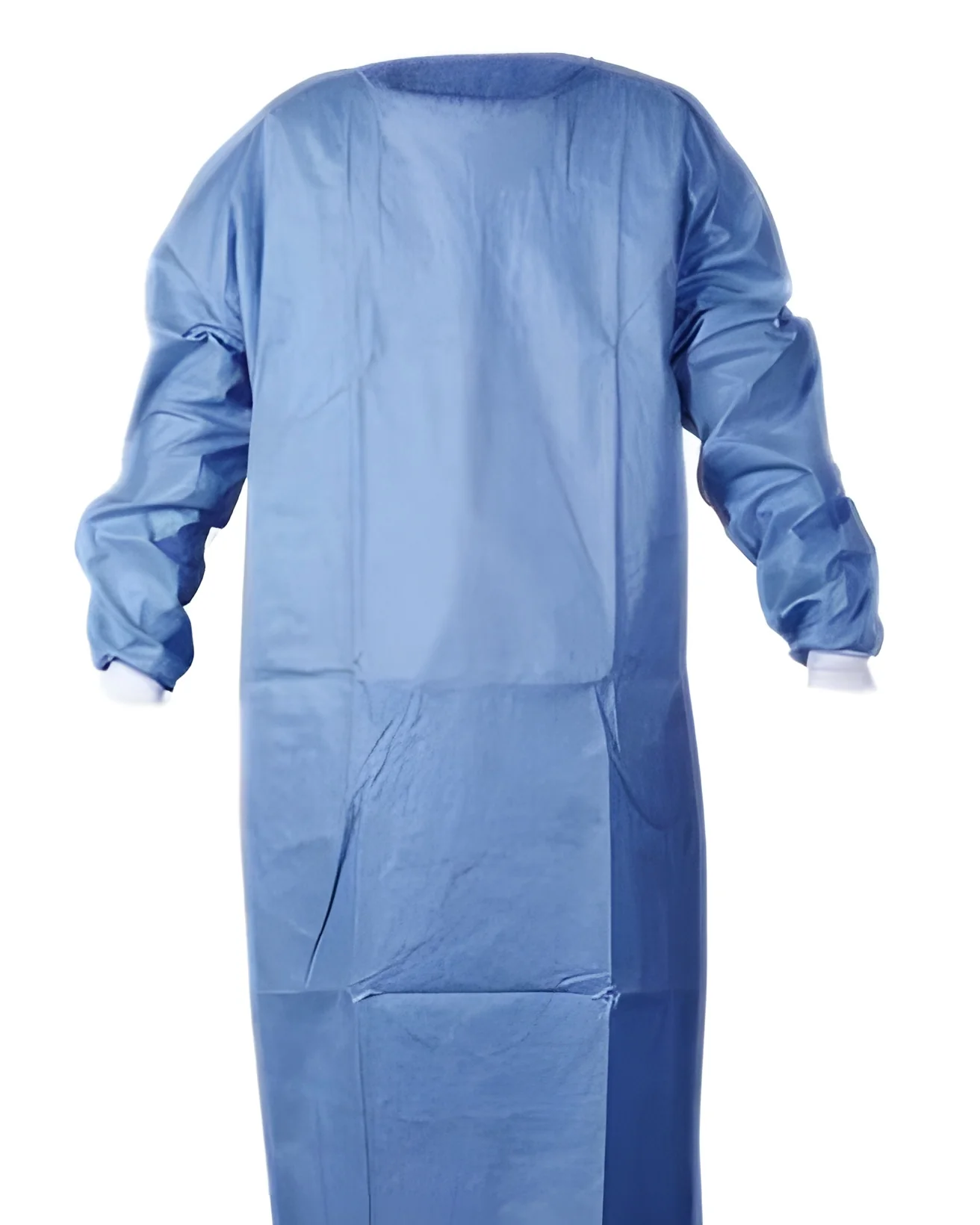
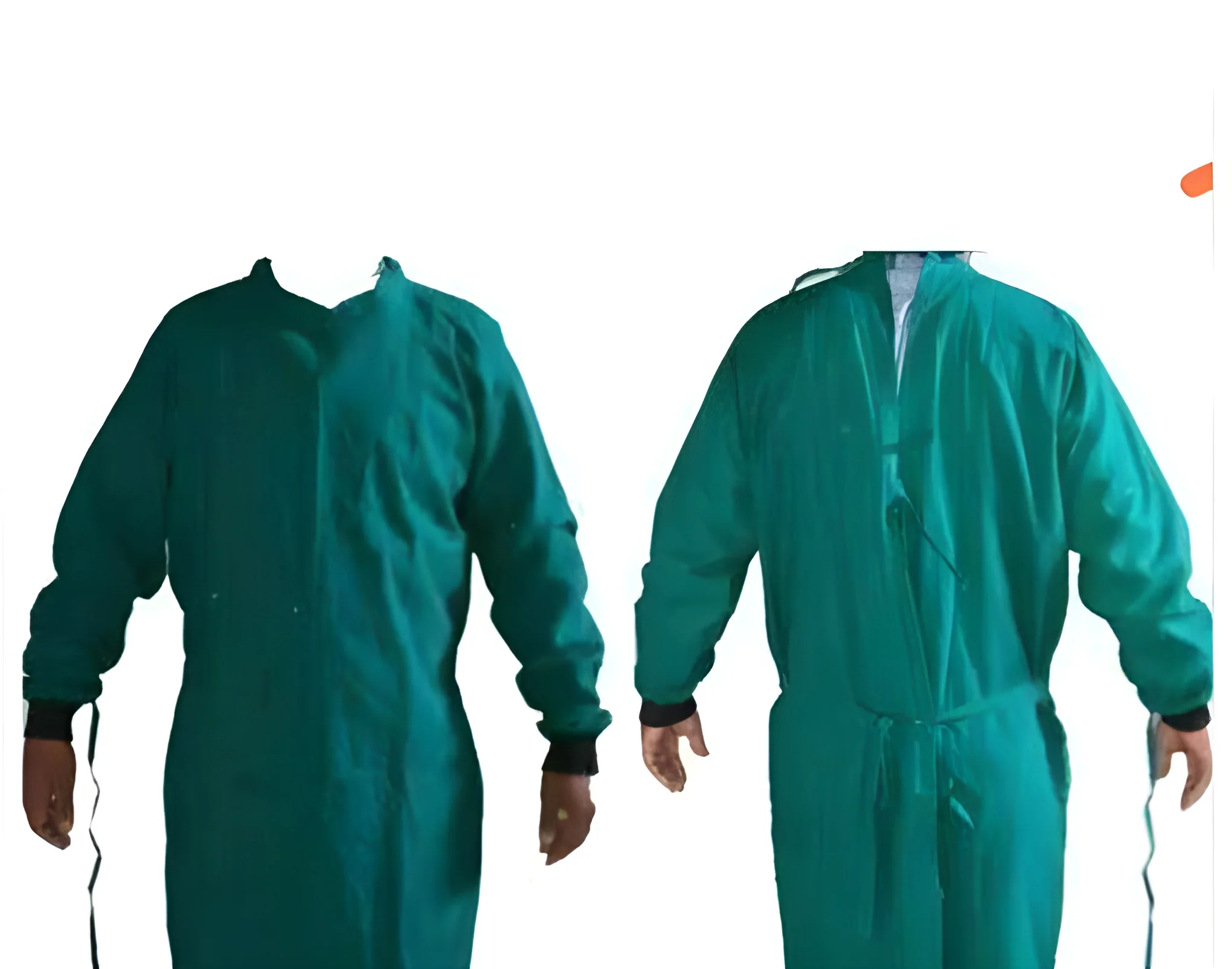
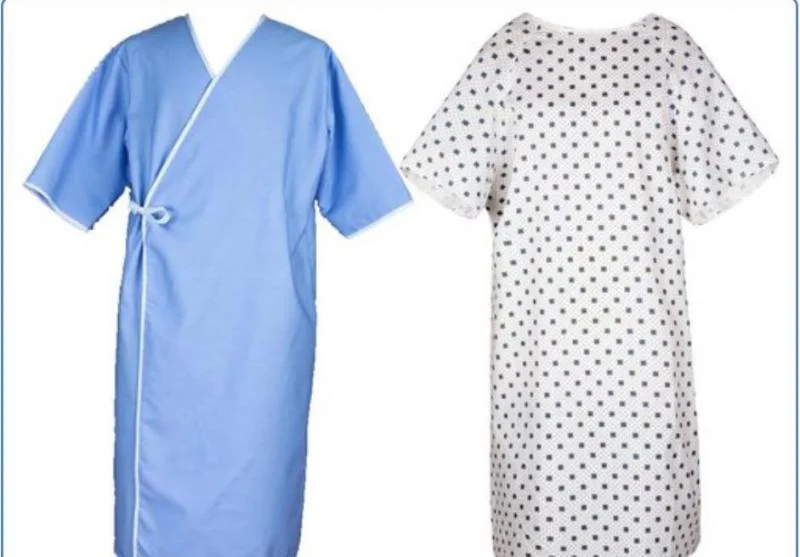
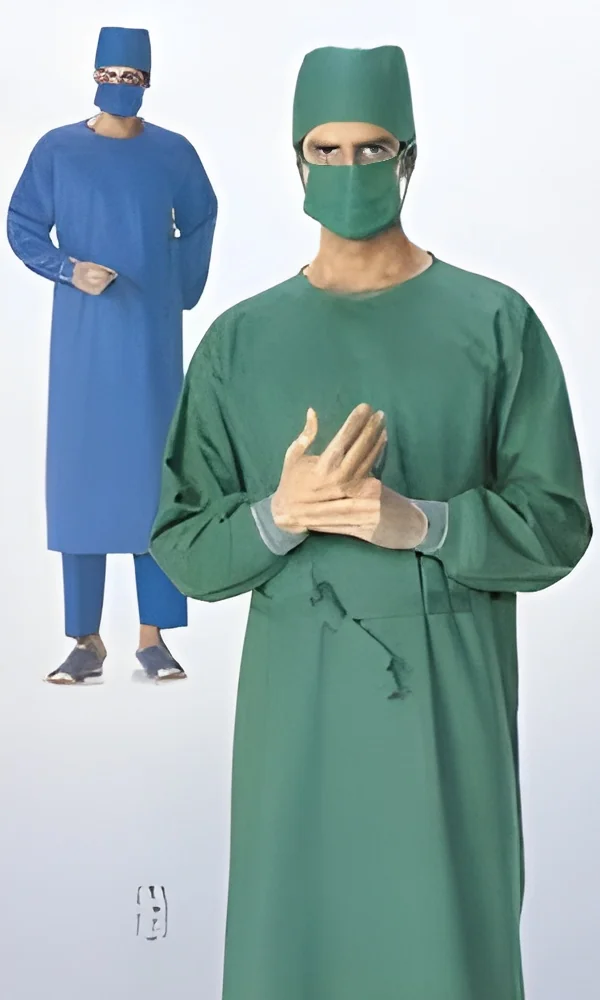
Different types of medical uniforms and scrubs include tops, pants, lab coats, and surgical gowns. Scrubs can vary in style, color, and pattern, catering to different departments and preferences within healthcare facilities.
3
How do I choose the right Medical Uniforms & Scrubs?
When choosing medical uniforms and scrubs, consider factors such as comfort, fit, fabric quality, and the specific requirements of your job role. Additionally, check for features like pockets, breathability, and ease of maintenance to ensure practicality.
4
What are the standard specifications for Medical Uniforms & Scrubs?
Standard specifications for medical uniforms and scrubs include materials that are durable, breathable, and easy to wash. Commonly used fabrics include cotton blends and polyester, with an emphasis on colorfastness and resistance to wrinkling.
5
What is the price range for Medical Uniforms & Scrubs?
The price range for medical uniforms and scrubs can vary widely based on quality and brand, typically ranging from ₹500 to ₹3000 per piece. Bulk purchases may offer significant discounts, making it a cost-effective option for healthcare facilities.
6
What quality standards apply to Medical Uniforms & Scrubs?
Quality standards for medical uniforms and scrubs often include compliance with industry regulations regarding safety, comfort, and hygiene. Certifications such as ISO may apply, ensuring that the garments meet specific performance and durability criteria.
7
Where can I find Medical Uniforms & Scrubs suppliers in India?
You can find medical uniforms and scrubs suppliers in India through B2B marketplaces like Pepagora.com, local textile manufacturers, or specialized medical apparel retailers. Researching online and attending trade shows can also help identify reputable suppliers.
8
Can Medical Uniforms & Scrubs be customized?
Yes, many suppliers offer customization options for medical uniforms and scrubs, including embroidery of names, logos, and specific design modifications. This allows healthcare facilities to maintain a cohesive and professional appearance.
9
What is the typical minimum order quantity for Medical Uniforms & Scrubs?
The typical minimum order quantity (MOQ) for medical uniforms and scrubs can vary by supplier, often ranging from 10 to 50 pieces. It's advisable to check with individual suppliers for their specific MOQ requirements.
10
What is the typical lead time for Medical Uniforms & Scrubs?
The typical lead time for medical uniforms and scrubs can range from 2 to 6 weeks, depending on the supplier and whether customization is requested. It's important to communicate any urgent needs to ensure timely delivery.
Why Businesses Trust Pepagora
Thousands of companies trust Pepagora to source smarter and sell faster
Expand Your Sales Globally
25000+Products listed.Get discovered by global buyers

 IN
IN