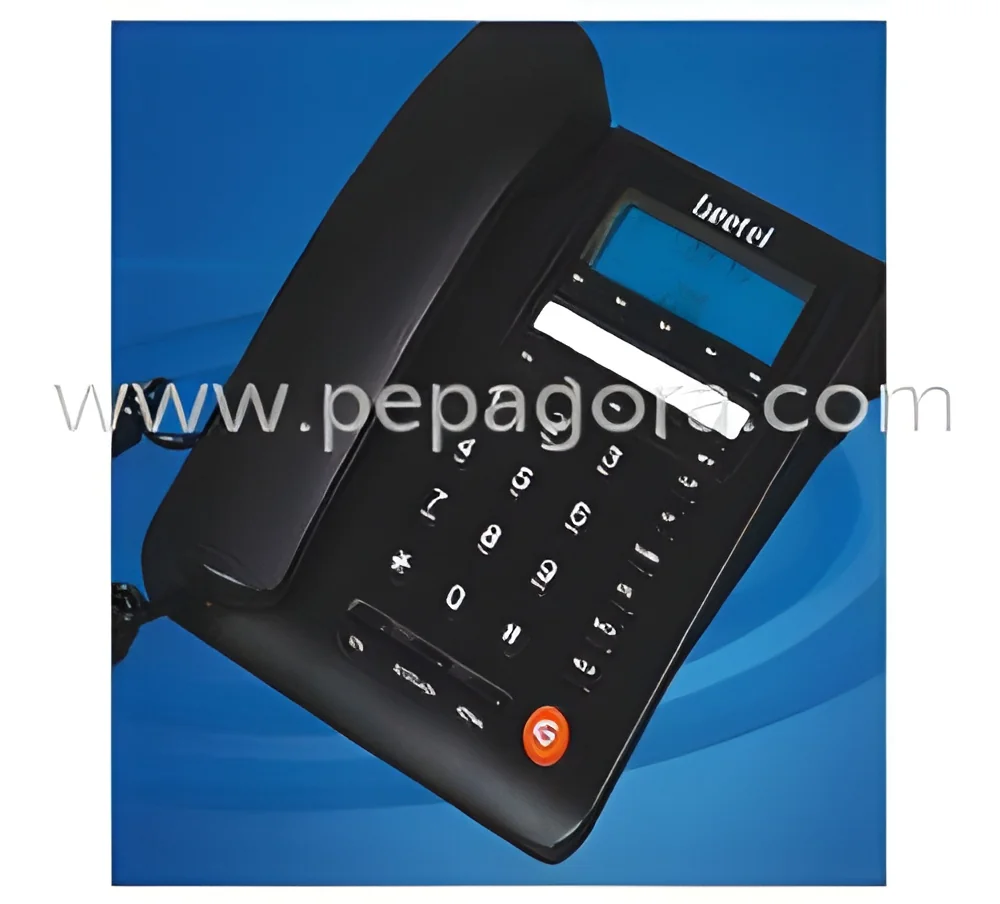
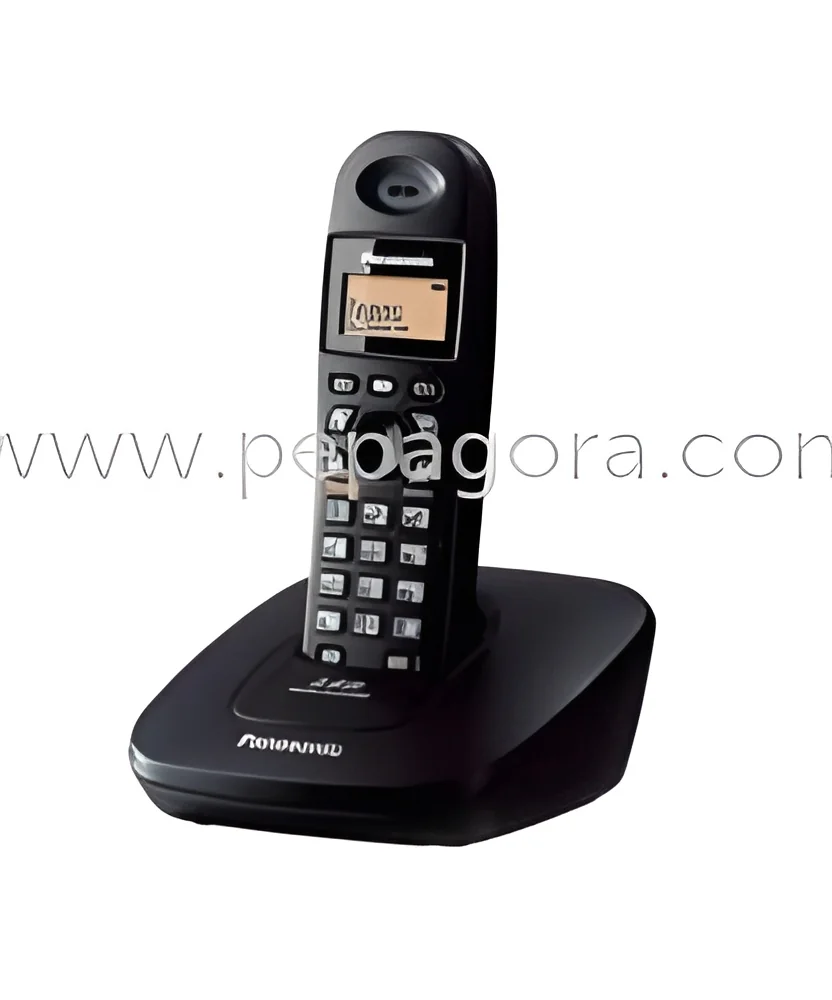
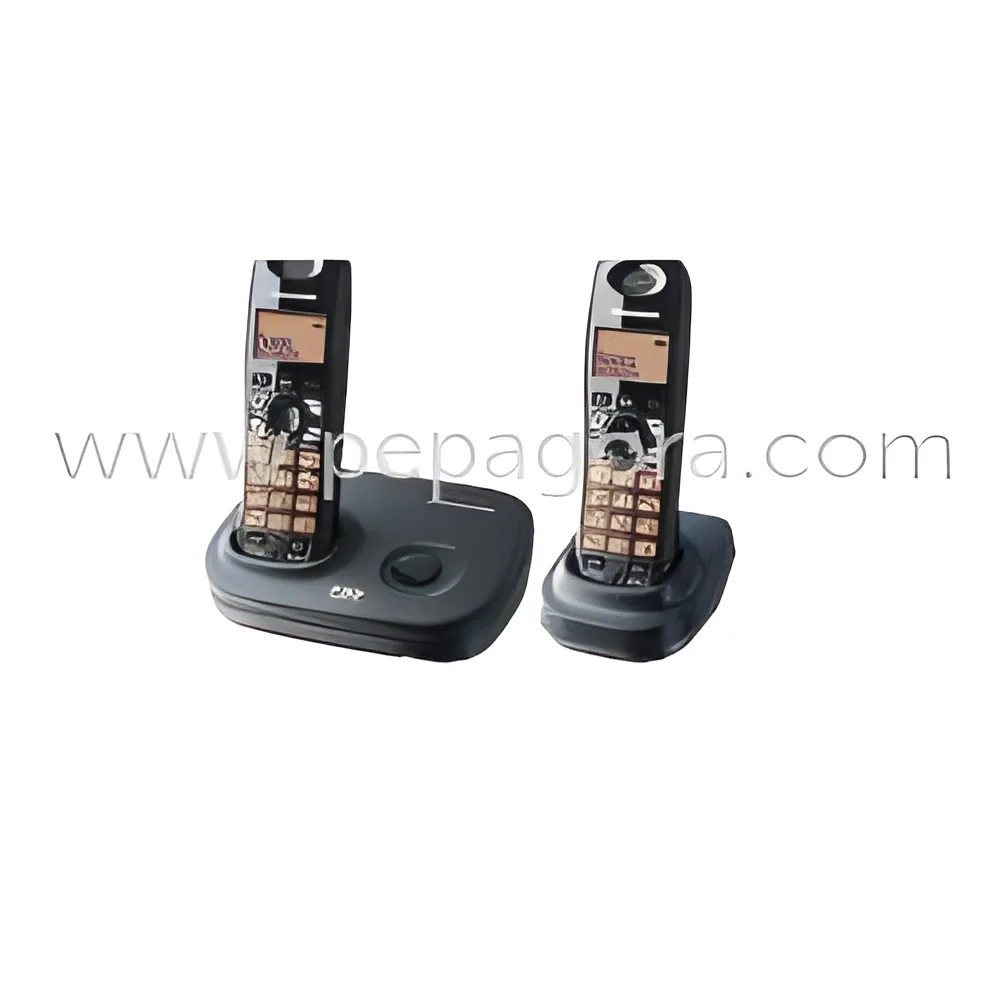
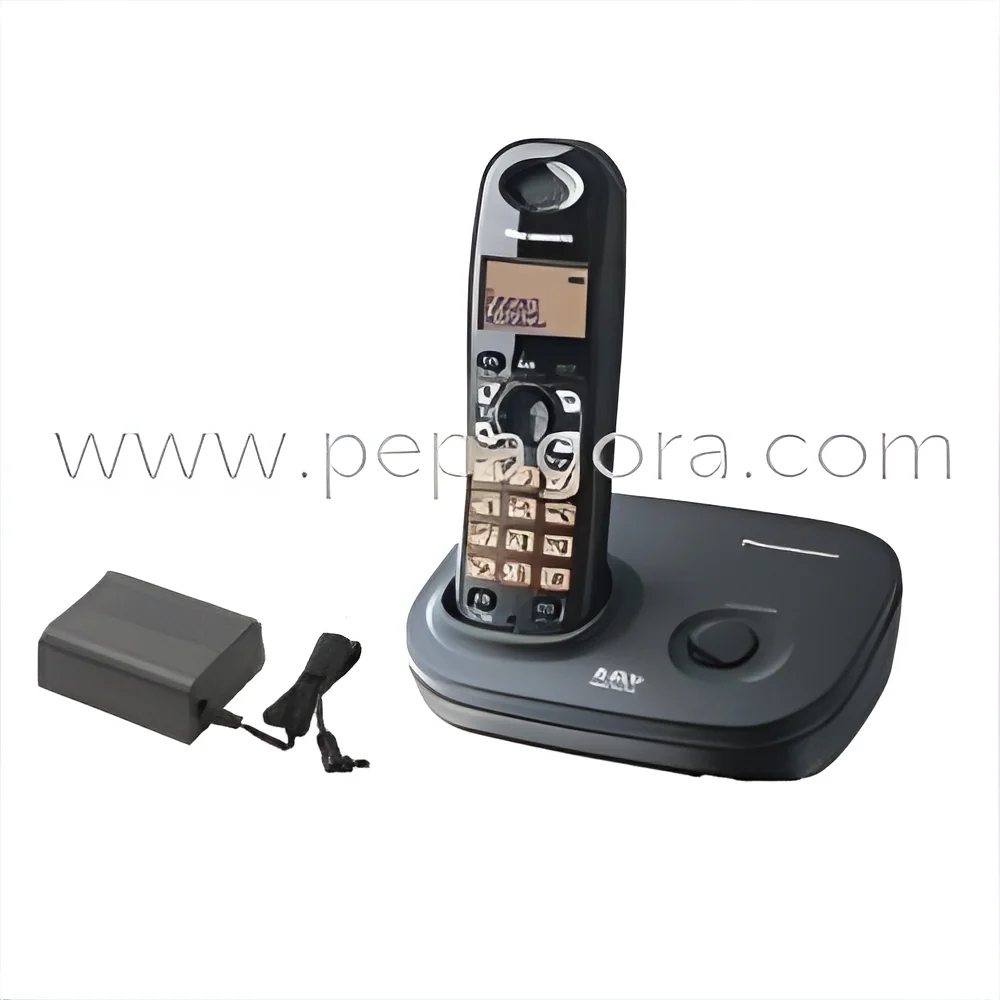
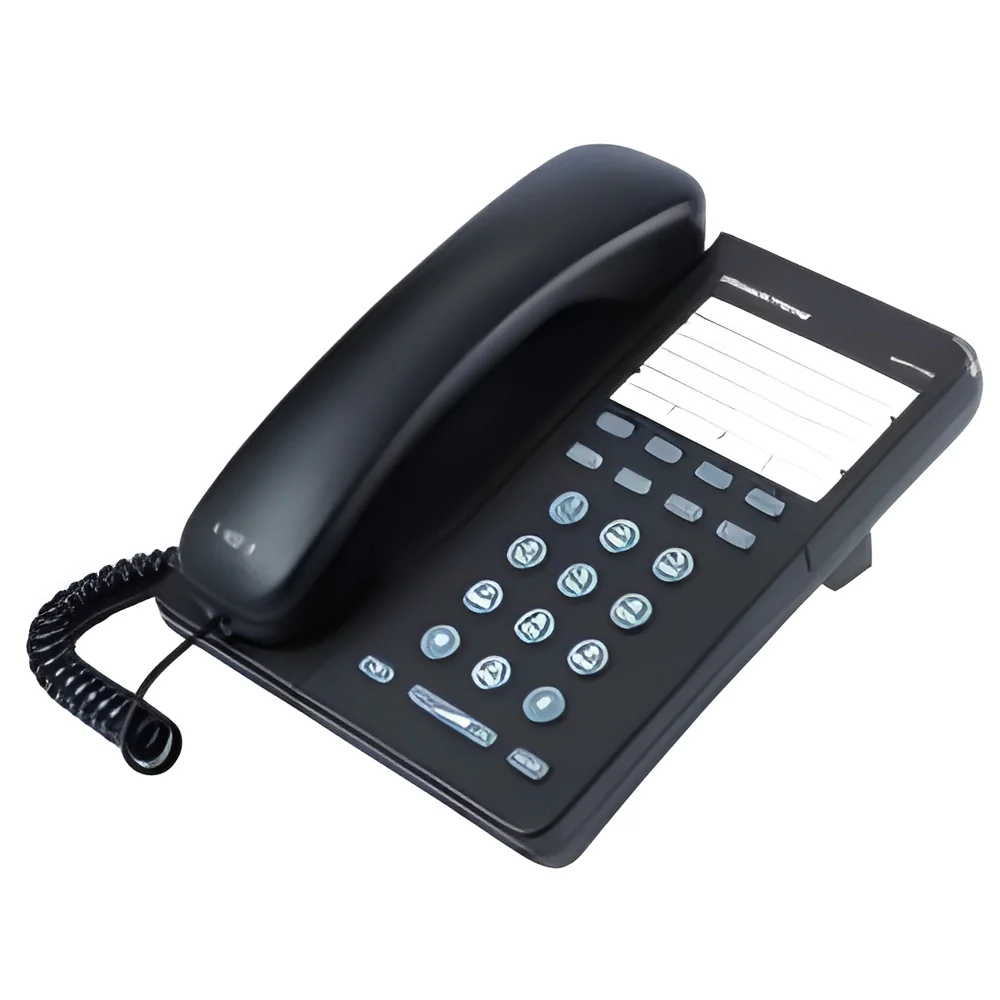
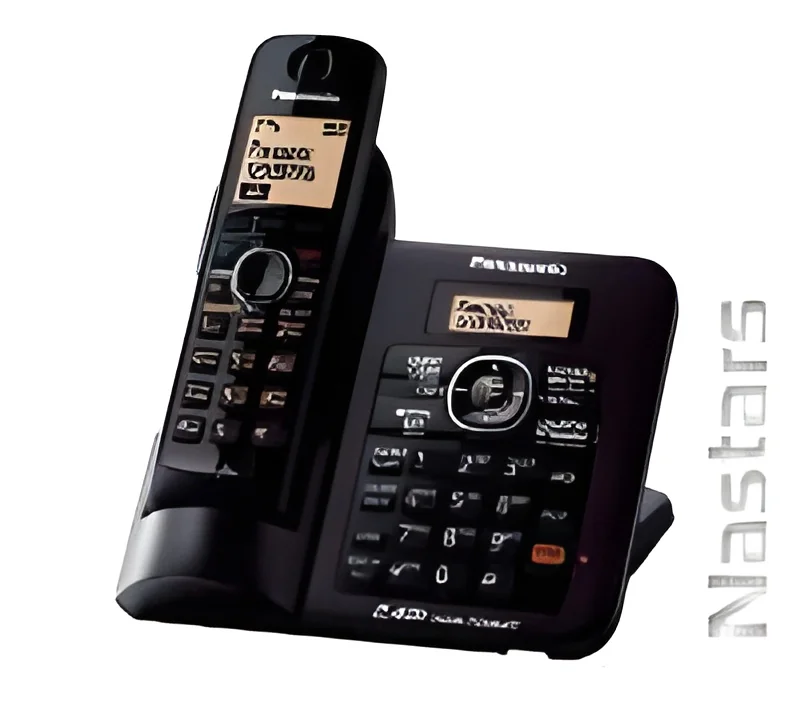
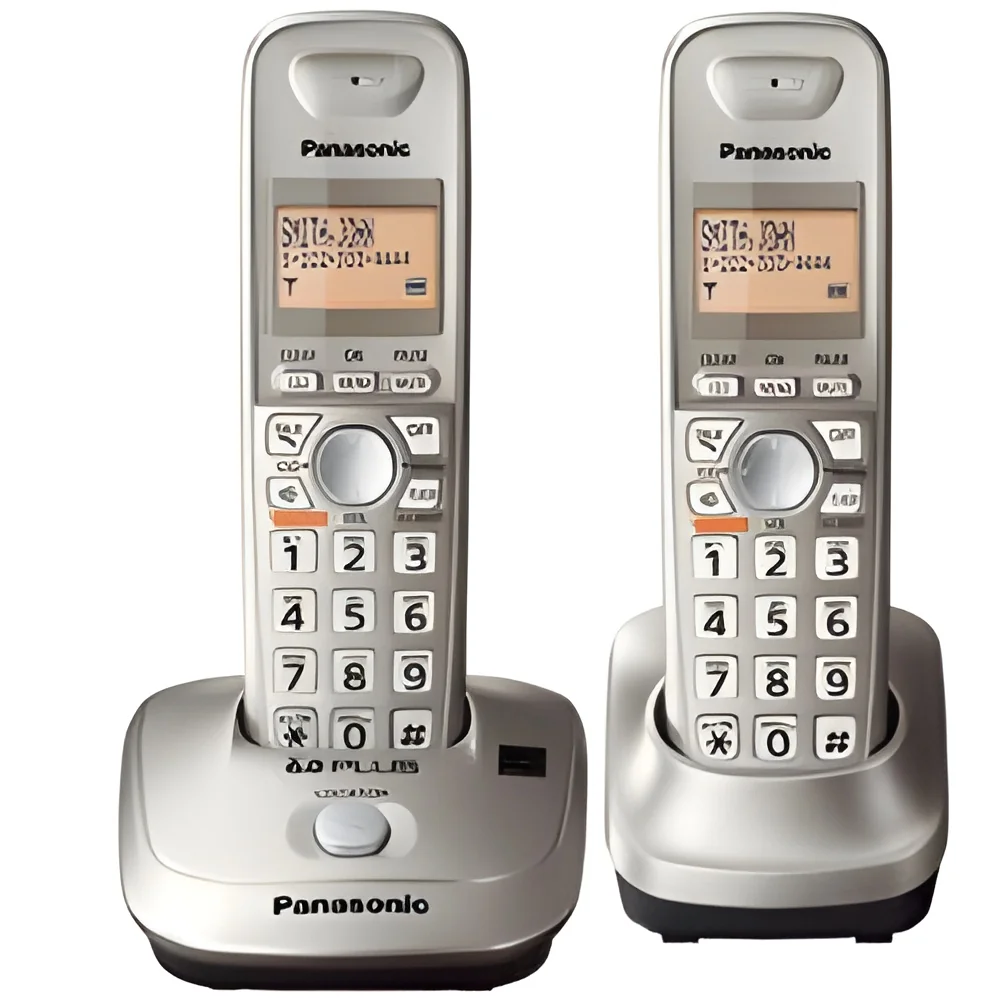
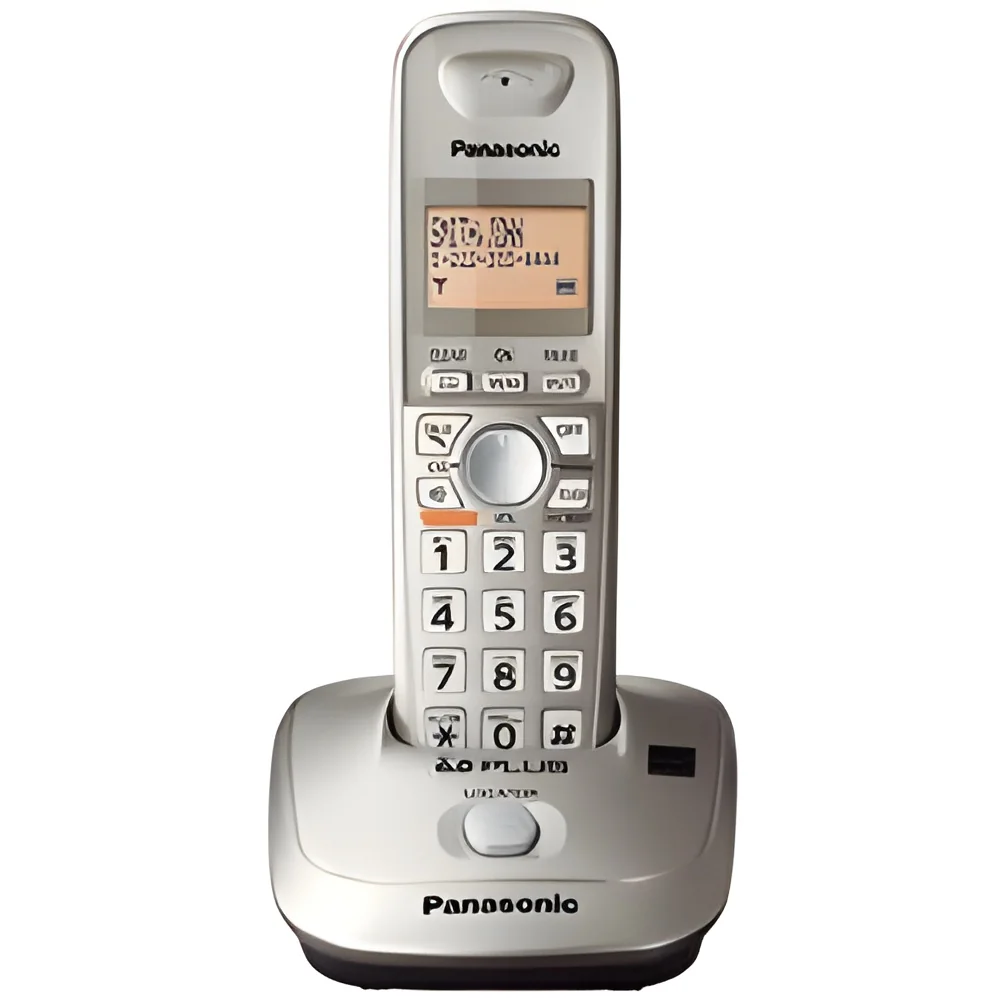
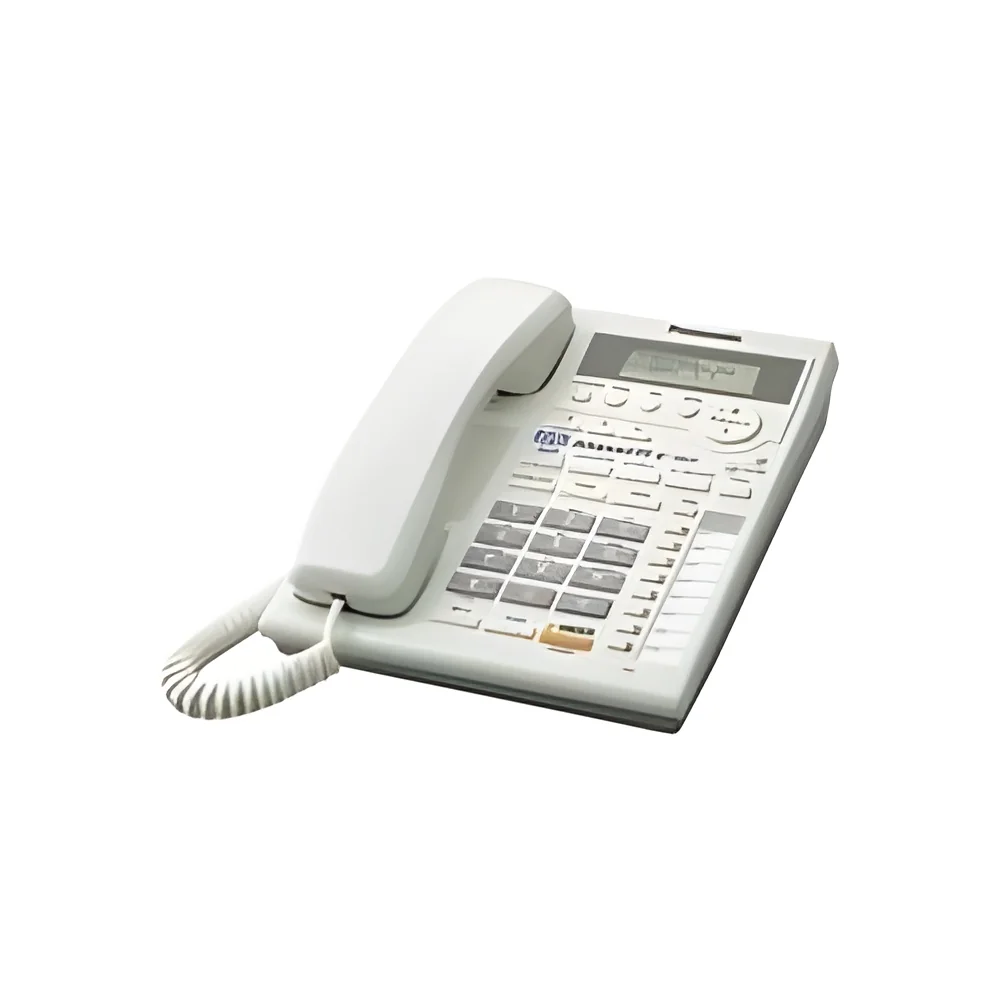
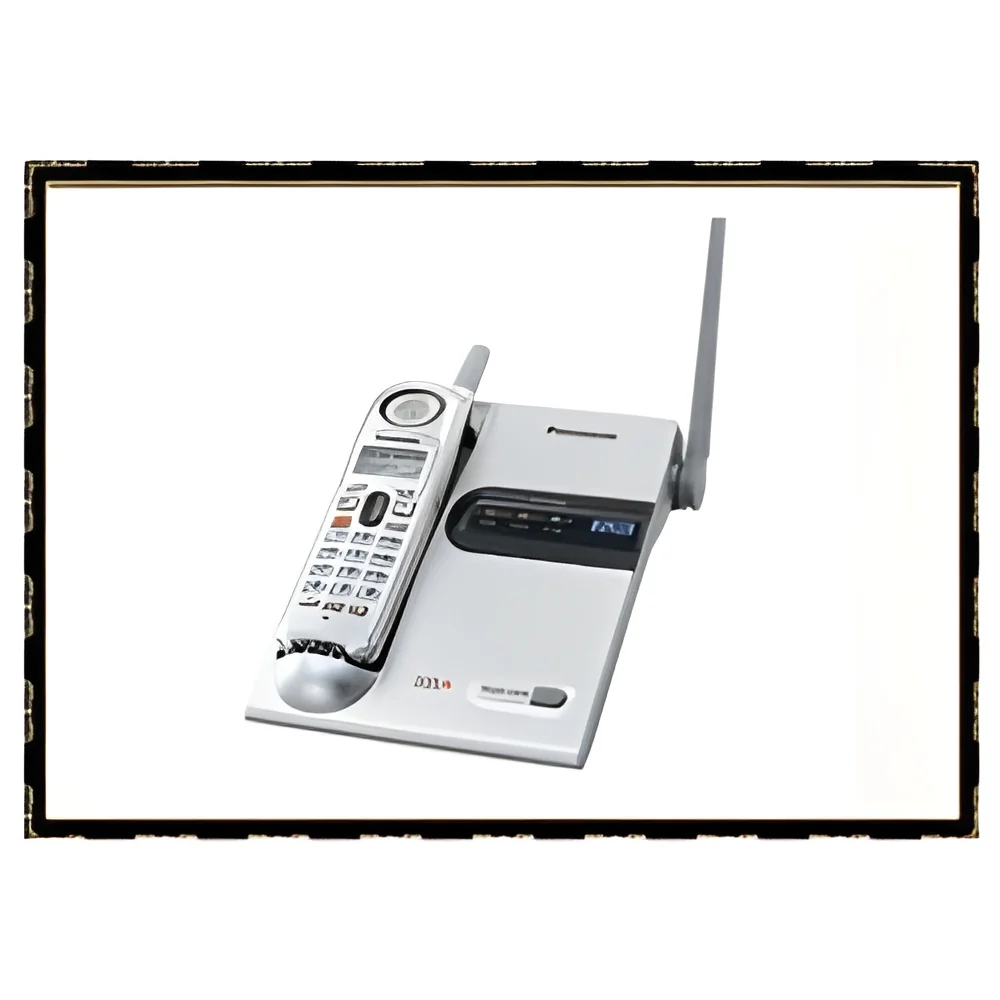
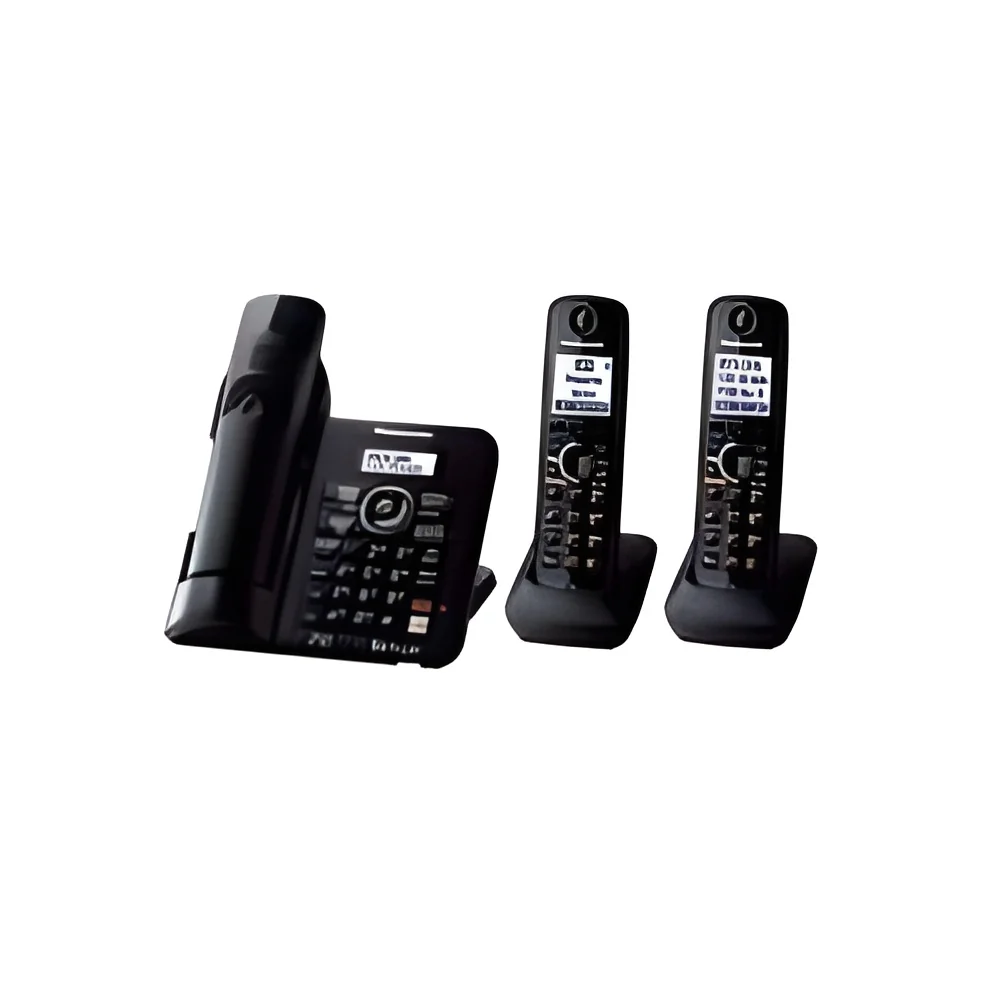
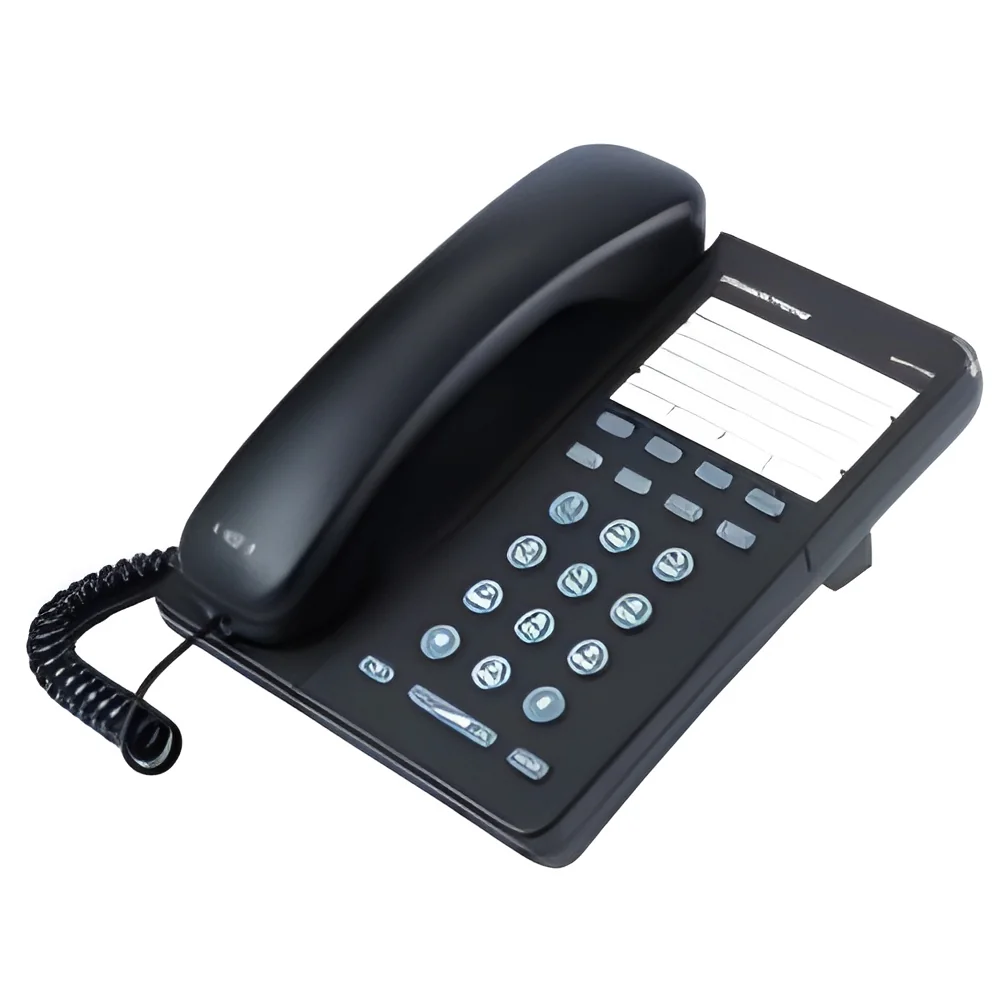
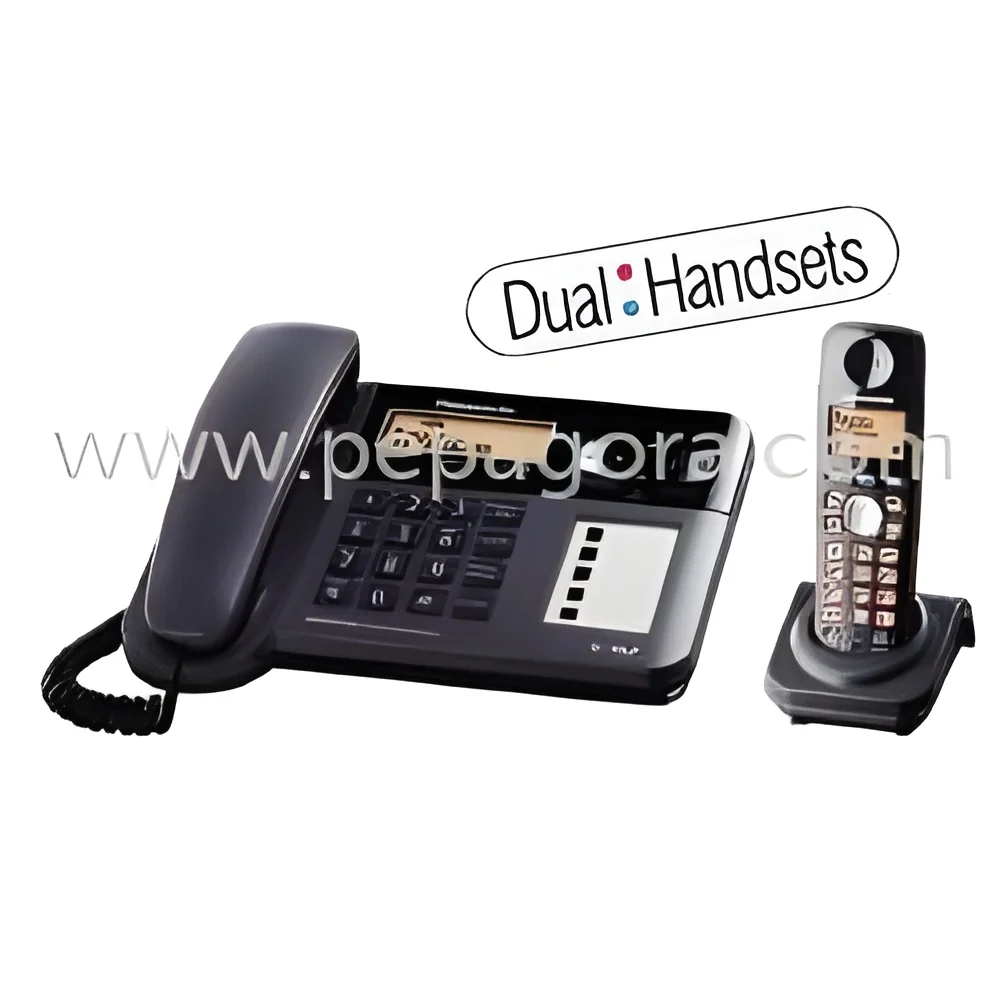
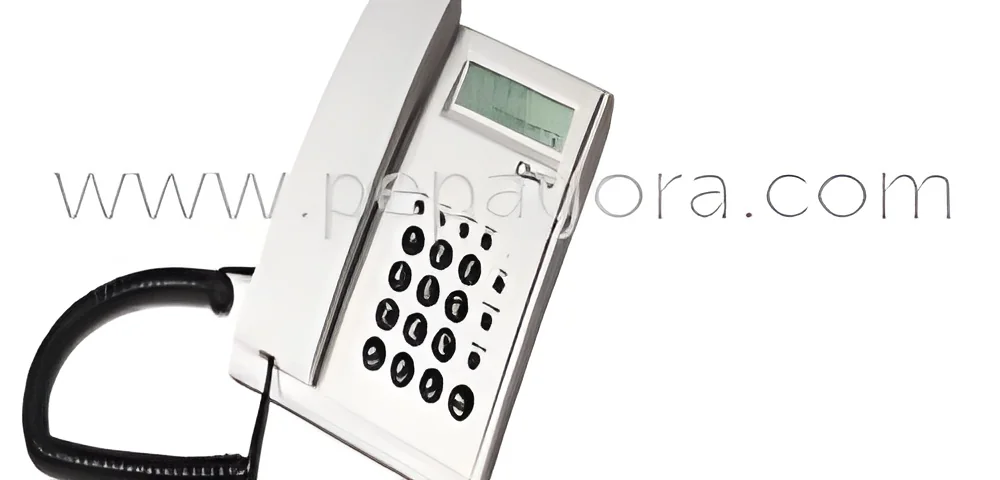
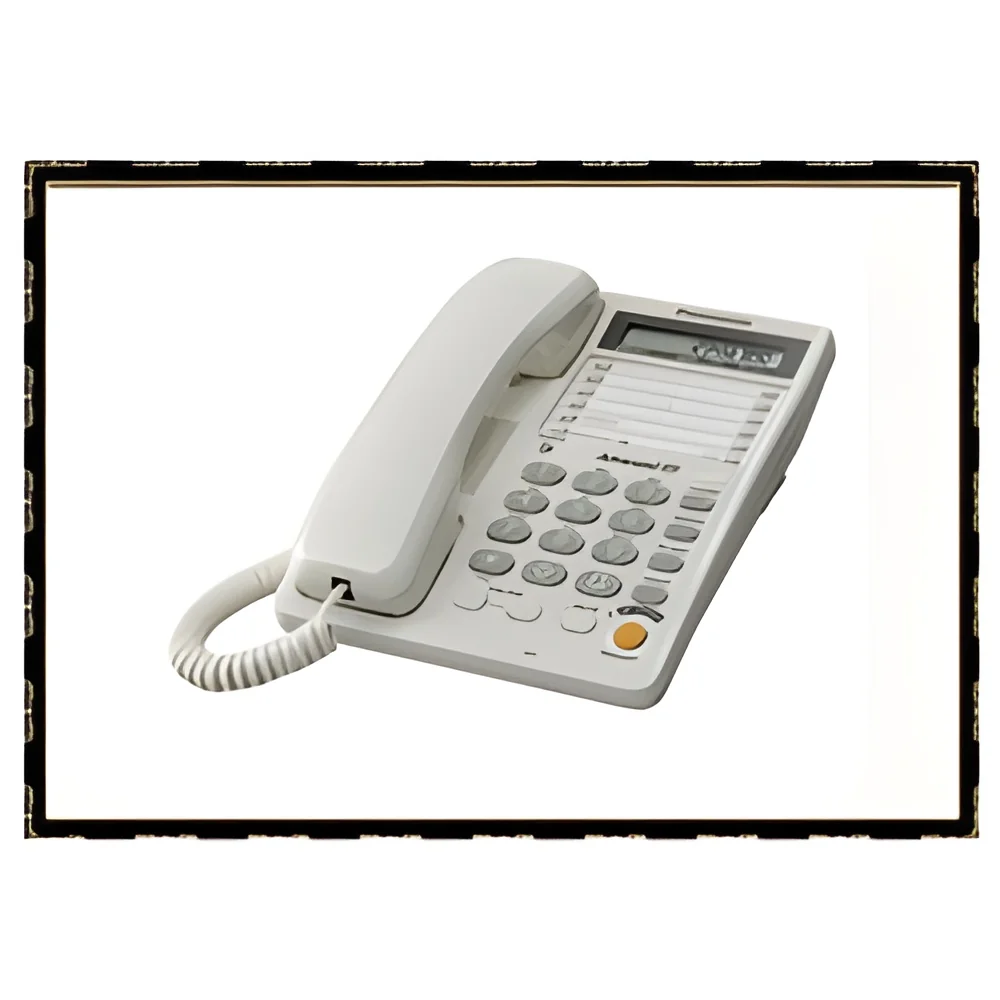
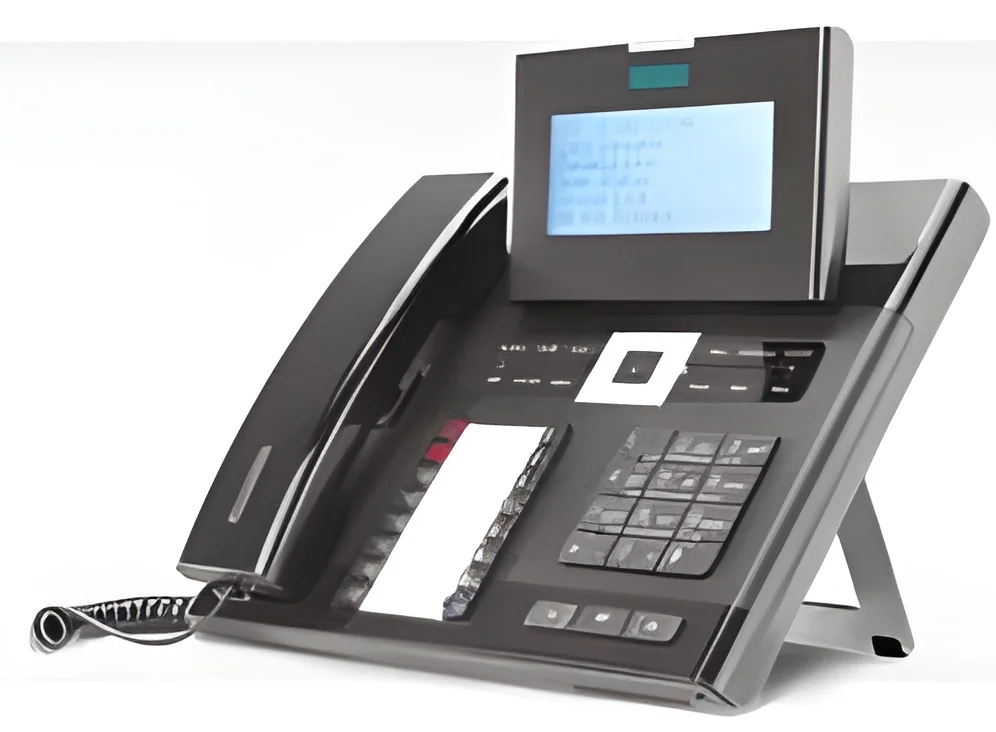
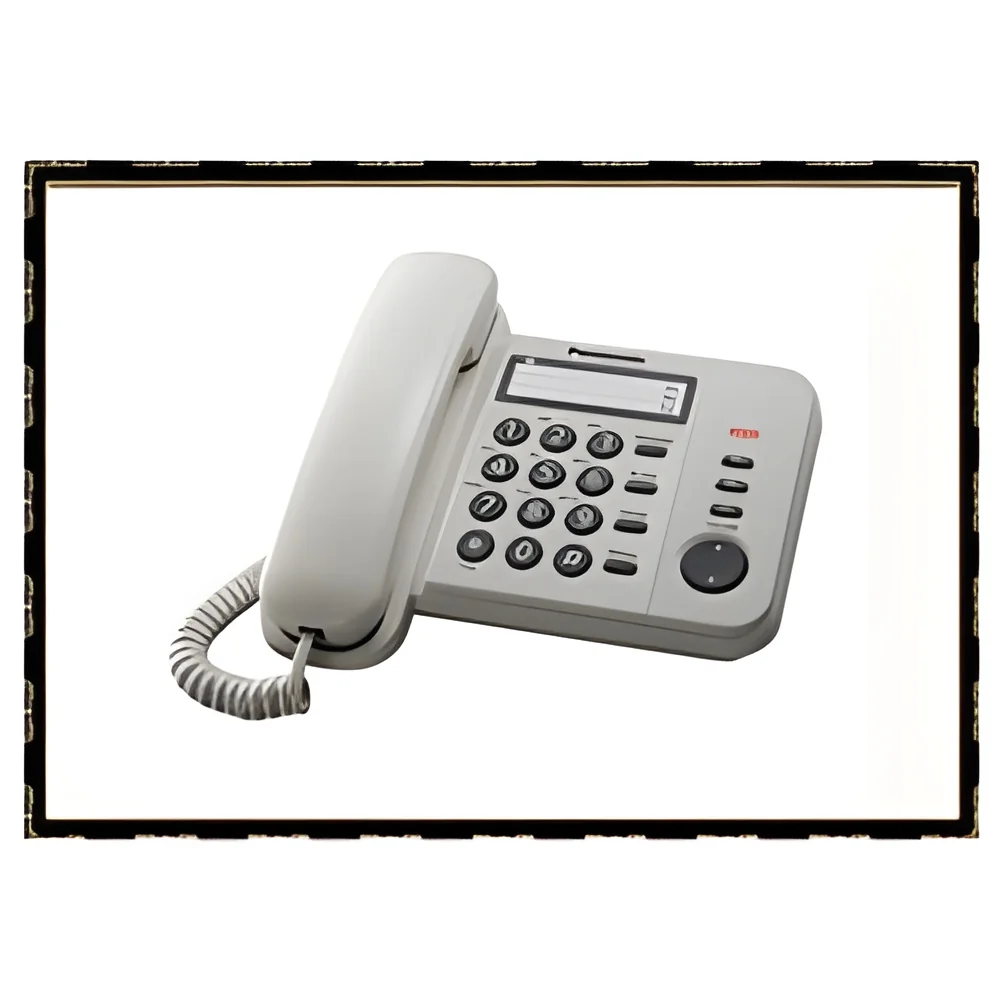
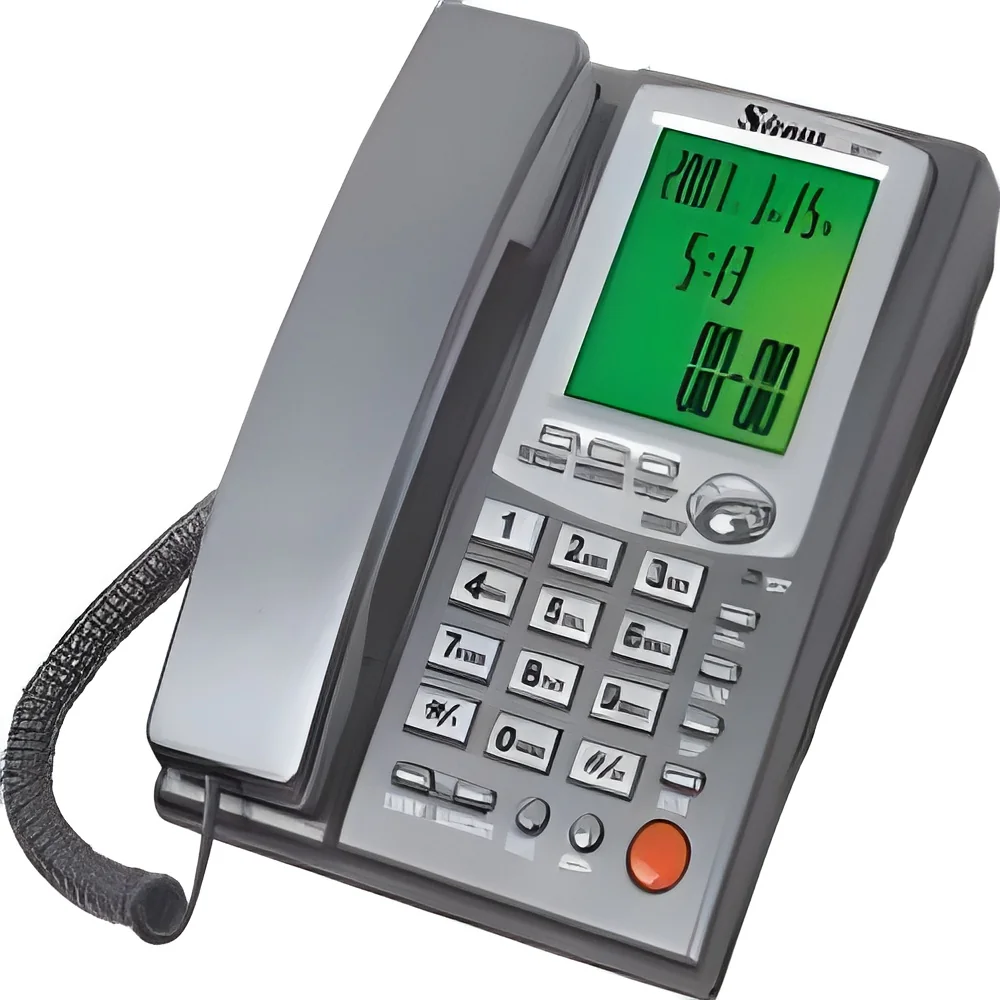
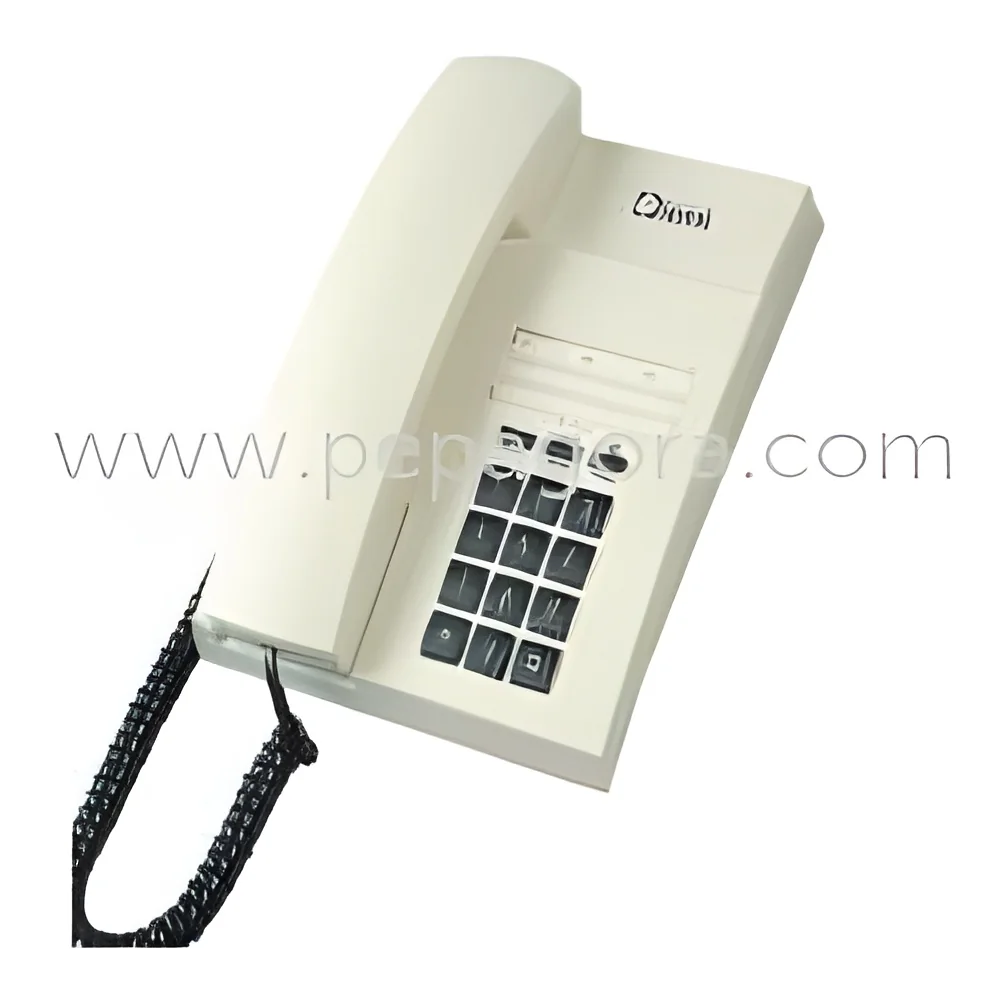
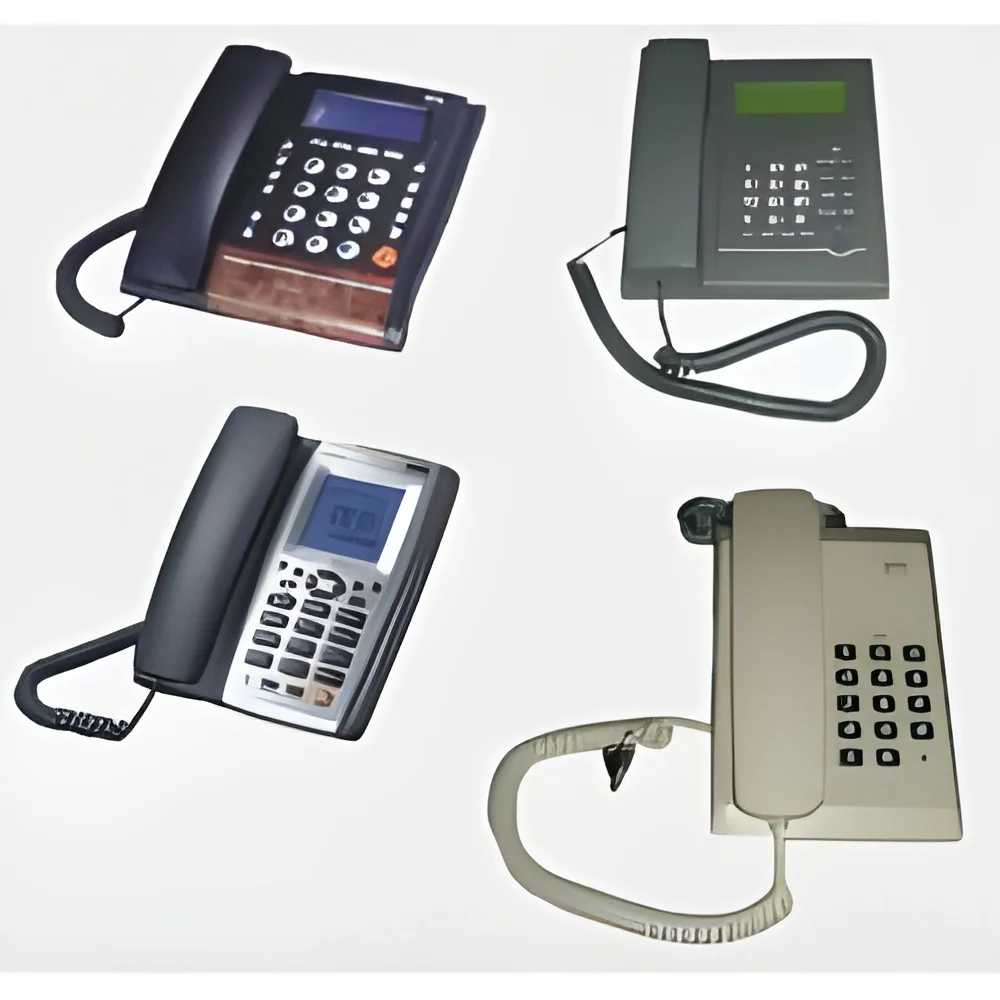
𝗪𝗵𝗮𝘁 𝗮𝗿𝗲 𝗢𝗳𝗳𝗶𝗰𝗲 𝗣𝗵𝗼𝗻𝗲𝘀 & 𝗜𝗻𝘁𝗲𝗿𝗰𝗼𝗺 𝗦𝘆𝘀𝘁𝗲𝗺𝘀?
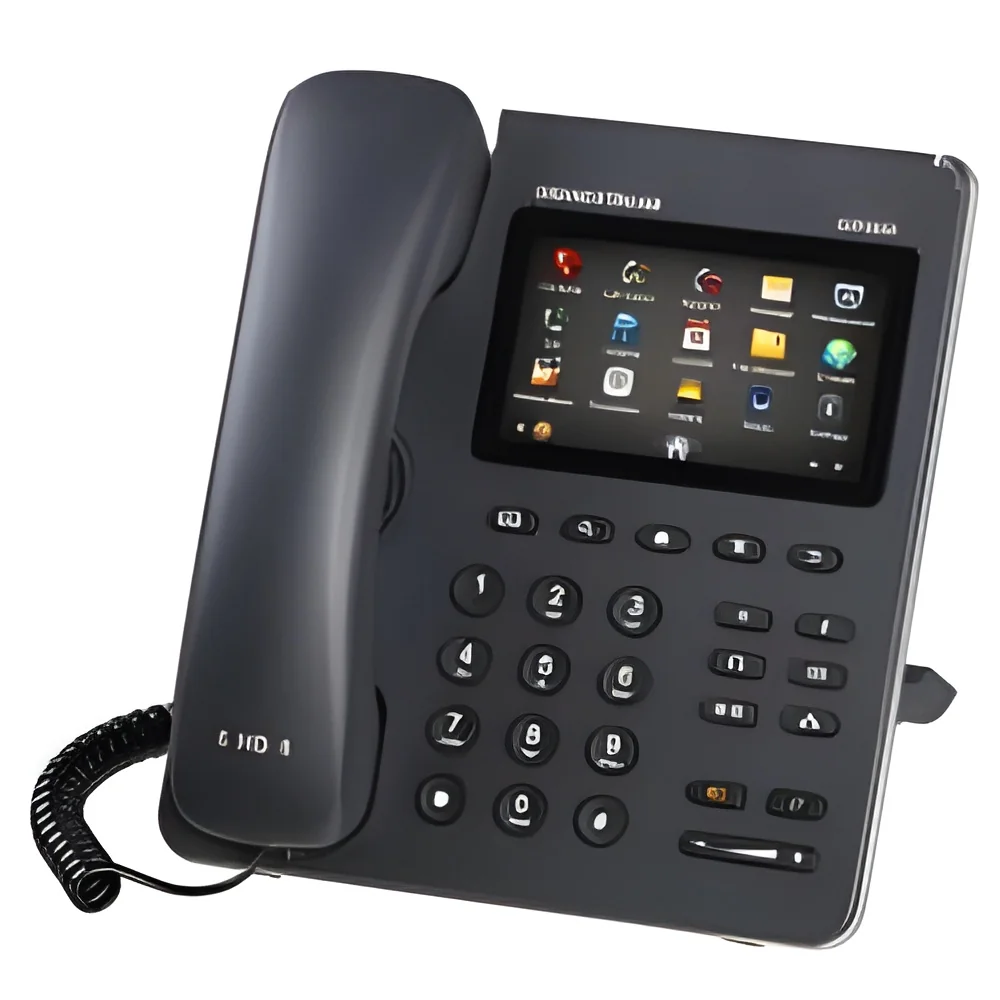
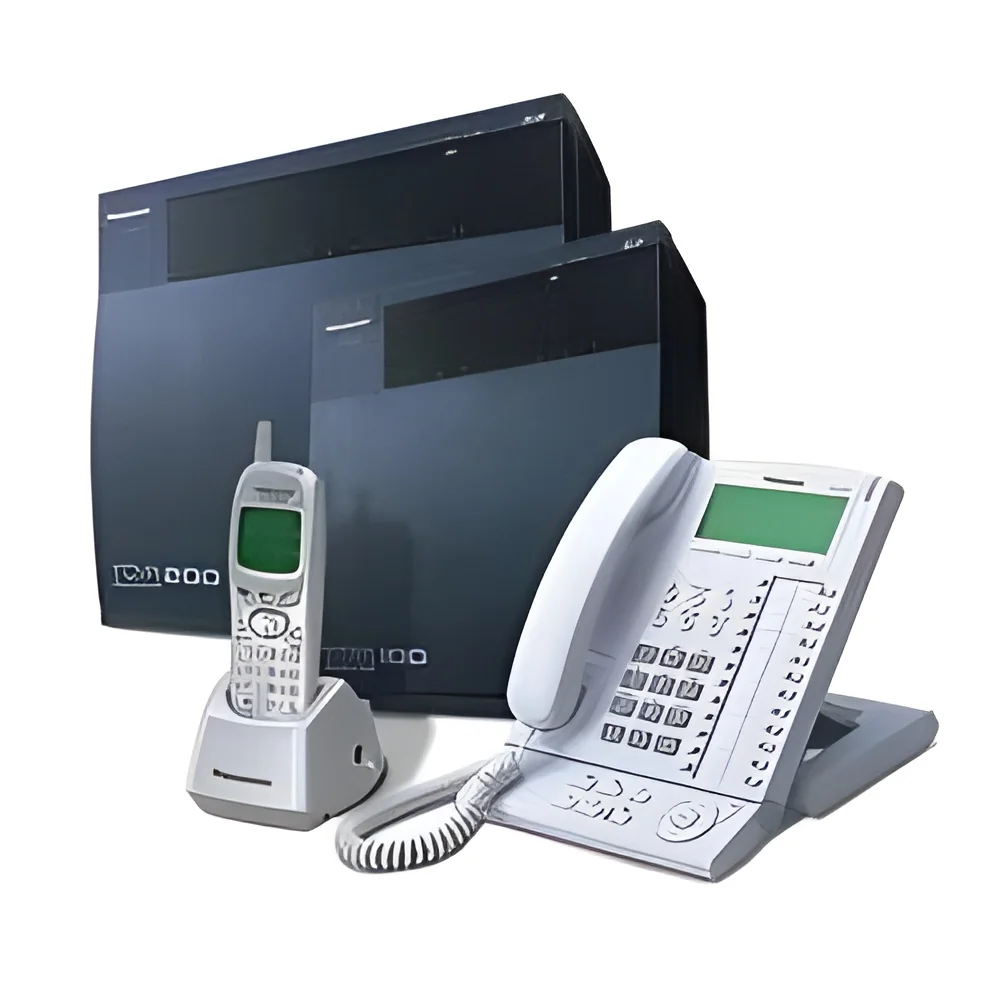
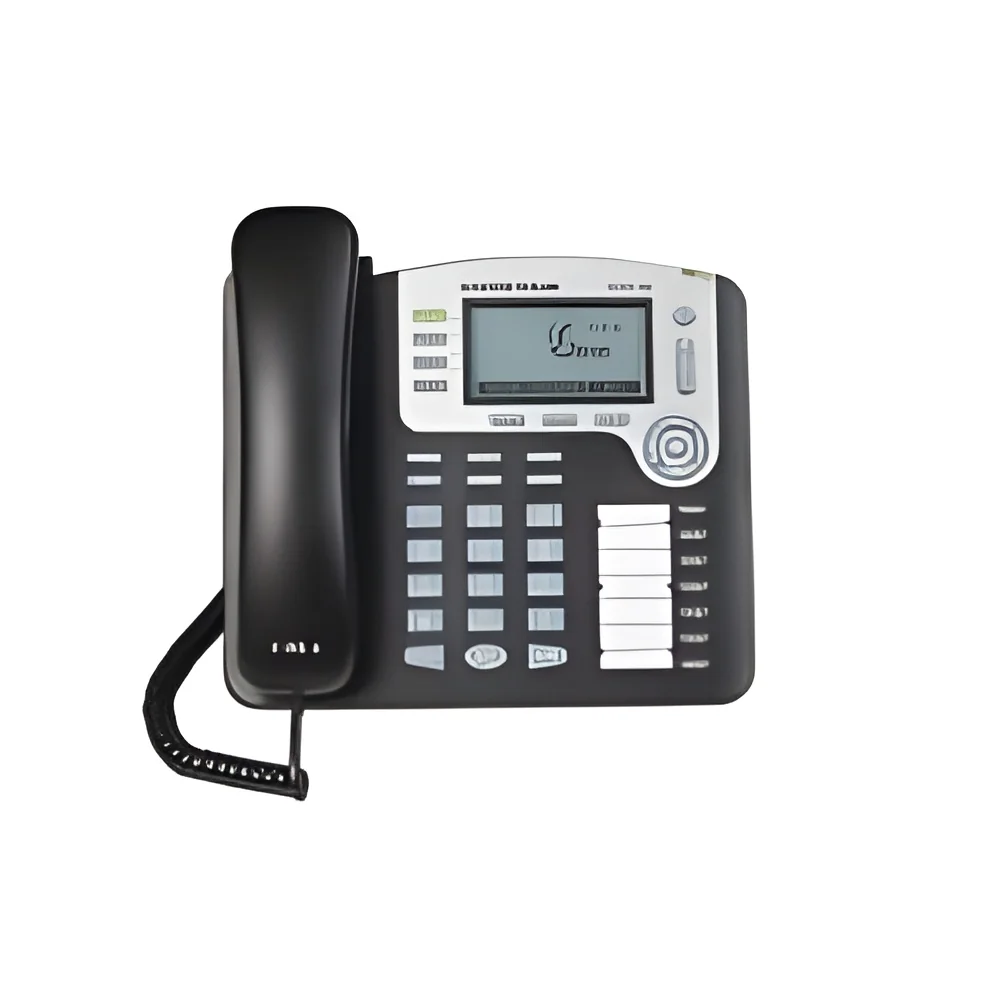
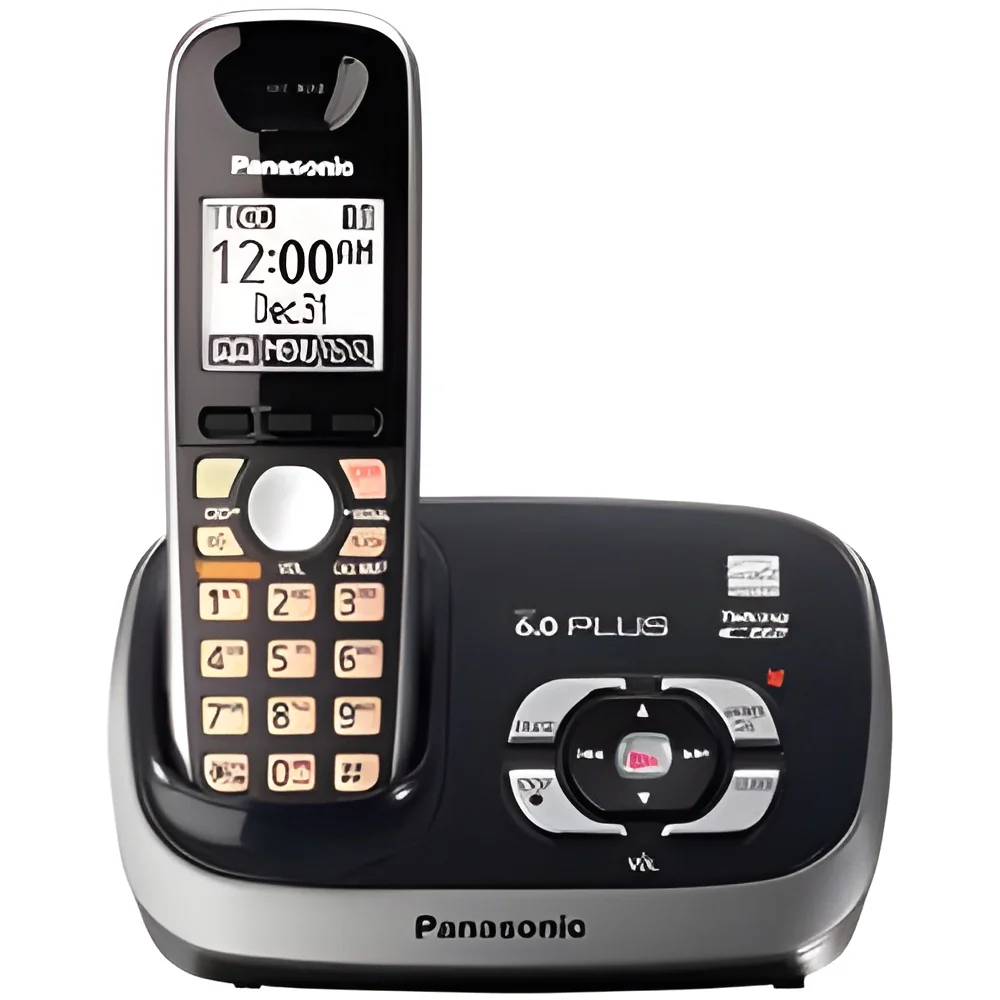
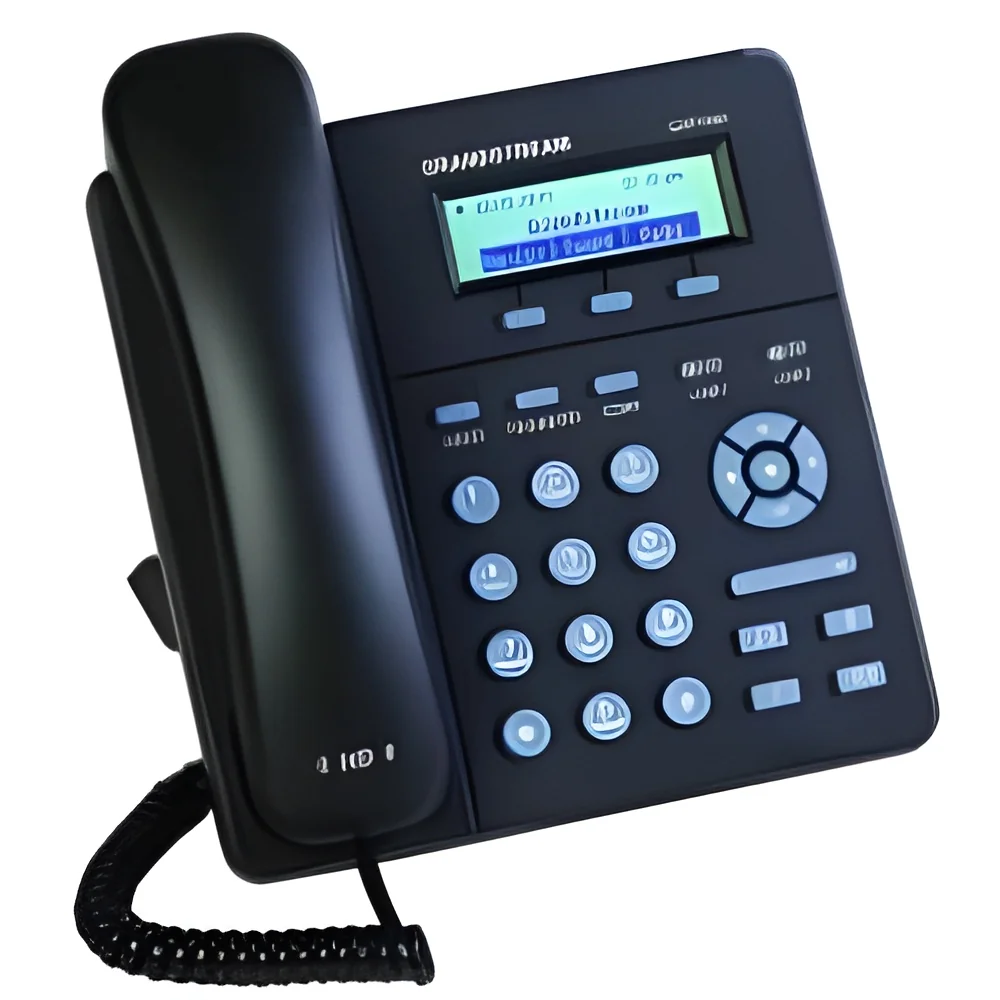
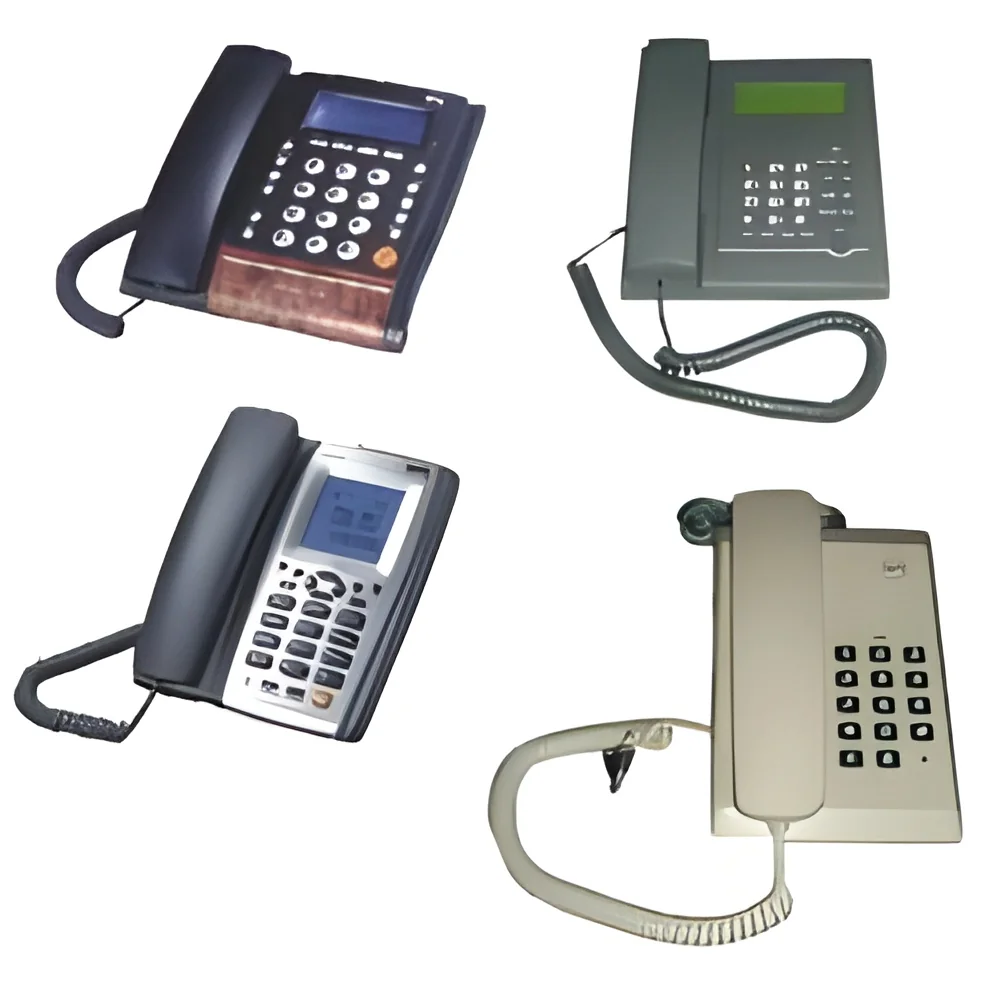
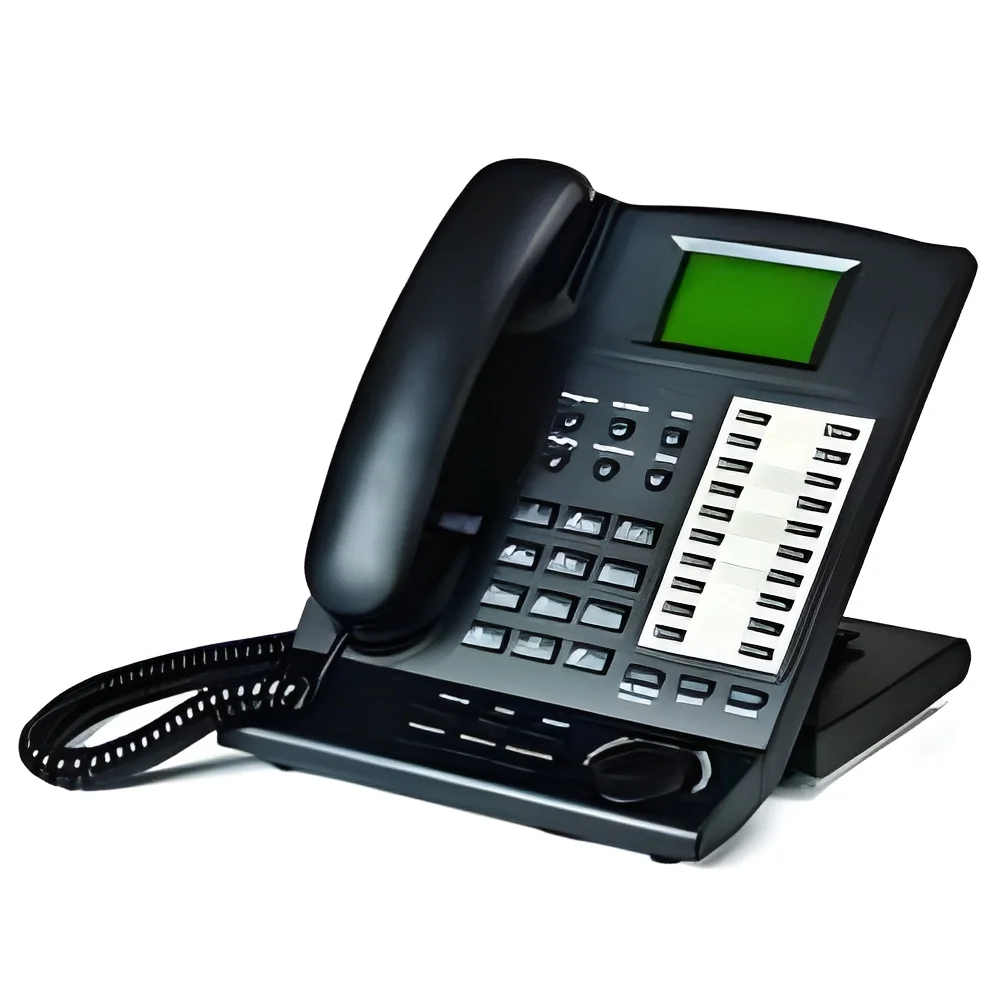
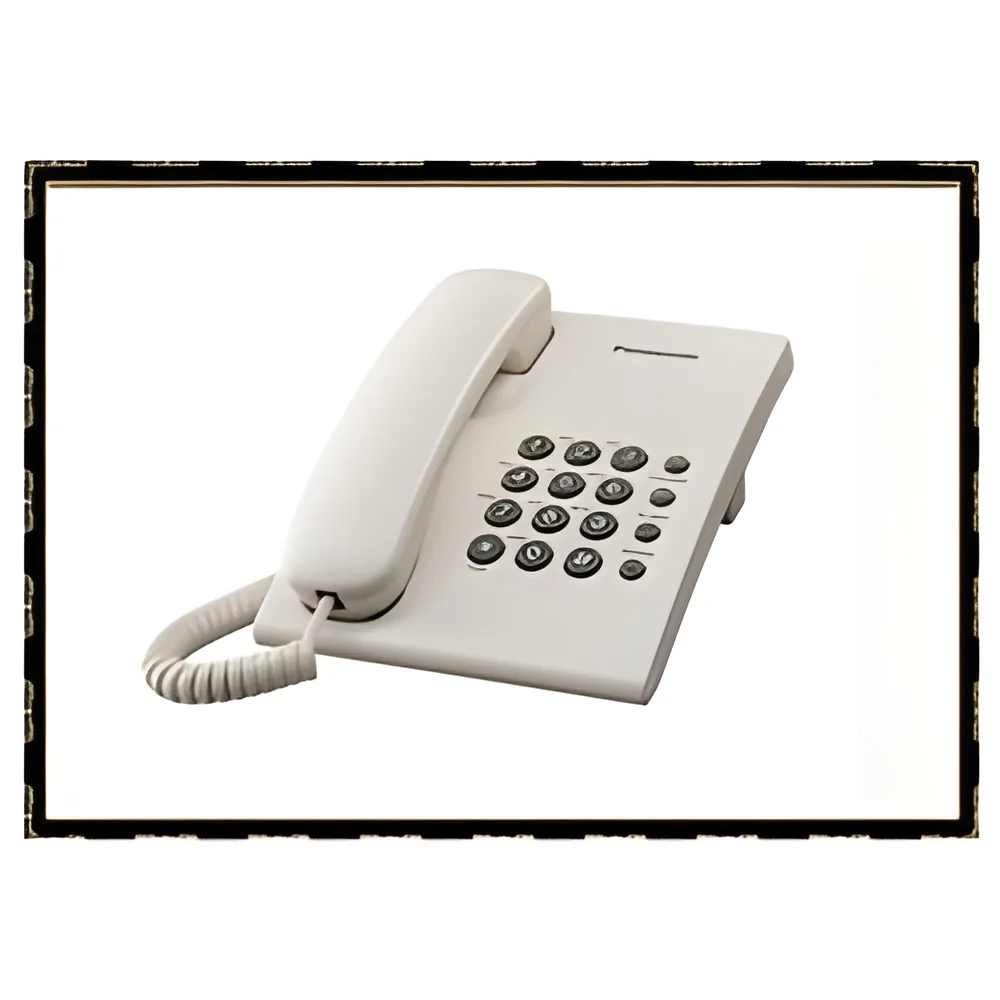
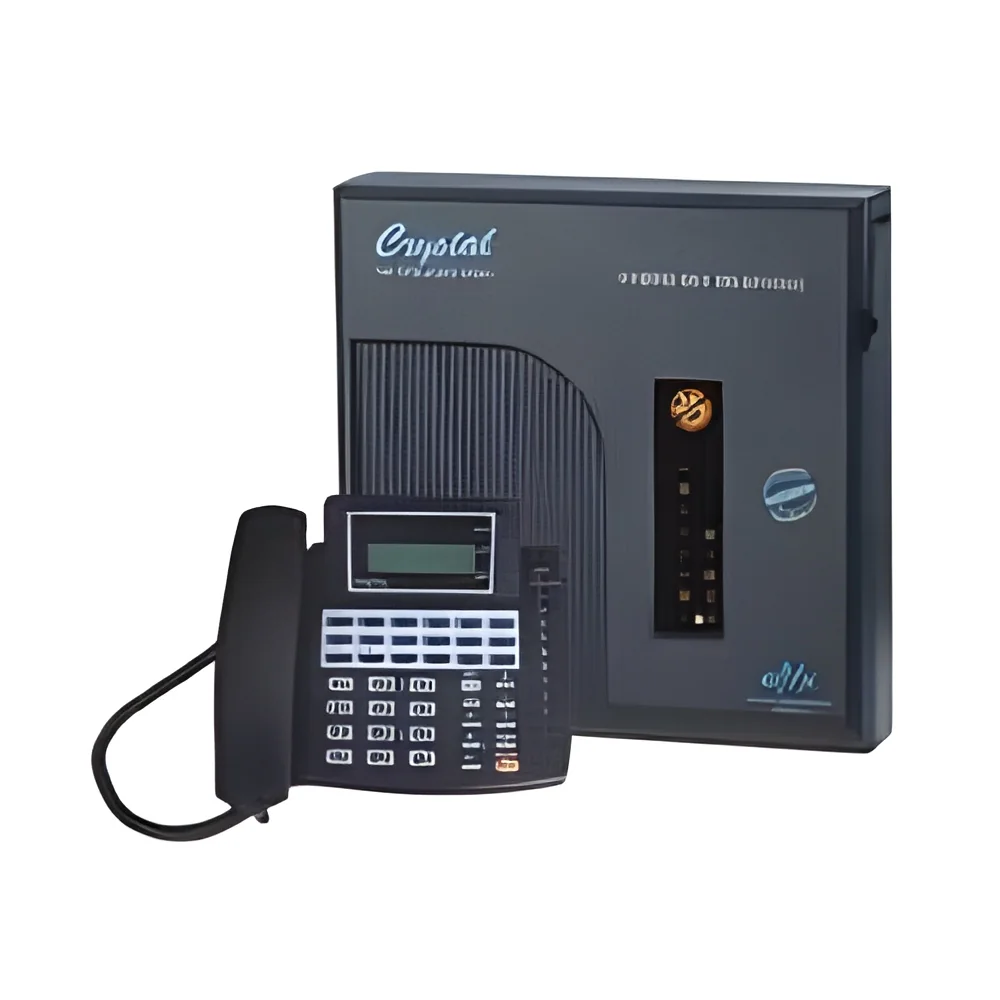
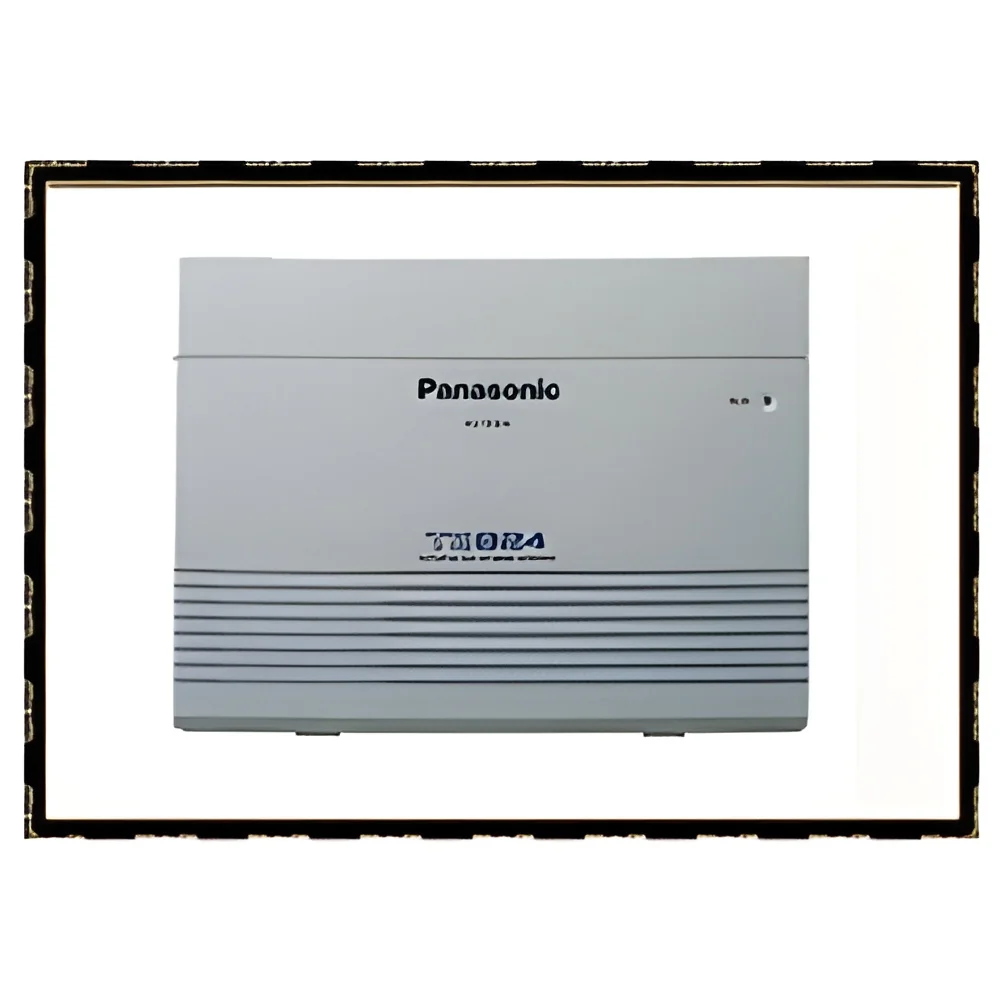
Office phones and intercom systems are essential communication tools used in business environments. They facilitate voice communication within and outside of an organization, enhancing collaboration and efficiency. Office phones come in various forms, including traditional landline phones, VoIP (Voice over Internet Protocol) phones, and mobile devices. Intercom systems allow for instant communication between different rooms or locations within a facility, often used for announcements or internal conversations.
These systems are primarily used for internal and external communication, allowing employees to connect easily with colleagues, clients, and partners. Businesses of all sizes rely on office phones and intercom systems to streamline operations, improve customer service, and ensure quick decision-making. The growing trend towards remote work has also led to increased demand for advanced communication solutions that integrate with digital platforms.
In the current market, the relevance of office phones and intercom systems remains strong, even as businesses adapt to new technologies. The integration of these systems with mobile apps and cloud solutions highlights their ongoing evolution. As companies continue to prioritize effective communication, sourcing reliable office phones and intercom systems becomes a fundamental aspect of operational success.
𝗞𝗲𝘆 𝗙𝗲𝗮𝘁𝘂𝗿𝗲𝘀 𝗮𝗻𝗱 𝗦𝗽𝗲𝗰𝗶𝗳𝗶𝗰𝗮𝘁𝗶𝗼𝗻𝘀
Office phones and intercom systems come equipped with a variety of features designed to improve user experience and functionality. When considering these products, it is essential to understand their specifications to make informed purchasing decisions.
Key specifications include:
1. Call Quality
- High-definition audio quality for clear conversations
- Noise-canceling features to minimize background noise
2. Connectivity Options
- Support for VoIP, analog, and digital connections
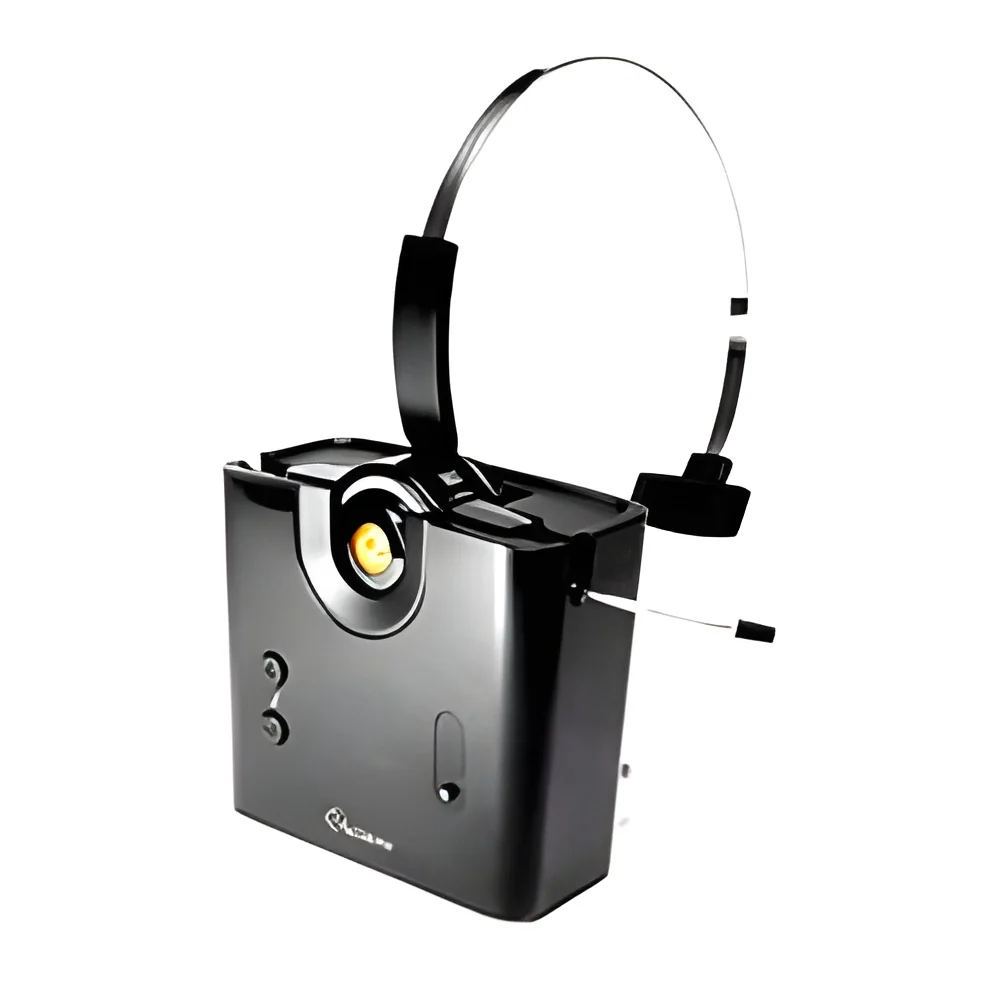
- Wireless and wired options available
3. Number of Lines
- Capability to handle multiple lines simultaneously
- Options typically range from single-line to multi-line systems
4. Intercom Features
- Direct calling capabilities between extensions
- Group calling and announcement features
5. Display and User Interface
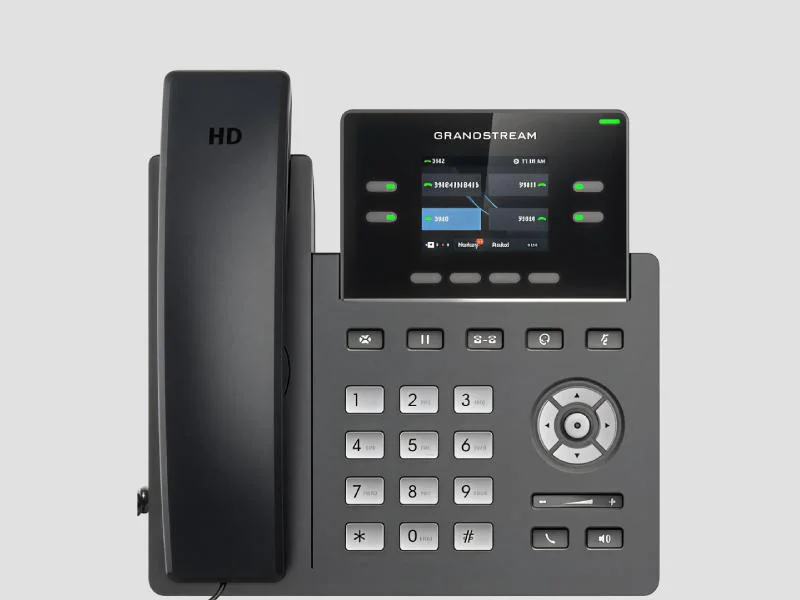
- LCD screens for caller ID and menu navigation
- User-friendly interface for easy operation
6. Integration Capabilities
- Compatibility with CRM and other software systems
- Options for integrating with mobile devices and applications
7. Security Features
- Encryption protocols for secure communication
- User authentication options
8. Power Options
- PoE (Power over Ethernet) capabilities
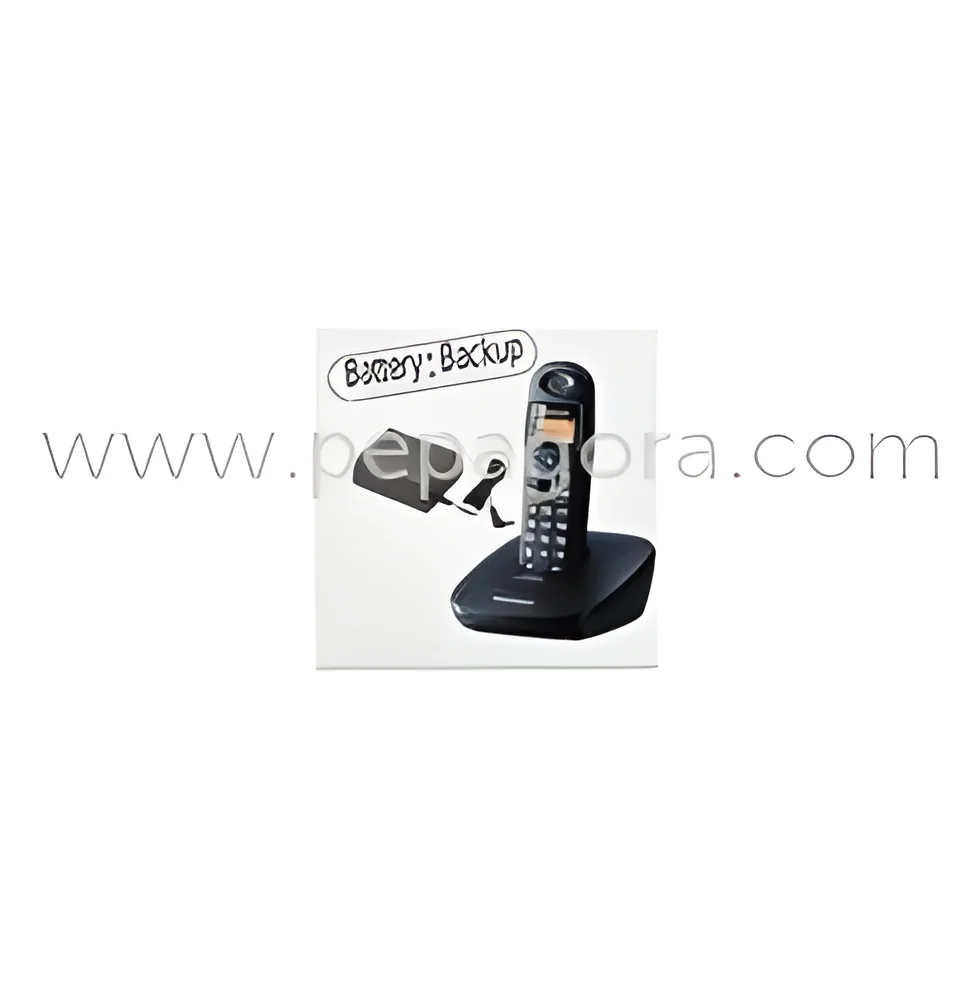
- Battery backup features for uninterrupted use
These specifications ensure that businesses can select the right office phones and intercom systems to meet their specific communication needs.
𝗖𝗼𝗺𝗺𝗼𝗻 𝗔𝗽𝗽𝗹𝗶𝗰𝗮𝘁𝗶𝗼𝗻𝘀 𝗮𝗻𝗱 𝗨𝘀𝗲 𝗖𝗮𝘀𝗲𝘀
Office phones and intercom systems find applications across various industries due to their versatility and reliability.
1. Healthcare: In hospitals and clinics, these systems facilitate communication between staff, ensuring swift responses to patient needs. They allow for quick alerts and interdepartmental messaging.
2. Education: Schools and universities use intercom systems for announcements and emergency notifications. Classroom phones enable communication between teachers and administrative staff.
3. Retail: Retail environments use office phones for customer service and coordination among staff. Intercom systems help manage communication between different store sections.
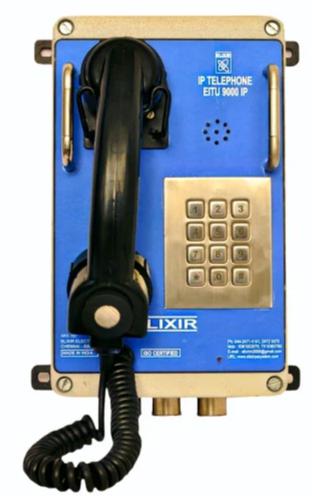
4. Manufacturing: In factories, intercom systems enhance communication on the shop floor, allowing for immediate updates and instructions. Office phones streamline interactions between departments.
5. Hospitality: Hotels use office phones to manage guest requests efficiently and facilitate communication among staff members. Intercom systems help in coordinating services across the property.
6. Real Estate: Real estate offices utilize office phones for client interactions and appointments. Intercom systems allow for quick communication among agents and support staff.
7. Transportation: Logistics and transportation companies rely on these systems for coordinating shipments and managing staff communications effectively.
𝗣𝗿𝗼𝗱𝘂𝗰𝘁 𝗩𝗮𝗿𝗶𝗮𝗻𝘁𝘀 𝗮𝗻𝗱 𝗦𝘂𝗯𝗰𝗮𝘁𝗲𝗴𝗼𝗿𝗶𝗲𝘀
Office phones and intercom systems come in various configurations to suit different business needs.
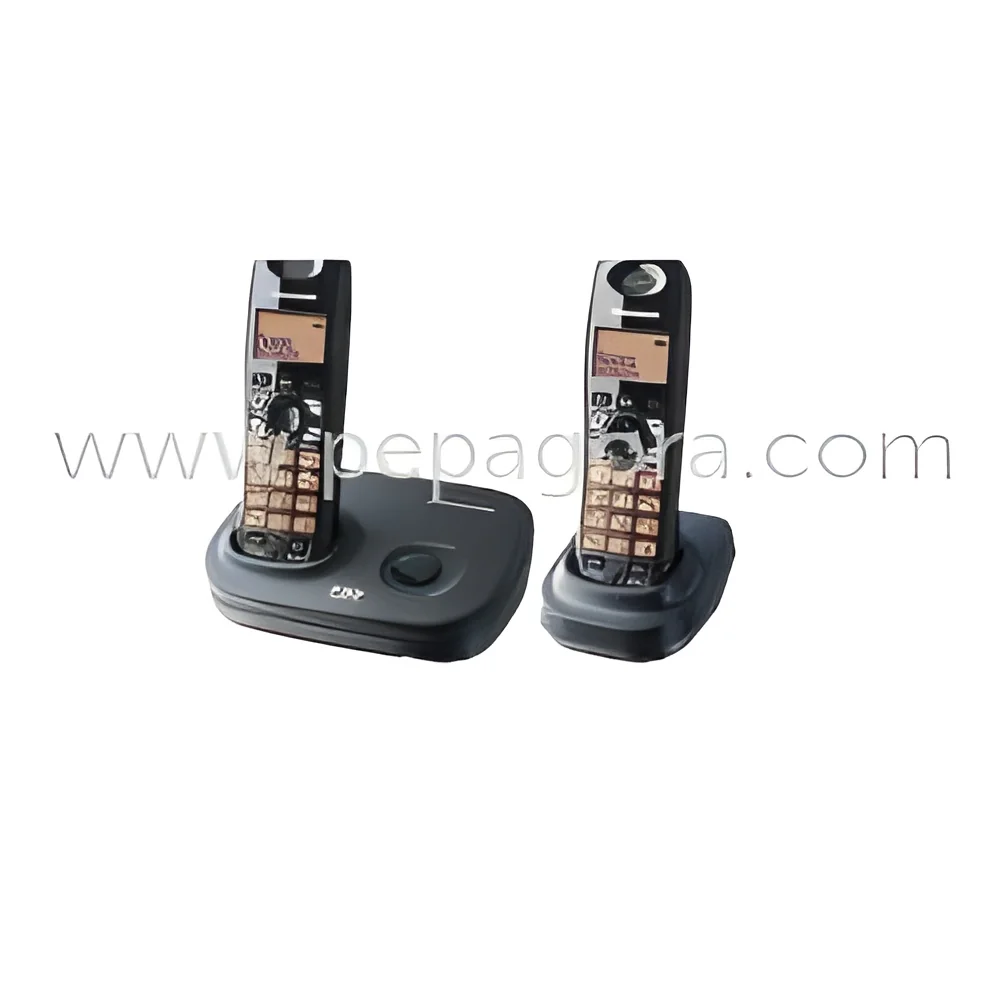
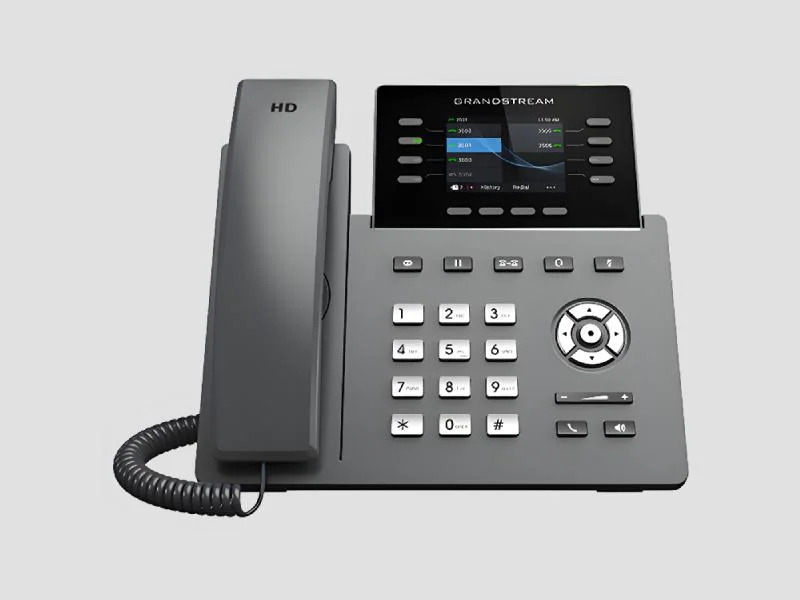
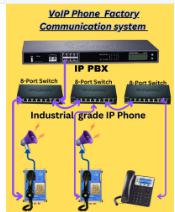
VoIP Phones: These phones leverage internet connectivity for voice communication, offering flexibility and advanced features like call forwarding and voicemail to email.
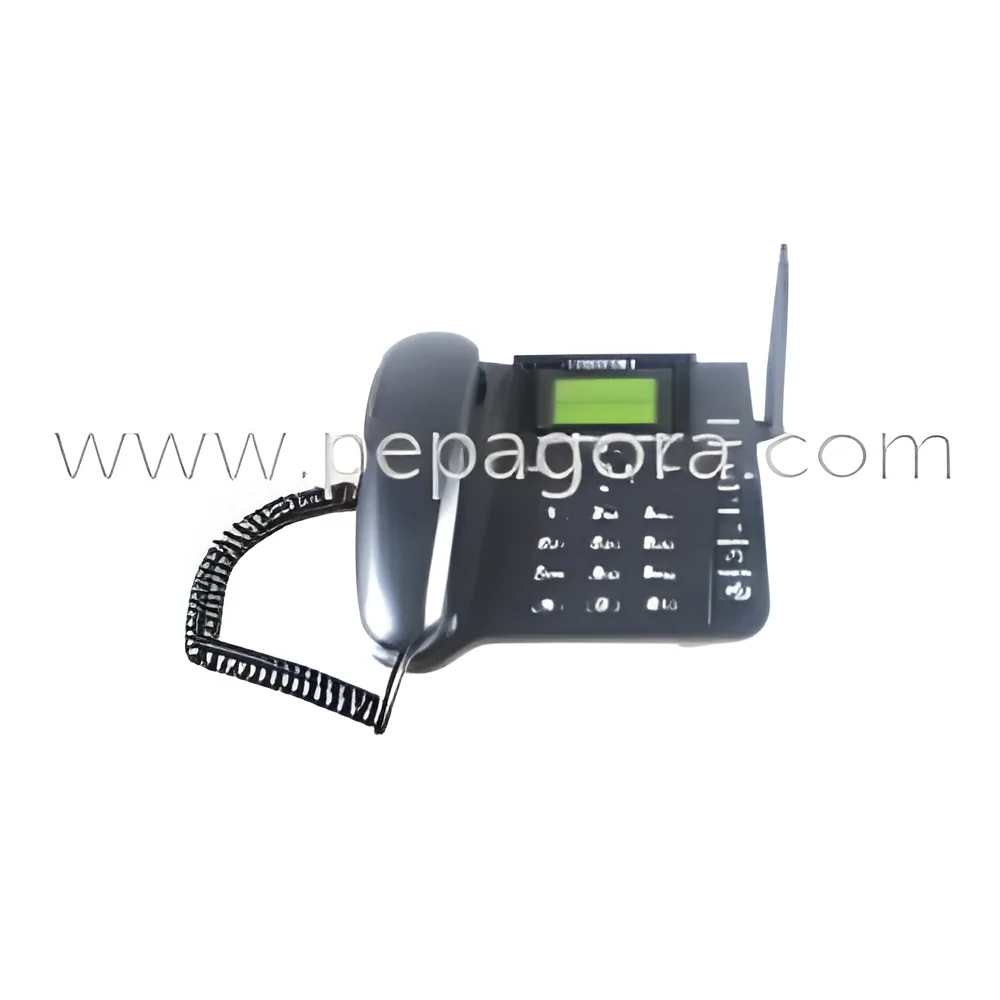
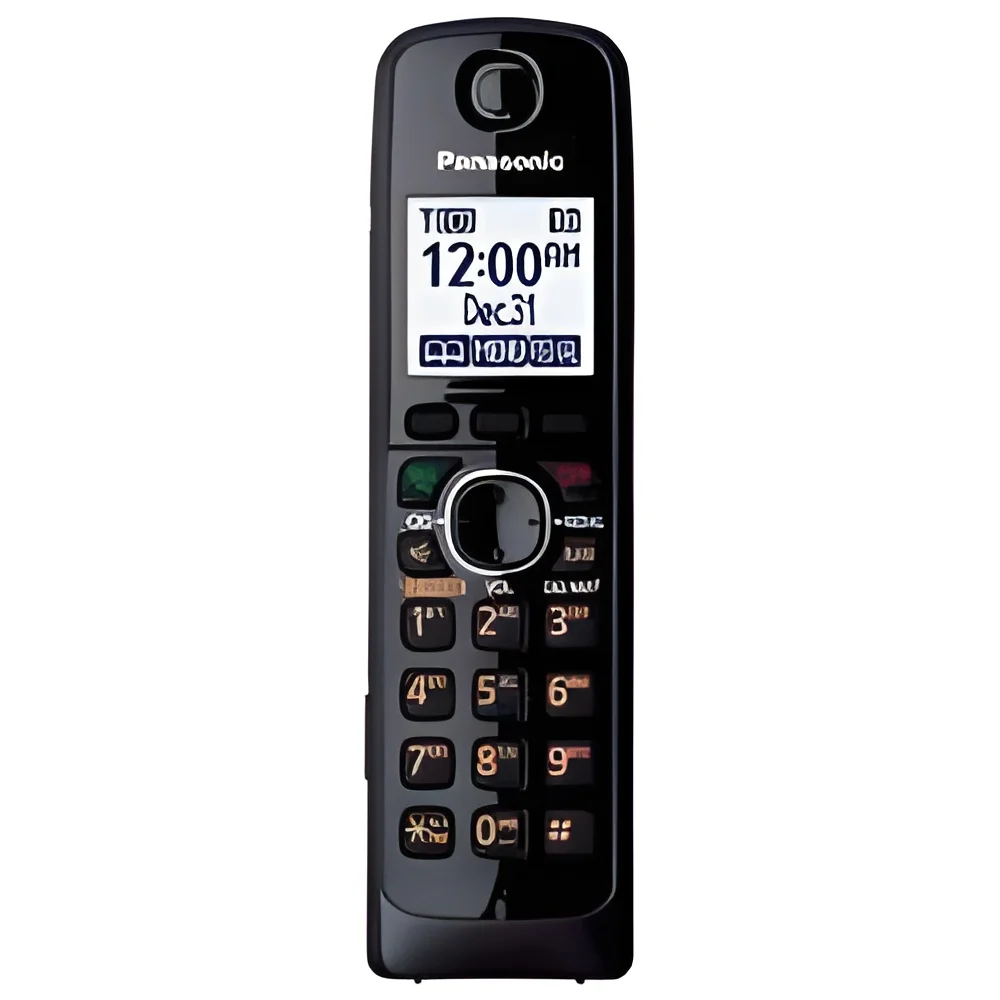
Analog Phones: Traditional phones that operate over conventional telephone lines, ideal for basic communication needs without reliance on internet connectivity.
Wireless Intercom Systems: These systems provide mobility within a facility, allowing users to communicate without being tied to a desk. They are useful in large areas like warehouses or outdoor spaces.
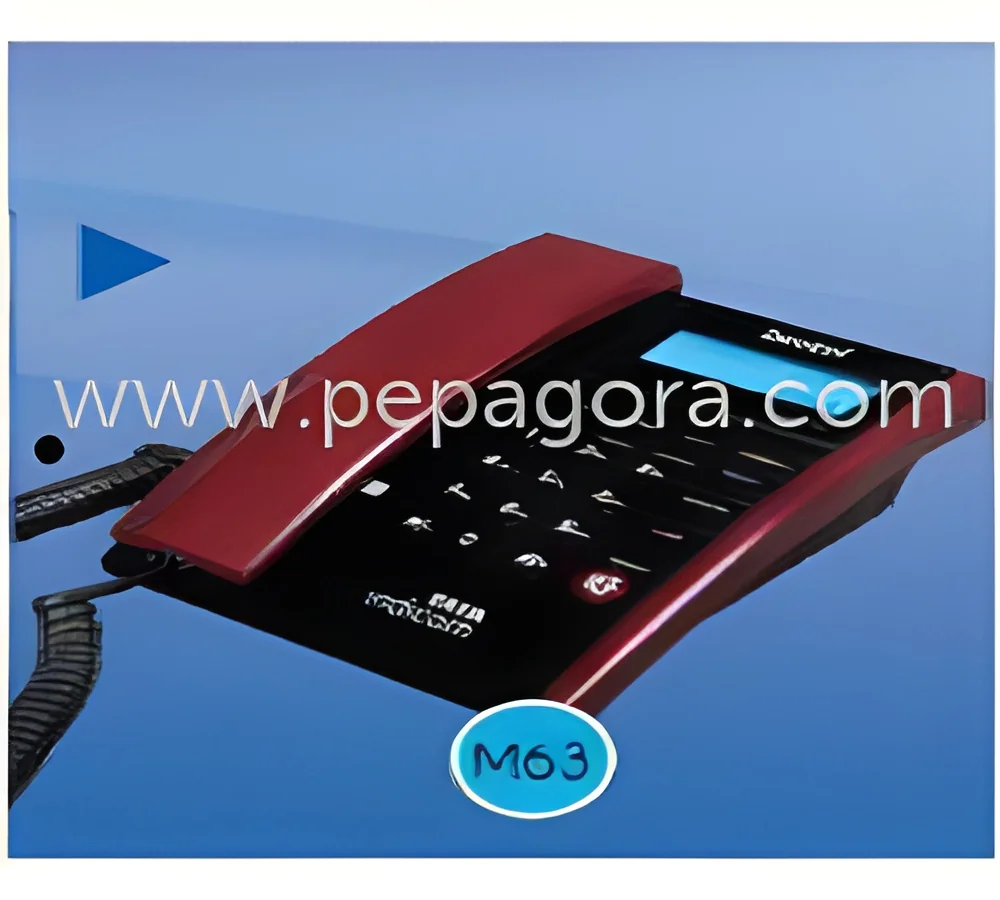
Desktop Intercom Units: Designed for stationary use, these units often feature user-friendly interfaces and are ideal for internal communication within offices.
𝗕𝗲𝗻𝗲𝗳𝗶𝘁𝘀 𝗮𝗻𝗱 𝗔𝗱𝘃𝗮𝗻𝘁𝗮𝗴𝗲𝘀
Investing in office phones and intercom systems offers numerous benefits to businesses.
1. Enhanced Communication: These systems improve communication flow within organizations, leading to better collaboration among team members.
2. Increased Efficiency: Quick access to internal and external communication minimizes delays in decision-making and enhances productivity.
3. Cost-Effectiveness: Many modern systems, especially VoIP, reduce costs associated with traditional phone services, making them economically viable for businesses.
4. Scalability: Office phones and intercom systems can easily scale with the growth of a business, accommodating more users and features as needed.
5. Improved Customer Service: Efficient communication tools enable faster responses to customer inquiries, boosting overall satisfaction and loyalty.
6. Safety and Security: Many systems include features that enhance security, such as call encryption and user access controls, safeguarding sensitive information.
𝗕𝘂𝘆𝗶𝗻𝗴 𝗚𝘂𝗶𝗱𝗲 𝗳𝗼𝗿 𝗕𝟮𝗕 𝗕𝘂𝘆𝗲𝗿𝘀
When sourcing office phones and intercom systems, several factors should be considered to ensure the best investment for your business.
1. Quality Assessment: Evaluate the build quality and durability of the units, looking for reputable brands known for reliability.
2. Supplier Verification: Vet suppliers by checking their credentials, customer reviews, and certifications to ensure they meet industry standards.
3. Pricing and MOQ: Understand the pricing structure and minimum order quantities to align with your budget and purchasing requirements.
4. Delivery and Lead Times: Confirm the logistics of shipping and installation, ensuring that delivery times meet your operational needs.
5. Compliance Requirements: Be aware of any regulatory standards or industry certifications that the products must meet, such as CE certification for safety and performance.
𝗖𝗼𝗺𝗽𝗹𝗶𝗮𝗻𝗰𝗲 𝗮𝗻𝗱 𝗖𝗲𝗿𝘁𝗶𝗳𝗶𝗰𝗮𝘁𝗶𝗼𝗻𝘀
Compliance with industry standards and certifications is crucial in the selection of office phones and intercom systems.
Relevant quality standards, such as ISO 9001, ensure that products are manufactured to high-quality management system requirements. This certification reflects a commitment to quality and consistency in production processes.
CE certification is another important industry standard, indicating that a product complies with European safety, health, and environmental protection regulations. This certification is often required for products sold in Europe and signifies that the product meets all necessary regulations.
Safety and testing requirements may vary by region, and it is essential for businesses to confirm that the systems they choose pass relevant safety tests. Additionally, understanding regional compliance considerations helps ensure that products meet local laws and standards.
𝗪𝗵𝘆 𝗦𝗼𝘂𝗿𝗰𝗲 𝗢𝗳𝗳𝗶𝗰𝗲 𝗣𝗵𝗼𝗻𝗲𝘀 & 𝗜𝗻𝘁𝗲𝗿𝗰𝗼𝗺 𝗦𝘆𝘀𝘁𝗲𝗺𝘀 𝗳𝗿𝗼𝗺 𝗣𝗲𝗽𝗮𝗴𝗼𝗿𝗮?
Pepagora provides a trusted platform for sourcing office phones and intercom systems, offering several key advantages to B2B buyers.
Verified Supplier Network: Pepagora features a network of verified suppliers, ensuring that buyers can source high-quality products from reputable manufacturers. This verification process helps eliminate risks associated with untrustworthy suppliers.
Streamlined RFQ Process: The platform offers a streamlined Request for Quotation (RFQ) process, allowing buyers to easily compare prices and features from multiple suppliers. This efficiency helps businesses make informed purchasing decisions quickly.
Trade Assurance and Support: Pepagora provides trade assurance and support to protect buyers during transactions. This includes assistance with negotiations and after-sales support, fostering confidence in the purchasing process.
Regional Coverage: With a focus on regions such as India, the Gulf Cooperation Council (GCC), and Southeast Asia, Pepagora connects buyers with suppliers that serve their specific geographic areas. This regional expertise ensures that businesses find suitable solutions tailored to their markets.
Office Phones & Intercom Systems refer to the telecommunications devices used for voice communication within an organization. These systems may include traditional landline phones, VoIP phones, and intercom systems that facilitate communication between different areas of the office.
2
What are the different types of Office Phones & Intercom Systems?
The different types of Office Phones & Intercom Systems include analog phones, digital phones, VoIP (Voice over Internet Protocol) phones, cordless phones, and intercom systems. Each type serves unique functions and is suitable for different office environments and communication needs.
3
How do I choose the right Office Phones & Intercom Systems?
Choosing the right Office Phones & Intercom Systems involves assessing your communication needs, the size of your office, and your budget. Consider factors such as ease of use, features offered, and compatibility with existing systems to make an informed decision.
4
What are the standard specifications for Office Phones & Intercom Systems?
Standard specifications for Office Phones & Intercom Systems include features like call waiting, caller ID, intercom functionality, and speakerphone capabilities. Additionally, VoIP systems may specify bandwidth requirements and compatibility with various internet protocols.
5
What is the price range for Office Phones & Intercom Systems?
The price range for Office Phones & Intercom Systems can vary widely based on the type and features, typically ranging from ₹1,500 to ₹25,000 per unit. Advanced systems with extensive features may cost more, while basic models are generally more affordable.
6
What quality standards apply to Office Phones & Intercom Systems?
Quality standards for Office Phones & Intercom Systems include compliance with ISO certifications and telecommunications regulations. Manufacturers often adhere to these standards to ensure reliability, safety, and performance across their product offerings.
7
Where can I find Office Phones & Intercom Systems suppliers in India?
You can find Office Phones & Intercom Systems suppliers in India through online B2B marketplaces, trade shows, and industry directories. Platforms like Pepagora.com provide a comprehensive list of verified suppliers and manufacturers in this category.
8
Can Office Phones & Intercom Systems be customized?
Yes, many Office Phones & Intercom Systems can be customized to meet specific business needs. Customization may include features like branding, software integration, and specific hardware configurations tailored to an organization's requirements.
9
What is the typical minimum order quantity for Office Phones & Intercom Systems?
The typical minimum order quantity (MOQ) for Office Phones & Intercom Systems can vary by supplier, usually ranging from 5 to 100 units. It is advisable to check with individual suppliers for their specific MOQ policies.
10
What is the typical lead time for Office Phones & Intercom Systems?
The typical lead time for Office Phones & Intercom Systems can vary based on the supplier and order size, often ranging from 2 to 6 weeks. Factors affecting lead time include product availability, customization requests, and shipping arrangements.
Why Businesses Trust Pepagora
Thousands of companies trust Pepagora to source smarter and sell faster
Expand Your Sales Globally
25000+Products listed.Get discovered by global buyers

 IN
IN