𝗪𝗵𝗮𝘁 𝗮𝗿𝗲 𝗣𝗿𝗼𝗷𝗲𝗰𝘁 𝗠𝗮𝗻𝗮𝗴𝗲𝗺𝗲𝗻𝘁 & 𝗢𝘂𝘁𝘀𝗼𝘂𝗿𝗰𝗶𝗻𝗴?
Project Management and Outsourcing are critical components of modern business operations. Project Management involves planning, executing, and overseeing projects to achieve specific goals within defined constraints. It encompasses various methodologies and tools aimed at ensuring that projects are completed on time, within budget, and to the required quality standards. Outsourcing, on the other hand, is the practice of delegating specific business processes or functions to external service providers. This allows companies to focus on their core competencies while leveraging external expertise for various tasks.
The primary uses of Project Management and Outsourcing span various industries, including construction, information technology, and manufacturing. Businesses utilize Project Management to coordinate complex tasks and resources effectively, ensuring efficient delivery of products and services. Outsourcing enables organizations to reduce costs, access specialized skills, and increase flexibility. In a competitive market, the ability to manage projects efficiently while outsourcing non-core functions can lead to significant operational advantages.
In today’s dynamic business environment, Project Management and Outsourcing are more relevant than ever. As companies strive to innovate and adapt to changing market conditions, effective project management practices combined with strategic outsourcing can drive growth and enhance competitiveness. Industries are increasingly recognizing the value of these practices, making them vital for sustainable success in the marketplace.
𝗞𝗲𝘆 𝗙𝗲𝗮𝘁𝘂𝗿𝗲𝘀 𝗮𝗻𝗱 𝗦𝗽𝗲𝗰𝗶𝗳𝗶𝗰𝗮𝘁𝗶𝗼𝗻𝘀
Project Management and Outsourcing solutions come with a range of features designed to optimize efficiency and enhance collaboration. Understanding these specifications is crucial for businesses looking to implement effective solutions.
Key specifications include:
1. Project Planning Tools
- Tools for defining project scope, timelines, and resources
- Integration with scheduling software and Gantt charts
2. Collaboration Platforms
- Features that facilitate team communication and document sharing
- Real-time updates and notifications to keep all stakeholders informed
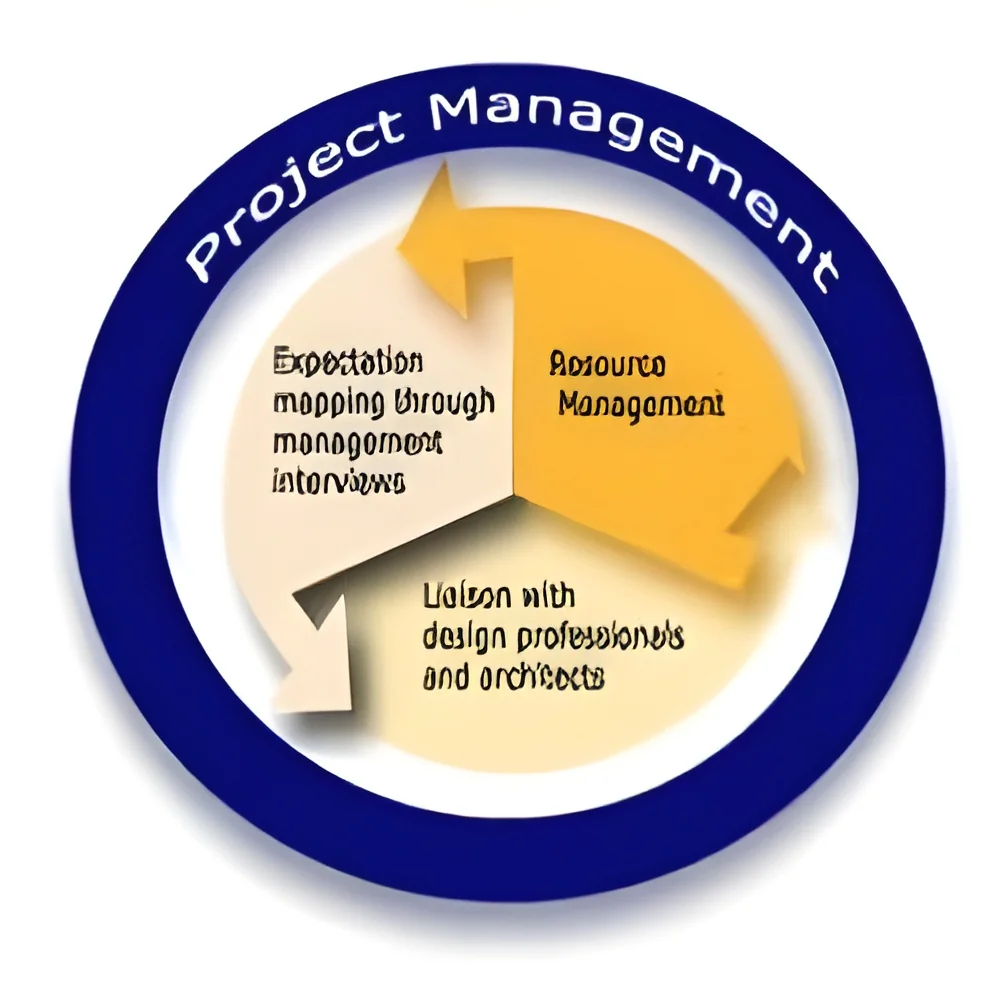
3. Resource Management
- Tools for tracking the allocation and utilization of resources
- Reporting features to assess resource availability and workload
4. Risk Management Features
- Tools to identify, assess, and mitigate project risks
- Dashboards for monitoring risk factors throughout the project lifecycle
5. Budget Tracking
- Features for managing project budgets and financial forecasts
- Real-time tracking of expenses against budgeted amounts
6. Performance Metrics
- Key performance indicators (KPIs) to measure project success
- Reporting tools for analyzing project outcomes and team performance
7. Integration Capabilities
- Compatibility with existing business systems and software
- APIs for seamless data exchange between platforms
8. Customizable Workflows
- Ability to tailor project workflows to specific business needs
- Options for automating repetitive tasks to enhance efficiency
These features collectively enhance the effectiveness of Project Management and Outsourcing, leading to improved project outcomes and better resource utilization.
𝗖𝗼𝗺𝗺𝗼𝗻 𝗔𝗽𝗽𝗹𝗶𝗰𝗮𝘁𝗶𝗼𝗻𝘀 𝗮𝗻𝗱 𝗨𝘀𝗲 𝗖𝗮𝘀𝗲𝘀
Project Management and Outsourcing are utilized across a myriad of industries, each benefiting from tailored applications.
1. Construction: Project Management is essential for coordinating timelines, budgets, and subcontractors. Outsourcing specialized trades allows for better execution of complex building projects.
2. Information Technology: IT companies use Project Management to oversee software development cycles. Outsourcing tasks such as coding or testing ensures access to specialized skills without overextending resources.
3. Manufacturing: Efficient Project Management is crucial for production schedules and supply chain logistics. Outsourcing non-core manufacturing functions can lead to cost savings and improved focus on product innovation.
4. Marketing: Marketing teams employ Project Management to handle campaigns efficiently. Outsourcing design or digital marketing tasks helps in accessing expertise while maintaining brand integrity.
5. Healthcare: Project Management is vital in managing patient care initiatives. Outsourcing administrative functions can enhance service delivery and allow healthcare providers to focus on patient outcomes.
6. Education: Educational institutions utilize Project Management for curriculum development and program implementation. Outsourcing administrative functions can streamline operations and improve service quality.
7. Logistics: Project Management helps in optimizing supply chain operations. Outsourcing warehousing and distribution can lead to significant cost reductions and improved service levels.
𝗣𝗿𝗼𝗱𝘂𝗰𝘁 𝗩𝗮𝗿𝗶𝗮𝗻𝘁𝘀 𝗮𝗻𝗱 𝗦𝘂𝗯𝗰𝗮𝘁𝗲𝗴𝗼𝗿𝗶𝗲𝘀
Project Management and Outsourcing solutions offer various options to suit different business needs. While specific subcategories are not available, there are several variants to consider.
Cloud-Based Solutions: These platforms provide flexibility and scalability, enabling teams to collaborate from anywhere. They often come with integrated tools for project tracking and communication.
On-Premise Solutions: These are installed on local servers, providing businesses with complete control over their data and processes. They are suitable for organizations with strict data security requirements.
Industry-Specific Solutions: Tailored project management tools designed for particular sectors, such as construction or IT, often include specialized features that cater to unique industry needs.
Freelance and Agency Services: Outsourcing can also include engaging freelance professionals or agencies for specific tasks, providing access to a wider talent pool without the need for permanent hires.
𝗕𝗲𝗻𝗲𝗳𝗶𝘁𝘀 𝗮𝗻𝗱 𝗔𝗱𝘃𝗮𝗻𝘁𝗮𝗴𝗲𝘀
Implementing Project Management and Outsourcing offers numerous advantages that can significantly enhance business performance.
Key benefits include:
1. Cost Efficiency: Outsourcing non-core functions can reduce operational costs and allow for better allocation of resources to critical areas.
2. Access to Expertise: Leveraging external specialists enhances project quality and brings in advanced skills that may not be available in-house.
3. Increased Flexibility: Outsourcing provides the ability to scale operations up or down quickly in response to changing market demands.
4. Improved Focus: By outsourcing routine tasks, businesses can concentrate on their core competencies and strategic initiatives.
5. Enhanced Collaboration: Project Management tools facilitate better communication and collaboration among team members, leading to more cohesive efforts.
6. Risk Mitigation: Effective project management practices help identify and mitigate risks early, ensuring smoother project execution.
𝗕𝘂𝘆𝗶𝗻𝗴 𝗚𝘂𝗶𝗱𝗲 𝗳𝗼𝗿 𝗕𝟮𝗕 𝗕𝘂𝘆𝗲𝗿𝘀
When sourcing Project Management and Outsourcing solutions, several key factors should guide your decision-making process.
1. Quality Assessment: Evaluate the quality of the solutions by examining vendor credentials, user reviews, and case studies. Look for proven track records in delivering successful projects.
2. Supplier Verification: Vet suppliers by checking their references, certifications, and past performance. Ensure they have the necessary expertise and experience in your industry.
3. Pricing and MOQ: Consider the pricing structures and minimum order quantities. Look for transparency in pricing and ensure that it aligns with your budget and project requirements.
4. Delivery and Lead Times: Assess the supplier’s ability to meet your delivery timelines. Ensure that they can provide timely services to avoid project delays.
5. Compliance Requirements: Understand any regulatory or compliance standards applicable to your industry. Ensure that suppliers adhere to these regulations to avoid potential legal issues.
𝗖𝗼𝗺𝗽𝗹𝗶𝗮𝗻𝗰𝗲 𝗮𝗻𝗱 𝗖𝗲𝗿𝘁𝗶𝗳𝗶𝗰𝗮𝘁𝗶𝗼𝗻𝘀
Compliance and certifications are essential considerations in Project Management and Outsourcing solutions. Adhering to quality standards such as ISO 9001 ensures that processes meet international benchmarks for quality management.
Industry certifications like CE signify that products or services comply with European safety, health, and environmental protection standards. Meeting these standards is crucial for both suppliers and consumers in ensuring product reliability and safety.
Safety and testing requirements are critical, particularly in industries with stringent regulations. Suppliers should demonstrate adherence to relevant safety protocols and undergo regular testing to maintain compliance.
Additionally, regional compliance considerations must be taken into account. Different regions may have specific regulatory requirements that affect sourcing decisions. Understanding these regulations is vital for businesses operating in multiple jurisdictions.
𝗪𝗵𝘆 𝗦𝗼𝘂𝗿𝗰𝗲 𝗣𝗿𝗼𝗷𝗲𝗰𝘁 𝗠𝗮𝗻𝗮𝗴𝗲𝗺𝗲𝗻𝘁 & 𝗢𝘂𝘁𝘀𝗼𝘂𝗿𝗰𝗶𝗻𝗴 𝗳𝗿𝗼𝗺 𝗣𝗲𝗽𝗮𝗴𝗼𝗿𝗮?
Pepagora offers a trusted platform for sourcing Project Management and Outsourcing solutions, providing several key advantages to businesses.
Verified Supplier Network: Pepagora maintains a robust network of verified suppliers. This ensures that businesses can find reliable partners with proven expertise and a track record of success.
Streamlined RFQ Process: The platform simplifies the request for quotation (RFQ) process. This allows businesses to easily compare offerings and select the best solutions tailored to their needs.
Trade Assurance and Support: Pepagora provides trade assurance to protect buyers, ensuring that transactions are secure and that suppliers meet their commitments. The dedicated support team is available to assist with any inquiries or issues.
Regional Coverage: With a strong presence in India, the GCC, and Southeast Asia, Pepagora connects businesses to local suppliers while facilitating international sourcing opportunities. This broad geographic reach enhances access to diverse solutions and expertise.
Project Management & Outsourcing refers to the practice of planning, executing, and overseeing projects by delegating certain tasks or entire projects to external service providers. This approach allows businesses to focus on their core operations while leveraging specialized skills and resources from external experts.
2
What are the different types of Project Management & Outsourcing?
There are several types of Project Management & Outsourcing, including IT outsourcing, business process outsourcing (BPO), and project-based outsourcing. Each type targets specific business needs, such as software development, customer service, or project execution.
3
How do I choose the right Project Management & Outsourcing?
To choose the right Project Management & Outsourcing provider, assess your project requirements, budget, and timeline. Additionally, consider the provider's experience, expertise, and client reviews to ensure they align with your project's goals.
4
What are the standard specifications for Project Management & Outsourcing?
Standard specifications for Project Management & Outsourcing may include project scope, timelines, quality metrics, and communication protocols. Clear specifications help ensure that both parties have aligned expectations and can facilitate successful project delivery.
5
What is the price range for Project Management & Outsourcing?
The price range for Project Management & Outsourcing can vary significantly based on the complexity and scale of the project. Generally, costs can range from a few thousand to several million dollars, depending on the services required and the provider's pricing structure.
6
What quality standards apply to Project Management & Outsourcing?
Quality standards for Project Management & Outsourcing often include adherence to industry-specific guidelines, project management methodologies (like PMBOK or Agile), and certifications such as ISO. These standards help ensure that the outsourced work meets the expected quality and efficiency.
7
Where can I find Project Management & Outsourcing suppliers in India?
You can find Project Management & Outsourcing suppliers in India through online B2B marketplaces like Pepagora, industry-specific directories, and networking events. Researching and comparing multiple suppliers can help you identify the best fit for your project needs.
8
Can Project Management & Outsourcing be customized?
Yes, Project Management & Outsourcing services can be customized to meet specific business needs and project requirements. Customization may involve tailoring project scopes, timelines, or deliverables to align with your organization's objectives.
9
What is the typical minimum order quantity for Project Management & Outsourcing?
The typical minimum order quantity (MOQ) for Project Management & Outsourcing varies by provider and project type. Some providers may not have a strict MOQ, while others may require a minimum commitment based on the specific services offered.
10
What is the typical lead time for Project Management & Outsourcing?
The typical lead time for Project Management & Outsourcing can vary depending on the project's complexity and the provider's capacity. Generally, lead times can range from a few weeks to several months, so it is advisable to discuss timelines upfront with potential providers.
Why Businesses Trust Pepagora
Thousands of companies trust Pepagora to source smarter and sell faster
Expand Your Sales Globally
25000+Products listed.Get discovered by global buyers

 IN
IN