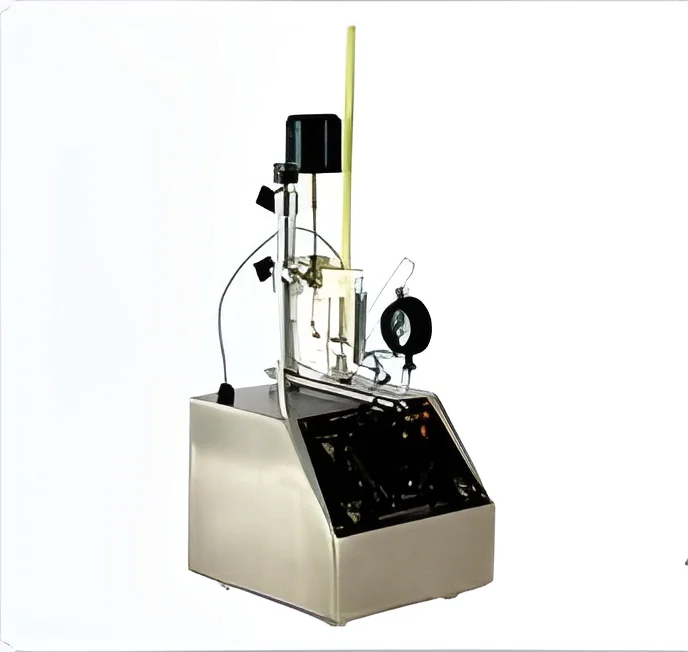
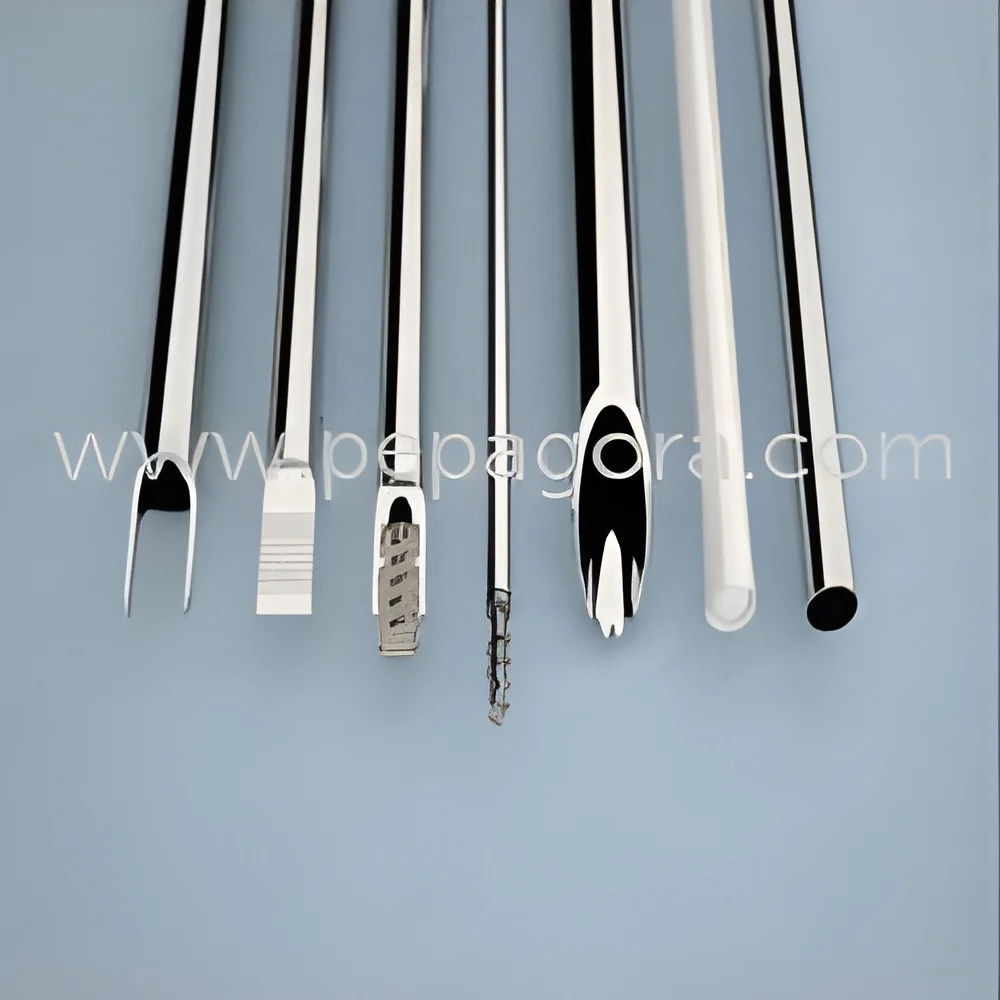
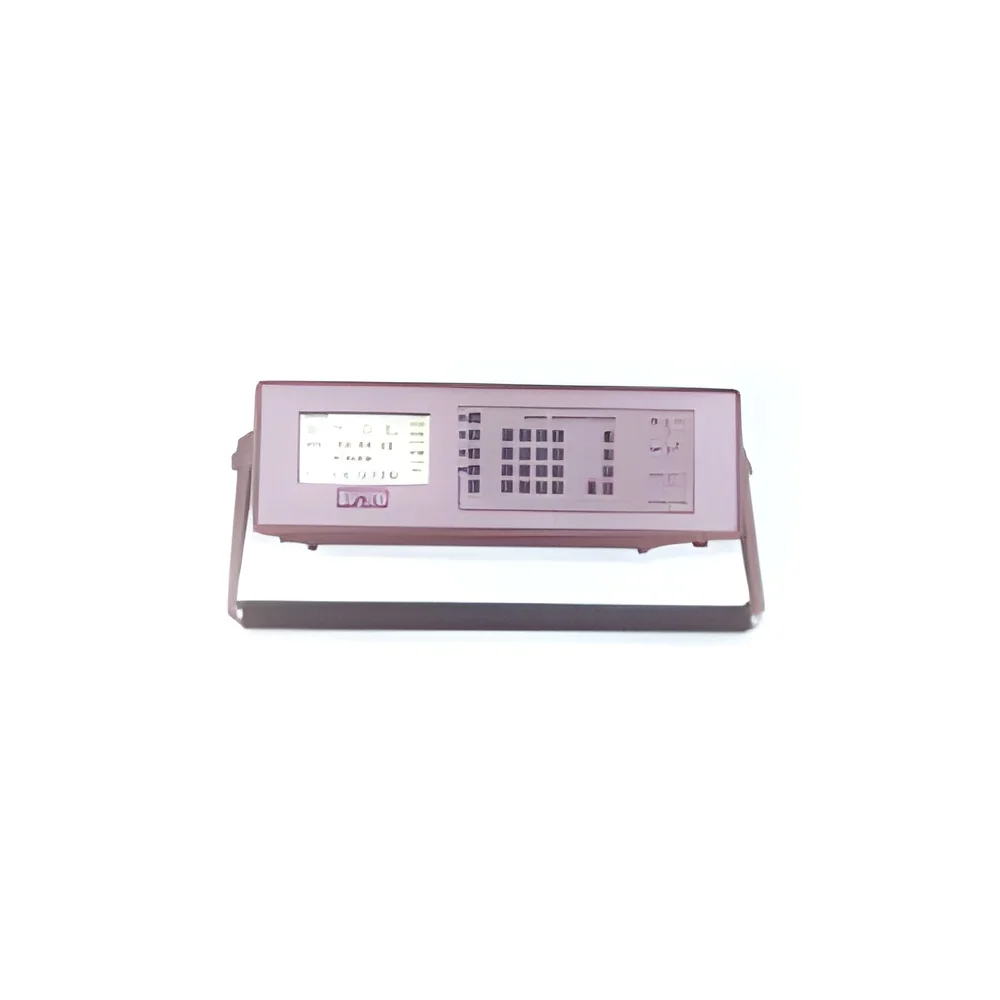
𝗪𝗵𝗮𝘁 𝗮𝗿𝗲 𝗣𝗿𝗲𝗰𝗶𝘀𝗶𝗼𝗻 𝗠𝗲𝗮𝘀𝘂𝗿𝗶𝗻𝗴 𝗜𝗻𝘀𝘁𝗿𝘂𝗺𝗲𝗻𝘁𝘀?
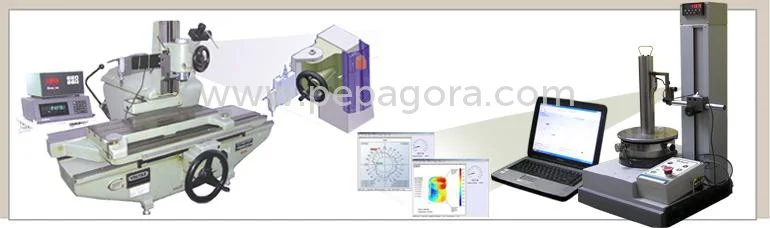
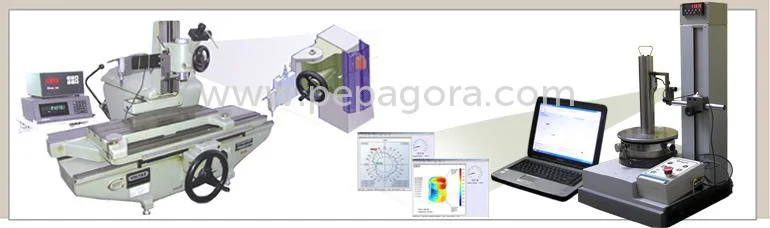
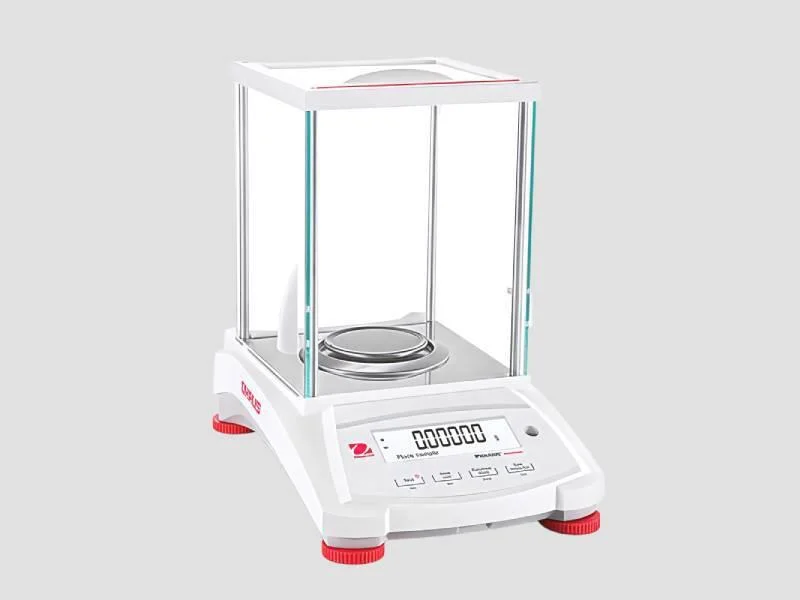
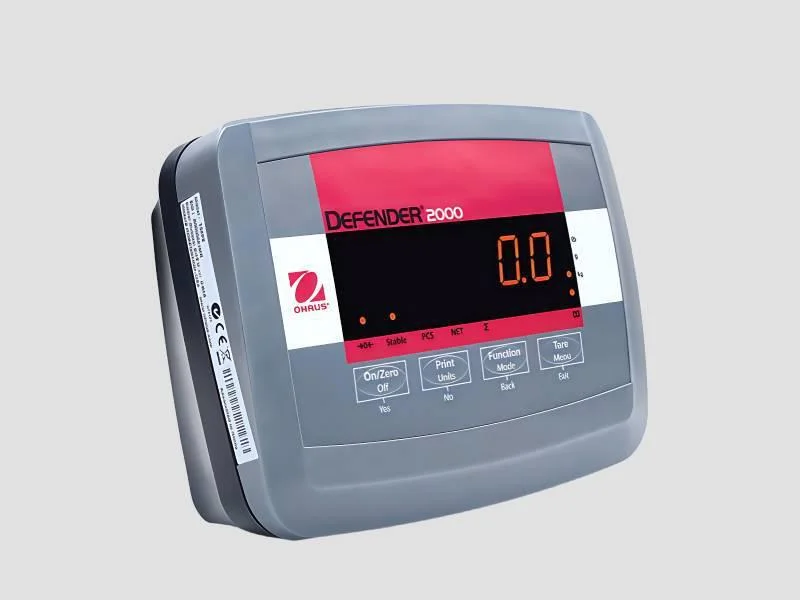
Precision measuring instruments are specialized tools designed to accurately measure physical quantities such as length, weight, temperature, and pressure. These instruments are essential in ensuring high-quality control and precision in various manufacturing and engineering processes. Their functionality relies on precise calibration and advanced technology, allowing them to deliver reliable measurements that meet stringent industry standards.
These instruments have a wide range of applications across multiple sectors, including manufacturing, construction, aerospace, and automotive industries. Businesses utilize precision measuring instruments for tasks such as quality assurance, research and development, and compliance with regulatory standards. The ability to obtain accurate measurements is crucial for maintaining operational efficiency and product quality, making these instruments indispensable in modern industry.
In the current market context, the demand for precision measuring instruments is growing alongside advancements in technology and increasing quality standards. Industries are continuously looking for solutions that enhance accuracy, reduce errors, and improve productivity. As a result, manufacturers are innovating and expanding their product lines to meet the diverse needs of their clients.
𝗞𝗲𝘆 𝗙𝗲𝗮𝘁𝘂𝗿𝗲𝘀 𝗮𝗻𝗱 𝗦𝗽𝗲𝗰𝗶𝗳𝗶𝗰𝗮𝘁𝗶𝗼𝗻𝘀
Precision measuring instruments come with various features that enhance their functionality and usability. These features are designed to support accuracy, ease of use, and durability, ensuring they meet the demands of different industrial applications.
Key specifications include:
1. Measurement Range
- Indicates the minimum and maximum limits that the instrument can measure.
- For example, a caliper may measure between 0 to 300 millimeters.
2. Accuracy
- Represents the degree of closeness of a measured value to its true value.
- Typical accuracy levels can range from ±0.01 mm to ±0.001 mm.
3. Resolution
- Defines the smallest increment that can be measured by the instrument.
- Common resolutions include 0.01 mm or 0.001 inch.
4. Calibration Standards
- Refers to the calibration methods used to ensure measurement accuracy.
- Instruments may be calibrated to national or international standards.
5. Display Type
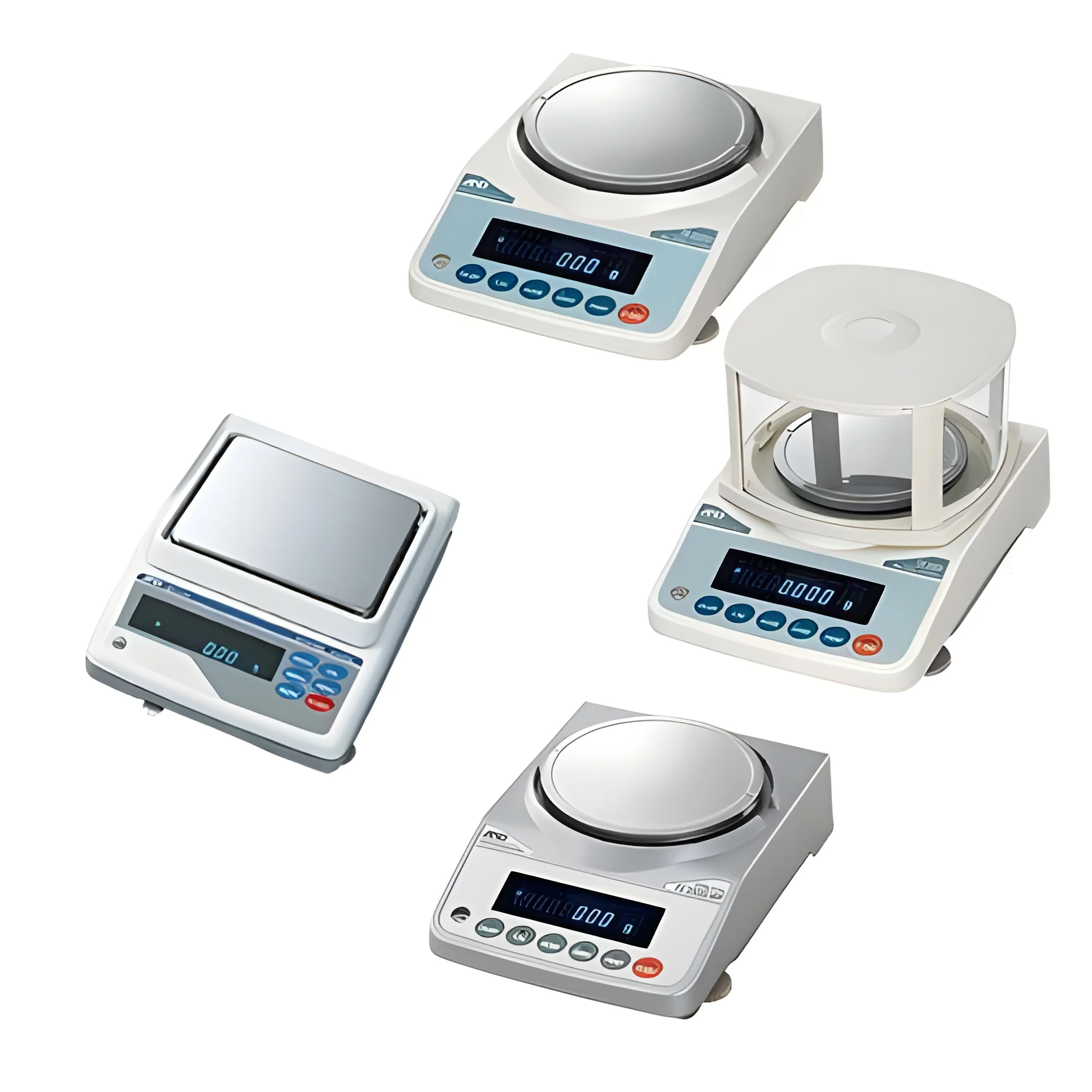
- Describes how measurements are presented, such as digital or analog displays.
- Digital displays often offer clearer readings and additional features.
6. Power Source
- Details the type of power required for operation, such as battery-operated or mains-powered.
- Battery-operated devices offer portability for field use.
7. Material Construction
- Indicates the materials used in the instrument's construction, affecting durability and resistance to environmental factors.
- Common materials include stainless steel, aluminum, and plastic.
8. Compliance Certifications
- Lists the certifications that the instrument meets, such as CE marking.
- Compliance ensures the instrument adheres to safety and performance standards.
In summary, precision measuring instruments are characterized by their high accuracy, diverse measurement capabilities, and adherence to industry standards, making them vital tools in various sectors.
𝗖𝗼𝗺𝗺𝗼𝗻 𝗔𝗽𝗽𝗹𝗶𝗰𝗮𝘁𝗶𝗼𝗻𝘀 𝗮𝗻𝗱 𝗨𝘀𝗲 𝗖𝗮𝘀𝗲𝘀
Precision measuring instruments are utilized across many industries, each with specific applications that highlight their importance.
1. Manufacturing: In manufacturing, these instruments are essential for quality control processes, ensuring that products meet precise specifications before they reach the market.
2. Aerospace: The aerospace industry relies on precision measuring tools for component fabrication and assembly, where minute errors can lead to significant safety risks.
3. Automotive: In automotive production, precision measuring instruments are used to verify the dimensions of parts and assemblies, which is critical for vehicle safety and performance.
4. Construction: In construction, tools such as laser distance meters and levels are used for accurate measurements during building projects, ensuring structures are built to exact specifications.
5. Research and Development: R&D departments in various fields use precision measuring instruments for experiments and product development, where accuracy is paramount.
6. Electronics: In the electronics sector, precision measuring instruments are used to test and ensure the quality of components and assemblies, which is vital for product functionality.
7. Healthcare: In healthcare, precision measuring tools are used in laboratories for testing and diagnostics, where accuracy can impact patient outcomes.
𝗣𝗿𝗼𝗱𝘂𝗰𝘁 𝗩𝗮𝗿𝗶𝗮𝗻𝘁𝘀 𝗮𝗻𝗱 𝗦𝘂𝗯𝗰𝗮𝘁𝗲𝗴𝗼𝗿𝗶𝗲𝘀
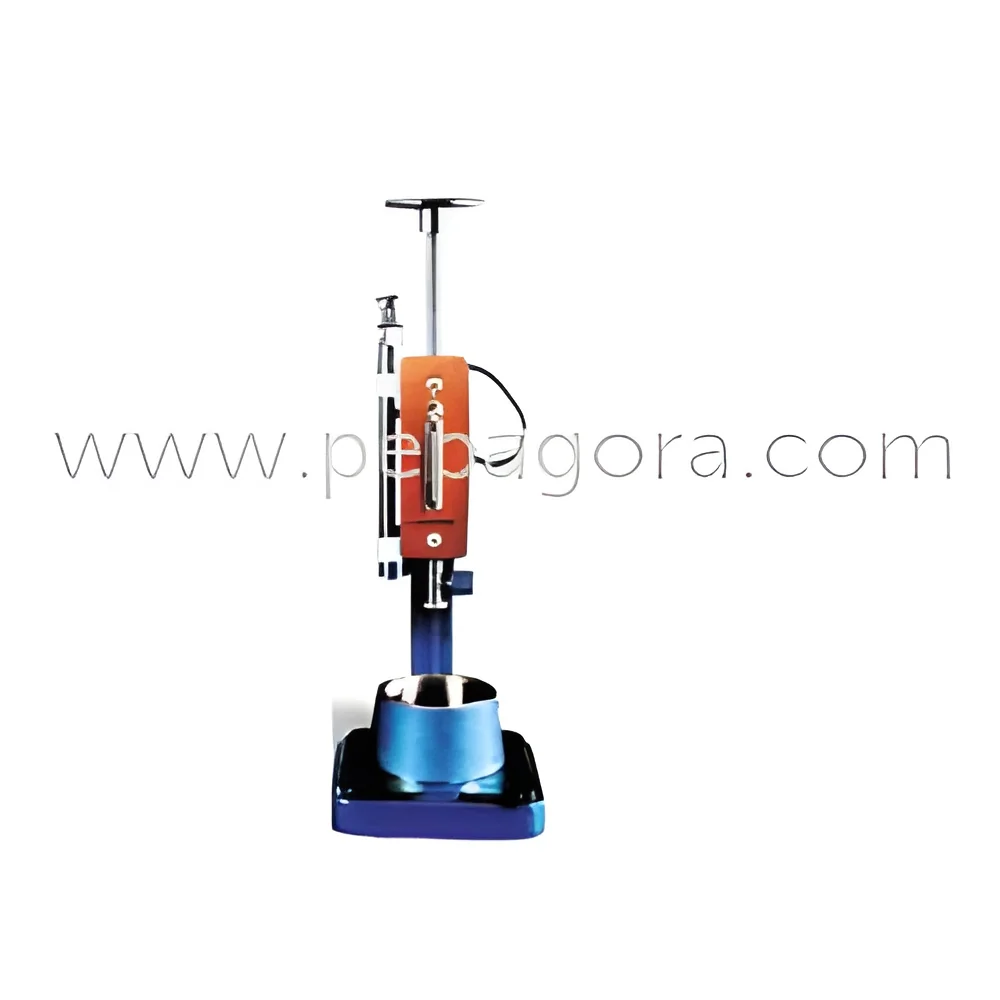
Precision measuring instruments come in various types, each designed to meet specific measurement needs in different applications.
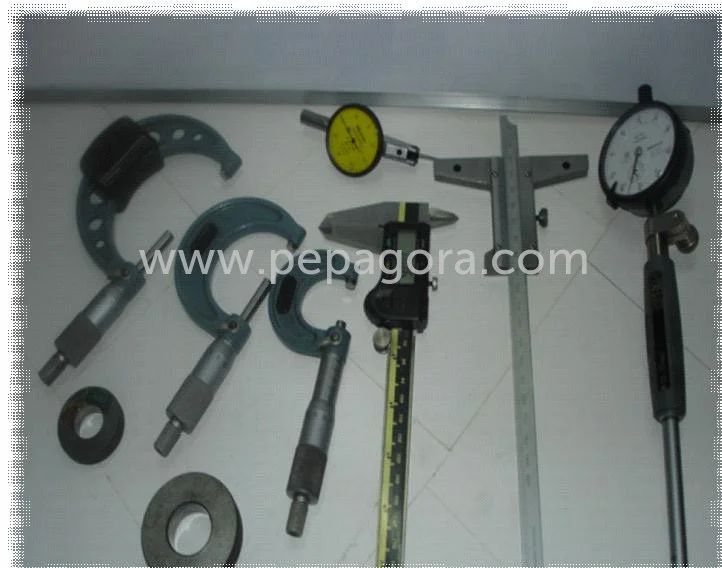
Calipers: Calipers are versatile tools used for measuring internal and external dimensions as well as depths. They are available in digital and analog formats, providing users with flexibility based on their preferences.
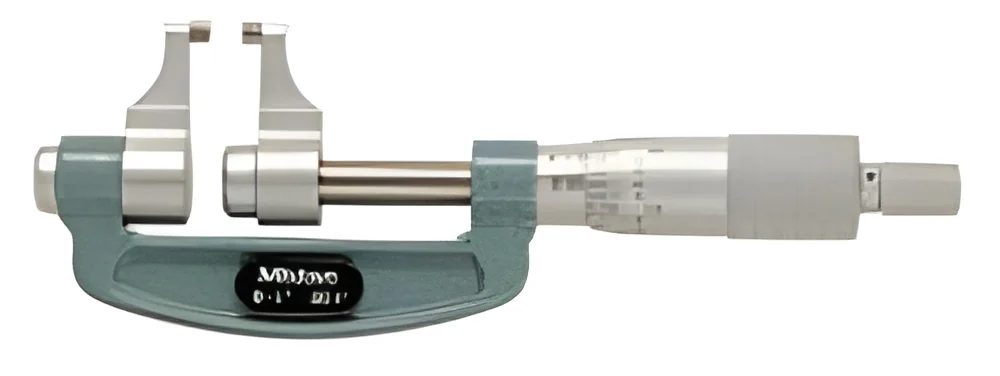
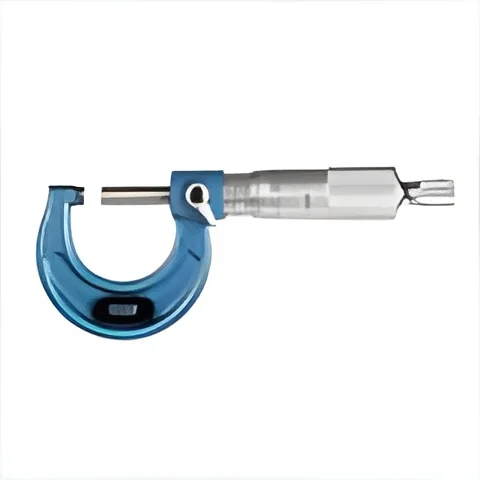
Micrometers: Micrometers are designed for high-precision measurements of small dimensions. They are commonly used in machining and manufacturing processes, where accurate measurements are critical.
Laser Distance Meters: These instruments utilize laser technology to measure distances accurately over long ranges. They are particularly useful in construction and surveying applications.
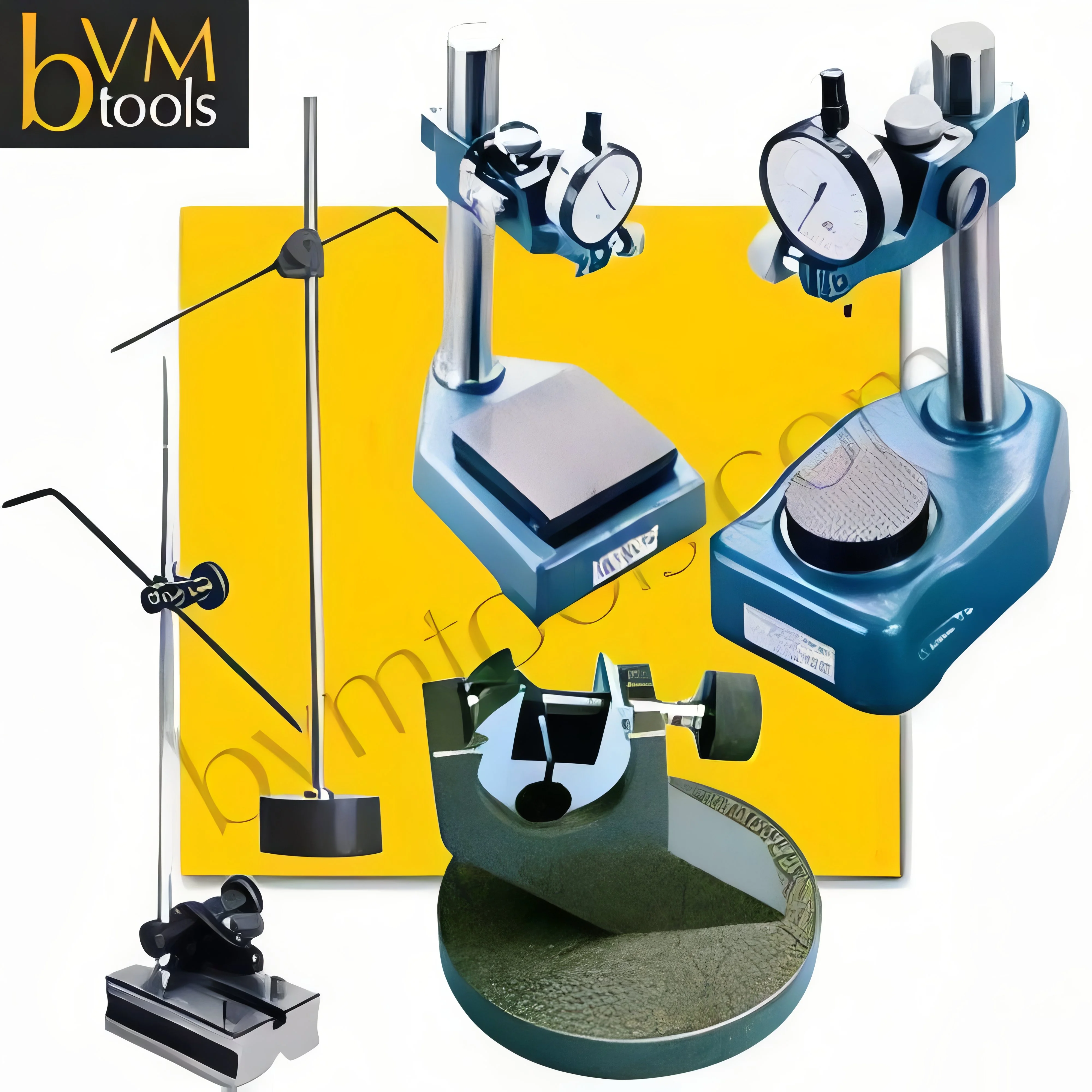
Dial Indicators: Dial indicators provide precise measurement of small distances and are often used in machining to check the accuracy of workpieces.
Digital Multimeters: Digital multimeters measure voltage, current, and resistance, making them essential in electrical applications for troubleshooting and testing.
𝗕𝗲𝗻𝗲𝗳𝗶𝘁𝘀 𝗮𝗻𝗱 𝗔𝗱𝘃𝗮𝗻𝘁𝗮𝗴𝗲𝘀
Precision measuring instruments offer numerous advantages that enhance operational efficiency in various industries.
1. Enhanced Accuracy: These instruments provide high levels of accuracy, reducing the likelihood of errors in measurements and ensuring product quality.
2. Increased Efficiency: With precise measurements, businesses can streamline their processes and reduce waste, leading to improved productivity.
3. Compliance Assurance: Using precision measuring instruments helps companies comply with industry standards and regulations, avoiding potential legal issues.
4. Cost Savings: By minimizing errors and improving quality, businesses can save on costs associated with rework and returns.
5. Versatility: These instruments can be used across multiple applications and industries, making them a valuable investment for diverse businesses.
6. User-Friendly Features: Many precision measuring instruments come with intuitive interfaces and digital displays, making them easier to use for operators of varying skill levels.
𝗕𝘂𝘆𝗶𝗻𝗴 𝗚𝘂𝗶𝗱𝗲 𝗳𝗼𝗿 𝗕𝟮𝗕 𝗕𝘂𝘆𝗲𝗿𝘀
When sourcing precision measuring instruments, B2B buyers should carefully consider several factors to ensure they select the right products for their needs.
1. Quality Assessment: Evaluate the quality of instruments by checking certifications, materials, and user reviews. Quality is essential for ensuring consistent performance and longevity.
2. Supplier Verification: Research potential suppliers to confirm their credibility and reputation in the industry. Look for established companies with positive feedback from other buyers.
3. Pricing and MOQ: Understand the pricing structure and the minimum order quantities (MOQ) required by suppliers. This helps in budgeting and ensures you meet supplier requirements.
4. Delivery and Lead Times: Inquire about delivery times and logistics to ensure that you can receive the instruments when needed. Delays can impact operations and project timelines.
5. Compliance Requirements: Verify that the instruments comply with relevant industry standards and regulations. This is crucial for maintaining quality assurance and legal compliance.
𝗖𝗼𝗺𝗽𝗹𝗶𝗮𝗻𝗰𝗲 𝗮𝗻𝗱 𝗖𝗲𝗿𝘁𝗶𝗳𝗶𝗰𝗮𝘁𝗶𝗼𝗻𝘀
Precision measuring instruments must adhere to various quality standards and certifications to ensure they meet industry expectations.
ISO 9001 is a widely recognized standard that outlines requirements for a quality management system. Instruments that comply with ISO 9001 demonstrate a commitment to quality and continual improvement.
CE marking is another important certification that indicates compliance with European health, safety, and environmental protection standards. This is particularly relevant for instruments sold in European markets.
Safety and testing requirements are also critical, as they ensure that precision measuring instruments meet necessary safety protocols during manufacturing and use. Compliance with these requirements helps mitigate risks associated with instrument failure.
Regional compliance considerations may vary based on local regulations. Buyers should be aware of specific standards applicable to their region to ensure that the instruments they purchase meet all necessary legal requirements.
𝗪𝗵𝘆 𝗦𝗼𝘂𝗿𝗰𝗲 𝗣𝗿𝗲𝗰𝗶𝘀𝗶𝗼𝗻 𝗠𝗲𝗮𝘀𝘂𝗿𝗶𝗻𝗴 𝗜𝗻𝘀𝘁𝗿𝘂𝗺𝗲𝗻𝘁𝘀 𝗳𝗿𝗼𝗺 𝗣𝗲𝗽𝗮𝗴𝗼𝗿𝗮?
Pepagora offers a trusted platform for sourcing precision measuring instruments, providing several advantages that set it apart from other suppliers.
Verified Supplier Network: Pepagora features a network of verified suppliers, ensuring that buyers have access to high-quality products from reputable manufacturers. This verification process helps mitigate risks associated with sourcing.
Streamlined RFQ Process: The request for quotation (RFQ) process on Pepagora is designed for efficiency. Buyers can easily submit their requirements and receive competitive quotes, simplifying the procurement process.
Trade Assurance and Support: Pepagora offers trade assurance that protects buyers against potential issues, ensuring a safe purchasing environment. Additionally, support services are available to assist buyers throughout their sourcing journey.
Regional Coverage: With a strong presence in India, the GCC, and Southeast Asia, Pepagora provides extensive regional coverage. This allows businesses to source precision measuring instruments locally, reducing shipping costs and lead times.
In conclusion, Pepagora is an excellent choice for businesses seeking reliable precision measuring instruments, thanks to its comprehensive supplier network and commitment to customer satisfaction.
Precision Measuring Instruments are tools designed to measure physical quantities with a high degree of accuracy. They are commonly used in various industries, including manufacturing, engineering, and quality control, to ensure that products meet specified tolerances.
2
What are the different types of Precision Measuring Instruments?
There are several types of Precision Measuring Instruments, including calipers, micrometers, gauges, and digital measuring tools. Each type serves specific measurement purposes, such as length, thickness, or internal/external dimensions.
3
How do I choose the right Precision Measuring Instruments?
Selecting the right Precision Measuring Instruments depends on the specific measurement needs and the level of accuracy required. Consider factors such as measurement range, resolution, and the environment in which the instruments will be used.
4
What are the standard specifications for Precision Measuring Instruments?
Standard specifications for Precision Measuring Instruments typically include accuracy, resolution, measurement range, and calibration standards. These specifications ensure that the instruments function correctly and provide reliable measurements.
5
What is the price range for Precision Measuring Instruments?
The price range for Precision Measuring Instruments can vary widely based on the type, brand, and features. Generally, prices can start from a few hundred rupees for basic models and can go up to several thousand rupees for high-end, specialized instruments.
6
What quality standards apply to Precision Measuring Instruments?
Quality standards for Precision Measuring Instruments often include ISO 9001 certifications and other industry-specific regulations. These standards help ensure that the instruments are manufactured to consistent quality levels and perform accurately.
7
Where can I find Precision Measuring Instruments suppliers in India?
You can find Precision Measuring Instruments suppliers in India through online B2B marketplaces like Pepagora, trade shows, and industry directories. It is advisable to compare multiple suppliers to assess their product range and reliability.
8
Can Precision Measuring Instruments be customized?
Yes, many manufacturers offer customization options for Precision Measuring Instruments to meet specific customer requirements. Customization may include alterations in size, features, or calibration settings.
9
What is the typical minimum order quantity for Precision Measuring Instruments?
The typical minimum order quantity (MOQ) for Precision Measuring Instruments varies by supplier and product type. Generally, MOQs can range from a single unit for standard items to larger quantities for bulk orders or specialized instruments.
10
What is the typical lead time for Precision Measuring Instruments?
The typical lead time for Precision Measuring Instruments can range from a few days to several weeks, depending on the supplier and the complexity of the order. Custom orders may take longer due to additional manufacturing and testing processes.
Why Businesses Trust Pepagora
Thousands of companies trust Pepagora to source smarter and sell faster
Expand Your Sales Globally
25000+Products listed.Get discovered by global buyers

 IN
IN