𝗪𝗵𝗮𝘁 𝗮𝗿𝗲 𝗚𝗿𝗮𝗶𝗻𝘀, 𝗖𝗲𝗿𝗲𝗮𝗹𝘀 & 𝗣𝘂𝗹𝘀𝗲𝘀?
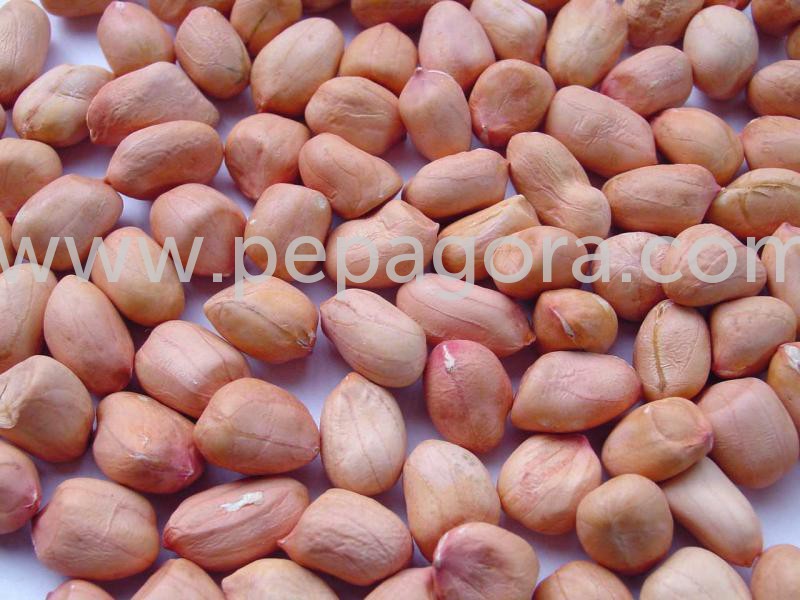
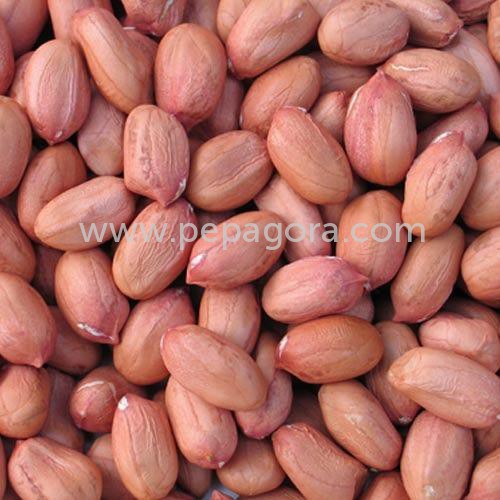
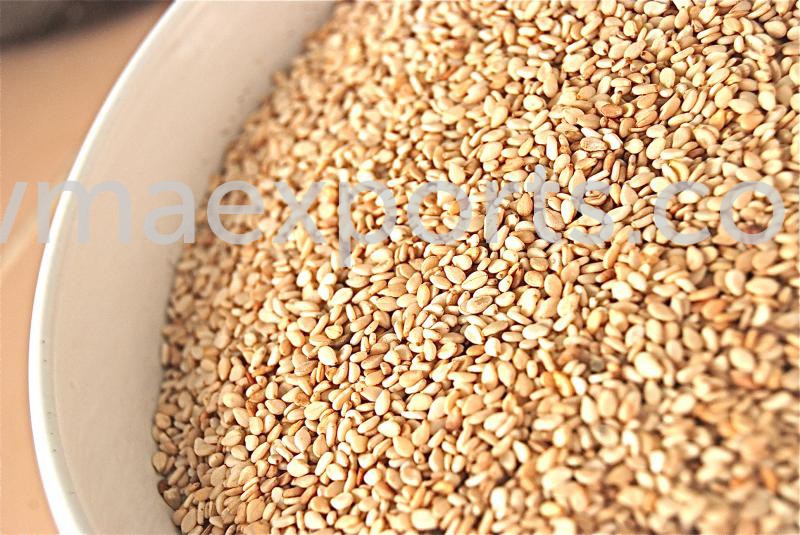
Grains, cereals, and pulses are essential agricultural products that serve as staple foods globally. Grains typically refer to the seeds of cereal crops such as wheat, rice, and corn. Cereals are a subset of grains that are cultivated primarily for human consumption. Pulses, on the other hand, are legumes that are harvested for their dry seeds, including varieties like lentils, chickpeas, and beans. Together, these products form a significant component of diets around the world due to their nutritional value, richness in carbohydrates, proteins, and fibers.
The primary uses of grains, cereals, and pulses extend far beyond human consumption. They play a crucial role in animal feed, food processing, and various industrial applications. In the food industry, these products are foundational ingredients in a wide range of items such as bread, pasta, and snacks. Moreover, grains and pulses are increasingly recognized for their health benefits, driving demand in health-conscious markets. The relevance of these products in the global market is underscored by their impact on food security and agricultural economies, making them critical for both local and international trade dynamics.
𝗞𝗲𝘆 𝗙𝗲𝗮𝘁𝘂𝗿𝗲𝘀 𝗮𝗻𝗱 𝗦𝗽𝗲𝗰𝗶𝗳𝗶𝗰𝗮𝘁𝗶𝗼𝗻𝘀
Grains, cereals, and pulses come with various features that cater to different market needs. Understanding the specifications is vital for making informed purchasing decisions.
Key specifications include:
1. Grain Type
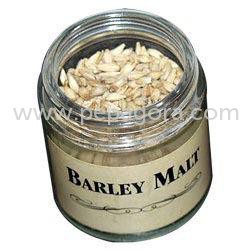
- Includes wheat, rice, corn, and barley
- Varies in protein content, moisture levels, and culinary uses
2. Purity and Quality
- Defined by the absence of contaminants and foreign materials
- Typically ranges from 95% to 99% purity
3. Moisture Content
- Critical for shelf life and storage
- Generally maintained between 12% to 14% for optimal quality
4. Protein Content
- Varies by type, influencing nutritional profiles
- Commonly ranges from 8% to 15% for cereals
5. Packaging Options
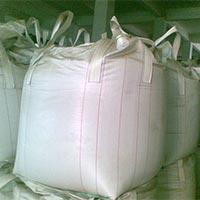
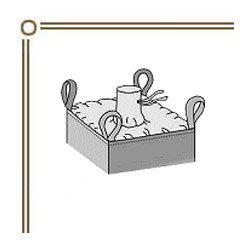
- Available in bulk, bags, or boxed formats
- Designed for ease of transport and storage
6. Shelf Life
- Dependent on type and storage conditions
- Typically ranges from 6 months to several years
7. Nutritional Profile
- Rich in carbohydrates, fiber, and essential vitamins
- Varies by specific grain or pulse type
8. Compliance Standards
- Adherence to food safety and quality standards
- Includes certifications such as CE and UL
These specifications ensure that buyers can select products that meet their needs while adhering to industry standards.
𝗖𝗼𝗺𝗺𝗼𝗻 𝗔𝗽𝗽𝗹𝗶𝗰𝗮𝘁𝗶𝗼𝗻𝘀 𝗮𝗻𝗱 𝗨𝘀𝗲 𝗖𝗮𝘀𝗲𝘀
Grains, cereals, and pulses find widespread application across various sectors.
1. Food Industry: These products are fundamental in the production of baked goods, cereals, and snacks. They are used for their nutritional content and versatility in recipes.
2. Animal Feed: Grains like corn and barley are critical in livestock feed formulations, providing energy and essential nutrients to animals.
3. Food Processing: Pulses are often processed into flour or protein isolates for use in vegetarian and vegan products, enhancing their market appeal.
4. Health and Nutrition: Many health food brands incorporate grains and legumes into their products, promoting them as sources of plant-based protein and dietary fiber.
5. Export and Trade: Grains and pulses are key commodities in international trade, with significant demand from countries focusing on food security.
6. Ethanol Production: Certain grains, particularly corn, are used in the biofuel industry to produce ethanol, showcasing their versatility beyond food.
7. Manufacturing: Some grains are utilized in non-food products, such as biodegradable packaging materials and adhesives.
𝗣𝗿𝗼𝗱𝘂𝗰𝘁 𝗩𝗮𝗿𝗶𝗮𝗻𝘁𝘀 𝗮𝗻𝗱 𝗦𝘂𝗯𝗰𝗮𝘁𝗲𝗴𝗼𝗿𝗶𝗲𝘀
The diversity of grains, cereals, and pulses allows for various product variants that cater to specific market needs.
Whole Grains
Whole grains retain all parts of the grain kernel, including the bran, germ, and endosperm. They are rich in nutrients and are often marketed as healthier alternatives to refined grains.
Processed Cereals
These include cereals that have undergone milling or other forms of processing. They come in various forms, including flakes, puffs, and granola, targeting health-conscious consumers.
Dried Pulses
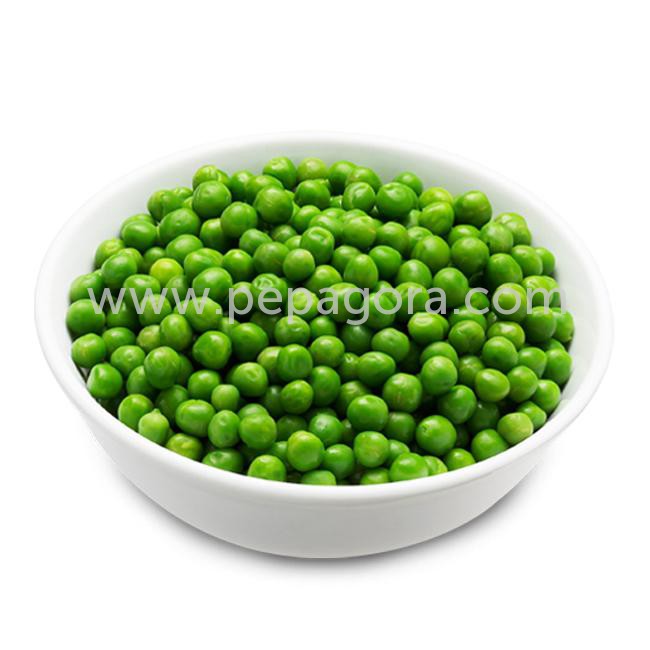
Dried lentils, beans, and peas are popular for their long shelf life and high protein content. They are widely used in soups, stews, and salads.
Flour Varieties
Grain and pulse flours, such as whole wheat, chickpea, and almond flour, are increasingly popular in gluten-free and healthy cooking, catering to specialized diets.
𝗕𝗲𝗻𝗲𝗳𝗶𝘁𝘀 𝗮𝗻𝗱 𝗔𝗱𝘃𝗮𝗻𝘁𝗮𝗴𝗲𝘀
Grains, cereals, and pulses offer several advantages for businesses sourcing these products.
1. Nutritional Value: They provide a rich source of carbohydrates, proteins, and essential vitamins, making them vital for health-focused consumers.
2. Versatility: These products can be used in a variety of applications, from cooking to food processing, enhancing their marketability.
3. Cost-Effectiveness: Grains and pulses are generally affordable, providing a cost-effective way to meet dietary needs across different markets.
4. Sustainable Sourcing: Many grains and pulses can be cultivated in diverse climates, promoting sustainable agricultural practices and reducing the carbon footprint.
5. Long Shelf Life: Properly stored grains and pulses can last for extended periods, ensuring reliable inventory for businesses.
6. Increased Demand: As global awareness of health and nutrition grows, the demand for these products continues to rise, creating opportunities for suppliers.
𝗕𝘂𝘆𝗶𝗻𝗴 𝗚𝘂𝗶𝗱𝗲 𝗳𝗼𝗿 𝗕𝟮𝗕 𝗕𝘂𝘆𝗲𝗿𝘀
When sourcing grains, cereals, and pulses, buyers should keep several factors in mind to ensure quality and efficiency.
1. Quality Assessment: Evaluate the quality based on purity, moisture content, and grading standards. High-quality products are essential for ensuring customer satisfaction.
2. Supplier Verification: Conduct background checks on suppliers to ensure they have a good reputation and adhere to industry standards. This step is crucial for building long-term partnerships.
3. Pricing and MOQ: Understand the pricing structures and minimum order quantities. Compare prices among different suppliers to ensure competitive rates without compromising quality.
4. Delivery and Lead Times: Discuss logistics and lead times with suppliers to ensure timely delivery of products, which is critical for maintaining production schedules.
5. Compliance Requirements: Ensure that the products meet relevant regulatory and safety standards. Familiarize yourself with local and international compliance requirements to avoid potential legal issues.
𝗖𝗼𝗺𝗽𝗹𝗶𝗮𝗻𝗰𝗲 𝗮𝗻𝗱 𝗖𝗲𝗿𝘁𝗶𝗳𝗶𝗰𝗮𝘁𝗶𝗼𝗻𝘀
Compliance with quality standards is critical for grains, cereals, and pulses. Key standards include ISO 9001, which ensures quality management systems are in place, and HACCP, which addresses food safety through risk assessment and management.
Industry certifications such as CE and UL are also important, as they signify adherence to safety and quality regulations. These certifications can enhance the credibility of suppliers and assure buyers of product integrity.
Safety and testing requirements are essential to ensure that grains and pulses are free from contaminants and safe for consumption. Regular testing for pesticides, mycotoxins, and other harmful substances is crucial for maintaining quality.
Additionally, regional compliance considerations may vary based on local regulations and market demands. Understanding these nuances can help businesses navigate the complexities of sourcing and selling grains, cereals, and pulses effectively.
𝗪𝗵𝘆 𝗦𝗼𝘂𝗿𝗰𝗲 𝗚𝗿𝗮𝗶𝗻𝘀, 𝗖𝗲𝗿𝗲𝗮𝗹𝘀 & 𝗣𝘂𝗹𝘀𝗲𝘀 𝗳𝗿𝗼𝗺 𝗣𝗲𝗽𝗮𝗴𝗼𝗿𝗮?
Pepagora provides a trusted platform for sourcing grains, cereals, and pulses with several key advantages that benefit B2B buyers.
Verified Supplier Network: Pepagora ensures that all suppliers are thoroughly vetted, providing buyers with confidence in the quality and reliability of the products they purchase. This verification process helps mitigate risks associated with sourcing.
Streamlined RFQ Process: The request for quotation (RFQ) system simplifies the procurement process, allowing buyers to request quotes from multiple suppliers quickly. This efficiency saves time and enhances decision-making.
Trade Assurance and Support: Buyers are protected through trade assurance programs that guarantee product quality and timely delivery. This support fosters a secure purchasing environment.
Regional Coverage: With a vast network that spans India, the GCC, and Southeast Asia, Pepagora offers buyers access to a diverse range of products and suppliers, facilitating global trade opportunities. This extensive reach helps businesses find the right products to meet their needs effectively.
Grains, Cereals & Pulses refer to a category of staple foods that are primarily derived from plants. Grains are the seeds of various plants, cereals are a subset that includes crops like wheat and rice, while pulses refer to legumes such as lentils and chickpeas. These foods are rich in essential nutrients and serve as a primary source of energy for many populations.
2
What are the different types of Grains, Cereals & Pulses?
The different types of Grains, Cereals & Pulses include whole grains like brown rice and quinoa, refined grains like white rice and flour, and various cereals such as oats and barley. Pulses include lentils, beans, peas, and chickpeas. Each type offers unique nutritional benefits and culinary uses.
3
How do I choose the right Grains, Cereals & Pulses?
Choosing the right Grains, Cereals & Pulses depends on your nutritional needs and culinary preferences. Consider factors such as the grain or pulse variety, processing method, and intended use in recipes. It is also important to check for quality certifications and freshness when selecting products.
4
What are the standard specifications for Grains, Cereals & Pulses?
Standard specifications for Grains, Cereals & Pulses include moisture content, color, size, and purity. These specifications may vary based on the type of grain or pulse and are essential for ensuring quality and safety. Compliance with industry standards and food safety regulations is also critical.
5
What is the price range for Grains, Cereals & Pulses?
The price range for Grains, Cereals & Pulses can vary significantly based on type, quality, and sourcing. Generally, prices may range from a few dozen to several hundred rupees per kilogram. Bulk purchases often provide cost savings, and prices are subject to market fluctuations.
6
What quality standards apply to Grains, Cereals & Pulses?
Quality standards for Grains, Cereals & Pulses typically include parameters set by food safety authorities, such as the Food Safety and Standards Authority of India (FSSAI). These standards cover aspects like pesticide residue limits, microbiological safety, and labeling requirements to ensure consumer safety.
7
Where can I find Grains, Cereals & Pulses suppliers in India?
You can find Grains, Cereals & Pulses suppliers in India through various channels, including online B2B marketplaces like Pepagora. Additionally, local agricultural fairs, trade shows, and industry directories can provide valuable contacts for reputable suppliers in the region.
8
Can Grains, Cereals & Pulses be customized?
Yes, Grains, Cereals & Pulses can sometimes be customized based on specific requirements, such as packaging size and branding. Certain suppliers may also offer processed forms or blends tailored to particular culinary applications. It is advisable to discuss customization options directly with suppliers.
9
What is the typical minimum order quantity for Grains, Cereals & Pulses?
The typical minimum order quantity (MOQ) for Grains, Cereals & Pulses varies by supplier and product type. Generally, MOQs can range from 50 kg to several tons depending on the supplier's policies and the nature of the product. Always confirm the MOQ with your chosen supplier.
10
What is the typical lead time for Grains, Cereals & Pulses?
The typical lead time for Grains, Cereals & Pulses can vary based on factors such as supplier location, order size, and processing time. Generally, lead times may range from one week to several weeks for bulk orders. It is recommended to discuss lead times directly with the supplier to ensure timely delivery.
Why Businesses Trust Pepagora
Thousands of companies trust Pepagora to source smarter and sell faster
Expand Your Sales Globally
25000+Products listed.Get discovered by global buyers

 IN
IN

 India
India