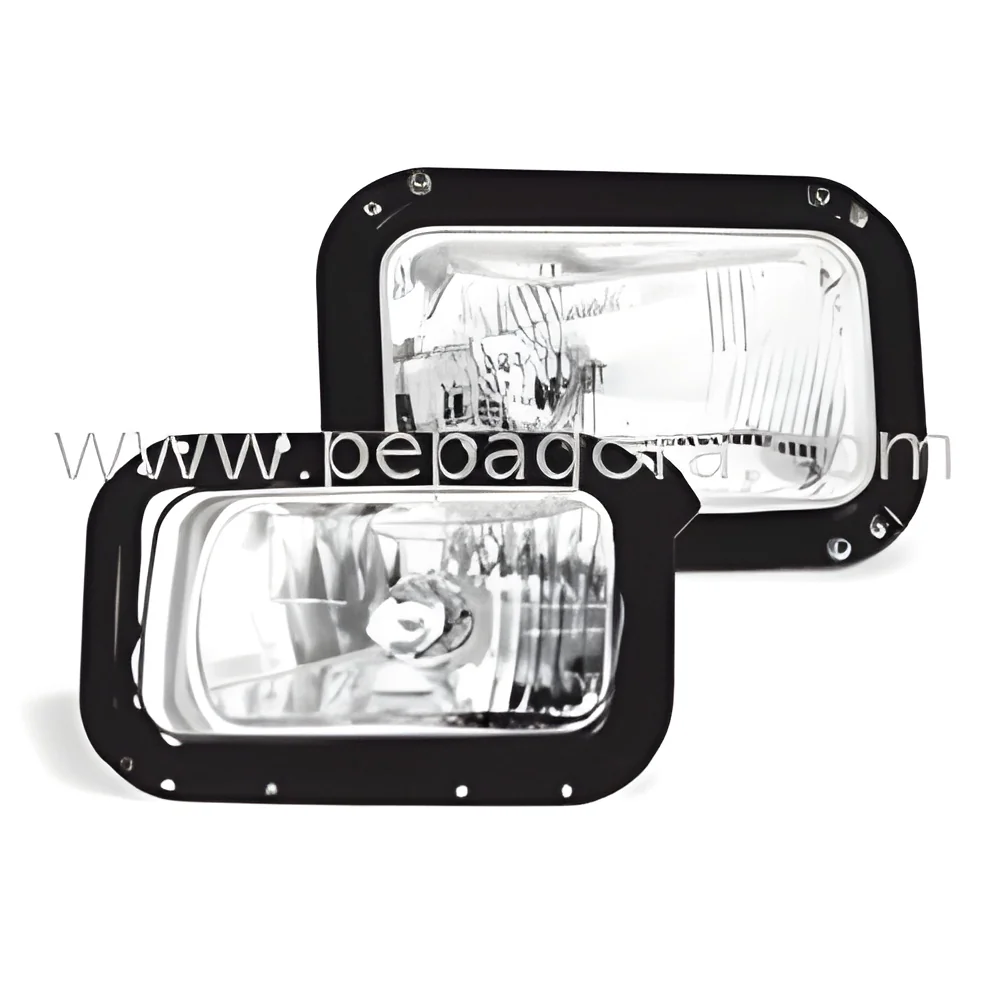
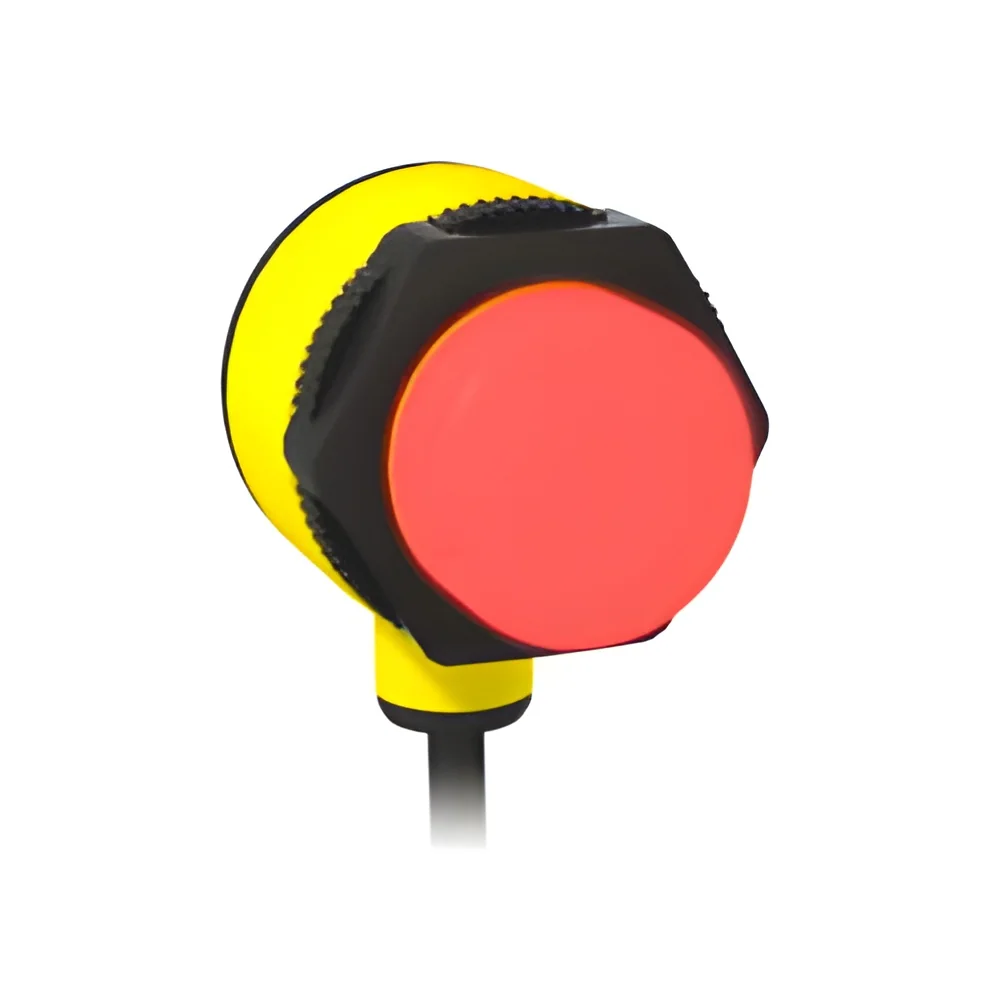
𝗪𝗵𝗮𝘁 𝗮𝗿𝗲 𝗟𝗶𝗴𝗵𝘁𝗶𝗻𝗴 & 𝗦𝗶𝗴𝗻𝗮𝗹𝗶𝗻𝗴 𝗗𝗲𝘃𝗶𝗰𝗲𝘀?
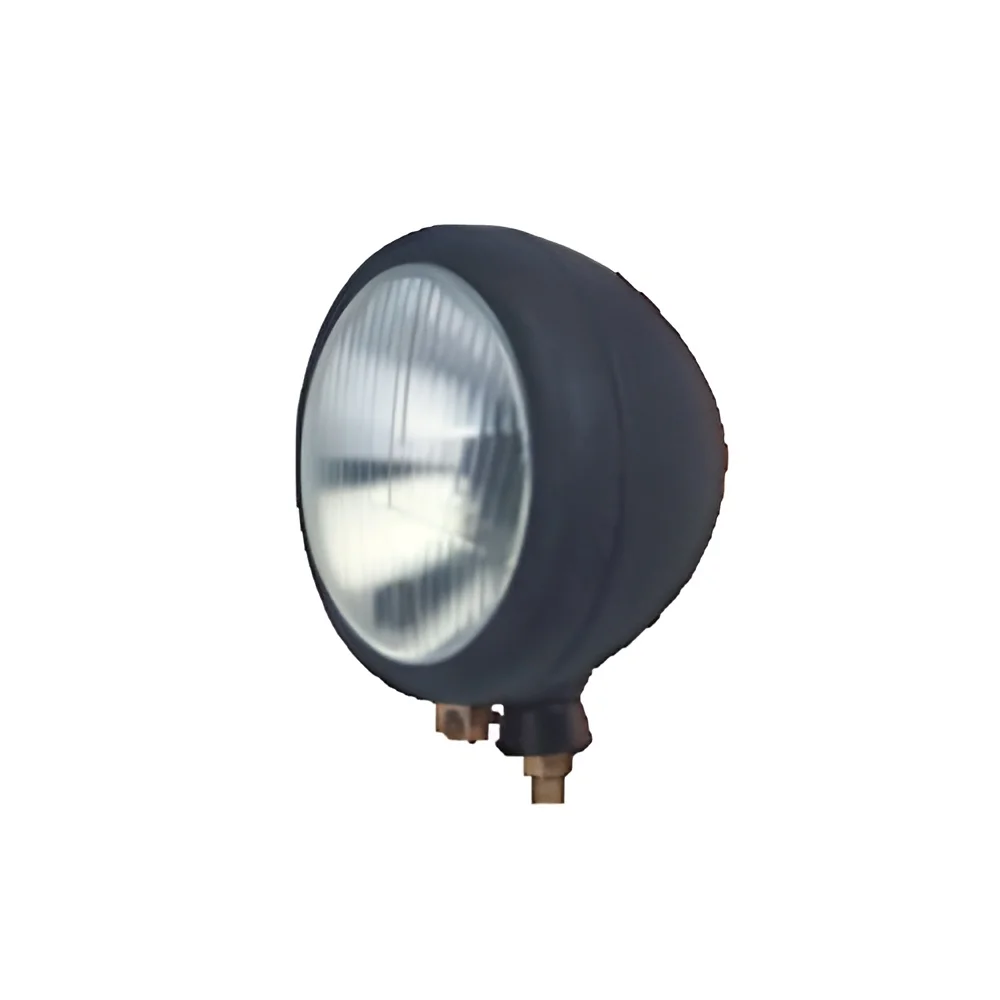
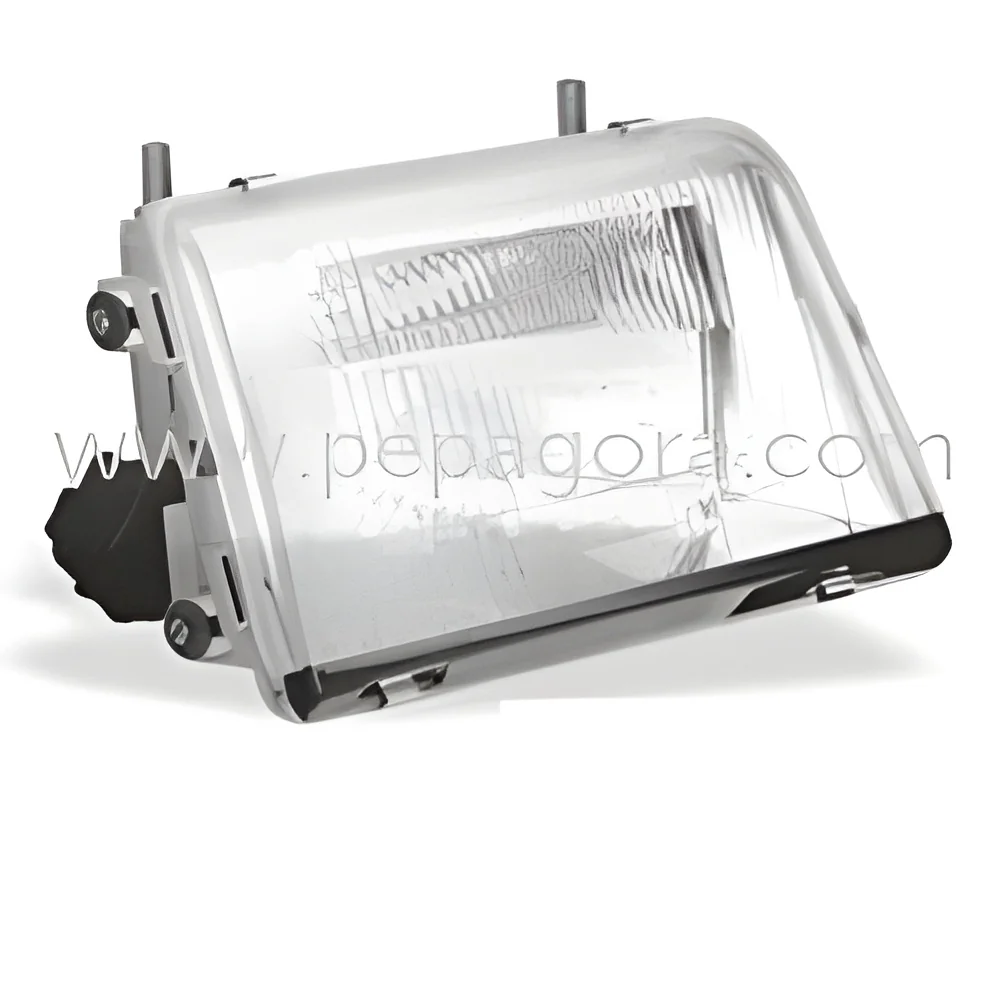
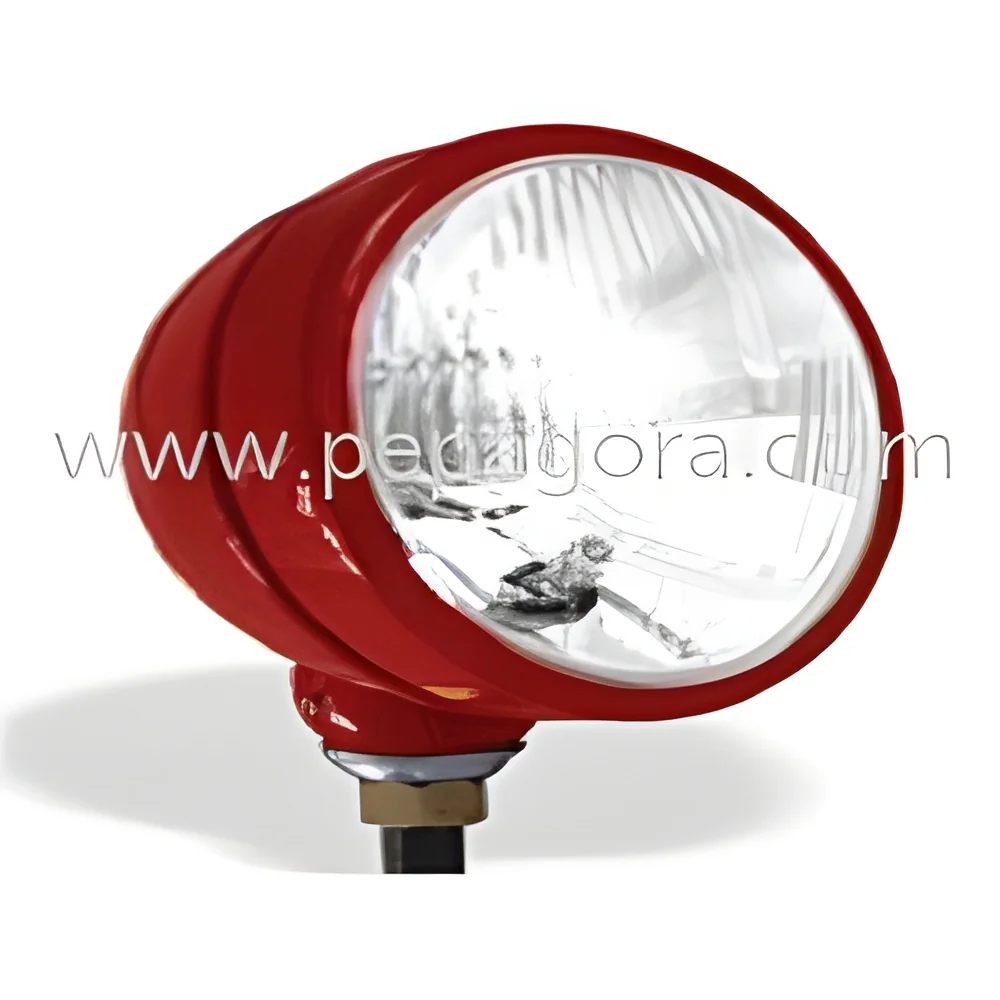
Lighting and signaling devices are essential components in various industries, providing illumination and visual alerts to ensure safety and efficiency in operations. These devices include a wide range of products such as LED lights, warning beacons, and traffic signals, designed to enhance visibility and communication in both indoor and outdoor settings. Their primary function is to convey important information and warnings through light signals, ensuring that personnel and equipment are operating safely.
These devices are utilized across multiple sectors, including manufacturing, transportation, construction, and emergency services. For instance, in manufacturing plants, they help guide workers and indicate machine status. In transportation, signaling devices are crucial for traffic management and road safety. As industries continue to evolve, the demand for reliable and effective lighting and signaling solutions is growing, making them a critical aspect of operational safety and efficiency.
The relevance of lighting and signaling devices in today's market cannot be overstated. With increasing regulations around workplace safety and environmental standards, businesses are investing in high-quality devices that meet industry specifications. Moreover, the rise of smart technologies is influencing the development of advanced lighting solutions that offer enhanced features and connectivity, further driving market growth.
𝗞𝗲𝘆 𝗙𝗲𝗮𝘁𝘂𝗿𝗲𝘀 𝗮𝗻𝗱 𝗦𝗽𝗲𝗰𝗶𝗳𝗶𝗰𝗮𝘁𝗶𝗼𝗻𝘀
Lighting and signaling devices come with a variety of features and specifications that cater to different operational needs. Understanding these specifications is crucial when selecting the right devices for specific applications.
Key specifications include:
1. Light Output
- Measured in lumens, this specification indicates the brightness level of the device.
- It ranges from low-intensity indicators to high-output floodlights.
2. Power Consumption
- Indicates the energy required to operate the device, typically measured in watts.
- Devices vary in energy efficiency, with LED options being the most energy-saving.
3. Operating Temperature Range
- Specifies the environmental temperature conditions the device can withstand.
- This range is critical for outdoor applications, ensuring functionality in extreme temperatures.
4. Mounting Options
- Various mounting configurations are available, including wall, ceiling, and pole mounts.
- Flexibility in installation is essential for adapting to different environments.
5. Visibility Distance
- Refers to the maximum distance from which the signal can be seen clearly.
- This is vital for signaling devices used in traffic and industrial settings.
6. Color Options
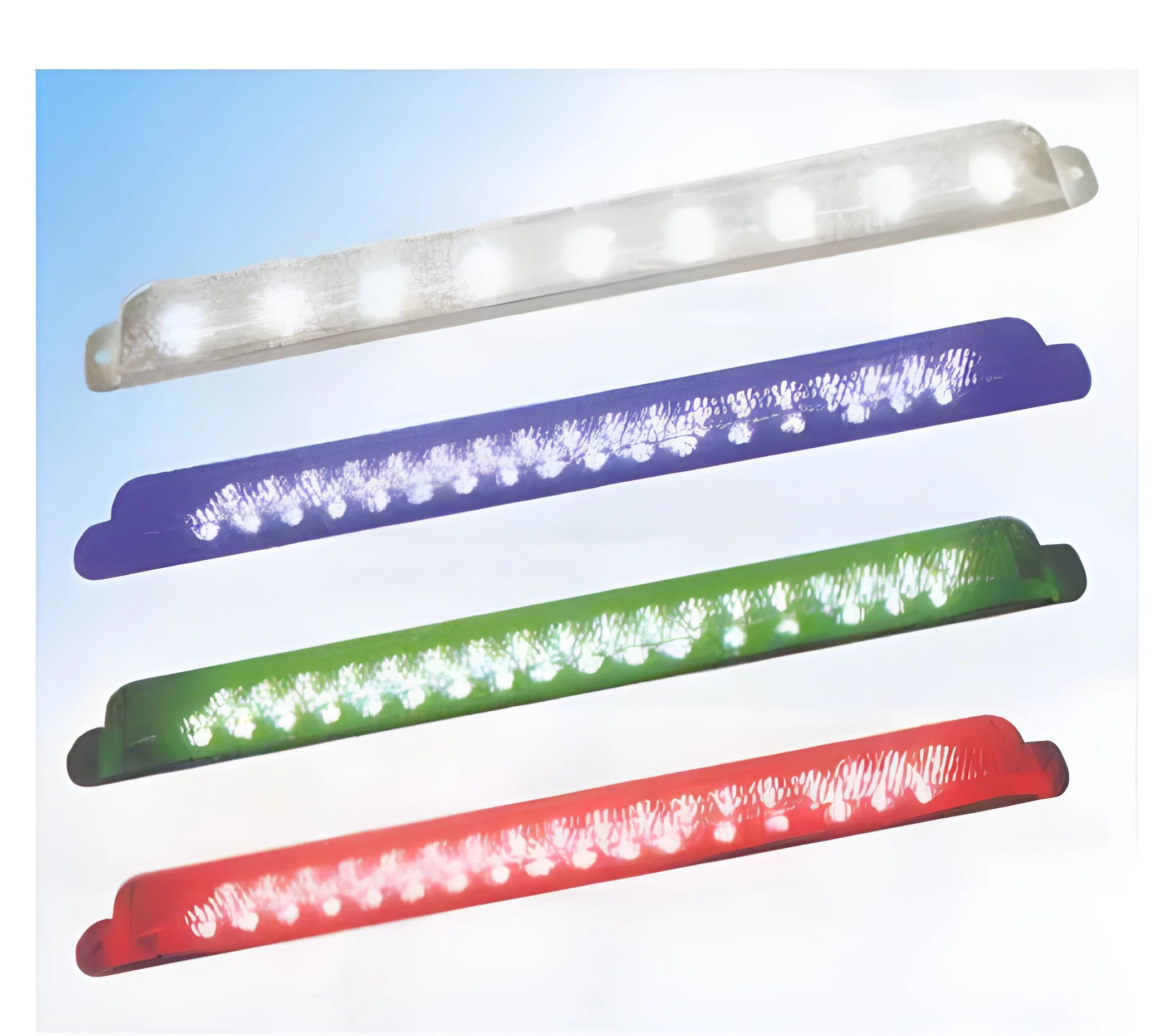
- Devices may offer a range of colors for signaling purposes, such as red for danger and green for safety.
- Customization in color enhances the effectiveness of visual communication.
7. Durability Rating
- Measured by Ingress Protection (IP) ratings, indicating resistance to dust and moisture.
- High ratings are essential for outdoor and harsh environments.
8. Compliance Standards
- Devices must meet certain industry standards, such as CE certification for safety.
- Compliance ensures that products are reliable and safe for use.
In summary, understanding these key features and specifications helps businesses make informed decisions when selecting lighting and signaling devices that meet their operational needs.
𝗖𝗼𝗺𝗺𝗼𝗻 𝗔𝗽𝗽𝗹𝗶𝗰𝗮𝘁𝗶𝗼𝗻𝘀 𝗮𝗻𝗱 𝗨𝘀𝗲 𝗖𝗮𝘀𝗲𝘀
Lighting and signaling devices serve a wide array of industries, each with specific applications designed to enhance safety and operational efficiency.
1. Manufacturing: In manufacturing environments, signaling devices are used to indicate machine status, alert workers to potential hazards, and facilitate safe movement within facilities.
2. Transportation: Traffic signals and warning lights are crucial for managing vehicle and pedestrian traffic, ensuring safe navigation on roads and highways.
3. Construction: Construction sites utilize lighting to improve visibility during night operations and signaling devices to alert workers and passersby of potential dangers.
4. Emergency Services: Ambulances and fire trucks are equipped with high-visibility lights and sirens to ensure rapid response and safe passage through traffic.
5. Warehousing: In large warehouses, lighting is essential for safe navigation and efficient operation, while signaling devices help coordinate the movement of goods.
6. Aviation: Aircraft lighting systems provide crucial information for pilots during takeoff and landing, as well as for ground operations.
7. Maritime: Navigation lights on vessels are vital for safe travel at sea, helping to communicate the position and status of boats.
𝗣𝗿𝗼𝗱𝘂𝗰𝘁 𝗩𝗮𝗿𝗶𝗮𝗻𝘁𝘀 𝗮𝗻𝗱 𝗦𝘂𝗯𝗰𝗮𝘁𝗲𝗴𝗼𝗿𝗶𝗲𝘀
The diversity of lighting and signaling devices allows for tailored solutions to meet various operational needs.
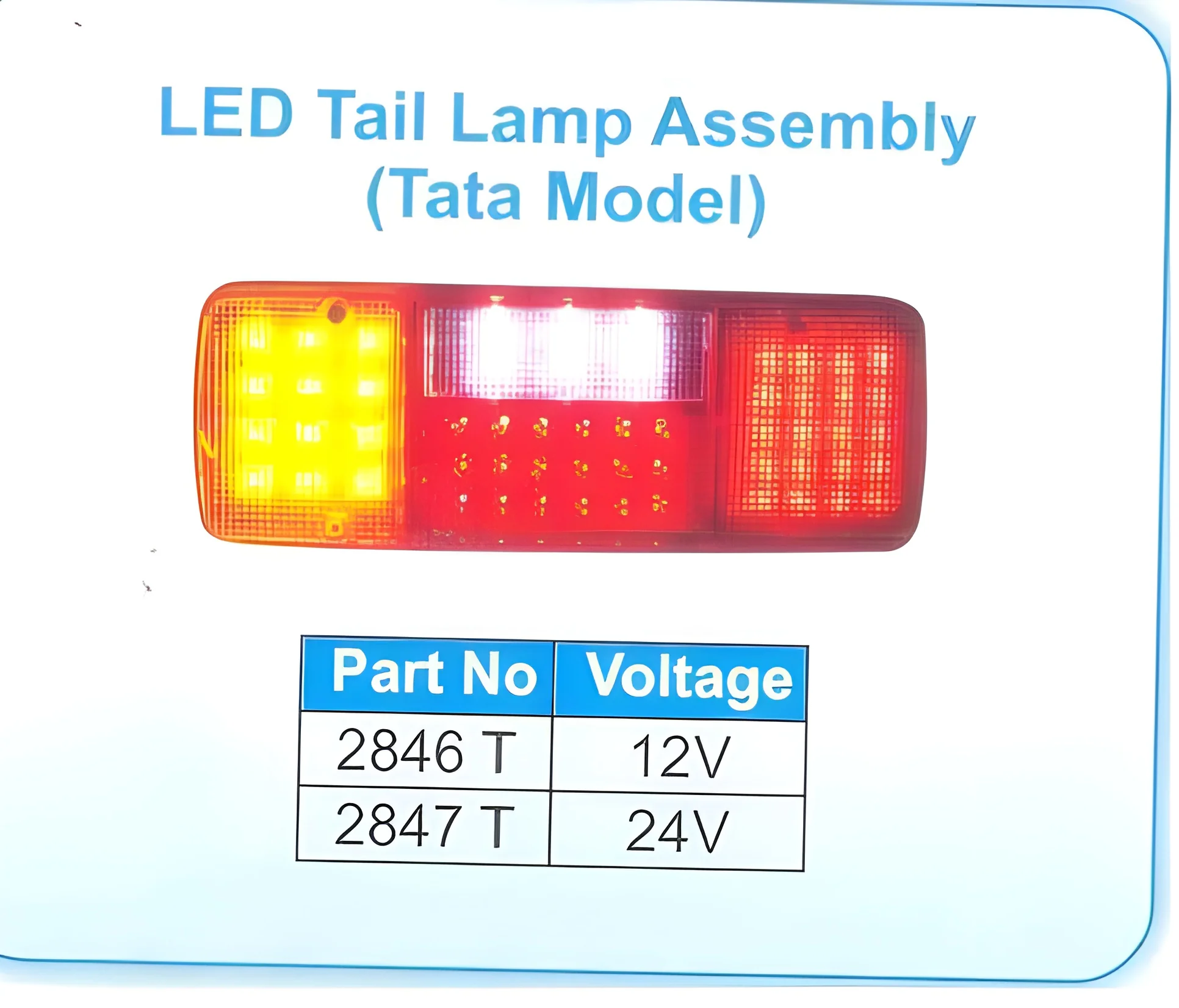
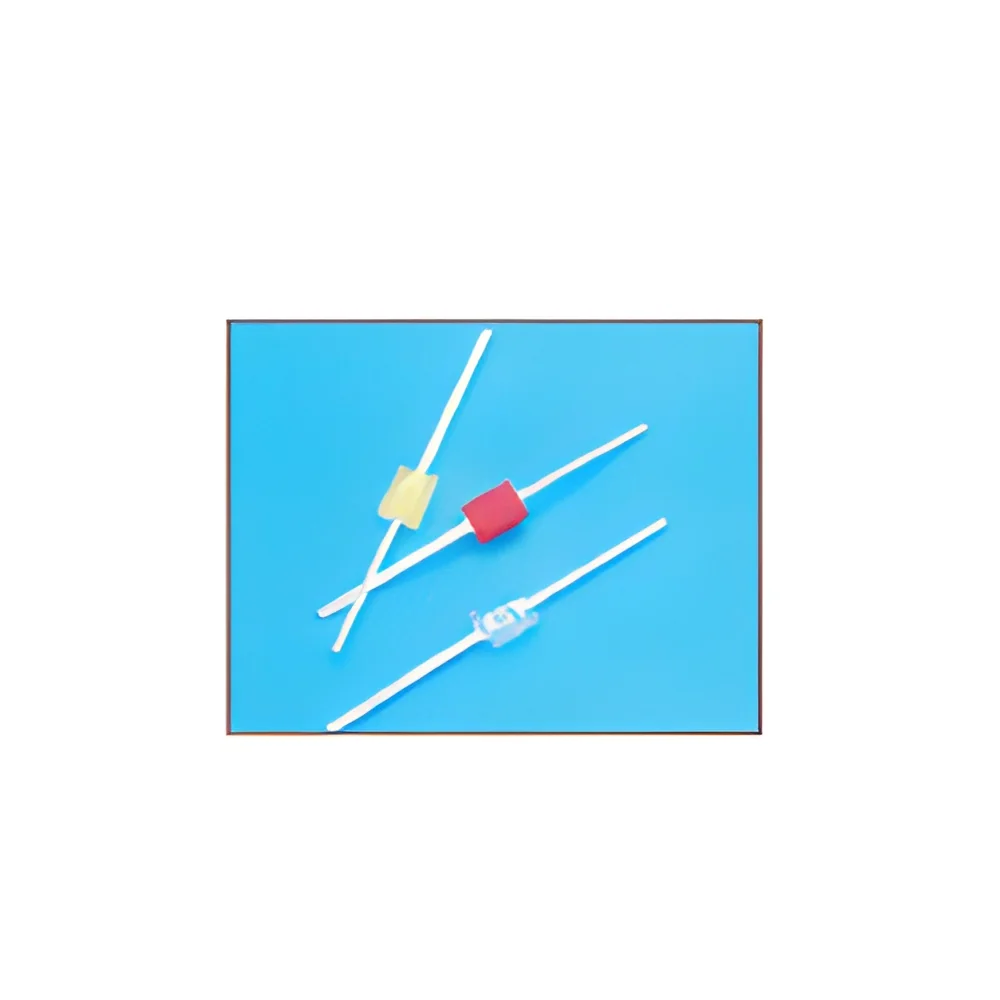
LED Signal Lights
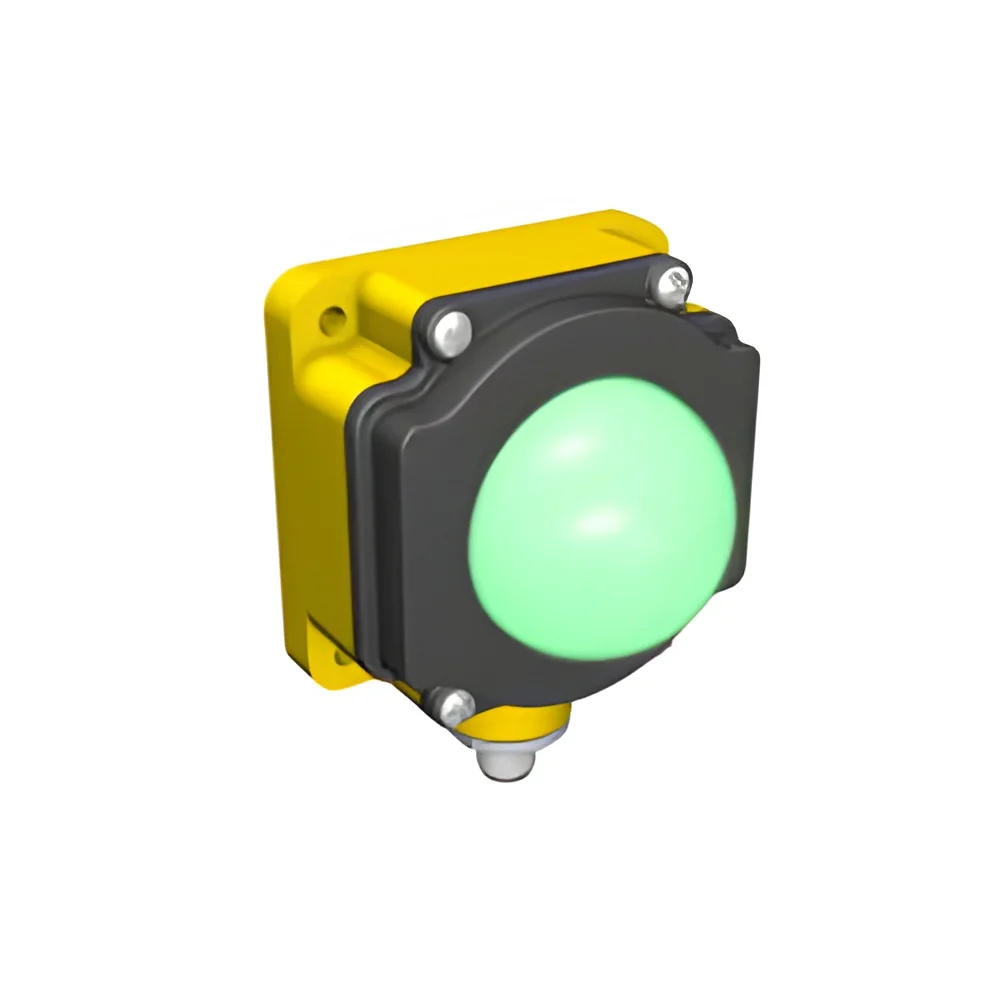
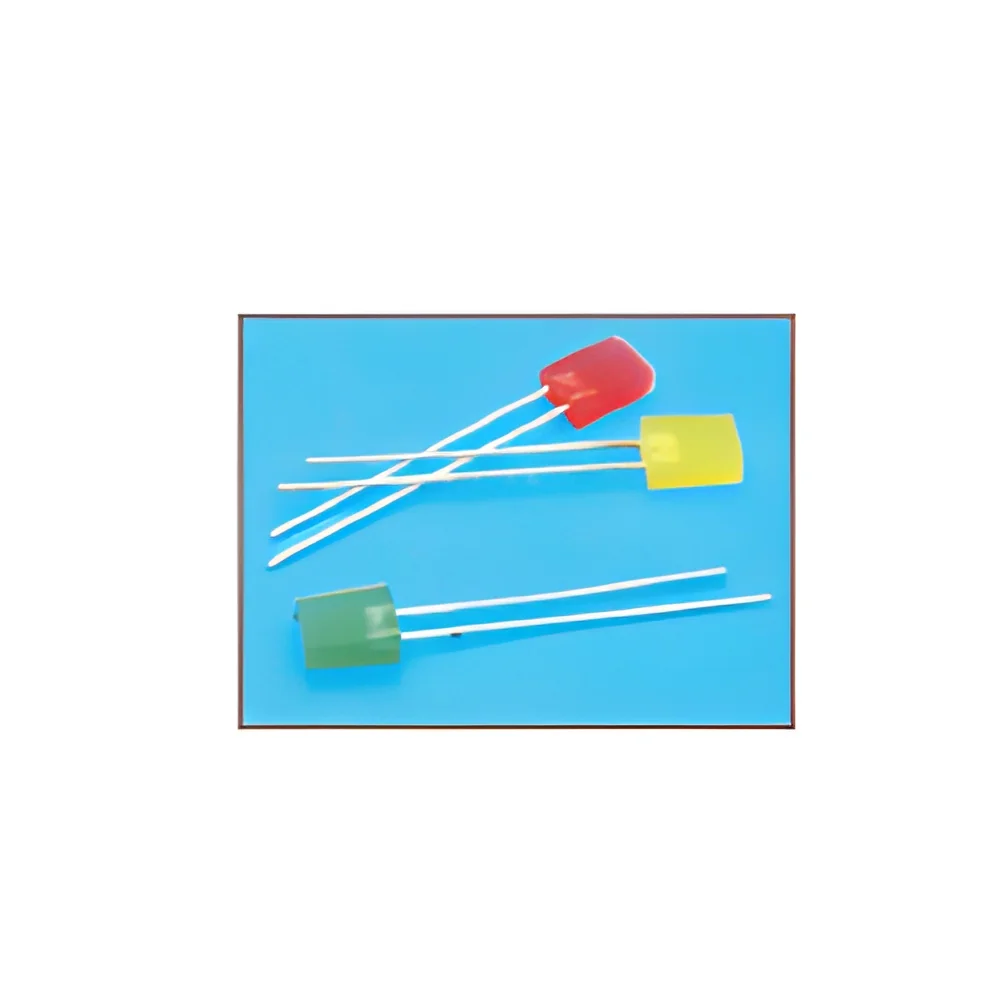
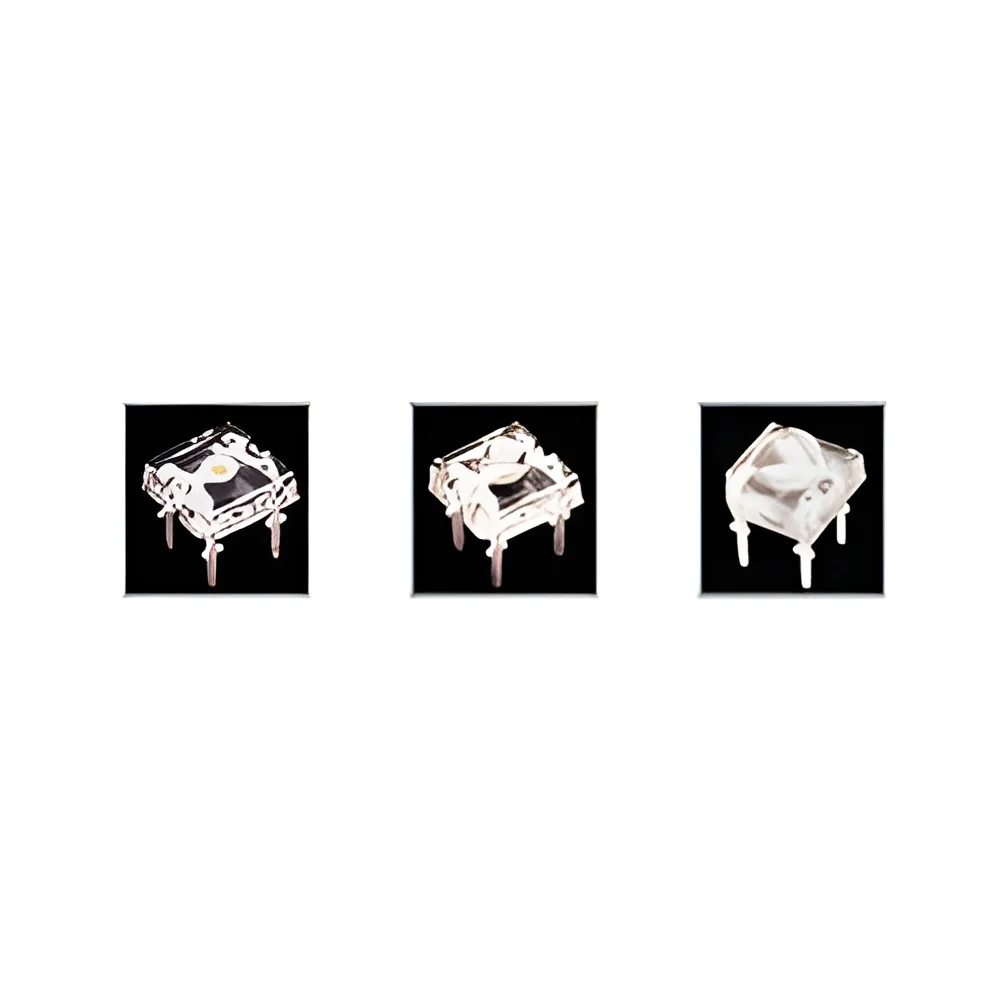
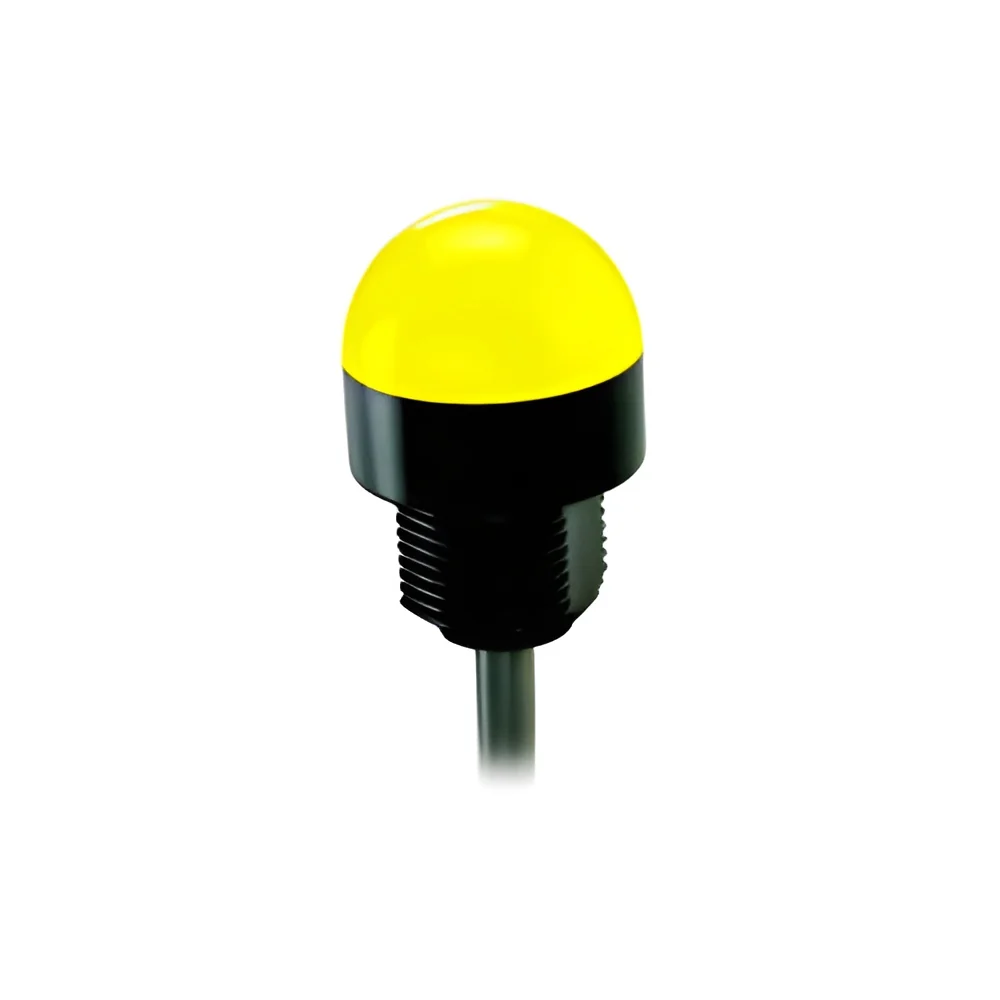
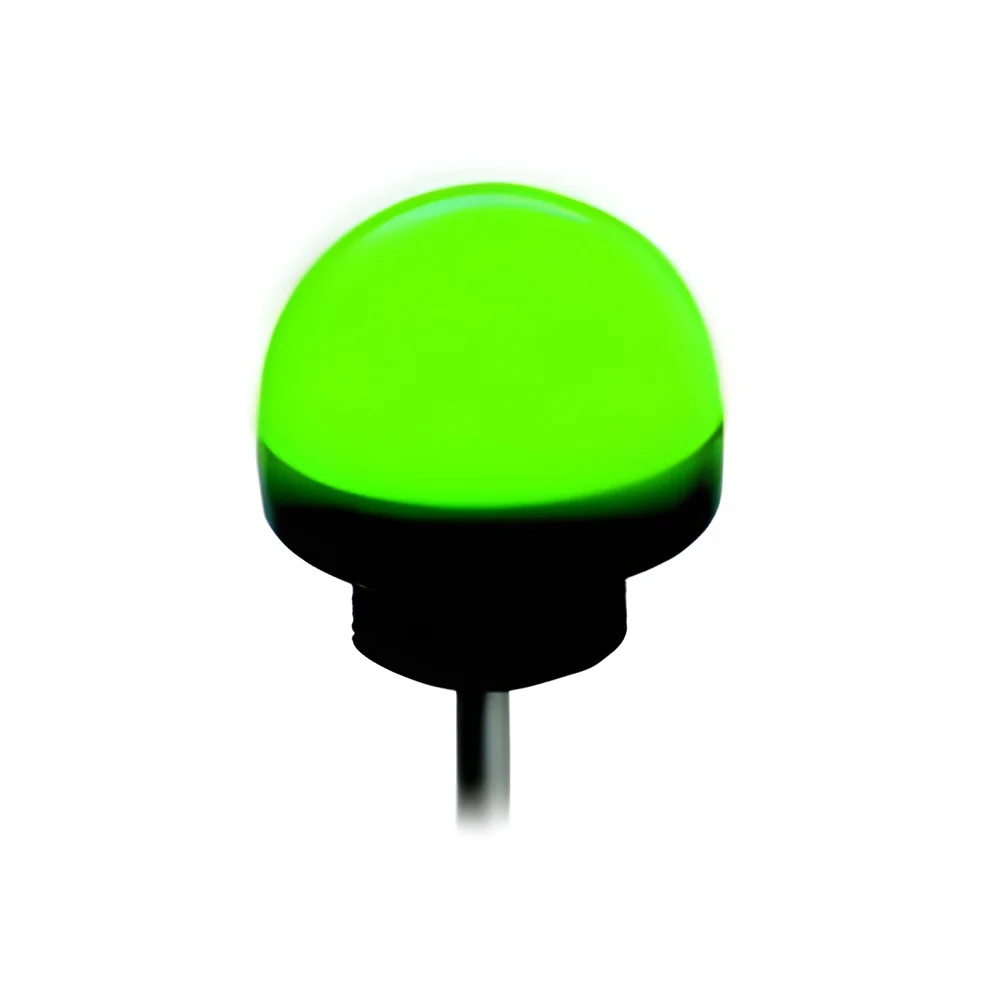
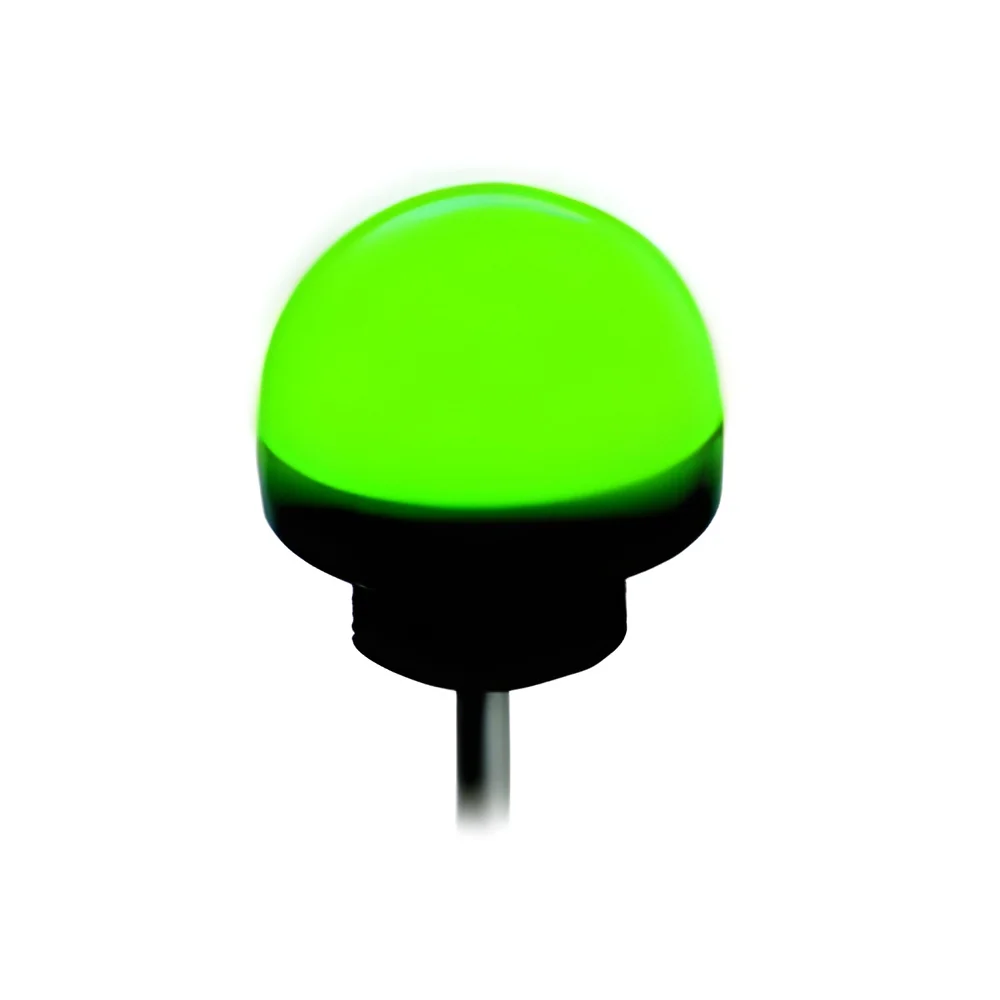
These lights are energy-efficient and have a long lifespan, making them ideal for both indoor and outdoor applications. They provide bright illumination and come in various colors for signaling purposes.
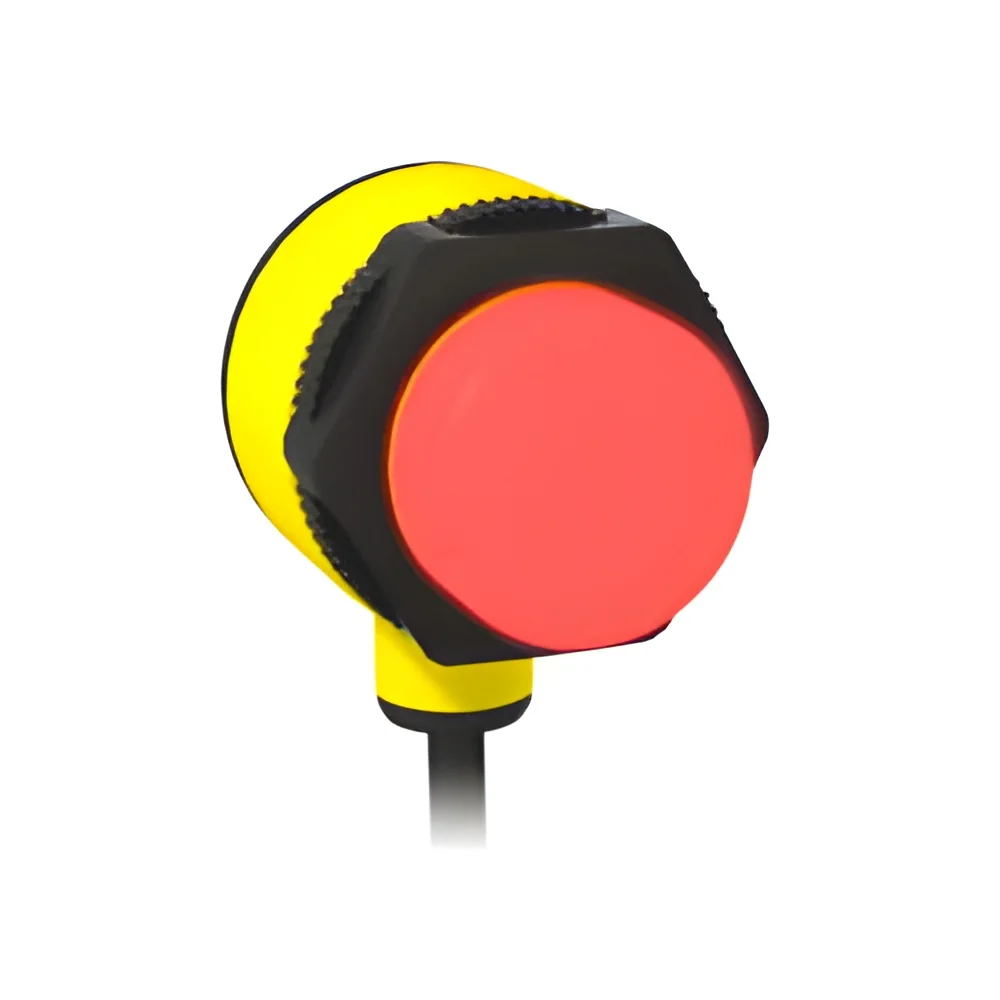
Warning Beacons
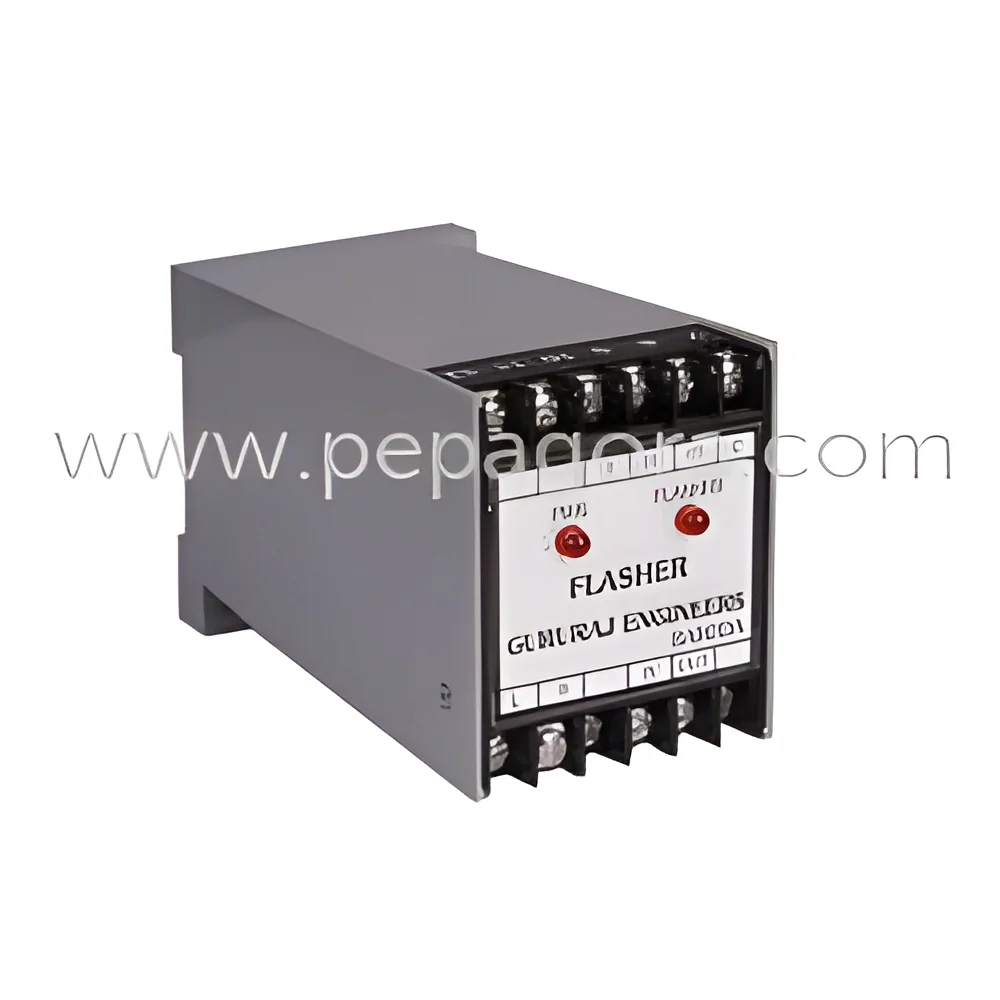
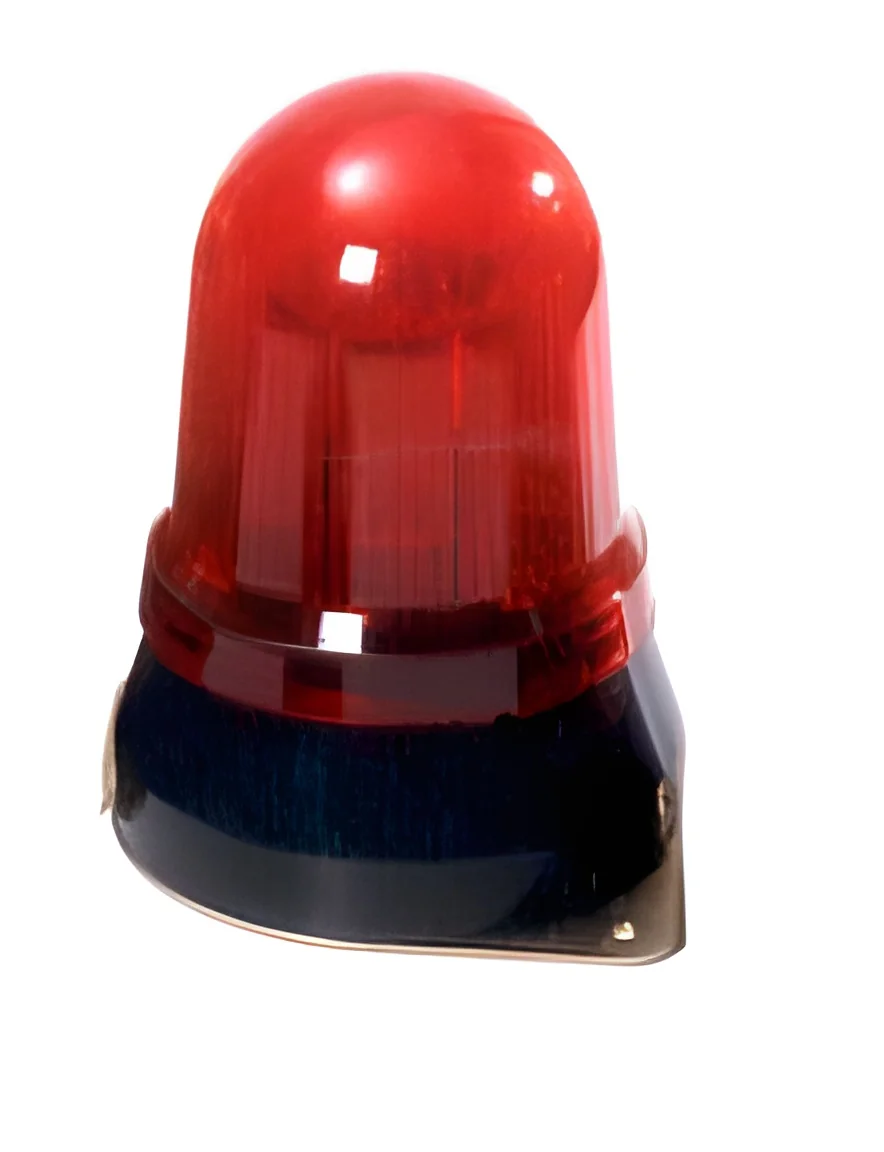
Typically used in industrial settings, warning beacons alert workers to potential hazards. They are available in different flashing patterns and colors to convey specific warnings effectively.
Traffic Signals
Essential for road safety, traffic signals control vehicular and pedestrian traffic. They come in various designs and configurations to suit different traffic management needs.
Industrial Floodlights
These powerful lights are used in large outdoor areas to provide extensive illumination. They are ideal for construction sites and warehouses where visibility is critical.
Portable Lighting Solutions
These devices offer flexibility and mobility, making them suitable for temporary setups during events or maintenance work. They are often rechargeable and easy to transport.
𝗕𝗲𝗻𝗲𝗳𝗶𝘁𝘀 𝗮𝗻𝗱 𝗔𝗱𝘃𝗮𝗻𝘁𝗮𝗴𝗲𝘀
Choosing the right lighting and signaling devices offers numerous advantages for businesses.
1. Enhanced Safety: These devices improve visibility and communication, reducing the risk of accidents and injuries in the workplace.
2. Energy Efficiency: Many modern lighting solutions, especially LEDs, consume less power, leading to lower energy costs and a reduced carbon footprint.
3. Durability: High-quality lighting and signaling devices are built to withstand harsh conditions, ensuring long-term reliability and reduced maintenance costs.
4. Versatility: Available in various designs and configurations, these devices can be tailored to meet specific operational requirements across different industries.
5. Compliance Assurance: Many devices meet industry standards and certifications, ensuring that businesses adhere to safety regulations.
6. Improved Productivity: Effective lighting and signaling can enhance workflow efficiency, leading to better overall productivity in operations.
𝗕𝘂𝘆𝗶𝗻𝗴 𝗚𝘂𝗶𝗱𝗲 𝗳𝗼𝗿 𝗕𝟮𝗕 𝗕𝘂𝘆𝗲𝗿𝘀
When sourcing lighting and signaling devices, there are several important factors to consider to ensure you make the best choice.
1. Quality Assessment: Evaluate the quality of the devices by checking for certifications and compliance with industry standards. High-quality devices will be more reliable and effective.
2. Supplier Verification: Vet suppliers thoroughly to ensure they have a good reputation and can provide reliable products. Look for verified reviews and testimonials from other businesses.
3. Pricing and MOQ: Understand the pricing structure and minimum order quantities required by suppliers. This will help you plan your budget and inventory effectively.
4. Delivery and Lead Times: Discuss logistics and delivery timelines with suppliers to ensure that you receive your products on time to meet operational needs.
5. Compliance Requirements: Be aware of any regulatory requirements that apply to your industry and ensure that the devices you purchase meet those standards.
𝗖𝗼𝗺𝗽𝗹𝗶𝗮𝗻𝗰𝗲 𝗮𝗻𝗱 𝗖𝗲𝗿𝘁𝗶𝗳𝗶𝗰𝗮𝘁𝗶𝗼𝗻𝘀
Compliance with relevant standards and certifications is crucial for lighting and signaling devices. ISO 9001 is a quality management standard that ensures consistent quality in products and services. Additionally, industry certifications such as CE indicate that products meet safety and performance requirements set by regulatory bodies.
Safety and testing requirements are also essential to consider. Devices should undergo rigorous testing to ensure they perform reliably under various conditions. Furthermore, regional compliance considerations may vary, so it is important to be aware of local regulations that apply to your industry and ensure that the devices you source are compliant.
𝗪𝗵𝘆 𝗦𝗼𝘂𝗿𝗰𝗲 𝗟𝗶𝗴𝗵𝘁𝗶𝗻𝗴 & 𝗦𝗶𝗴𝗻𝗮𝗹𝗶𝗻𝗴 𝗗𝗲𝘃𝗶𝗰𝗲𝘀 𝗳𝗿𝗼𝗺 𝗣𝗲𝗽𝗮𝗴𝗼𝗿𝗮?
Pepagora offers a trusted platform for sourcing lighting and signaling devices, providing several key advantages to B2B buyers.
Verified Supplier Network: Pepagora has a robust network of verified suppliers, ensuring that buyers can access high-quality products with confidence. Each supplier is thoroughly vetted to guarantee reliability.
Streamlined RFQ Process: The Request for Quotation (RFQ) process is designed to be simple and efficient, allowing buyers to receive quotes from multiple suppliers quickly, enabling informed decision-making.
Trade Assurance and Support: Pepagora provides trade assurance and support, protecting buyers throughout the purchasing process. This includes assistance with any issues that may arise, ensuring a smooth transaction.
Regional Coverage: With a strong presence in India, the GCC, and Southeast Asia, Pepagora offers broad geographic coverage, making it easy for businesses in these regions to find suitable lighting and signaling solutions tailored to their needs.
Lighting & Signaling Devices refer to a range of products used for illumination and signaling purposes in various applications. These devices include items such as traffic lights, warning lights, and emergency lighting systems, which serve to enhance visibility and safety.
2
What are the different types of Lighting & Signaling Devices?
Different types of Lighting & Signaling Devices include LED lights, halogen lights, fluorescent lights, beacon lights, and traffic signals. Each type serves specific functions and is designed for various environments, such as industrial, commercial, or residential settings.
3
How do I choose the right Lighting & Signaling Devices?
Choosing the right Lighting & Signaling Devices involves considering factors such as the intended application, brightness, energy efficiency, and durability. Additionally, understanding the environment where the devices will be used, whether indoors or outdoors, is crucial for making an informed decision.
4
What are the standard specifications for Lighting & Signaling Devices?
Standard specifications for Lighting & Signaling Devices typically include wattage, voltage, lumen output, color temperature, and ingress protection (IP) rating. These specifications ensure that the devices meet safety and performance standards for their intended use.
5
What is the price range for Lighting & Signaling Devices?
The price range for Lighting & Signaling Devices can vary significantly based on the type, brand, and specifications. Generally, prices can start from a few hundred rupees for basic models and can go up to several thousand rupees for advanced or specialized devices.
6
What quality standards apply to Lighting & Signaling Devices?
Quality standards for Lighting & Signaling Devices often include compliance with national and international safety regulations, such as IS, IEC, or ANSI standards. These standards ensure that the devices are safe, reliable, and effective for their intended applications.
7
Where can I find Lighting & Signaling Devices suppliers in India?
You can find Lighting & Signaling Devices suppliers in India through online B2B marketplaces like Pepagora, industry trade shows, and local directories. Networking within industry-specific groups can also help connect businesses with reputable suppliers.
8
Can Lighting & Signaling Devices be customized?
Yes, many manufacturers offer customization options for Lighting & Signaling Devices to meet specific customer requirements. Customization can include adjustments in design, features, and specifications to better suit particular applications.
9
What is the typical minimum order quantity for Lighting & Signaling Devices?
The typical minimum order quantity (MOQ) for Lighting & Signaling Devices can vary by supplier and product type. Generally, MOQs can range from a single unit for standard products to larger quantities for customized or bulk orders.
10
What is the typical lead time for Lighting & Signaling Devices?
The typical lead time for Lighting & Signaling Devices depends on the supplier and the complexity of the order. Standard products may have a lead time of a few days to weeks, while customized orders could take longer, often ranging from several weeks to a few months.
Why Businesses Trust Pepagora
Thousands of companies trust Pepagora to source smarter and sell faster
Expand Your Sales Globally
25000+Products listed.Get discovered by global buyers

 IN
IN