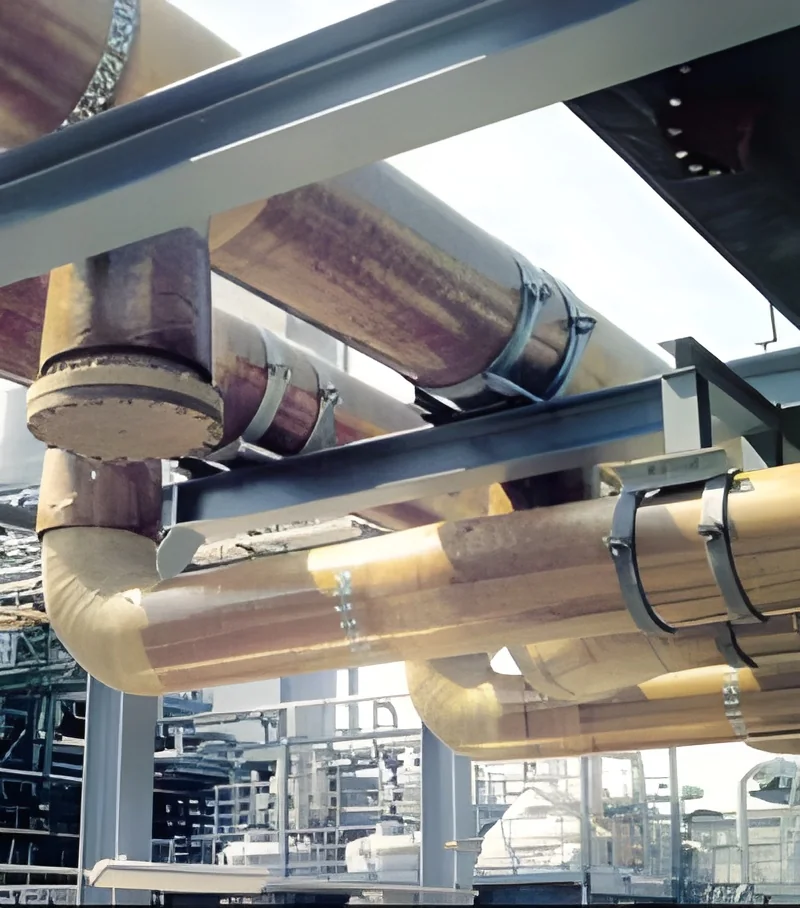
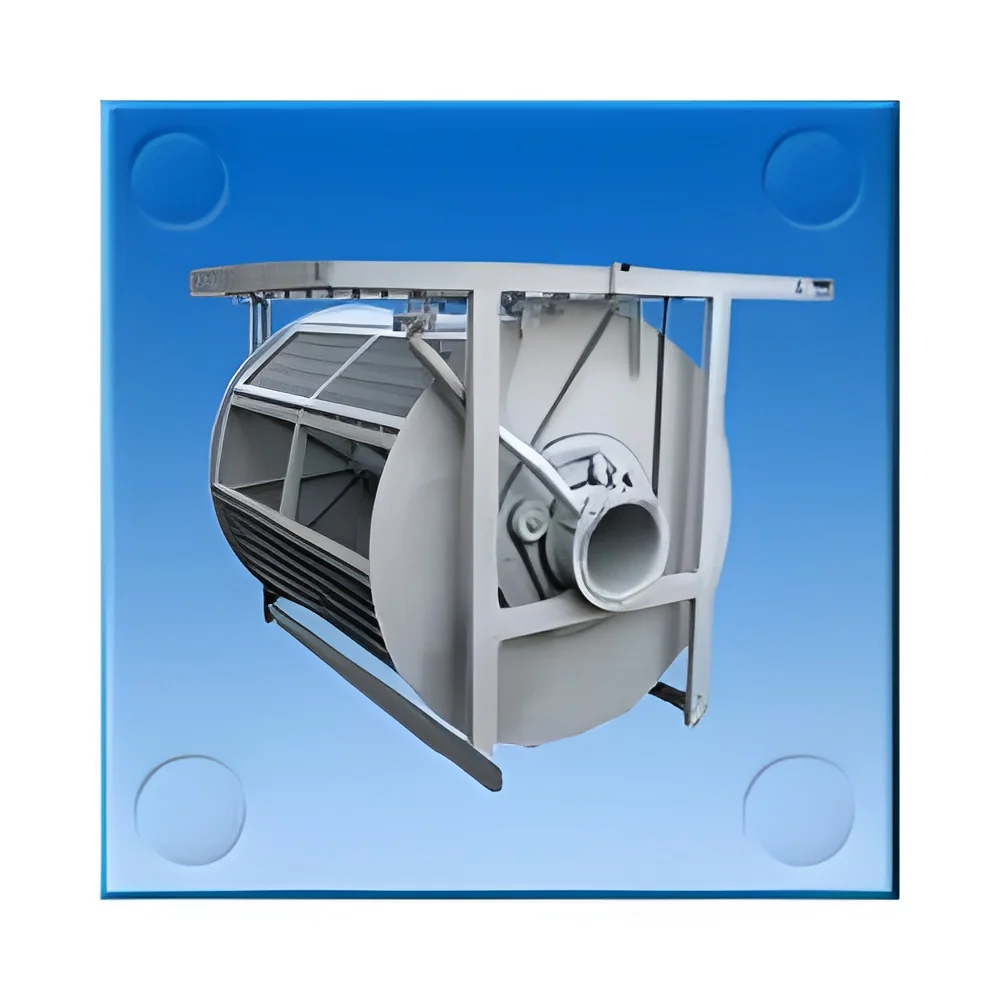
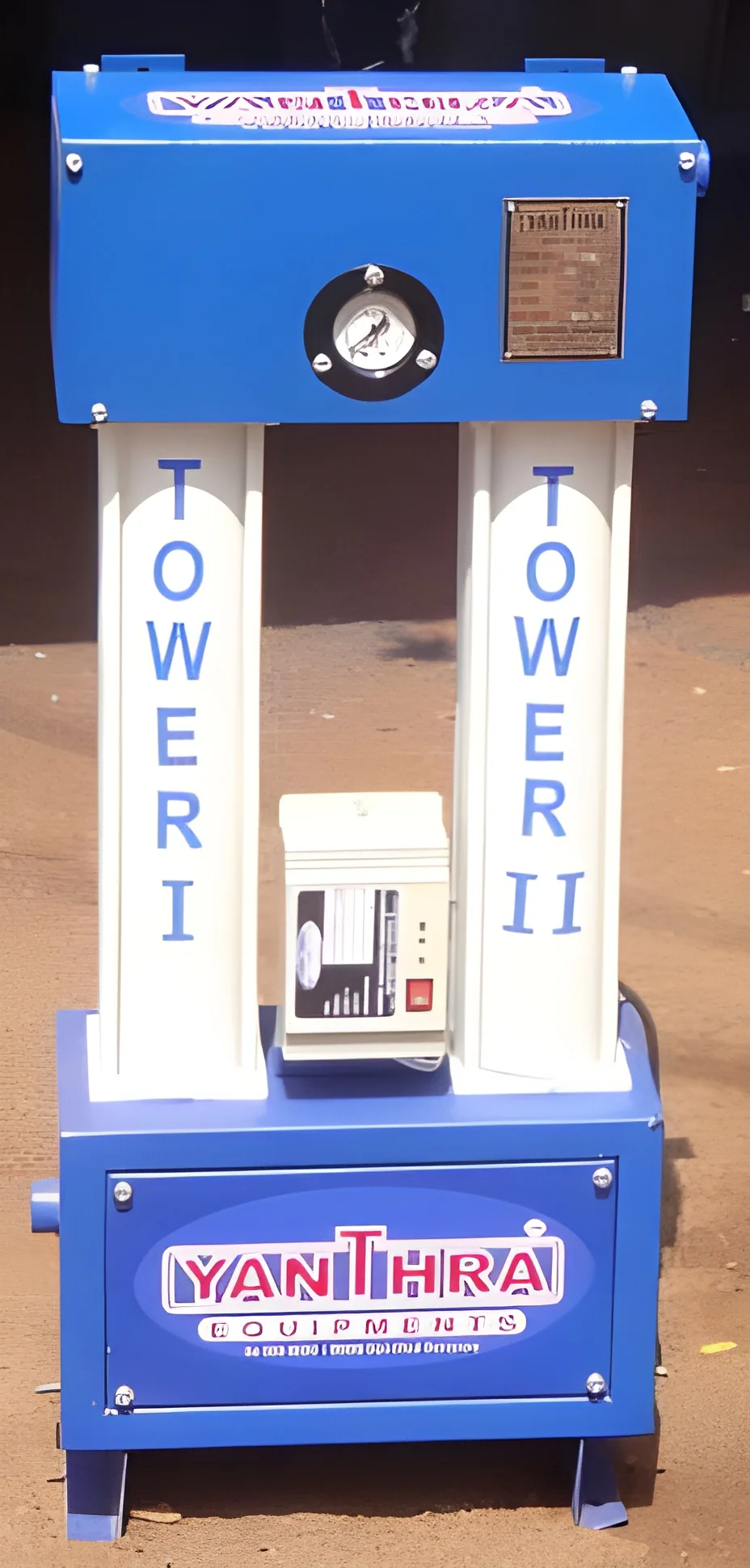
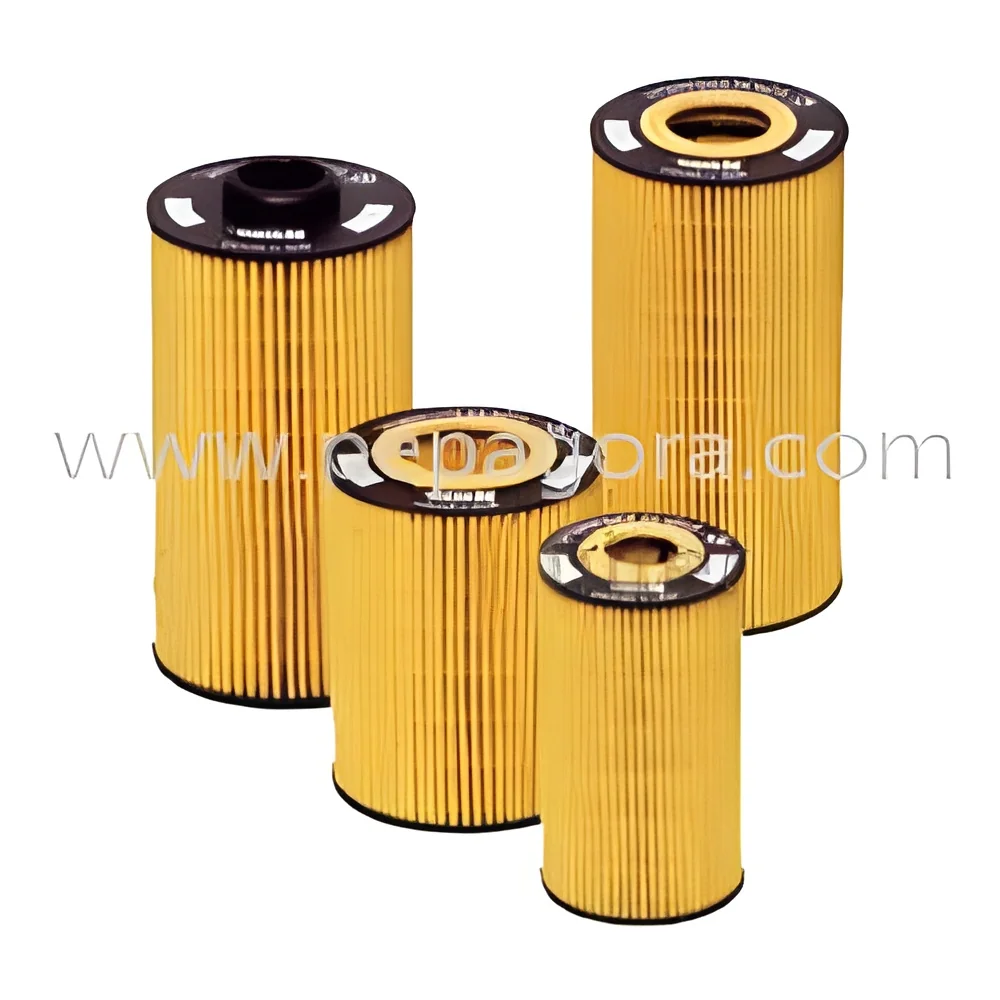
𝗪𝗵𝗮𝘁 𝗮𝗿𝗲 𝗟𝘂𝗯𝗿𝗶𝗰𝗮𝘁𝗶𝗼𝗻 & 𝗙𝗶𝗹𝘁𝗿𝗮𝘁𝗶𝗼𝗻 𝗦𝘆𝘀𝘁𝗲𝗺𝘀?
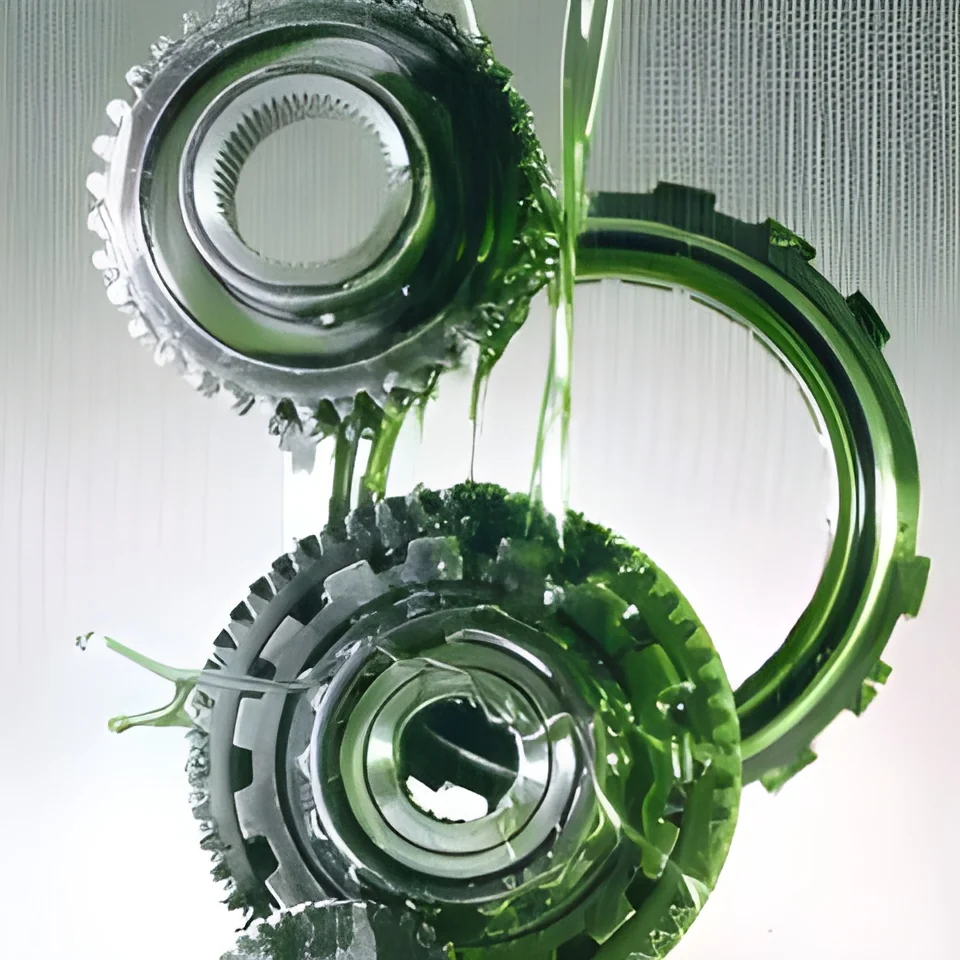
Lubrication and filtration systems are essential components in various industrial machinery and equipment. These systems work together to reduce friction and wear between moving parts while ensuring that contaminants are filtered out from the lubrication fluid. Effective lubrication is crucial to maintaining efficiency, preventing overheating, and extending the lifespan of machinery. Meanwhile, filtration systems play a vital role in removing dirt, debris, and other impurities that can compromise the performance of lubricants.
These systems find primary use in sectors such as manufacturing, automotive, aerospace, and energy. In manufacturing, for example, lubrication systems keep production machinery running smoothly, while filtration systems ensure that the lubricants remain clean and effective. In the automotive industry, these systems are critical for vehicle maintenance, ensuring that engines and other components operate efficiently. The relevance of lubrication and filtration systems in industrial applications cannot be understated, as they contribute significantly to operational efficiency and equipment reliability.
The market for lubrication and filtration systems continues to grow due to increased industrial automation and demand for high-performance machinery. Businesses are recognizing the importance of investing in reliable systems that enhance productivity and reduce downtime. As industries evolve, the need for advanced lubrication and filtration solutions becomes more pronounced, making these systems a fundamental aspect of modern industrial operations.
𝗞𝗲𝘆 𝗙𝗲𝗮𝘁𝘂𝗿𝗲𝘀 𝗮𝗻𝗱 𝗦𝗽𝗲𝗰𝗶𝗳𝗶𝗰𝗮𝘁𝗶𝗼𝗻𝘀
Lubrication and filtration systems come with various features and specifications that cater to different industrial needs. Understanding these specifications is crucial for selecting the right system for specific applications.
Key specifications include:
1. Filtration Efficiency
- The ability of the filtration system to remove contaminants from the lubricant.
- Typically measured in micron ratings, indicating the size of particles that can be filtered out.
2. Flow Rate
- The volume of lubricant that can be circulated through the system per unit time.
- Measured in liters per minute (L/min) or gallons per minute (GPM).
3. Operating Pressure
- The required pressure for optimal functioning of the lubrication system.
- Generally ranges from 0 to 10 bar, depending on the specific application.
4. Temperature Range
- The range of temperatures in which the lubrication system can operate effectively.
- Specific temperature ratings depend on the materials used in the system.
5. System Type
- Classification of the lubrication system (e.g., centralized, manual, automatic).
- Each type serves different operational demands.
6. Material Construction
- The materials used in the construction of the system components.
- Typically includes metals such as stainless steel, which offers durability and corrosion resistance.
7. Maintenance Requirements
- The frequency and ease of maintenance needed for optimal performance.
- Systems designed for easy access can reduce downtime significantly.
8. Compatibility
- The ability of the system to work with different types of lubricants.
- Important for ensuring optimal performance across various applications.
In summary, these specifications play a crucial role in determining the suitability and effectiveness of lubrication and filtration systems for various industrial applications.
𝗖𝗼𝗺𝗺𝗼𝗻 𝗔𝗽𝗽𝗹𝗶𝗰𝗮𝘁𝗶𝗼𝗻𝘀 𝗮𝗻𝗱 𝗨𝘀𝗲 𝗖𝗮𝘀𝗲𝘀
Lubrication and filtration systems are utilized across a wide range of industries, each with specific applications that enhance operational efficiency.
1. Manufacturing: In manufacturing settings, lubrication systems ensure that machinery operates smoothly, reducing wear and tear on components. Filtration systems help keep lubricants clean, minimizing downtime for maintenance.
2. Automotive: In the automotive sector, lubrication systems are critical for engine and transmission performance. Filtration systems prevent contaminants from entering engine oil, which is essential for long-term vehicle reliability.
3. Aerospace: In aerospace applications, lubrication and filtration systems are vital for aircraft engines and hydraulic systems. They ensure optimal performance and safety by maintaining lubricant quality under extreme conditions.
4. Energy: In the energy sector, particularly in oil and gas, these systems support drilling equipment and turbines by providing reliable lubrication and filtration, which enhances equipment longevity and efficiency.
5. Marine: Marine applications rely on lubrication and filtration systems to protect engines and machinery from saltwater corrosion and contaminants, ensuring reliable performance in harsh environments.
6. Construction: Heavy machinery in construction relies on effective lubrication and filtration to operate efficiently under demanding conditions, reducing wear and prolonging equipment life.
7. Food Processing: In food processing, hygiene and equipment reliability are crucial. Lubrication and filtration systems designed for this industry ensure that machinery runs smoothly without contaminating food products.
𝗣𝗿𝗼𝗱𝘂𝗰𝘁 𝗩𝗮𝗿𝗶𝗮𝗻𝘁𝘀 𝗮𝗻𝗱 𝗦𝘂𝗯𝗰𝗮𝘁𝗲𝗴𝗼𝗿𝗶𝗲𝘀
Lubrication and filtration systems come in various configurations to meet diverse industry needs. Each variant offers unique features and applications.
𝗔𝘂𝘁𝗼𝗺𝗮𝘁𝗶𝗰 𝗟𝘂𝗯𝗿𝗶𝗰𝗮𝘁𝗶𝗼𝗻 𝗦𝘆𝘀𝘁𝗲𝗺𝘀
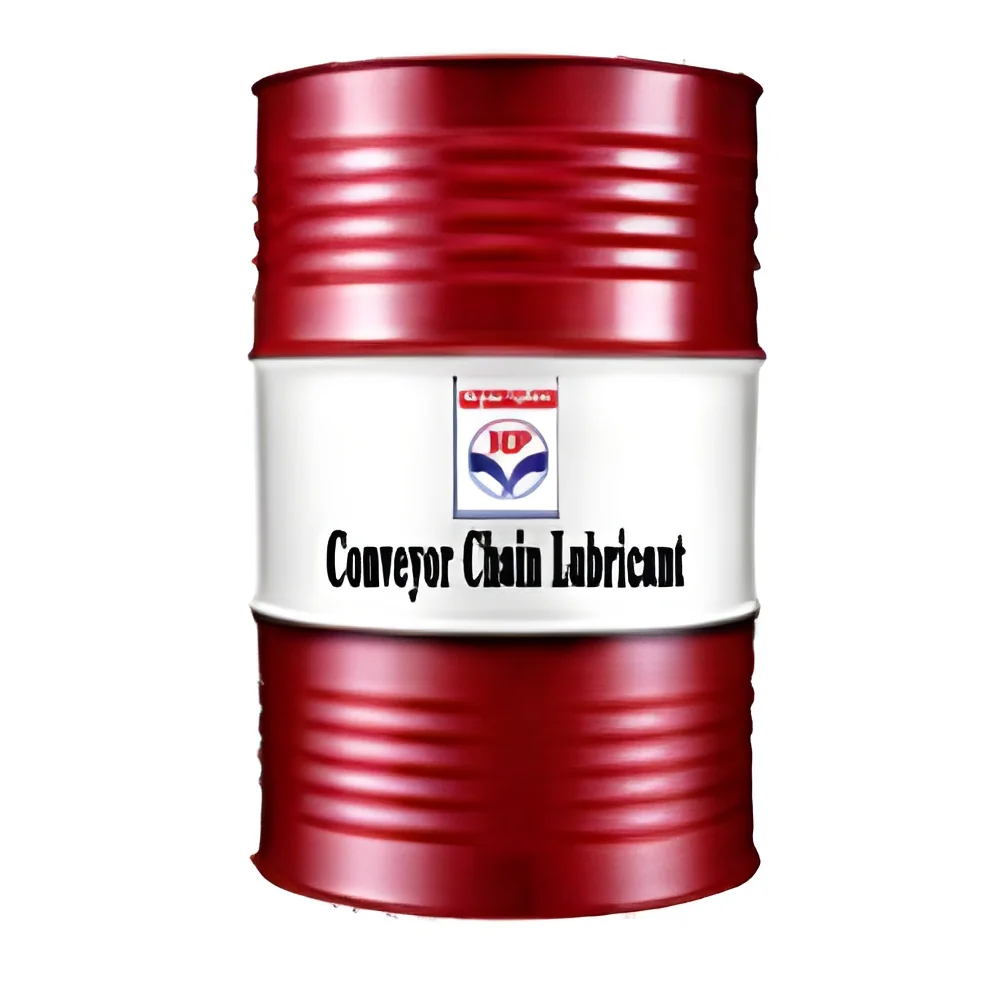
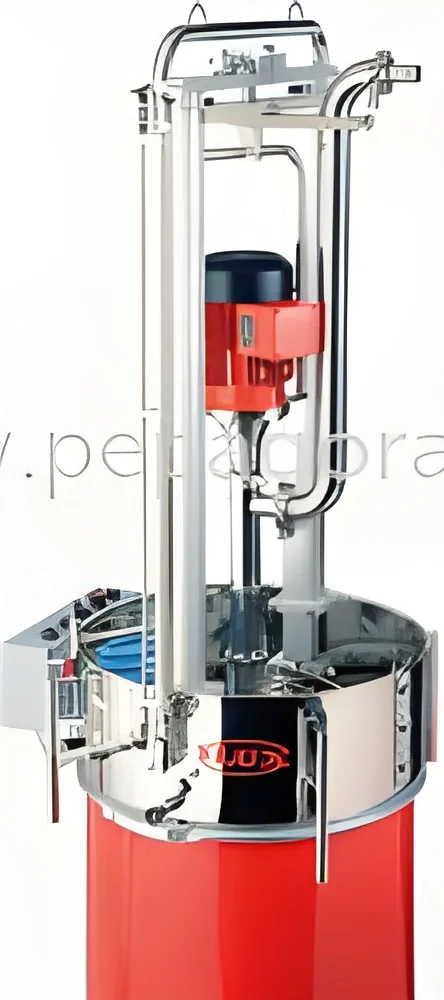
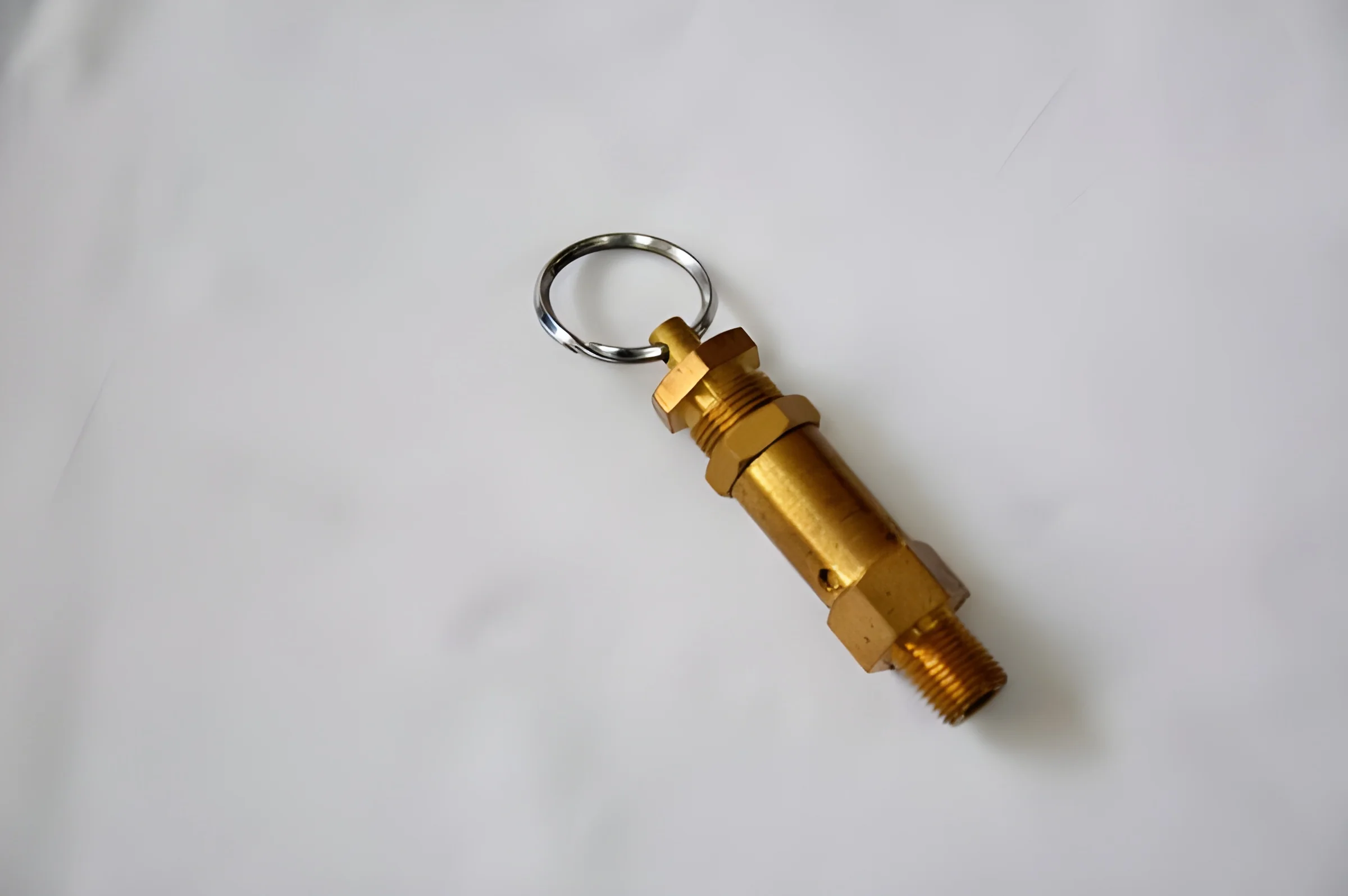
These systems are designed for continuous lubrication, reducing the need for manual intervention. They provide precise amounts of lubricant to machinery, enhancing efficiency and reducing wear.
𝗠𝗮𝗻𝘂𝗮𝗹 𝗟𝘂𝗯𝗿𝗶𝗰𝗮𝘁𝗶𝗼𝗻 𝗦𝘆𝘀𝘁𝗲𝗺𝘀
Designed for straightforward applications, manual systems require operators to apply lubricant at specified intervals. They are often used in smaller machines or where automation is not feasible.
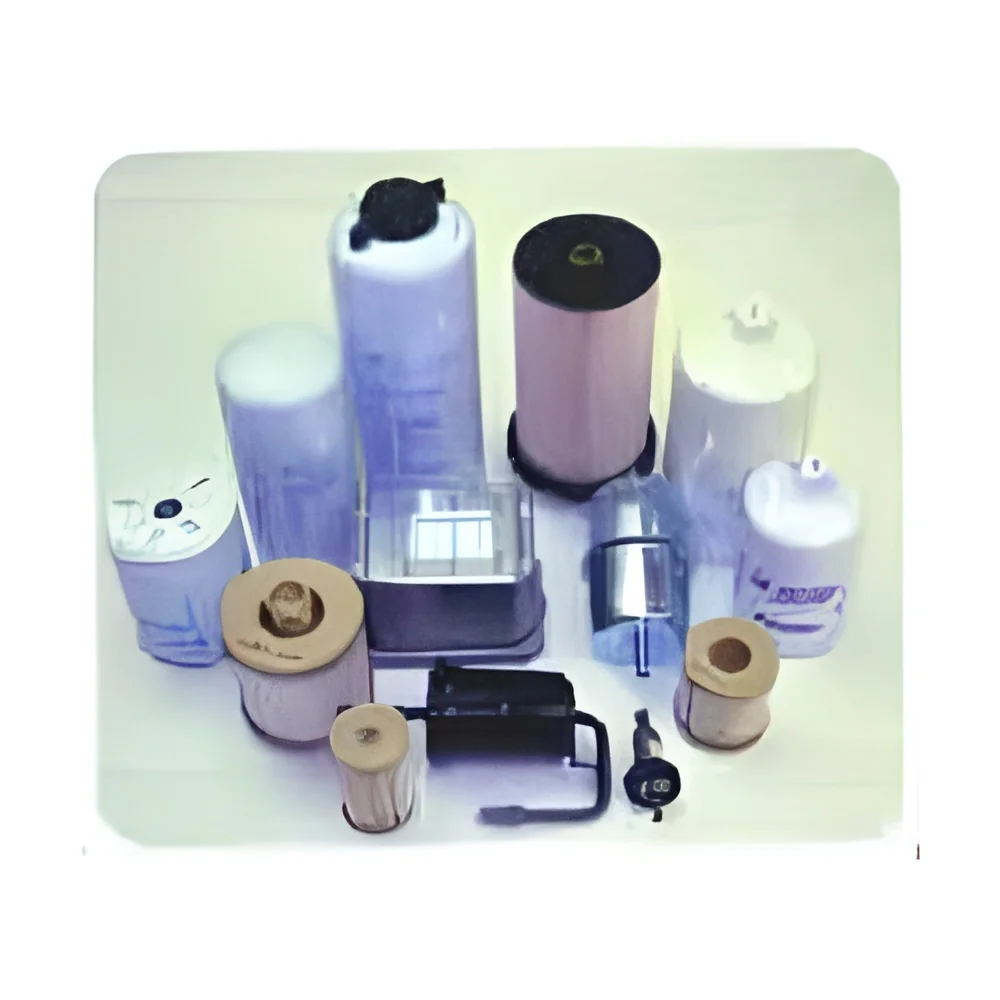
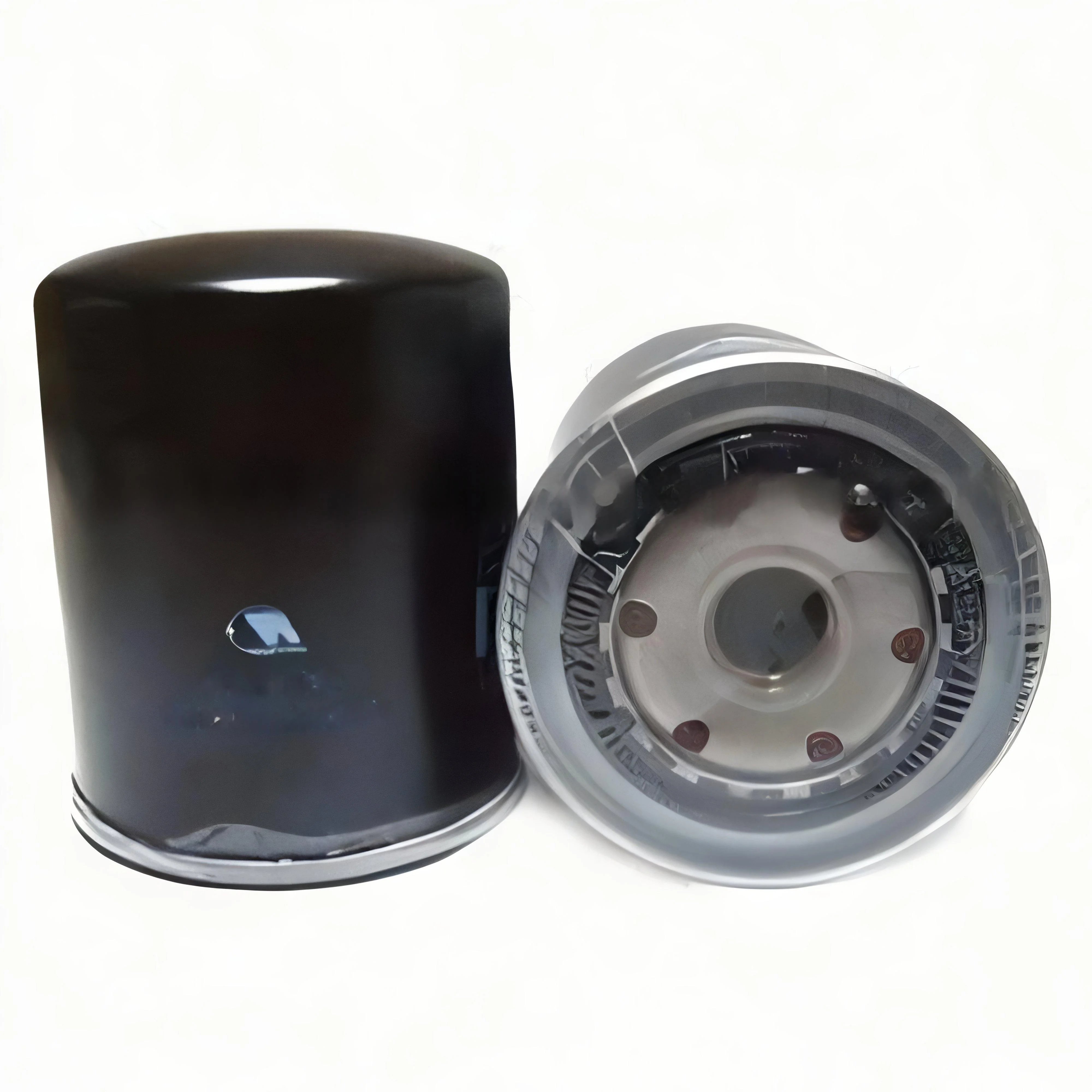
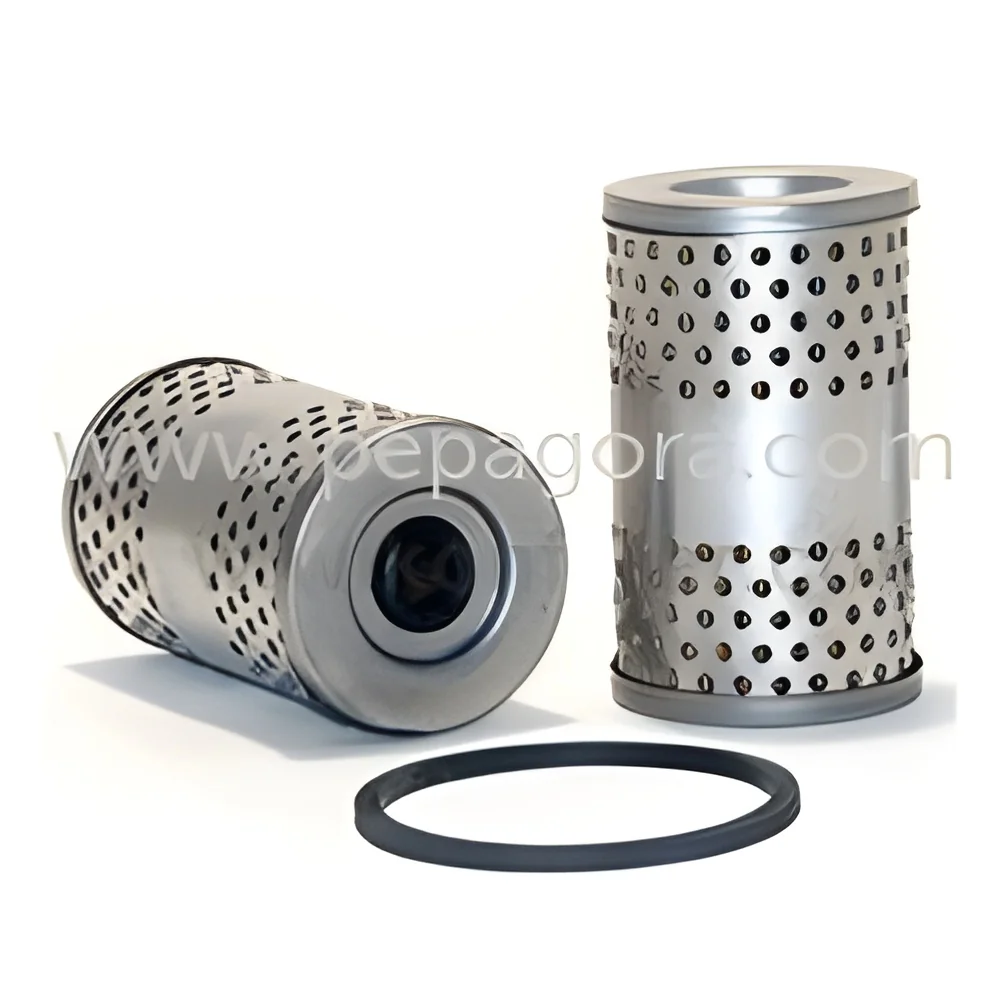
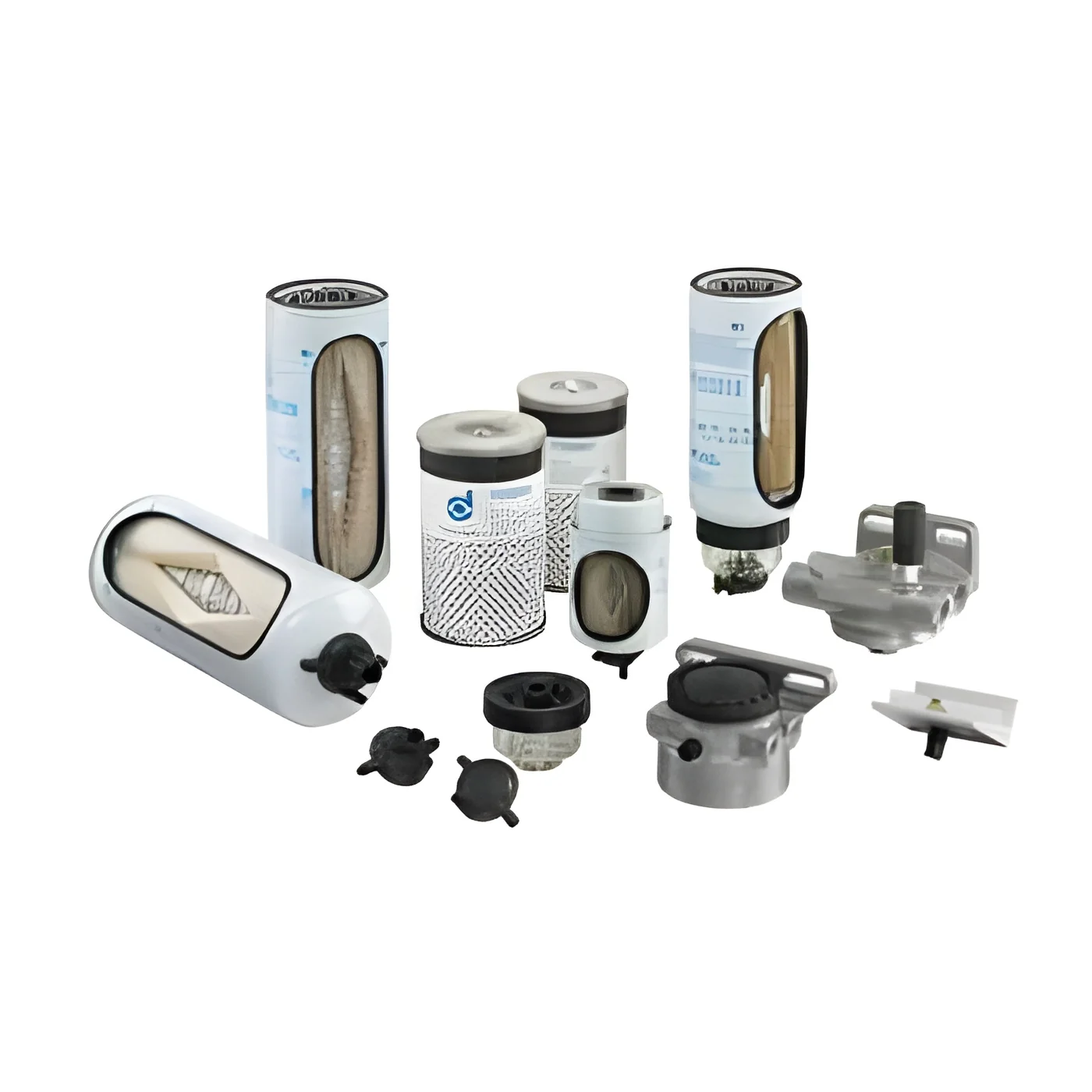
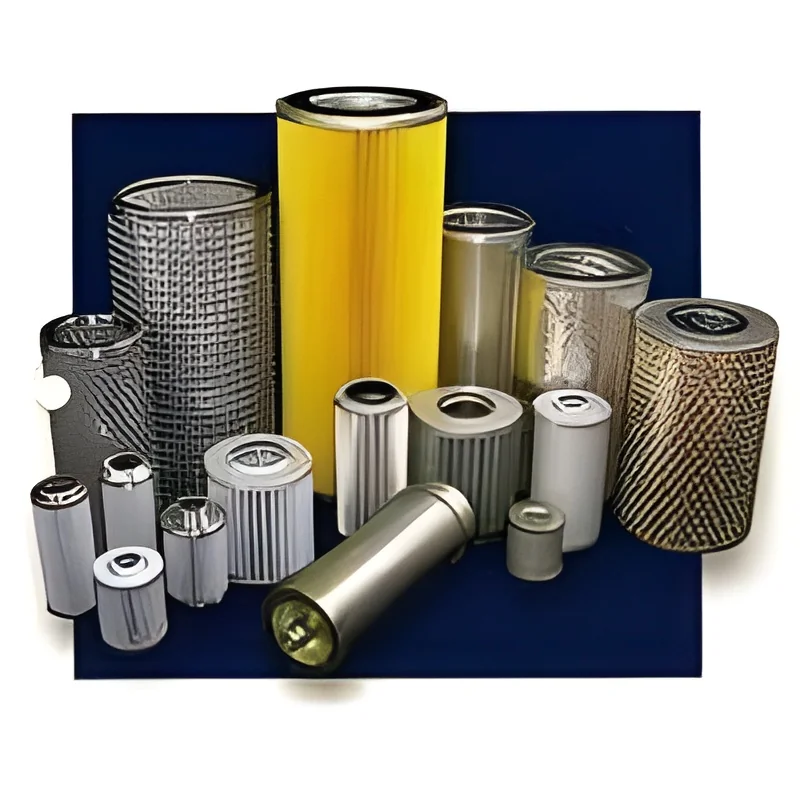
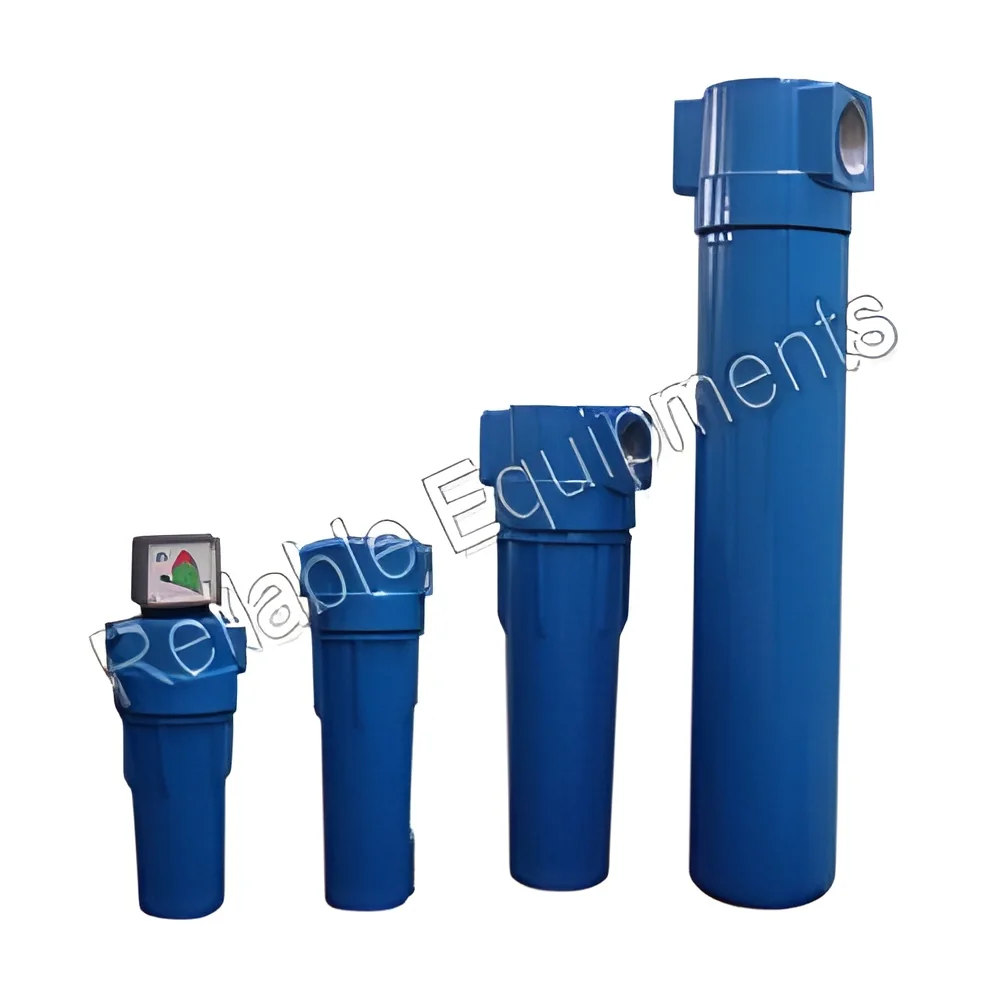
𝗢𝗶𝗹 𝗙𝗶𝗹𝘁𝗿𝗮𝘁𝗶𝗼𝗻 𝗨𝗻𝗶𝘁𝘀
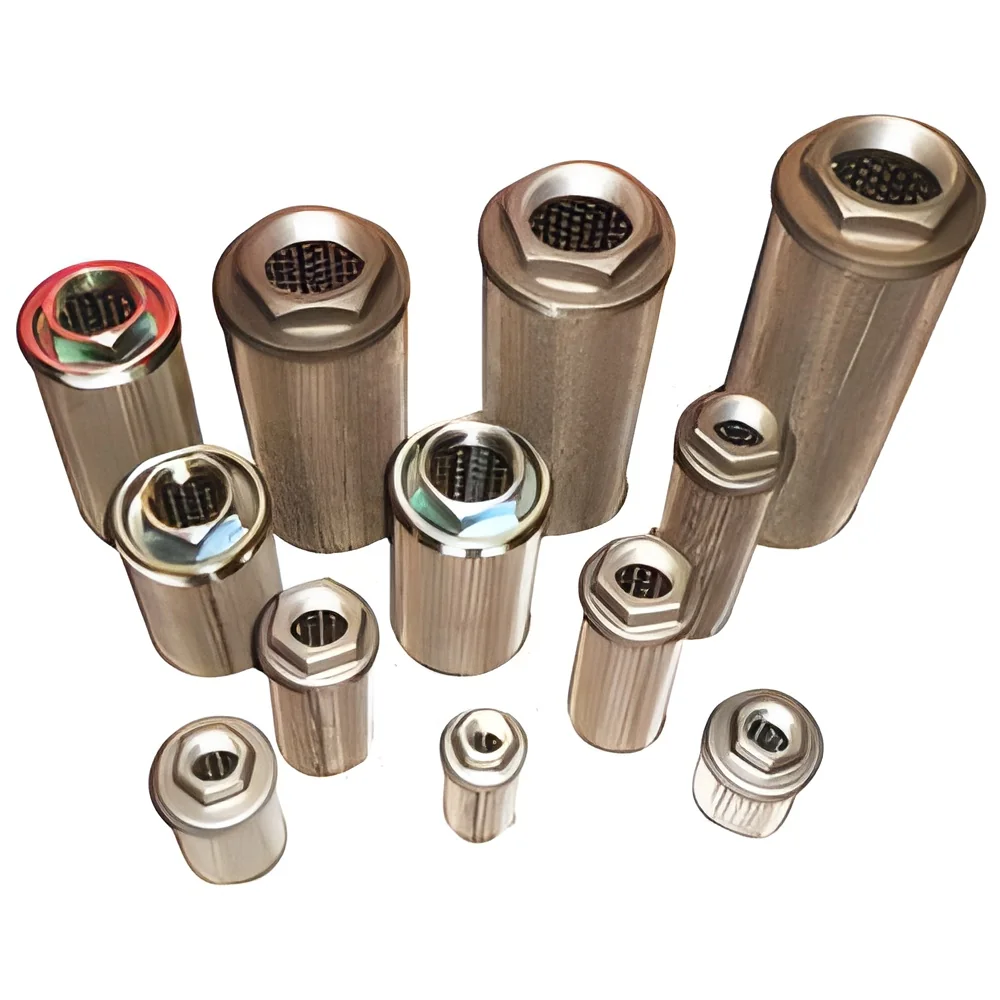
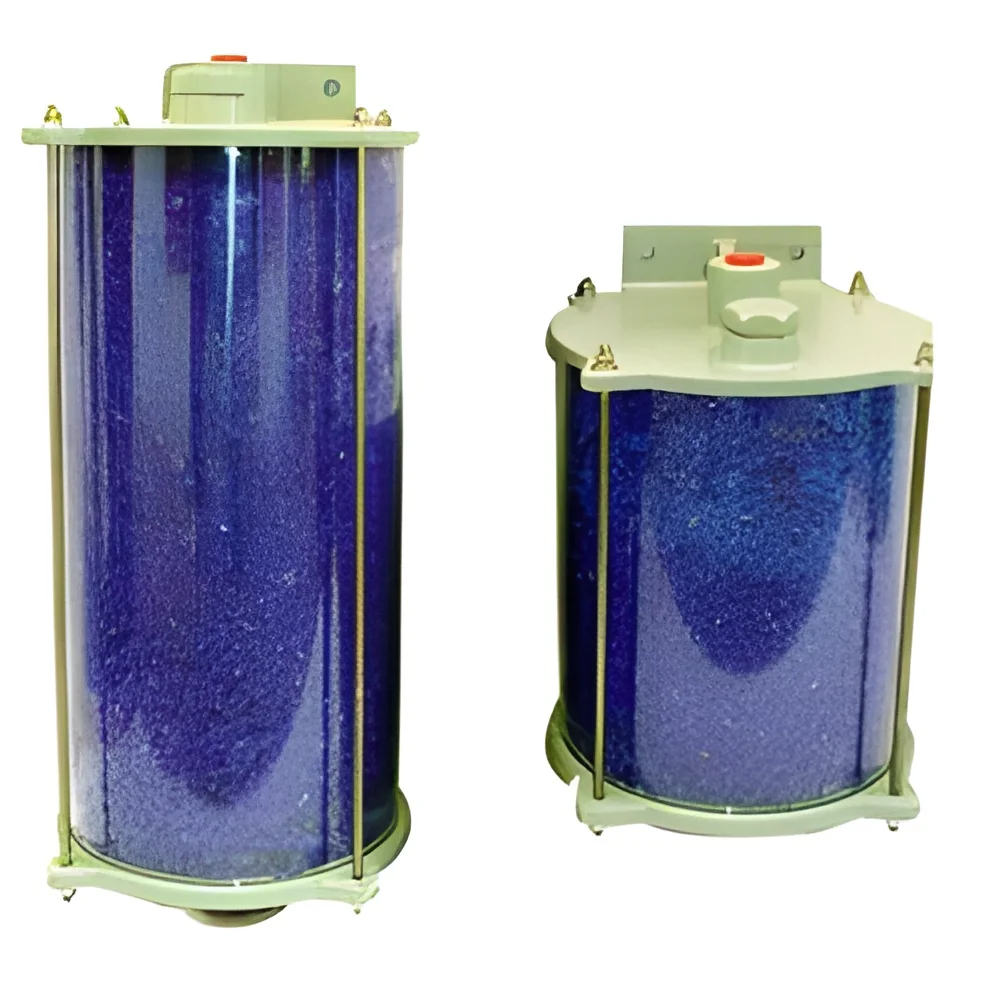
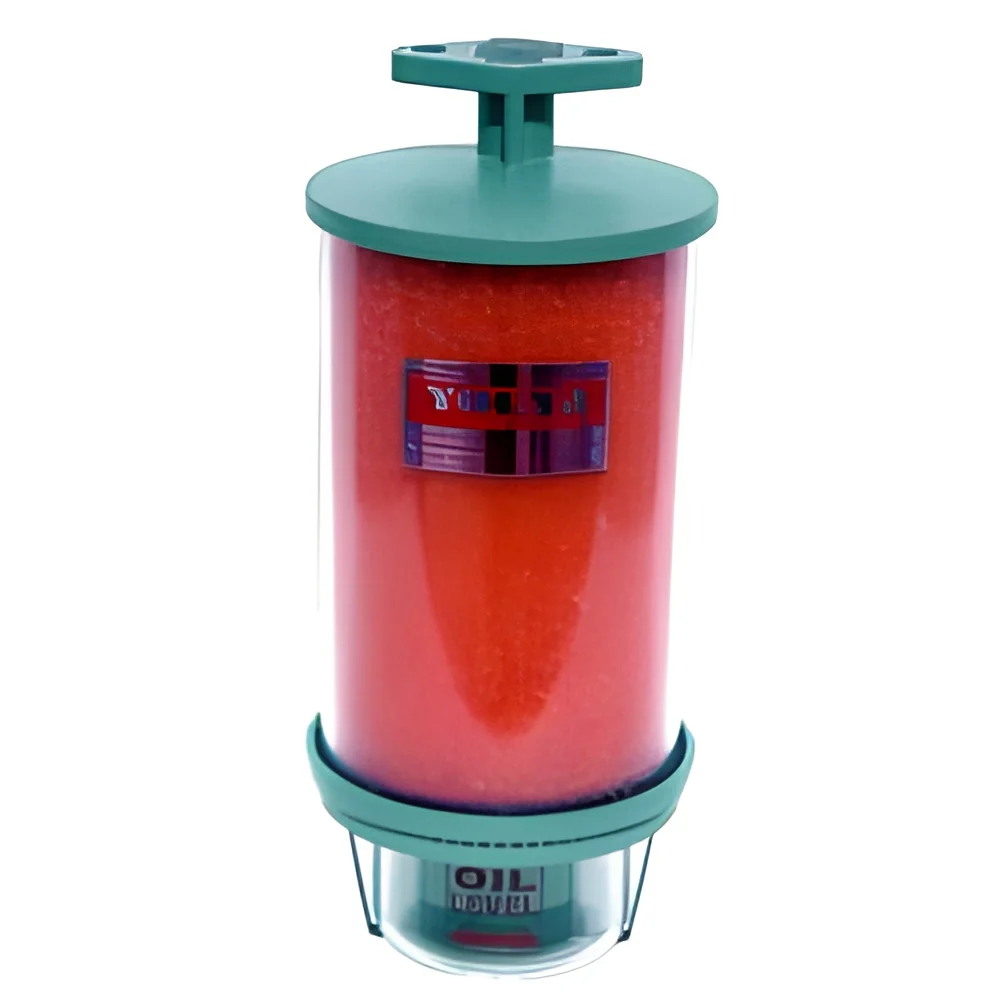
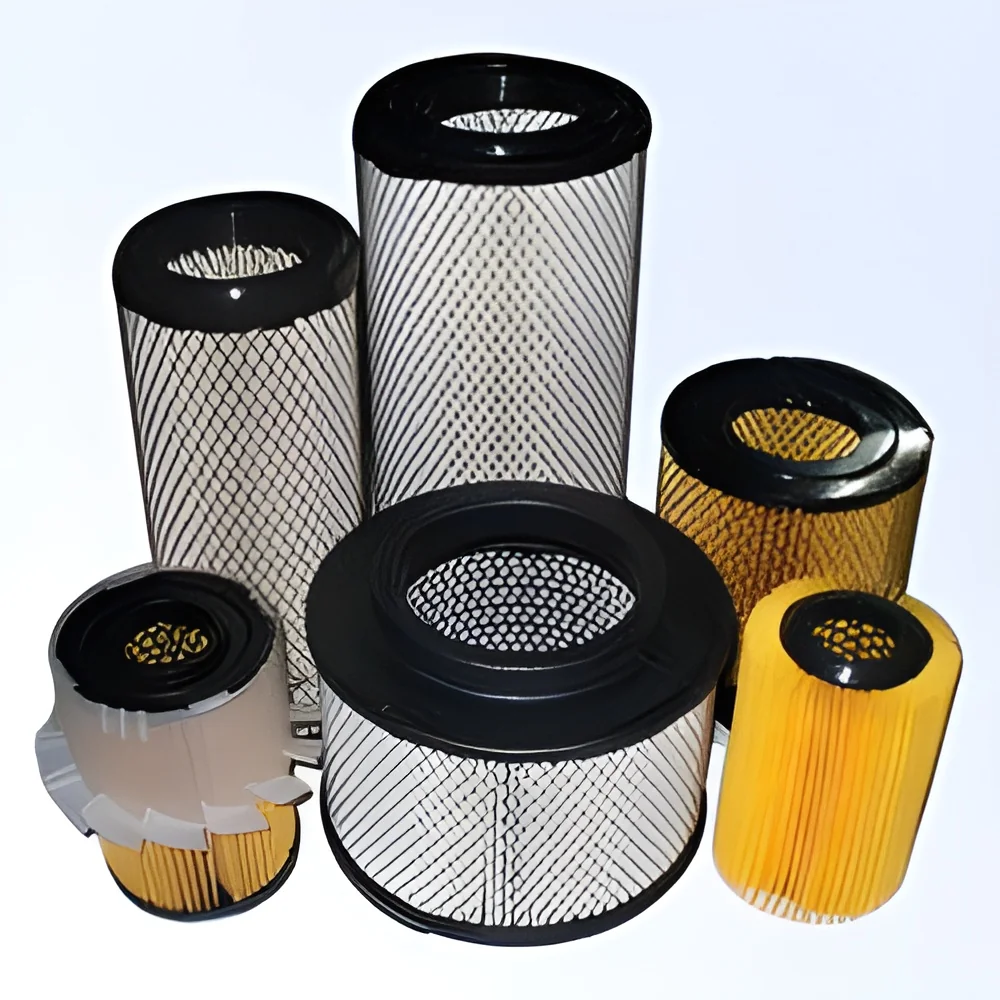
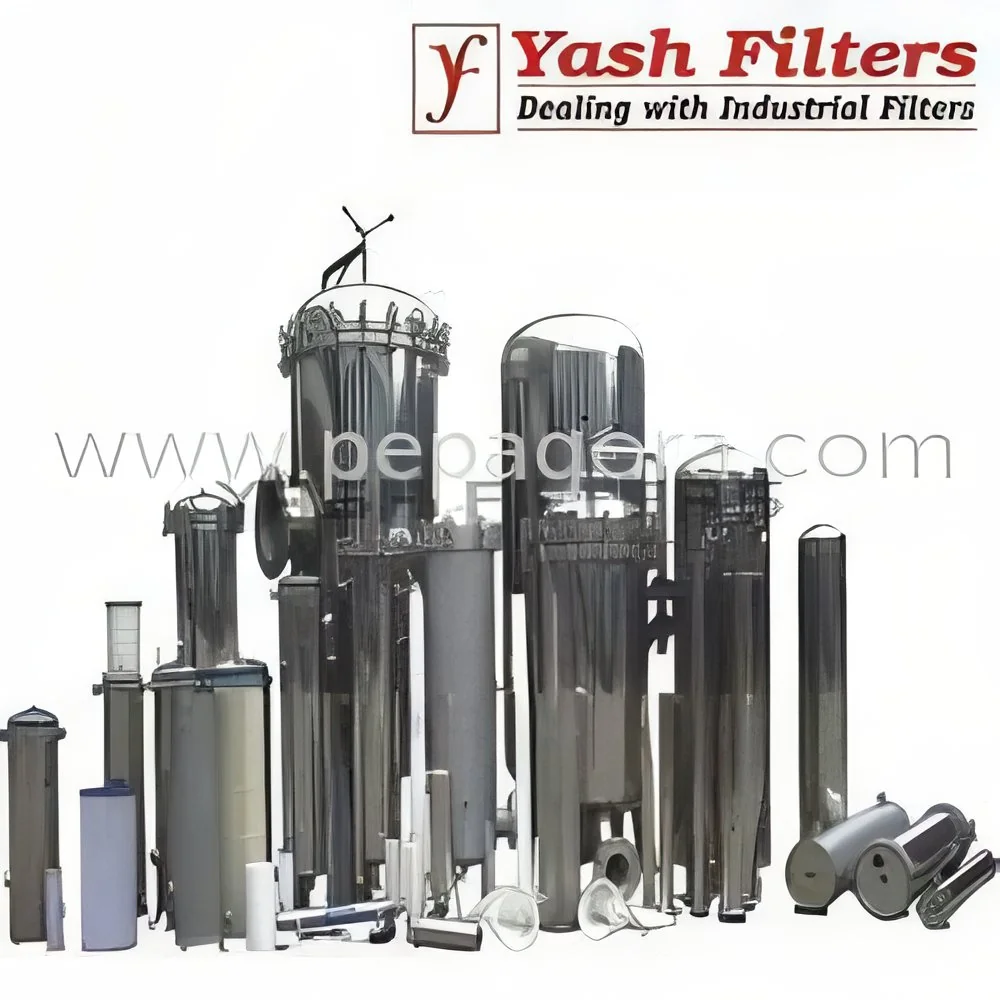
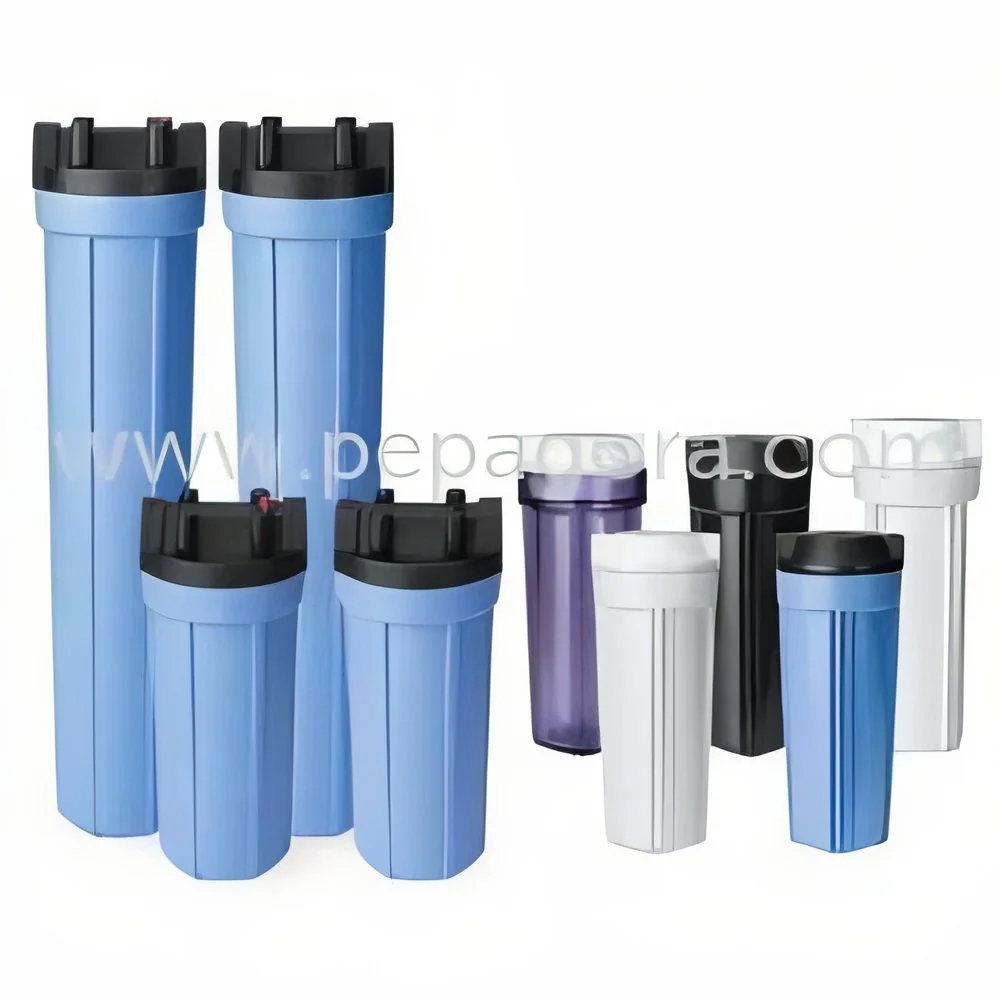
These units focus on removing contaminants from lubricating oils to prolong their life and maintain performance. They are commonly used in industrial machinery and automotive applications.
𝗚𝗿𝗲𝗮𝘀𝗲 𝗙𝗶𝗹𝘁𝗿𝗮𝘁𝗶𝗼𝗻 𝗦𝘆𝘀𝘁𝗲𝗺𝘀
Specialized for grease applications, these systems ensure that grease remains free from contaminants, which is particularly important in heavy machinery and automotive components.
𝗖𝗲𝗻𝘁𝗿𝗮𝗹𝗶𝘇𝗲𝗱 𝗟𝘂𝗯𝗿𝗶𝗰𝗮𝘁𝗶𝗼𝗻 𝗦𝘆𝘀𝘁𝗲𝗺𝘀
These systems distribute lubricant from a central point to multiple machine parts, ensuring consistent lubrication across various components, which is critical in large manufacturing setups.
𝗕𝗲𝗻𝗲𝗳𝗶𝘁𝘀 𝗮𝗻𝗱 𝗔𝗱𝘃𝗮𝗻𝘁𝗮𝗴𝗲𝘀
Investing in lubrication and filtration systems offers numerous benefits to businesses looking to enhance operational efficiency and reliability.
Key benefits include:
1. Reduced Downtime: Effective lubrication minimizes wear and tear, leading to fewer breakdowns and less downtime for repairs.
2. Improved Equipment Life: Regular lubrication and filtration help extend the life of machinery, reducing replacement costs.
3. Enhanced Performance: Clean lubricants ensure optimal machine performance, leading to increased productivity.
4. Cost Savings: By preventing equipment failure and reducing maintenance needs, businesses can save significantly on operational costs.
5. Compliance with Standards: Many industries require adherence to strict quality and safety standards, which effective lubrication and filtration systems can help meet.
6. Environmental Protection: Advanced filtration systems reduce waste by extending lubricant life and minimizing environmental impact from spills or leaks.
𝗕𝘂𝘆𝗶𝗻𝗴 𝗚𝘂𝗶𝗱𝗲 𝗳𝗼𝗿 𝗕𝟮𝗕 𝗕𝘂𝘆𝗲𝗿𝘀
When sourcing lubrication and filtration systems, buyers should consider several important factors to ensure they select the right solution.
1. Quality Assessment: Evaluate the quality of materials and technologies used in the system. Look for certifications that indicate compliance with industry standards.
2. Supplier Verification: Vet suppliers carefully to ensure they have a proven track record of reliability and customer satisfaction. Request references and review testimonials.
3. Pricing and MOQ: Compare pricing from different suppliers while considering minimum order quantities. Ensure the pricing reflects the system's quality and features.
4. Delivery and Lead Times: Understand the lead times for delivery and plan accordingly. Timely delivery is crucial for maintaining production schedules.
5. Compliance Requirements: Ensure that the systems meet all relevant regulatory standards and certifications required in your industry.
𝗖𝗼𝗺𝗽𝗹𝗶𝗮𝗻𝗰𝗲 𝗮𝗻𝗱 𝗖𝗲𝗿𝘁𝗶𝗳𝗶𝗰𝗮𝘁𝗶𝗼𝗻𝘀
Lubrication and filtration systems must adhere to various quality standards and certifications to ensure safety and effectiveness. ISO 9001 is a widely recognized standard for quality management systems that indicates a commitment to quality and continuous improvement. Compliance with HACCP (Hazard Analysis Critical Control Point) is crucial in food processing applications to ensure food safety.
CE certification is important for products marketed in the European Economic Area, indicating that they meet EU safety, health, and environmental protection requirements. Additionally, systems should undergo safety and performance testing to confirm their reliability in industrial applications. Buyers should also consider regional compliance requirements, as these can vary significantly depending on local regulations and industry standards.
𝗪𝗵𝘆 𝗦𝗼𝘂𝗿𝗰𝗲 𝗟𝘂𝗯𝗿𝗶𝗰𝗮𝘁𝗶𝗼𝗻 & 𝗙𝗶𝗹𝘁𝗿𝗮𝘁𝗶𝗼𝗻 𝗦𝘆𝘀𝘁𝗲𝗺𝘀 𝗳𝗿𝗼𝗺 𝗣𝗲𝗽𝗮𝗴𝗼𝗿𝗮?
Pepagora provides a trusted platform for sourcing lubrication and filtration systems with numerous advantages.
Verified Supplier Network: Pepagora has a rigorous supplier verification process, ensuring that buyers connect with reputable manufacturers and suppliers who meet quality standards. This network helps businesses find reliable partners for their lubrication and filtration needs.
Streamlined RFQ Process: The request for quotation process on Pepagora is designed to be efficient and user-friendly. Buyers can easily submit their requirements and receive multiple quotes, allowing for informed decision-making.
Trade Assurance and Support: Pepagora offers trade assurance to protect buyers' interests. This includes support throughout the purchasing process, ensuring that buyers receive the products they expect without complications.
Regional Coverage: With a geographical reach that includes India, the GCC region, and Southeast Asia, Pepagora connects buyers with suppliers across diverse markets, facilitating access to a wide range of lubrication and filtration systems tailored to specific industry needs.
Lubrication & Filtration Systems are essential components used in various industrial applications to reduce friction and remove contaminants from machinery. These systems ensure smooth operation and longevity of equipment by providing adequate lubrication and maintaining fluid cleanliness.
2
What are the different types of Lubrication & Filtration Systems?
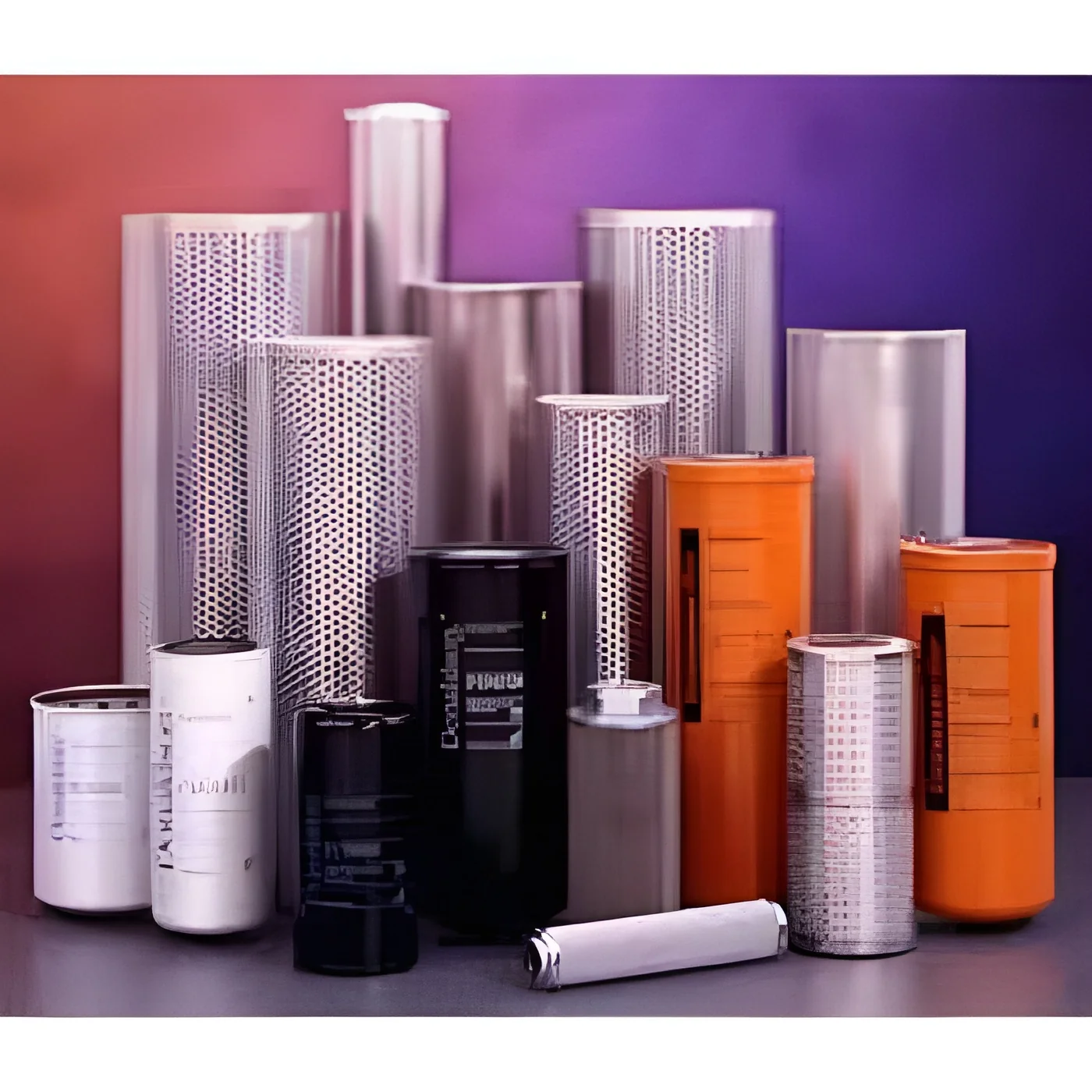
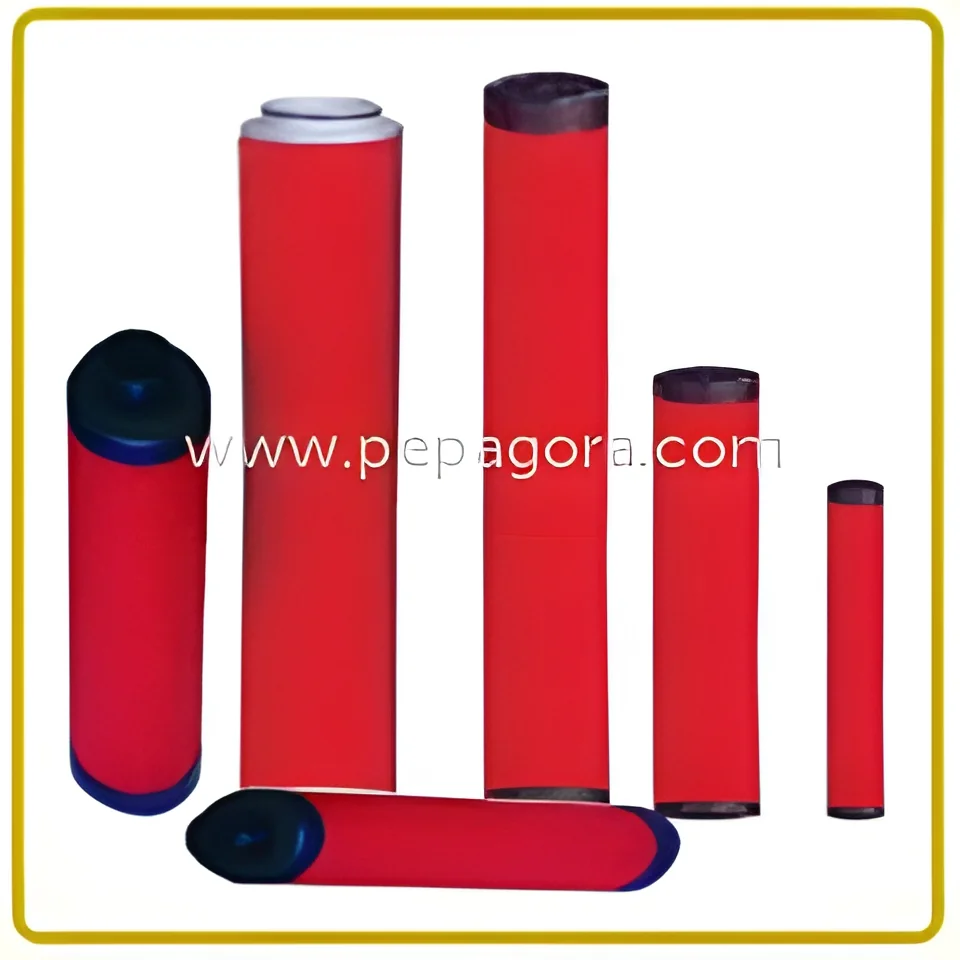
There are several types of Lubrication & Filtration Systems, including centralized lubrication systems, oil mist lubrication systems, and filter systems like cartridge filters and magnetic filters. Each type is designed to meet specific operational needs and can vary in complexity and functionality.
3
How do I choose the right Lubrication & Filtration Systems?
Choosing the right Lubrication & Filtration Systems involves assessing the equipment requirements, the type of fluids used, and the operating conditions. It is important to consider factors such as flow rate, viscosity, and filtration efficiency to ensure optimal performance.
4
What are the standard specifications for Lubrication & Filtration Systems?
Standard specifications for Lubrication & Filtration Systems typically include flow rate, pressure rating, temperature range, and filtration efficiency. These specifications help determine the suitability of a system for specific applications and ensure compliance with industry standards.
5
What is the price range for Lubrication & Filtration Systems?
The price range for Lubrication & Filtration Systems can vary widely based on type, capacity, and manufacturer. Generally, the cost can start from a few thousand rupees for basic systems and can go up to several lakhs for advanced systems with specialized features.
6
What quality standards apply to Lubrication & Filtration Systems?
Quality standards for Lubrication & Filtration Systems may include ISO certifications, industry-specific standards, and adherence to safety regulations. Ensuring compliance with these standards is crucial for reliability and efficiency in operations.
7
Where can I find Lubrication & Filtration Systems suppliers in India?
You can find Lubrication & Filtration Systems suppliers in India through various online B2B marketplaces, industry trade shows, and local directories. Websites like Pepagora.com offer a comprehensive listing of manufacturers and suppliers for easy access.
8
Can Lubrication & Filtration Systems be customized?
Yes, many manufacturers offer customization options for Lubrication & Filtration Systems to meet specific operational needs. Customizations can include modifications in size, capacity, and additional features tailored to the user's requirements.
9
What is the typical minimum order quantity for Lubrication & Filtration Systems?
The typical minimum order quantity (MOQ) for Lubrication & Filtration Systems can vary among suppliers but is often set at 10 to 50 units. It is advisable to confirm the MOQ with the manufacturer or supplier directly.
10
What is the typical lead time for Lubrication & Filtration Systems?
The typical lead time for Lubrication & Filtration Systems varies depending on the complexity of the order and the supplier's production schedule. Generally, lead times can range from 2 to 8 weeks from the date of order confirmation.
Why Businesses Trust Pepagora
Thousands of companies trust Pepagora to source smarter and sell faster
Expand Your Sales Globally
25000+Products listed.Get discovered by global buyers

 IN
IN