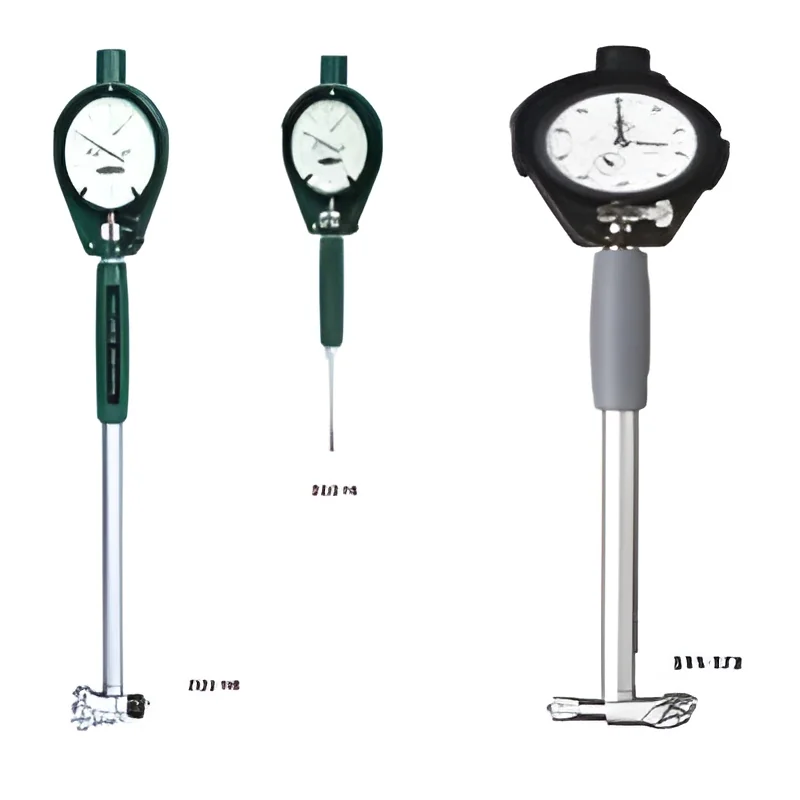
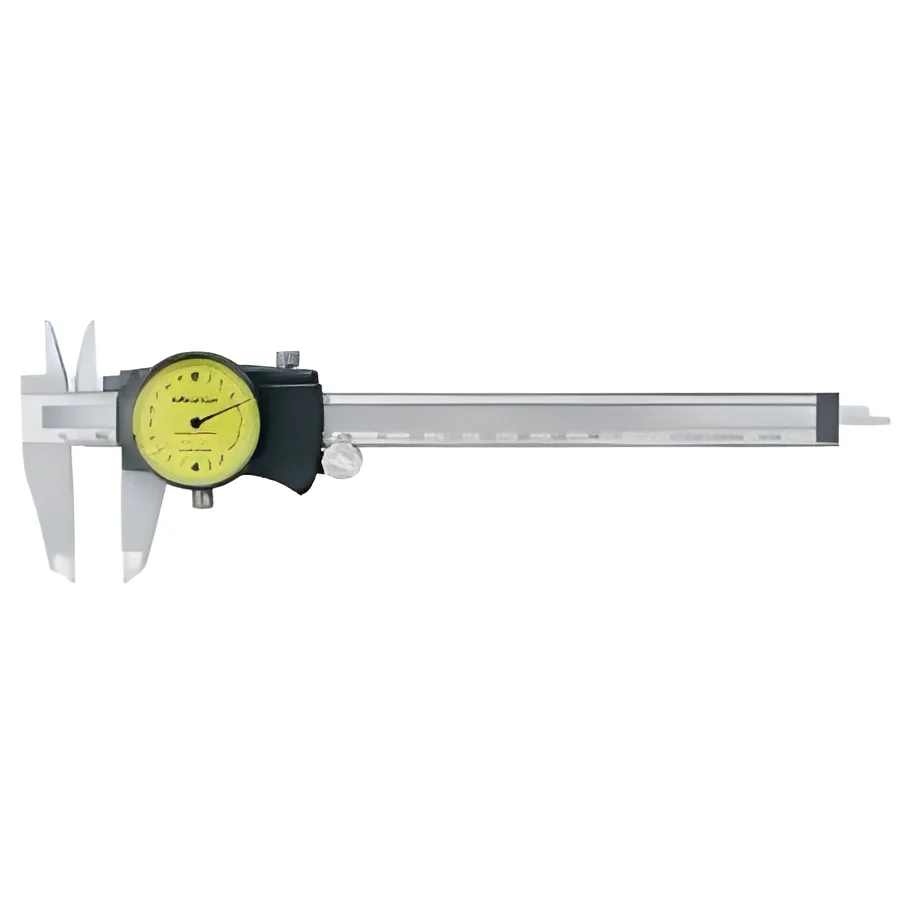
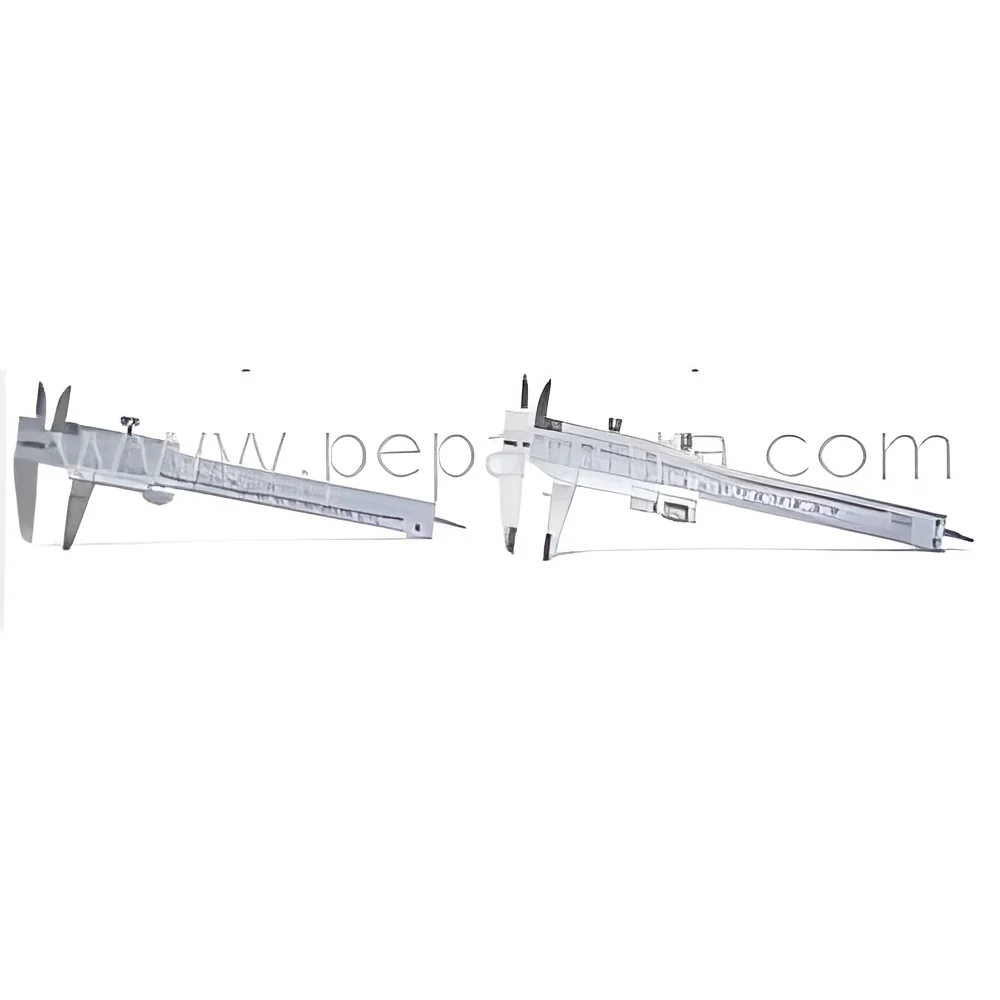
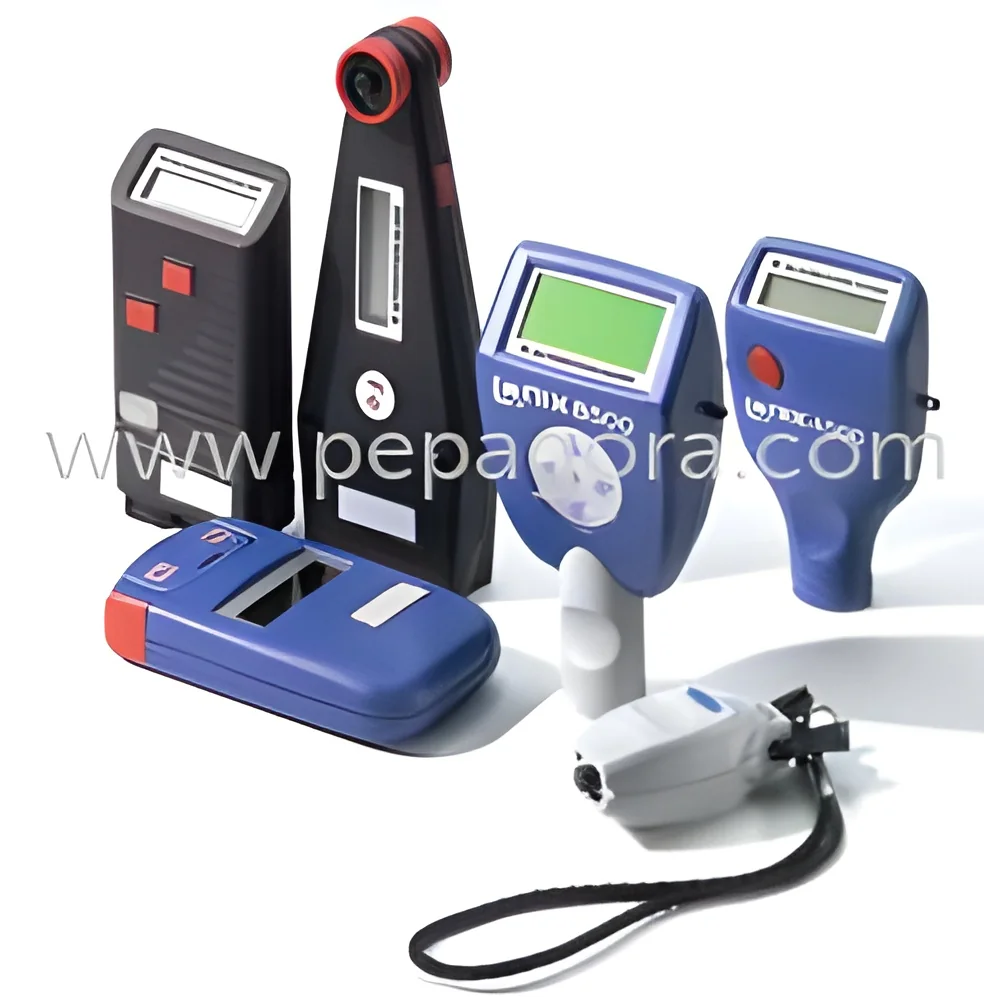
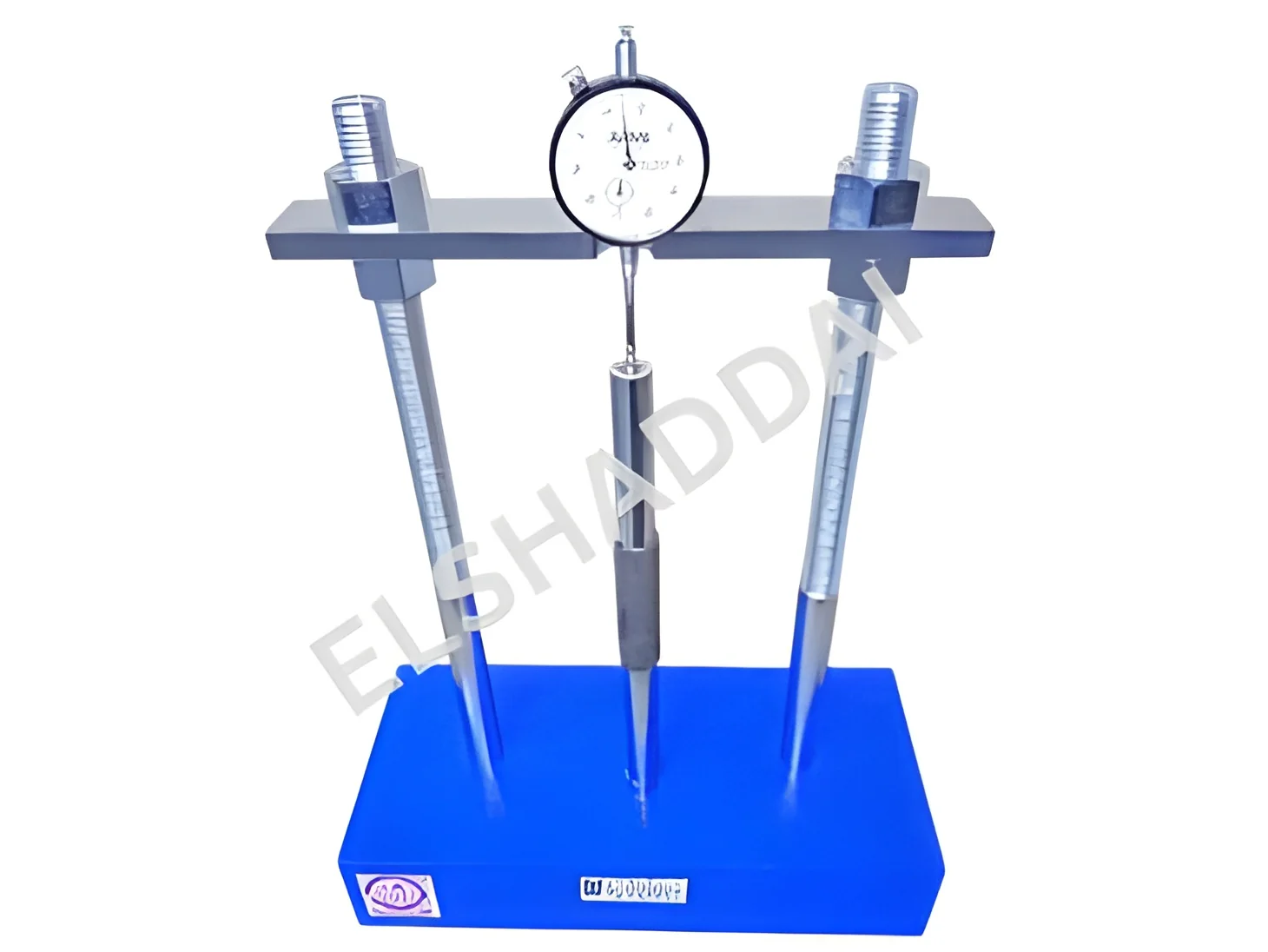
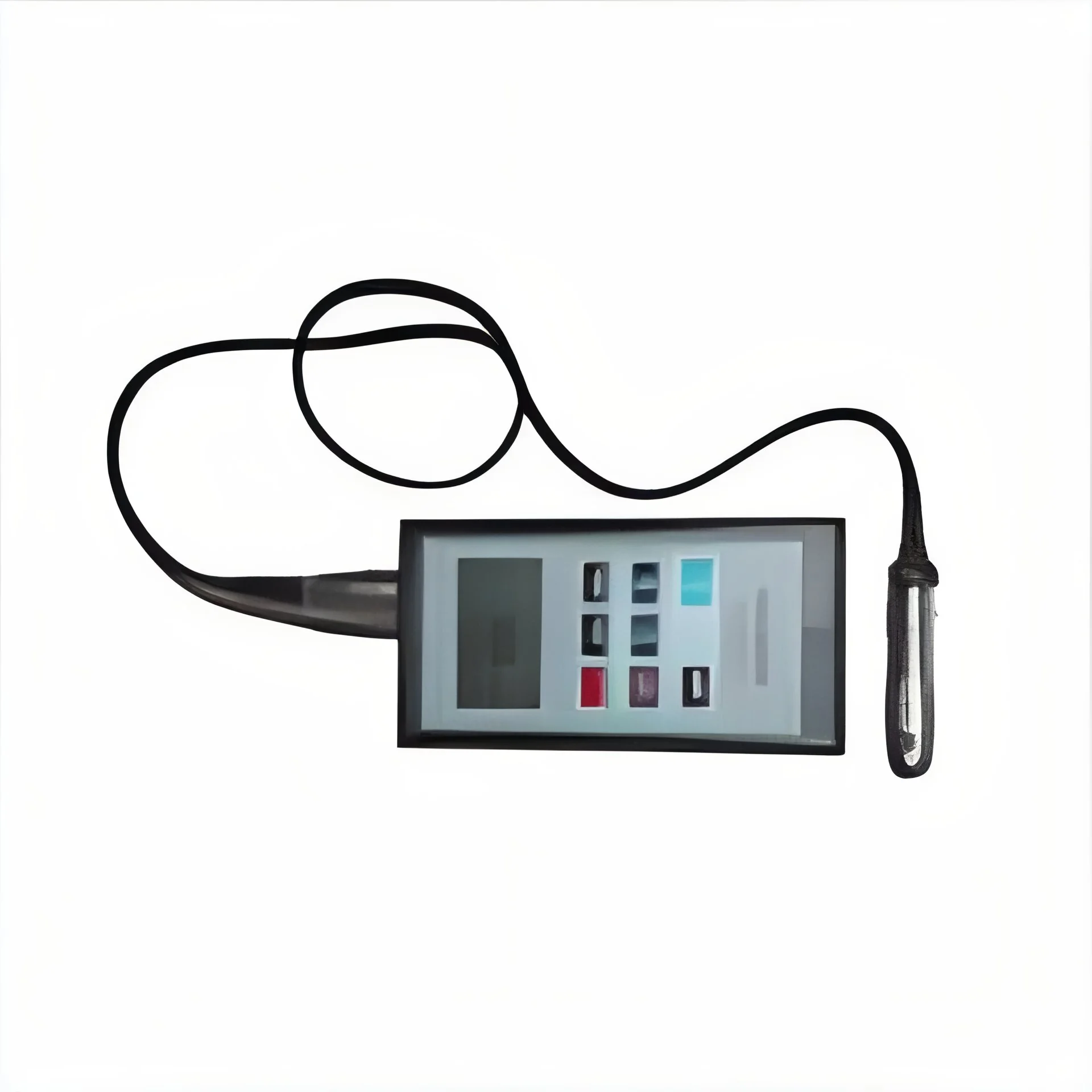
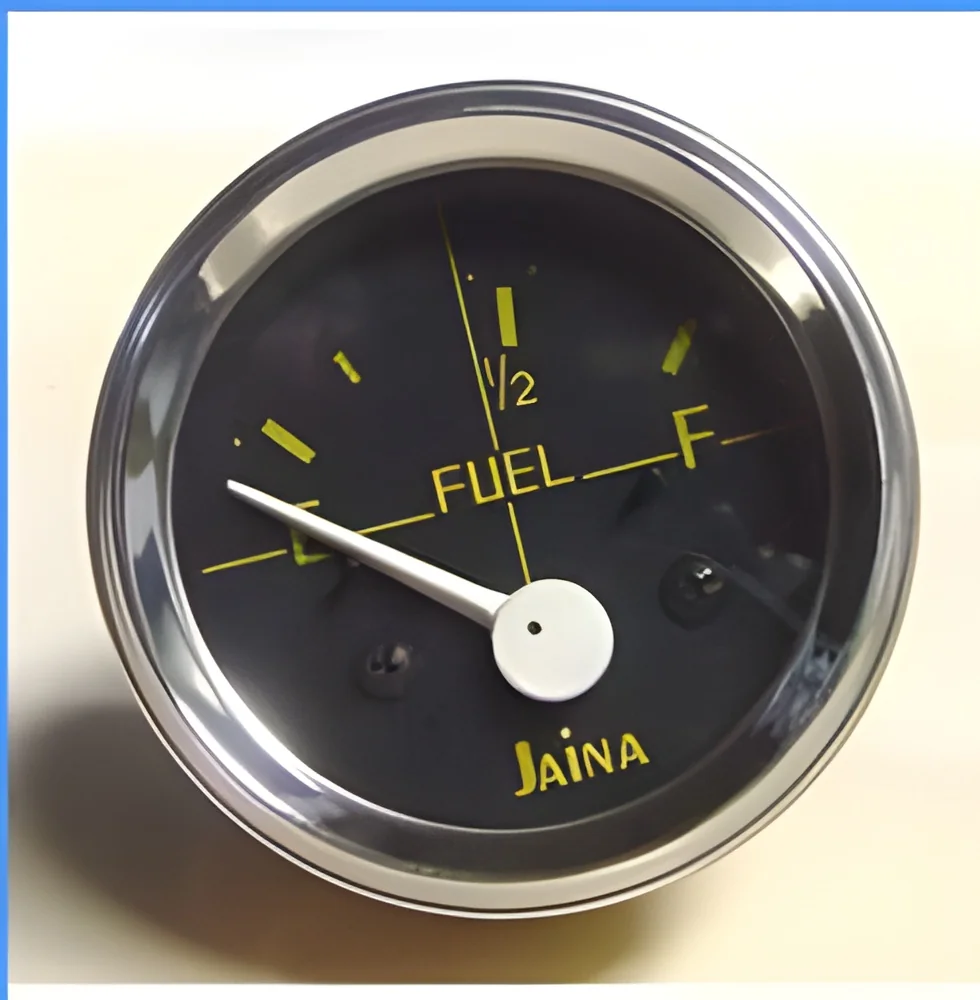
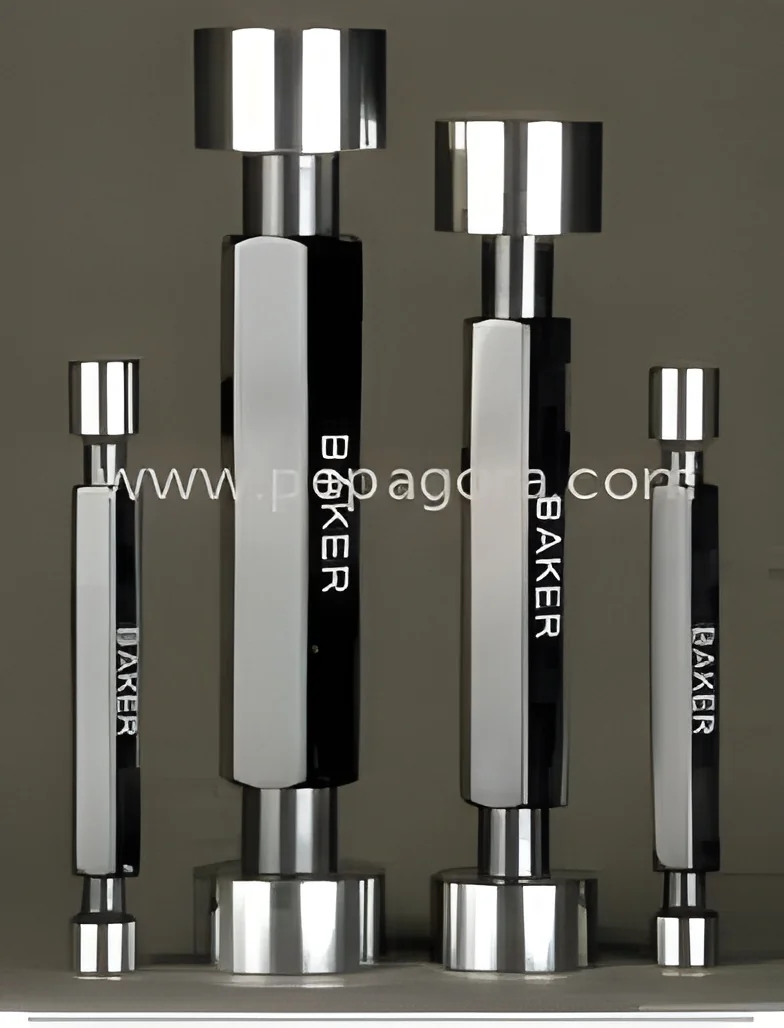
What are Measuring Tools (Tapes, Calipers, Levels)?
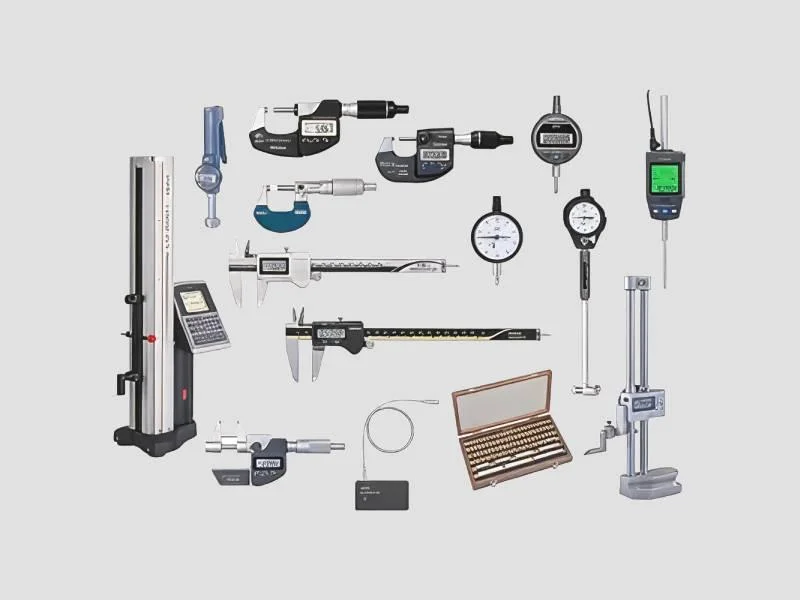
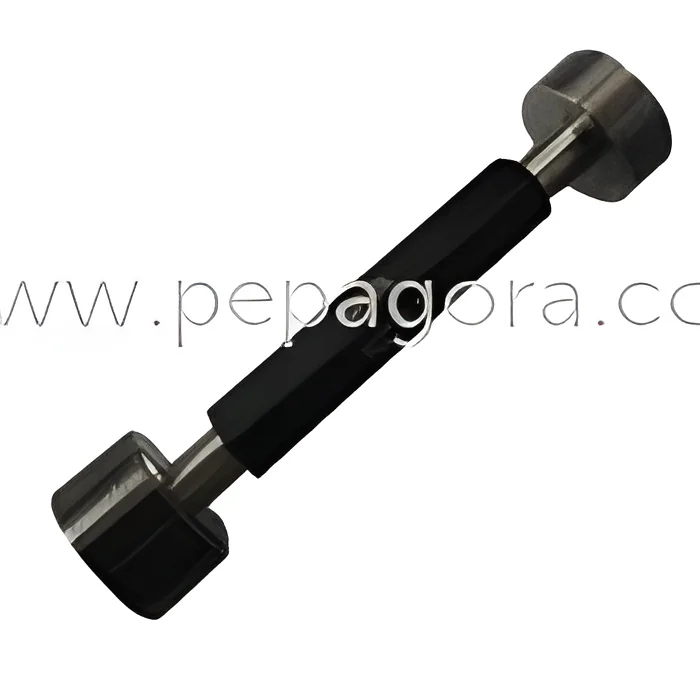
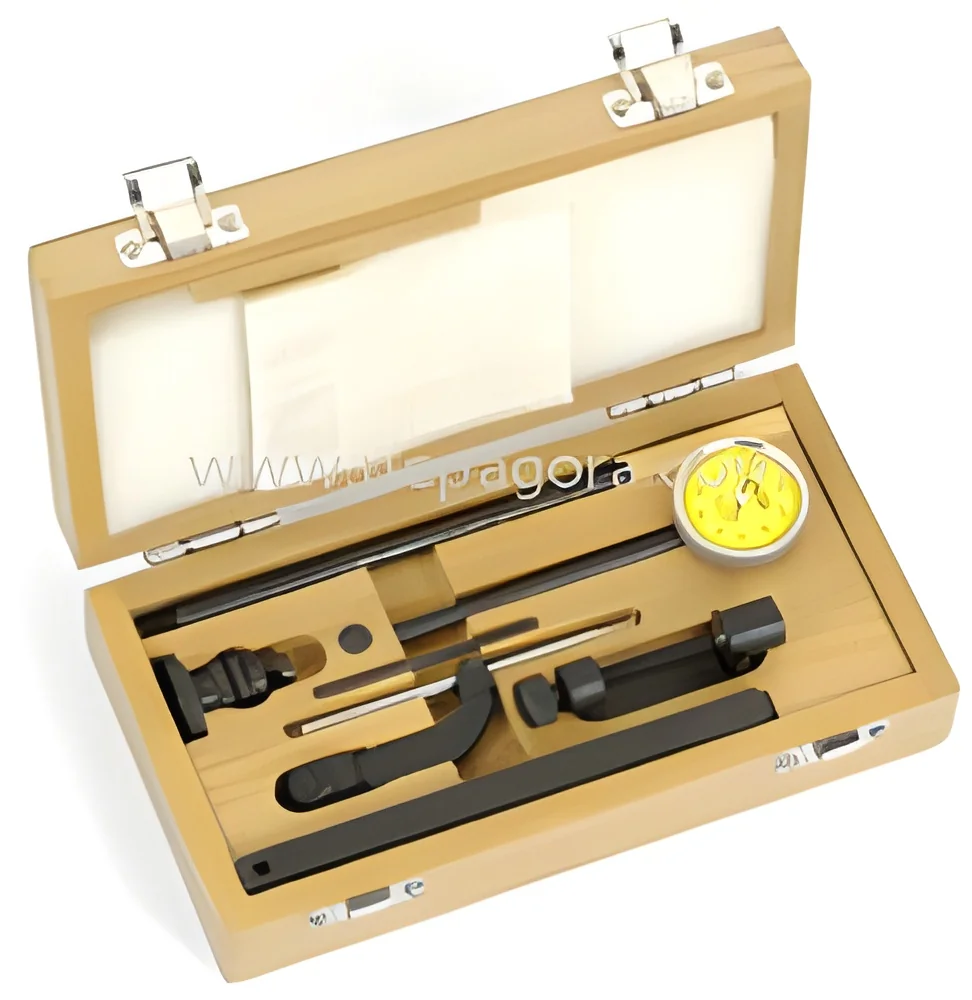
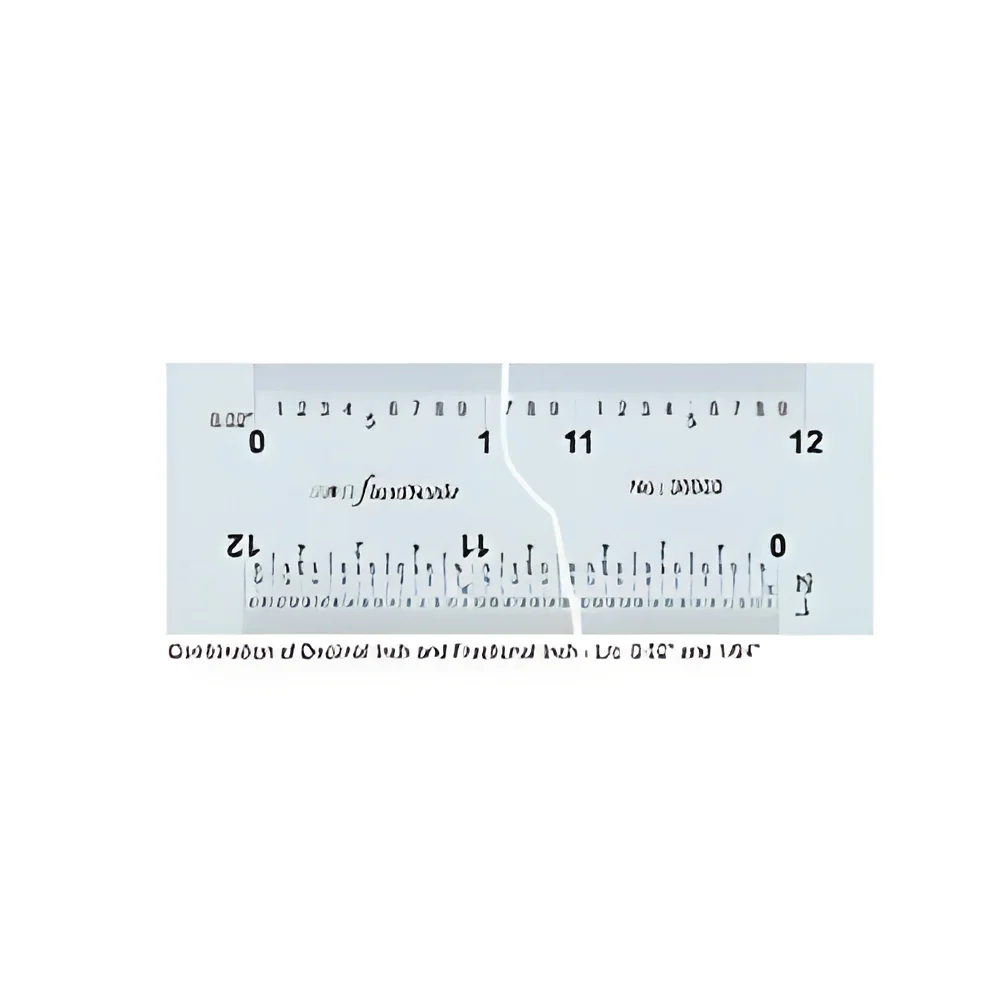
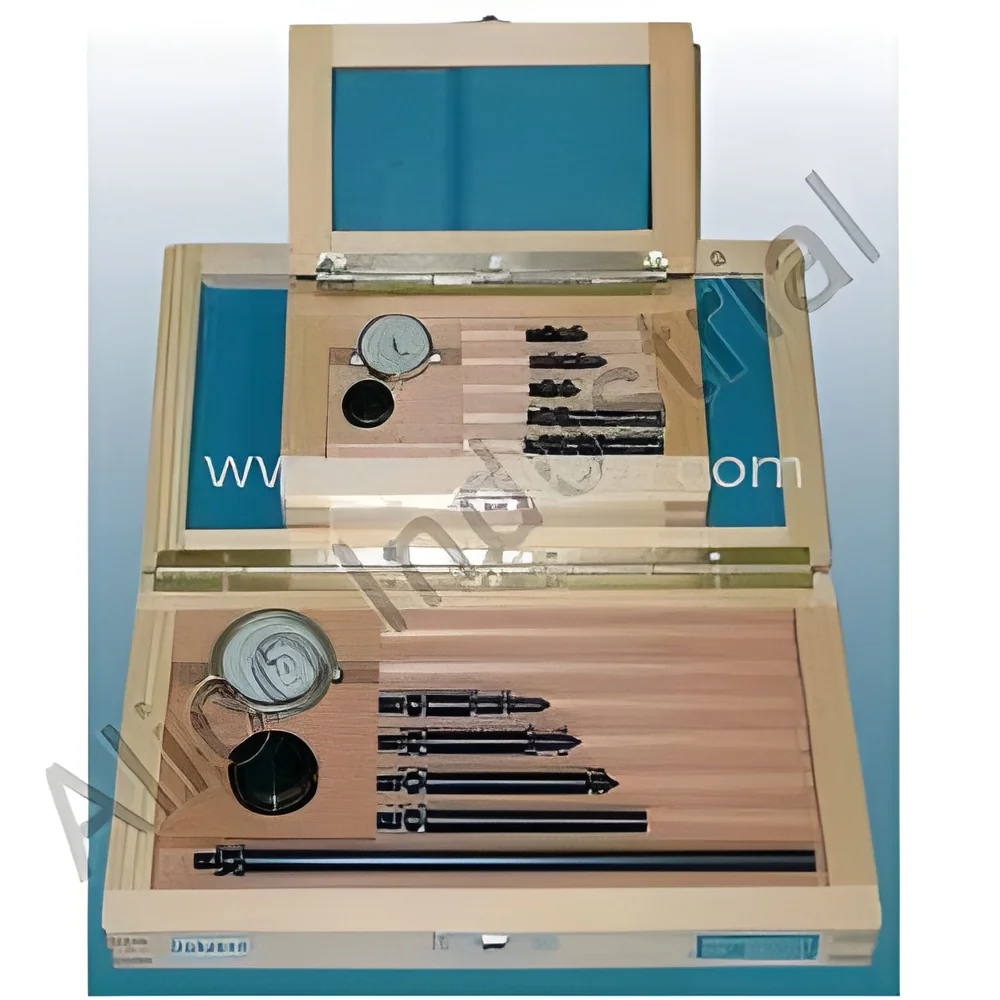
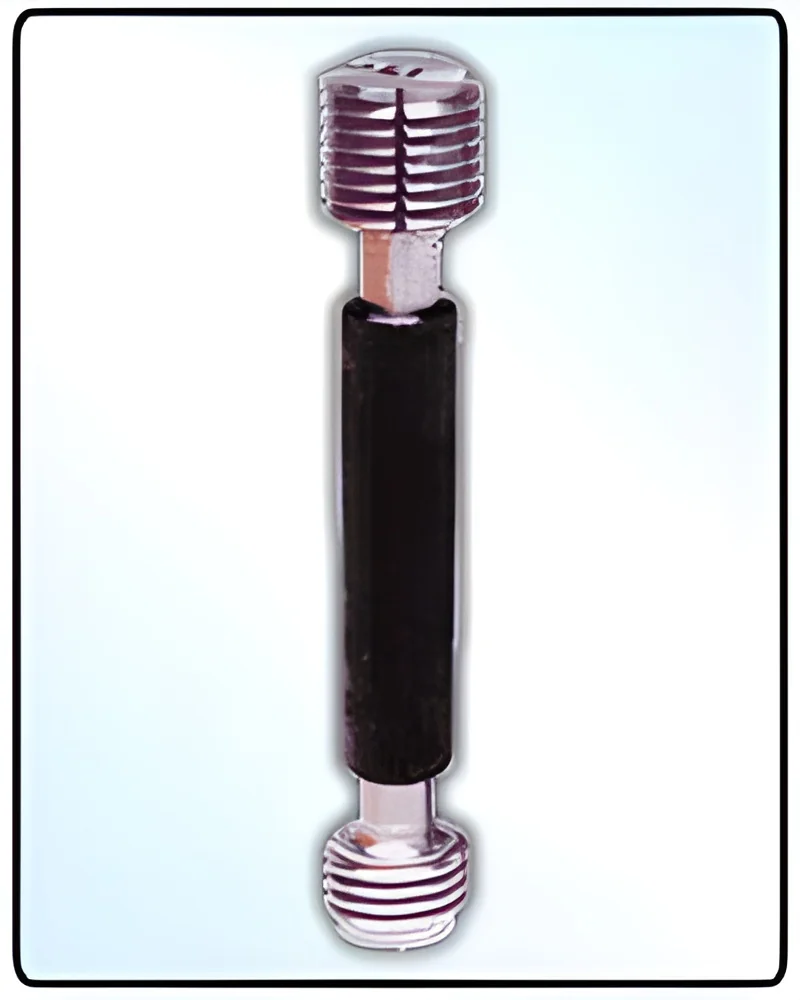
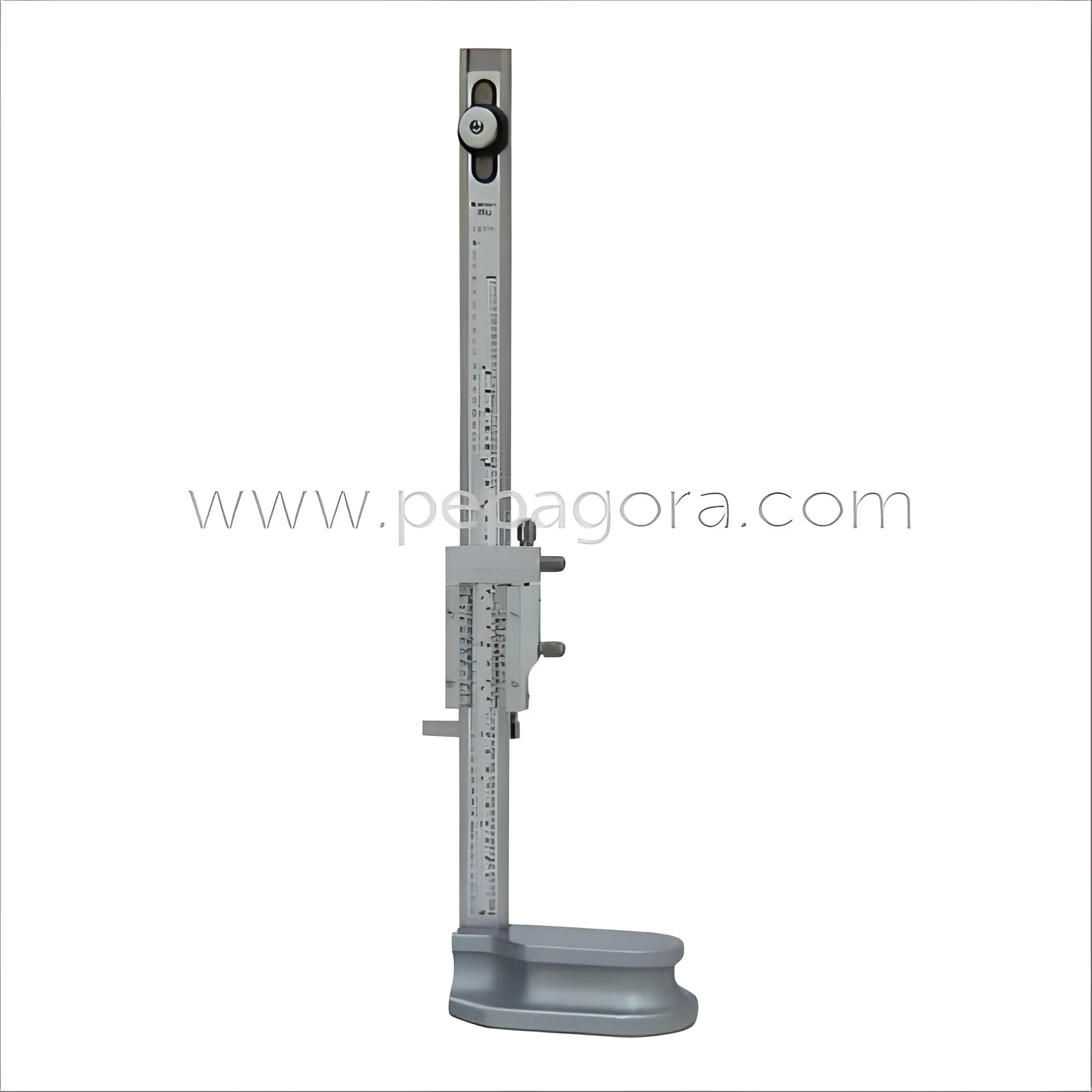
Measuring tools such as tapes, calipers, and levels are essential instruments used for precise measurement in various industries. Tapes are flexible rulers, typically made of cloth, plastic, or metal, designed to measure length or distance. Calipers, on the other hand, are used to measure the distance between two opposite sides of an object, offering a high degree of accuracy. Levels are tools used to determine the horizontal or vertical alignment of surfaces, ensuring that structures and installations are straight and properly aligned.
These tools are widely used in construction, manufacturing, and engineering sectors. They play a critical role in quality control, product development, and project management, enabling professionals to achieve accurate measurements for precise applications. The relevance of measuring tools extends across industries, from ensuring that buildings are structurally sound to aiding in the production of precise components in manufacturing.
In today's competitive market, the demand for accurate and reliable measuring tools is rising. As industries evolve and embrace new technologies, the need for measurement accuracy becomes increasingly crucial. Businesses are looking for tools that not only meet their measurement needs but also comply with industry standards and regulations.
𝗞𝗲𝘆 𝗙𝗲𝗮𝘁𝘂𝗿𝗲𝘀 𝗮𝗻𝗱 𝗦𝗽𝗲𝗰𝗶𝗳𝗶𝗰𝗮𝘁𝗶𝗼𝗻𝘀
Measuring tools come with a variety of features and specifications that contribute to their effectiveness and usability. Understanding these specifications helps buyers make informed decisions when selecting the right tools for their needs.
Key specifications include:
1. Measurement Range
- The range of lengths or dimensions that the tool can measure.
- Typically varies from small (e.g., 0-6 inches) to large (e.g., 0-100 feet) depending on the tool.
2. Accuracy
- The degree to which the tool's measurements reflect the true value.
- Often specified in millimeters or fractions of an inch.
3. Material
- The composition of the tool, which can affect durability and flexibility.
- Common materials include stainless steel for calipers and reinforced plastic for tapes.
4. Display Type
- The method by which measurements are presented to the user.
- Options include analog dials or digital readouts.
5. Calibration
- The process of adjusting the tool to ensure accuracy.
- Tools may come pre-calibrated or require periodic recalibration.
6. Weight
- The weight of the tool, which can affect portability and ease of use.
- Lighter tools are often preferred for fieldwork.
7. Durability
- The ability of the tool to withstand wear and tear.
- Features such as rust resistance or impact resistance are vital for longevity.
8. User Features
- Additional features that enhance usability, such as locking mechanisms or magnetic tips.
- These features can streamline the measurement process and improve efficiency.
In summary, understanding the key features and specifications of measuring tools is essential for selecting the right instruments that meet both business and industry requirements.
𝗖𝗼𝗺𝗺𝗼𝗻 𝗔𝗽𝗽𝗹𝗶𝗰𝗮𝘁𝗶𝗼𝗻𝘀 𝗮𝗻𝗱 𝗨𝘀𝗲 𝗖𝗮𝘀𝗲𝘀
Measuring tools are utilized across various industries, each having specific applications that highlight the importance of precise measurements.
1. Construction: In this industry, measuring tapes and levels are used to determine dimensions for framing, ensure vertical and horizontal alignment, and guarantee that structures are built according to architectural plans.
2. Manufacturing: Calipers are essential in manufacturing settings for measuring components accurately, ensuring they meet specifications for assembly and functionality.
3. Automotive: Measuring tools are used in automotive repair and manufacturing to ensure parts fit correctly and meet safety standards, affecting the overall performance of vehicles.
4. Aerospace: In the aerospace industry, precision is paramount. Measuring tools are used to ensure that components meet strict safety and performance criteria.
5. Electronics: For electronic component assembly, calipers and measuring tapes help in assessing the dimensions of circuit boards and enclosures to ensure proper fitment and functionality.
6. Woodworking: Woodworkers rely on measuring tools to make precise cuts and joints, ensuring high-quality craftsmanship.
7. Healthcare: In the medical field, measuring tools are used for various applications, including the precise measurement of medical devices and equipment.
𝗣𝗿𝗼𝗱𝘂𝗰𝘁 𝗩𝗮𝗿𝗶𝗮𝗻𝘁𝘀 𝗮𝗻𝗱 𝗦𝘂𝗯𝗰𝗮𝘁𝗲𝗴𝗼𝗿𝗶𝗲𝘀
Measuring tools come in various forms, catering to different needs and applications. This diversity allows businesses to select tools that best fit their specific requirements.
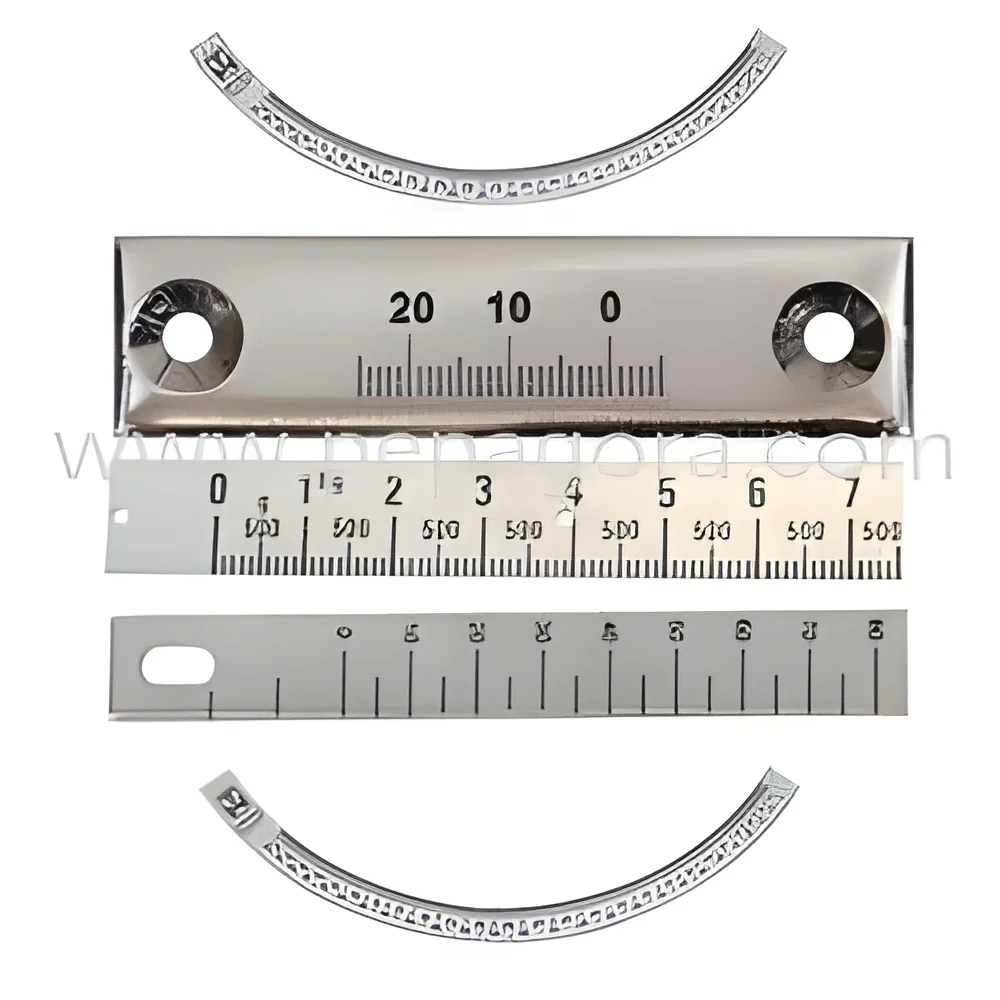
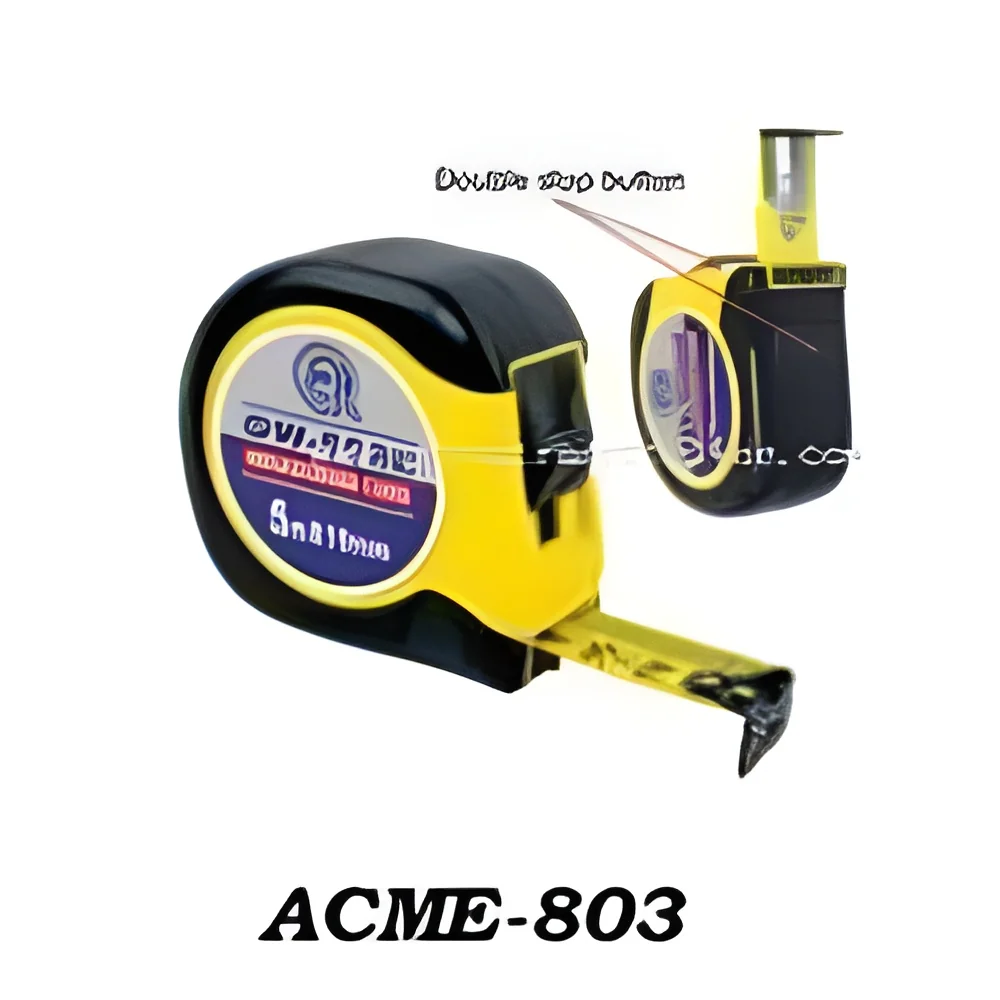
Tape Measures: These are flexible, retractable measuring tools commonly used in construction and home improvement projects. They often feature markings in both metric and imperial units for versatility.
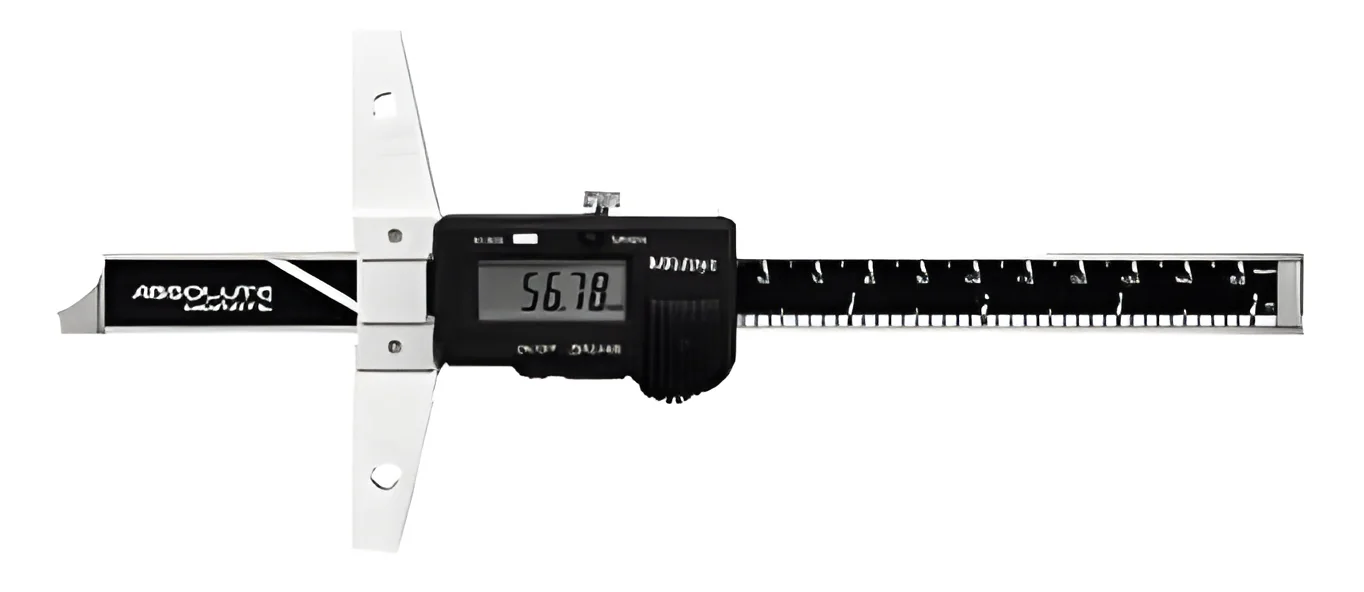
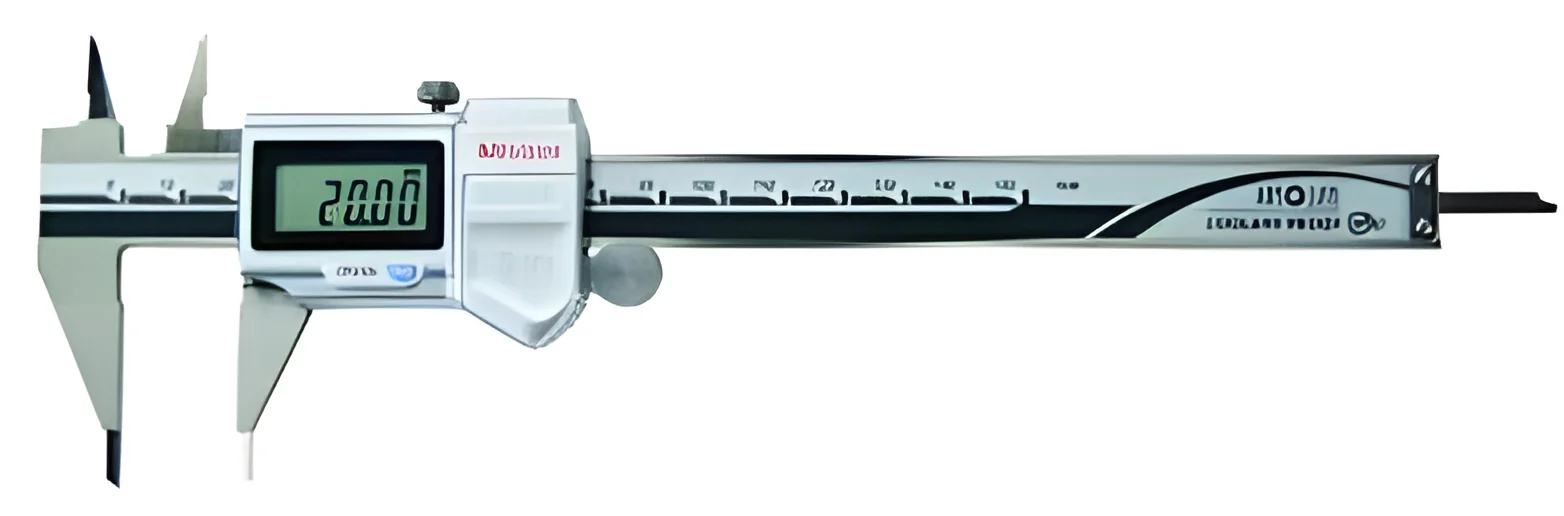
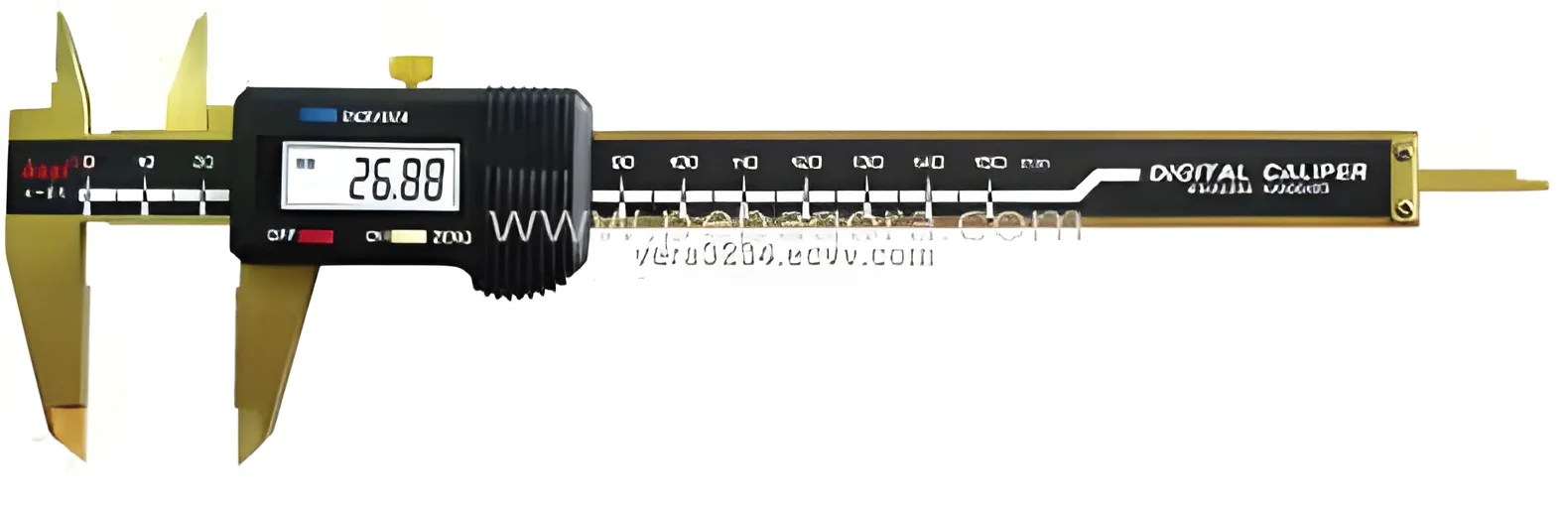
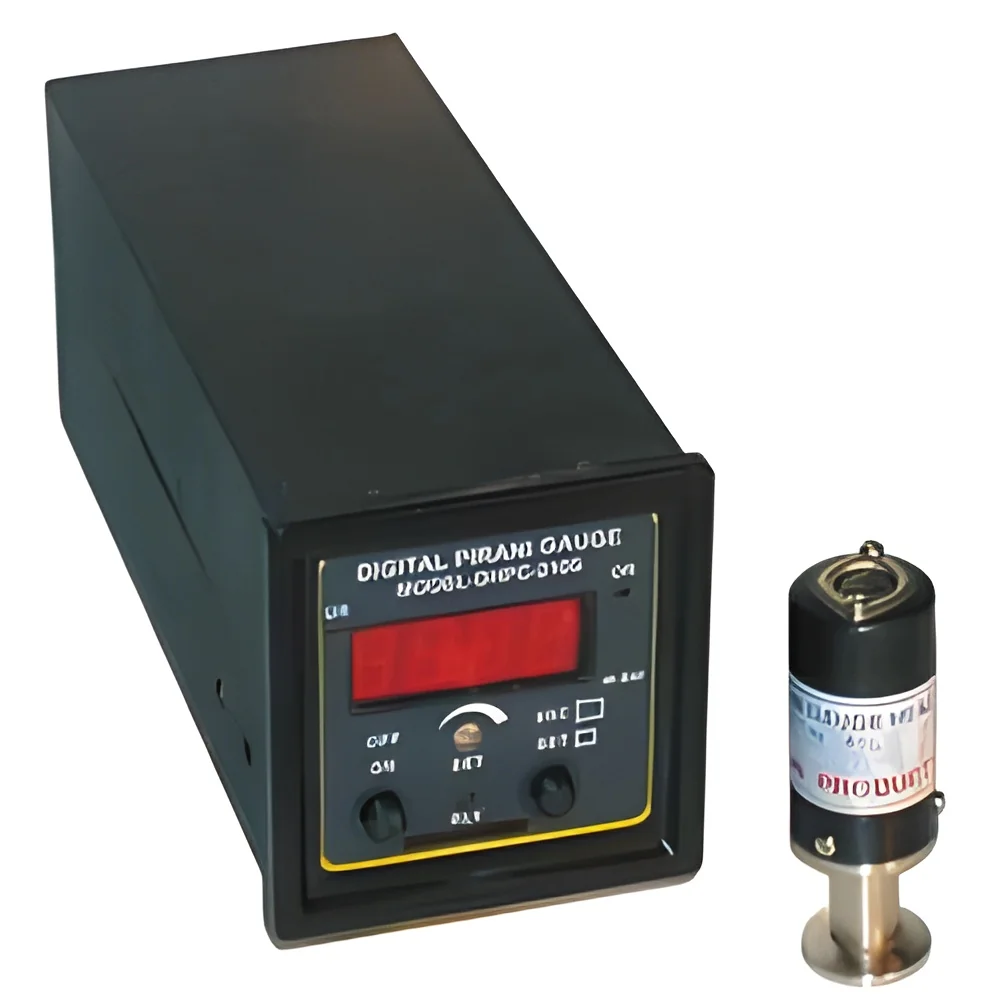
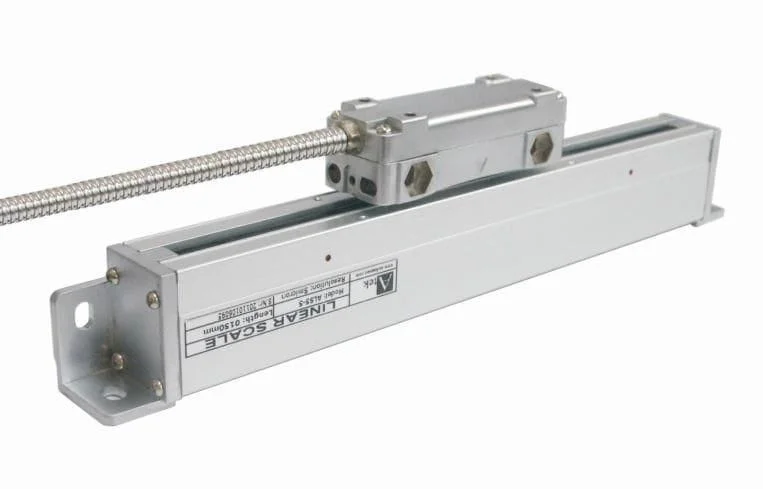
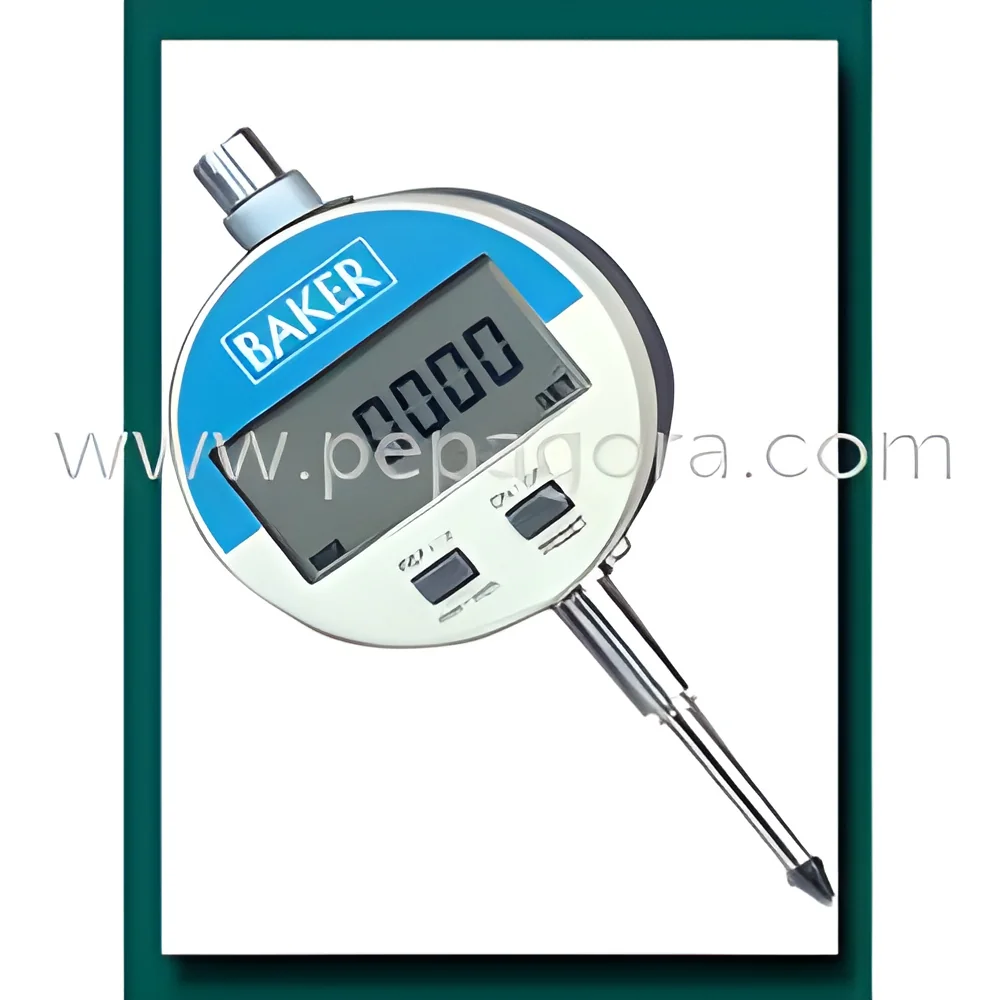
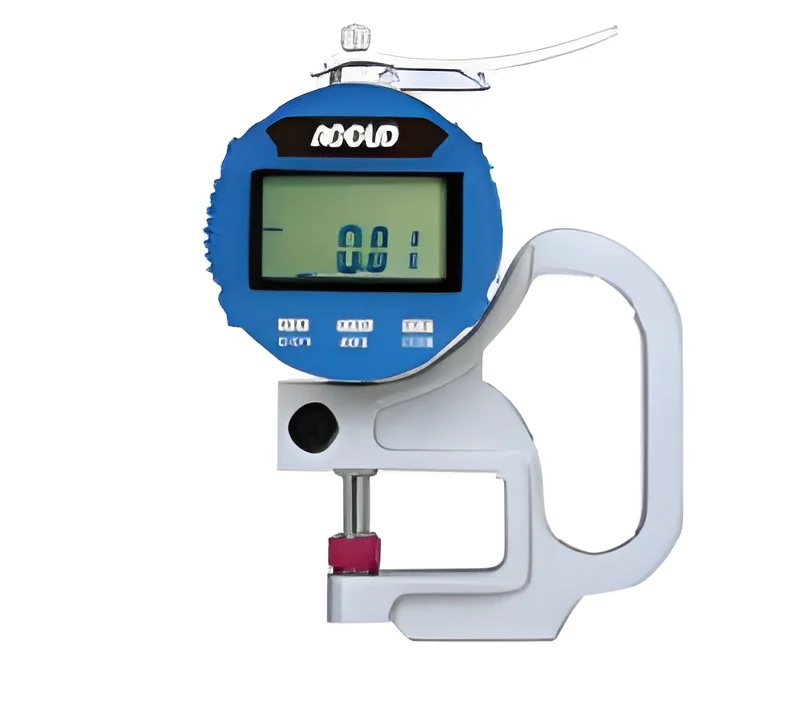
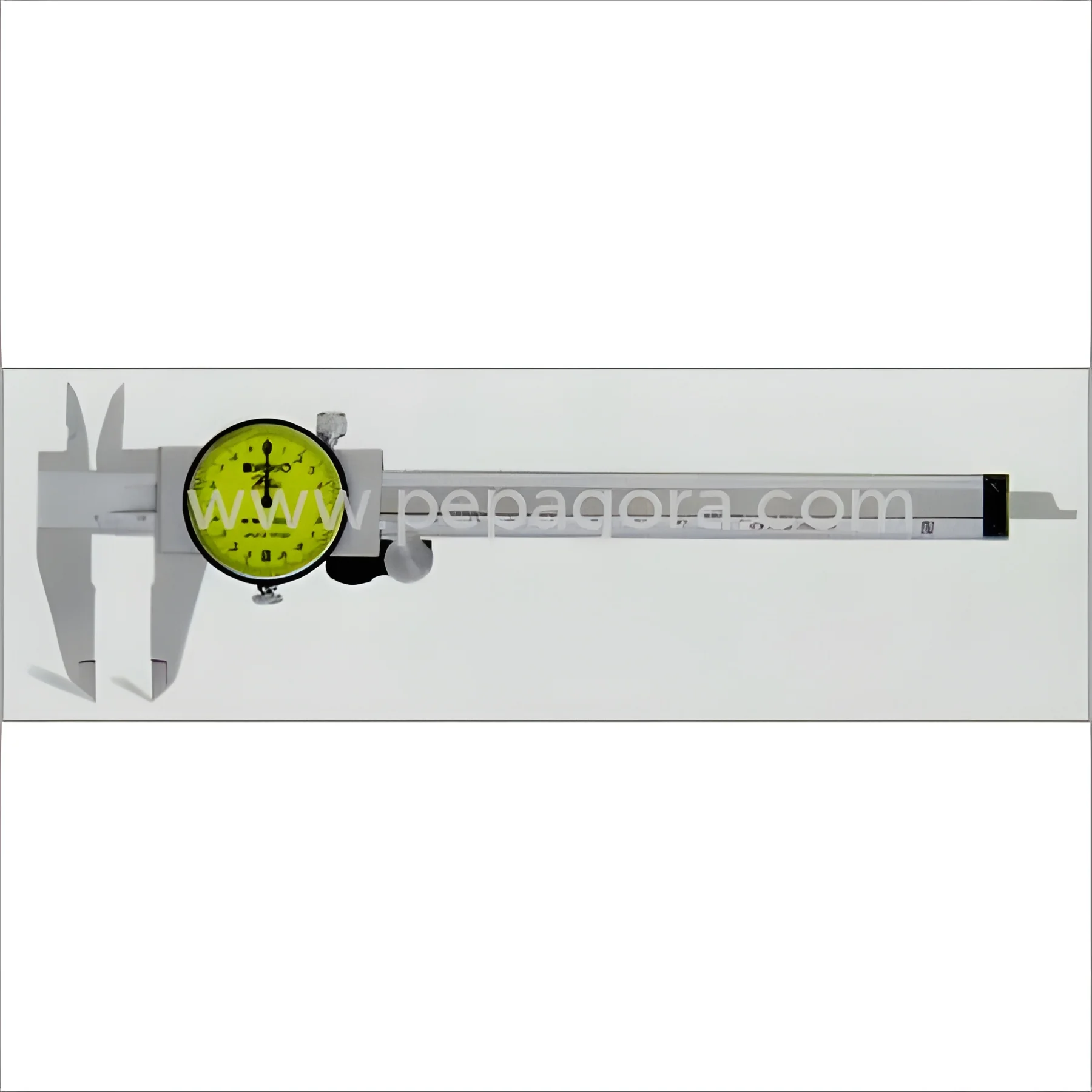
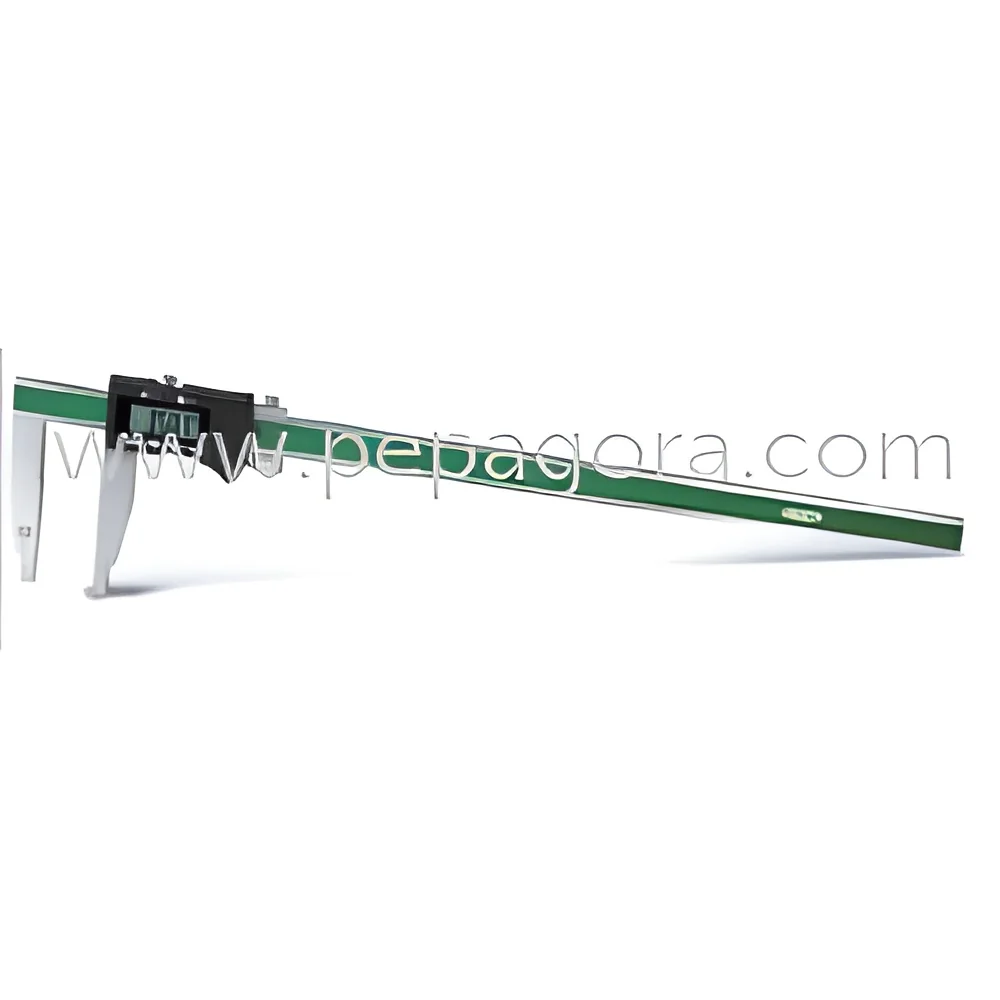
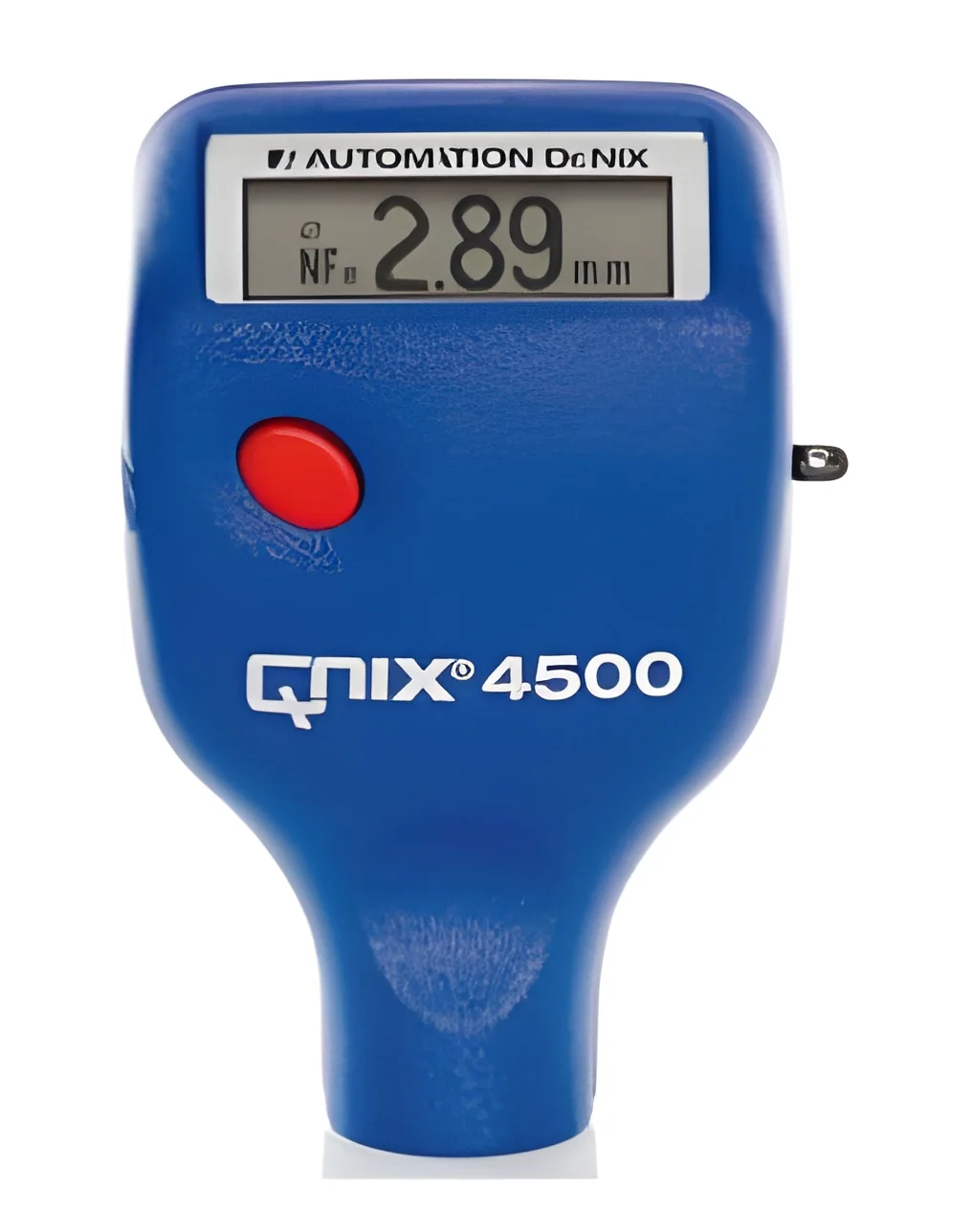
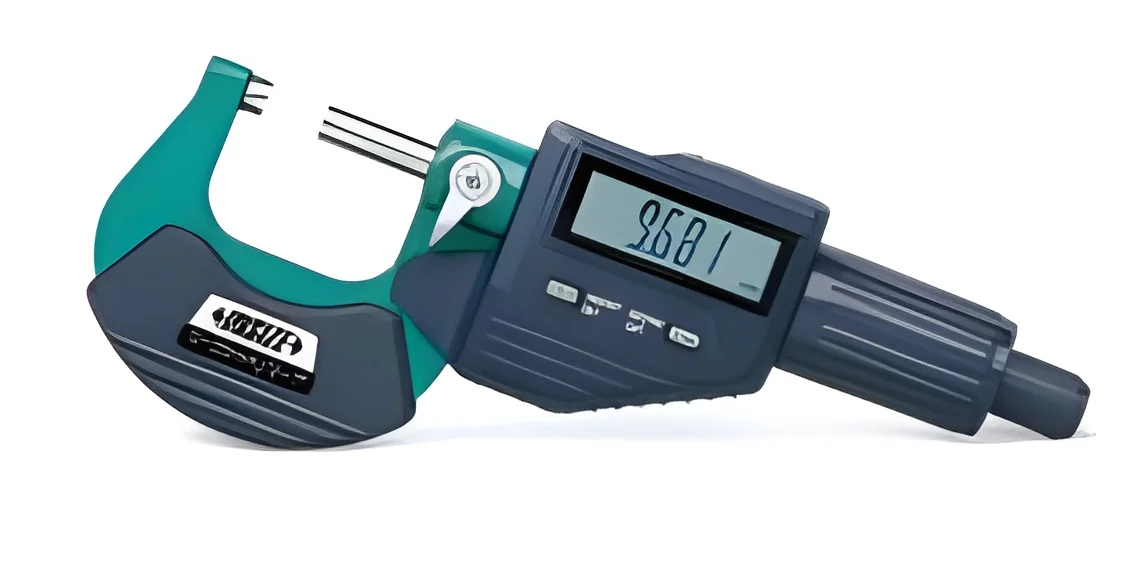
Digital Calipers: Offering high precision, digital calipers provide easy-to-read measurements on a digital display. They are ideal for use in laboratories and manufacturing, where accuracy is critical.
Laser Distance Measurer: This modern variant uses laser technology to measure distances quickly and accurately. It is particularly useful in large spaces where traditional tapes may be cumbersome.
Levels: Available in various types, including bubble levels and digital levels, these tools are essential for ensuring surfaces are even and aligned. They are widely used in construction and installation projects.
𝗕𝗲𝗻𝗲𝗳𝗶𝘁𝘀 𝗮𝗻𝗱 𝗔𝗱𝘃𝗮𝗻𝘁𝗮𝗴𝗲𝘀
Investing in high-quality measuring tools offers numerous benefits to businesses, enhancing efficiency and accuracy in operations.
1. Precision: Measuring tools provide accurate measurements, reducing the likelihood of errors in construction and manufacturing processes.
2. Time-Saving: Reliable tools streamline the measurement process, allowing professionals to complete tasks more quickly and efficiently.
3. Versatility: Many measuring tools are adaptable to various applications, making them suitable for a wide range of industries.
4. Cost-Effectiveness: High-quality tools can lead to cost savings by minimizing waste and rework due to measurement errors.
5. Improved Quality Control: Accurate measurements contribute to higher quality products, ensuring that items meet required specifications.
6. Enhanced Safety: Proper measurements help ensure that structures and products are safe for use, reducing the risk of accidents and failures.
𝗕𝘂𝘆𝗶𝗻𝗴 𝗚𝘂𝗶𝗱𝗲 𝗳𝗼𝗿 𝗕𝟮𝗕 𝗕𝘂𝘆𝗲𝗿𝘀
When sourcing measuring tools such as tapes, calipers, and levels, several factors should be considered to ensure the right selection for business needs.
1. Quality Assessment: Evaluate the build quality and reliability of the tools. Look for reputable manufacturers and customer reviews to gauge performance.
2. Supplier Verification: Vet suppliers to ensure they are credible and provide high-quality products. Check for certifications and industry reputation.
3. Pricing and MOQ: Understand the pricing structure and minimum order quantities. This helps in budgeting and ensures that the purchase aligns with business needs.
4. Delivery and Lead Times: Consider logistics factors, including delivery times and shipping options, to ensure that tools arrive when needed.
5. Compliance Requirements: Be aware of any industry-specific regulations and standards that tools must meet, ensuring that all products sourced are compliant.
𝗖𝗼𝗺𝗽𝗹𝗶𝗮𝗻𝗰𝗲 𝗮𝗻𝗱 𝗖𝗲𝗿𝘁𝗶𝗳𝗶𝗰𝗮𝘁𝗶𝗼𝗻𝘀
Measuring tools are often subject to various quality standards and certifications that ensure their reliability and safety. ISO 9001 is a key quality management standard that applies to manufacturing processes of measuring tools, ensuring consistent quality across products.
Moreover, industry certifications such as CE mark indicate that the tools comply with European safety, health, and environmental protection standards. This is particularly important for tools used in sensitive industries like healthcare and aerospace.
Safety and testing requirements must also be adhered to, ensuring that tools are safe for use and perform reliably under expected conditions. Regional compliance considerations vary, and businesses should be mindful of the specific regulations that apply to their location and industry, ensuring that all measuring tools sourced are compliant.
Why Source Measuring Tools (Tapes, Calipers, Levels) from Pepagora?
Pepagora provides a trusted platform for sourcing measuring tools such as tapes, calipers, and levels, offering several key advantages for businesses.
Verified Supplier Network: Pepagora connects buyers with a network of verified suppliers, ensuring that all products meet quality standards and are sourced from reputable manufacturers.
Streamlined RFQ Process: The platform features a simplified request for quotation (RFQ) process, allowing buyers to easily compare prices and specifications from multiple suppliers, saving time and effort.
Trade Assurance and Support: Pepagora offers buyer protection and support throughout the purchasing process, providing peace of mind and ensuring that transactions are secure.
Regional Coverage: With a strong presence in regions such as India, the GCC, and Southeast Asia, Pepagora facilitates access to a wide range of measuring tools, making it a convenient option for businesses operating in diverse markets.
What are Measuring Tools (Tapes, Calipers, Levels)?
Measuring Tools (Tapes, Calipers, Levels) are precision instruments used to determine dimensions, distances, and angles in various applications. These tools ensure accuracy in construction, engineering, and manufacturing processes.
2
What are the different types of Measuring Tools (Tapes, Calipers, Levels)?
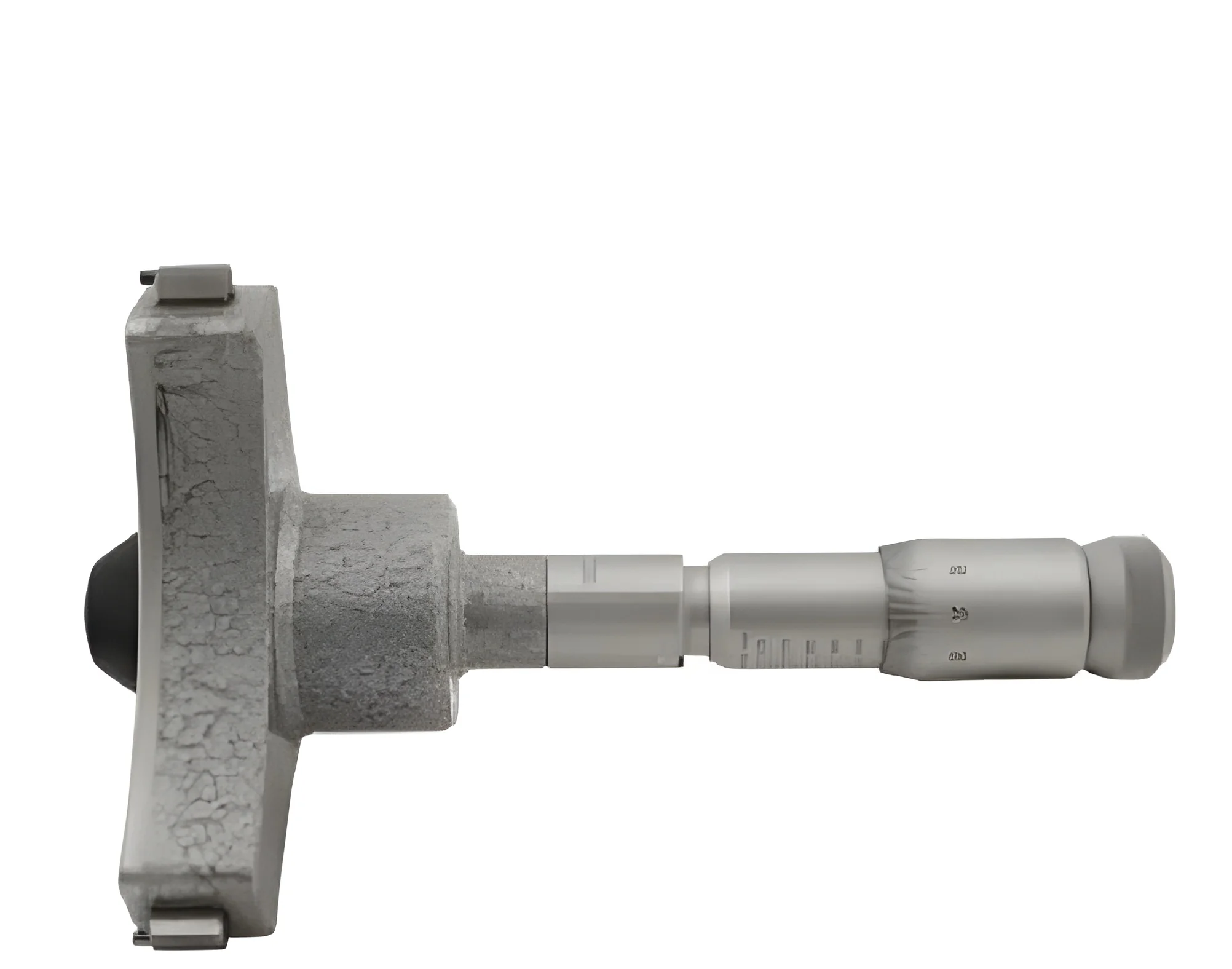
The different types of Measuring Tools include tape measures, calipers, spirit levels, laser levels, and micrometers. Each type serves specific functions; for instance, tape measures are ideal for longer distances, while calipers provide precise measurements of small objects.
3
How do I choose the right Measuring Tools (Tapes, Calipers, Levels)?
Choosing the right Measuring Tools depends on the specific application and required precision. Consider factors such as measurement range, accuracy, and ease of use, as well as the type of material being measured.
4
What are the standard specifications for Measuring Tools (Tapes, Calipers, Levels)?
Standard specifications for Measuring Tools include measurement accuracy, material durability, and measurement ranges. For example, tape measures may have a length of 5 to 100 meters, while calipers can measure to a thousandth of a millimeter.
5
What is the price range for Measuring Tools (Tapes, Calipers, Levels)?
The price range for Measuring Tools varies widely based on type and quality, typically ranging from INR 100 to INR 10,000 or more. Basic tape measures are more affordable, while high-precision calipers and levels tend to be priced higher.
6
What quality standards apply to Measuring Tools (Tapes, Calipers, Levels)?
Quality standards for Measuring Tools often include ISO, ASTM, and DIN certifications. Adhering to these standards ensures that the tools meet specific accuracy and reliability requirements.
7
Where can I find Measuring Tools (Tapes, Calipers, Levels) suppliers in India?
Measuring Tools suppliers can be found on B2B marketplaces like Pepagora.com, as well as through trade shows and industrial supply companies. These platforms connect buyers with manufacturers and wholesalers across India.
8
Can Measuring Tools (Tapes, Calipers, Levels) be customized?
Yes, many manufacturers offer customization options for Measuring Tools, including branding, specific measurement ranges, and specialized features. It's advisable to discuss customization needs directly with suppliers.
9
What is the typical minimum order quantity for Measuring Tools (Tapes, Calipers, Levels)?
The typical minimum order quantity (MOQ) for Measuring Tools can vary based on the supplier and product type, often ranging from 10 to 100 units. It is best to check with individual suppliers for their specific MOQ requirements.
10
What is the typical lead time for Measuring Tools (Tapes, Calipers, Levels)?
The typical lead time for Measuring Tools varies depending on the supplier and order specifications, generally ranging from 7 to 30 days. Factors such as customization and order size can affect the delivery timeline.
Why Businesses Trust Pepagora
Thousands of companies trust Pepagora to source smarter and sell faster
Expand Your Sales Globally
25000+Products listed.Get discovered by global buyers

 IN
IN