𝗪𝗵𝗮𝘁 𝗮𝗿𝗲 𝗥𝗲𝗵𝗮𝗯𝗶𝗹𝗶𝘁𝗮𝘁𝗶𝗼𝗻 & 𝗣𝗵𝘆𝘀𝗶𝗼𝘁𝗵𝗲𝗿𝗮𝗽𝘆 𝗘𝗾𝘂𝗶𝗽𝗺𝗲𝗻𝘁?
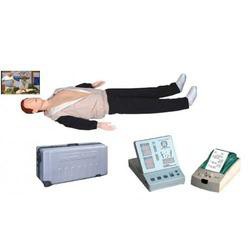
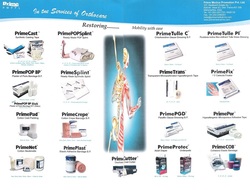
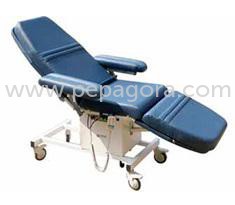
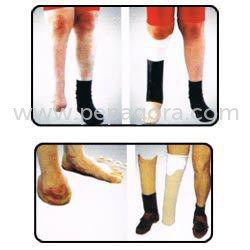
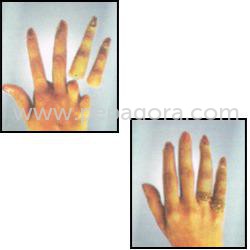
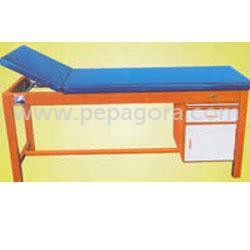
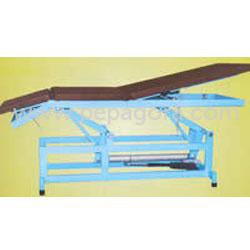
Rehabilitation and physiotherapy equipment refers to a range of devices and tools designed to aid in the recovery of individuals with physical impairments or disabilities. These products are essential in helping patients regain mobility, strength, and overall functionality after injuries, surgeries, or chronic conditions. The equipment can vary widely, including items such as exercise machines, therapeutic modalities, and assistive devices, each serving a unique purpose in the rehabilitation process.
The primary uses of rehabilitation and physiotherapy equipment are found in clinical settings, hospitals, and rehabilitation centers. These tools are employed by healthcare professionals to conduct assessments, provide treatments, and support various therapeutic exercises. The equipment is invaluable for improving patient outcomes and accelerating recovery timelines, making it a critical component of modern healthcare practices. In the current market context, the increasing prevalence of chronic diseases and an aging population are driving demand for effective rehabilitation solutions, positioning the industry for growth and innovation.
𝗞𝗲𝘆 𝗙𝗲𝗮𝘁𝘂𝗿𝗲𝘀 𝗮𝗻𝗱 𝗦𝗽𝗲𝗰𝗶𝗳𝗶𝗰𝗮𝘁𝗶𝗼𝗻𝘀
Rehabilitation and physiotherapy equipment comes with various features designed to enhance usability and effectiveness. It is essential to understand the specifications that define the quality and functionality of these products.
Key specifications include:
1. Durability
- Equipment must withstand regular use over time.
- Materials should be resistant to wear and tear.
2. User-Friendliness
- Equipment should be easy to operate for both patients and therapists.
- Clear instructions and intuitive design enhance usability.
3. Safety Features
- Equipment must include features to prevent accidents.
- Emergency stop buttons and sturdy construction are critical.
4. Adjustable Settings
- Equipment should offer customizable settings to accommodate different patient needs.
- Adjustability in resistance and height can enhance therapy.
5. Portability
- Some equipment should be lightweight for easy transport.
- Foldable designs can facilitate storage in limited spaces.
6. Compliance with Standards
- Equipment must meet relevant health and safety regulations.
- Adherence to ISO and CE standards is essential.
7. Monitoring Capabilities
- Some devices may include features for tracking progress.
- Digital displays and connectivity can enhance functionality.
8. Warranty and Support
- Equipment should come with a warranty for peace of mind.
- Reliable customer support is crucial for maintenance and repairs.
These specifications help buyers evaluate products effectively and ensure they meet the necessary requirements for rehabilitation practices.
𝗖𝗼𝗺𝗺𝗼𝗻 𝗔𝗽𝗽𝗹𝗶𝗰𝗮𝘁𝗶𝗼𝗻𝘀 𝗮𝗻𝗱 𝗨𝘀𝗲 𝗖𝗮𝘀𝗲𝘀
Rehabilitation and physiotherapy equipment finds applications across various industries, each benefiting from specialized tools tailored to specific needs.
1. Healthcare: Hospitals and clinics utilize this equipment for patient rehabilitation, helping individuals recover from surgeries or injuries through tailored exercise regimens.
2. Sports: Athletic facilities employ physiotherapy tools to aid athletes in recovery and injury prevention, ensuring they maintain peak performance levels.
3. Elder Care: Nursing homes and rehabilitation centers use equipment to support elderly patients in regaining mobility and independence, addressing age-related physical issues.
4. Occupational Therapy: Therapists use specialized equipment to assist patients in developing skills needed for daily living and work tasks, ensuring a return to normalcy.
5. Home Care: Patients recovering at home can benefit from portable rehabilitation tools, enabling them to continue their therapy in a comfortable environment.
6. Rehabilitation Centers: Dedicated facilities focus on intensive rehabilitation, using a wide range of equipment to support patients with varying needs and conditions.
7. Pediatric Therapy: Specialized equipment is available for children, addressing their unique developmental requirements and facilitating recovery from injuries or disabilities.
𝗣𝗿𝗼𝗱𝘂𝗰𝘁 𝗩𝗮𝗿𝗶𝗮𝗻𝘁𝘀 𝗮𝗻𝗱 𝗦𝘂𝗯𝗰𝗮𝘁𝗲𝗴𝗼𝗿𝗶𝗲𝘀
Rehabilitation and physiotherapy equipment is diverse, catering to a range of therapeutic needs.
Therapeutic Exercise Equipment
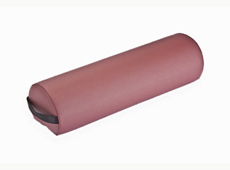
This category includes items like resistance bands, balance boards, and exercise balls. These tools are designed to improve strength, flexibility, and coordination through targeted exercises.
Therapeutic Modalities
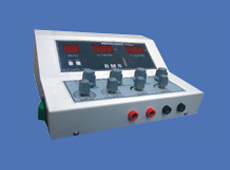
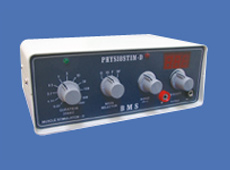
This variant encompasses devices such as ultrasound machines, electrical stimulation units, and hot/cold therapy systems. These modalities are used to relieve pain and enhance recovery by promoting blood flow and reducing inflammation.
Assistive Devices
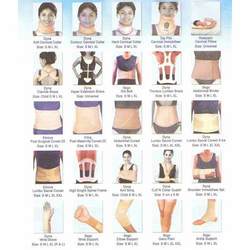
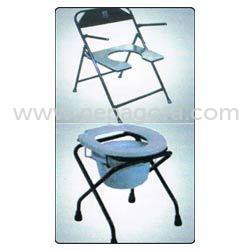
This includes walkers, wheelchairs, and grab bars, which are crucial for individuals with mobility challenges. These devices help patients navigate their environment safely and independently.
𝗕𝗲𝗻𝗲𝗳𝗶𝘁𝘀 𝗮𝗻𝗱 𝗔𝗱𝘃𝗮𝗻𝘁𝗮𝗴𝗲𝘀
Utilizing rehabilitation and physiotherapy equipment offers numerous benefits that enhance both patient care and recovery outcomes.
Key benefits include:
1. Improved Recovery Times: Equipment accelerates healing by promoting active rehabilitation and exercise, enabling patients to return to their normal activities sooner.
2. Enhanced Patient Engagement: Interactive and adjustable equipment encourages patient participation in their rehabilitation programs, leading to better adherence and outcomes.
3. Customized Therapy: Equipment can be tailored to meet the unique needs of each patient, ensuring that therapy is effective and relevant to their specific conditions.
4. Safety and Support: Well-designed equipment features safety mechanisms that protect patients during therapy, minimizing the risk of injury.
5. Progress Tracking: Many devices include monitoring capabilities that allow therapists to track patient progress and adjust treatment plans accordingly, enhancing overall effectiveness.
6. Versatility: The range of available equipment allows for a variety of therapeutic applications, making it suitable for different patient populations and conditions.
𝗕𝘂𝘆𝗶𝗻𝗴 𝗚𝘂𝗶𝗱𝗲 𝗳𝗼𝗿 𝗕𝟮𝗕 𝗕𝘂𝘆𝗲𝗿𝘀
When sourcing rehabilitation and physiotherapy equipment, it is essential for B2B buyers to consider several key factors to ensure they make informed purchasing decisions.
1. Quality Assessment: Buyers should evaluate the quality of equipment based on durability, materials used, and adherence to industry standards. High-quality equipment will provide better performance and longevity.
2. Supplier Verification: It is crucial to vet suppliers thoroughly to ensure they have a good reputation and provide reliable products. Checking customer reviews and seeking recommendations can be helpful.
3. Pricing and MOQ: Understanding the pricing structure and minimum order quantities (MOQ) is important for budget management. Buyers should compare prices across different suppliers to find the best value.
4. Delivery and Lead Times: Logistics play a significant role in procurement. Buyers should discuss delivery timelines with suppliers to ensure timely receipt of equipment.
5. Compliance Requirements: Buyers must ensure that the equipment meets relevant regulatory standards and certifications, such as CE marking, to guarantee safety and efficacy.
𝗖𝗼𝗺𝗽𝗹𝗶𝗮𝗻𝗰𝗲 𝗮𝗻𝗱 𝗖𝗲𝗿𝘁𝗶𝗳𝗶𝗰𝗮𝘁𝗶𝗼𝗻𝘀
Compliance with quality standards and certifications is critical for rehabilitation and physiotherapy equipment.
Relevant quality standards, such as ISO 9001, ensure that the equipment meets international quality management principles. Such standards focus on consistent quality, safety, and efficiency in manufacturing processes.
Industry certifications, like the CE mark, indicate that the equipment complies with European health, safety, and environmental protection standards. This certification is essential for products sold in the European market.
Safety and testing requirements are fundamental to ensuring that equipment is safe for patient use. Manufacturers must conduct rigorous testing to meet these standards and provide documentation to prove compliance.
Additionally, regional compliance considerations may vary. Buyers must be aware of local regulations that may affect the use and sale of rehabilitation and physiotherapy equipment in their specific markets.
𝗪𝗵𝘆 𝗦𝗼𝘂𝗿𝗰𝗲 𝗥𝗲𝗵𝗮𝗯𝗶𝗹𝗶𝘁𝗮𝘁𝗶𝗼𝗻 & 𝗣𝗵𝘆𝘀𝗶𝗼𝘁𝗵𝗲𝗿𝗮𝗽𝘆 𝗘𝗾𝘂𝗶𝗽𝗺𝗲𝗻𝘁 𝗳𝗿𝗼𝗺 𝗣𝗲𝗽𝗮𝗴𝗼𝗿𝗮?
Pepagora is a trusted platform for sourcing rehabilitation and physiotherapy equipment, offering several key advantages to B2B buyers.
Verified Supplier Network: Pepagora connects buyers with a network of verified suppliers. This ensures that buyers can trust the quality of the products they purchase and minimizes the risk of unreliable vendors.
Streamlined RFQ Process: The platform features a user-friendly request for quotation (RFQ) process, allowing buyers to easily submit their requirements and receive competitive bids from multiple suppliers. This efficiency saves time and enhances the procurement experience.
Trade Assurance and Support: Pepagora provides trade assurance, offering buyers protection throughout their purchasing journey. The platform supports buyers in resolving any issues that may arise, ensuring a smooth transaction.
Regional Coverage: With a geographical reach spanning India, the GCC, and Southeast Asia, Pepagora allows buyers to access a wide variety of suppliers and products tailored to their regional markets. This extensive coverage helps buyers find the best solutions for their rehabilitation needs.
What are Rehabilitation & Physiotherapy Equipment?
Rehabilitation & Physiotherapy Equipment refers to tools and devices used to aid in the recovery of patients from injuries, surgeries, or disabilities. These items are designed to support rehabilitation processes and enhance physical therapy sessions, promoting mobility and strength.
2
What are the different types of Rehabilitation & Physiotherapy Equipment?
The types of Rehabilitation & Physiotherapy Equipment include therapeutic exercise equipment, mobility aids, electrotherapy devices, manual therapy tools, and modalities for heat or cold treatments. Each category serves specific purposes in rehabilitation to improve patient outcomes.
3
How do I choose the right Rehabilitation & Physiotherapy Equipment?
Choosing the right Rehabilitation & Physiotherapy Equipment involves assessing the specific needs of the patients and understanding the therapy goals. Consult with healthcare professionals and consider factors such as equipment functionality, safety, and ease of use.
4
What are the standard specifications for Rehabilitation & Physiotherapy Equipment?
Standard specifications for Rehabilitation & Physiotherapy Equipment include weight capacity, adjustable settings, durability, and ease of cleaning. Compliance with medical safety standards and certifications is also crucial for safe usage.
5
What is the price range for Rehabilitation & Physiotherapy Equipment?
The price range for Rehabilitation & Physiotherapy Equipment varies widely based on the type and complexity of the device. Basic equipment may start from a few thousand rupees, while advanced devices can cost significantly more, often exceeding several lakhs.
6
What quality standards apply to Rehabilitation & Physiotherapy Equipment?
Quality standards for Rehabilitation & Physiotherapy Equipment include adherence to ISO certifications and medical device regulations. Equipment should be tested for safety, efficacy, and reliability to ensure they meet industry standards.
7
Where can I find Rehabilitation & Physiotherapy Equipment suppliers in India?
You can find Rehabilitation & Physiotherapy Equipment suppliers in India through online B2B marketplaces like Pepagora, medical equipment trade shows, and industry directories. It's advisable to review supplier credentials and customer feedback before making a selection.
8
Can Rehabilitation & Physiotherapy Equipment be customized?
Yes, many Rehabilitation & Physiotherapy Equipment manufacturers offer customization options to meet specific patient needs. Customization may include adjustments to size, functionality, and features to better support rehabilitation processes.
9
What is the typical minimum order quantity for Rehabilitation & Physiotherapy Equipment?
The typical minimum order quantity (MOQ) for Rehabilitation & Physiotherapy Equipment can vary by supplier and product type. Generally, MOQs can range from a single unit for specialized equipment to larger quantities for bulk orders.
10
What is the typical lead time for Rehabilitation & Physiotherapy Equipment?
The typical lead time for Rehabilitation & Physiotherapy Equipment can range from a few days to several weeks. Factors affecting lead time include product availability, customization requests, and shipping logistics.
Why Businesses Trust Pepagora
Thousands of companies trust Pepagora to source smarter and sell faster
Expand Your Sales Globally
25000+Products listed.Get discovered by global buyers

 IN
IN

 India
India